Imagine standing on an African plain about three hundred thousand years ago and realizing that the upright figure on the horizon might not be the same kind of human as you. Not an alien, not an animal, but a different version of human altogether, with its own history, language-like calls, and family ties. That sounds like science fiction, yet anthropology tells us that this was once the real world.
We live in a strange moment in human history: for the first time that we know of, there is only one kind of human on Earth. For most of our species’ existence, we shared the planet with others who were similar enough to have children with us but different enough that we give them separate names in our family tree. The more fossils and DNA we uncover, the more crowded that past becomes – and the more it forces us to rethink what it actually means to be human.
When “Human” Didn’t Mean Just One Species
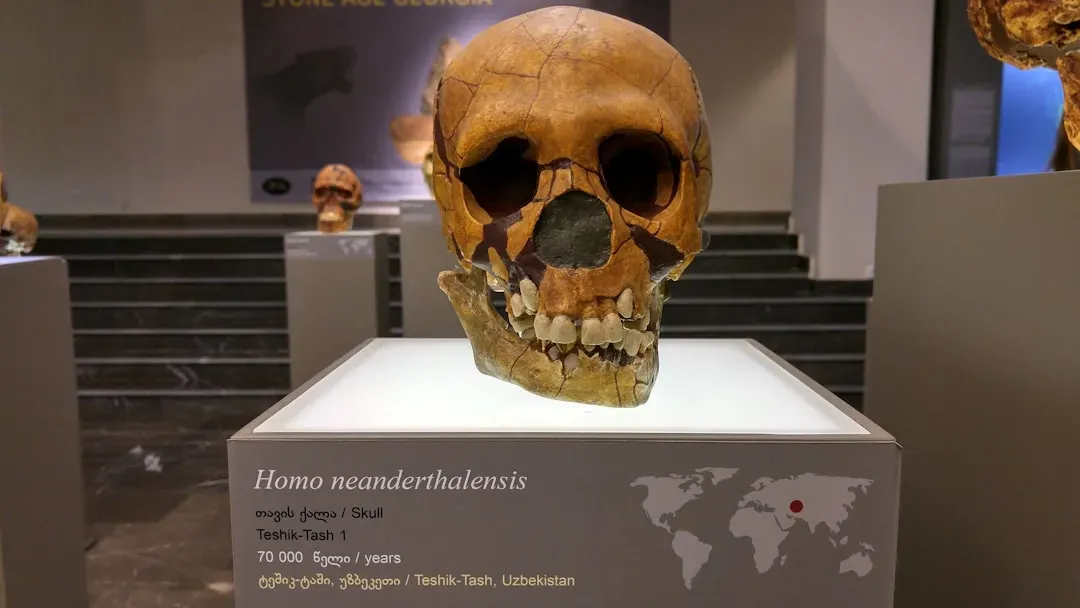
It can be genuinely shocking to realize that for long stretches of prehistory, Homo sapiens were just one of several human species walking the same ground, breathing the same air, and sometimes meeting face to face. Anthropology paints a picture of a world where Neanderthals in Ice Age Europe, Denisovans in parts of Asia, and various archaic humans in Africa overlapped in time with early modern humans. The idea that we were once just one branch in a whole cluster of human lineages is a direct slap in the face to the comforting myth that we were always “special” and alone.
I still remember the first time I saw a museum reconstruction of a Neanderthal and realized how ordinary he looked – like someone you might awkwardly avoid eye contact with on the subway, not some monstrous caveman. That’s the emotional jolt anthropology delivers: these were not movie monsters, but people with children, elders, and stories we will never hear. The fact that different human kinds once coexisted forces us to admit that “humanity” has never been as clear-cut or exclusive as we like to pretend.
Meet the Other Humans: Neanderthals, Denisovans, and More
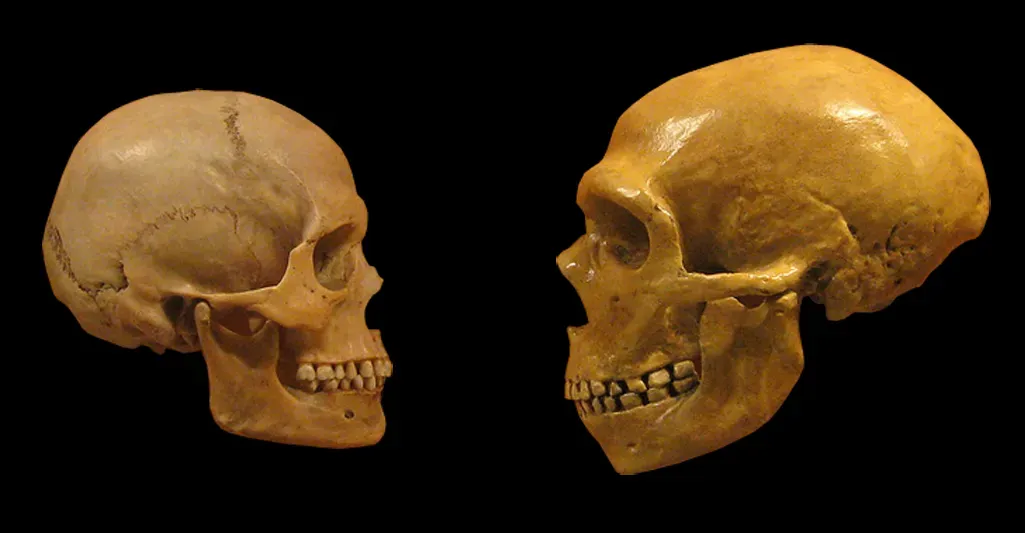
Neanderthals are the most famous of our extinct cousins, stocky and strong, adapted to cold climates with big noses for warming icy air and powerful limbs for tough environments. They lived across Europe and western Asia for hundreds of thousands of years, making tools, hunting large animals, and likely caring for sick or injured group members. Then there are the more mysterious Denisovans, known at first only from a few fragmentary bones and teeth found in a Siberian cave, yet genetically shown to have left a deep mark in the DNA of modern populations in parts of Asia and Oceania.
And that is just the start of the crowd. In Southeast Asia, fossils of the small-bodied Homo floresiensis, sometimes nicknamed the “hobbit,” hint at an island lineage that survived surprisingly late. In the Philippines, remains of Homo luzonensis add yet another unusual form to the list. Back in Africa, where our species evolved, fossils suggest that several different early Homo populations overlapped, with features that mix modern and archaic traits. It begins to feel less like a simple ladder and more like a tangled forest of human forms, some robust and heavy-browed, some small and delicate, all unmistakably part of our broader story.
How DNA Proved We Didn’t Just Compete – We Mixed
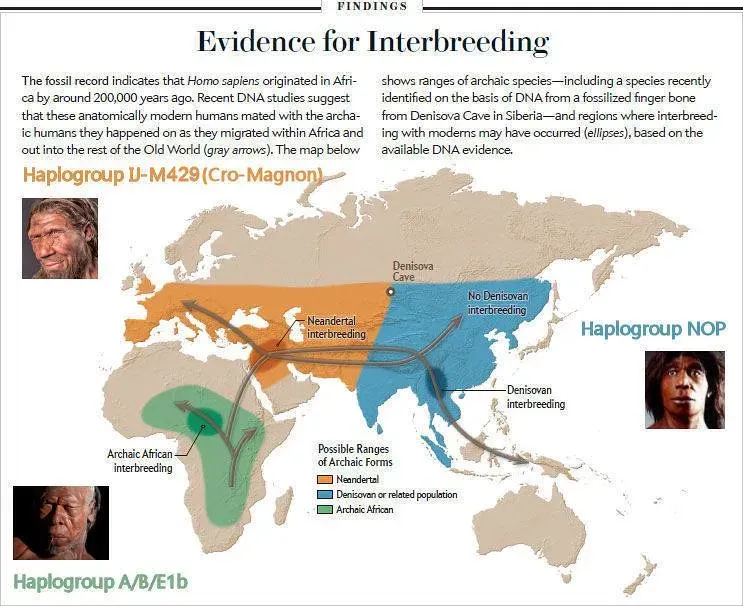
For a long time, the usual story went like this: modern humans spread out of Africa, were smarter and better organized, and simply outcompeted the others into extinction. It sounded clean and heroic – and it turns out it was too simple. Ancient DNA changed everything. By extracting genetic material from fossil bones, scientists discovered that people today outside of Africa carry small percentages of Neanderthal DNA, while some populations in Asia and Oceania carry bits of Denisovan DNA as well. That only happens one way: different human kinds met and had children together.
In other words, we did not just replace our cousins; we absorbed them. Their genes live on in us, influencing things like our immune systems and even how our bodies respond to high-altitude environments. I find that incredibly moving: wherever you are reading this, chances are that some quiet fraction of your genome is a fossil echo of another kind of human that no longer walks the Earth. The sharp line between “us” and “them” dissolves, replaced by a messy, intimate story of encounters, families, and blended ancestry.
Life on a Shared Planet: Cooperation, Competition, or Both?
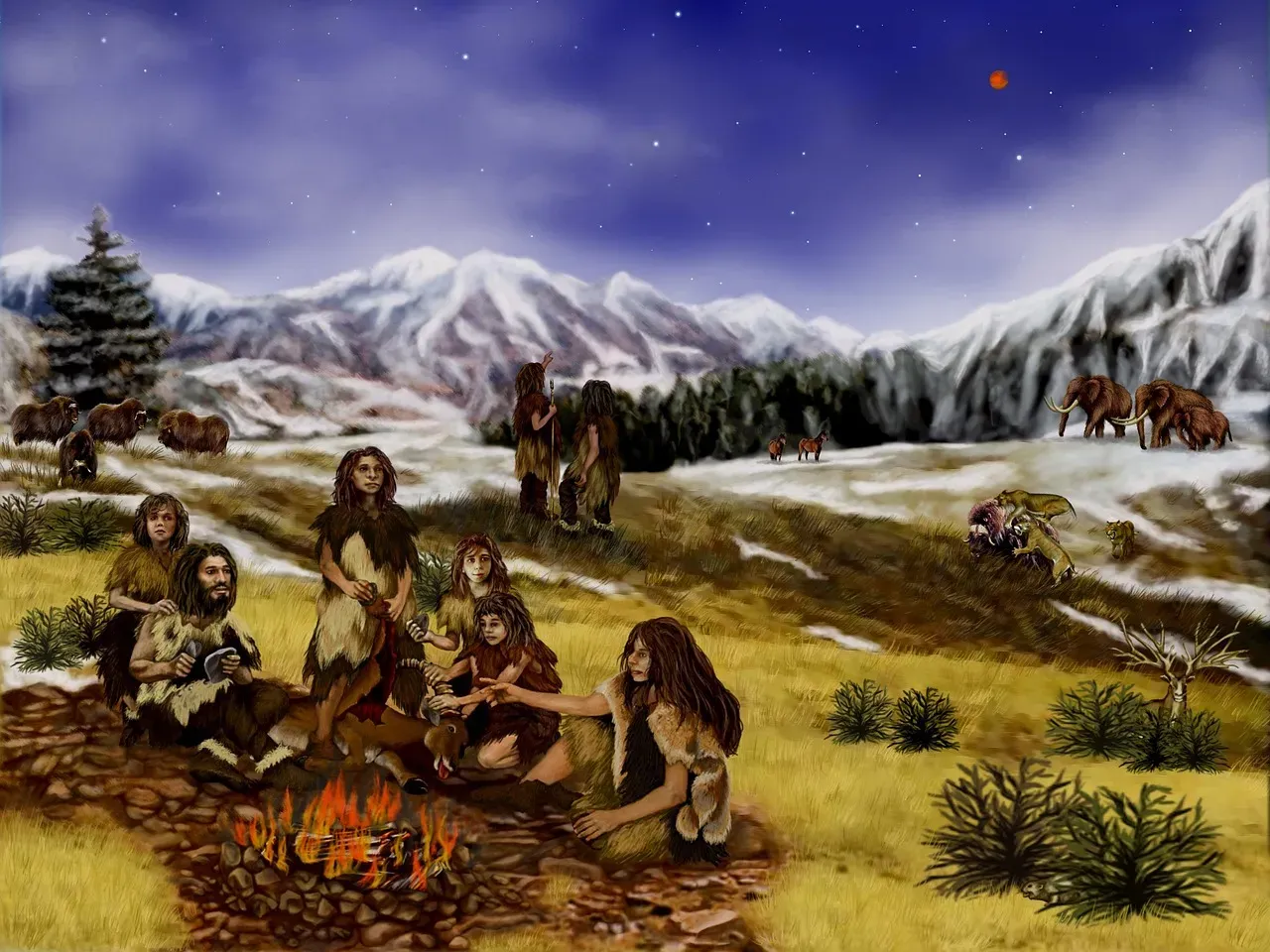
What did it actually feel like to live in a world with several kinds of humans? We do not have written records; all we have are bones, tools, and a few hints in our genes. It is tempting to imagine constant conflict, violent clashes over hunting grounds and shelter, and there were probably moments like that. Yet it is just as realistic to imagine quieter scenes: a small band of Neanderthals trading stone or shell items with a group of modern humans, or sharing knowledge about a dangerous predator that roamed the area.
Anthropologists increasingly think the reality was a blend of rivalry and interaction, a bit like neighboring communities that sometimes fight and sometimes intermarry. Different human species would have brought slightly different tool traditions, hunting strategies, and social customs to the table, and whenever they met, each side would have made snap judgments based on appearance and behavior – just as we do with strangers today. The evidence of genetic mixing suggests that curiosity, attraction, and practical alliances all played a role. It was not just survival of the fittest; it was survival through a messy, very human mix of fear, fascination, and connection.
Why We Survived and They Did Not
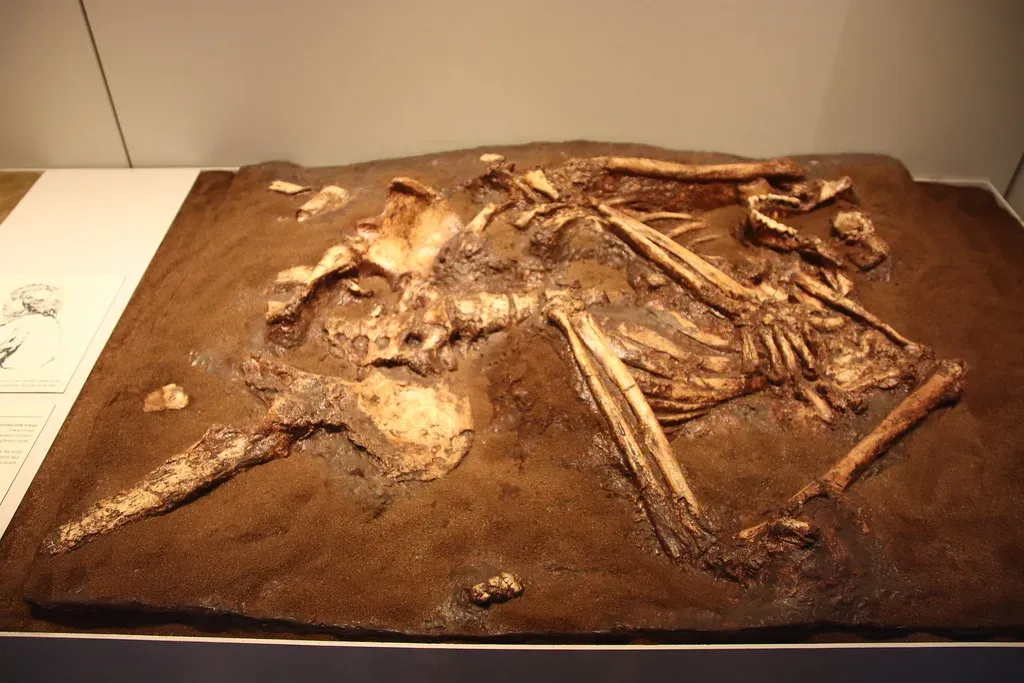
One of the most controversial questions in anthropology right now is why Homo sapiens are the last humans standing. Did we have some unique cognitive advantage, like more flexible language or better social cooperation? Or were we simply luckier, hitting the right combination of climate shifts and migration routes at the right time? The evidence points to a combination of factors: we seem to have formed larger, more connected social networks and created more rapidly changing tools and symbols, which may have helped us adapt when environments swung wildly.
But there’s a darker side to our success. If we were better at organizing large groups, that might also mean we were better at monopolizing resources and pushing others to the margins. Climate change during the last Ice Age would have put enormous pressure on all human populations, and when ecosystems faltered, overlap with a flexible, expanding species like us might have been a death sentence for smaller, more isolated groups like Neanderthals. I think we like to tell ourselves a story of gentle coexistence, but the most honest picture probably includes moments of cooperation, indifference, and ruthless displacement all rolled into one.
How Discoveries Keep Rewriting the Human Family Story
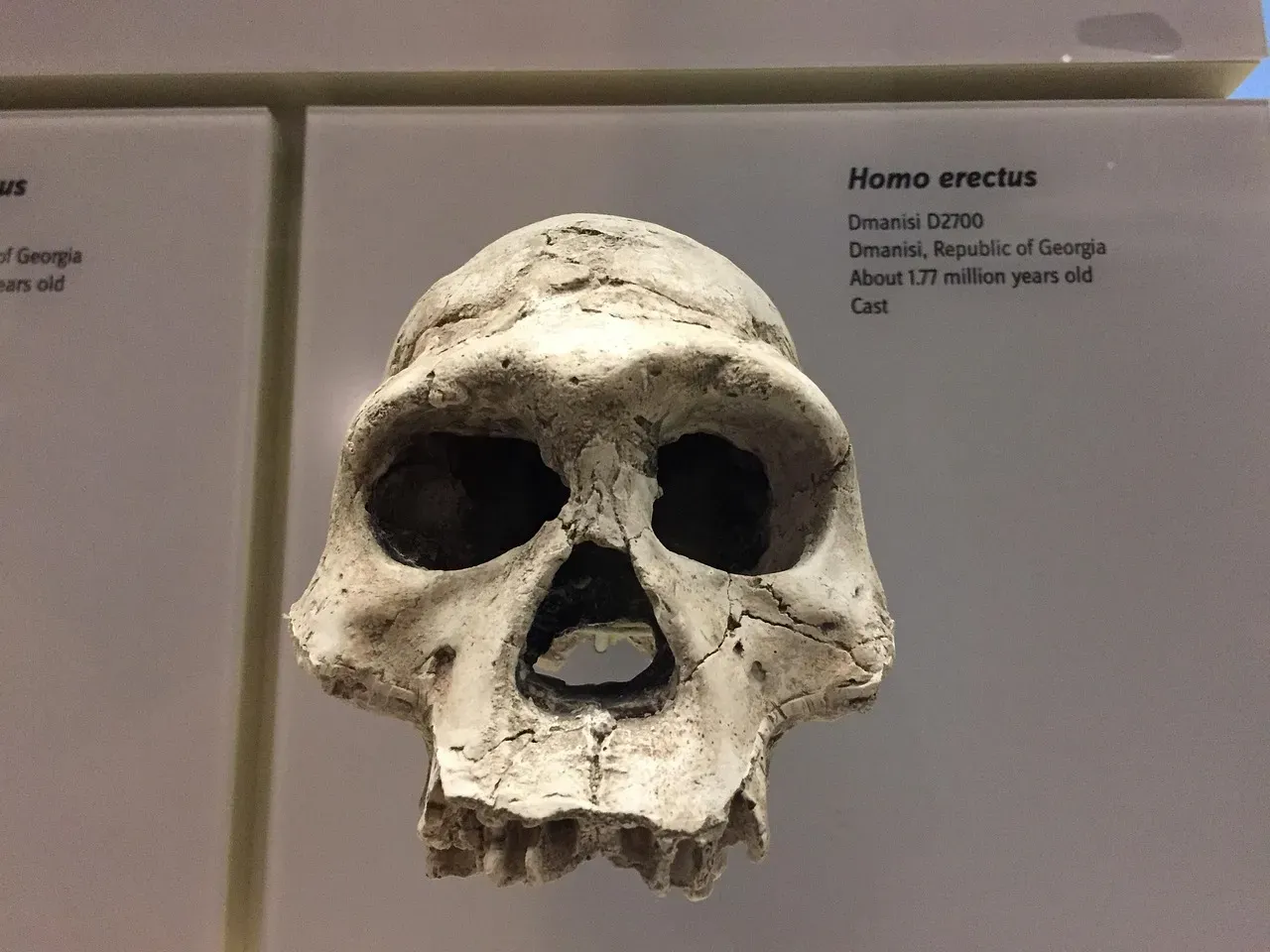
What makes this topic so exciting is that it is constantly changing. Every few years, a new fossil site or a new DNA analysis forces anthropologists to revise the family tree of humans. A jawbone from a cave, a tooth from a remote island, or even a tiny scrap of genetic material preserved in sediments can upend what we thought we knew about where and when different human species lived. The story of multiple humans sharing the planet is not finished; it is actively being edited as new findings roll in.
This constant revision can feel unsettling, like the ground is always shifting beneath our feet. But to me, it is one of the healthiest things about science: we let the evidence win, even when it makes our old stories look outdated. Instead of clinging to a comforting myth that we were always alone at the top, anthropology forces us to face a more humbling reality: our species emerged within a crowd, survived through a mix of creativity and chance, and then spent millennia quietly carrying the genetic ghosts of our departed cousins.
What Our Lost Cousins Reveal About Being Human Today
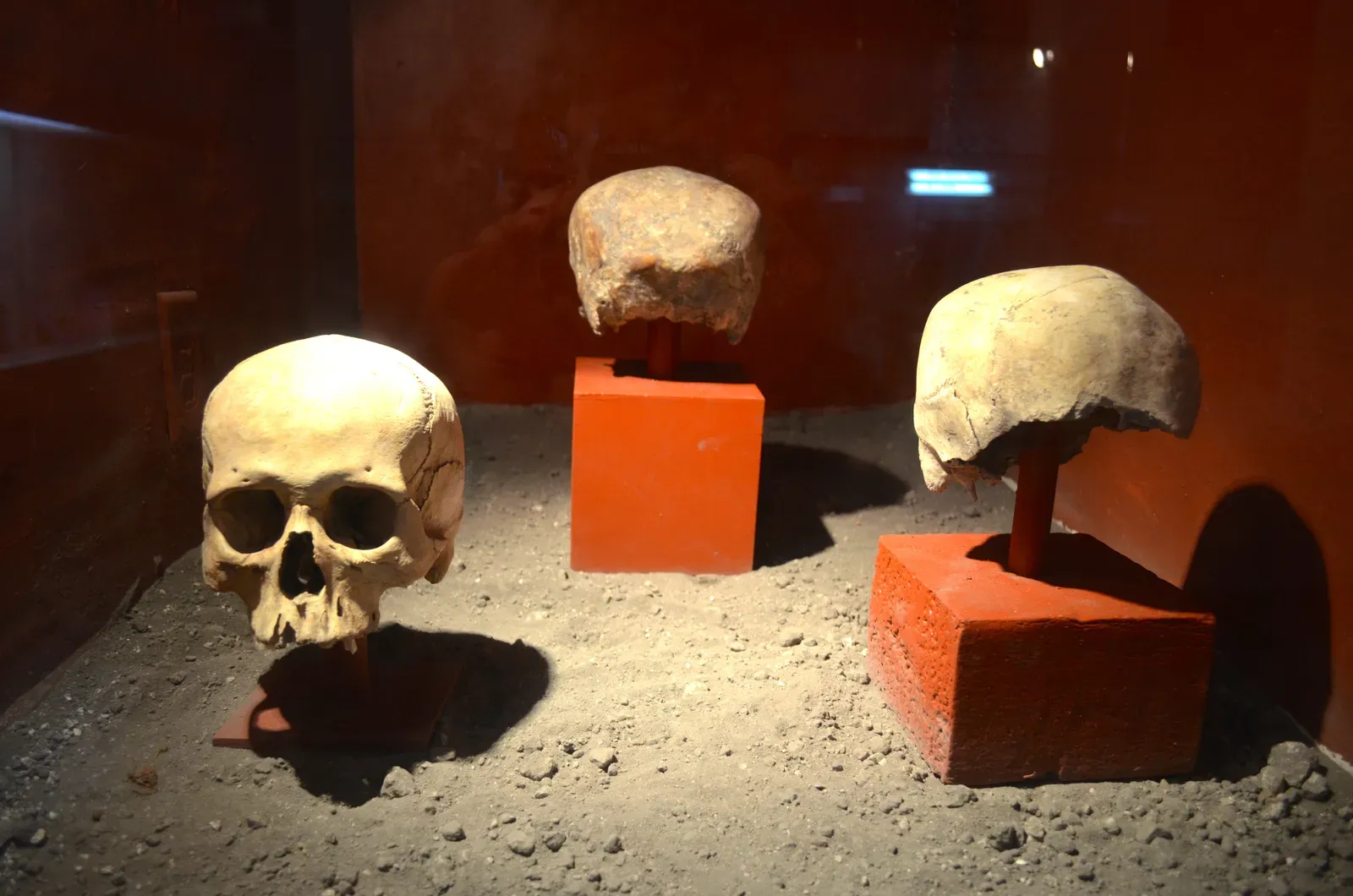
Knowing that there were once several kinds of humans changes the way we look at ourselves right now. It undercuts the idea that there is a single, perfect way to be human or one correct type of body, mind, or culture. Just as different human species once navigated the world in their own ways, modern humans show a wide range of languages, values, and ways of life. Diversity stops looking like a modern problem to be solved and starts looking like a deep, ancient feature of what humanity has always been.
On a more personal level, I find it oddly comforting that our story is not one of flawless superiority, but of messy survival alongside others who were a lot like us. We are not the inevitable peak of evolution; we are just the one branch that made it through a series of bottlenecks, accidents, and turning points. That realization can make us a little less arrogant and, hopefully, a little more aware that our choices now – about the environment, technology, and each other – will decide whether our branch continues or becomes another fossil footnote.
Conclusion: The Last Human Standing in a Once-Crowded World
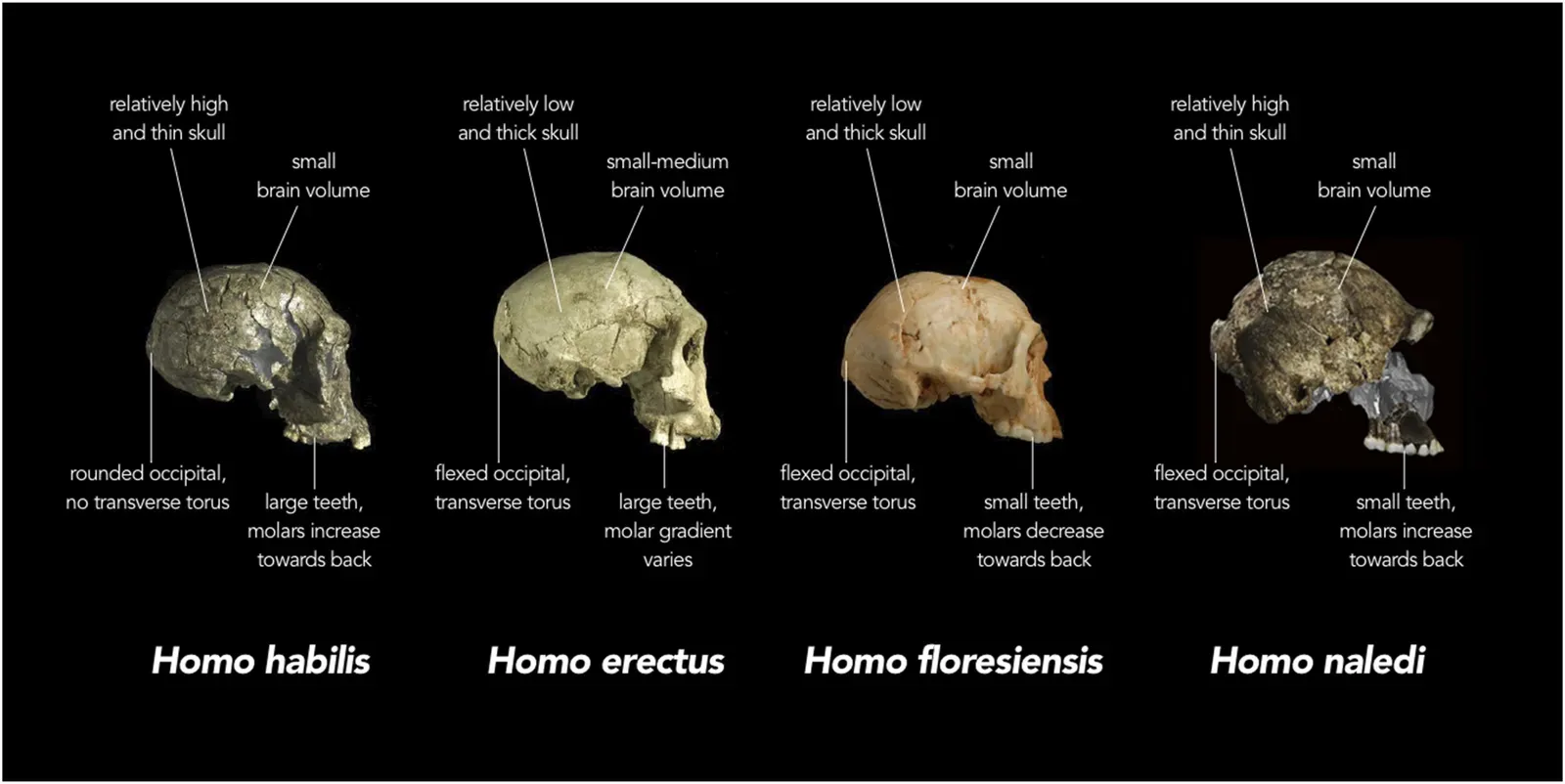
Anthropology’s most unsettling lesson is also its most liberating one: we were never alone until recently. For much of our past, other humans with different faces and slightly different brains shared this planet with us, shaped our DNA, and then disappeared. In my view, that makes our current loneliness as a species feel less like a sign of destiny and more like a warning. We are not inherently chosen; we are simply the survivors of a long, tangled experiment in what it means to be human.
If several kinds of humans once walked the Earth and we are the only one left, that should make us pause. It should make us fiercely protective of the fragile, diverse, flawed humanity we still have, and deeply wary of repeating the same patterns of dominance and blindness that may have helped wipe out our cousins. We inherited a world emptied of other humans; whether we treat that as a license to do whatever we want, or as a responsibility to act with unusual care, is entirely up to us. Knowing what we now know, which choice would you honestly expect us to make?