
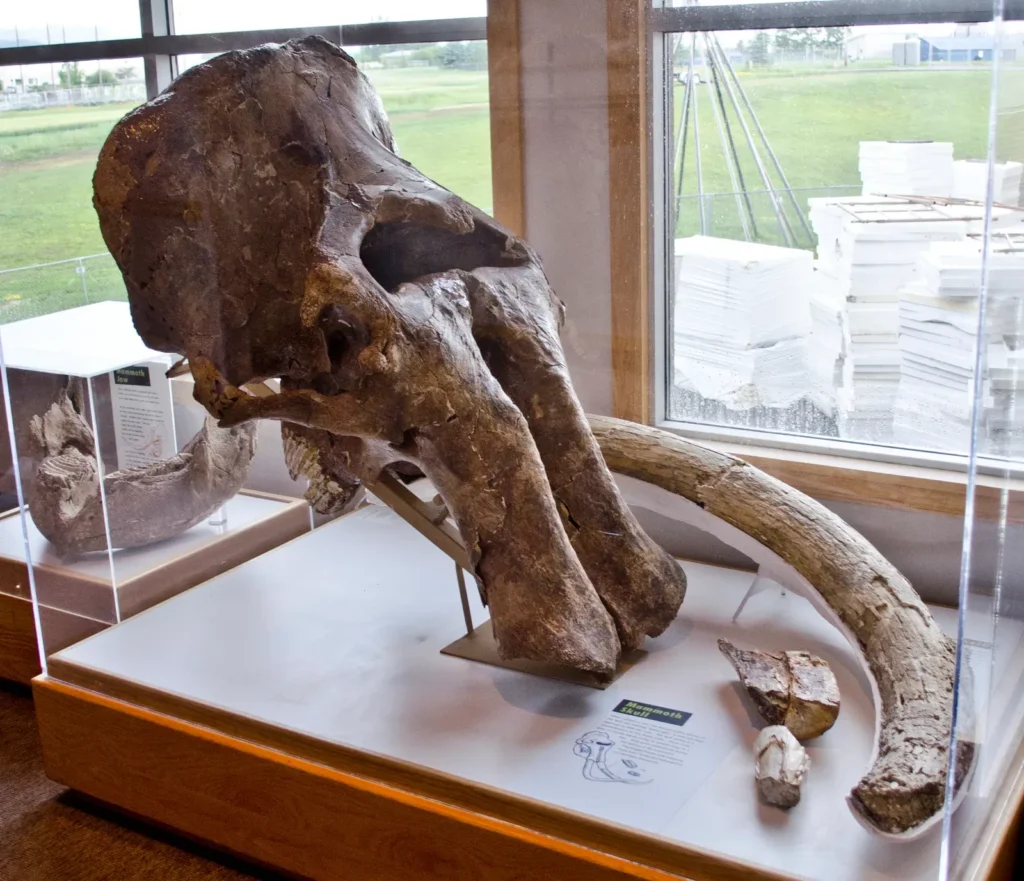
Imagine digging into a hillside with nothing but your hands and a sharpened stick, and suddenly pulling out a bone longer than your whole body. No science textbooks, no museums, no internet. Just you, your stories, and this impossible thing in your hands. For early humans, that was reality: they were stumbling onto mammoth skulls, huge femurs, and strange tusks long before anyone had words like “paleontology” or “fossilization.” The result was a mix of awe, fear, and some wildly creative explanations.
What makes this so fascinating is that they were not stupid or “primitive” in the way we sometimes imagine. They were doing exactly what we still do when we face something we do not understand: they used the best tools they had, which were myths, memory, and imagination. The difference is that where we now see extinct elephants and dinosaurs, they saw giants, monsters, and divine warnings. Let’s walk through seven of the big ways they almost certainly misunderstood those giant bones hiding under their feet.
1. They Thought Giant Bones Belonged To Oversized Humans
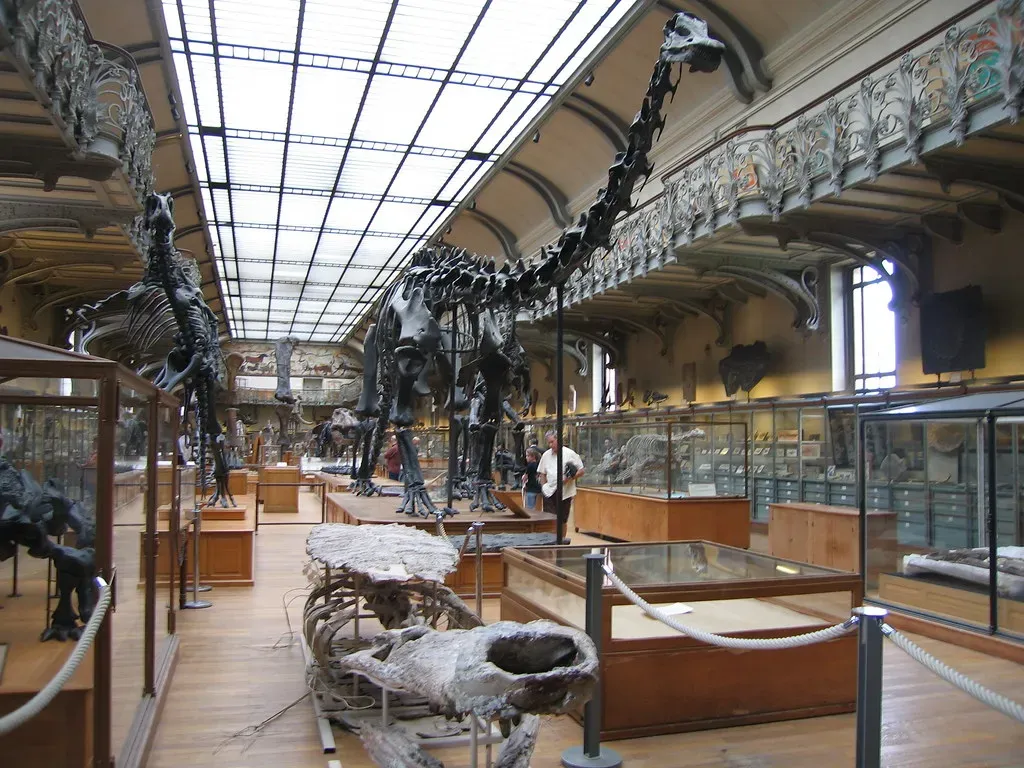
One of the most intuitive mistakes early people likely made was assuming that giant bones must come from giant humans. If your only frame of reference is your own body and the people around you, a femur twice your size does not suggest “prehistoric megafauna”; it screams “colossal person.” It is easy to picture someone holding a mammoth thigh bone upright and thinking it looked like the leg of a huge man or woman who once walked the earth. From there, it is only a small leap to stories of a lost age when people were taller, stronger, and more fearsome.
This idea fits neatly with the way human cultures tend to talk about the past as a time of greatness. Many traditions around the world have myths of earlier ages when humans were closer to the gods, larger in stature, or living longer lives. If you already believe there was once a race of powerful ancestors, finding massive bones in the ground feels like confirmation, not a puzzle. To us, those bones are museum pieces; to them, they were physical proof that legendary “giants” were real and that the world had literally shrunk since their time.
2. They Misread Elephant And Mammoth Skulls As One-Eyed Monsters
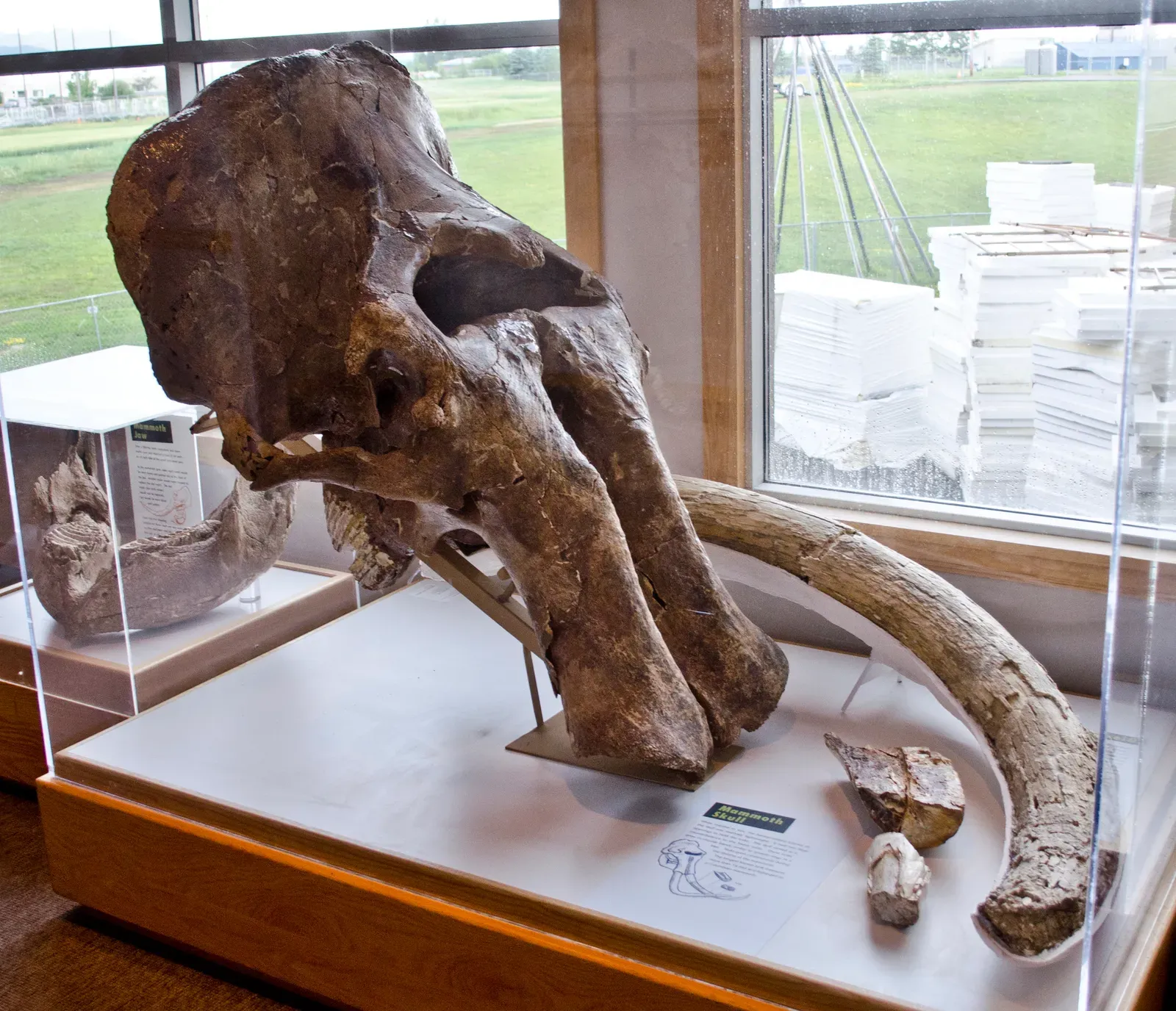
Early humans almost certainly encountered fossil skulls of large mammals like mammoths or ancient elephants, and these skulls are visually confusing even to modern eyes. The huge central opening for the trunk looks, at first glance, uncannily like a single, massive eye socket. If you do not know much about anatomy and you pull a weathered skull out of a cliff, it is not hard to see a terrifying, one-eyed face staring back at you. The human brain is wired to recognize faces everywhere, and it happily fills in the blanks when the bones are strange.
Instead of seeing a grazing, trunked animal, people likely imagined monstrous beings that were half human, half beast. You can see how a community might start telling stories about cave-dwelling one-eyed giants capable of hurling boulders and eating people. From a scientific point of view, we now know these skulls belonged to herbivores, but emotionally, they read as evidence of predators. That emotional impression probably mattered more than anatomical accuracy, especially for communities whose survival depended on paying attention to threats, real or imagined.
3. They Treated Large Bones As Sacred Relics Or Divine Messages
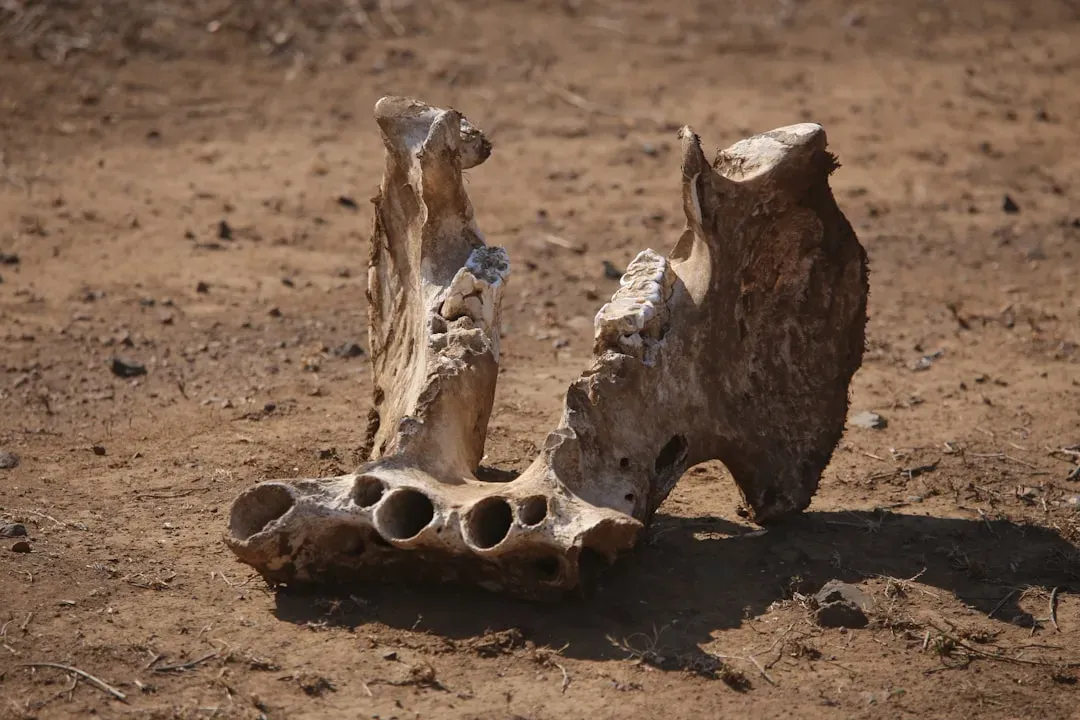
When you live in a world where the boundary between the natural and the supernatural feels thin, anything unusual often gets interpreted as a sign from beyond. Enormous bones emerging from hillsides or riverbanks would have been so far outside normal experience that many early people probably saw them as sacred objects. Instead of asking what animal they came from, they might have asked what the spirits were trying to say. A giant spine uncovered after a storm could be read as a warning, a blessing, or a reminder of forgotten powers.
It is easy to underestimate how powerful that kind of interpretation can be. An object treated as sacred is not handled casually, measured, or cut apart; it is revered, decorated, or hidden away. That means giant bones might have been placed in shrines, used in rituals, or incorporated into ceremonial sites rather than examined as clues about ancient ecosystems. In a way, early humans were not wrong that these bones carried meaning – they just anchored that meaning in gods and ancestors rather than geology and evolution. They saw messages where we see data.
4. They Assumed The Giants Died In A Single Great Catastrophe
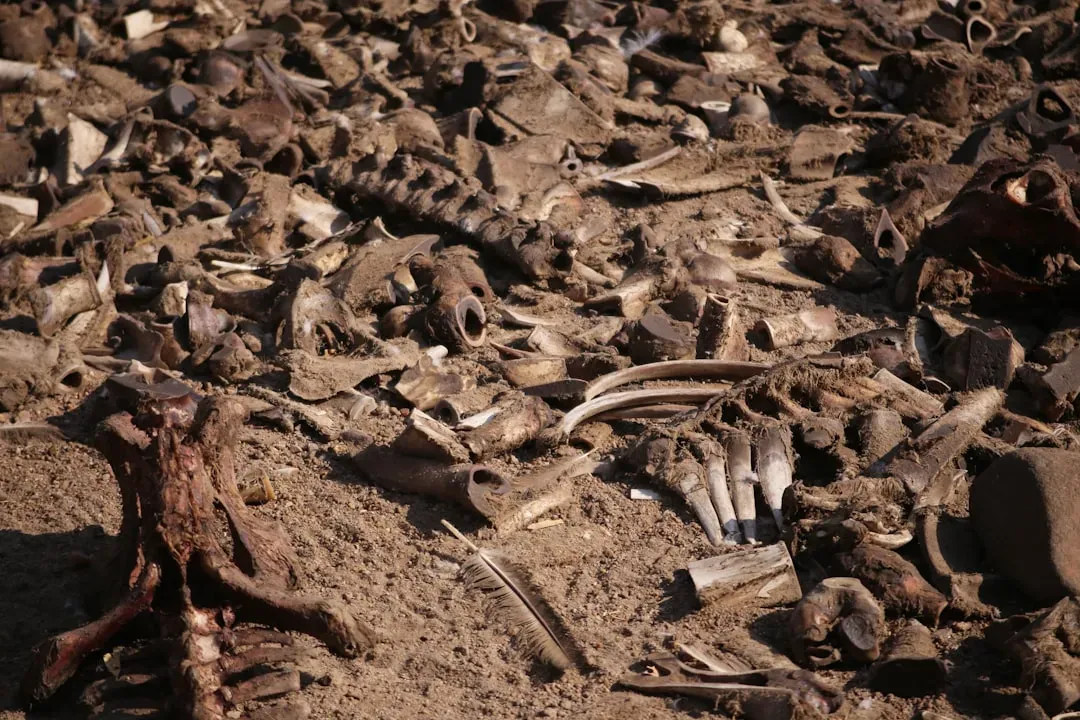
Another very human mistake is to compress long, slow changes into one dramatic event. When people dug up scattered bones of large animals, especially in places where many remains were clustered, it would have been tempting to imagine a single huge disaster that wiped them all out at once. A dried-out lakebed with tangled skeletons might look like the aftermath of a world-ending flood or a battle between supernatural beings. The idea that entire species disappear gradually over thousands of years is not intuitive without a lot of background knowledge.
This preference for catastrophic explanations fits our storytelling instincts. A great flood, a fire from the sky, or a divine punishment is far more gripping than eons of shifting climates and slow population declines. Early humans looking at the evidence probably told each other that the giants were wiped out for some moral or cosmic reason – maybe they offended the gods, maybe they grew too arrogant, maybe the world itself rebelled. Instead of evolutionary extinction, they imagined a single apocalyptic chapter, and honestly, that is still how many of us like our stories today.
5. They Mixed And Matched Bones Into Impossible Creatures
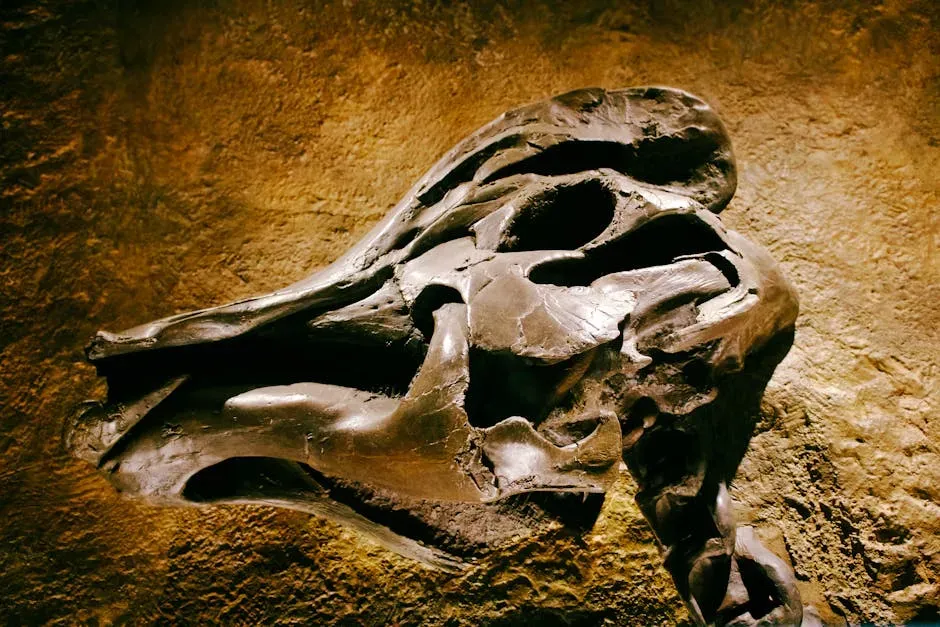
Without a clear sense of which bone belongs where, it is incredibly easy to misassemble a skeleton. Picture people finding a huge rib here, a tusk there, a massive skull some distance away, and then trying to piece them together by eye. If you put the wrong skull on the wrong spine or attach strange horns where they do not belong, you end up with creatures that never existed. Early humans probably did some version of this in their minds, if not physically, stitching together mental images of beasts with mismatched parts.
Our brains love complete pictures and hate unfinished puzzles, so they tend to invent the missing pieces. A group might discover a gigantic leg bone of one species and a separate, unusual jaw from another, and the story that spreads in the village is about a single terrifying animal that combined both. These hybrid creatures then become part of local lore, passed down as if they were faithful descriptions instead of imaginative reconstructions. Ironically, modern paleontologists sometimes run into the same trap, at least early on, when dealing with incomplete fossils – our urge to finish the picture has not changed, we just have better tools to test it.
6. They Used Giant Bones As Proof Of Moral Lessons And Social Rules
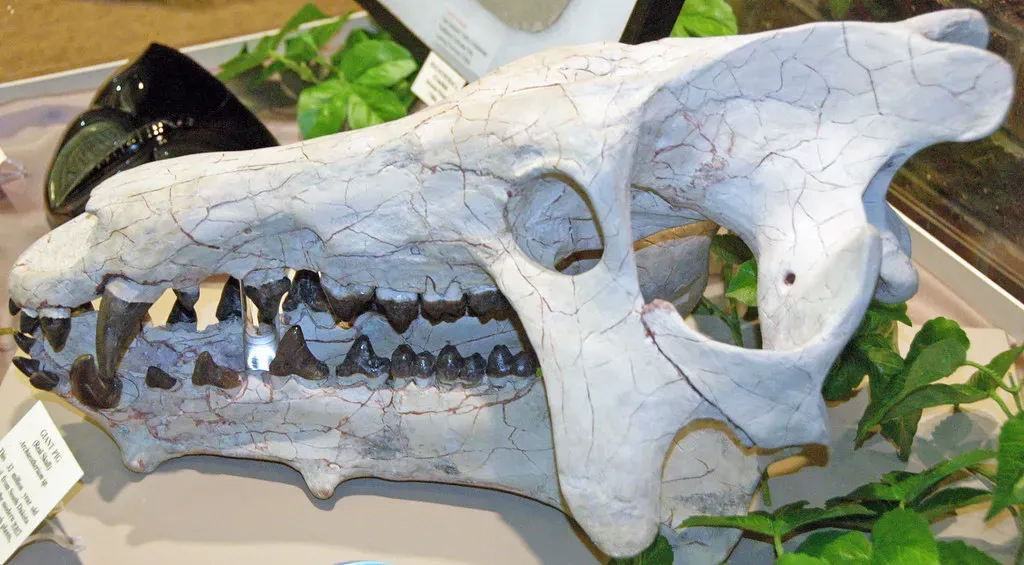
Early societies did not have peer-reviewed journals, but they did have stories that taught people how to behave. Giant bones offered perfect raw material for those moral tales. If you want to warn your children against pride, greed, or violence, pointing to a massive, half-buried skull and saying it belonged to a fallen race that disobeyed the rules is incredibly effective. The bigger the bones, the heavier the lesson: break the laws of the gods or the community, and you could share the fate of these vanished giants.
This use of fossils as moral evidence meant that their scientific significance was often overshadowed by social needs. Bones became props in stories about why you must not cross forbidden boundaries, attack neighboring groups, or disrespect elders. They might have been brought out during rituals or told about at night as people sat around fires. In a sense, the bones did help the group survive, not by revealing ancient biology, but by reinforcing norms that kept people relatively safe and cooperative. It is hard to blame them for valuing that function over abstract curiosity.
7. They Completely Misjudged How Old The Bones Really Were
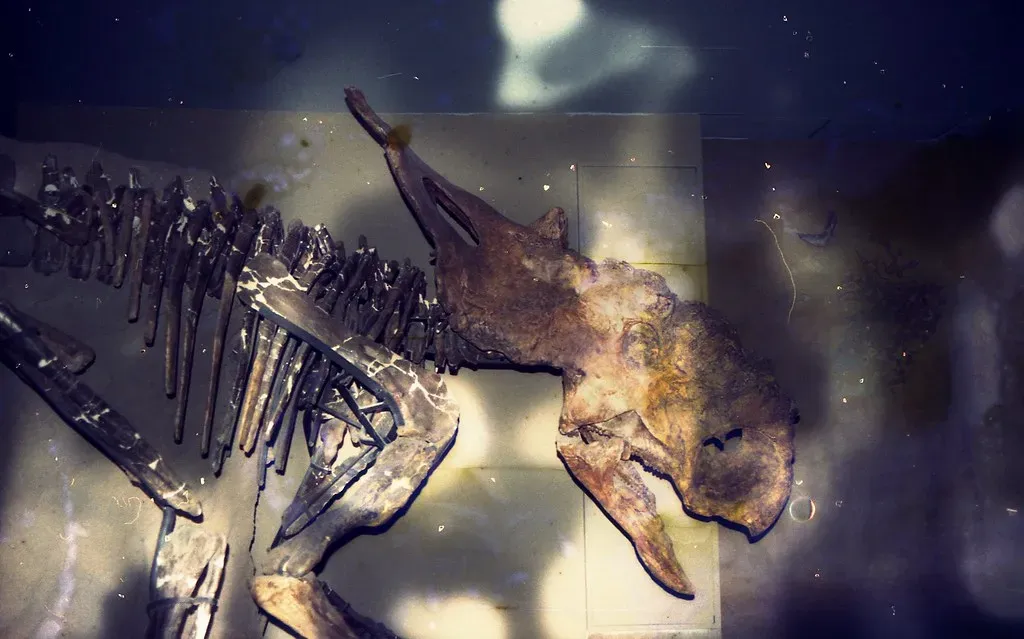
Perhaps the biggest misunderstanding of all was about time itself. We are used to thinking in millions of years when we talk about fossils, but early humans had no reason to imagine such vast stretches of time. Their sense of the past was shaped by memory, oral history, and a few remembered generations, not by deep geological ages. So when they dug up massive bones, they probably assumed these creatures had lived not so long ago – maybe a few generations back, or at most in the age of myth that still felt connected to their present world.
Without tools like radiometric dating or even a clear idea of how layers of rock record time, it is natural to fold all of prehistory into a single, vague “long ago.” The idea that the ground beneath them held records from unimaginably distant eras would have seemed unnecessary and maybe even absurd. In that sense, early humans were not just wrong about who the bones belonged to; they were also wrong about when those beings lived and died. They stood on a planet layered with forgotten worlds and assumed it was all part of one continuous, recent story their minds could comfortably hold.
Conclusion: Why Their Wild Theories Still Matter
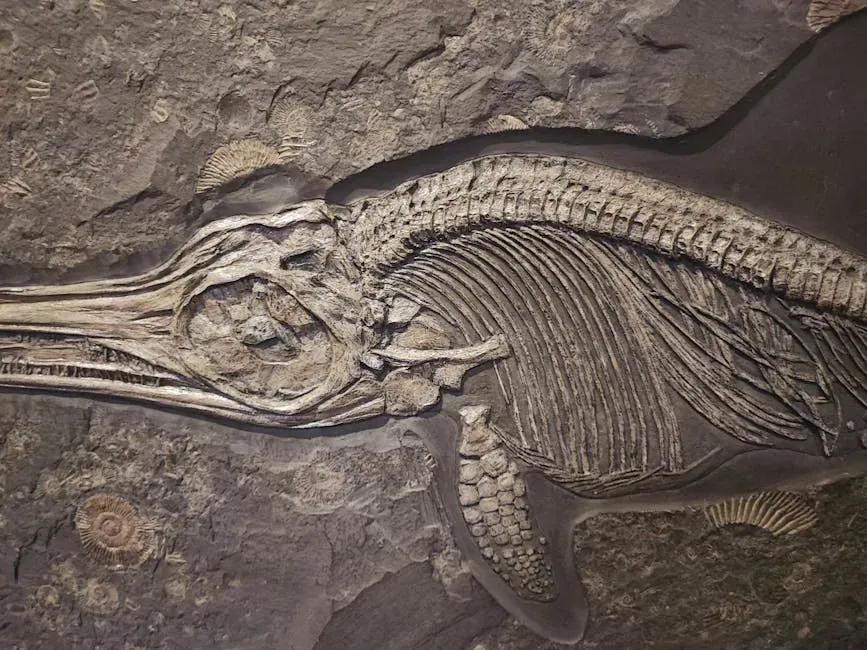
Looking back from 2026, it is easy to feel a little smug about the mistakes early humans made when they unearthed giant bones. We know about mammoths, dinosaurs, and extinct rhinos; we have radiometric dates, CT scanners, and global fossil databases. But the more I think about it, the more it feels like they were doing something profoundly human and strangely familiar. Faced with mystery, they reached for the tools they had – myth, intuition, fear, hope – and built stories that made emotional and social sense, even if they were scientifically off the mark. In their place, most of us would have done the same.
If anything, their errors are a mirror for our own blind spots. Today, our “giant bones” might be dark matter, strange signals from distant planets, or baffling new technologies we barely grasp. We wrap them in theories that will probably look naive to people a thousand years from now, just as old tales of giants and monsters look naive to us. The real lesson is not that early humans were wrong, but that curiosity always starts with wrong guesses that feel right at the time. The question is not whether we are making mistakes – we definitely are – but whether we are willing to keep digging, keep revising, and keep asking where our stories might be leading us astray. What do you think future humans will shake their heads at when they look back at our own explanations?