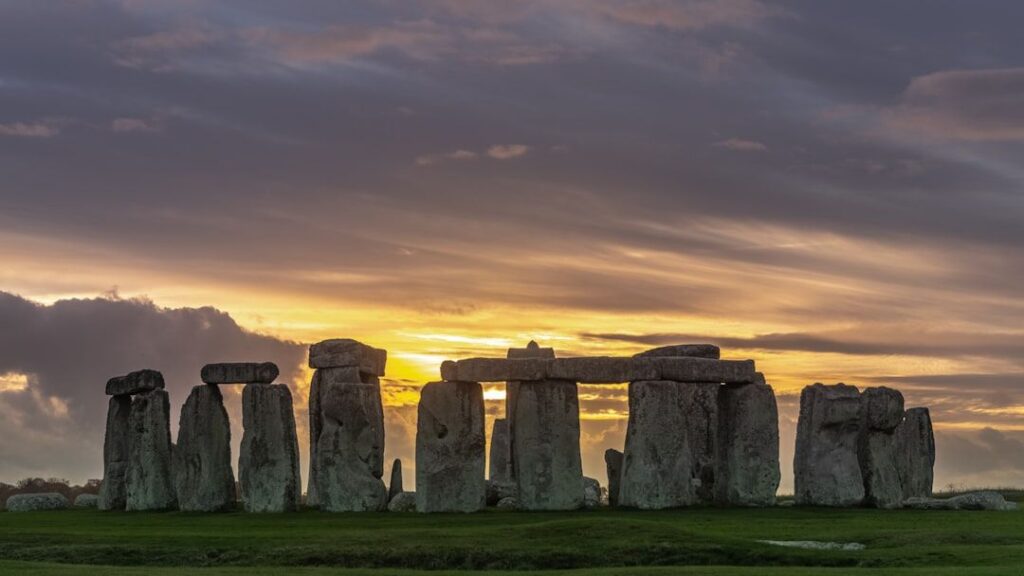
Stonehenge looks so solid and final that it almost feels like it should come with an instruction manual. Instead, it stands on the Salisbury Plain like a half-finished sentence, daring us to guess what the missing words were. Archaeologists have poured over every stone, every ditch, every microscopic trace of pollen, and yet some of the most basic questions about this monument are still stubbornly open.
That uncertainty is part of why Stonehenge keeps pulling us back. It is not just a ring of rocks; it is a mirror for our own imagination, technology, and beliefs. Every new scan, excavation, or theory reveals something and then immediately throws up two more puzzles. Let’s walk through seven of the biggest mysteries that still surround Stonehenge today – and why, even in 2026, we are still guessing more than we are sure.
1. What Was Stonehenge Really For?
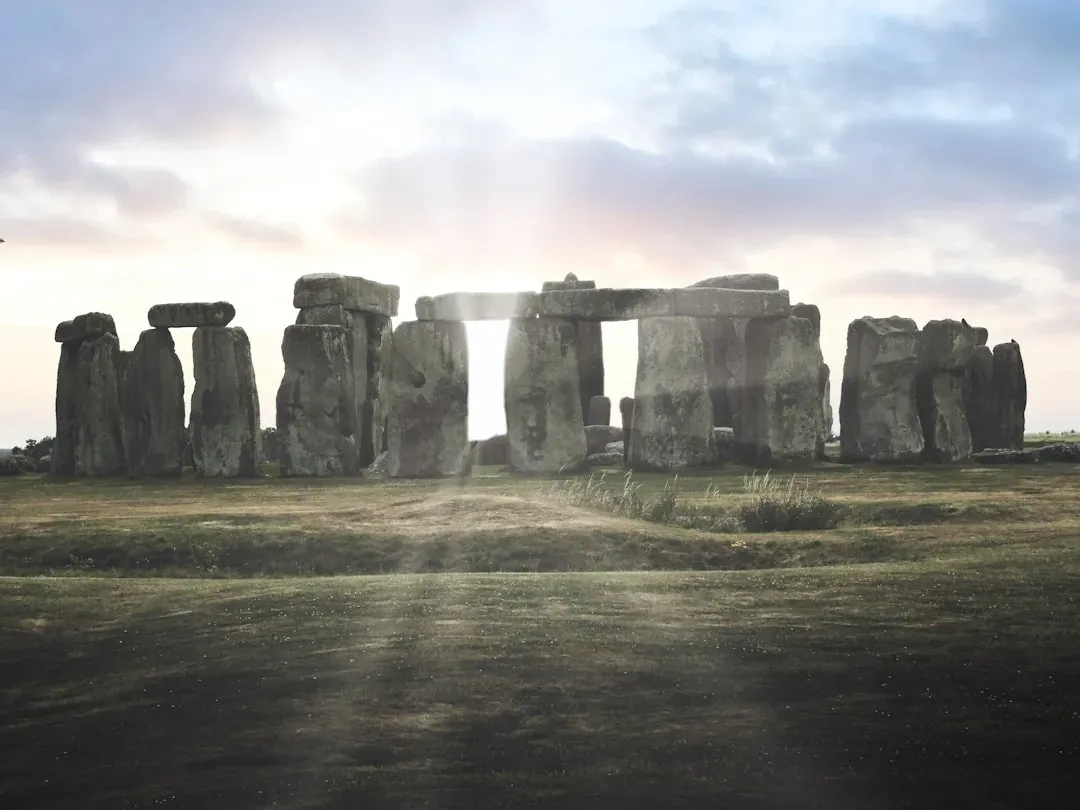
Here is the most unsettling thing: after more than a century of serious research, there is still no single agreed answer to the most obvious question of all – what was Stonehenge actually for? We know it lines up with the midsummer sunrise and midwinter sunset, and we know it sits within a wider ritual landscape full of burial mounds, processional avenues, and other henge monuments. That strongly hints at a role in ceremonies connected to the sun, seasons, life, and death. But was it more like a temple, a calendar, a cemetery, a royal monument, or something we do not even have a word for anymore?
Most experts have quietly accepted that it probably served several functions at once, which is both sensible and slightly unsatisfying. In many traditional societies, religion, science, politics, and social life are not separate boxes; they overlap constantly, like threads in a woven cloth. Stonehenge might have been a spiritual center, a gathering place for scattered communities, an ancestral graveyard, and a cosmic timekeeper, all at the same time. Personally, I think that is the most realistic answer: it was not just one thing, but a whole world of meanings for the people who built it.
2. Who Exactly Built It – and Why Them?
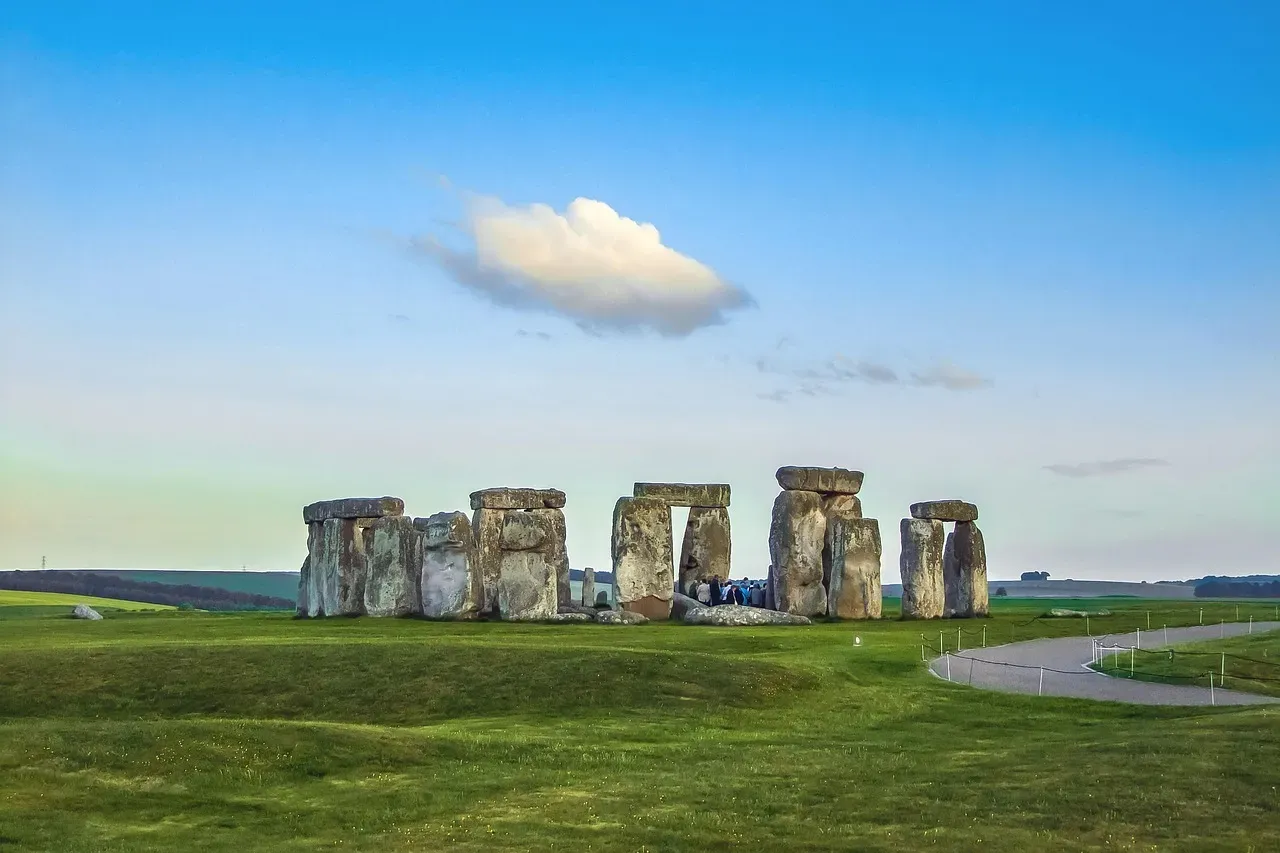
We know from isotope and DNA studies that the story of Britain around the time Stonehenge was developed is anything but simple. Before the stones went up, a population of early farmers lived on the island for thousands of years. Around the time the monument reached its iconic stone phases, new groups with ancestry tracing back to the European continent – tied to the so‑called Bell Beaker culture – were arriving and gradually replacing much of the earlier genetic population. That raises a sharp question: who gets the credit for Stonehenge’s iconic form, and what did it mean to each of these overlapping groups?
What we still do not know is how those waves of people interacted around the site. Did newcomers respectfully adopt an older monument and give it new layers of meaning, the way we might renovate a historic church or repurpose an old industrial building? Or did power shift so dramatically that Stonehenge became a symbol of new elites stamping their mark on a sacred landscape they had taken over? Archaeology has given us hints – different burial styles, shifting artefact types – but it is like trying to reconstruct a family drama from a few surviving photographs. The bones and pottery are real; the story tying them together is still up for debate.
3. How Were the Stones Transported and Raised?
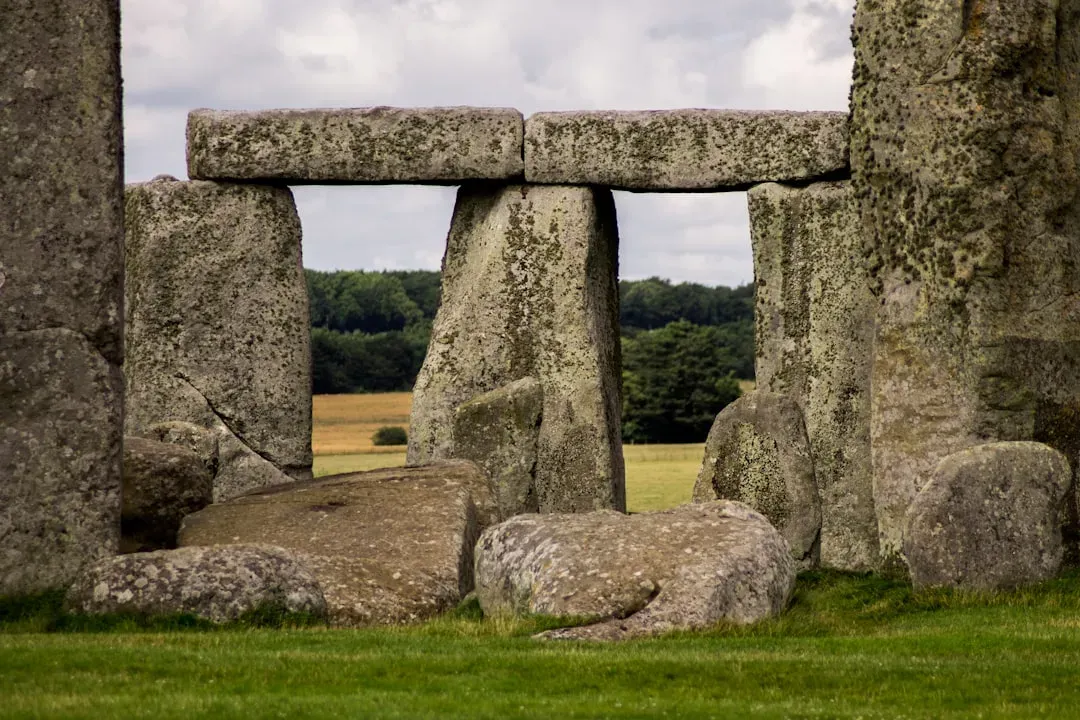
Almost everyone has heard the line about Stonehenge’s bluestones coming from Wales, roughly about one hundred and forty miles away, but that fact lands differently when you stand in front of them. These stones are not small, and they were moved by people without metal machinery, without wheels in widespread use in that landscape, and without draft animals doing the heavy pulling. Researchers have tried sledges, wooden tracks, rollers, and even water transport along rivers and coasts. All of these are physically possible in experiments; none of them can be proven as the method. There is no Neolithic user’s guide carved into the stones.
Then comes the equally unnerving question of how they were raised into place. Modern reconstructions show that with enough people, ropes, wooden frames, and sheer stubbornness, you can haul a multi-ton stone upright and then lever a lintel on top. That makes for dramatic documentaries, but it still leaves room for doubt. Did they use earth ramps? Complex timber scaffolds? Ingenious little tricks that left no trace? The truth is we have models that work but not evidence that any one model is the model. For now, every explanation still has to admit a quiet disclaimer: this is how they could have done it, not proof of how they actually did.
4. Why the Precise Astronomical Alignments?
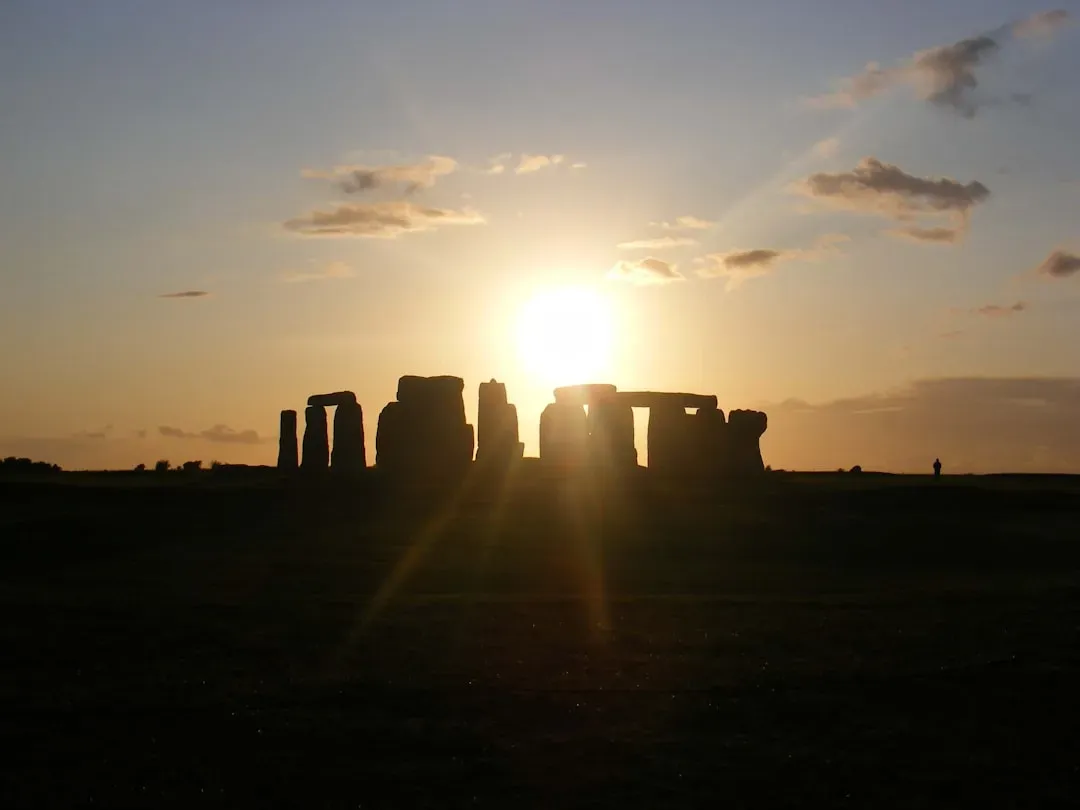
The alignment with the midsummer sunrise and midwinter sunset is not a coincidence; it is too precise and too central to the layout. That means whoever designed Stonehenge understood the sun’s movement across the sky over the course of the year, and they embedded that understanding in stone. The real puzzle is what that knowledge was used for. Was this a timeless calendar to guide planting and harvest, or a ritual stage set for twice‑yearly festivals that pulled communities together in the dead of winter and the height of summer?
There are more ambitious theories, suggesting that Stonehenge encoded a complex system of lunar and solar cycles, or even that it functioned as a kind of prehistoric computer tracking eclipses. Some alignments and patterns do match astronomical cycles, but the interpretations quickly get speculative. It is surprisingly easy to draw lines between points after the fact and find “meaningful” patterns that the original builders may never have intended. To me, the safest view is also one of the most moving: Stonehenge anchored people in the rhythms of the sky, making cosmic time feel local and visible. Exactly how far that knowledge went – practical calendar, spiritual drama, or both – is still an open question.
5. What Happened Inside During Rituals?
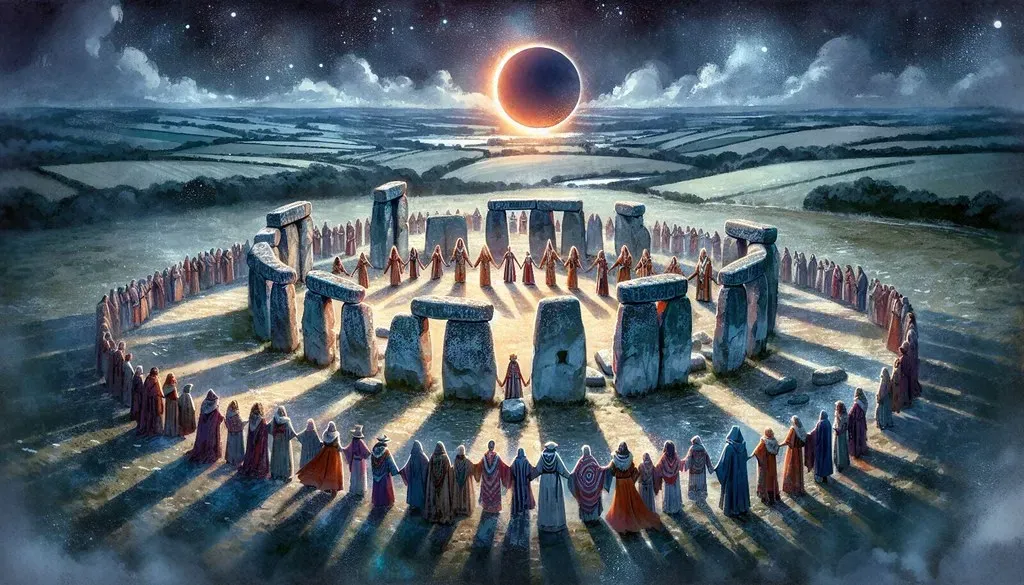
We know people feasted in the Stonehenge landscape, because animal bones found at nearby Durrington Walls show signs of large, organized events, with pigs and cattle brought in from across Britain. We also know Stonehenge itself became closely tied to burials and cremations, turning it into something like a monumental cemetery during part of its life. But the actual script of the rituals – the songs, the movements, the taboos, the personal emotions of the participants – is completely missing. Archaeology is good at objects and structures; it is terrible at reconstructing the inner lives of ceremonies.
Some researchers imagine solemn processions along the Avenue, moving from the river toward the stones in carefully choreographed lines. Others picture a noisier scene: fires, drums, chanting, maybe even dancing, like a festival grounded in sacred symbolism. A modern analogy might be the difference between a quiet memorial service and a lively cultural celebration of ancestors – both are “rituals,” but they feel utterly different. The physical remains at Stonehenge do not tell us which tone dominated. That gap can be frustrating, but it also acts as a reminder that behind every clean site plan in a textbook there were living, breathing people with fears, hopes, and complicated relationships, doing things we might not recognize at all.
6. Why Did Its Purpose and Design Change Over Time?
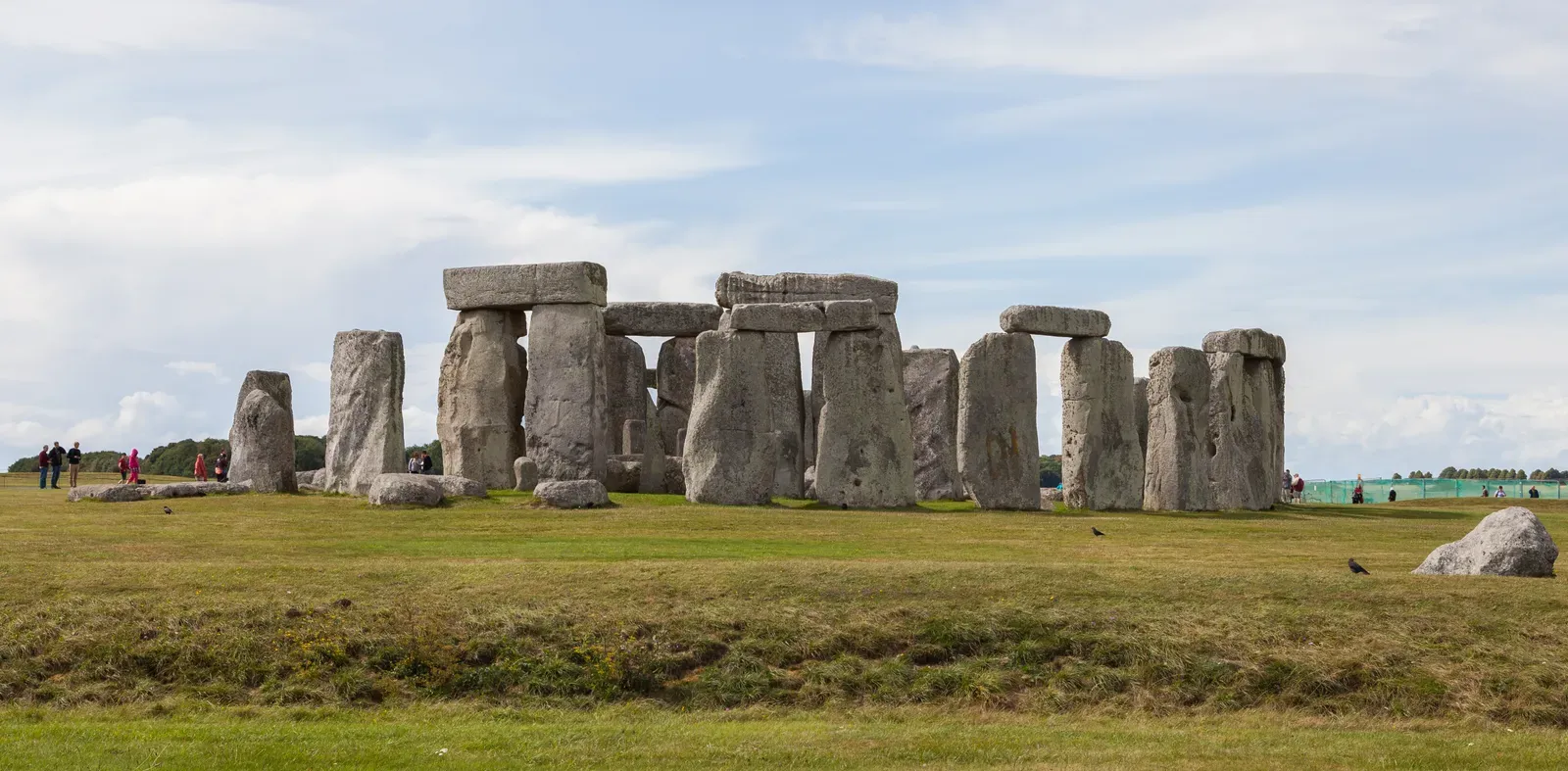
One of the most overlooked mysteries is how much Stonehenge changed across the centuries. It did not spring into existence in the iconic form we see on postcards. Earlier phases involved earthworks and timber structures, then the smaller bluestones, and only later the towering sarsen circle and trilithons. Stones were rearranged, moved, removed, and reused. That long, stop‑start sequence suggests shifting ideas, changing leadership, and maybe even disagreements about what Stonehenge should be. In other words, it is less a single monument and more a constantly edited project.
We still lack a clear reason for each redesign. Was a major reconfiguration a response to climate shifts, population changes, or new beliefs brought in by migrants? Did leaders redesign the monument to assert authority, like a modern regime reshaping a city skyline? Or did communities slowly refine a spiritual concept over generations, improving their cosmic architecture the way we refine scientific theories? The honest answer is that we can see the changes in the ground but not the debates in people’s minds. Personally, I find that strangely comforting. Even one of the world’s most famous monuments was a work in progress, with plans scrapped, ideas revised, and no perfect finished version everyone agreed on.
7. Why Do We Care So Much – And What Are We Projecting Onto It?
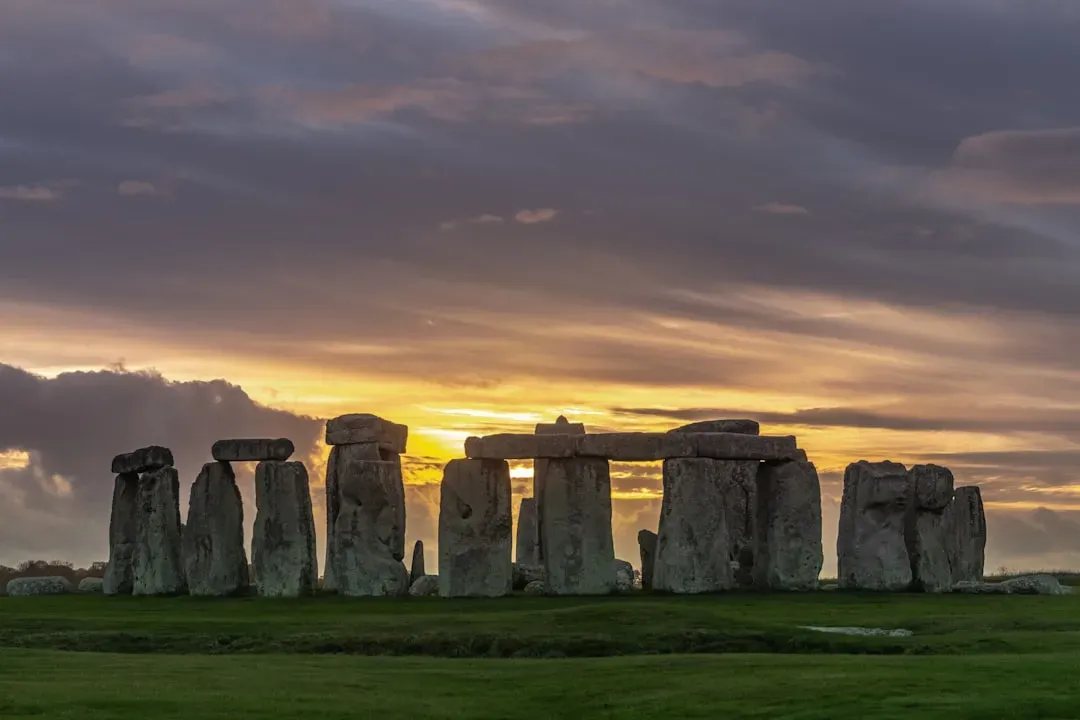
The last big thing we do not fully understand about Stonehenge is not about the past at all; it is about us. People keep returning, studying, arguing, and in some cases even inventing wild theories involving aliens or lost civilizations. This obsession says something about modern anxieties and dreams. Stonehenge has become a canvas where we paint our own desires: for secret knowledge, for simple cosmic order, for a time when people supposedly lived “closer to nature.” The monument is real, but a lot of what surrounds it now is modern mythology.
There is also a cultural tug‑of‑war around who gets to define what Stonehenge means today – scientists, heritage organizations, local communities, spiritual groups, tourists, or global media. Some see it as an icon of national identity, others as an open-air temple, and others still as a scientifically precious dataset carved into rock. None of those modern meanings match exactly what it meant thousands of years ago, and that mismatch is a problem we rarely admit. In my view, we should be more honest: we are not just uncovering Stonehenge, we are continually reinventing it. Maybe the deepest mystery is not locked in the stones at all, but in our determination to make them tell the story we most want to hear.
Conclusion: The Power of a Monument That Refuses to Explain Itself
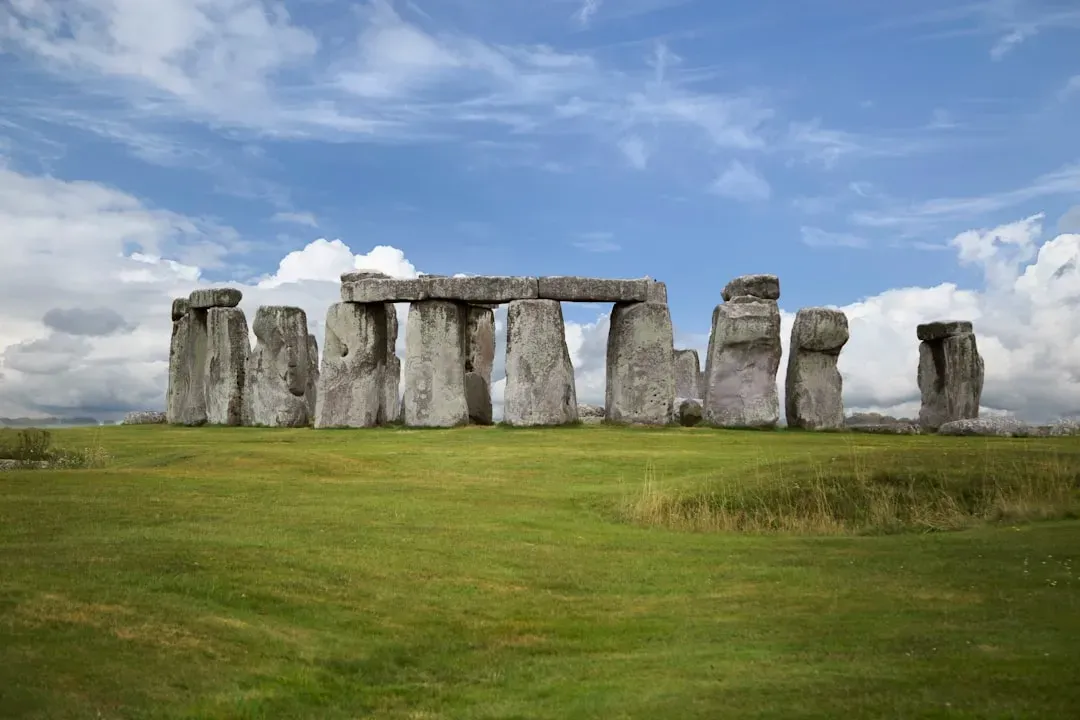
Stonehenge sits in that maddening space between evidence and silence. We can measure every angle, date every posthole, and trace the geological origins of every block, and still walk away unsure about the most basic questions – what it meant, how it felt, why it changed, and who truly claimed it. Some people find that uncertainty uncomfortable, as if we have failed to solve a puzzle that should have a neat answer. I think the opposite: the refusal of Stonehenge to collapse into a single explanation is exactly what makes it valuable. It forces us to live with ambiguity, to accept that even with satellites and DNA labs, parts of the human story will stay stubbornly blurry.
If anything, the real lesson of Stonehenge is a humbling one. Our own cities, rituals, and beliefs probably feel as obvious and permanent to us as Stonehenge once did to its builders, yet one day they will look just as strange and incomplete to future archaeologists. In that sense, Stonehenge is a kind of time-bent mirror, quietly reminding us that certainty is temporary and mystery is permanent. Maybe the best way to honor it is not to pretend we finally know everything, but to admit how much we still do not – and to keep asking better questions. When you picture those stones on the plain now, do you see an ancient puzzle, or a very old reminder that not every story is meant to be fully solved?