Imagine walking out your front door into a world where almost every large animal you see is some kind of dinosaur. Forests, coastlines, deserts, swamps, even polar regions – for tens of millions of years, dinosaurs ruled them all. They were not just big reptiles stomping around; they were problem-solvers shaped by evolution, equipped with clever adaptations that let them outcompete pretty much everything else their size.
When you zoom in on how they actually lived, you start to see why they were so successful for such a ridiculously long time. They grew fast, breathed efficiently, moved in ways that conserved energy, and experimented with every body shape from tank-like armor to bird‑like feathers. As you go through these eight key adaptations, you’ll start recognizing the same evolutionary tricks that later helped birds, mammals, and even you survive in a changing world.
1. Lightweight Skeletons With Surprising Strength
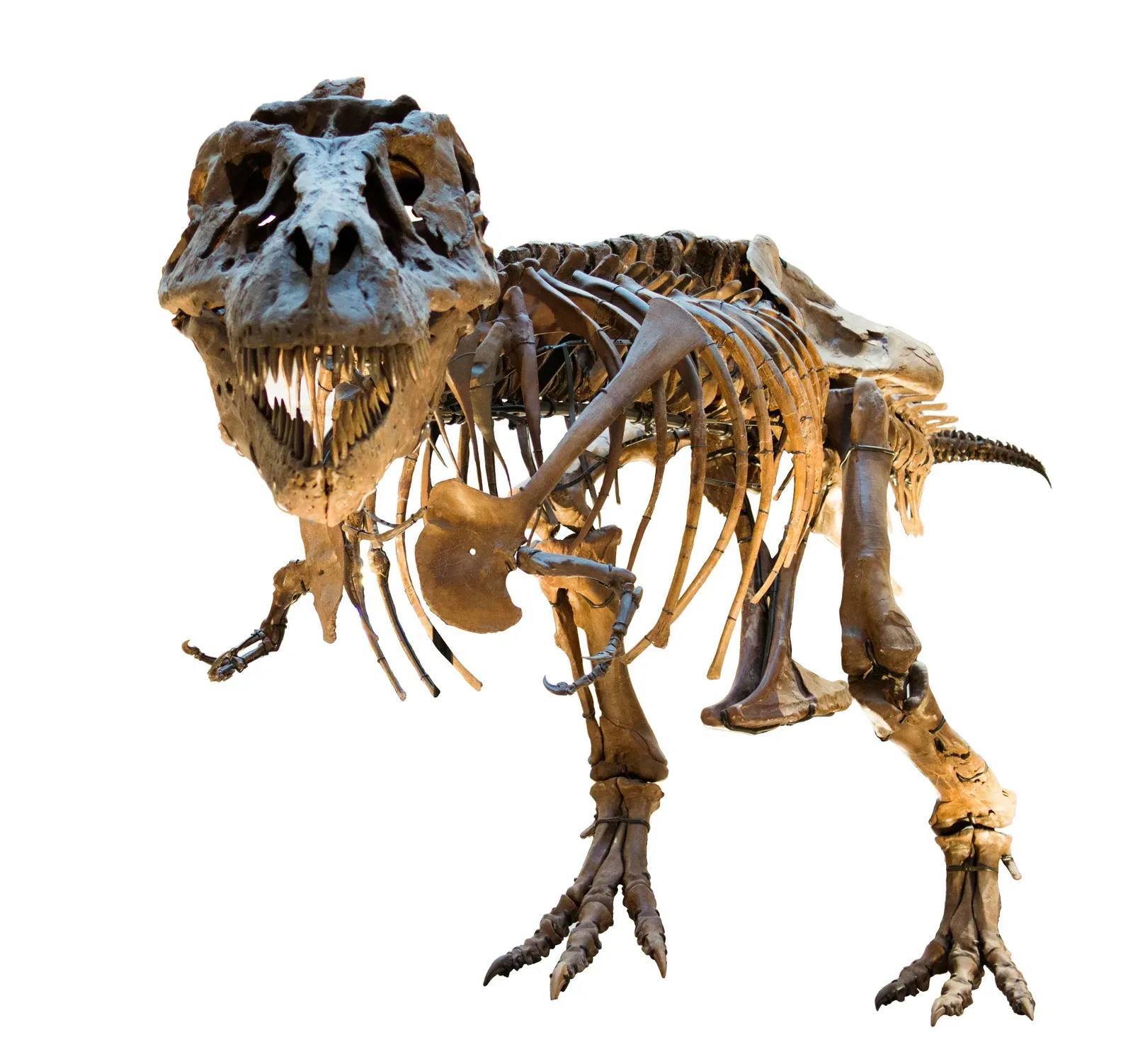
One of the most powerful dinosaur advantages starts deep inside the bone. Instead of solid, heavy skeletons, many dinosaurs evolved bones that were internally hollowed out and reinforced with a web of struts, a bit like the framework inside an airplane wing. You get a strong outer shell, an intricate internal scaffold, and a whole lot less weight for the same size. When you picture a massive predator like a large theropod running, this light-but-strong construction suddenly makes that motion far more believable.
You can imagine how important this is if you’ve ever carried a heavy backpack up a hill: every extra kilogram matters. Dinosaurs with lighter skeletons could move farther and faster on the same amount of food, which means more chances to find prey, mates, or safe nesting spots. Some bones were even filled with air from the respiratory system, reducing weight and tying their skeleton directly into their breathing machinery. Once you see that, the jump from big grounded dinosaur to agile flying bird feels less like a miracle and more like the next step in a long-running design experiment.
2. Supercharged Lungs and Efficient Breathing
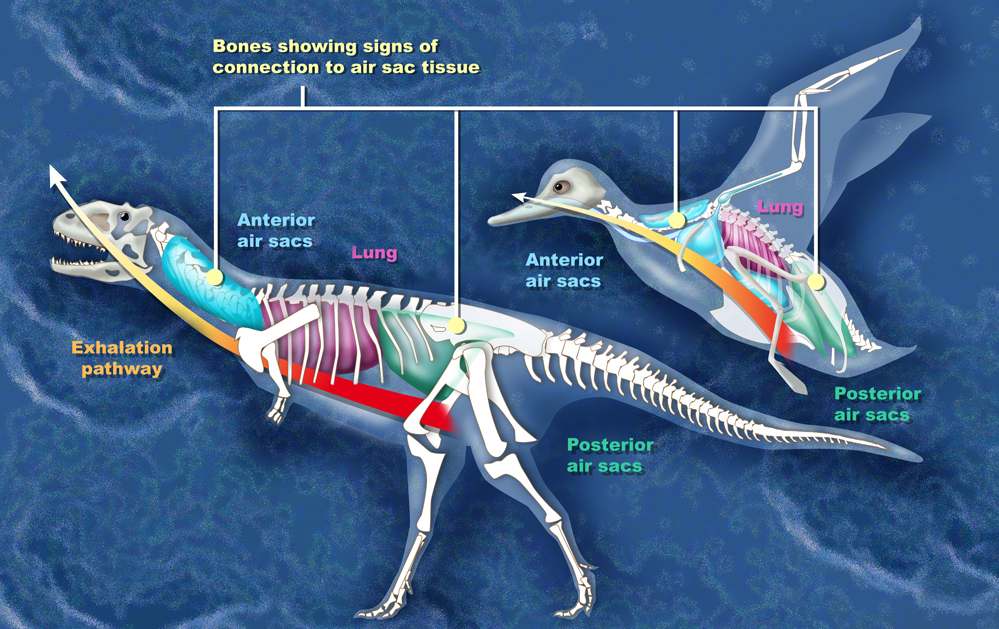
If you want to dominate almost every ecosystem on Earth, you need an engine that runs efficiently. Many dinosaurs, especially the group that includes the big meat-eaters and the ancestors of birds, evolved a breathing system that works more like a modern bird’s than a typical reptile’s. Instead of air sloshing in and out of simple lungs, air sacs and specialized airways helped cycle fresh air continuously through the lungs. You can think of it as a one-way conveyor belt of oxygen instead of a simple back‑and‑forth pump.
For you, this matters because it explains how dinosaurs could sustain active, energetic lifestyles that look closer to what you see in birds and mammals than in sluggish lizards. Efficient lungs mean you can run farther, recover faster, and tolerate thinner air at higher elevations or cooler climates. Add in those air-filled bones, and you get a body that moves a lot of oxygen with surprisingly little weight. This breathing upgrade turned many dinosaurs into endurance athletes long before humans ever drew a breath.
3. Fast Growth and High Metabolic Power
When you look at dinosaur bones under a microscope, you find something that feels strangely familiar from your own life story: evidence of rapid, sustained growth. Many dinosaurs grew at rates that line up more closely with birds and mammals than with most living reptiles. That means they were not slowly creeping toward adulthood over decades; instead, many species reached large sizes relatively quickly, a huge advantage in a world full of predators and brutal competition.
You can relate this to how important it is for a child to grow out of their most vulnerable stage. The faster you reach a size where fewer things can eat you, the better your odds. A higher metabolism also means more energy for movement, brain activity, and complex behaviors like social interaction or parental care. Of course, the trade‑off is that you have to eat a lot more, but for dinosaurs that found the right environments, that extra fuel bill paid off in speed, resilience, and the ability to spread into new habitats faster than slower‑growing rivals.
4. Feathers, Insulation, and Thermal Control
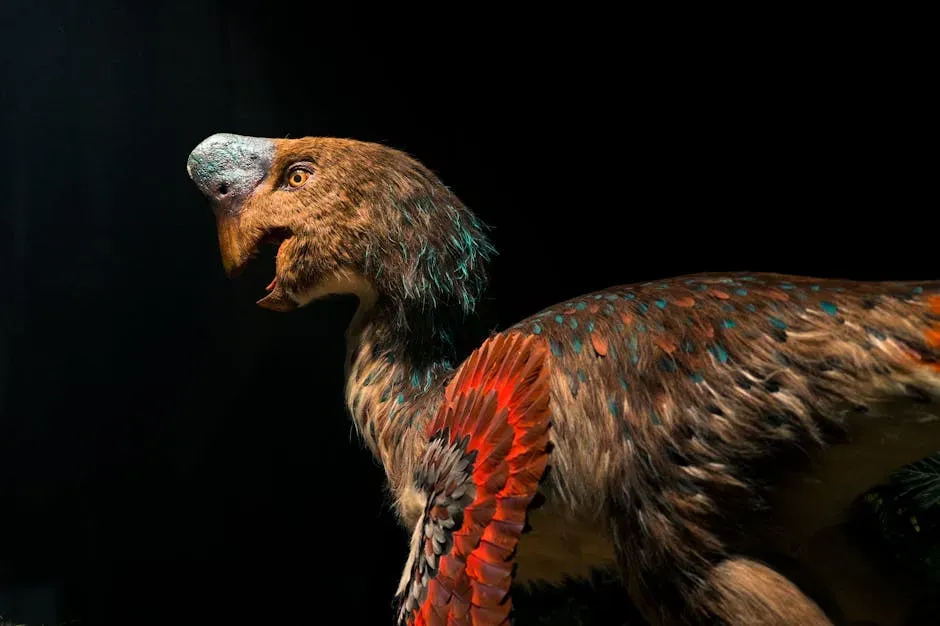
When you hear the word dinosaur, your brain might jump to scaly skin and huge teeth, but feathers were part of the story for many species, especially among smaller, bird‑like theropods. Early feathers probably did not start as tools for flight. Instead, they seem to have worked first as insulation, helping these animals hold onto body heat the way a good jacket helps you on a cold morning. In a world where temperatures could swing and ecosystems shifted over time, that kind of built‑in climate control is a massive advantage.
Once you have simple feathers for warmth, evolution can start to repurpose them. They can become colorful display structures for attracting mates or intimidating rivals, or specialized surfaces that help you glide or eventually fly. You see this same pattern in your own clothing choices: something that starts as practical protection can quickly turn into a way to signal identity and status. Feathers did both for dinosaurs, letting some of them push into cooler regions, stay active at various times of day, and communicate visually long before complex language existed.
5. Powerful Legs and Tail‑Based Balancing Systems
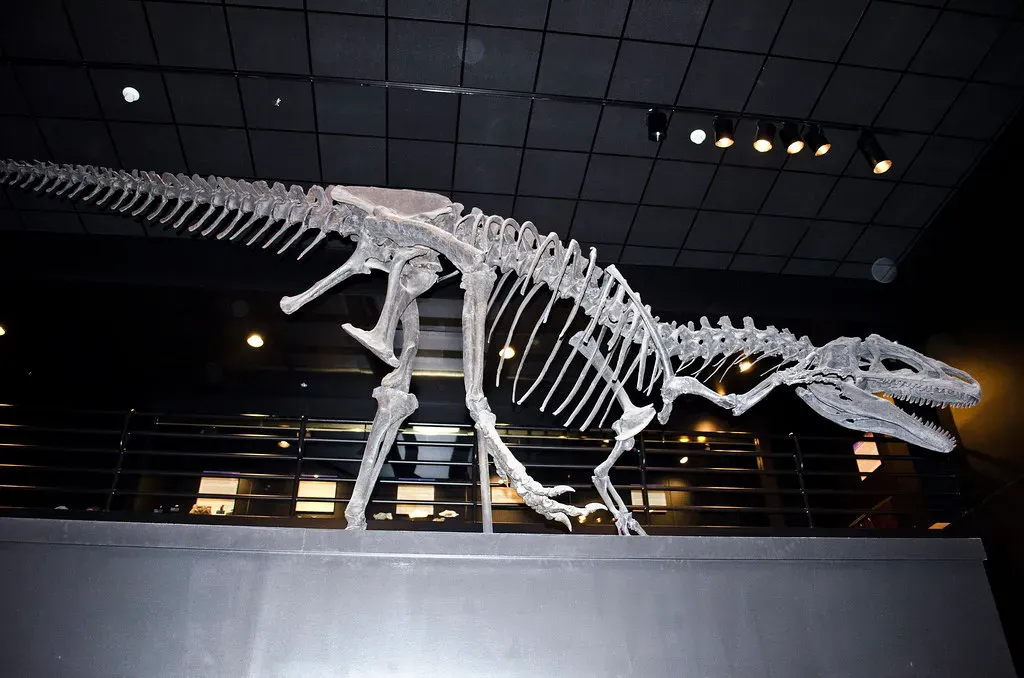
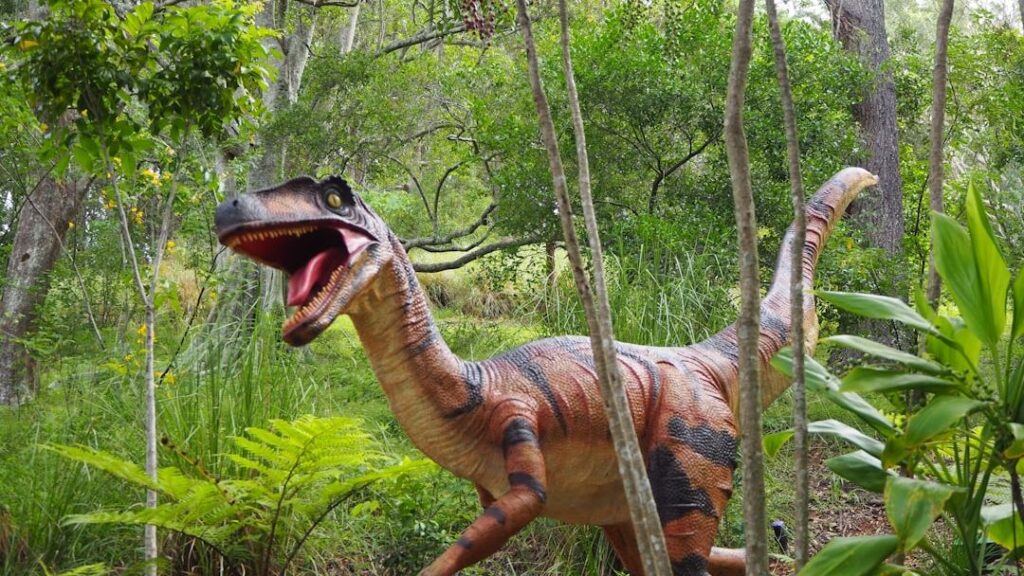
Think about how hard it is for you to balance on one leg or sprint without leaning forward. Now imagine doing that while carrying a skull the size of a person or a torso that weighs as much as a car. Many dinosaurs solved this by turning their whole body into a finely tuned balancing act, with a heavy tail acting as a counterweight and muscular legs positioned under the body rather than sprawled to the sides. This posture brought their center of mass right over their hips, turning them into efficient walking and running machines.
For you, the closest comparison might be a tightrope walker using a long pole to stabilize every move. The dinosaur tail, along with strong hip and leg muscles, played that role every moment of the day. In fast, bipedal species, even small shifts in tail position could help with quick turns or sudden stops during a chase. In large herbivores, sturdy legs and well‑balanced bodies helped bear enormous weight while still allowing long-distance travel in search of food and water. This full‑body engineering let dinosaurs conquer everything from open plains to forested floodplains without collapsing under their own bulk.
6. Specialized Teeth, Beaks, and Feeding Strategies
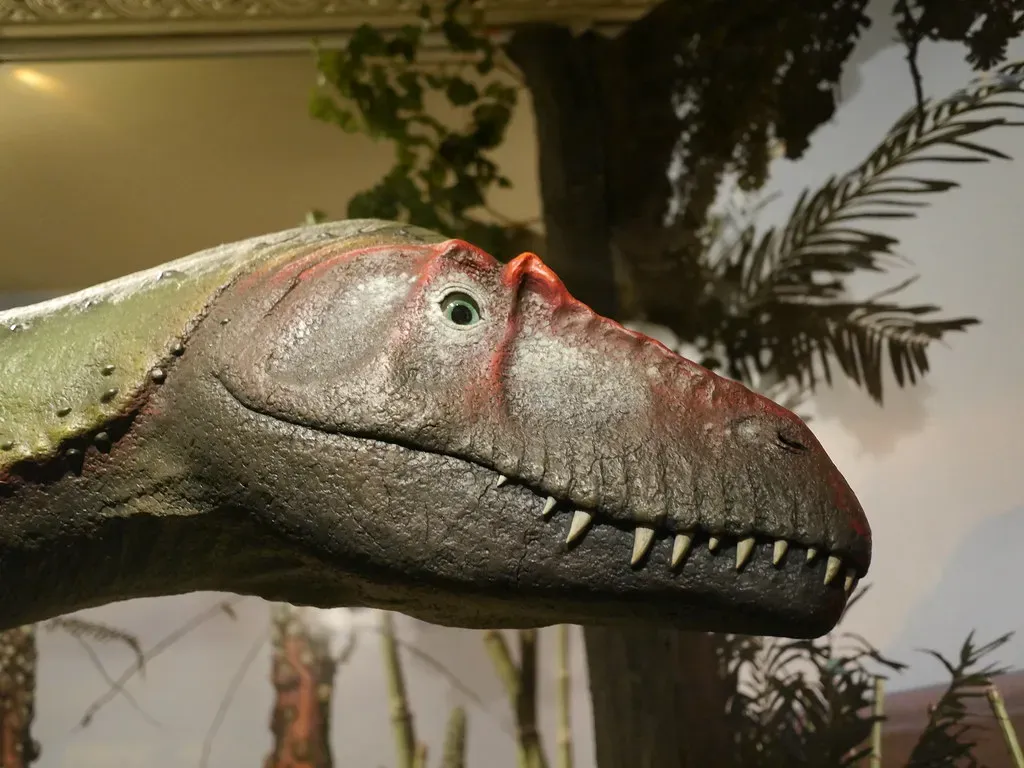
If you walk through a grocery store and look at the variety of foods you can eat, you see exactly why diet flexibility matters. Dinosaurs did not have supermarkets, of course, but they did evolve an astonishing range of teeth, beaks, and jaw shapes that let them exploit almost every plant and animal resource available. Some had blade‑like teeth built for slicing meat, others had battery‑like rows of grinding teeth for chewing tough vegetation, and still others evolved toothless beaks that worked like pruning shears or seed crushers.
What makes this adaptation so powerful for ecosystem domination is that it reduces direct competition. When different dinosaur species eat different kinds of food or process the same food in different ways, they can share the same landscape without wiping each other out. You can think of it like several restaurants successfully operating on the same street because each one serves something different. By diversifying their diets and feeding styles, dinosaurs filled roles that in modern ecosystems are split among birds, large mammals, and reptiles, giving them a deep hold on every corner of their world.
7. Armor, Horns, and Defensive Innovation
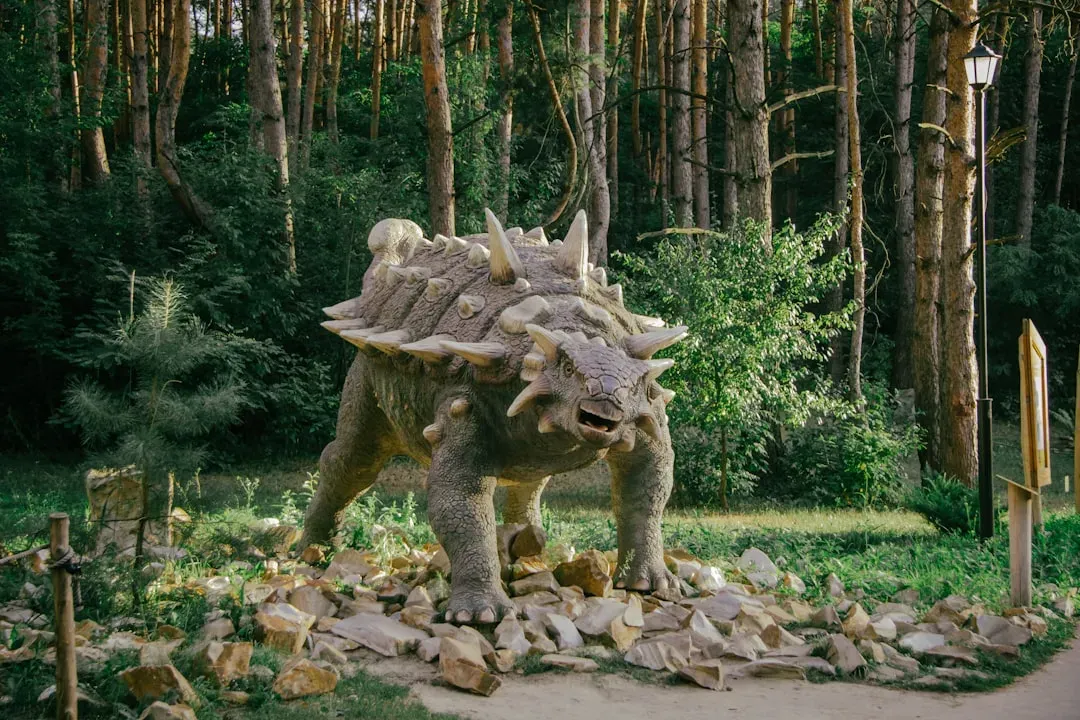
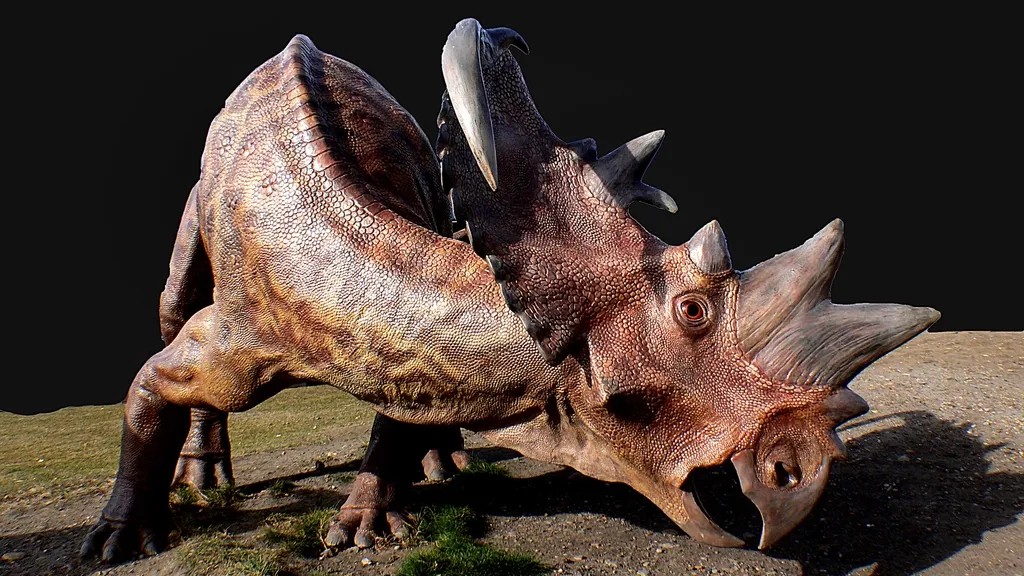
Whenever predators become more efficient, prey animals face a stark choice: get better at defending yourself, or disappear. Many dinosaurs took defense to an art form, evolving armor plates, bony shields, spikes, clubs, and elaborate horns. Some species grew heavy body armor fused into their skin, creating a living tank that could shrug off attacks from large carnivores. Others carried tail clubs capable of delivering bone‑shattering blows if a predator pushed its luck a little too far.
You can picture these adaptations as the prehistoric equivalent of a security system combined with physical barricades. They did more than just stop bites; they changed behavior. An armored dinosaur could afford to forage in more open areas, or move in groups without panicking at every shadow. In species with horns and frills, those structures likely played social roles too, helping individuals recognize each other, signal health, or establish dominance. That combination of protection and communication helped many plant‑eating dinosaurs survive in landscapes where danger was never far away.
8. Social Behavior, Parenting, and Group Strategies
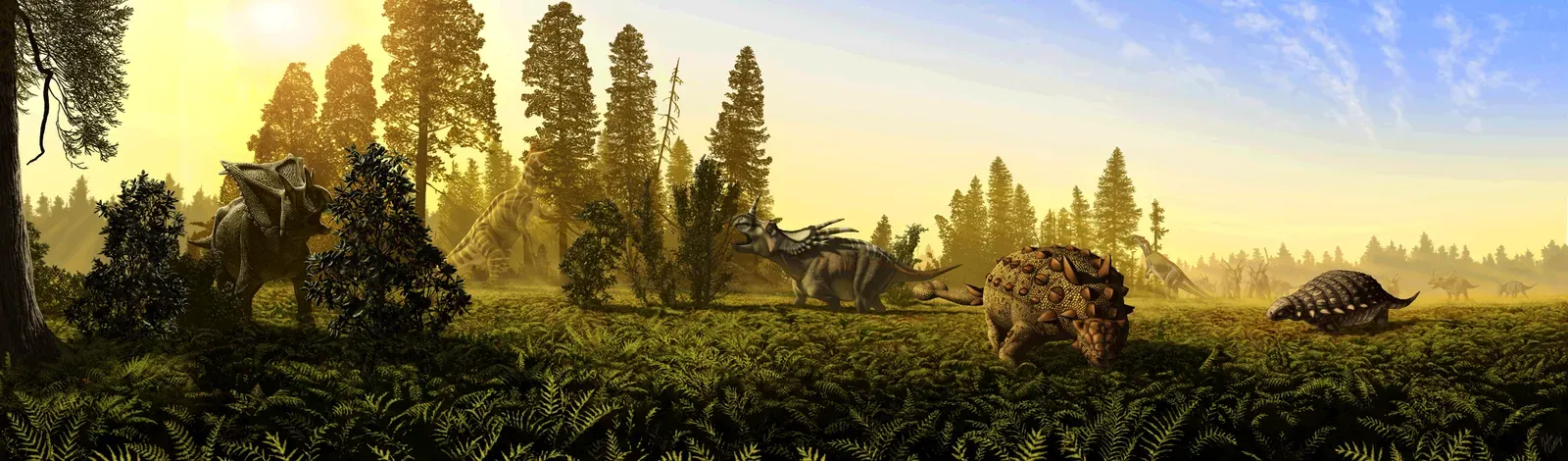
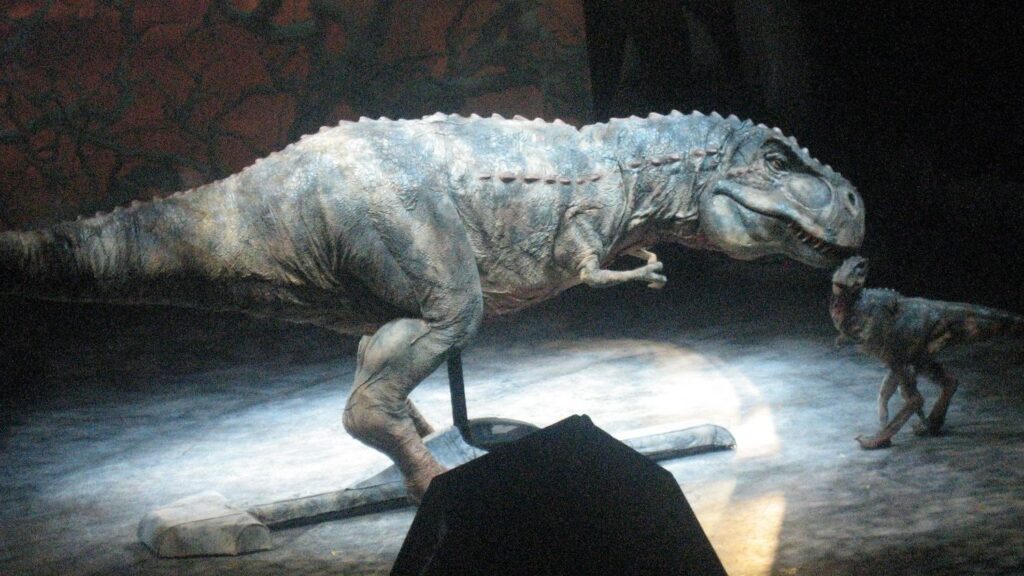
When you look at the fossil record closely, you find traces that many dinosaurs did not just live as isolated individuals. Tracks show groups moving together, nests appear in clusters, and some fossils preserve young animals associated with adults, hinting at at least some level of parental care. If you have ever watched a flock of birds or a herd of mammals navigate danger, you already understand why this matters: there is safety and learning power in numbers.
For dinosaurs, social behavior likely offered multiple overlapping benefits. Groups could better watch for predators, defend nesting sites, or migrate together to new feeding grounds. Parents that guarded eggs or stayed near young gave their offspring a much better shot at reaching adulthood, which means those parenting traits had a chance to spread. You see the same pattern in your own species: cooperation, teaching, and shared defense let you survive challenges that would crush you alone. In that sense, dinosaurs were rehearsing the same survival strategy long before humans appeared on the stage.
Conclusion: A World Shaped by Dinosaur Ingenuity
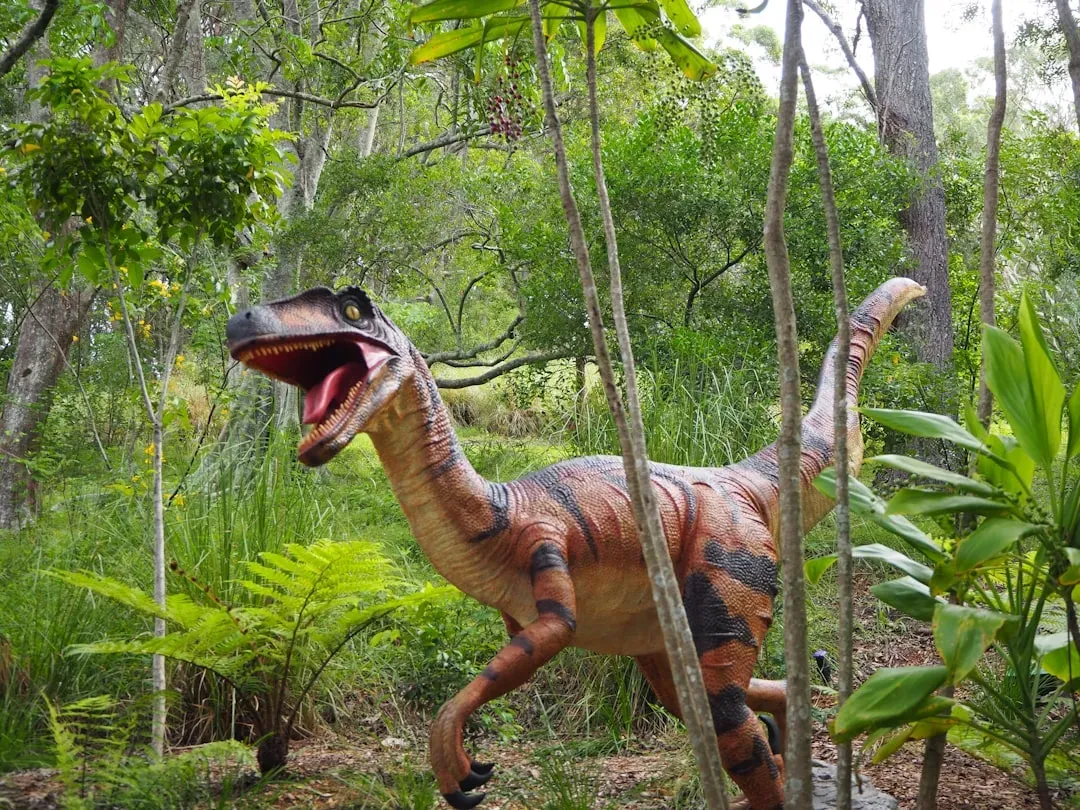
When you pull all these adaptations together – light skeletons, efficient lungs, rapid growth, insulation, balance, specialized diets, armor, and social strategies – you stop seeing dinosaurs as clumsy giants and start recognizing them as highly tuned products of evolution. They were not just big; they were optimized for their time, capable of filling niches from coastal wetlands to mountain slopes. Their success reshaped ecosystems, influenced the evolution of other species, and laid the groundwork for the eventual rise of birds, which you still share the planet with today.
It is easy to think of dinosaurs only in terms of extinction, but the real story for you is how mastery of adaptation allowed them to dominate for an almost unimaginable span of time. When you notice how birds breathe, how your own bones balance strength and lightness, or how social groups keep you safe, you are seeing echoes of those ancient innovations. In a way, you live in a world still carrying their fingerprints. Which of these dinosaur superpowers do you wish you could borrow for a day?