Picture walking through a museum hall filled with towering T. rex skeletons and massive sauropod displays. These ancient giants captivate millions of visitors each year, yet their true impact goes far beyond simple amazement. These prehistoric creatures have fundamentally transformed our understanding of life itself.
The story of dinosaurs is actually the story of evolution in action. Every fossil discovery adds another piece to the puzzle, revealing surprising connections between past and present. Some discoveries were so groundbreaking that they forced scientists to completely rethink everything they believed about evolutionary history.
Archaeopteryx – The Missing Link That Started It All
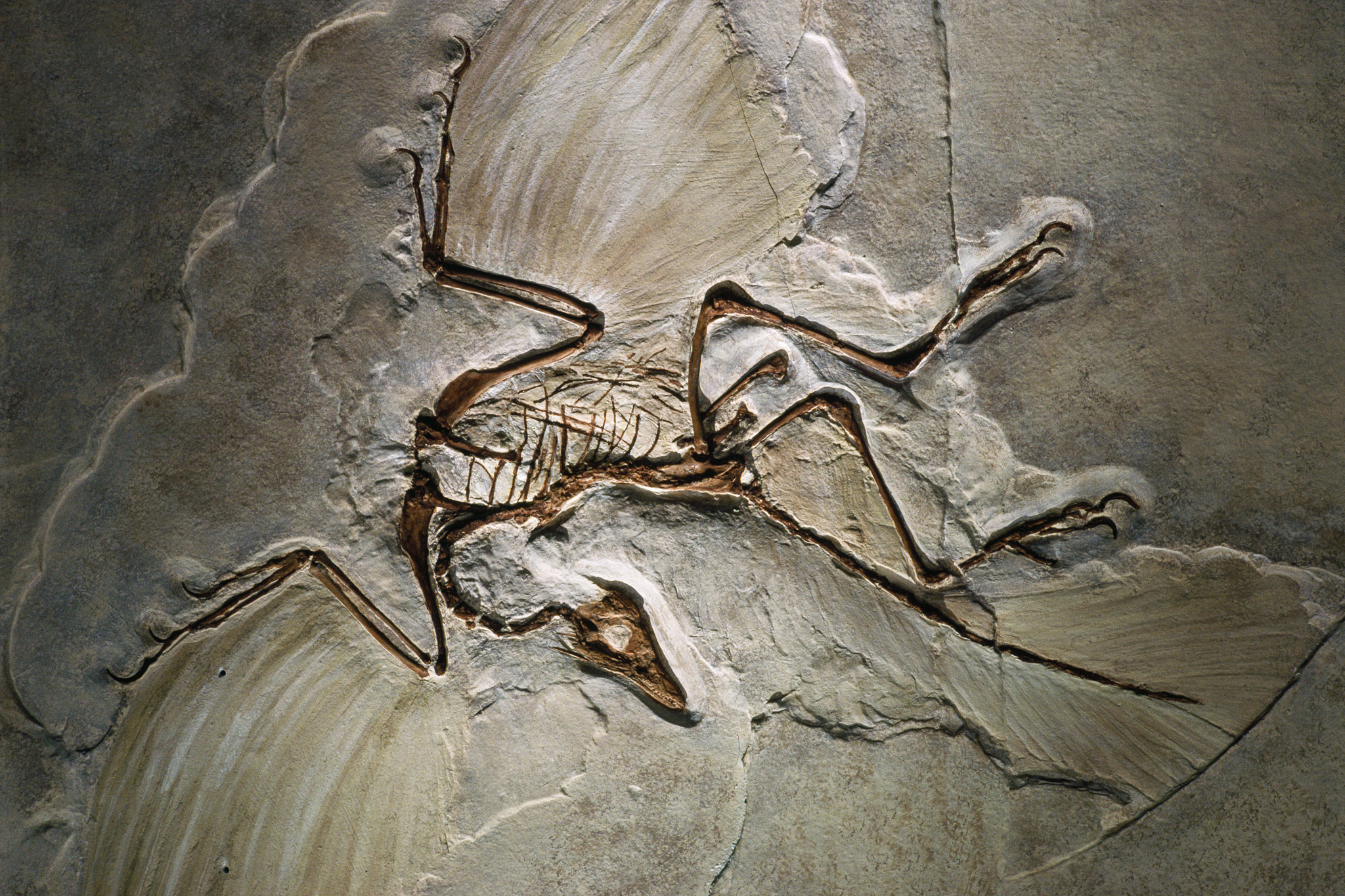
When scientists first laid eyes on Archaeopteryx in 1861, they witnessed something extraordinary. This ancient creature possessed both reptilian features like teeth and claws alongside distinctly bird-like characteristics including wings and feathers.
Even the famous Archaeopteryx, the feathered dinosaur that still represents the earliest known bird, was given little attention by Darwin. The first correctly identified Archaeopteryx skeleton was discovered in 1861, just two years after On the Origin of Species was published. (At least one Archaeopteryx skeleton was found prior to this date, but it was confused for the remains of a pterodactyl.)
With features of both birds and reptiles, the Archaeopteryx fossils found in the mid-19th century provided groundbreaking evidence supporting the evolutionary connection between dinosaurs and birds, significantly influencing the theories of evolution. This single discovery provided the first concrete evidence that birds evolved from dinosaurs, forever changing how we view the relationship between these seemingly different groups.
Sinosauropteryx – The First Feathered Dinosaur Revelation
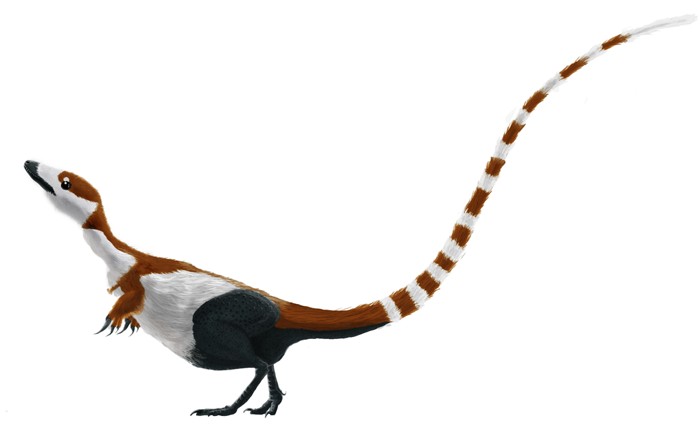
Described in 1996, it was the first dinosaur taxon outside of Avialae (birds and their immediate relatives) to be found with evidence of feathers. This small Chinese dinosaur completely revolutionized paleontology overnight.
The first widely acknowledged feathered dinosaur, Sinosauropteryx prima, was unveiled at a scientific meeting in 1996, and Liaoning fossils have continued rewriting dinosaur history ever since. The implications were staggering. It was covered with a coat of very simple filament-like feathers. Structures that indicate the colour pattern have also been preserved in some of its feathers, which show that Sinosauropteryx had a countershading pattern in its body with a banded tail.
Scientists could now study not just bone structure, but also determine the actual colors of dinosaurs that lived millions of years ago. This discovery proved that feathers existed long before powered flight, suggesting they originally served other purposes like insulation or display.
Microraptor – The Four-Winged Flying Experiment
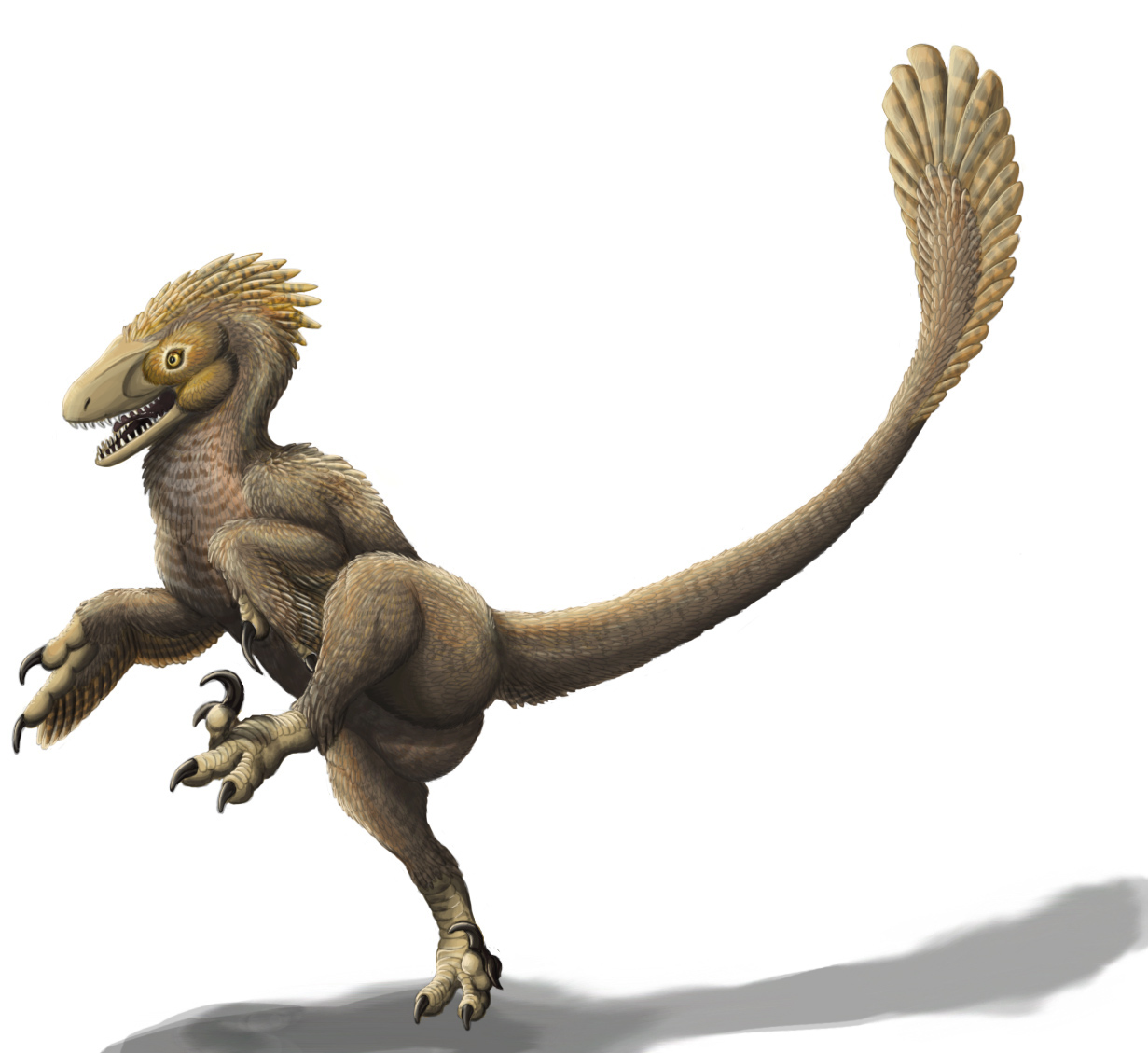
Microraptor (Greek, μικρός, mīkros: “small”; Latin, raptor: “one who seizes”) is a genus of small, four-winged dromaeosaurid dinosaurs. Numerous well-preserved fossil specimens have been recovered from Liaoning, China. They date from the early Cretaceous Jiufotang Formation (Aptian stage), 125 to 120 million years ago.
This led paleontologist Xu Xing in 2003 to describe the first specimen to preserve this feature as a “four-winged dinosaur” and to speculate that it may have glided using all four limbs for lift. The creature challenged every assumption about how flight evolved in the animal kingdom.
Chatterjee’s revised pose makes Microraptor look like a feathered biplane, with the leg wings sitting below and just behind the main pair. Wind tunnel experiments revealed that this bizarre configuration actually worked, providing evidence for the “trees-down” theory of flight evolution where gliding preceded powered flight.
Spinosaurus – The Semi-Aquatic Giant That Broke the Mold
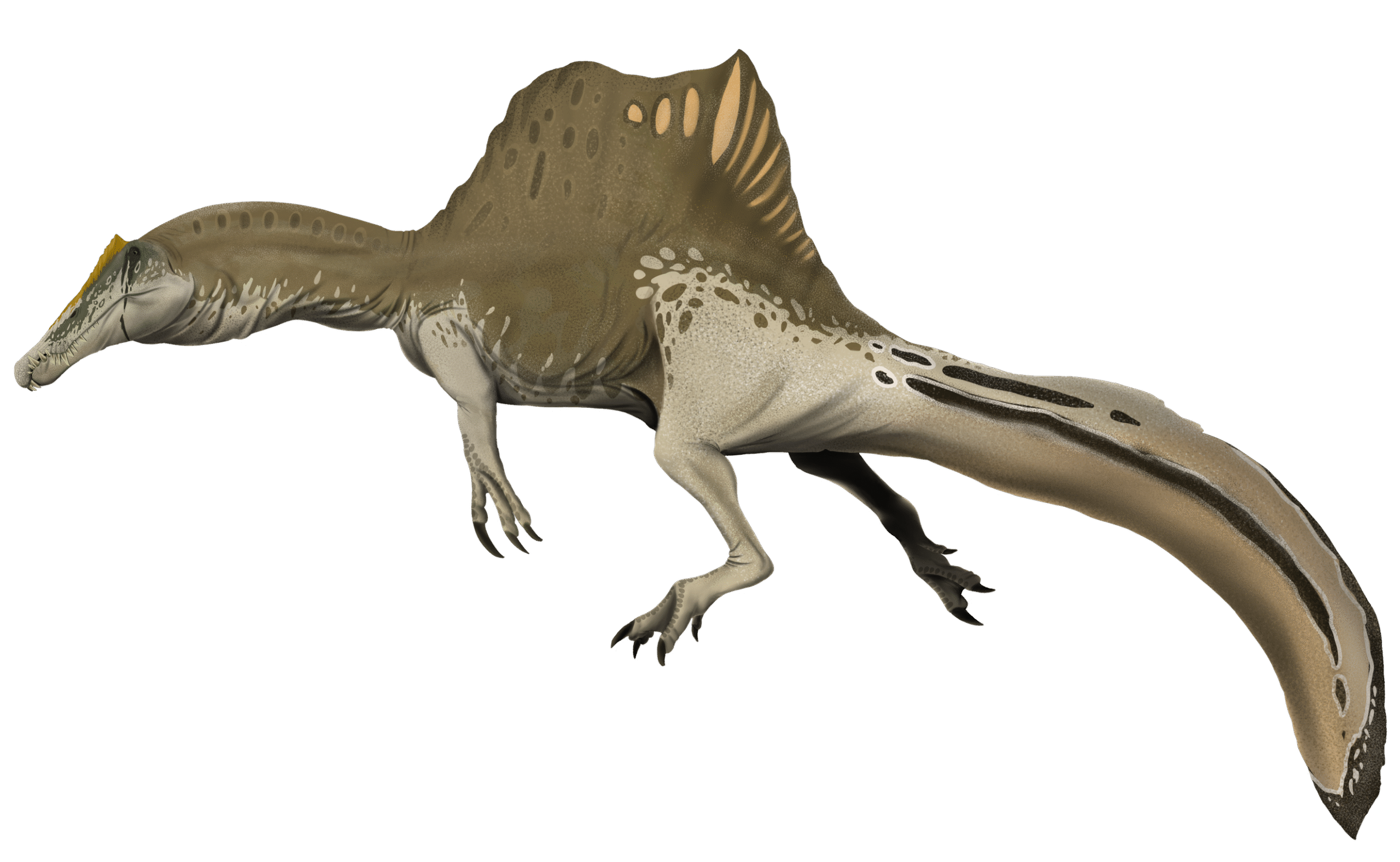
For decades, scientists believed all large theropods were purely terrestrial predators. Then came Spinosaurus, turning that assumption completely upside down. The recent dinosaur discovery, Spinosaurus aegyptiacus, has completely changed how we think about these ancient creatures. Thus, this fascinating predator wasn’t just roaming the land – it thrived in water too.
With its elongated snout, sail-like spine, and powerful body, Spinosaurus reveals a unique mix of features that helped it survive in semi-aquatic and terrestrial environments. Its paddle-like feet and dense bones provided evidence for an entirely new ecological niche among large dinosaurs.
This discovery demonstrated that dinosaur diversity extended far beyond what paleontologists had imagined. The finding forced a complete reevaluation of dinosaur ecosystems and showed that these ancient reptiles had adapted to virtually every available habitat on Earth.
Carnotaurus – The Horned Speedster That Redefined Predator Design
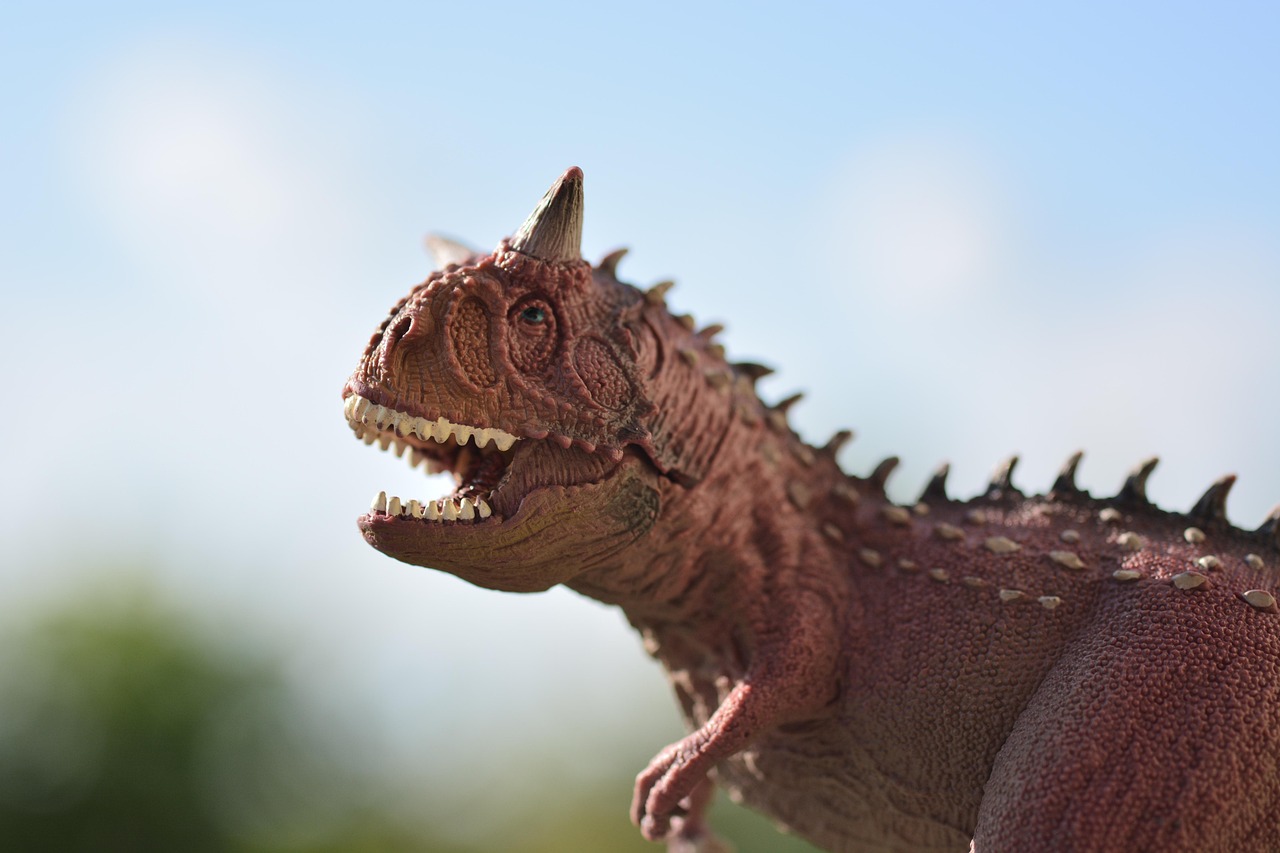
Most people imagine dinosaur predators as lumbering giants, but Carnotaurus shattered this stereotype completely. This unusual theropod possessed two prominent horns above its eyes and an incredibly lightweight build designed for speed rather than brute force.
Unlike other large predators, Carnotaurus had vestigial arms that were essentially useless bumps on its torso. This adaptation suggested that not all theropods relied on their forelimbs for hunting, challenging assumptions about predatory behavior across the group.
The discovery revealed that theropod dinosaurs experimented with radically different body plans and hunting strategies. Some became massive bone-crushers like Tyrannosaurus, while others like Carnotaurus evolved into fast-running pursuit predators that could chase down agile prey across open landscapes.
Giganotosaurus – The Giant That Dethroned the King
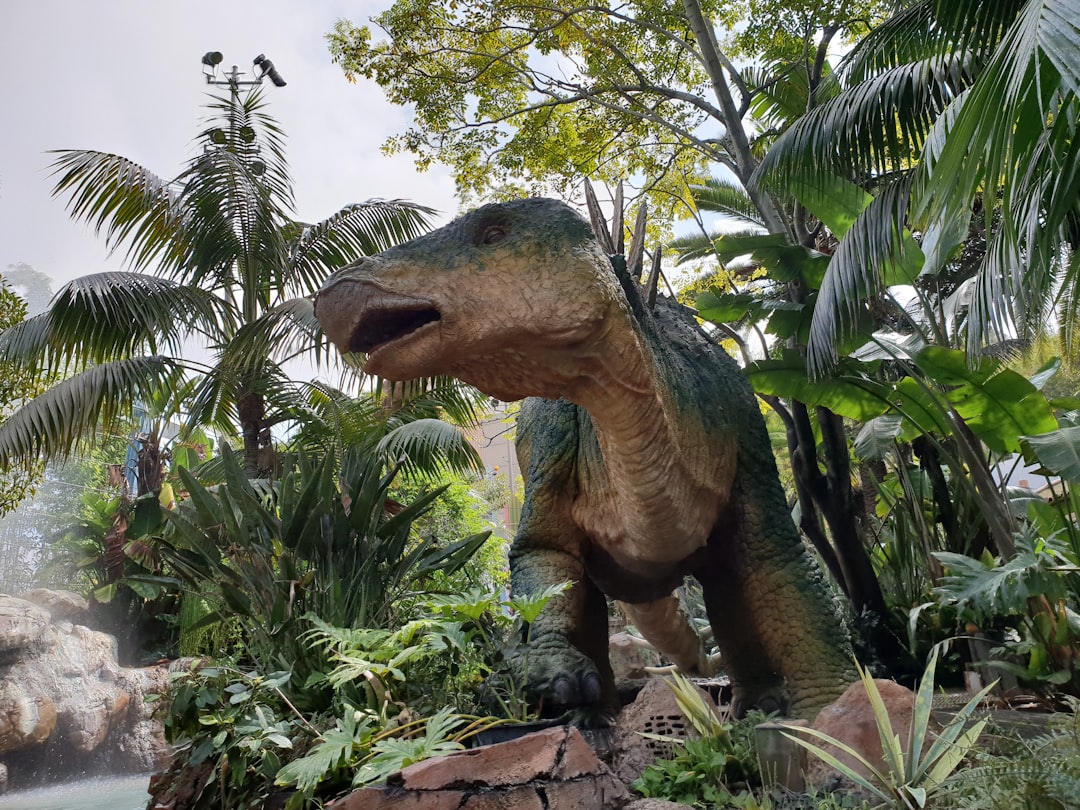
For nearly a century, Tyrannosaurus rex held the undisputed title of largest land predator in history. Then paleontologists in Argentina uncovered Giganotosaurus, a massive carnivore that exceeded even T. rex in size and changed our understanding of predator evolution.
This South American giant reached lengths exceeding forty feet and may have hunted in coordinated packs to bring down enormous sauropods. The discovery revealed that multiple lineages of giant predators evolved independently on different continents during the Cretaceous period.
Giganotosaurus demonstrated that predator-prey arms races drove evolution toward increasingly massive sizes. As herbivorous dinosaurs grew larger for protection, predators responded by evolving bigger bodies and more sophisticated hunting strategies.
Therizinosaurus – The Gentle Giant with Massive Claws
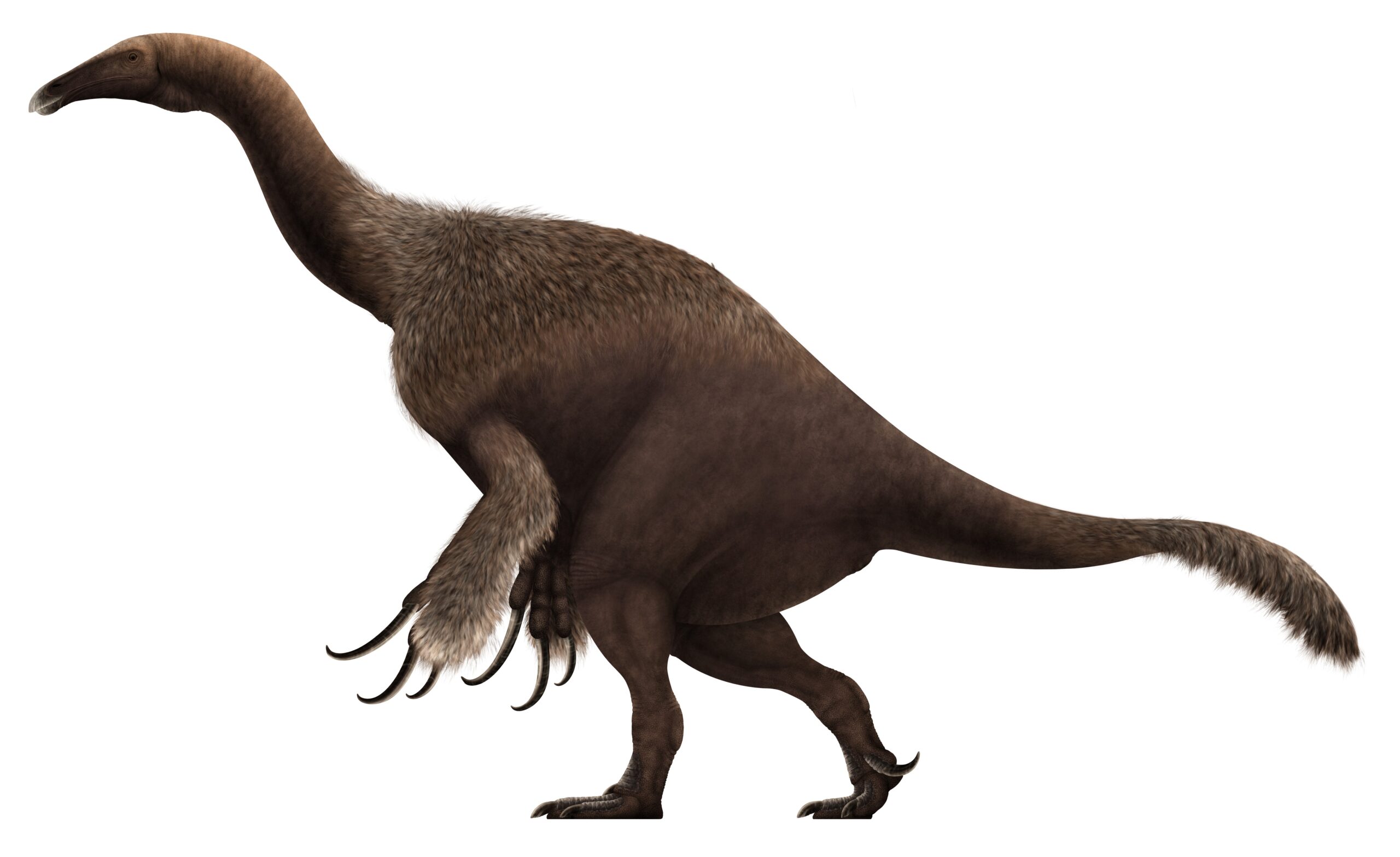
When scientists first discovered enormous three-foot-long claws in the Gobi Desert, they assumed they belonged to a fearsome predator. The reality proved far more surprising when complete skeletons revealed Therizinosaurus was actually a plant-eating giant.
This massive dinosaur used its impressive claws not for slicing flesh, but for stripping vegetation from tall trees. Its enormous size, reaching weights of several tons, challenged preconceptions about herbivorous dinosaur body plans and feeding strategies.
The discovery demonstrated how evolution can repurpose the same anatomical features for completely different functions. What appeared to be weapons of destruction were actually sophisticated tools for accessing high-energy plant foods that smaller herbivores couldn’t reach.
Compsognathus – The Tiny Hunter That Proved Size Diversity
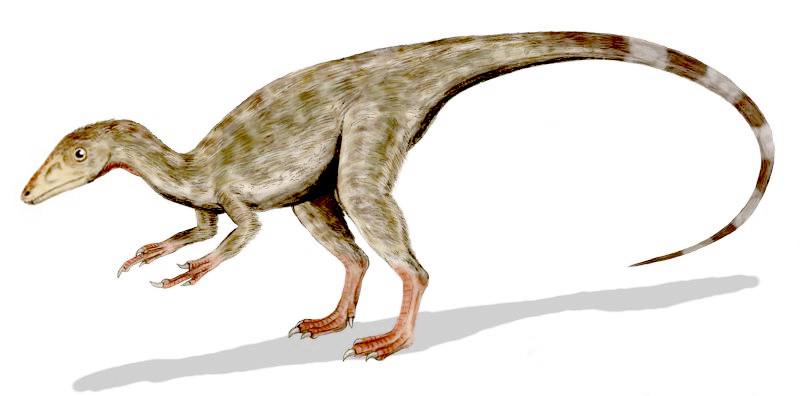
Discovered in the 19th century, Compsognathus was one of the smallest known dinosaurs at the time. This discovery was crucial in understanding the vast size range of dinosaurs, which varied from tiny cat-sized creatures to enormous sauropods.
This chicken-sized predator possessed the same basic body plan as much larger theropods but scaled down for hunting small prey like lizards and early mammals. Its discovery proved that dinosaurs occupied ecological niches across the entire spectrum of body sizes.
Compsognathus helped scientists understand that dinosaur success stemmed partly from their incredible diversity in size and specialization. From tiny hunters weighing just a few pounds to massive herbivores exceeding eighty tons, dinosaurs filled virtually every available ecological role during their reign.
The Evolutionary Legacy That Lives On
These eight remarkable dinosaurs fundamentally transformed our understanding of evolution and the history of life on Earth. Birds evolved from theropod dinosaurs during the Jurassic (around 165–150 million years ago) and their classic small, lightweight, feathered, and winged body plan was pieced together gradually over tens of millions of years of evolution rather than in one burst of innovation.
Each discovery revealed new facets of evolutionary processes, from the gradual development of flight to the incredible diversity of ecological adaptations. That view began to shift during the so-called dinosaur renaissance in scientific research in the late 1960s; by the mid-1990s, significant evidence had emerged that dinosaurs were much more closely related to birds, which descended directly from an earlier group of theropod dinosaurs.
Today, every bird singing outside your window serves as a living reminder of these ancient evolutionary experiments. The next time you see a sparrow or eagle, remember that you’re witnessing the direct descendants of creatures that once ruled the Earth. What other evolutionary surprises might still be buried in rocks, waiting to rewrite our understanding of life itself?