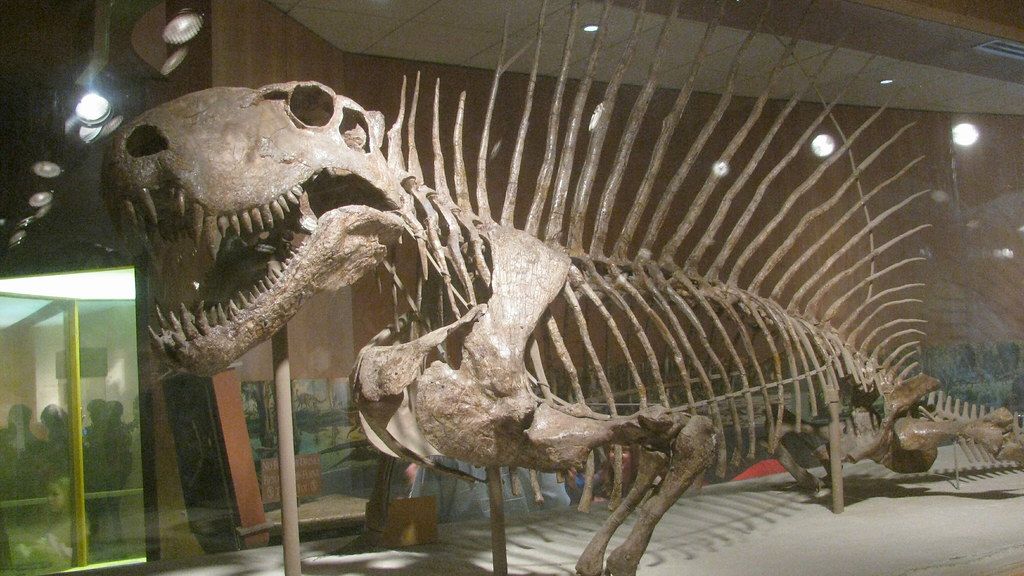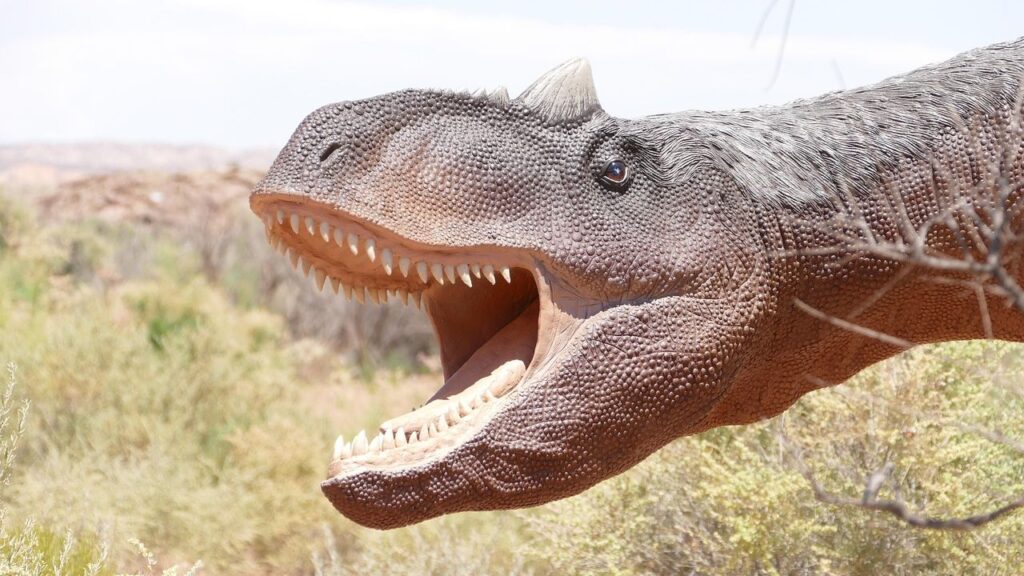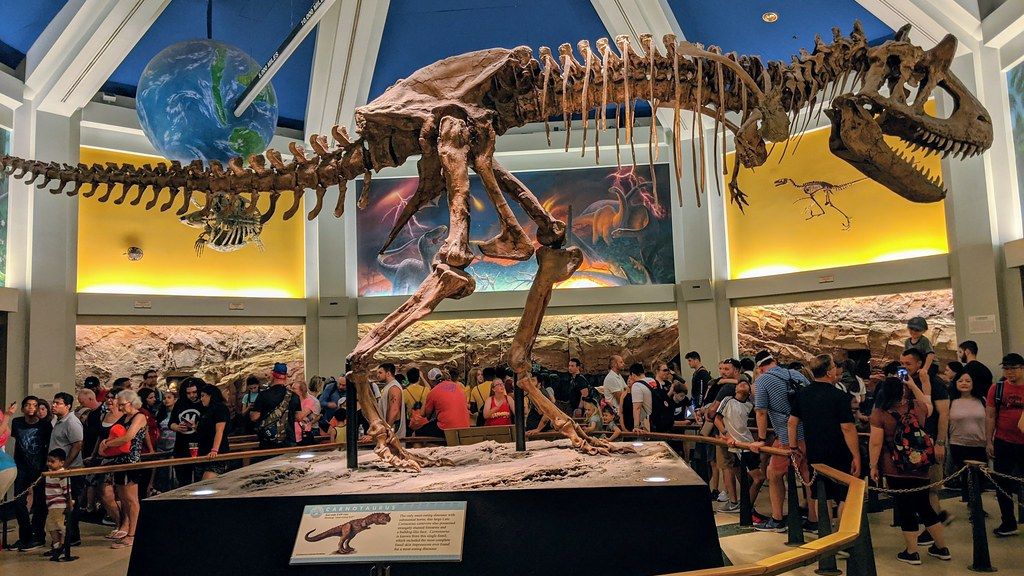
You probably grew up picturing dinosaurs as giant, scaly lizards stomping through a steamy jungle. The reality is stranger, more beautiful, and way more surprising than that old movie image. When you start looking closely at how dinosaur bodies were actually built, you realize you have to throw out half of what you thought you knew.
As you walk through a museum or scroll past a T. rex image online, you are only seeing the surface of a story that runs deep into bones, air sacs, braincases, and even microscopic details of their growth. Once you peek under the skin, you find animals that breathed like birds, balanced like gymnasts, and sometimes looked more like walking peacocks than monsters. By the end of this, you may never look at a dinosaur skeleton the same way again.
1. Dinosaurs Breathed More Like Birds Than Lizards
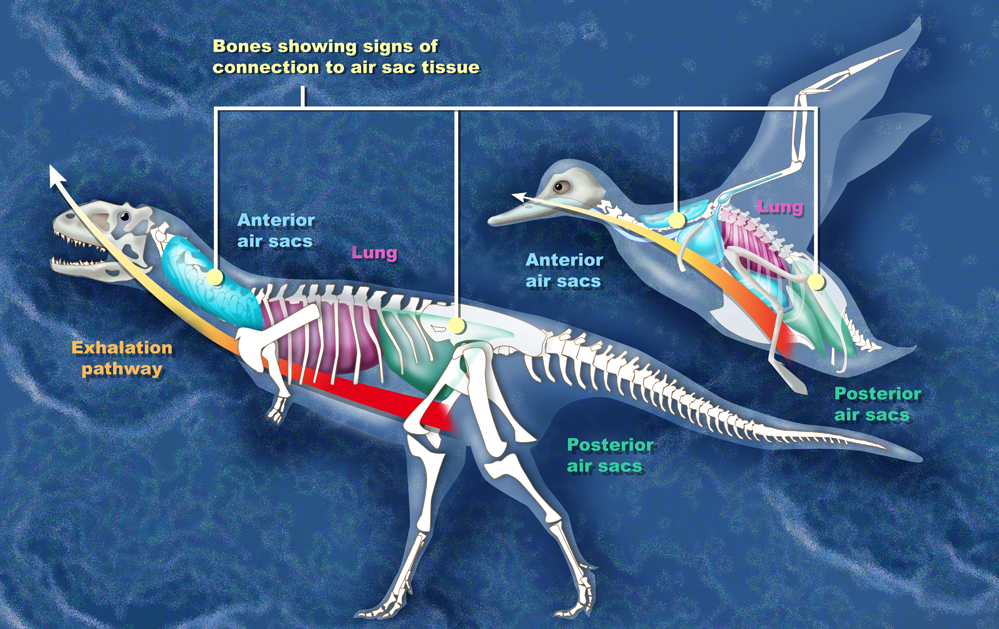
When you imagine a dinosaur taking a breath, you might picture lung sacs inflating and deflating, just like in a crocodile or a lizard. But if you look at many dinosaur skeletons, especially the long-necked sauropods and the meat-eating theropods, you see tiny hollows and openings in the vertebrae that point to a very different system. Those holes are evidence that air sacs invaded their bones, forming a complex, flow-through breathing setup similar to what you find in modern birds.
For you, that means the classic reptile comparison is actually misleading: dinosaurs were running on something closer to a bird-grade respiratory engine. Air would have passed in one direction through their lungs, with separate sacs acting as bellows, keeping oxygen flowing continuously instead of in little in-and-out puffs. If you have ever watched a pigeon rocket into the sky and keep going, you have a tiny glimpse of the kind of efficient oxygen delivery some dinosaurs probably enjoyed.
2. Many Dinosaurs Had Hollow, Air-Filled Bones
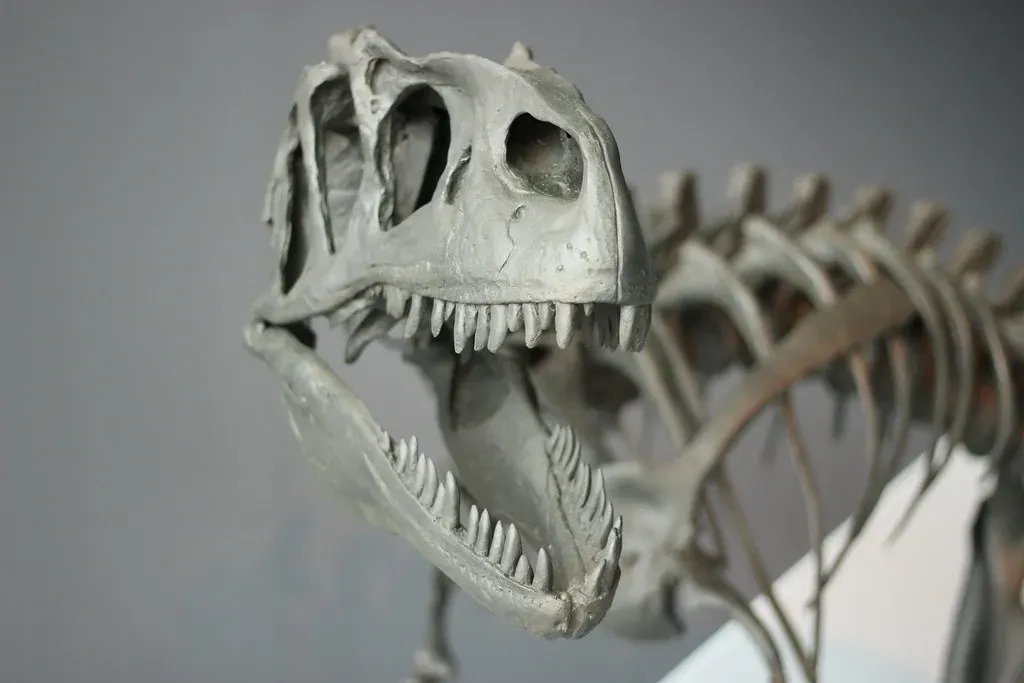
If you have ever picked up a bird’s leg bone, you know it feels almost shockingly light for its size. Now imagine scaling that trick up to an animal the length of a city bus, and you get what was happening inside a lot of dinosaur skeletons. In many theropods and sauropods, the long bones and vertebrae show internal chambers and thin bony walls, revealing that air sacs invaded deep into the skeleton.
For you, this detail changes how you think about their sheer bulk. Those giant necks and tails were not solid stone-like beams; they were more like strong, trussed bridges, reinforced but hollowed out. That kind of construction let some dinosaurs grow to incredible sizes without collapsing under their own weight. It is as if evolution figured out the secret of lightweight engineering millions of years before you started building airplanes.
3. Tails Were Precision Balancing Machines, Not Just Heavy Clubs
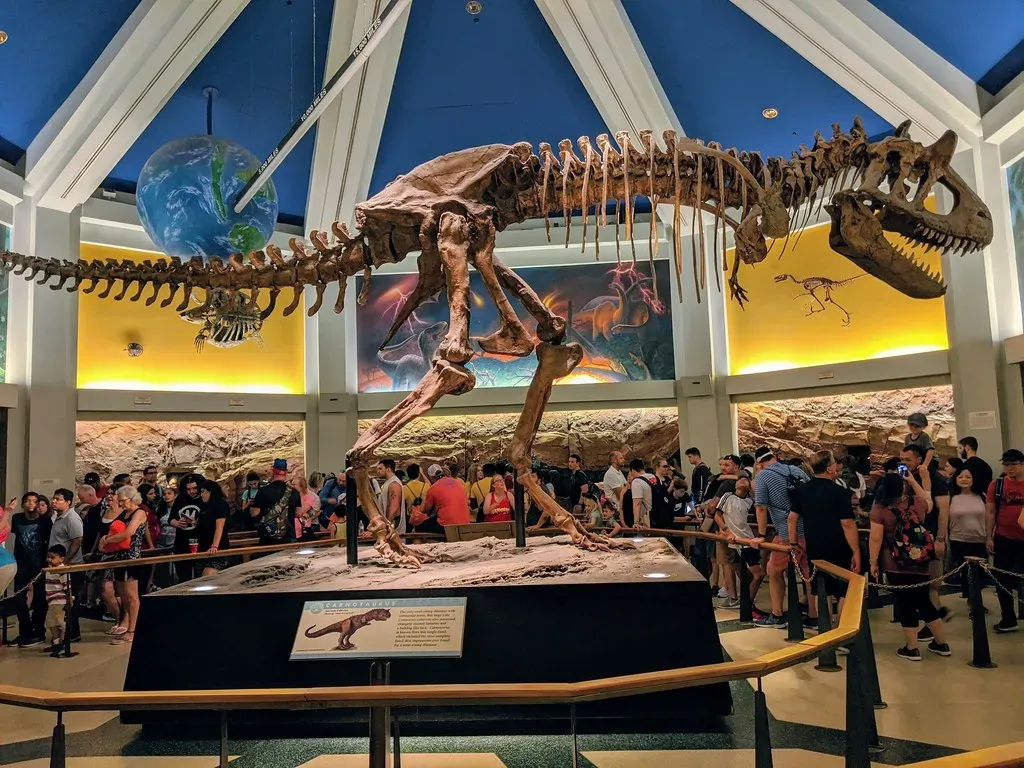
You might look at a dinosaur tail and assume it was just a big, dragging weight or a giant weapon. But if you trace the bones and muscle attachment scars on many theropods and other bipedal dinosaurs, you see a structure perfectly set up for fine-tuned balance. The tail was stiffened by overlapping tendons and powered by large muscles that anchored to the pelvis and upper leg bones.
For you, this means that when a raptor-like dinosaur turned, jumped, or lunged, the tail was constantly making tiny adjustments, counterbalancing the body like a tightrope walker’s pole. Instead of thinking of it as dead weight, you should picture it as an active, dynamic part of their movement system. Every step, every sudden pivot, every chase through prehistoric undergrowth was shaped by that built-in balancing boom behind them.
4. Dinosaur Skulls Hid Huge Sinus Systems and Air Spaces
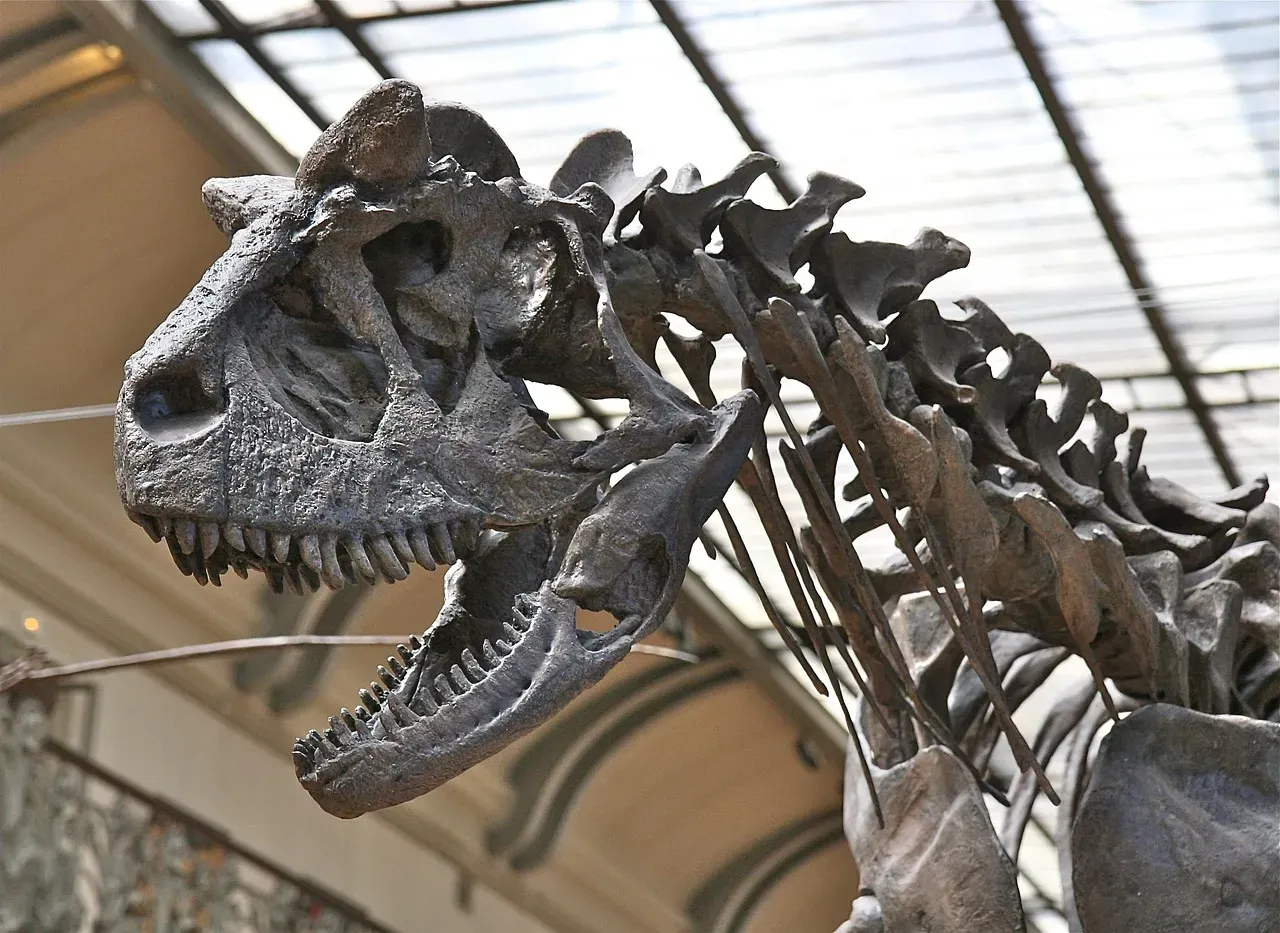
At first glance, a dinosaur skull just looks like a mass of bone with big teeth and eye sockets. But when you cut through these skulls or scan them, you see they are full of internal cavities and winding air spaces. Many of those empty-looking regions were sinuses and chambers linked to the respiratory system, again echoing what you see in birds today.
For you, that means those impressive heads were not as heavy as they appear, and they may have been resonating boxes for sound, heat exchangers, or structural shock absorbers. If you have ever heard a deep, echoing bird call and felt it in your chest, you can imagine some dinosaurs using those air-filled skulls to produce and modify sounds. You are not just looking at jaws and teeth; you are looking at built-in acoustic and ventilation hardware.
5. Many Dinosaurs Grew Faster Than You Probably Expect

When you think of a giant sauropod or a horned dinosaur, you might assume it took a very long time to reach that size, the way a tree slowly adds rings each year. But when paleontologists slice thin sections of dinosaur bones and look at them under a microscope, they see growth patterns that often point to surprisingly rapid development. The bone tissue in many species looks more like that of fast-growing birds and mammals than slow, cold-blooded reptiles.
For you, this means some dinosaurs probably rocketed from hatchling to near adult size in just a handful of years. Their bones show layers and tiny structures that record pauses and spurts, almost like a journal of their early life. If you have ever watched a teenager seem to shoot up almost overnight, you have a modern echo of what might have been happening on a much grander scale in certain dinosaur herds.
6. Feathers and Filaments Were More Common Than You Think
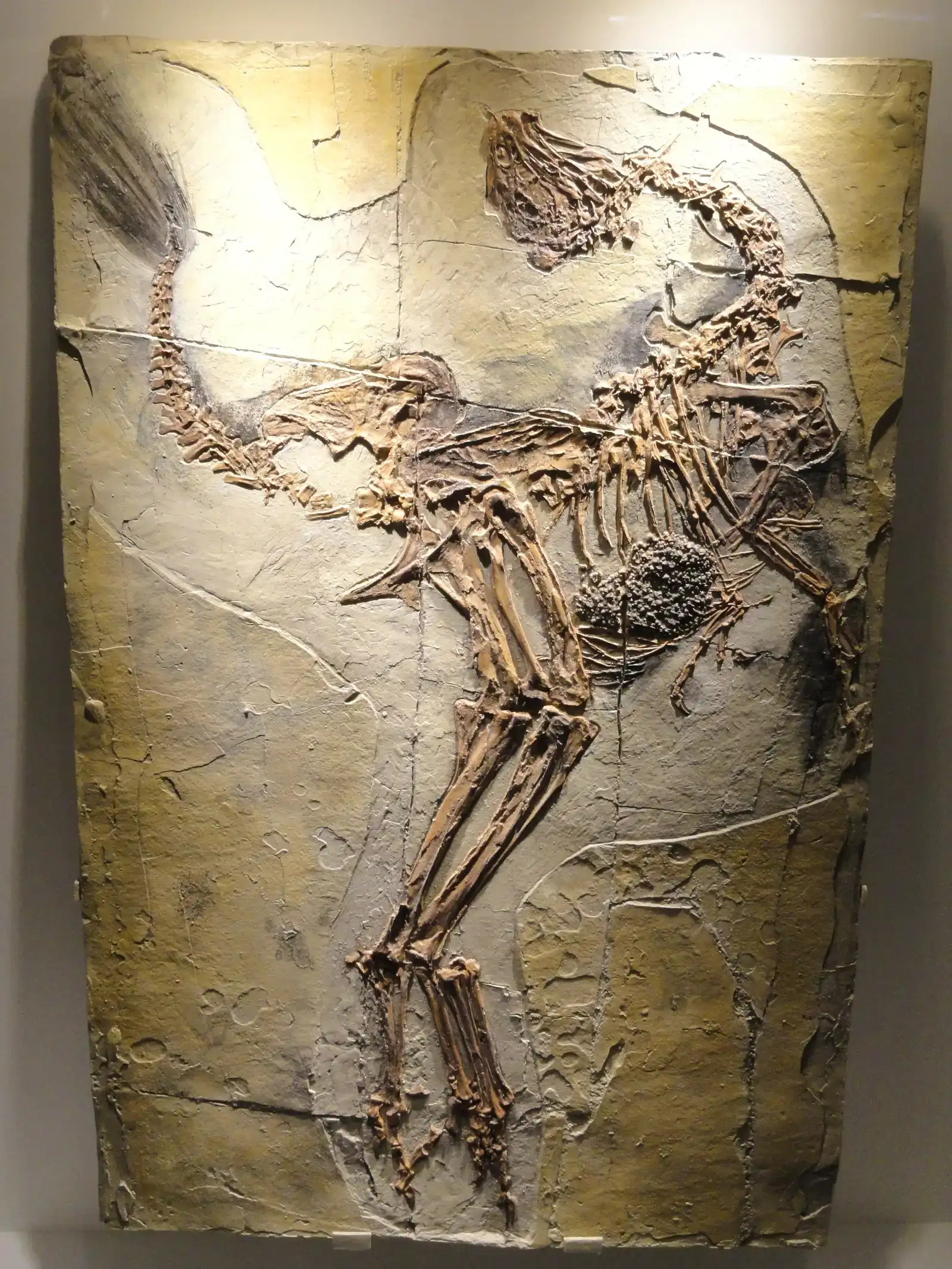
If you still picture every dinosaur covered only in smooth scales, you are missing one of the wildest updates in the last few decades. Fossil impressions from several parts of the world reveal that many small theropods, and probably some larger ones, carried feathers or feather-like filaments. In some cases you can see branching structures, downy coverings, and even hints of different feather types across the body.
For you, this cracks open a whole new mental image: instead of just gray and green scaly beasts, you might be looking at animals with fuzzy coats, crests, or display plumage. Think less about a crocodile and more about a flamboyant ground bird, especially for smaller species. When you walk through a dinosaur gallery now, it is worth reminding yourself that a lot of that bare bone once carried a layer of living insulation and color you do not yet fully see.
7. Their Hands and Feet Were Often Specialized in Odd, Subtle Ways
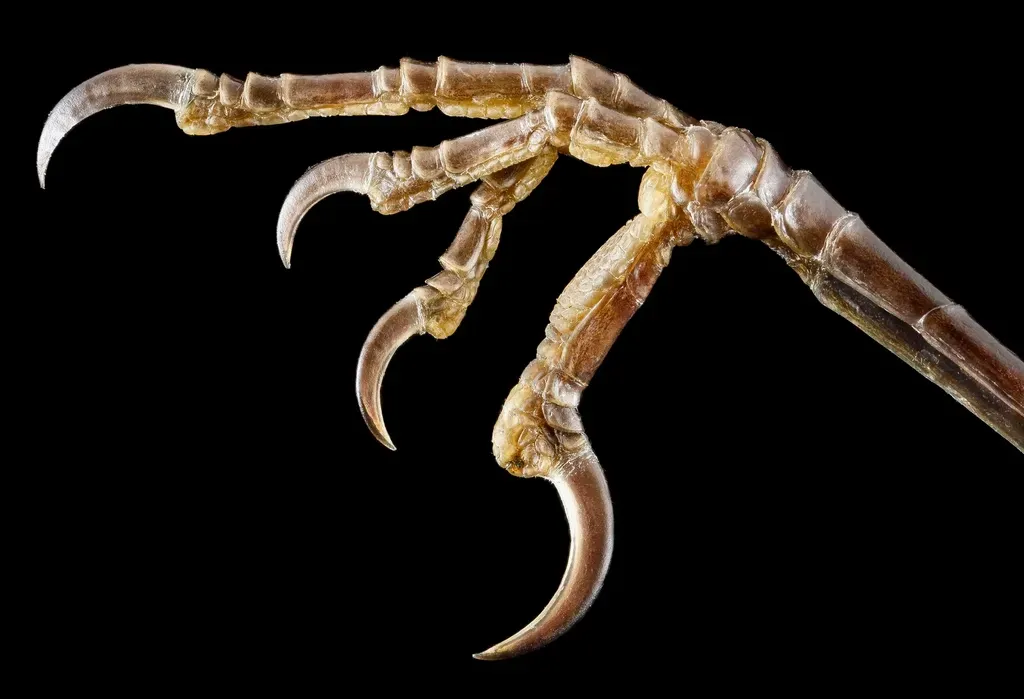
It is easy to notice the giant claws and big three-toed footprints, but the details of dinosaur hands and feet hide some of the strangest anatomy. In many theropods, some digits shrank or fused, while one main toe did most of the weight-bearing, much like in modern birds. In some plant-eating groups, fingers became stumpy supports, or formed hoof-like tips ideal for carrying a heavy body over long distances.
For you, this means every step a dinosaur took reflected a long history of anatomical tinkering. Some were essentially walking on their toes, using long metatarsal bones like hidden stilts, while others planted broader, sturdier feet like living bulldozers. The next time you see a fossil footprint, you can imagine not just a flat stamp in mud, but a carefully tuned structure of ligaments, tendons, and bones working together inside that one mark.
8. Dinosaur Brains and Senses Were Sharper Than the “Big, Dumb Lizard” Myth
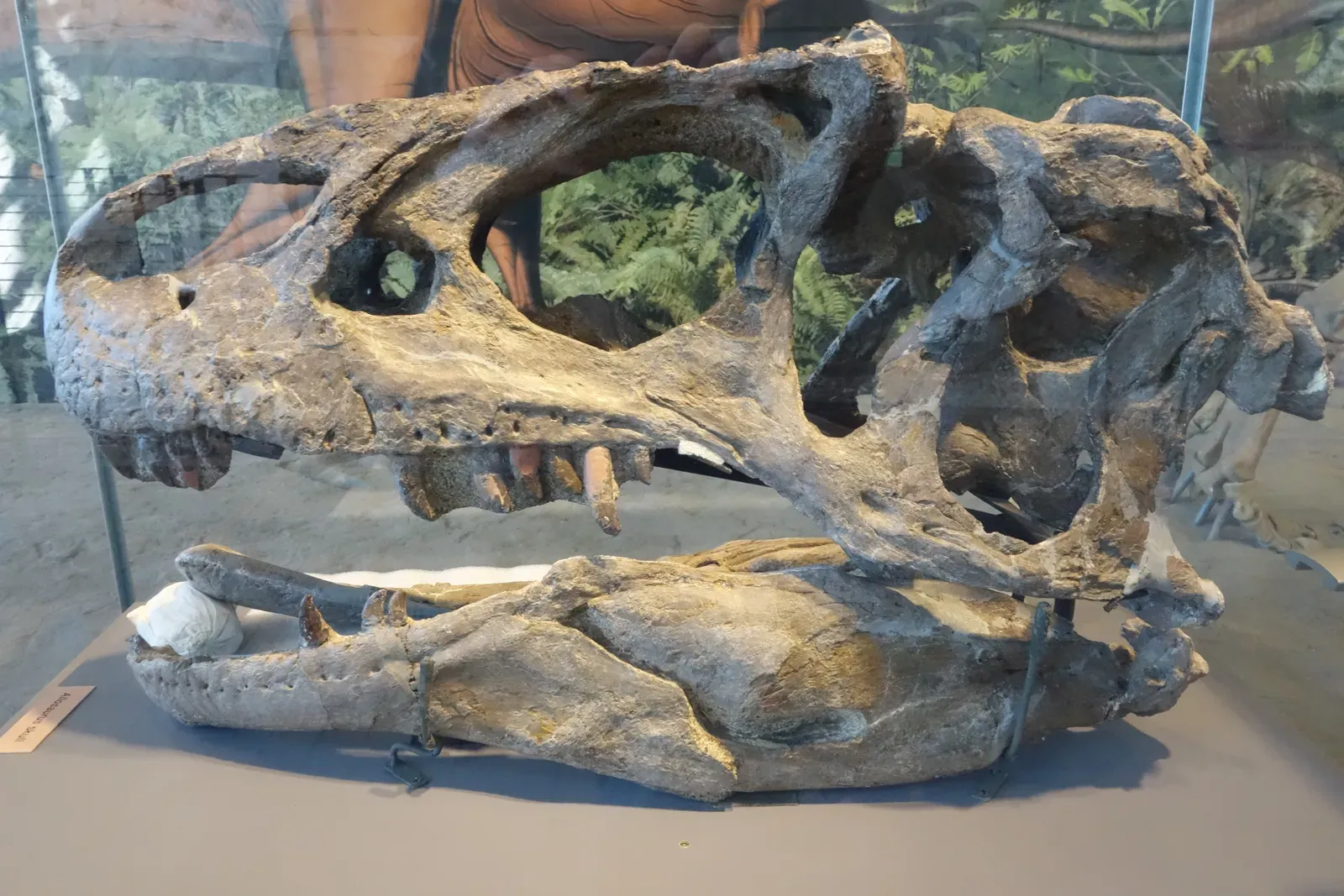
The old stereotype of dinosaurs as slow and dim is hard to shake, but their skulls tell a more nuanced story. When researchers make digital molds of the space where the brain once sat, or examine the canals for nerves and inner ears, they often find well-developed regions for vision, balance, and smell. Some predatory species show especially large optic lobes and inner ear structures that suggest quick head movements and fine control.
For you, this means a hunting dinosaur was probably not just a lumbering brute; it was an animal tracking sights, sounds, and scents with impressive precision. Herd-living plant eaters, too, likely relied on good sensory awareness to stay coordinated and react to danger. While you should not imagine them as secret geniuses solving puzzles in their spare time, you can safely drop the idea that they were clumsy, half-awake reptiles stumbling through their world.
When you step back and put all these details together, you start to see dinosaurs less as movie monsters and more as finely tuned, high-performance animals built by millions of years of trial and error. Lightweight bones, bird-like lungs, balancing tails, complex skulls, fast growth, feathers, specialized limbs, and capable senses all add up to a picture that is far more dynamic than you might have expected. The next time you stand in front of a fossil skeleton, you can mentally fill in the missing pieces and imagine a living, breathing creature moving with purpose through its ancient landscape.
In a way, learning these little-known anatomical secrets pulls you closer to them, because you begin to read their bones almost like a biography written in mineral. You are not just looking at what they were; you are glimpsing how they lived, breathed, grew, and sensed their world. That is the real magic of dinosaur anatomy: it lets you trade the stiff, gray statue in your imagination for a vibrant, complex animal that feels suddenly, startlingly real. Which of these hidden details will you be picturing the next time you hear the word dinosaur?