
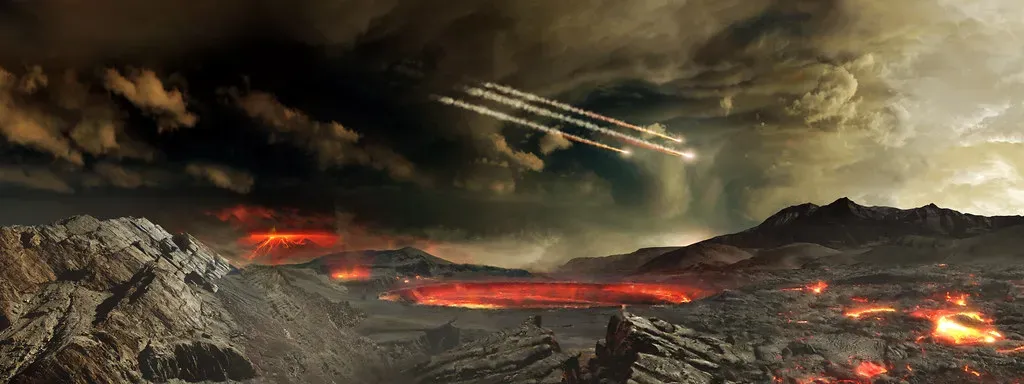
You have probably heard the short version: a giant asteroid slammed into Earth about sixty-six million years ago and the dinosaurs disappeared. End of story, right? But when you start digging into what may have happened in the hours, years, and even hundreds of thousands of years after impact, the story becomes far stranger, more brutal, and in some ways more fascinating than any movie could show you.
Scientists have spent decades piecing together clues from craters, rocks, fossils, and even tiny grains of glass scattered across the planet. Out of that detective work have emerged a set of powerful, sometimes competing theories about how exactly that impact reshaped the world and cleared the way for you to exist. As you walk through these eight ideas, you will see that what followed the asteroid was not a single event, but a chain reaction of disasters and opportunities that transformed Earth from a dinosaur planet into your planet.
You Lived on a Planet That Was Instantly Set on Fire
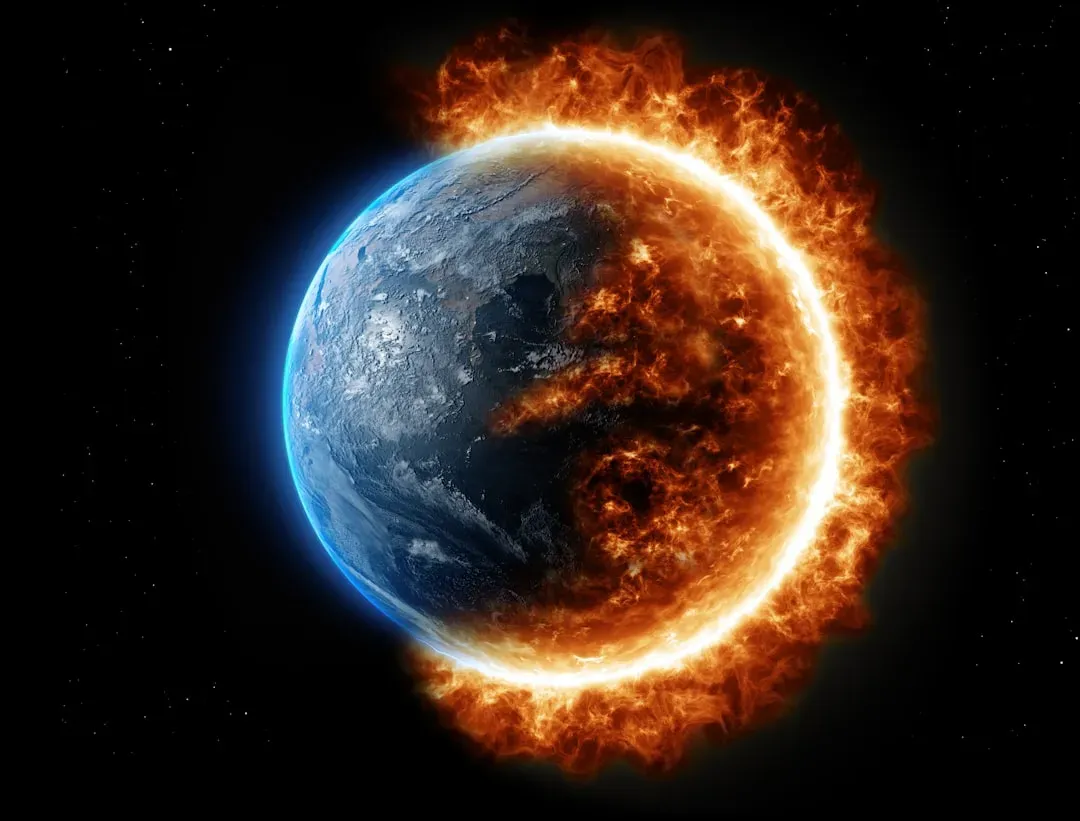
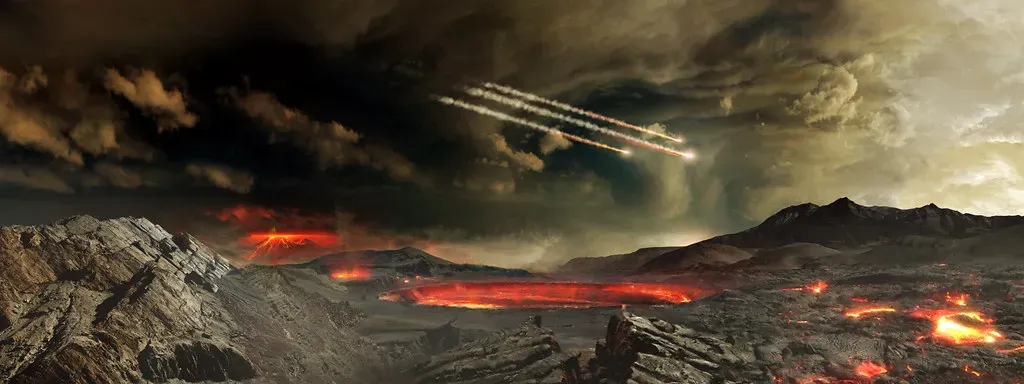
If you could stand on ancient Earth on that day, you might think the worst part would be the impact itself. In reality, one of the most shocking theories says the real horror began minutes later when the sky turned into an oven. The impact blasted billions of tons of rock into space, and as that material rained back down at incredible speed, the atmosphere may have heated so intensely that vast areas of the planet’s surface briefly reached temperatures hot enough to ignite forests and cook exposed animals.
You see hints of this fiery aftermath in thin layers of soot and burned organic material in rocks from that time. You also find tiny glassy beads, formed when molten rock cooled as it fell back through the air. Put together, these clues suggest that many animals, including dinosaurs far from the crater, may have died not from the shock wave but from superheated air and wildfires sweeping across whole continents. The idea that life was snuffed out not by one blow but by the sky itself turning deadly changes how you picture the end of the dinosaurs.
You Watched the World Plunge Into an “Impact Winter”
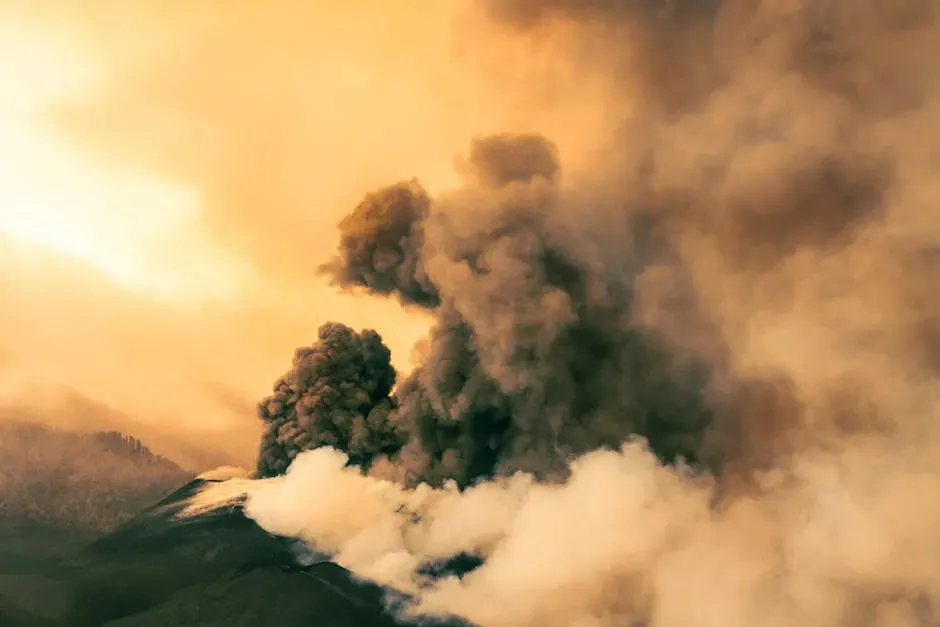
After the firestorm, you might assume the world would slowly recover, but another powerful theory flips that expectation. Instead of a return to normal, you would have seen sunlight fade and temperatures crash. The impact appears to have thrown so much dust, sulfur, and ash into the upper atmosphere that sunlight was blocked for months or even years, creating what researchers call an impact winter. Photosynthesis would have stalled, plants would have struggled, and the base of the food chain would have started to collapse.
You can see signs of this dark period in the fossil record, where many plant species and photosynthetic plankton suddenly drop off. Sediment layers show abrupt shifts in the types of microscopic organisms living in the oceans, hinting at a severe disruption in light and temperature. If you had been alive, you would have watched ecosystems that had been stable for millions of years unravel in a geological instant, not because the planet was too hot, but because it suddenly became too cold and too dark.
You Felt Volcanoes Turning a Disaster Into a Long-Term Crisis
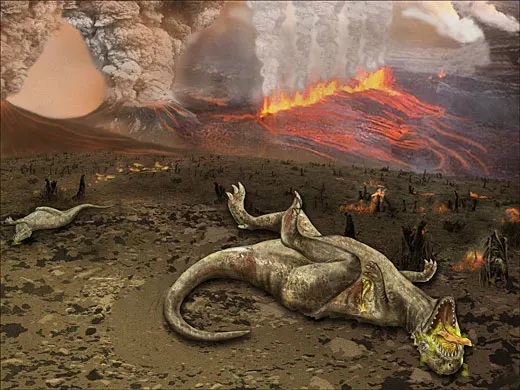
As you look at rocks from this time, you find layers that record repeated pulses of volcanic gases like carbon dioxide and sulfur dioxide. These can drive both warming and cooling, depending on how they interact with the atmosphere. Some scientists think the asteroid impact may have shaken Earth enough to change the style or intensity of these eruptions, stretching the crisis over a much longer period. If that is true, you would not be looking at a single deadly day, but at a drawn-out climate roller-coaster that stressed species long before and long after the asteroid itself.
You Watched Oceans Turn Acidic and Poisonous
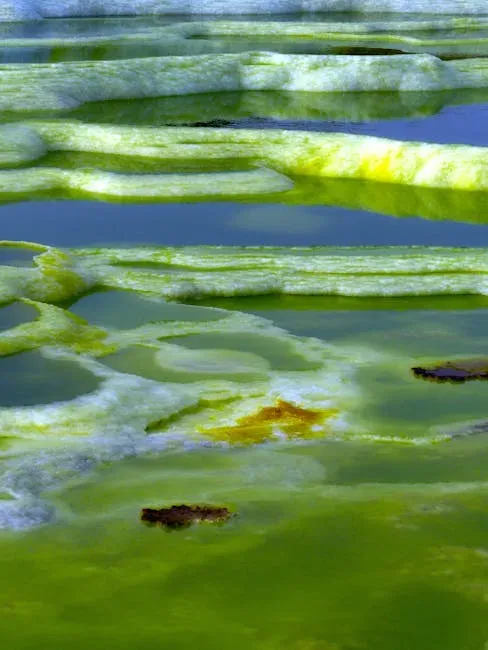
Even if you survived fires and freezing, the seas that once seemed safe may have turned against you. One of the most unsettling theories suggests that the impact and its fallout dumped huge amounts of carbon dioxide and sulfur compounds into the ocean, driving rapid ocean acidification. If you rely on shells, skeletons, or reefs made of calcium carbonate, this kind of change is like having the ground beneath your feet suddenly start to dissolve.
When you study marine fossils across the impact layer, you see that many plankton with calcium-based shells nearly vanish, while others take over. Coral reefs, which had supported complex ecosystems, practically collapse in some regions. This shift echoes what you see today when ocean acidity increases from modern emissions, just on a far more extreme scale. From your perspective in that ancient sea, food webs would have fractured, familiar species would have disappeared, and the clear blue waters of your world would have become a chemically unstable place to live.
You Saw the Dinosaurs Fall in a Brutal, Uneven Die-Off
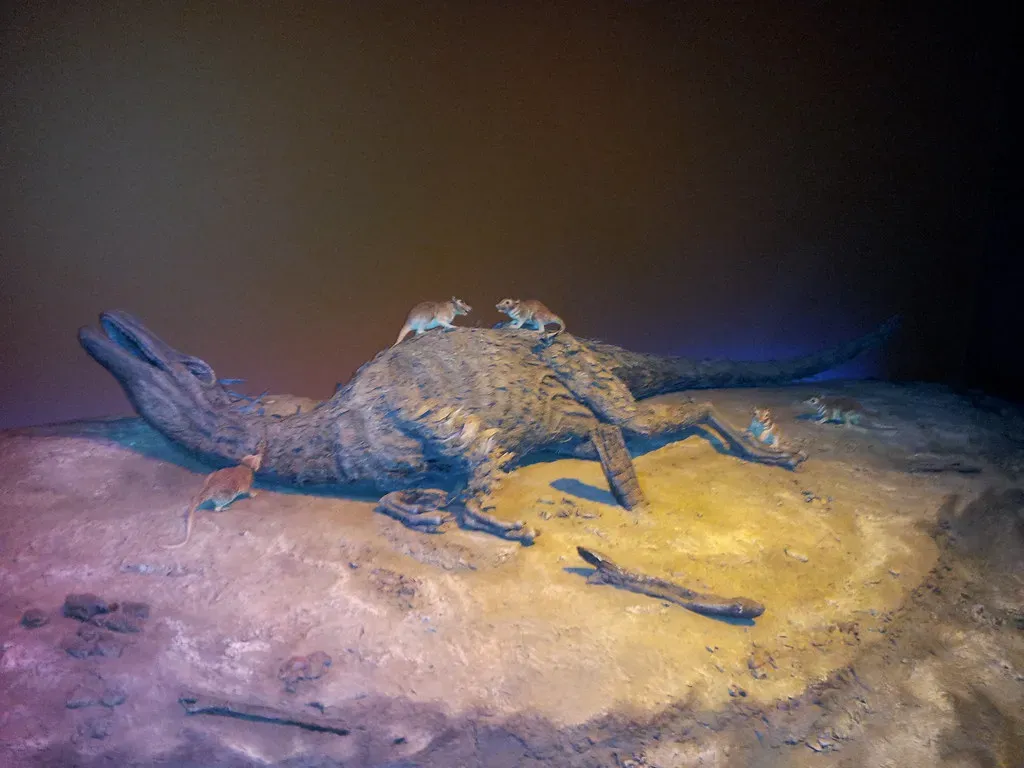
You might imagine that every dinosaur dropped dead on the same day, but the evidence tells you a more tangled story. Many researchers think the asteroid delivered the decisive blow, yet the extinction itself may have played out differently in different places and groups. Some dinosaur lineages might have dwindled over tens of thousands of years, while others were wiped out suddenly by the immediate shock, fires, and darkness. As you trace fossils through time, you notice that certain habitats seem to lose species slightly earlier than others.
When you look more closely, you see that not all reptiles vanished. Crocodiles, birds, and some turtle lineages made it through, suggesting that survival depended on where you lived, what you ate, and how flexible your lifestyle was. If you had been watching from the ground, you would have seen a patchy, chaotic collapse: some dinosaur communities hanging on a bit longer, others disappearing almost overnight, and strange pockets of survivors managing to scrape by in sheltered lakes, river systems, or coastal zones.
You Watched Mammals Go From Background Extras to Main Characters

Before the asteroid hit, you might not have given mammals much attention. They mostly stayed small, lived in the shadows, and avoided becoming dinosaur snacks. But one of the most inspiring theories about the aftermath is that the chaos opened up massive new opportunities for you if you were a small, adaptable mammal. With large dinosaurs gone, you suddenly had access to empty ecological roles, new food sources, and habitats that had been off limits for millions of years.
Fossil evidence shows that in the millions of years after the impact, mammals quickly diversified in both size and lifestyle. You see new forms that swim, climb, burrow, and eventually grow large on land. This burst of innovation is sometimes called an adaptive radiation, and it marks the moment when your distant ancestors began the journey that eventually produced primates and, much later, you. Without the asteroid’s destruction, you might still be living in the shadows instead of trying to understand the disaster from a safe distance in time.
You Lived Through a Planet-Wide Reset of Ecosystems
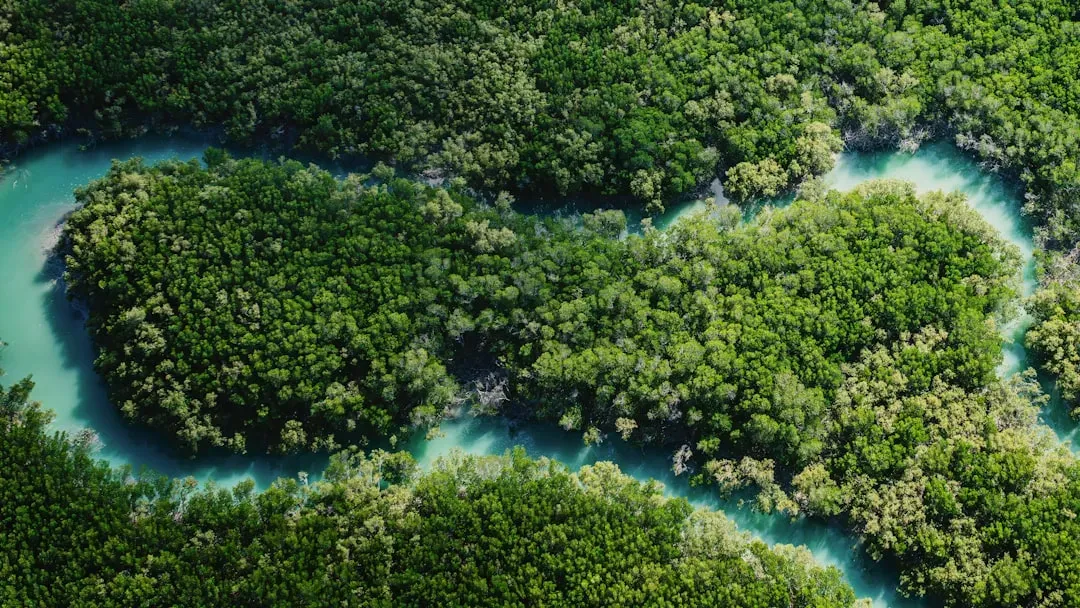
When you think about extinctions, you might focus on who died, but one of the most mind-bending ideas is that the real story lies in how entire ecosystems were reset. After the impact, forests, wetlands, grasslands, and oceans did not just slowly refill with the same kinds of species. Instead, you see something closer to a hard reboot. Simple, tough, fast-growing plants often took over first, followed later by more complex communities once the climate and soils stabilized.
In the fossil record, this looks like a sequence of ecological stages, almost like what you see after a volcanic eruption or a major wildfire today, but on a global scale. You would have watched landscapes you once knew become dominated by different trees, different insects, and different herbivores. Predator-prey relationships shifted, migration patterns changed, and the soundtrack of life itself would have sounded different. That reset is what allowed entirely new ecosystems to emerge, including the ones that eventually supported primates and humans.
You Discovered That One Random Day Shaped Your Entire Existence
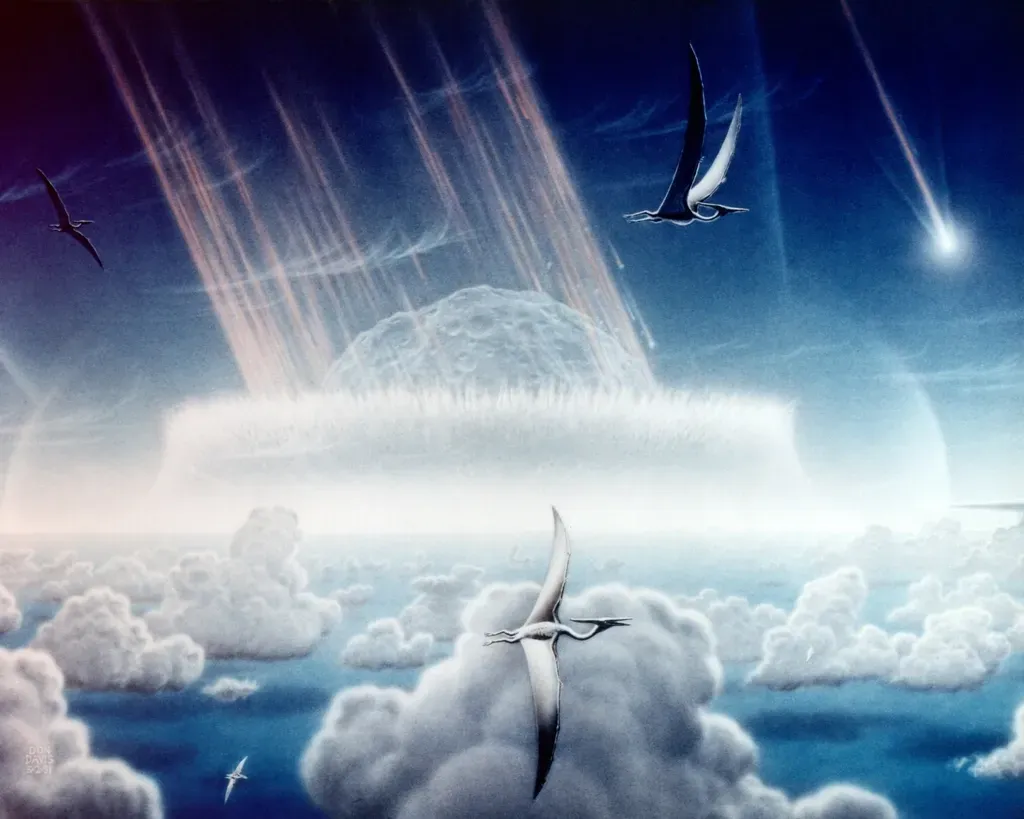
Perhaps the most mind-blowing theory of all is not about sulfur, lava, or soot, but about your own place in the story. When you trace the chain of events from the asteroid impact to modern life, you realize how deeply your existence hinges on that single, unlikely collision. If the asteroid had missed, or hit a different kind of rock, or arrived at a slightly different time, the climate and ecosystems that followed might have turned out so differently that large mammals, and eventually humans, never emerged.
By looking at this event, you start to see Earth’s history less as a steady march and more as a series of dice rolls, where rare, catastrophic events can completely redirect the future. You are here because a rock from space hit a planet in just the wrong way for dinosaurs and just the right way for small, adaptable creatures that would become your ancestors. When you realize that, the night sky stops being just a backdrop and starts feeling like an active player in your story.
Conclusion: You Are Living in the Asteroid’s Aftermath
When you pull these theories together, you see that the asteroid did far more than end the age of dinosaurs. It lit the sky on fire, plunged the world into a deep freeze, rattled volcanoes, poisoned oceans, shattered food webs, and then handed the keys of the planet to small survivors ready to adapt. You live in the long shadow of that day, surrounded by ecosystems, species, and even continents that were shaped by the chain reaction it triggered.
Next time you see a bird, walk through a forest, or read about changing climate, you can quietly remind yourself that all of it is part of a story that began with a single violent impact. You are not just a bystander looking back at a distant catastrophe; you are one of its most unlikely outcomes, thinking about what happened and what it means. Knowing that, how differently do you see your own moment in Earth’s unfolding story?