Picture this: entire oceans teeming with bizarre creatures, continents shifting like slow-motion puzzle pieces, and humans walking alongside animals so huge they barely seem real. We know more about distant galaxies than we do about some chapters of Earth’s own past, and that strange imbalance is exactly what makes prehistory so addictive to think about. Every fossil dig is a bit like opening a mystery novel halfway through and trying to guess how it began and how it ends.
Scientists have pieced together a lot with powerful tools like radiometric dating, DNA analysis, and high-resolution scanning. But there are still some big questions that refuse to sit neatly on the shelf. The eight mysteries below are not wild fantasy; they are grounded in real evidence that is puzzling, incomplete, or surprisingly hard to interpret. And that grey zone between “we know” and “we really don’t know yet” is where things get exciting.
The Dinosaur Extinction: One Disaster or a Deadly Domino Run?
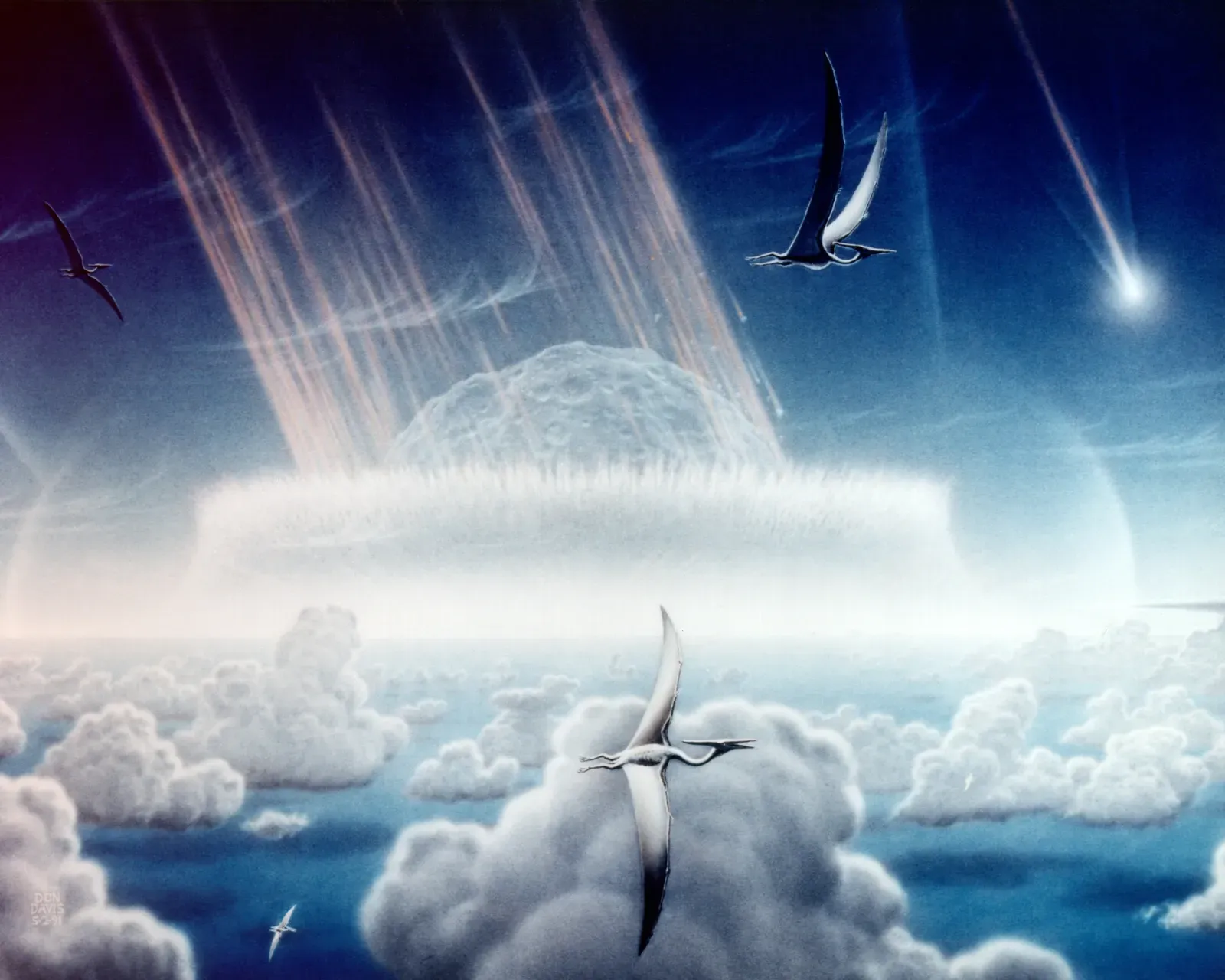
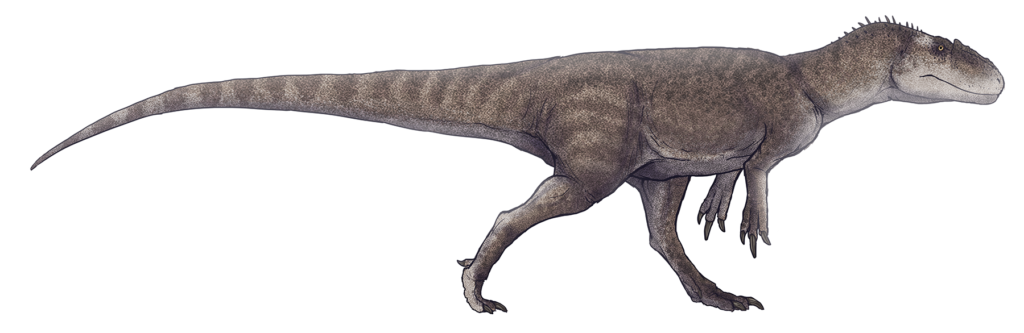
Most of us grew up with a simple picture: an asteroid slams into Earth, dust blocks the sun, dinosaurs die. The broad strokes are solid, backed by a global layer rich in iridium and the massive Chicxulub crater in Mexico. But when scientists zoom in on the details, the story stops being a clean, single-event tragedy and starts looking more like a messy, drawn-out collapse.
Were dinosaurs already struggling from intense volcanic eruptions in what is now India, wild swings in climate, and changing sea levels before the asteroid hit? Some studies suggest many species were already declining, while others argue they were doing fine until space rock met planet. The honest answer is awkwardly in the middle: it seems likely several stressors were stacked up, and the asteroid acted like the final push in a long line of wobbling dominoes. Exactly how much blame each factor deserves is still one of the hottest, and most stubborn, debates in paleontology.
Why Gigantic Animals Vanished After the Ice Age
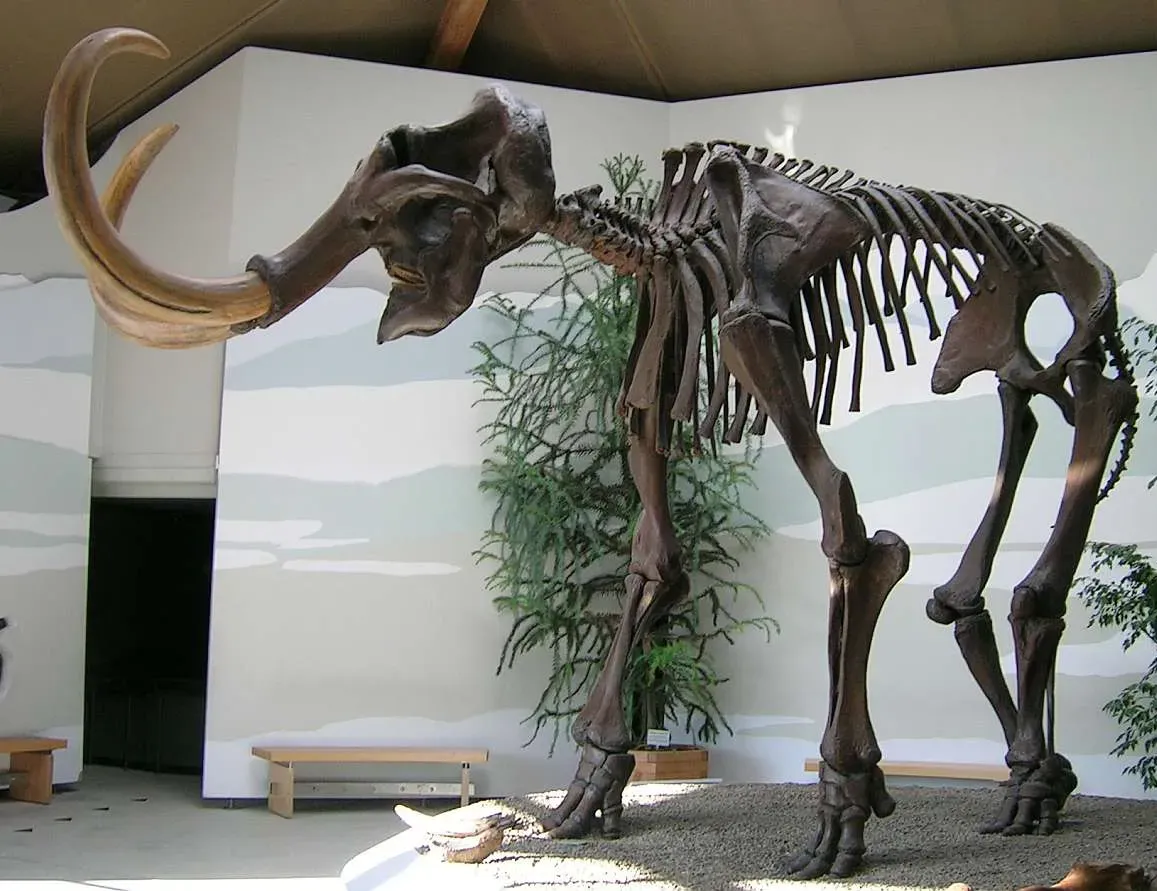
Woolly mammoths, giant ground sloths, saber-toothed cats, enormous armadillo-like glyptodons – these creatures were not ancient in geological terms; many were still around when humans were spreading across the world. Yet within a relatively short window of time at the end of the last Ice Age, they were gone from most continents. Trying to pin down why has turned into a decades-long tug-of-war between two main suspects: climate and people.
On one side, the climate argument notes that the end of the Ice Age brought rapid warming, retreating glaciers, and big shifts in plants and ecosystems. On the other side, the “human overkill” idea points out that extinctions often happened soon after people arrived with new hunting methods and fire use. The tricky part is that both timelines overlap and the fossil record is patchy, especially for precise dates and small populations. The uncomfortable, emerging compromise is that large animals were likely pushed over the edge by a combination of changing climate and escalating human pressure, with the exact mix differing from region to region – and that messy detail is exactly what we still do not fully understand.
The Shocking Explosion of Animal Life in the Cambrian
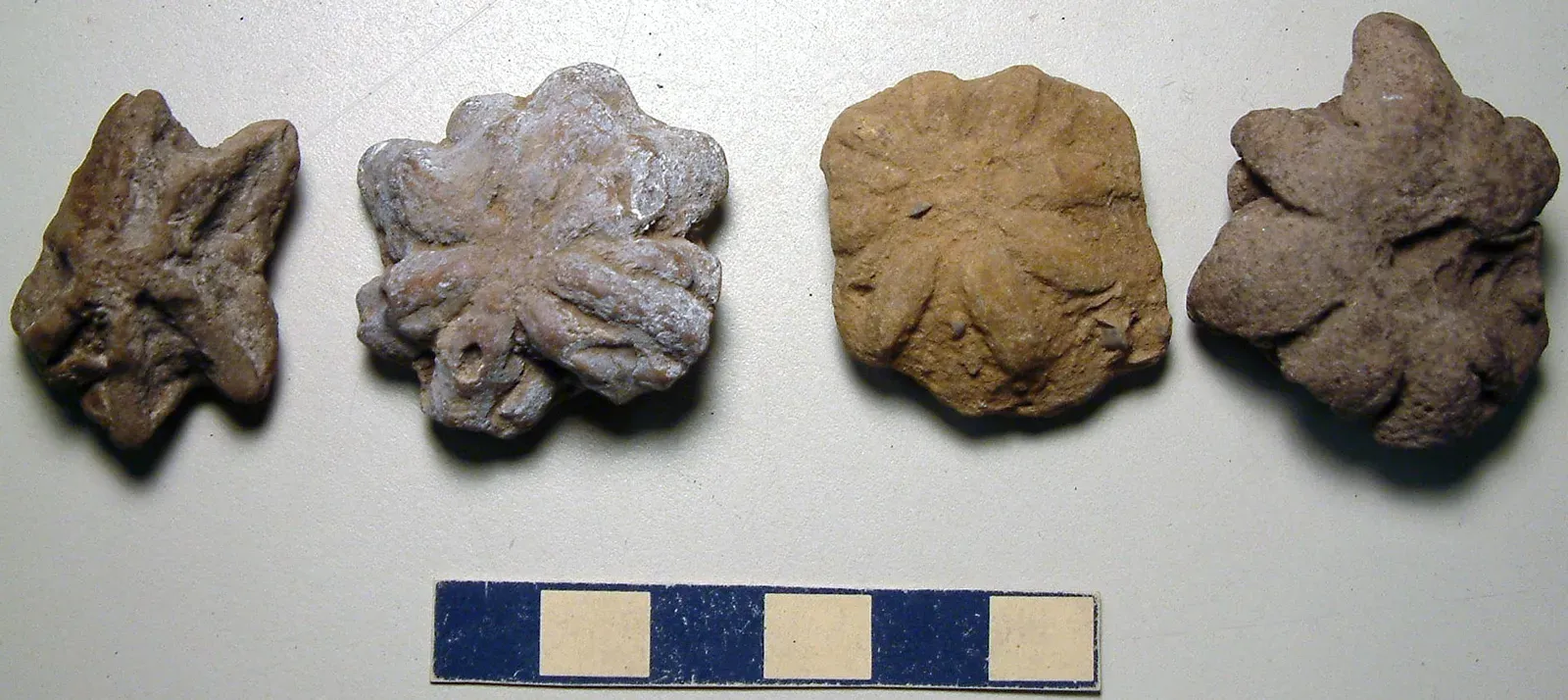
Roughly half a billion years ago, animal life on Earth suddenly went from relatively simple and small to weird, complex, and surprisingly diverse in a relatively short geological window. This event, often called the Cambrian explosion, showcases strange creatures with spines, eyes, exoskeletons, and body plans that look like prototypes for modern animals. The big puzzle is why this burst of innovation happened when it did, and not millions of years earlier or later.
Scientists have proposed a whole checklist of possible triggers: rising oxygen levels, changes in ocean chemistry, new genetic tools like complex body-patterning genes, and even ecological arms races where predators and prey pushed each other to evolve quickly. The problem is that most of these factors seem to ramp up gradually, while the fossil record looks like a surge. Some researchers argue that the “explosion” might partly be an illusion created by better fossil preservation at that time, but that does not explain all the patterns. The Cambrian explosion remains a rare moment when evolution put its foot down on the accelerator, and we still cannot quite say what floored the pedal.
How the First Complex Cells Took Shape
Every plant, animal, and fungus is built from complex cells filled with tiny structures: mitochondria, nuclei, internal membranes. These cells, called eukaryotes, represent one of the biggest leaps in the history of life. The leading idea is that they evolved when one simple microbe swallowed another and, instead of digesting it, turned it into a permanent partner. That swallowed partner is thought to be the ancestor of mitochondria, the cell’s energy factories.
Even though this “team-up” model fits a lot of genetic evidence, the path from simple to complex is still fuzzy. Did this partnership happen once, in a unique, lucky accident, or were there many failed attempts we simply cannot see in the fossil or genetic record? Where exactly did it happen: deep in the oceans, in shallow coastal mats, or in some now-vanished environment? We can see the result of this ancient merger every time we look in a mirror or at a houseplant, but the day-to-day details of how those first complex cells lived, competed, and gradually transformed into full eukaryotes are like a lost early season of a show we can only catch glimpses of from later episodes.
The Origin of Life: From Chemistry to the First Cells
![The Origin of Life: From Chemistry to the First Cells ([1], CC BY 4.0)](https://nvmwebsites-budwg5g9avh3epea.z03.azurefd.net/dinoworld/365df585fc059052cbef5d0cfa7d5f48.webp)
If complex cells are a big leap, the very first spark of life is an even bolder one. At some point more than three and a half billion years ago, non-living chemistry on Earth turned into something that could copy itself, store information, and evolve. Scientists have hopeful clues: simple organic molecules can form on their own under certain conditions, some types of RNA can both store information and act like enzymes, and tiny droplets can self-organize into cell-like bubbles. But stringing these pieces into a continuous, realistic path is brutally hard.
Was early life born in sunlit tide pools, near deep-sea hydrothermal vents, or inside mineral-rich pores in rocks? Did it use RNA first and then switch to DNA, or was there a completely different early system we have no trace of anymore? Lab experiments can simulate slices of the problem, but no one has yet produced something in the lab that unambiguously looks like a new, living system emerging from scratch. The scientific community is surprisingly honest about this: the origin of life remains one of the largest open questions in all of science, and anyone claiming it is “basically solved” is jumping several steps ahead of the evidence.
Human Evolution’s Missing Details and Ghost Branches
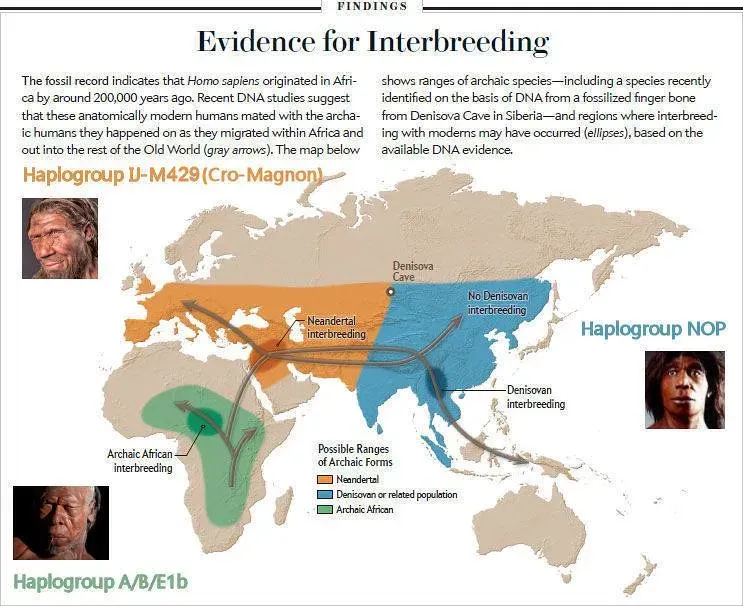
We like to imagine human evolution as a neat ladder from primitive ape-like ancestors straight to modern people, but the fossil and genetic evidence tells a different story. Our lineage looks more like a tangled bush of related species that overlapped in time, interbred, vanished, and sometimes left genetic fingerprints in us today. Discoveries of Neanderthals, Denisovans, and other archaic humans have shown that our past is crowded, not lonely.
Even with powerful techniques like ancient DNA sequencing, there are still entire “ghost populations” inferred from tiny genetic traces, but with no known fossils to match. We do not fully know where all of these groups lived, what they looked like, or how they interacted. Why did some lineages die out while Homo sapiens spread almost everywhere? Was it climate shifts, disease, competition for resources, social advantages, or sheer luck? The story of human origins is no longer about a smooth climb; it is a messy mixture of migrations, interbreeding, and extinctions, and a lot of its chapters are only partially readable.
The Mysterious Global Die-Off at the End of the Permian
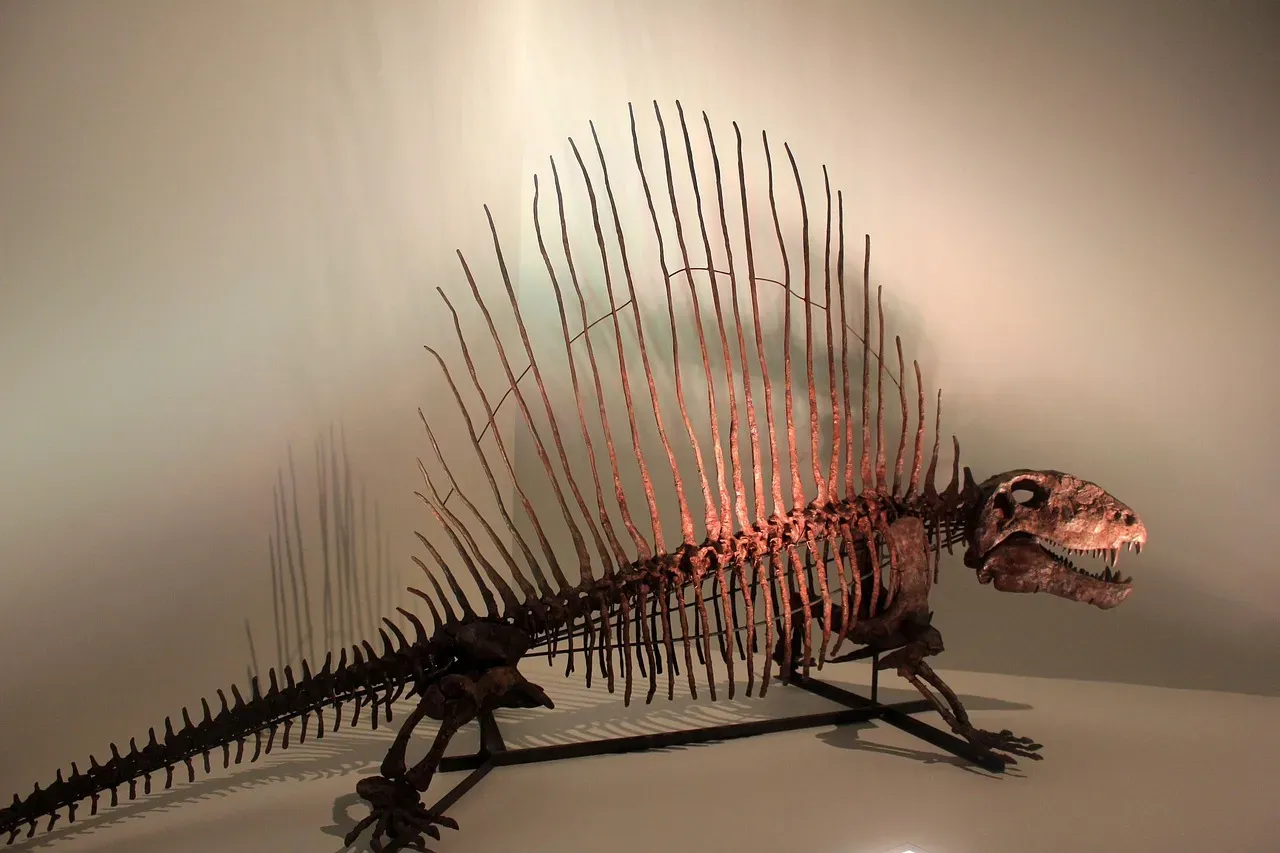
Long before dinosaurs, the end-Permian extinction nearly reset life on Earth. Roughly nine out of ten marine species and a massive share of land species disappeared in what is often called “the Great Dying.” Scientists have a main suspect: colossal volcanic eruptions in Siberia that lasted for hundreds of thousands of years, pumping out gases that warmed the planet, acidified oceans, and stripped oxygen from the water. Yet even with that dramatic picture, the fine print remains frustratingly uncertain.
How exactly did the chain reaction unfold, and why did it become so extreme compared with other volcanic episodes in Earth’s history? Some models suggest runaway greenhouse warming, others point to toxic gases reacting with seawater, or to ocean circulation grinding to a halt. The timing of specific kill mechanisms is still debated, and certain fossil patterns do not fit simple “everything suddenly died” stories. The end-Permian event is like a crime scene with overwhelming evidence of catastrophe, but the precise blow-by-blow remains out of reach, leaving scientists cautious about claiming they know exactly how it all collapsed.
Earth’s Ancient Magnetic Field Reversals and Near-Disasters
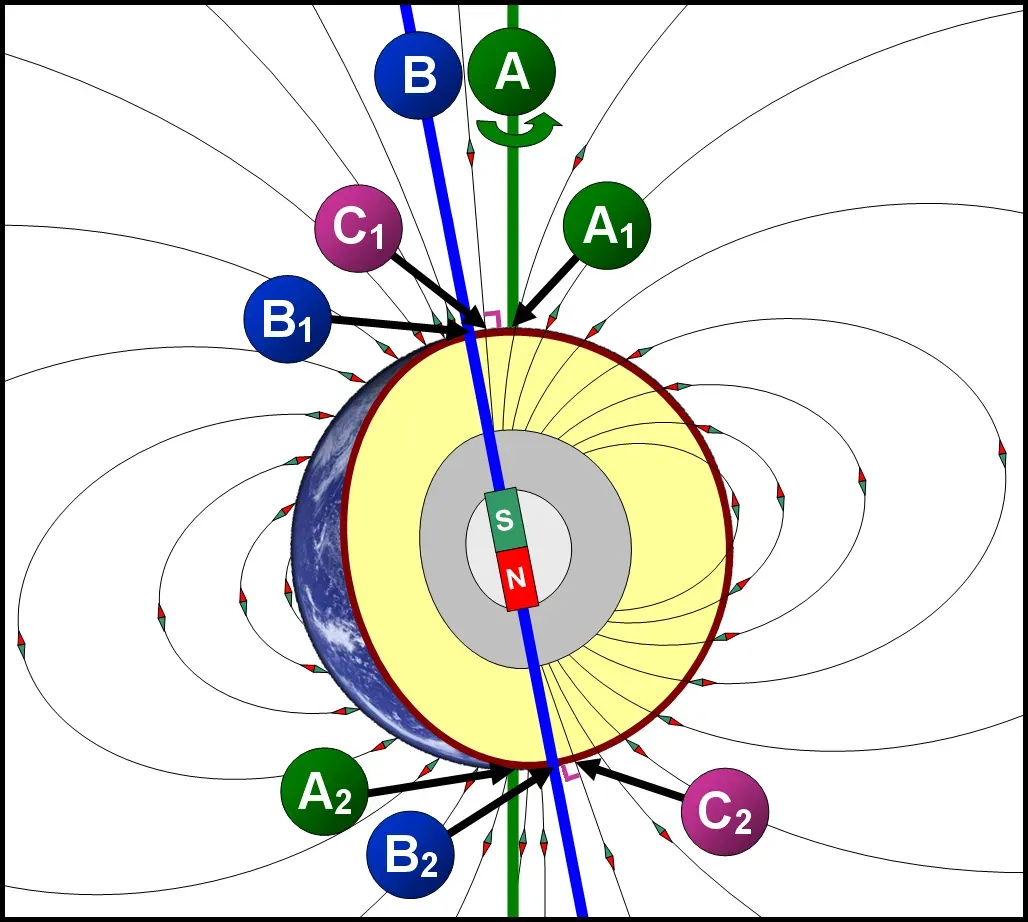
Earth’s magnetic field is constantly shifting, and every so often, the north and south magnetic poles swap places. We know from rocks and seafloor records that these reversals have happened many times, and sometimes the field weakens dramatically before flipping. The big puzzle is how these changes in the molten, churning outer core connect to conditions at the surface, including climate and maybe even patterns of extinction.
Some researchers have suggested that long periods of a weak magnetic field might let in more cosmic radiation, subtly affecting atmosphere or even DNA mutation rates. Others argue that any biological impacts were minor and that life hardly noticed. The data is patchy and noisy: fossils, climate records, and magnetic signals do not always line up neatly, and it is hard to untangle cause and effect. We know the field has reversed without obviously wiping everything out, yet certain intervals combine reversals, environmental stress, and biological change in suspicious ways, leaving a lingering question about just how tightly Earth’s deep interior is wired to life at the surface.
Conclusion: Why These Gaps in Knowledge Actually Matter
It is tempting to treat these prehistoric mysteries as fun trivia, like a cosmic true-crime series with episodes we will never fully solve. But the gaps in our understanding are not just intellectual curiosities; they shape how we think about risk, resilience, and our place on a very changeable planet. When we debate why dinosaurs died, or how megafauna vanished, we are indirectly asking how modern ecosystems – and even our own societies – might respond to rapid climate shifts, habitat destruction, or disruptive events.
Personally, I find the uncertainty weirdly comforting. It is a reminder that science is not a finished encyclopedia but an ongoing investigation where confident answers are earned slowly, and sometimes painfully. The fact that brilliant people can stare at the same rock layers or DNA sequences and reach different, evidence-based interpretations should not frustrate us; it should keep us humble and curious. If we still cannot fully explain some of the most important turning points in Earth’s past, it suggests there is far more to learn than we like to admit – so which of these mysteries would you want to see solved first?