The prehistoric world was not just dinosaurs stomping around in some hazy “before time.” It was a laboratory of extremes: bizarre climates, alien-looking animals, and ecosystems that worked in ways that almost feel like science fiction. When you zoom in on the details, you start to realize how tame most Hollywood depictions actually are compared with what really happened on this planet. What makes it even wilder is that the evidence is literally locked into rocks, teeth, and tiny chemical traces. Paleontologists are piecing together scenes that sound almost unbelievable: bone-crushing birds, forests at the poles, reptiles that gave live birth in the open ocean. Once you see how strange reality was, fictional worlds start to feel oddly conservative in comparison.
1. Dinosaurs Were Often Fluffier and More Colorful Than We Imagined
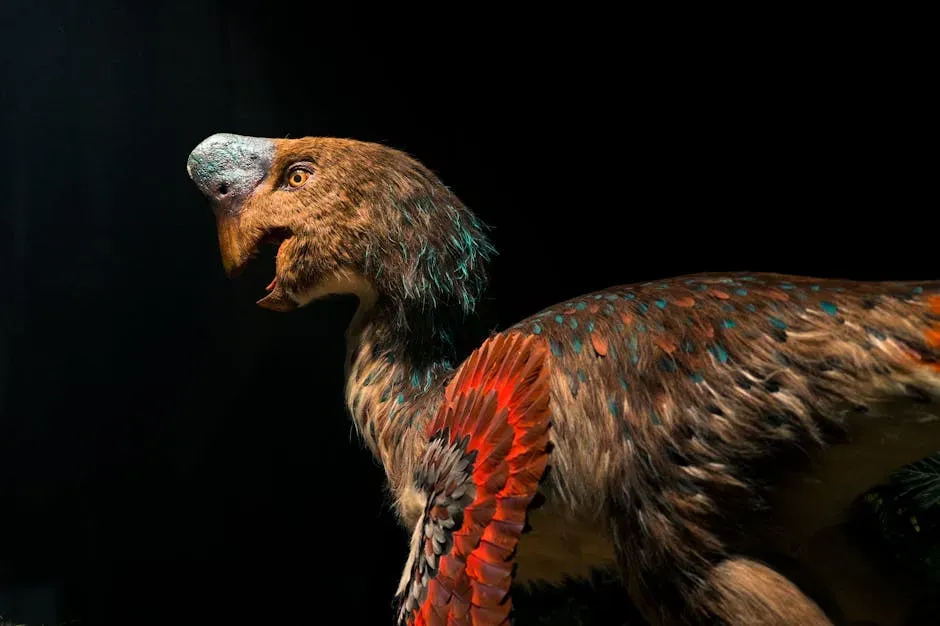
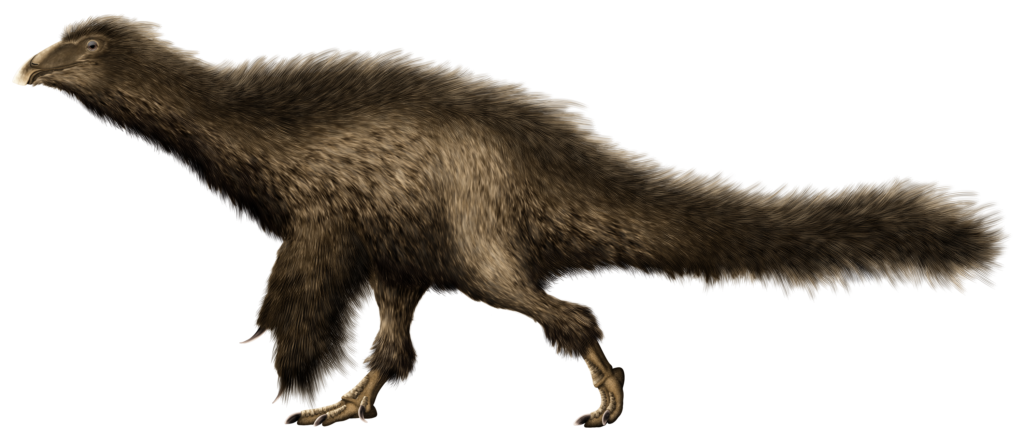
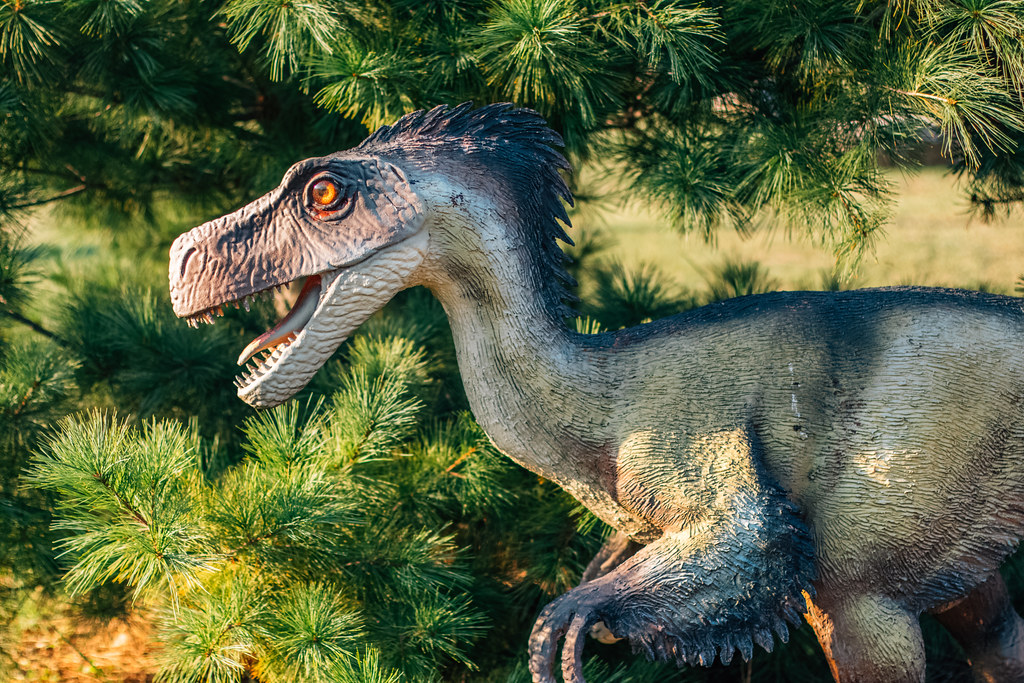
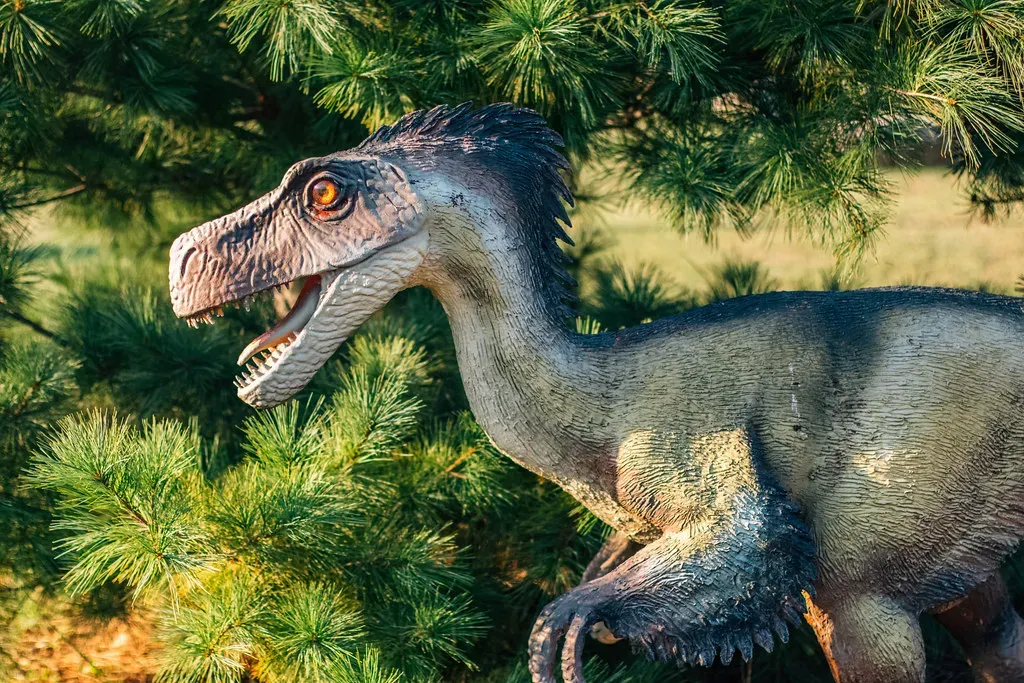
Forget the image of every dinosaur as a scaly, mud-colored monster. Fossil impressions from places like China have revealed feathers and filament-like coverings on many species, including relatives of Velociraptor and even some early tyrannosaurs. These were not flight feathers only; some were fluffy, hair-like structures used for insulation or display, closer to a colorful parka than to reptile skin. On top of that, scientists have studied pigment-bearing structures in fossil feathers to infer colors and patterns. Some prehistoric creatures likely sported iridescent sheens, banded tails, and subtle camouflages. That means a dinosaur chase scene might have looked less like a gritty war movie and more like a surreal parade of oversized, deadly birds.
2. Giant Insects Ruled the Skies Thanks to Super-Oxygenated Air
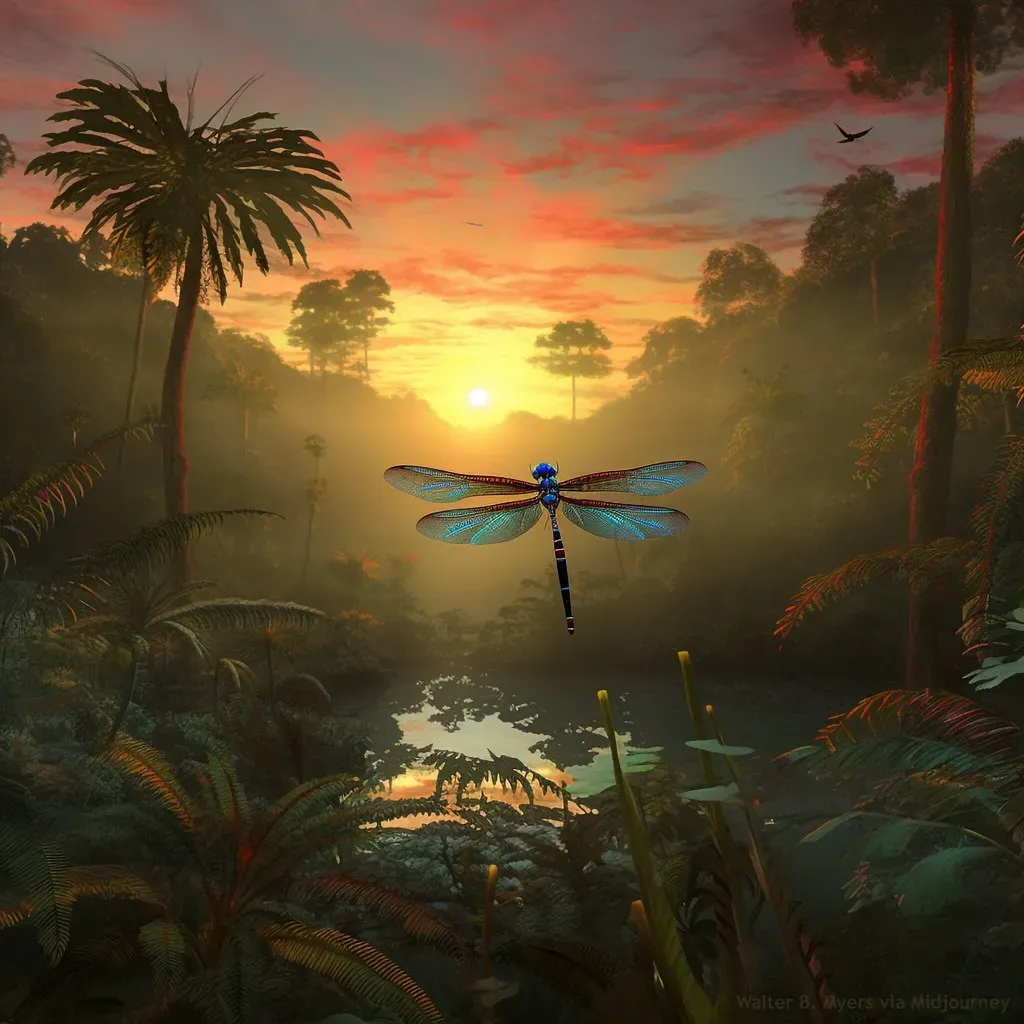
Imagine walking through a swamp forest while something the size of a small hawk buzzes past your head, except it’s a dragonfly. During the late Carboniferous and early Permian periods, oxygen levels in Earth’s atmosphere were significantly higher than today, and that extra oxygen helped fuel huge arthropods. Fossil dragonflies with wingspans over two feet, millipedes as long as a car, and hefty predatory bugs were very real. The reason this feels so alien is that our modern world simply can’t support insects on that scale. The way insects breathe, through tiny tubes along their bodies, limits how big they can get with current oxygen levels. So these oversized creepy crawlies are not just nightmares; they are a reminder that even the basic rules of life’s limits shift when the planet’s chemistry changes.
3. The Poles Were Once Lush Forests with Dinosaurs in the Dark
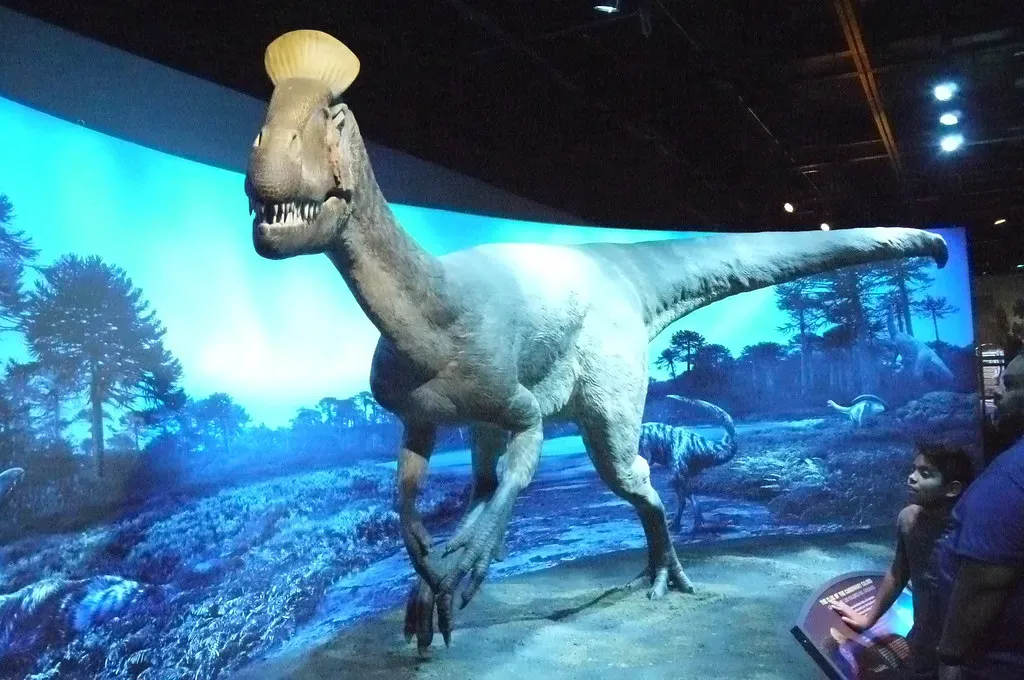
One of the strangest truths about the prehistoric world is that warm, forested ecosystems once thrived near the poles. Fossilized tree trunks, leaves, and even dinosaur tracks have been found in what is now the Arctic and Antarctica, telling us that these regions were once covered in dense forests. The climate was milder, and there were seasons of near-constant daylight followed by long stretches of darkness. Picture dinosaurs living months in twilight or night, migrating or hunkering down through polar winters. Some species, especially smaller ones, may have evolved special adaptations to deal with low light and extreme seasonality. It is a scene that sounds like a fantasy novel – giant reptiles wandering through snowy forests under dim skies – yet it is grounded in cold, physical evidence.
4. There Were Marine Reptiles That Gave Live Birth in Open Water
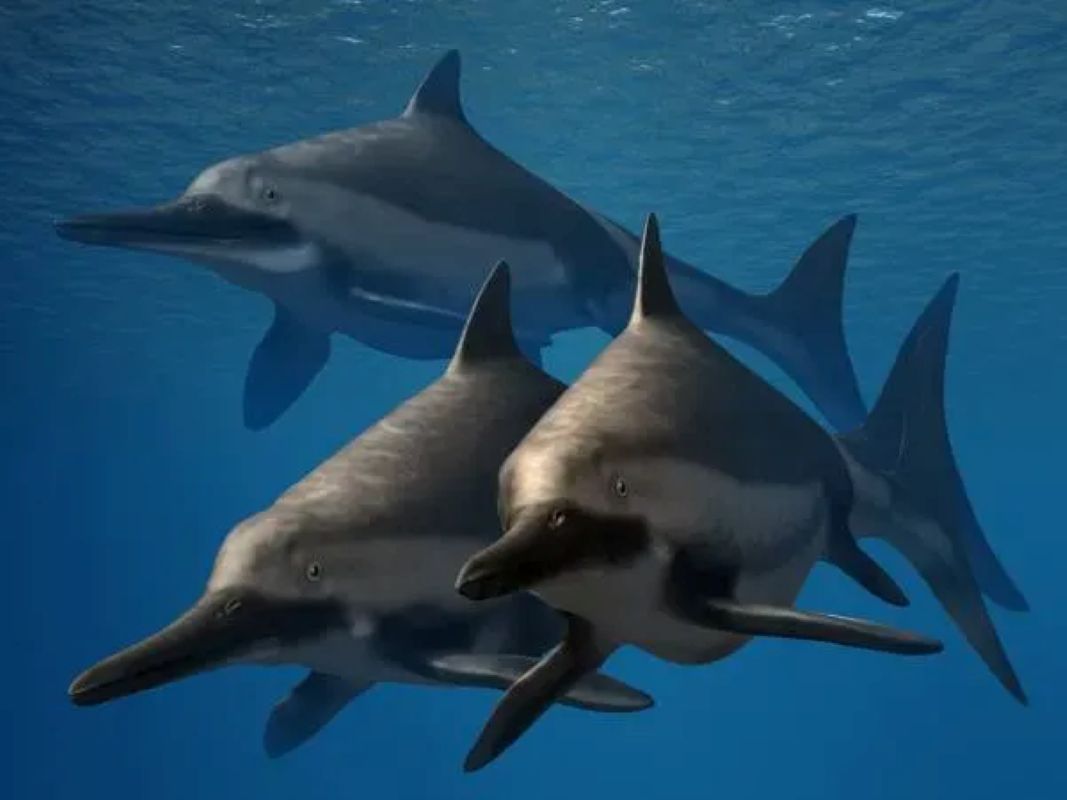
If you grew up picturing reptiles crawling onto land to lay eggs, some prehistoric marine reptiles rewrite that story in a big way. Fossils of ichthyosaurs, dolphin-shaped marine reptiles, have been found with preserved embryos inside the body cavity, sometimes even frozen in the act of being born. These animals were fully adapted to ocean life and never had to return to shore. That means the ancient seas were home not only to predators but also to underwater maternity wards. Live birth in open water, combined with streamlined bodies and powerful tails, made these creatures closer in lifestyle to whales than to lizards. It blurs the neat line we often draw between “reptile” and “mammal-like” behavior, proving evolution can remix features in ways that make our categories feel clumsy.
5. Some Early Mammals Were Venomous, Gliding, or Straight-Up Oddballs
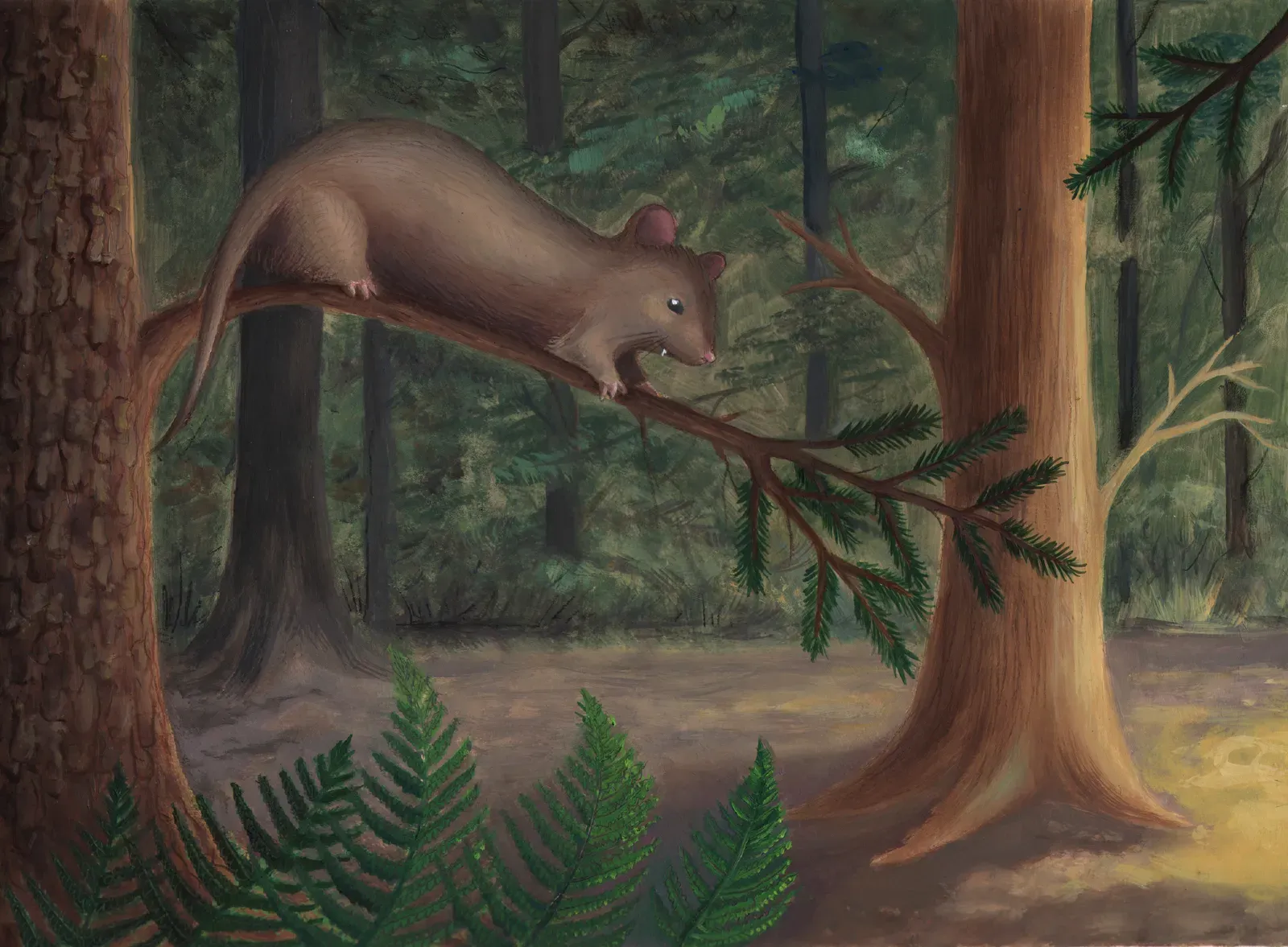
It is tempting to think of prehistoric mammals as tiny, boring furballs lurking in the shadows of dinosaurs, but that is selling them short. Fossil evidence suggests some early mammals or close relatives had venomous spurs, echoing what we still see in the modern platypus. Others developed gliding membranes, letting them leap and sail between branches long before flying squirrels ever existed. There were species with bizarrely specialized teeth, burrowing claws, and sensory adaptations that hint at very specific lifestyles. In other words, mammals were already experimenting, sometimes wildly, with different ecological roles. While dinosaurs grabbed the spotlight, our distant relatives were quietly running a parallel evolution show that was every bit as creative and strange.
6. Mass Extinctions Turned the Planet into a Reset Button
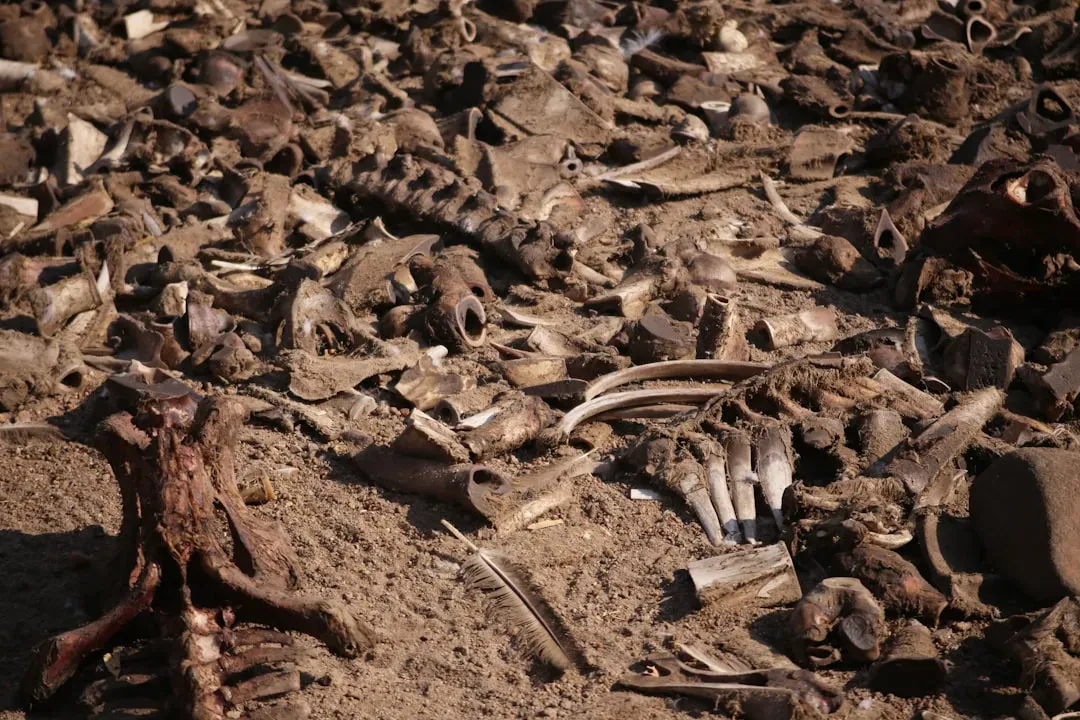
The prehistoric timeline is not a smooth story; it is more like a series of films where the entire cast gets replaced halfway through. Mass extinction events wiped out vast amounts of life multiple times, often in geologically short bursts triggered by massive volcanic eruptions, climate shifts, or asteroid impacts. After these collapses, ecosystems had to rebuild from whatever survived. What makes this stranger than fiction is how unpredictable the rebounds were. Tiny, overlooked groups suddenly gained room to expand and diversify, while former rulers vanished forever. It is as if the planet occasionally flipped the table and let evolution start a new game with the leftover pieces, leading to life forms and ecologies that might never have existed otherwise.
7. Some Prehistoric Birds and Reptiles Were Bone-Crushing Super Predators
Long after many big dinosaurs were gone, the world was not exactly a safe place. Giant flightless birds with hooked beaks and powerful legs dominated certain regions, capable of killing prey with swift, brutal strikes. In the oceans and along coastlines, huge crocodile-like reptiles and other marine predators functioned as top hunters, rivaling modern sharks and big cats in sheer power. When you stack these creatures up against movie monsters, the real animals often come out scarier precisely because they had to obey physics and biology. They evolved crushing bites, specialized teeth, and sophisticated hunting strategies. Knowing that entire landscapes were shaped around avoiding or competing with these predators gives you a sense that prehistoric life was constantly navigating danger zones that make modern safaris look mild.
8. Ecosystems Worked in Ways That Break Our Modern Intuition
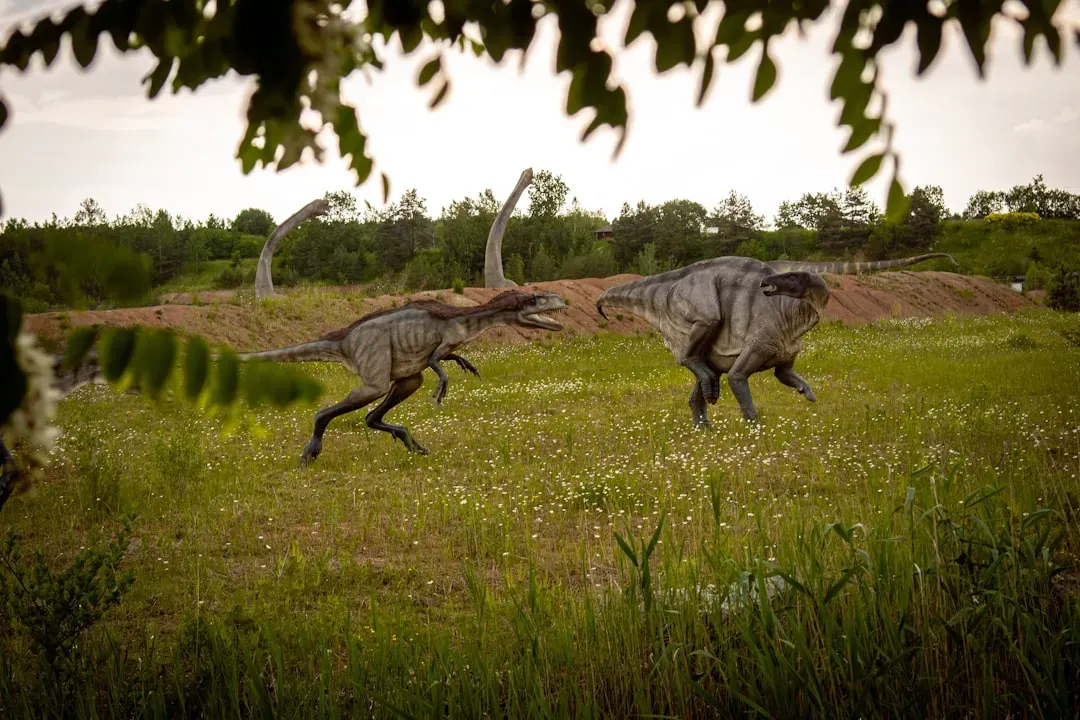
One of the most mind-bending aspects of the prehistoric world is how different the entire structure of food webs could be. In some periods, there were far more gigantic herbivores than we see today, supported by thick vegetation and warm climates that boosted plant productivity. In other times, the main reef builders in the oceans were not corals at all, but different organisms that would look unfamiliar even to a marine biologist. These shifts mean that what feels “normal” to us – forests of certain trees, coral reefs, herds of mammals – is just one temporary version of how Earth can function. Prehistoric environments ran on slightly different rules, shaped by atmospheric chemistry, temperature, and who happened to survive the last big disaster. To really imagine those worlds, you almost have to unlearn what you think an ecosystem is supposed to look like.
Conclusion: Reality Was Weirder, and That Should Change How We Think
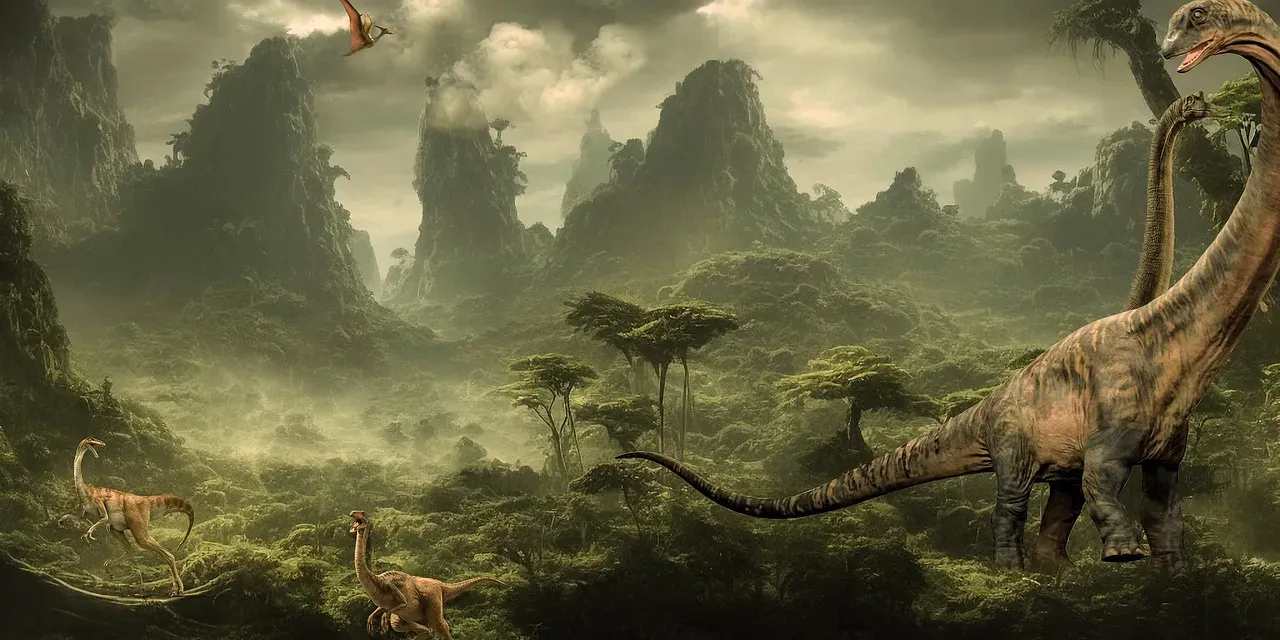
When you pull all of this together – feathered tyrants, polar forests, giant bugs, live-birthing sea reptiles – it becomes hard to argue that fantasy worlds are wilder than our own history. The prehistoric Earth was a shape-shifting stage where life repeatedly reinvented itself in forms that would look out of place in most movies, not because filmmakers lack imagination but because reality plays a longer, stranger game. My own view is that we still underestimate just how alien our own planet used to be. That matters for more than just trivia. It reminds us that the world we live in now is not the default setting but just one chapter in a very eccentric book. Climate, life, and landscapes have all flipped roles before, and they will keep evolving long after us. When you think about that, it is hard not to wonder: if the past was this strange, how normal do you really think the future will be?