
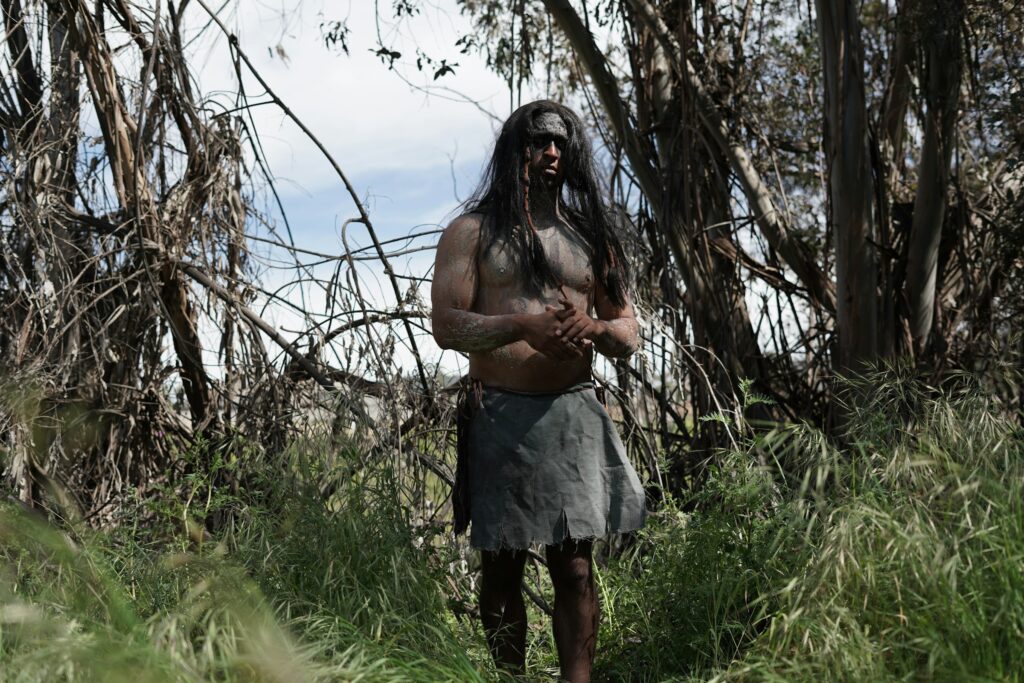
Modern life feels unbeatable: smartphones in our pockets, food delivered at 2 a.m., answers in seconds. Yet, when you zoom out over tens of thousands of years, a strange thought creeps in. In some deeply human ways, our ancestors might actually have been doing life better than we are right now.
This is not a nostalgic fantasy about a golden age that never existed. Life in the past was often brutal, dangerous, and short. But inside that harsh reality, ancient humans developed skills, habits, and mindsets that we have quietly lost or outsourced. Looking at them does not mean we should abandon electricity and move into caves. It just raises an uncomfortable question: what have we traded away without noticing?
1. Listening To Their Bodies Instead Of Apps

Imagine navigating your day without a single notification telling you when to drink water, how many steps to walk, or when to go to bed. Ancient humans had to rely on a finely tuned awareness of hunger, thirst, fatigue, and pain. Their survival depended on listening to their bodies, noticing tiny changes in energy, mood, or strength, and reacting quickly without an external device giving them permission.
Today, many of us feel weirdly disconnected from these basic signals. We drink coffee when we are exhausted, scroll when we are sad, and ignore pain until it becomes an emergency. I remember realizing this during a long hike: I did not notice I was dehydrated until a smartwatch pinged me. Our ancestors would have found that absurd. They cultivated a moment-to-moment sense of physical feedback that acted like an internal dashboard, and in that narrow but crucial way, they were simply better at being in their own bodies than we are.
2. Moving All Day Instead Of “Working Out”
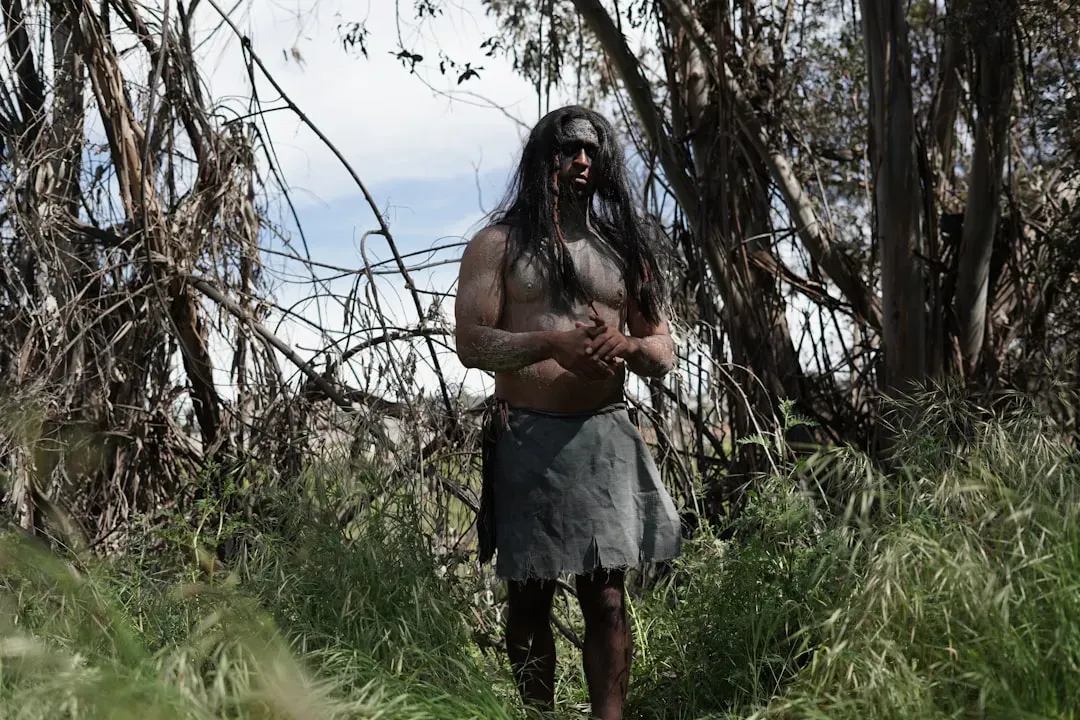
Ancient humans did not go to the gym. Their whole lives were the gym. Hunting, gathering, carrying, climbing, squatting by the fire, walking many miles to find water or new territory: movement was baked into every part of existence. Their bodies were shaped by varied, full-body activity that built strength, endurance, mobility, and balance without a single fitness influencer telling them what to do.
By contrast, many modern lives look like this: sit for eight to ten hours, then try to undo the damage in a 45‑minute workout. That is like eating junk all day and hoping one salad will erase it. Studies of traditional foraging societies in recent decades have found people moving for large portions of the day with relatively low rates of some modern chronic diseases, even when their total calorie intake is not tiny. We have better medicine and more comfort, but when it comes to natural, continuous movement, ancient humans had a rhythm we are only now trying to re‑create with standing desks and walking pads.
3. Sleeping With The Sun Instead Of Fighting It

Long before alarm clocks and blue-glowing screens, ancient humans slept when it was dark and woke with the first light. Their days were synchronized with natural light cycles, and their nights were genuinely dark. That sounds almost boring compared to late-night streaming and 24‑hour everything, but it gave their bodies something we now know is priceless: stable circadian rhythms and more predictable sleep.
Modern sleep, on the other hand, is a mess. Artificial light extends our days far past sunset, screens blast bright light into our eyes at midnight, and many people treat sleep like a negotiable inconvenience rather than a biological foundation. I still catch myself scrolling in bed even while knowing exactly how bad that is for deep sleep. Ancient humans did not have perfect rest – they faced cold nights, predators, and fear – but they were not constantly tricking their brains into thinking noon had stretched into 1 a.m. In the quiet contest of respecting sleep, they had the upper hand.
4. Eating Real Food Instead Of Hyper-Engineered Snacks

Our ancestors ate what the land or sea gave them: plants, roots, fruits, nuts, seeds, and the animals they could hunt or fish. Their food was whole, unprocessed, and limited by season, geography, and effort. There were no neon-colored chips, sugar-laced breakfast cereals, or drinks designed to taste better than anything found in nature. They did not count macros, but the very structure of their food environment kept them closer to what human bodies evolved to handle.
We, on the other hand, live in a world where much of what we eat is engineered more like software than like food. Scientists design textures that crunch just right, flavors that never get boring, and combinations of sugar, fat, and salt that make it hard to stop. I am not romanticizing the experience of going hungry or struggling to find enough calories; that part was rough. But if the metric is eating mostly real, nutrient-dense food without constant temptation by ultra-processed junk, ancient humans quietly win that round.
5. Remembering Without Outsourcing Their Minds

Before writing, the cloud, and search engines, human memory had to carry almost everything that mattered: stories, routes, seasonal changes, medicinal plants, social rules, and clan histories. Ancient humans turned memory into an art form, embedding knowledge in songs, rituals, repeated stories, and physical landmarks. Their brains were not magically superior, but the way they used them was more demanding and more deliberate.
Now, many of us cannot remember a phone number we dial regularly because it lives in a contact list. We rely on GPS for routes we have driven a dozen times. I once realized that I remembered more old usernames than important dates in my own family, which felt quietly disturbing. Of course, external memory tools are powerful and helpful. But we should be honest: when it comes to fully exercising raw memory and mental maps, ancient humans ran marathons, and we are doing warm-up stretches at best.
6. Building Tight-Knit Communities Instead Of Accumulating Followers
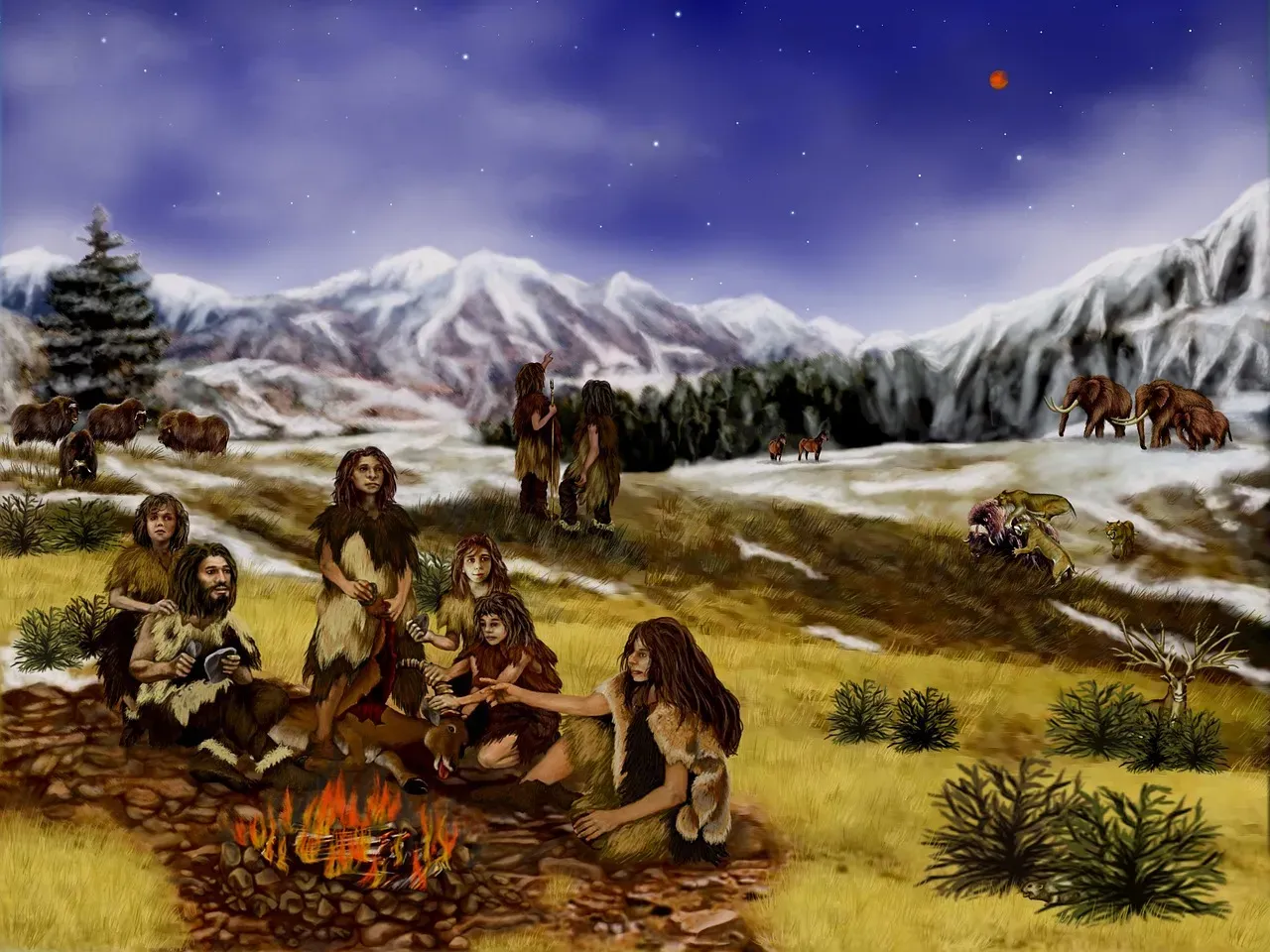
Isolation is deadly for social animals, and humans are intensely social animals. Ancient people lived in small groups where cooperation was not just nice, it was survival. You knew who gathered food, who could heal wounds, who was best at tracking, who was struggling. Children usually grew up surrounded by multiple caregivers, elders had defined roles, and everyone’s contribution mattered in a very visible way.
In the modern world, it is possible to be surrounded by millions of people online and still feel crushingly alone. You can have thousands of followers and no one to call at 2 a.m. We have more connections but fewer deep bonds. Whenever I think about this, I come back to a simple contrast: our ancestors’ social networks were tiny but thick, ours are vast but thin. On the scoreboard of everyday, dependable, embodied community, ancient humans probably , even if their circles were smaller and more constrained.
7. Reading The Natural World Like A Book
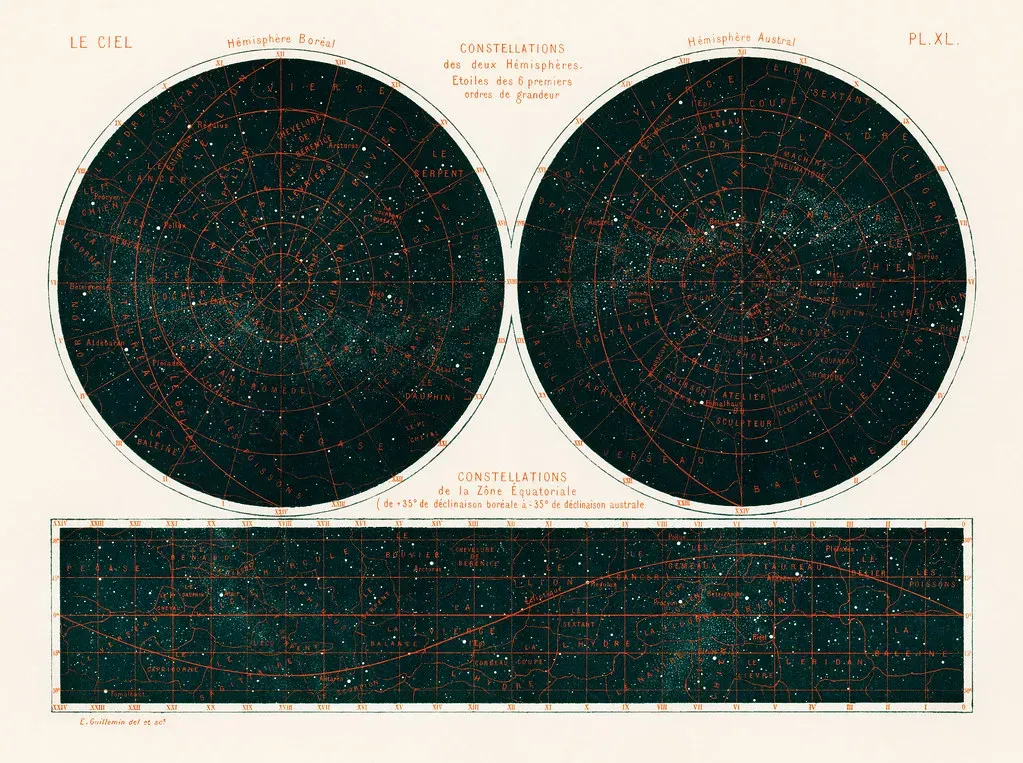
For ancient humans, the environment was not a backdrop; it was a living, constantly shifting manual for survival. Tracks in the dirt, the way birds moved, the smell of wet soil, the color of the sky at dusk – these were bits of information they actually paid attention to and understood. They could sense the approach of seasons, predict animal movements, and navigate across long distances using stars, landmarks, and memory instead of step-by-step directions from a device.
Most of us today are spectacularly bad at this. Take away maps, signs, and smartphones, and many people would struggle to orient themselves just a few miles from home. I once got turned around in a city park and instinctively reached for my phone before even looking up for a landmark. Ancient humans did not have that option. They trained their senses and their pattern recognition on the real world around them, and in decoding that world, they were far more skilled than the average modern person hunched over a glowing screen.
8. Accepting Uncertainty Instead Of Chasing Total Control

Perhaps the biggest difference is psychological. Ancient humans woke up every day knowing that many things were outside their control: weather, illness, injury, scarcity, and conflict. They had tools, beliefs, and social systems to cope, but at a deep level they lived with uncertainty as a constant companion. That did not make life easier, but it did make them more familiar with the idea that not everything could be predicted, fixed, or optimized.
Our era tells a different story. We are sold the promise that almost everything can be controlled, customized, or hacked, from our productivity to our appearance to our emotions. When reality breaks through – through a crisis, a diagnosis, or a sudden loss – we often feel betrayed, as if the universe broke a contract it never signed. Personally, I notice how quickly I get frustrated when things do not go according to plan, even though I know life has always been like this. In learning to coexist with uncertainty and still move forward, ancient humans had a kind of mental toughness we are only starting to name and study.
Conclusion: Learning From The Past Without Worshipping It
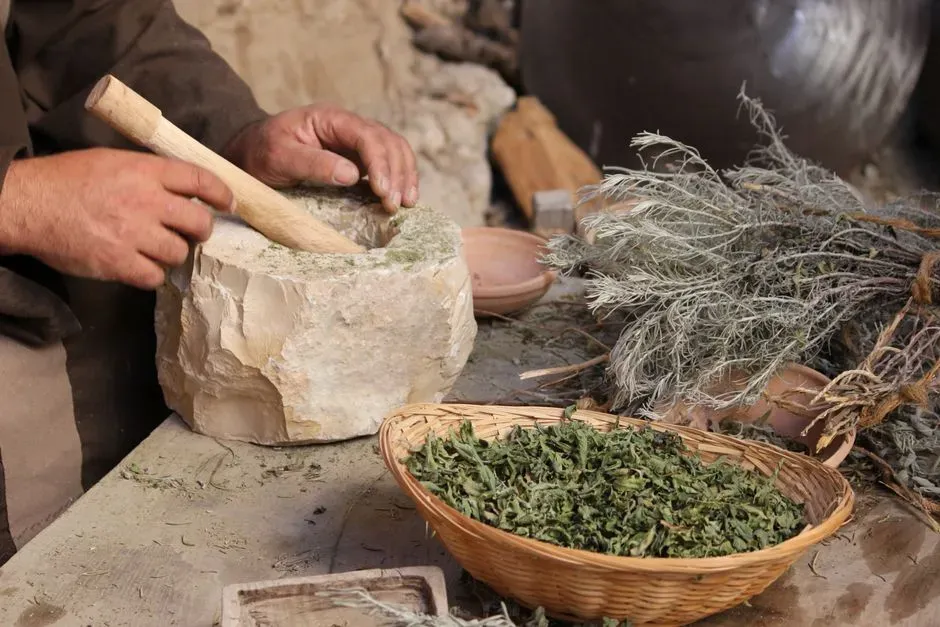
Looking at these eight areas, it is tempting to romanticize ancient life as pure and authentic and modern life as shallow and broken. That would be dishonest. Our ancestors faced horrors we are lucky to avoid: high child mortality, brutal injuries without effective treatment, constant physical danger, and very limited choices about how to live. I would not trade antibiotics and clean water for any amount of rustic charm, and I doubt many people truly would.
But rejecting nostalgia does not mean ignoring the real strengths ancient humans had. They moved more and sat less, trusted their bodies more than their devices, built thicker communities, and navigated a world they understood with their senses instead of outsourced tools. In my opinion, the smartest path forward is not to copy their lives, but to steal their best habits and weave them into our high-tech reality – more real food, more sleep in the dark, more walking, more actual human connection. If anything in this list made you uncomfortably nod in recognition, that might be your ancient brain whispering that it has not gone anywhere; it is still here, waiting for you to listen. Which of these eight would you try to reclaim first?