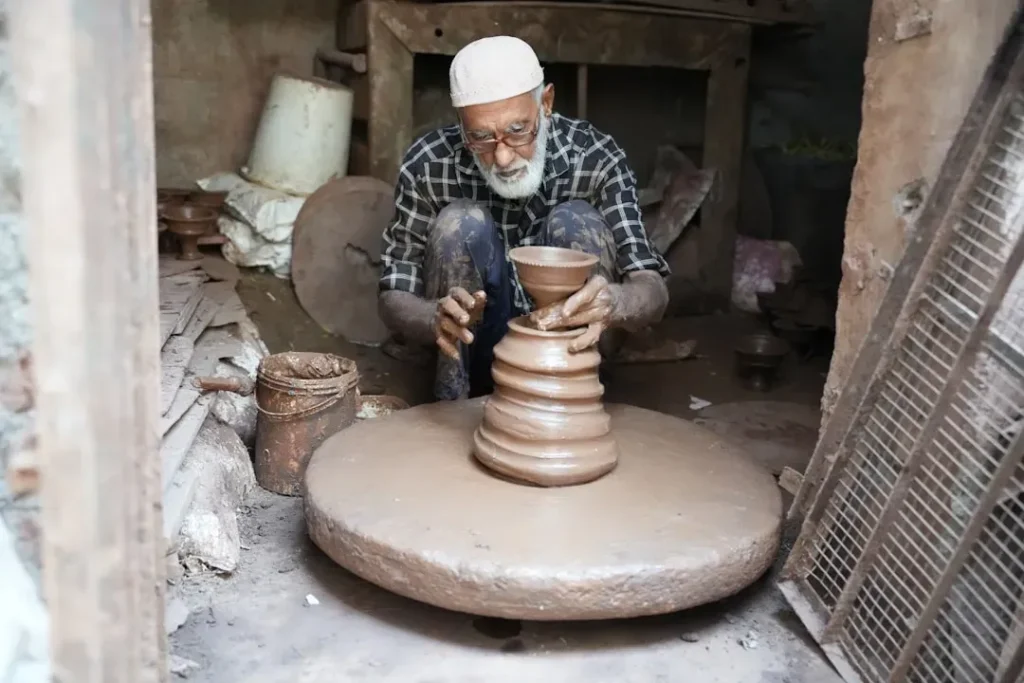
You live in a world of touchscreens, fast shipping, and instant everything – but your hands and brain are still wired for something much older. When you shape clay, twist fiber, or carve wood, you are echoing gestures that kept your ancestors alive tens of thousands of years ago. Those gestures are older than writing, older than cities, and deeply woven into how your nervous system finds calm and meaning.
This article walks you through nine ancient tribal crafts that still carry that prehistoric pulse. You will not just learn what they are, but how they feel, why they mattered to early communities, and how you can bring pieces of them into your everyday life. Think of this as a practical time machine you can hold in your hands – no museum ticket required.
1. Hand-Building Clay Vessels the Pre-Fire Way
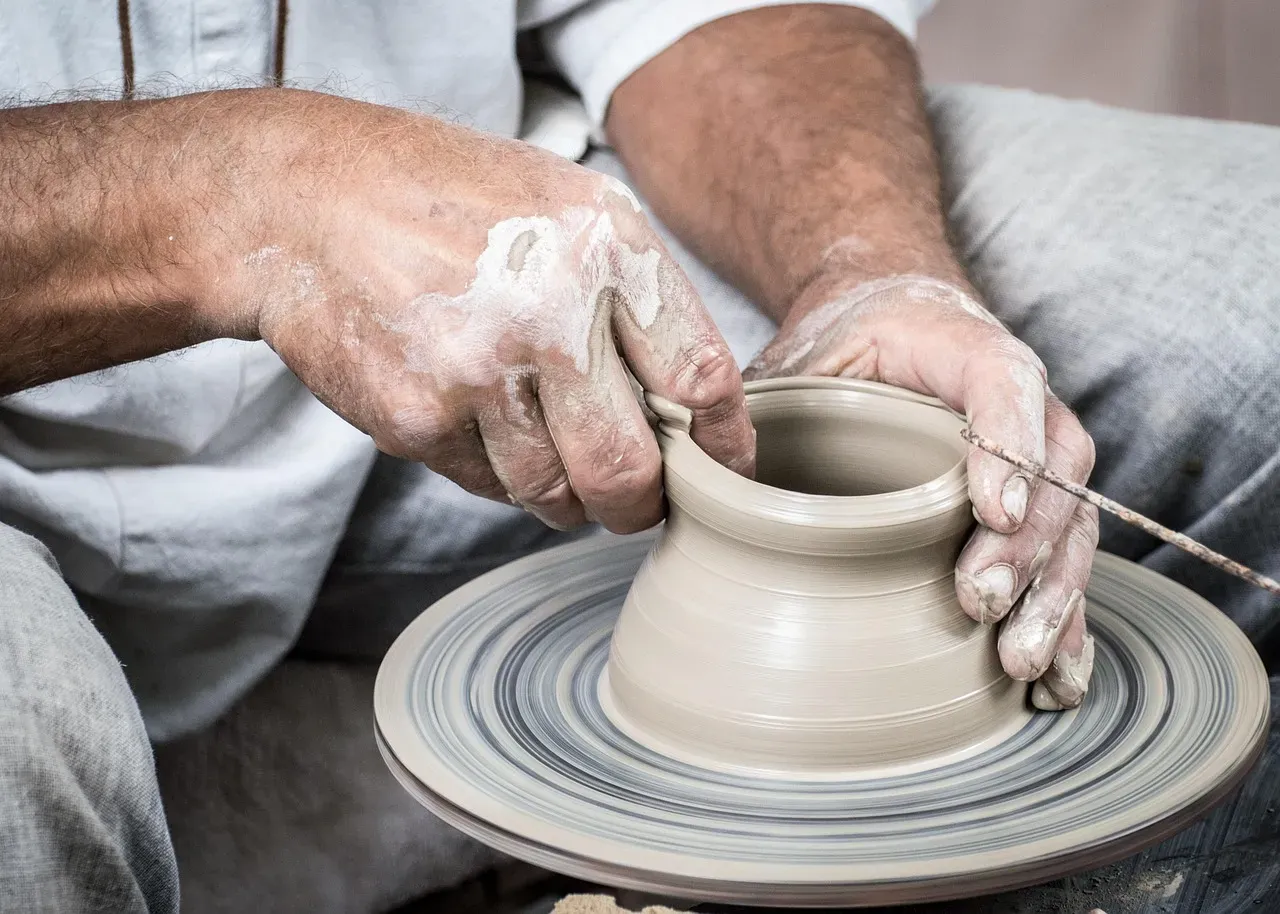
Imagine digging your fingers into cool, raw earth, shaping it into a simple bowl the way people did long before pottery wheels or kilns existed. When you pinch and coil clay by hand, you’re copying movements that go back to some of the earliest settled communities, where people needed containers for grain, water, and cooked food. You do not need fancy tools to try this yourself – just a lump of clay, your hands, and a bit of patience as you smooth the walls and shape the rim.
If you want to get closer to the prehistoric experience, you can let a small vessel air-dry or experiment with low, open-fire hardening rather than a modern kiln. You’ll notice how the clay’s color changes, how imperfections show every fingerprint, every slip of your thumb. That “imperfect” look is exactly what connects you to the people who first discovered that dirt plus water plus heat could store a season’s harvest or carry water from a stream. When you make and actually use a hand-built cup or bowl, you step into the daily rhythm of ancestors who measured value in usefulness, not perfection.
2. Basket Weaving with Wild Plant Fibers
If you’ve ever twisted grass between your fingers while talking or daydreaming, you’ve already felt the seed of basketry in your hands. Early hunter-gatherer and farming communities depended on baskets to carry food, store seeds, trap fish, and even cradle infants. When you strip bark, collect reeds, or cut long grasses and start to weave them into shape, you’re repeating a quiet but revolutionary technology that made mobility and storage possible long before clay pots were common.
You can try this by gathering flexible plant material in your area – things like willow shoots, cattail leaves, or tall, dry grasses – and starting with a small coiled or plaited basket. At first, it feels fiddly and awkward, but once your fingers learn the pattern, your mind slips into a calm, almost meditative loop. You begin to understand why traditional basket designs often hold local stories: the colors of the landscape, the paths to water, the patterns of fish or birds. As your basket takes shape, you are literally braiding your surroundings into something useful, just as your ancestors did when every container had to be grown, gathered, and made by hand.
3. Flint Knapping and Stone Tool Making
Before metal, every cut of meat, every scraped hide, every felled sapling depended on sharp stone. When you try flint knapping – even cautiously and on a small scale – you feel just how skilled your prehistoric ancestors had to be to survive. You hold a piece of hard stone like flint, chert, or obsidian, and strike it carefully with a hammerstone or antler to knock off thin, razor-sharp flakes. Each tap changes the angle and the shape, and you quickly realize this is not random smashing; it’s controlled, deliberate geometry in your hands.
Today, you can learn basic knapping through supervised workshops or guides that stress safety, because those stone edges can be sharper than many modern blades. As you work, you start to notice that a simple scraper or point represents hours of learning and countless broken pieces. You gain respect for the people who shaped entire toolkits – knives, arrowheads, drills, scrapers – out of what looked like ordinary rocks. Handling even one small stone blade you made yourself lets you feel, very directly, how technology started not with code, but with understanding how a rock fractures under your fingers.
4. Cordage and Rope from Plants and Animal Sinew

Rope might seem boring compared to blades or pottery, but without string, your ancestors could not tie shelters, set traps, carry loads, or bind tools. When you twist fibers into cordage, you discover why this quiet craft was so powerful. You can start with something simple like long grass, inner bark, or even the fibers from nettles or yucca, splitting them and twisting them in opposite directions so they lock together. Suddenly, loose strands become a strong, flexible line that can hold weight and tension.
Historically, many tribal groups also used animal sinew – the tough, fibrous tissue from tendons – for incredibly strong bowstrings and sewing thread. You may not prepare sinew yourself, but you can experiment with plant fibers and feel the same transformation: weak individual strands turning into something sturdy through nothing more than technique and repetition. As you twist and splice, you start to see cordage as the hidden skeleton behind ancient life: fish nets, slings, carrying straps, climbing lines, and traps all relied on this deceptively simple craft. Once you learn to make basic string, you begin to understand how your ancestors tied their world together, quite literally.
5. Leather Tanning and Primitive Hideworking
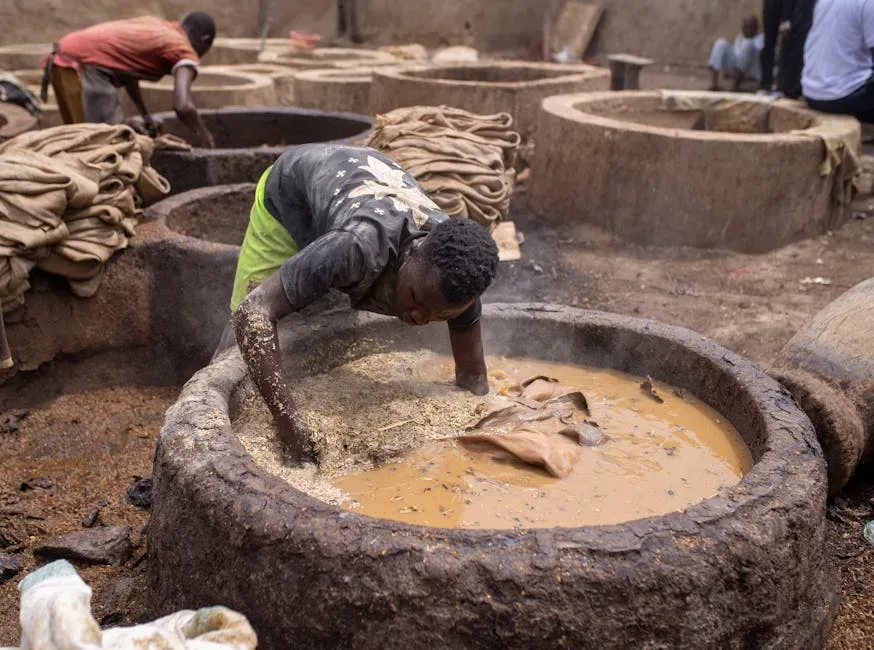
When you slip on a leather jacket or hold a leather bag today, you’re touching the distant echo of a process that once made the difference between freezing and surviving. Early hunter-gatherer groups learned to turn raw animal hides – heavy, stiff, and quick to rot – into soft, durable leather through careful scraping, stretching, and smoking, often using animal brains or plant tannins as natural preservatives. If you explore even a simplified version of this process, such as softening a small hide or working with pre-tanned leather, you gain a visceral sense of how much labor and knowledge went into something as “simple” as a warm cloak or pair of shoes.
Modern hobbyists sometimes try traditional brain or bark tanning, which involves days of soaking, working, and drying the hide until it becomes supple. Even if you never go that far, you can practice basic hideworking by hand-stitching leather, punching holes, and shaping small pouches or sheaths. Your fingers learn the resistance of the material, the way it stretches and thins under pressure, and you can almost feel the cold nights it once protected people from. Leatherwork reminds you that your prehistoric relatives used every part of an animal, not only for food, but also for shelter, clothing, and tools, guided by a deep respect for scarcity and survival.
6. Fire-Making by Friction
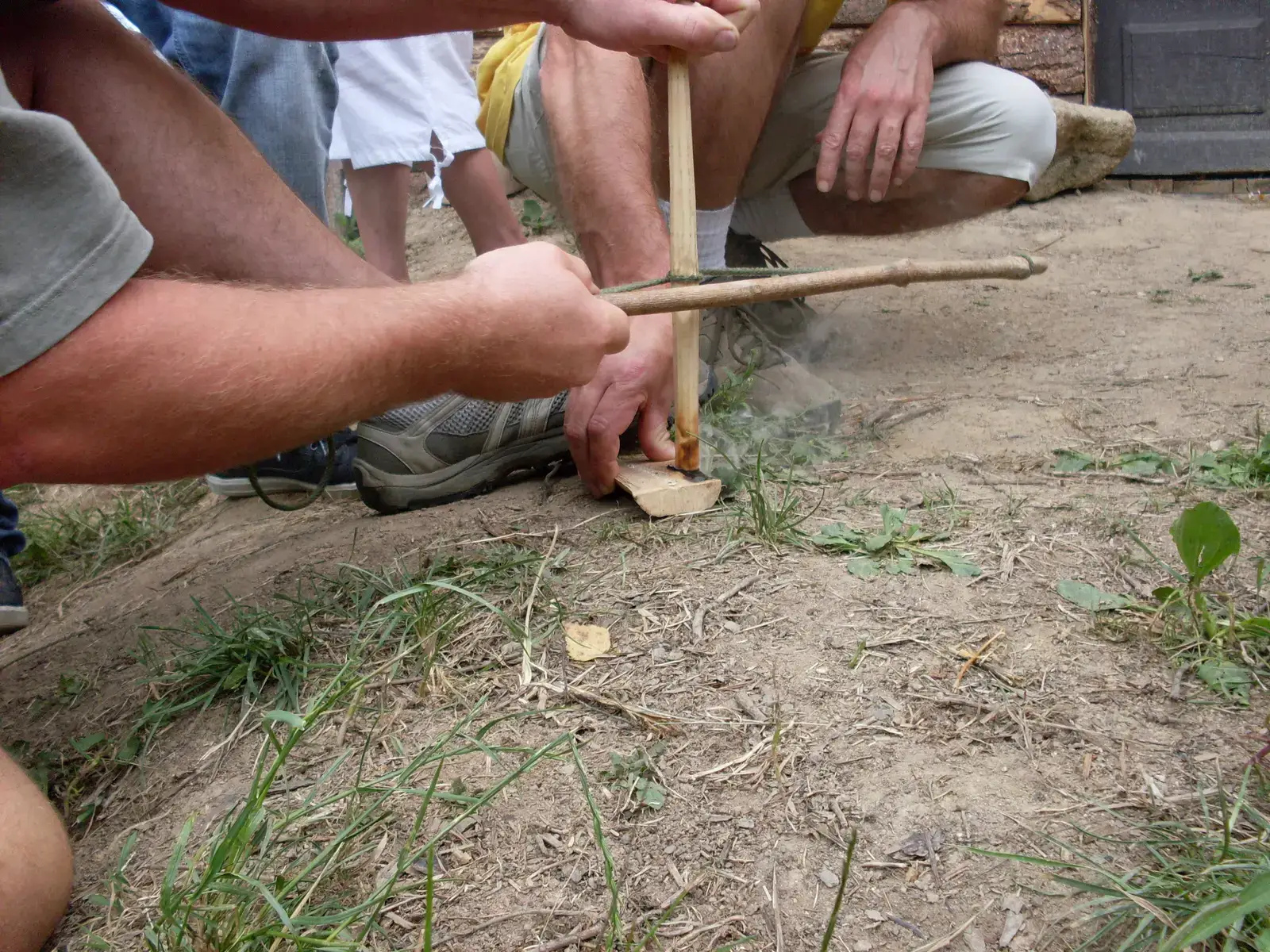
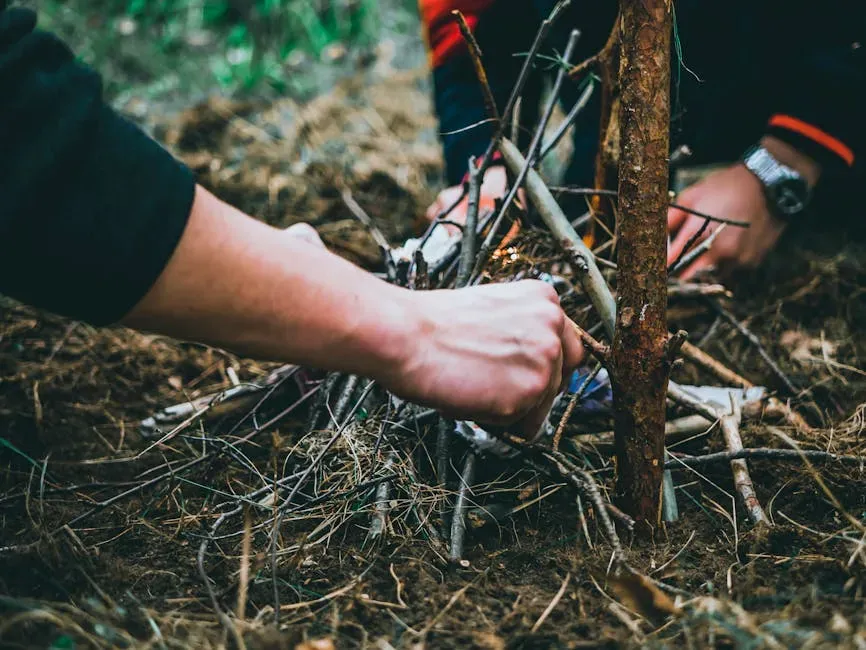
Think about how casually you flick a lighter or turn on a stove. Now imagine needing a flame in a cold, damp forest with nothing but wood, fiber, and determination. When you experiment with fire by friction – using a bow drill, hand drill, or fire plow – you’re testing one of the most fundamental skills your ancestors guarded and passed down. You collect a dry spindle and board, carve notches, prepare a tiny bundle of tinder, then work the drill until smoke appears and a fragile coal is born. The first time you see that glowing ember, you understand why many cultures treated fire as sacred, almost alive.
Even if you only try this under controlled, safe conditions, the physical effort and precision it requires change how you see fire itself. It stops being a given and becomes a hard-won companion. You start paying attention to wood types, moisture, and airflow, the same details that would have mattered immensely to early bands huddled in caves or shelters. When you finally blow a coal into flame, you share a moment that spans from your backyard or campsite all the way back to some of the earliest gatherings around a hearth, where stories, tools, and ideas were all born in the circle of light.
7. Primitive Weaving and Simple Looms
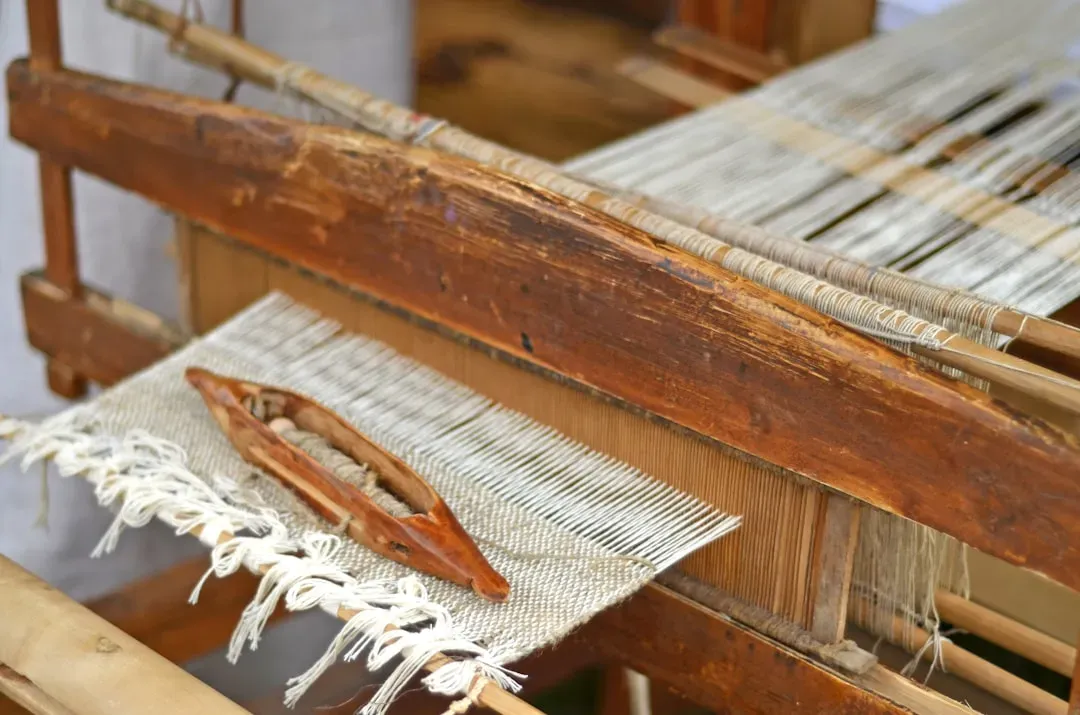
Long before industrial looms and sewing machines, your ancestors used simple frames, weighted warps, or even just their own knees and hands to weave cloth. When you stretch a few strings on a basic frame and learn to pass the weft over and under, you’re plugging into a craft that turned raw fibers into blankets, clothing, and belts. You start with something small – a narrow band, a strap, or a simple mat – and as the pattern grows, you realize you’re building fabric line by line, the way early weavers did in houses, tents, and open-air camps.
You can experiment with plant fibers, wool, or even modern yarn to get a feel for the motions, then gradually add color changes or simple patterns. As you do, you begin to understand how weaving encoded identity and status – different regions, clans, or families often had distinct patterns and colors that told a story at a glance. Your hands create that story in slow motion, following a rhythm that invites you to slow down too. Primitive weaving shows you that textiles were not always anonymous products; they used to carry the landscape, the herd, and the maker’s patience in every thread.
8. Rock and Earth Pigment Body and Cave Painting
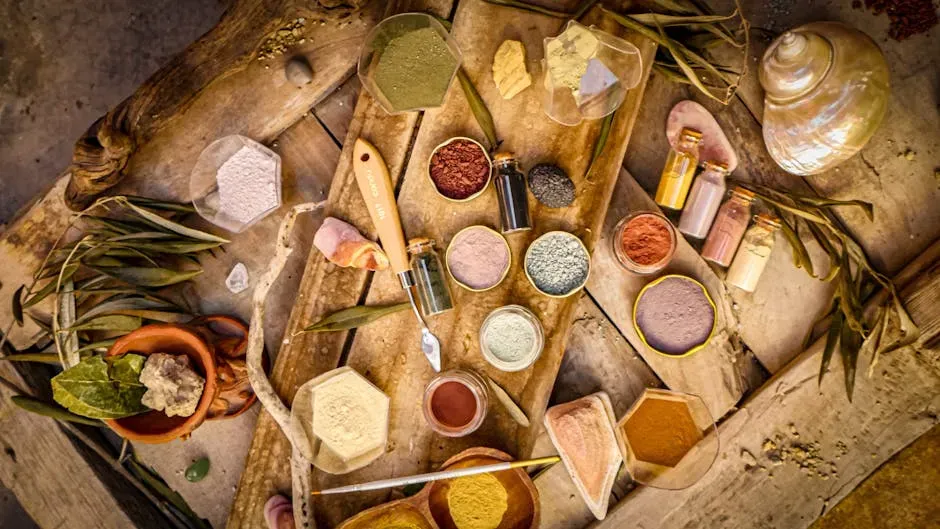
Picture grinding colored earth between stones until it turns to powder, then mixing it with fat, water, or plant sap to make paint. When you smear that pigment on a rock, a piece of wood, or even your own skin, you’re stepping directly into one of the oldest human impulses: to mark, decorate, and symbolize. Early tribal communities used natural pigments like ochre, charcoal, and manganese not only for cave art, but also for body painting during rituals, hunting, or daily life. When you try this with safe, modern adaptations – such as cosmetic-grade clays or charcoal – you can feel how color transforms the way you see yourself and your surroundings.
You might paint simple symbols, handprints, or animal shapes, echoing motifs found in rock shelters and caves on many continents. As you work, you notice how the rough surface affects your lines, how the pigment stains your fingers, and how different colors carry different moods. You begin to sense that for your ancestors, painting was less about “art” in the modern sense and more about connection: to the hunt, to the group, to spirits, or to the land itself. By playing with earth pigments, you’re not just making something pretty – you’re joining a very old conversation about who you are and how you belong.
9. Carving Wood, Bone, and Antler into Tools and Ornaments
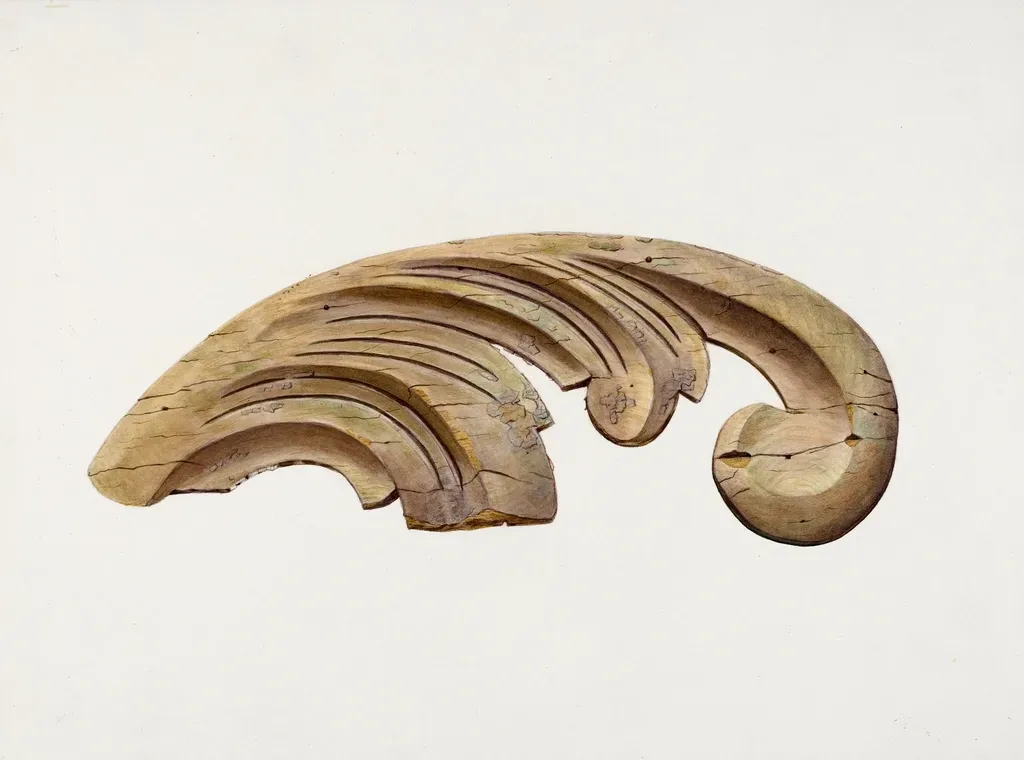
When you pick up a small piece of wood or bone and a simple knife, you hold the raw ingredients for both survival and beauty. Prehistoric peoples carved spear tips, needles, fishing hooks, and awls out of bone and antler, while shaping wooden bowls, handles, and figurines with patient cuts. If you try basic carving yourself – maybe starting with a spoon, a pendant, or a simple figurine – you begin to notice how the material guides you. Grain, knots, and density all push your design in certain directions, just like they did for your ancestors.
As you carve, time slows down and every shaving that curls away reveals a little more of the object hidden inside. You can imagine someone thousands of years ago doing the same thing by a fire, turning leftover bone from a hunt into something useful or meaningful. Maybe it was a tool needed for the next day’s work, or a small ornament worn for protection or status. Either way, you realize that even in harsh conditions, people still made room for shape, form, and personal touch. Carving connects you to that deep human need to leave a mark, to turn the ordinary into something that carries your effort and identity.
Conclusion: Letting Your Hands Remember What Your Mind Forgot
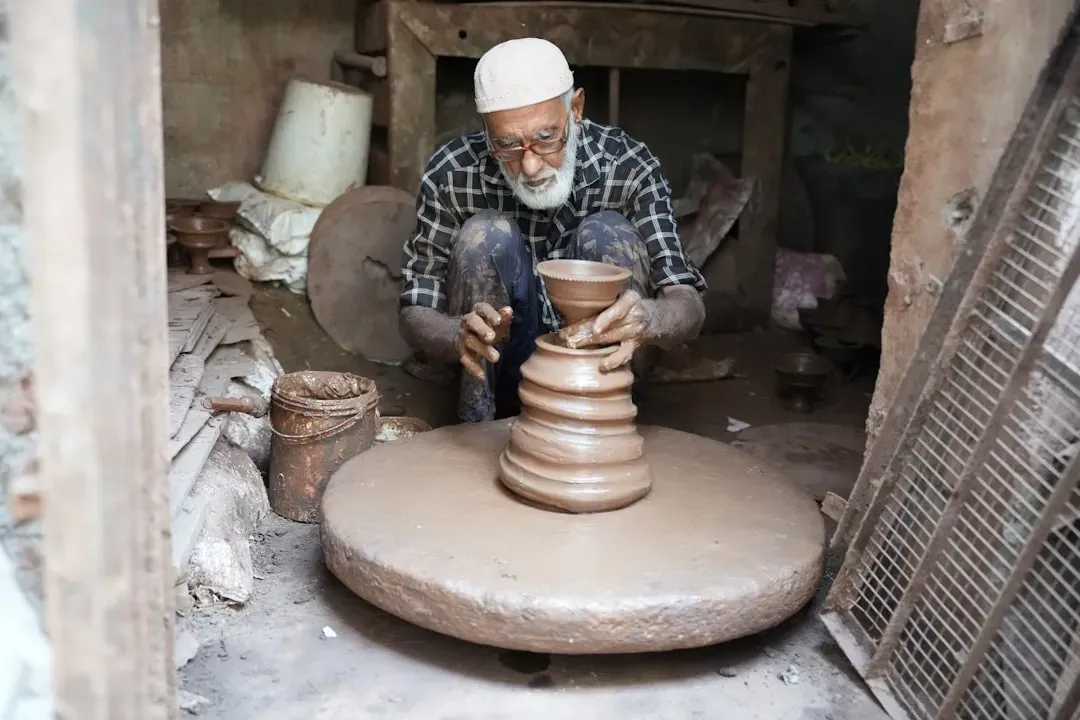
When you step into any of these crafts – whether you coil a clay bowl, twist wild fiber into cord, or coax a spark from wood – you give your hands permission to remember things your modern routine has almost erased. You stop treating old technologies as museum pieces and start feeling them as living skills that still make sense in your muscles, your breath, and your attention. Each tiny success, each lopsided pot or uneven basket, is a handshake with people who faced hunger, cold, and uncertainty with nothing but their ingenuity and the materials around them.
You do not have to go off-grid or live in a cave to benefit from these ancient arts; you can weave a bookmark at your kitchen table, carve a spoon on your balcony, or practice cordage in a park. Bit by bit, you may notice your relationship with objects, time, and even your own body shifting. Things slow down. Materials matter. Skill feels more satisfying than convenience. In a world that constantly drags you into the future, these nine crafts quietly pull you back to the deep past and remind you that you are part of a very long human story – one you can still touch, shape, and carry. Which of these ancient skills are you most curious to feel in your own hands first?