You wake up in the morning and your stream of thoughts feels so familiar, so obvious, that it is easy to assume consciousness just “is.” But when you zoom out and look at life across hundreds of millions of years, a very different picture appears: consciousness looks less like a sudden spark and more like a slow sunrise. You see it brightening step by step, from simple sensing to rich inner lives and self-awareness.
When you look at animals, brains, behavior, and fossils together, you start to notice patterns that are hard to ignore. These clues do not give you every answer, and scientists still argue over the details, but taken together they strongly suggest that consciousness emerged gradually, in stages. Below are nine of the clearest signs you can spot that point toward a slow, layered evolution of conscious experience rather than a single magic moment.
1. Nervous Systems Start Simple And Grow In Layers
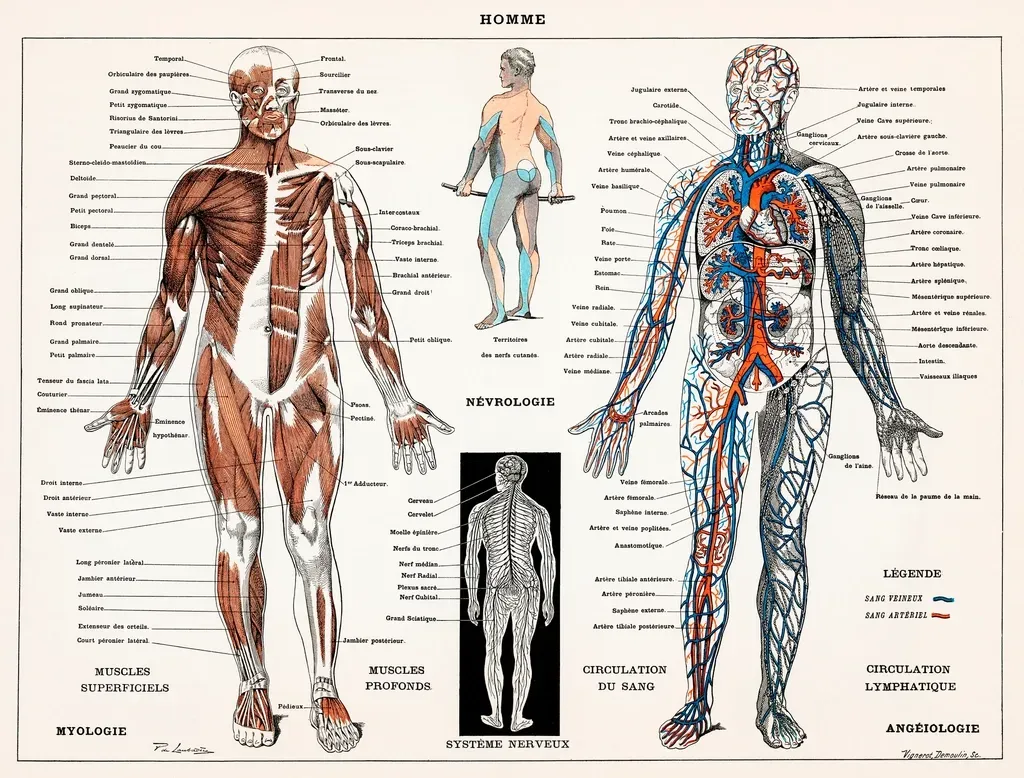
You can already see the story of slow-change written in the architecture of nervous systems. The earliest animals that had anything like a brain, such as simple worms, rely on a basic nerve net or a small cluster of neurons that mainly handle reflexes. As you move up the tree of life toward fish, reptiles, mammals, and finally primates, you watch nervous systems become more complex, more layered, and more specialized. It is as if evolution keeps adding new “floors” to a building rather than demolishing and rebuilding from scratch.
You experience this layering inside your own skull. Beneath your conscious thoughts, older brain regions still manage breathing, heart rate, and quick defensive reactions, much like in other vertebrates. Above them sit newer cortical areas that handle language, planning, and self-reflection. When you see animal brains stacked like this – old structures reused and wrapped in newer ones – it makes more sense to think of consciousness as gradually deepening and widening along with these layers, not as something that suddenly appeared out of nowhere.
2. From Simple Reactions To Flexible, Goal-Directed Behavior
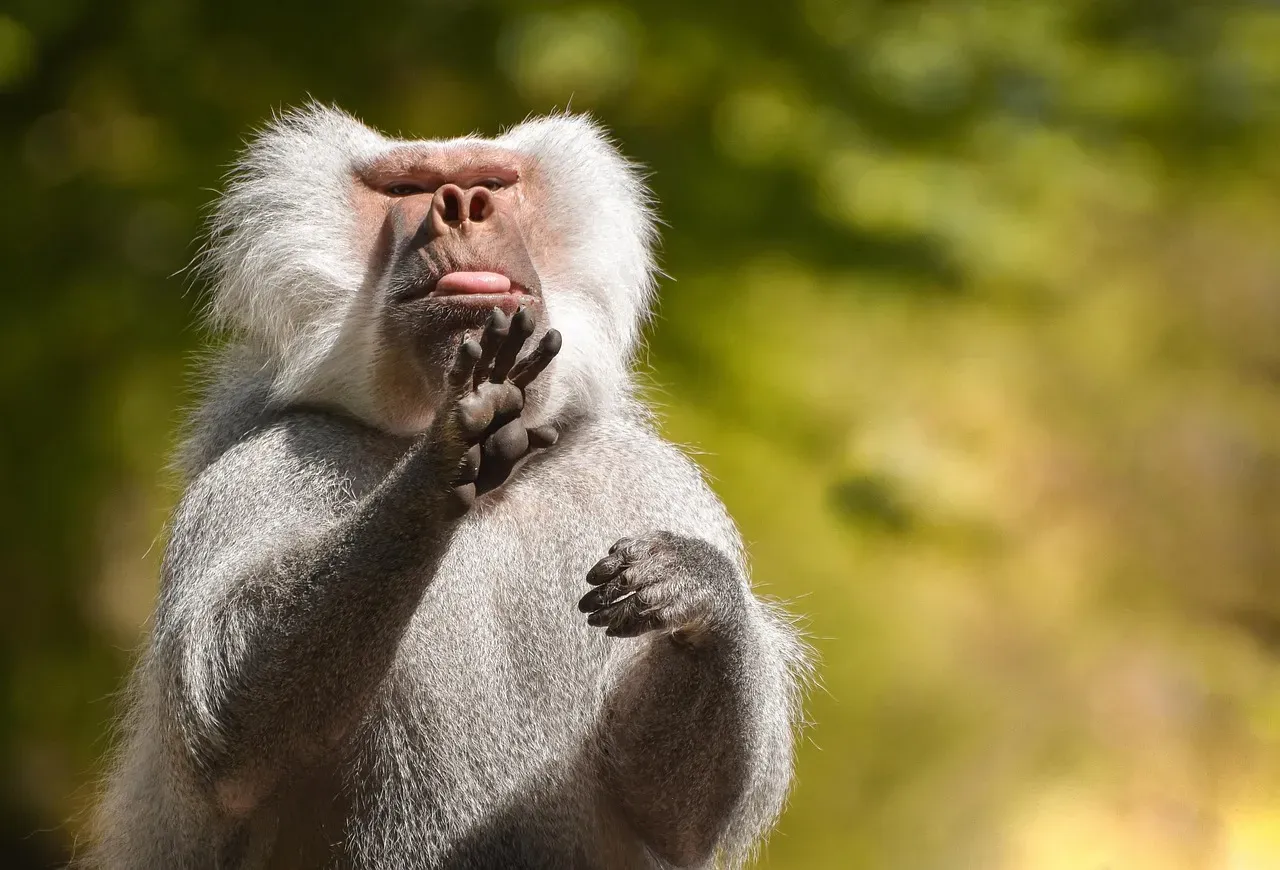
If consciousness had switched on at a single instant, you might expect a sharp behavioral break in the fossil record or in animal lineages. Instead, when you watch living animals, you notice a smooth gradient from simple stimulus–response behaviors to flexible, context-sensitive actions. A jellyfish pulses whether it is “good timing” or not; a mouse weighs up threats, food, smells, and past experience before it moves. You see fewer rigid rules and more apparent choice as nervous systems grow more complex.
In your own life, you can feel the difference between a knee-jerk reflex and a considered decision. When you pull your hand away from a hot stove, you are barely conscious of the movement; when you decide to change jobs, you run through scenarios, imagine consequences, and feel conflicting emotions. Similar differences show up across species: the more an animal can flexibly pursue goals, switch strategies, and adapt to new situations, the more it seems to have a richer internal model of the world – one of the hallmarks you intuitively associate with consciousness.
3. Gradual Emergence Of Complex Brains In The Fossil Record
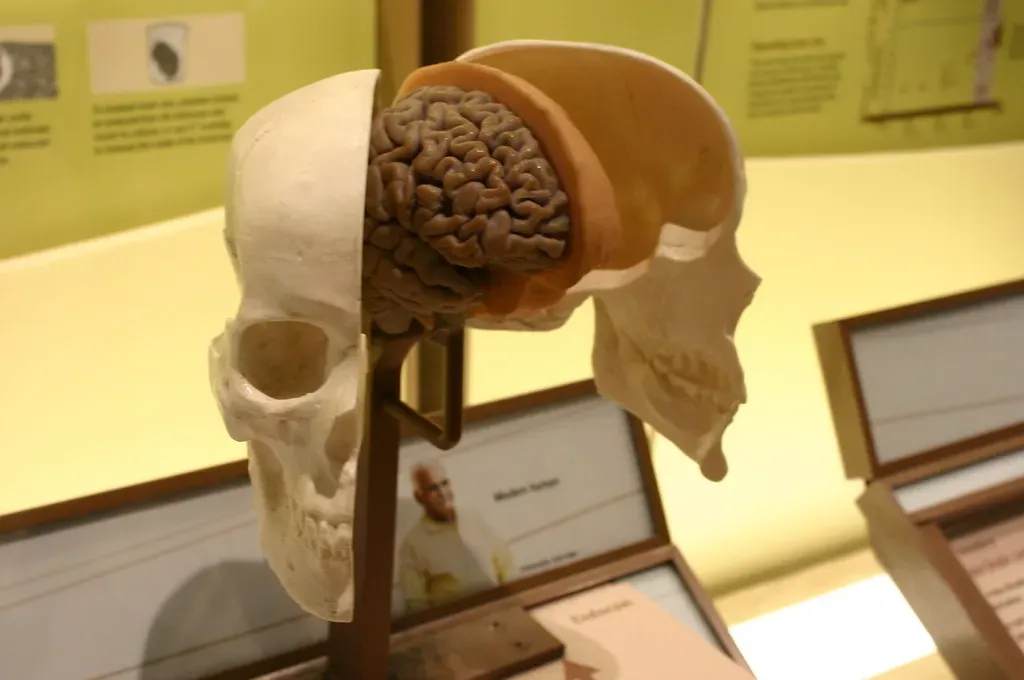
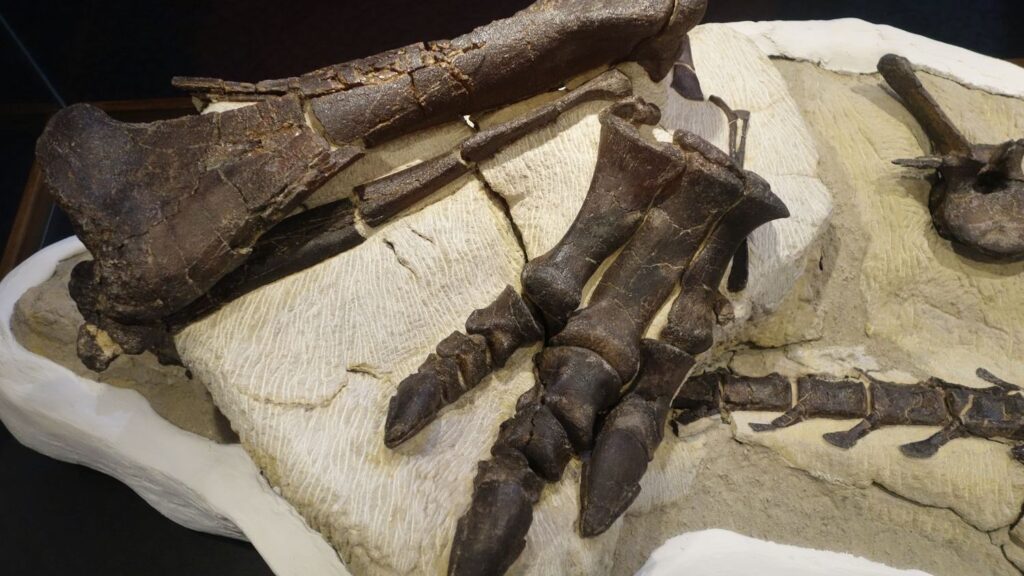
You cannot fossilize a thought, but you can fossilize the skull that held the brain producing it. When you look at vertebrate fossils through time, you see braincases gradually expanding and changing shape, especially in groups like early mammals and later primates. You watch the parts associated with sensory integration and higher processing slowly enlarge relative to the rest of the body, suggesting that internal representations and more sophisticated control grew bit by bit.
Even the earliest jawed vertebrates show hints of organized brain regions, but nothing like the massive, folded cerebral cortices you see in modern humans. Between those endpoints sit countless intermediate stages: small but distinct forebrains, then more developed midbrains, then larger cortices. If consciousness required only a binary switch, it would be strange to see so many incremental upgrades in brain volume, connectivity, and specialization. The fossil record instead shows you a long, drawn-out ramp rather than a sudden cliff.
4. Sleep, Dreams, And Rest States Appear Across Many Animals

You probably take your need for sleep for granted, but it is a remarkable pattern that appears in a wide range of animals. Many species show regular cycles of wakefulness and rest, sometimes with clear stages that resemble your own non-REM and REM sleep. You even find dream-like brain activity in mammals and birds, and possibly simpler versions in some reptiles and cephalopods. That suggests that internal simulation – imagined worlds replayed when the body is still – did not pop into existence abruptly.
When you dream, you inhabit a world built entirely inside your mind, stitched together from memories, emotions, and expectations. Seeing traces of this internal movie-making in other animals hints that the building blocks of such inner experiences arose gradually. A creature that can replay and reorganize information during sleep gains an advantage in learning and prediction, and over evolutionary time, this kind of internal rehearsal likely became richer and more elaborate. That is exactly what you would expect if conscious experience evolved slowly as an increasingly powerful way to run mental simulations.
5. Evidence Of Pain, Pleasure, And Emotional Gradients In Animals
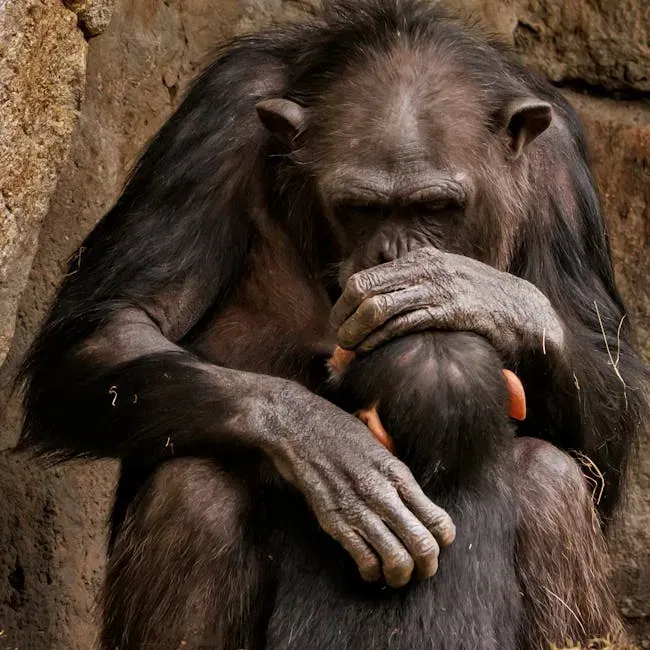
You feel pain and pleasure as deeply personal experiences, but you are not alone in having them. Many animals show clear behavioral and physiological responses to injury, stress, comfort, and reward. Fish, for example, adjust their behavior after painful stimuli in ways that suggest more than a simple reflex, and mammals display complex emotional reactions to social loss or threat. These patterns do not prove that other species have pain and joy exactly as you do, but they strongly indicate a spectrum of affective experience.
When you notice this spectrum, you see another gradual slope rather than a sharp border. A fruit fly might have a very rudimentary form of valence – something like “move away from harmful, stay near helpful” – while a dog appears to have richer emotional life, with fear, excitement, jealousy, and grief-like behaviors. Your own emotions sit at one end of that continuum, elaborated by language and culture, but built on the same basic machinery. That kind of layered continuity is exactly what you would expect if consciousness, especially the feeling side of it, was slowly refined instead of being turned on all at once.
6. Social Intelligence And Mind-Reading Skills Ramping Up
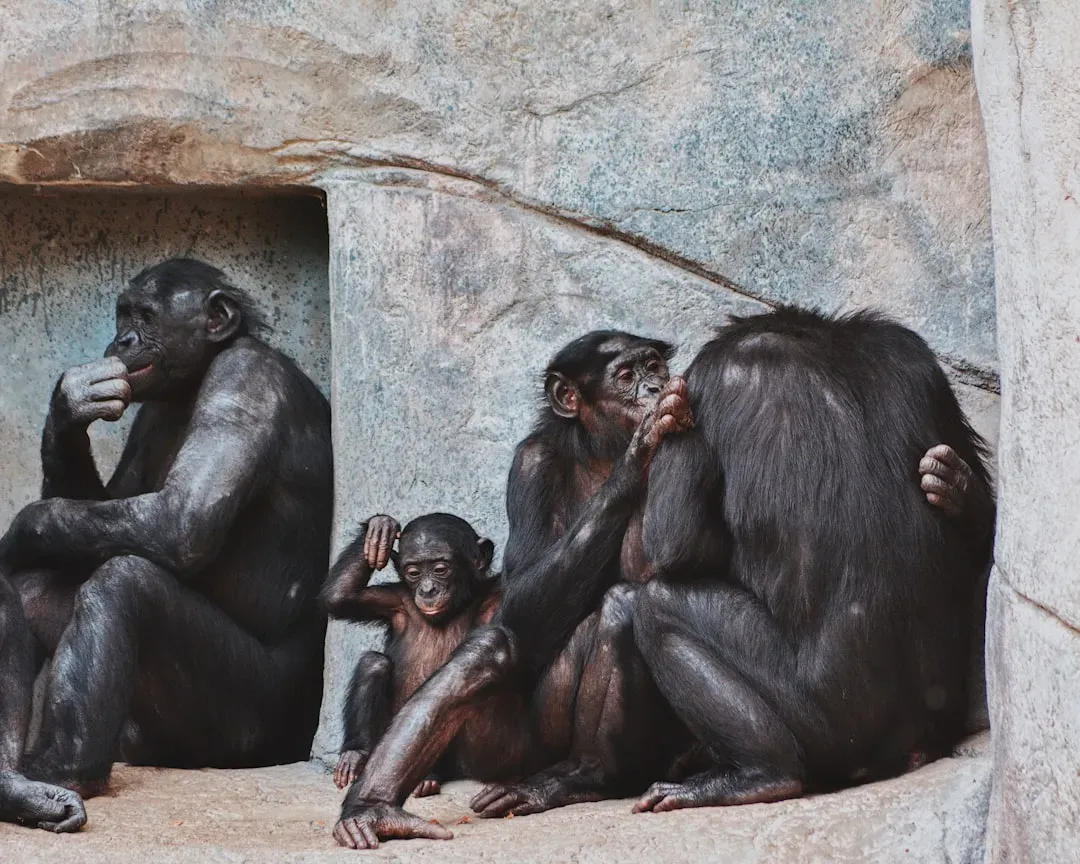
If you have ever tried to guess what someone else is thinking, you have used what psychologists call a theory of mind – the ability to attribute beliefs, desires, and intentions to others. You rely on this constantly in daily life, but you also see simpler versions of it scattered across the animal kingdom. Some birds and mammals can track what others have seen, remember who hid food, or adjust behavior based on another’s gaze and past actions. These are seeds of the same mind-reading skill you use, just in more basic forms.
Over evolutionary time, especially in highly social animals, these skills likely ratcheted up. You see cooperative hunting, deceptive tactics, alliance-building, and long-term social bonds in species like wolves, dolphins, and primates. To navigate such complex social worlds, an animal needs some kind of internal model of others’ minds, not just simple reflexes. As those models became more nuanced and layered, individual awareness had more to keep track of, creating conditions for richer conscious experiences. When you watch this progression, it is hard to argue that full-blown self-aware social consciousness appeared overnight.
7. Self-Recognition And Metacognition Emerging In Steps
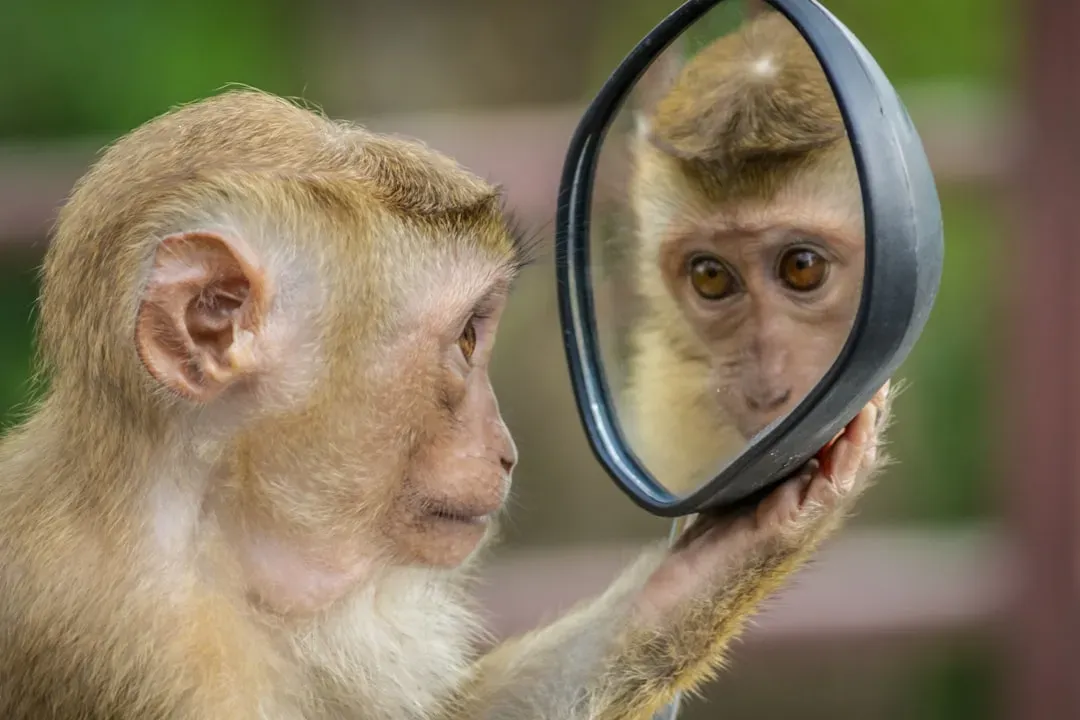
You may have seen the classic mirror test, where an animal is marked with a spot it can only see in a reflection. Some species – including great apes, dolphins, elephants, and a few birds – touch or inspect the mark on their own body, suggesting they recognize the reflection as themselves. Many other animals do not pass that test, yet still show signs of basic self-tracking, like knowing their own body’s limits or keeping tabs on where they have been. This spread of abilities points to multiple tiers of self-awareness, not a simple yes-or-no switch.
On top of that, you find that a few species seem able to monitor their own uncertainty or confidence. In some experiments, animals can opt out of difficult trials when they “know that they do not know,” which suggests a kind of metacognition – thinking about their own mental states. In your own life, you can vividly feel this capacity when you say to yourself that you are unsure, tired, or distracted. Seeing weaker but similar patterns in other animals fits a picture where consciousness expands from basic bodily self-tracking into layered self-reflection over evolutionary time.
8. Shared Building Blocks Across Distant Species
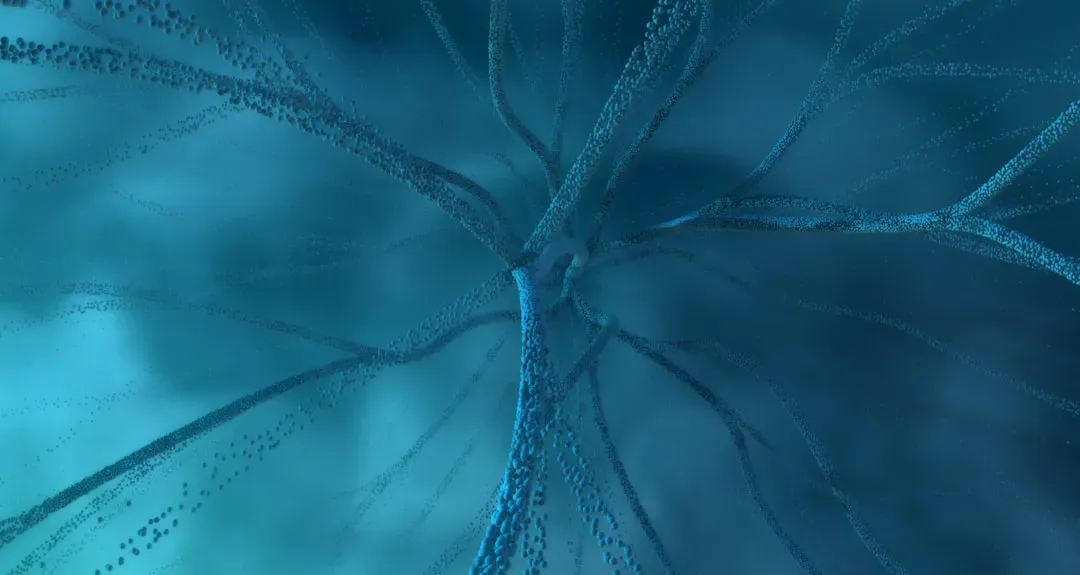
If consciousness evolved slowly, you would expect to find common ingredients re-used and refined in different lineages, and that is exactly what you see. Core neurotransmitters such as serotonin, dopamine, and norepinephrine, along with similar neuron types and network motifs, are shared across a vast range of animals. These chemicals and circuits shape arousal, motivation, learning, and mood in you, and they play parallel roles in other species with much simpler nervous systems.
When you look at how these building blocks are arranged, you see convergent patterns. Very different animals, from birds to mammals to cephalopods, have independently evolved centralized brains, complex sensory processing, and flexible learning abilities using variations of the same fundamental parts. That is what you would expect if natural selection kept discovering that certain architectures are especially good at creating integrated information and adaptive behavior – the raw material for conscious experience. Instead of a single origin event, you see multiple evolutionary experiments, all built on shared foundations, each likely producing its own level and flavor of awareness.
9. Development In Individuals Mirrors Evolutionary Stages

When you watch a human life unfold from embryo to adulthood, you see a miniature replay of this slow build-up. A newborn does not arrive with full reflective self-awareness; it first shows basic sensations, then simple preferences, then early emotions and social responses. Only later does it develop a robust sense of self, the ability to think about thinking, and the kind of narrative consciousness you probably associate with your adult mind. Brain development follows a similar order, with older structures maturing earlier and higher cortical areas refining over many years.
This does not mean that an infant or young child lacks consciousness, but it does show you that consciousness itself comes in stages, growing in complexity and richness . If you accept that within one lifetime, awareness can deepen and expand gradually, it becomes easier to imagine the same thing happening across many generations and species. The long, winding path from single cells to reflective humans then looks less like an impossible leap and more like an extended developmental process on an evolutionary scale.
Conclusion: Consciousness As A Slow-Burning Flame, Not A Sudden Spark
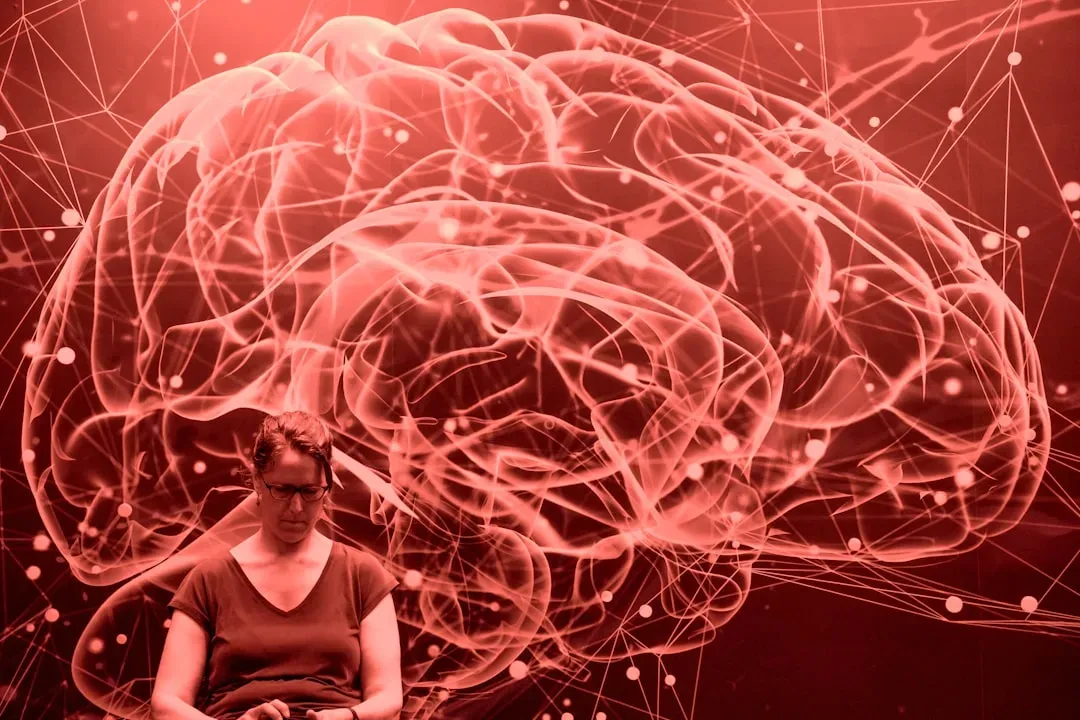
When you put all these clues side by side – layered brains, flexible behavior, emotional gradients, social mind-reading, self-awareness, and developmental echoes – the picture that emerges is hard to ignore. Consciousness starts to look like a slow-burning flame that was kindled in very simple forms of sensing and responding, then carefully fed by evolution until it became the bright, reflective awareness you know. Instead of hunting for a single magical moment when consciousness appeared, you can trace a series of thresholds where experience likely became broader, deeper, and more integrated.
This perspective does not answer every mystery about what consciousness ultimately is, but it does anchor you in what you can actually observe in biology, fossils, and behavior. It invites you to see your own mind not as something separate from the rest of life, but as one of its latest experiments – a continuation of a story that started long before humans ever appeared. When you look at it that way, your awareness feels less like an isolated miracle and more like the current chapter in an ancient, unfolding narrative. Knowing that, how differently do you see your own place in the living world?