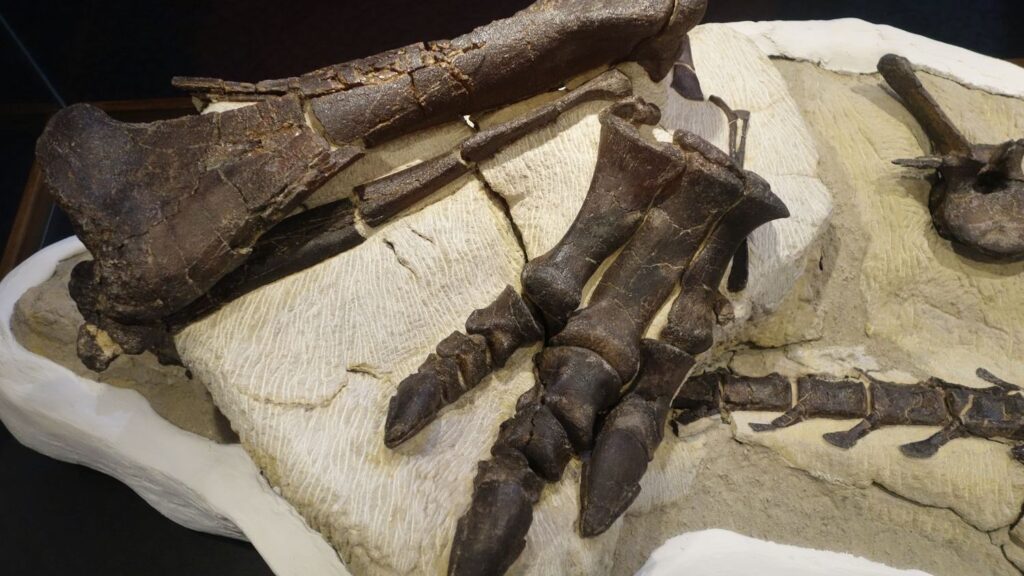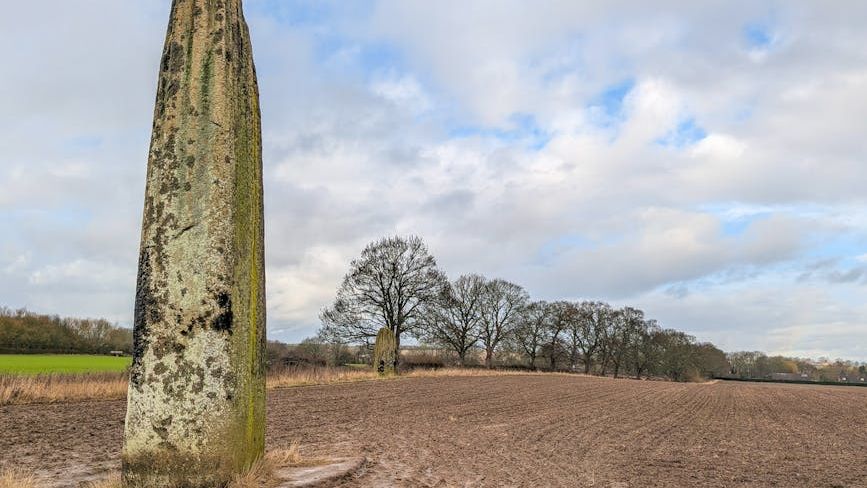
You will probably never know exactly what went on in the minds of people sitting around a fire forty thousand years ago, staring at the night sky. Yet when you look at cave walls, ancient graves, and mysterious stone circles, you can feel that something deeply spiritual was happening. You are not just looking at bones and rocks; you are staring straight at questions that still haunt you today: Why are you here? What happens when you die? Who, if anyone, is listening when you are afraid in the dark?
Archaeologists and anthropologists cannot read prehistoric thoughts directly, so they have to piece them together from clues, like detectives at a crime scene where the main witness has been gone for tens of thousands of years. That means every theory you are about to explore is careful, but not absolute; each one is a best possible guess built from patterns in graves, tools, paintings, and the few traditional societies that still live in ways similar to ancient hunter‑gatherers. As you walk through these nine theories, you are really walking through nine different ways you yourself might make sense of a dangerous, beautiful, unpredictable world without science, writing, or formal religion on your side.
1. You See Spirits in a World Full of Intentions
If you were a prehistoric human, the world around you would feel startlingly alive. The wind that slams into your shelter, the river that suddenly floods, the storm that tears up trees – you would not see these as random events the way you might today. Instead, you would feel like someone or something is doing these things on purpose, almost as if the world is crowded with invisible personalities with moods, desires, and grudges.
Modern researchers sometimes call this tendency an intuitive sense that everything has a mind behind it. You see this even now when you yell at your computer or say your car does not want to start. In a prehistoric setting, that gut feeling would be much stronger because your life would depend on reading intentions correctly. When you live in such a world, it becomes natural to talk to trees, rivers, storms, animals, and rocks as if they listen. Spiritual thinking, in this theory, grows directly out of your survival‑driven habit of seeing agency and purpose everywhere you look.
2. You Treat Death as a Door, Not a Full Stop
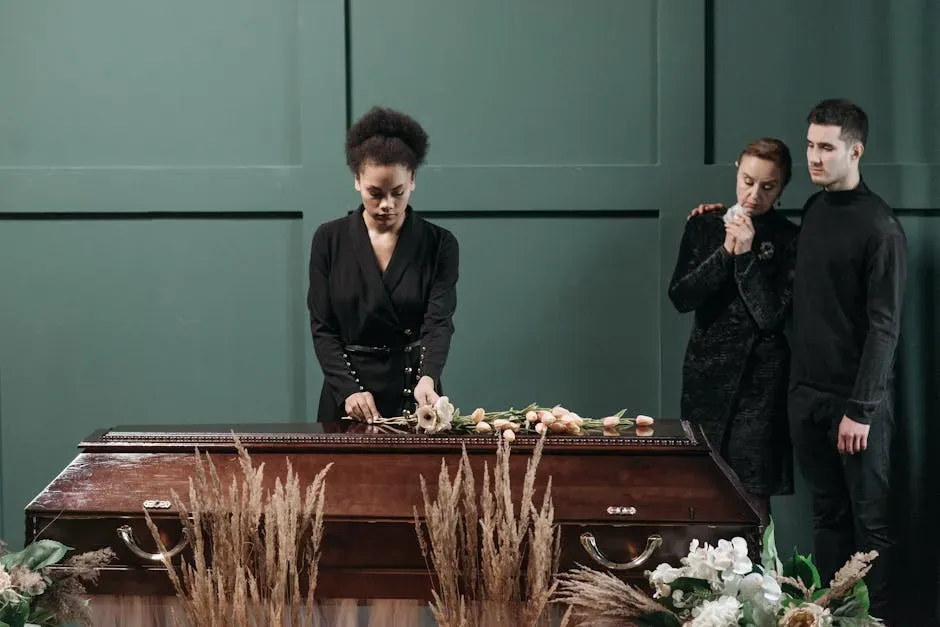
Imagine someone close to you dying in a small prehistoric camp. Their body is there, still and heavy, but everything that made them who they were seems to have slipped away. You still dream about them. You still hear their voice in your head. Their presence lingers so strongly that it feels wrong to assume they have vanished completely. Instead, you naturally assume they have gone somewhere else that you cannot see, but can still in some way reach.
Burials from deep prehistory show you that early humans often placed objects like tools, ornaments, or animal bones with the dead, and sometimes carefully arranged the bodies. That behavior makes sense if you think of death as a crossing point, not just an ending. You would feel as though you are helping a traveler on a dangerous journey, equipping them with what they might need. Over time, this instinctive refusal to accept total disappearance can turn into a more structured belief in an afterlife, ancestors, or spirits who still pay attention to what you do among the living.
3. You Read Meaning in Dreams and Trances
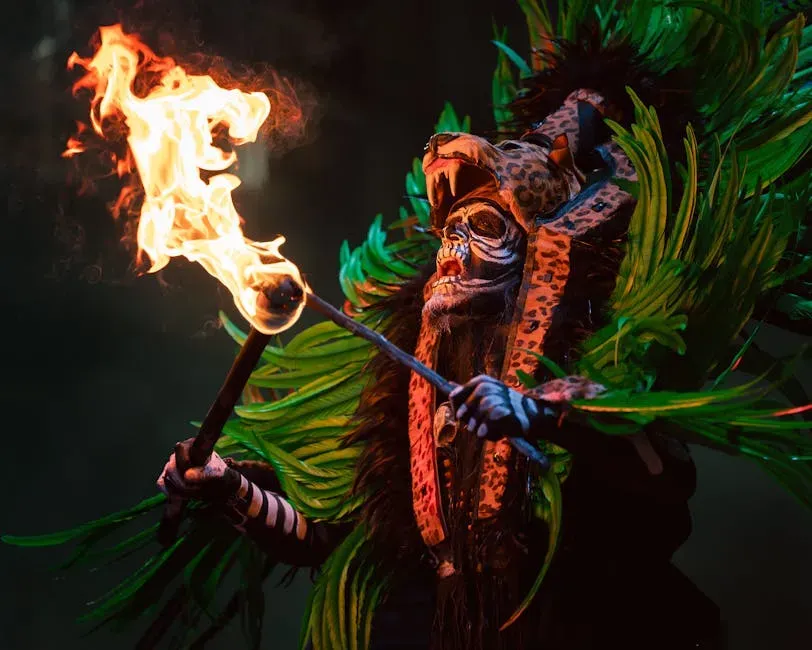
Close your eyes and picture yourself in a prehistoric night, exhausted, hungry, and anxious about tomorrow’s hunt. When you finally fall asleep, your dreams are wild and vivid: dead relatives speak to you, animals shape‑shift, you fly, you fall, you travel to strange realms. Without science, you have no reason to think your brain is simply processing memories; to you, it feels like you actually went somewhere and met someone. Night after night, this dream world starts to feel like a parallel reality that overlaps with waking life.
Now add altered states brought on by drumming, dancing, fasting, or certain plants. When you enter trance, your sense of self can blur, your body might feel like it dissolves, and you can experience powerful visions. If you live in a small group that values these states, you are likely to treat them as journeys to a spiritual realm. Certain people in your group, maybe the most sensitive or the most practiced, become specialists at navigating these states. That gives rise to early shaman‑like roles, where spiritual thinking centers on visiting, negotiating with, or learning from invisible beings you encounter in dreams and trance.
4. You See Patterns in Nature as Messages
As a prehistoric hunter‑gatherer, your survival depends on noticing patterns most modern people never see. You track subtle footprints, shifts in bird calls, changes in the wind, or the timing of plant growth. When your brain is tuned to connect tiny clues with big outcomes, it is easy for that pattern‑seeking habit to spill over into your spiritual life. A sudden eclipse, an odd animal behavior, or an unusual weather change does not feel like coincidence; it feels like a sign.
Over time, you and your group start to link certain natural events with good or bad outcomes. If you notice that a successful hunt seems to follow a particular ritual song, you repeat it. If someone falls ill after breaking a taboo involving an animal, you treat that as confirmation the rule was spiritually enforced. Even if the connection is accidental, your mind is built to remember the times it seems to work and forget the times it does not. That is how a fragile but powerful web of omens, taboos, and rituals can grow, turning raw pattern‑recognition into a rich spiritual code you feel you must obey.
5. You Imagine a Shared Mind Between Humans and Animals
When you live among large wild animals every day, they do not feel distant or abstract to you; they are rivals, food sources, and sometimes teachers. You watch them care for their young, form alliances, grieve, compete, and play. It is hard not to feel that they are people of another kind, with their own societies and rules. If you hunt them, you face a moral and emotional tension: you depend on them, yet you must kill them. One way to resolve this is to believe you and the animals share a deeper spiritual connection.
Many prehistoric artworks show animals with surprising detail and intensity, often in caves that feel more like sacred spaces than mere shelters. When you step into those dark chambers holding a smoky torch, surrounded by powerful painted creatures, it is easy to feel like you are entering their world or calling their spirits. In this theory, you think of humans and animals as moving through overlapping layers of reality, where killing is not just a physical act but a negotiated exchange. Rituals, songs, or offerings after a hunt become your way of showing respect to the animal’s spirit and keeping the fragile balance between hunger and gratitude.
6. You Use Ritual to Control What Scares You
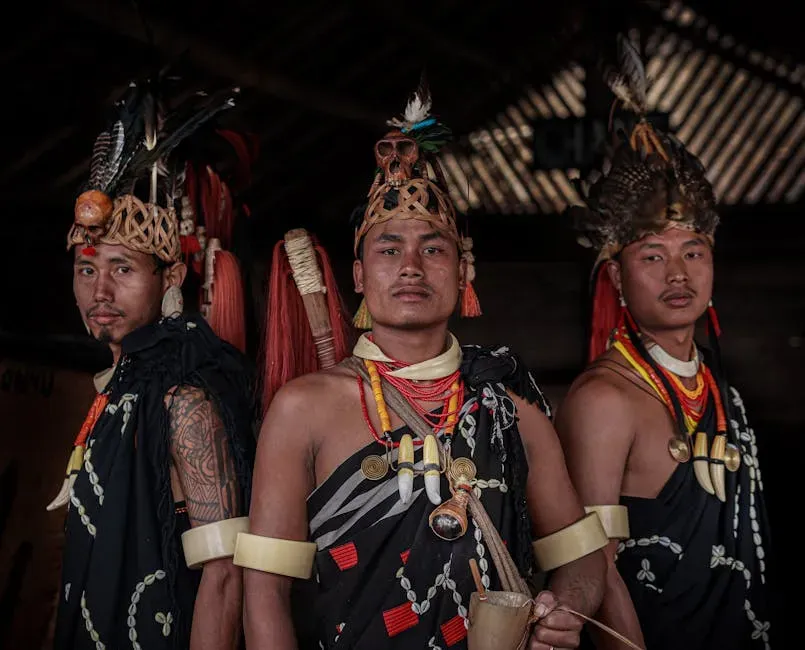
Your prehistoric world is brutally uncertain. A single accident, a sudden storm, a bad hunting season, or an outbreak of illness can threaten everyone you love. In a life like that, not having control is terrifying. You naturally look for anything that makes you feel less helpless, and that is where ritual comes in. Repeating a specific sequence of actions – painting your body before a hunt, chanting before a burial, circling a fire a certain way – gives you the sense that you are doing something to influence forces far bigger than you.
Even today, you might knock on wood, wear a lucky item, or follow a personal routine before something important. Those small habits give you comfort. Now magnify that feeling in a world of constant danger and limited explanations. Rituals become a psychological tool, turning raw fear into manageable action. Over time, as rituals are passed down and refined, you treat them less like private superstitions and more like essential spiritual technologies. You may not know how they work, but you feel deeply that if you neglect them, something will go terribly wrong.
7. You Strengthen Group Bonds Through Shared Sacred Stories
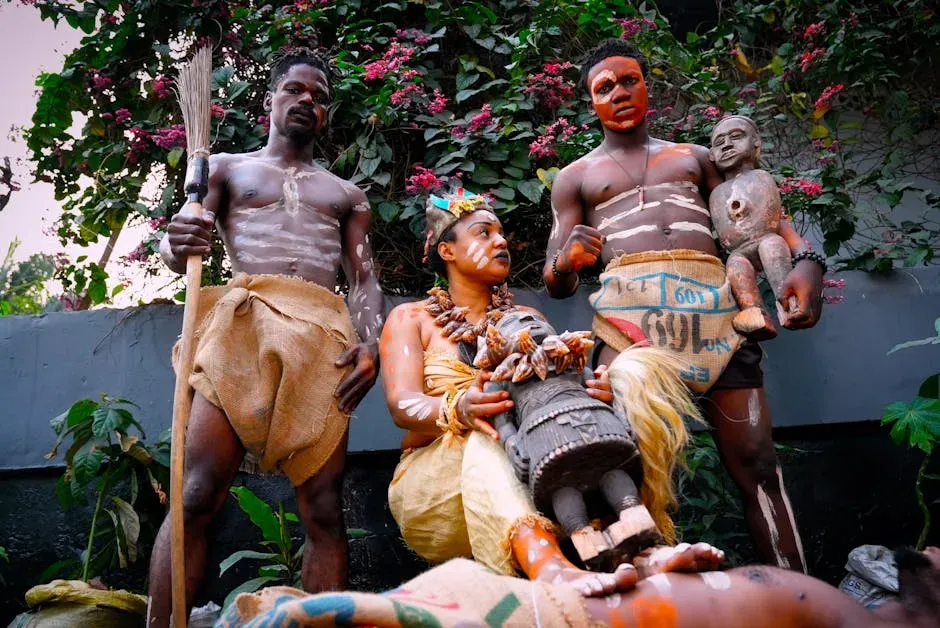
In a small prehistoric band, staying united is not optional; it is the difference between life and death. You rely completely on others for food, protection, child‑care, and knowledge. One powerful way to hold a group together is to share stories about where you came from, who your ancestors were, and which invisible powers protect or judge you. These stories do not just pass the time around the fire; they tell you who you are, where you belong, and what behavior is acceptable.
When everyone in your group believes that the same spirits watch over you, or that the same ancestors care about your actions, you are much more likely to cooperate and much less likely to betray each other. Spiritual thinking, in this sense, becomes social glue. You learn from childhood that certain acts dishonor not just the living but also the dead, or even the whole cosmos. This shared sacred framework means that your morals are not just personal preferences; they feel anchored in a larger, unseen order. That makes cooperation feel meaningful and betrayal feel deeply dangerous on a spiritual level.
8. You Mark Places as Portals Between Worlds
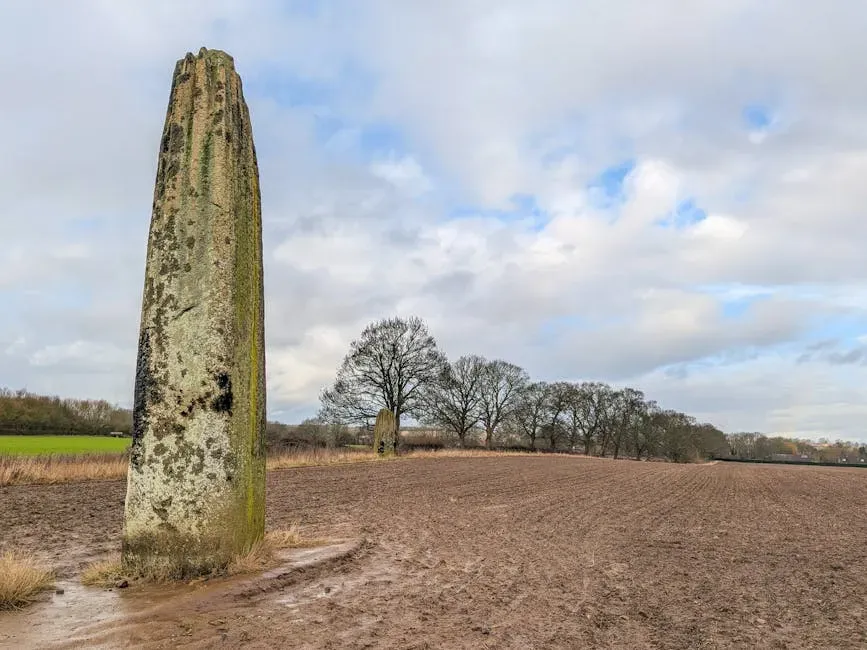
As you move across ancient landscapes, some places strike you as different from the rest. A cave mouth that yawns like a dark throat in the hillside, a lone standing stone, a waterfall roaring through a narrow canyon – these spots feel charged. You might sense that they are closer to the world of spirits, or that the boundaries between visible and invisible reality are thinner there. So you return to them, again and again, leaving marks, burials, carvings, or offerings.
Archaeological sites suggest that some locations were used repeatedly over very long periods, sometimes for burials, sometimes for ritual gatherings. To you, these would not just be convenient meeting places but spiritual landmarks. You would treat them as gateways or crossroads where human life brushes against something greater and more mysterious. The stones you raise, bones you bury, or pigments you smear on the walls become your way of saying that this spot is not just geography; it is a point of connection between your everyday struggles and a deeper, sacred landscape you can feel but never fully see.
9. You Turn Ordinary Objects into Carriers of Power
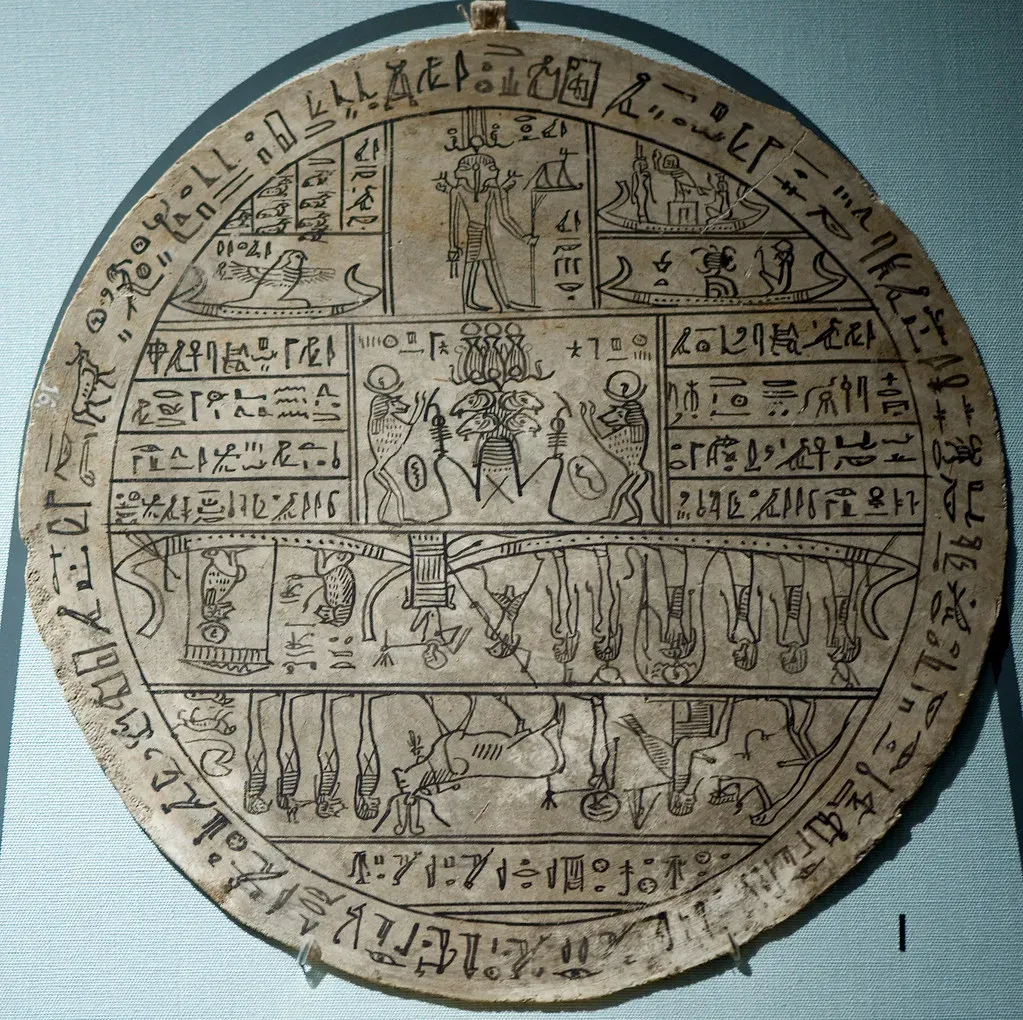
When your material world is simple, each object you own matters a lot. A carefully shaped stone blade, a shell pendant, a piece of red pigment, or a carved bone figure is not just a thing; it is time, effort, and skill condensed into a physical form. In that context, it feels natural to imagine that special objects can carry invisible power. You might believe a charm protects you, a painted symbol calls a spirit, or a carved figure houses a presence that can help or harm you.
Small figurines, decorated tools, and beads found in prehistoric contexts hint that people were not only being practical; they were also expressing identity, status, and perhaps spiritual meaning. If you wear a particular item during important moments, you start to associate it with success, safety, or courage. Over time, the object seems to absorb those qualities and radiate them back at you. You treat it almost like a companion with its own character. In this way, spiritual thinking seeps into everyday life, turning the tools you use and the ornaments you wear into quiet, constant reminders that you live in a world where visible and invisible forces are always interacting.
When you step back from these nine theories, you can see that was probably not a single, neat system. Instead, it was a shifting, tangled mix of fear and awe, dreams and rituals, group loyalty and personal experiences. You recognize pieces of it in your own life today whenever you sense a presence in an empty room, talk to someone you have lost, or feel moved in a place that seems charged with history. The details may have changed, but the basic questions have not gone anywhere.
In the end, you are not just studying distant ancestors; you are looking at early versions of your own mind, wrestling with the same mysteries using fewer tools. That realization can be strangely comforting. It suggests that spiritual thinking is not a mistake to be mocked, but a deep, human way of trying to live with uncertainty, danger, and wonder. As you imagine those ancient fires burning under vast, star‑filled skies, you might ask yourself: if you stood there with them, how different would your own thoughts really be?