Among the diverse gallery of prehistoric giants, Amargasaurus stands out as one of the most visually striking dinosaurs ever discovered. This peculiar sauropod, with its twin rows of elongated neural spines protruding from its neck and back, appears more like a creature from science fiction than a real animal that once roamed our planet. Discovered in the fossil-rich regions of Argentina, Amargasaurus has captivated paleontologists and dinosaur enthusiasts alike with its unique anatomy and the questions it raises about dinosaur evolution. This article explores what we know about this remarkable creature, from its discovery to theories about its distinctive spines and lifestyle in Cretaceous Argentina.
Discovery in Argentina’s La Amarga Formation
The story of Amargasaurus begins in 1984 when paleontologist José Bonaparte led an expedition to La Amarga Formation in Neuquén Province, Argentina. During this productive field season, Bonaparte and his team unearthed the remains of a previously unknown sauropod dinosaur. The fossil consisted of a remarkably complete skeleton, including portions of the skull—a rarity among sauropod discoveries. This extraordinary find was officially named Amargasaurus cazaui in 1991, with its genus name derived from the La Amarga Formation where it was discovered, and its species name honoring the supervisor of the ranch where the fossil was found, Luis Cazau. The quality of the specimen allowed scientists to make relatively confident reconstructions of this animal’s appearance, providing a rare window into a truly unique dinosaur species from the Early Cretaceous period.
Taxonomy and Evolutionary Relationships
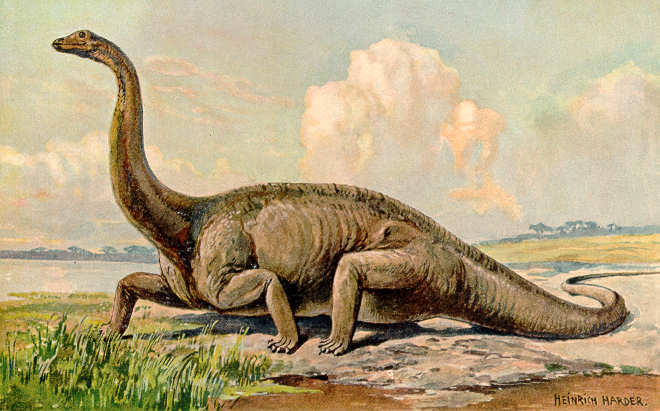
Amargasaurus belongs to the Dicraeosauridae family, a group of relatively small-bodied sauropods within the larger Diplodocoidea superfamily. This classification places it as a relative of other well-known dinosaurs like Diplodocus and Apatosaurus, though with significant anatomical differences. The dicraeosaurids as a group are characterized by their shorter necks compared to other sauropods and their distinctive neural spines. Amargasaurus shared its family with other interesting dinosaurs like Dicraeosaurus from Tanzania and Brachytrachelopan from Argentina, though Amargasaurus remains the most extreme example of neural spine development in the group. Phylogenetic analyses suggest that these unusual spine features evolved independently multiple times among different sauropod lineages, representing a fascinating case of convergent evolution in response to similar ecological pressures or for similar biological functions.
Physical Characteristics and Size

Amargasaurus was modest in size compared to many of its sauropod relatives, measuring approximately 9-10 meters (30-33 feet) in length and weighing around 2-3 tons. This makes it significantly smaller than giants like Argentinosaurus or Brachiosaurus, but still formidable by modern standards. The dinosaur possessed a relatively small head typical of sauropods, with a long tail and a barrel-shaped body supported by four column-like legs. Its most distinctive feature, however, was undoubtedly the double row of extremely elongated neural spines extending from its vertebrae. These spines were tallest in the neck region, where they could reach up to 60 centimeters (24 inches) in length. The overall body plan of Amargasaurus suggests it was well-adapted to its environment, with a build that balanced the need for defense with the requirements of feeding and locomotion in the Early Cretaceous landscapes of what is now Argentina.
The Enigmatic Double Spines
The most captivating feature of Amargasaurus is unquestionably its parallel rows of elongated neural spines that ran along its neck and back. These remarkable structures extended from the vertebrae in two distinct rows, creating a sail-like or fence-like appearance that has no exact parallel among other known dinosaurs. The spines were particularly pronounced in the cervical (neck) vertebrae, where they formed long, narrow projections that would have been highly visible in the living animal. Each spine was relatively thin but robust, suggesting they served an important biological function. The arrangement of these spines—paired and parallel rather than forming a single sail—distinguishes Amargasaurus from other dinosaurs with enlarged neural spines like Spinosaurus or Ouranosaurus, making it a truly unique specimen in the dinosaur record and prompting numerous scientific debates about their purpose and appearance in the living animal.
Theories About the Spine Function: Defense
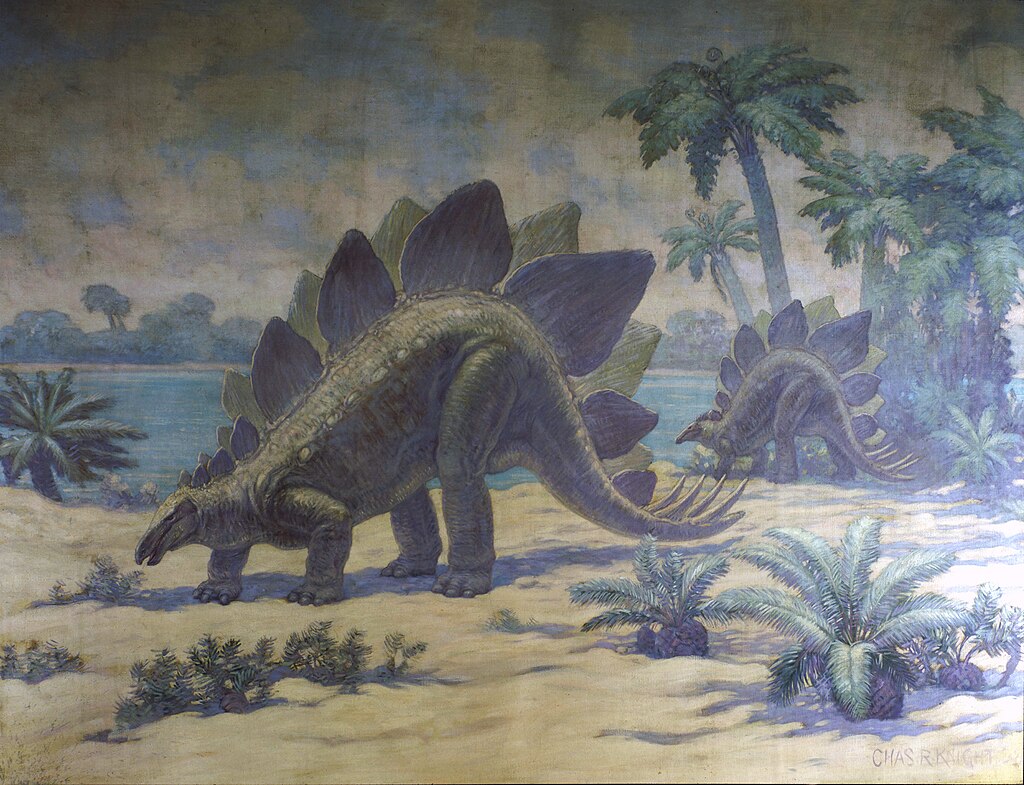
One prominent theory regarding Amargasaurus’s distinctive spines suggests they served a defensive purpose. According to this hypothesis, the long, pointed spines would have made the dinosaur appear larger and more formidable to potential predators, possibly deterring attacks from large theropods that shared its habitat. Some paleontologists have proposed that the spines may have been covered with a tough keratinous sheath, similar to the material in modern animal horns, potentially creating an even more effective defensive structure. The positioning of the spines along the vulnerable neck region lends credence to this theory, as they would have protected a vital area from predator attacks. Additionally, if a predator did attempt to bite the neck of Amargasaurus, the spines could have inflicted injury, making the sauropod a less appealing target for hunters in the Early Cretaceous ecosystems of South America.
Theories About the Spine Function: Display

An alternative explanation for Amargasaurus’s extraordinary spines centers on their potential role in visual display and species recognition. Under this theory, the paired rows of spines may have supported a sail-like structure or been adorned with skin or keratin that could have been brightly colored or patterned. Such ornamentation would have been valuable for intraspecific communication, potentially playing a crucial role in mate selection or establishing dominance hierarchies within Amargasaurus populations. Some researchers have suggested that the spines could have been used in elaborate courtship displays, with larger or more colorful spine arrangements signaling genetic fitness to potential mates. The considerable metabolic investment required to grow and maintain such elaborate structures supports the idea that they served an important social function, as natural selection typically favors such costly adaptations only when they provide significant reproductive advantages.
Theories About the Spine Function: Thermoregulation
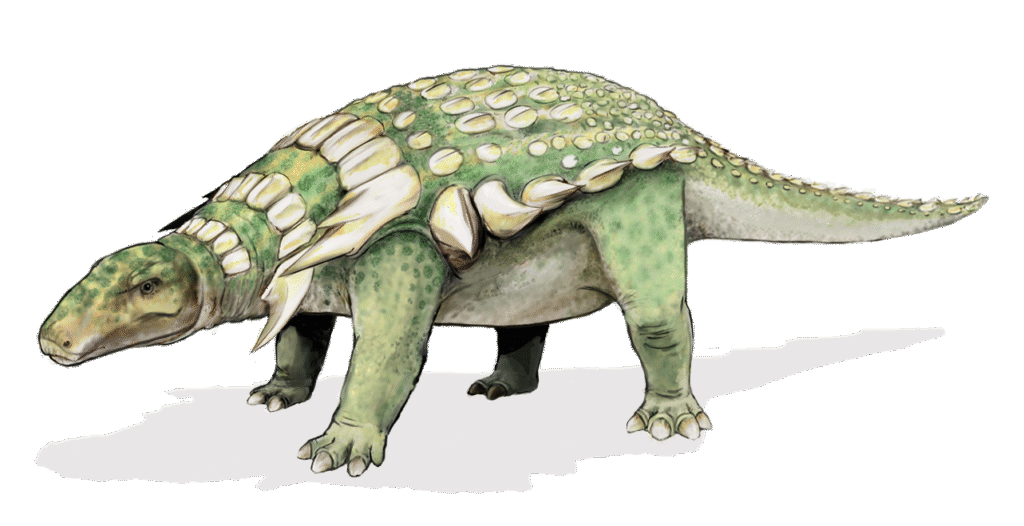
A third hypothesis regarding the function of Amargasaurus’s neural spines involves thermoregulation—the management of body temperature. According to this theory, the spines may have supported a sail-like structure of skin rich in blood vessels that could have helped the dinosaur regulate its body temperature by either collecting or dissipating heat. When exposed to sunlight, blood flowing through vessels in the sail would have warmed before circulating back through the body, potentially helping the animal warm up in cool morning conditions. Conversely, in hot conditions, the sail could have acted as a radiator, dissipating excess body heat as blood flowed through the exposed surface area. This thermoregulatory function has been proposed for other dinosaurs with enlarged neural spines, such as Spinosaurus and Dimetrodon (though the latter is actually a synapsid, not a dinosaur). However, the paired nature of Amargasaurus’s spines might have made them less efficient as heat exchangers than a single, continuous sail.
The “Fence” vs. “Sail” Debate

Among paleontologists, a significant debate continues regarding the soft tissue structure that would have surrounded Amargasaurus’s neural spines in life. The “sail” hypothesis suggests that skin stretched between the spines, creating twin parallel sails or a single sail with supporting internal structures. Proponents of this view often cite potential thermoregulatory or display functions as evidence. The competing “fence” or “quill” hypothesis proposes that the spines stood independently, perhaps covered with keratin sheaths but not connected by skin, similar to the quills of a porcupine or the spines of certain modern reptiles. This interpretation gained support from a 2015 study that examined the microstructure of the spines and found similarities to the horn cores of modern animals. The resolution of this debate has significant implications for our understanding of Amargasaurus’s appearance and ecology, as a sail-backed versus spine-backed reconstruction would suggest different biological functions and limitations for this unusual dinosaur.
Habitat and Environment
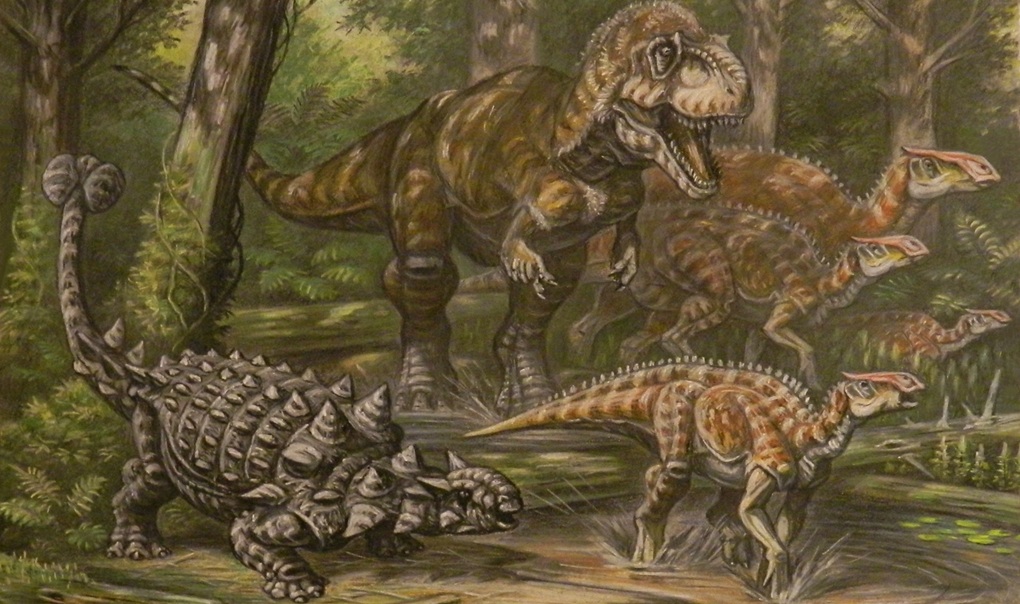
Amargasaurus inhabited what is now Argentina during the Early Cretaceous period, approximately 129-125 million years ago. The La Amarga Formation, where its fossils were discovered, preserves evidence of a diverse ecosystem that included floodplains, rivers, and forests. The climate of this region during the Early Cretaceous was likely warm and seasonal, with distinct wet and dry periods that influenced the vegetation and animal life. Amargasaurus shared its environment with a variety of other dinosaurs, including the large theropod Giganotosaurus, various other sauropods, and smaller dinosaurs like the swift Eoraptor. The habitat likely featured conifer forests, ferns, cycads, and early flowering plants, providing ample vegetation for herbivorous dinosaurs. The environmental conditions of this period, combined with the unique anatomical adaptations of Amargasaurus, suggest it occupied a specialized ecological niche within this ancient Patagonian ecosystem.
Feeding Habits and Diet
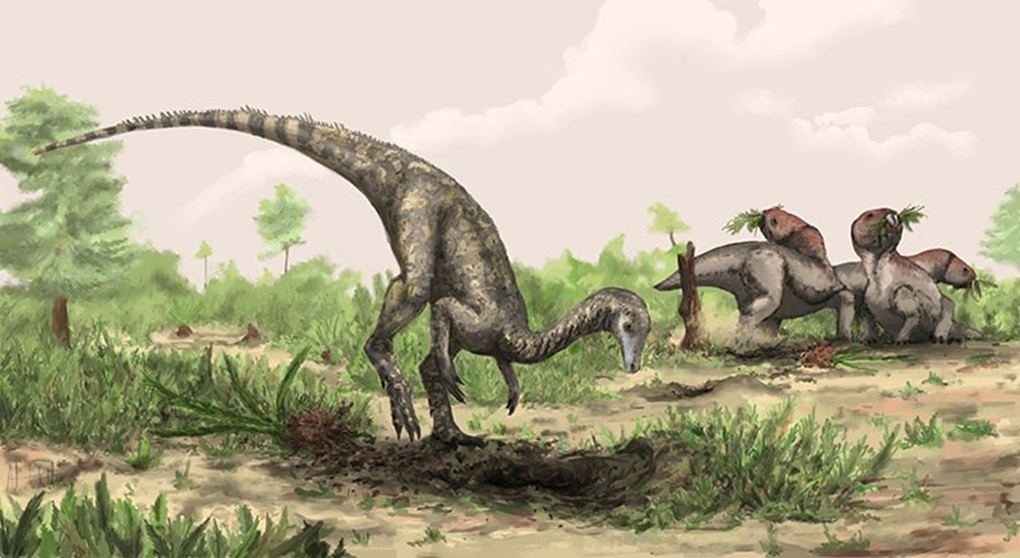
As a member of the sauropod group, Amargasaurus was undoubtedly herbivorous, but its specific feeding habits have been the subject of scientific investigation and debate. Its relatively small size compared to other sauropods and its shorter neck (even accounting for the elongated spines) suggest it may have browsed on vegetation at low to medium heights rather than reaching for the tallest trees. The skull of Amargasaurus, though incompletely preserved, indicates it had the typical pencil-like teeth of diplodocoid sauropods, which were likely used for stripping leaves from branches rather than chewing. Analyses of its neck vertebrae suggest Amargasaurus had less neck flexibility than some other sauropods, potentially limiting its feeding range but perhaps allowing for more specialized feeding strategies. Some paleontologists have proposed that the unusual neck structure might have allowed Amargasaurus to access food sources that were inaccessible to other contemporaneous herbivores, reducing competition and allowing it to thrive despite its relatively modest size.
Locomotion and Movement
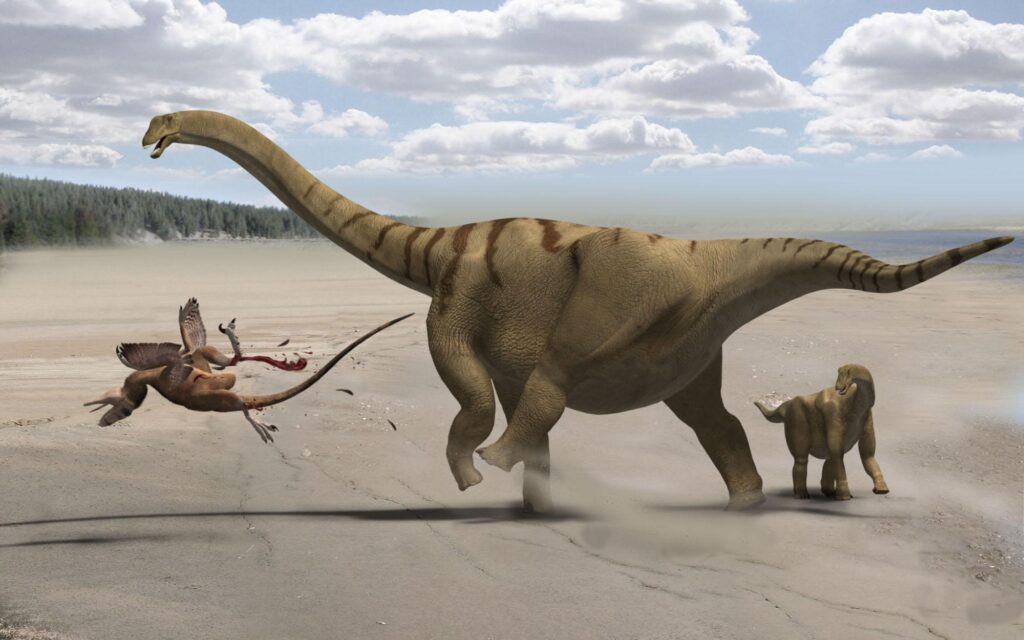
The locomotion capabilities of Amargasaurus would have been influenced by its unique anatomical features, particularly its distinctive spines. Like other sauropods, it walked on four column-like legs and likely moved with a slow, deliberate gait most of the time. The arrangement of its limb bones suggests it was well-adapted for supporting its weight while moving efficiently across the landscape. The presence of the elongated neural spines may have somewhat restricted its mobility, particularly lateral flexibility in the neck region, compared to other sauropods. Some studies suggest that the unique vertebral structure of Amargasaurus might have affected its center of gravity and consequently its movement patterns. Despite these potential limitations, the dinosaur was clearly successful in its ecological niche, suggesting its locomotion was well-adapted to its lifestyle and environment. Recent biomechanical analyses indicate that Amargasaurus could likely achieve speeds similar to other medium-sized sauropods when necessary, such as when fleeing from predators.
Scientific Significance and Ongoing Research

Amargasaurus continues to be a subject of significant paleontological interest, with ongoing research shedding light on its unusual anatomy and evolutionary history. The exceptional preservation of its fossil remains has allowed scientists to study its bone microstructure, providing insights into its growth patterns and physiology. Recent technological advances have enabled more sophisticated biomechanical analyses, helping researchers better understand how the animal’s unique spines affected its movement and behavior. Comparative studies with other unusual sauropods are revealing patterns of convergent and divergent evolution within this diverse group of dinosaurs. The continued discovery of new sauropod fossils from Argentina and other parts of South America provides additional context for understanding Amargasaurus’s place in dinosaur evolution. Furthermore, debates about the soft tissue structures associated with its spines continue to drive new research methodologies, including histological studies and comparisons with modern animals that possess similar anatomical features.
Cultural Impact and Representation
Since its description in 1991, Amargasaurus has captured the public imagination and become an iconic representative of the strange and wonderful diversity of prehistoric life. Its distinctive appearance has made it a popular subject in dinosaur books, museum exhibits, and paleoart, where various interpretations of its spines—from keratin-sheathed spikes to skin-covered sails—showcase the ongoing scientific debate about its true appearance. Amargasaurus has featured in various documentaries about prehistoric life, including specialized programs about South American dinosaurs and the evolution of sauropods. The dinosaur has also appeared in various video games, toys, and other media, often highlighted for its unique and almost fantastical appearance. In Argentina, Amargasaurus has particular cultural significance as one of the country’s most distinctive dinosaur discoveries, representing the rich paleontological heritage of Patagonia and featuring prominently in local museums and educational programs about the region’s prehistoric past.
Amargasaurus in the Context of South American Paleontology
Amargasaurus holds a special place in the rich paleontological history of South America, a continent that has yielded numerous significant dinosaur discoveries. Argentina in particular has emerged as one of the world’s most important regions for dinosaur fossils, with discoveries including some of the largest known sauropods like Argentinosaurus and Patagotitan. The discovery of Amargasaurus in the 1980s came during a period of renewed interest in South American paleontology, contributing to our understanding of the unique evolutionary paths taken by dinosaurs on the southern continents after the breakup of Pangaea. The work of José Bonaparte, who discovered Amargasaurus, was particularly influential in establishing Argentina as a center for paleontological research and in training a generation of South American scientists who continue to make important discoveries today. Amargasaurus thus represents not only a fascinating biological enigma but also an important chapter in the development of paleontology as a scientific discipline in South America.
Conclusion
Amargasaurus stands as one of paleontology’s most visually distinctive and scientifically intriguing dinosaurs. Its twin rows of elongated neural spines continue to spark debate among researchers, with theories ranging from defensive structures to display features to thermoregulatory adaptations. While we may never know with absolute certainty the true function and appearance of these spines in the living animal, ongoing research continues to narrow the possibilities. What remains clear is that Amargasaurus was a remarkable example of evolution’s capacity to produce specialized adaptations, allowing this medium-sized sauropod to thrive in the Early Cretaceous ecosystems of what is now Argentina. As both a scientific puzzle and a cultural icon, Amargasaurus reminds us that the reality of prehistoric life often surpasses the most imaginative science fiction, leaving us with dinosaurs that continue to amaze and inspire more than 125 million years after they walked the Earth.