
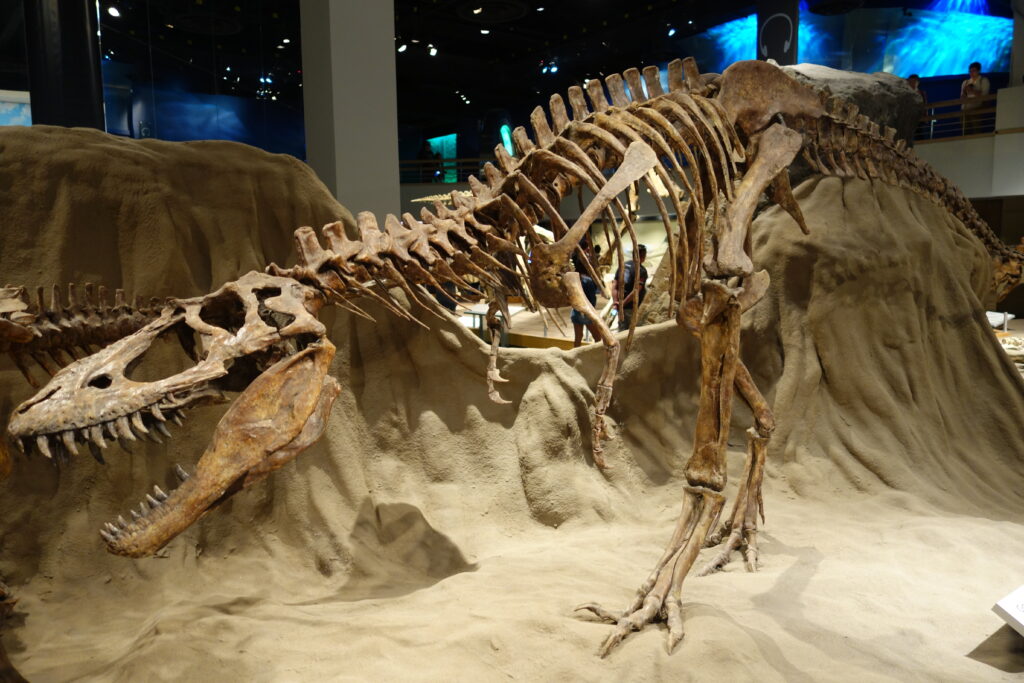
The fate of remains left exposed to the elements follows a fascinating and methodical progression that reveals nature’s efficiency in recycling organic matter. From the moment life departs, a complex choreography of decomposition begins, involving microorganisms, insects, scavengers, and environmental factors that gradually reduce flesh to bone and eventually return all elements to the earth. This natural process, while sometimes unsettling to contemplate, represents one of nature’s most fundamental cycles and provides valuable insights for fields ranging from forensic science to ecology. Understanding the timeline of what happens to unburied remains, particularly bones, offers a window into the intricate systems that maintain ecological balance and the inevitable return of all living matter to the environment.
The Initial Stages of Decomposition
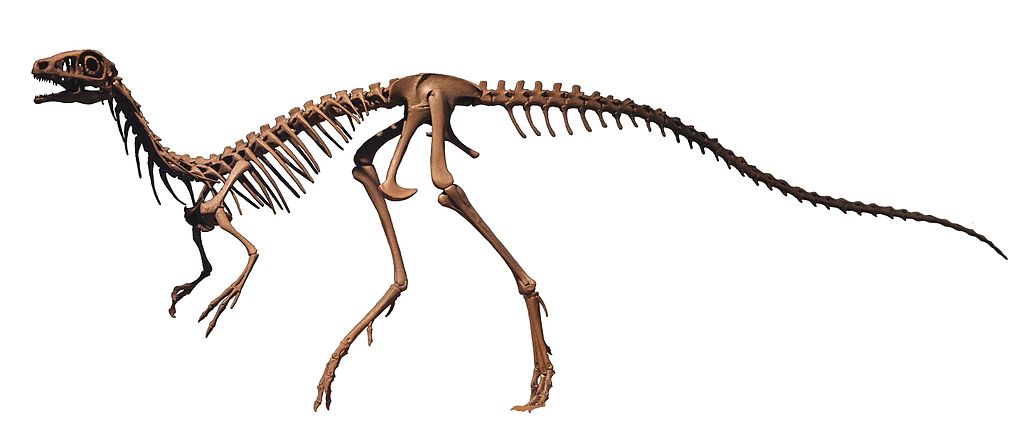
Before bones become the focus of decomposition, a body undergoes several preliminary stages that set the stage for skeletal exposure. Within minutes of death, cellular processes begin breaking down as oxygen supply ceases, triggering autolysis—essentially self-digestion—where cellular enzymes start breaking down surrounding tissues. Within hours, bacteria from the intestines begin migrating throughout the body, initiating putrefaction that produces the characteristic odors associated with decay. These early processes cause the body to progress through stages of discoloration, bloating, and active decay, during which tissues liquefy and begin to separate from the skeletal structure. This progression typically unfolds over days to weeks, depending significantly on environmental conditions, including temperature, humidity, and exposure to air, with warmer conditions dramatically accelerating the process compared to cold environments.
Exposure of the Skeleton

As soft tissues decompose, bones gradually become exposed in a process called skeletonization. This typically occurs within several weeks to months in warm, humid environments, but may take significantly longer in cold or arid conditions. The exposure follows a predictable pattern, with extremities like fingers, facial bones, and ribcage often becoming visible first due to their thinner covering of soft tissue. Larger muscle masses covering major bones like femurs and the pelvis take longer to decompose, resulting in these bones becoming exposed later in the process. Weather conditions play a significant role in this timeline, with rain potentially accelerating the removal of decomposed tissue while simultaneously introducing additional microbial activity. Scavengers also contribute substantially to exposing the skeleton, sometimes reducing a body to bones in remarkably short periods when access is unrestricted.
The Insect Colonization Phase

Insects represent nature’s first wave of large-scale decomposers, arriving within minutes to hours after death in a predictable succession that forensic entomologists have meticulously documented. Flies, particularly blowflies, typically arrive first, laying eggs in moist areas like eyes, mouth, and wounds, which hatch into larvae (maggots) that efficiently consume soft tissues. As decomposition progresses, different insect species arrive in waves: beetles that specialize in feeding on drier tissues, moth larvae that consume hair and clothing, and eventually dermestid beetles that are particularly efficient at cleaning remaining tissue from bones. This insect activity can dramatically accelerate the skeletonization process, with large maggot masses generating heat that speeds decomposition while simultaneously consuming tissue. Even after apparent skeletonization, microscopic remnants of tissue may remain on bones, attracting specialized insects that can continue cleaning the skeleton for months.
Mammalian Scavengers and Their Impact

Mammalian scavengers play a crucial role in rapidly reducing remains and dispersing bones across the landscape. Large scavengers like wolves, coyotes, bears, and wild pigs can locate remains quickly, sometimes within hours, using their keen sense of smell to detect decomposition odors from considerable distances. These animals not only consume soft tissues but also often carry off limbs and smaller bones, potentially dispersing skeletal elements over large areas and complicating recovery efforts in forensic cases. Rodents such as rats and mice typically arrive later in the process, gnawing on bones for their mineral content and leaving distinctive parallel grooves that forensic anthropologists can identify. This scavenging activity significantly alters the decomposition timeline, potentially reducing a body to scattered skeletal remains in days rather than the weeks or months that might otherwise be required, especially in wilderness areas with healthy predator populations.
Avian Scavengers and Their Specialized Roles

Birds represent another critical component of nature’s cleanup crew, with vultures, ravens, crows, and other scavenging species contributing significantly to the decomposition process. Vultures, with their exceptional vision and specialized digestive systems, can locate and consume remains with remarkable efficiency, reducing a body to bones in a matter of hours when operating in groups. Their highly acidic stomach contents allow them to safely consume decomposing flesh that would sicken other animals, and their bald heads evolved specifically to stay clean while feeding deep within carcasses. Corvids (crows and ravens) often locate remains before larger scavengers arrive, using their intelligence to remember carcass locations and sometimes caching pieces of remains for later consumption. These avian scavengers typically focus on softer tissues rather than bones themselves, but their activity significantly speeds exposure of the skeleton, and their presence often attracts other scavengers to the scene.
Environmental Factors Affecting Bone Preservation
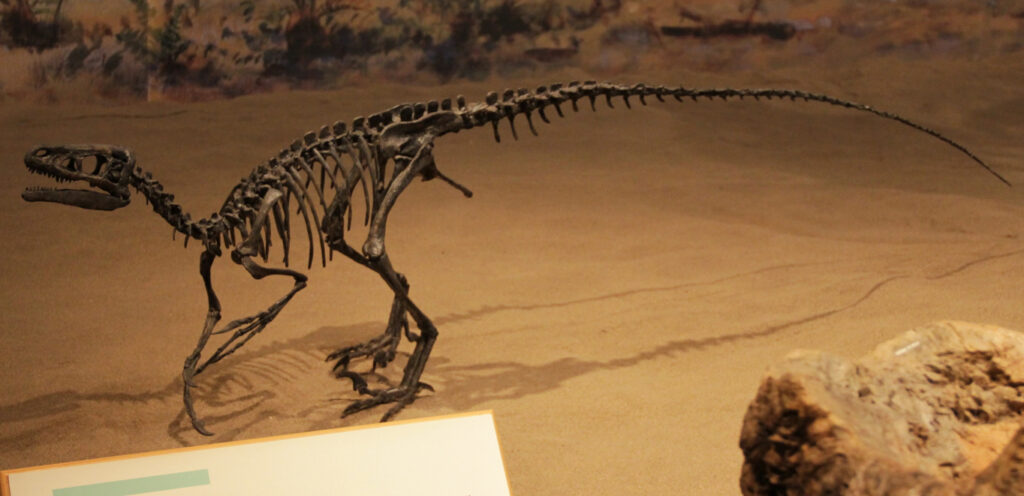
Once skeletonized, a bone’s longevity depends largely on the environmental conditions to which it’s exposed. Acidic soils accelerate deterioration by dissolving the mineral component of bone, while alkaline environments tend to preserve skeletal remains for longer periods. Humidity plays a crucial role, with alternating wet and dry conditions causing bones to expand and contract, creating microfractures that accelerate breakdown. Ultraviolet radiation from direct sunlight damages organic components in bone, causing bleaching, cracking, and eventually structural failure. Temperature fluctuations similarly stress bone structure, with freeze-thaw cycles being particularly destructive as water inside microscopic bone spaces expands when frozen, gradually fracturing the bone from within. In extreme environments, bones may preserve remarkably well—desert conditions can mummify remains and preserve bones for centuries, while waterlogged anaerobic environments sometimes preserve remains for millennia.
The Weathering Sequence of Exposed Bones
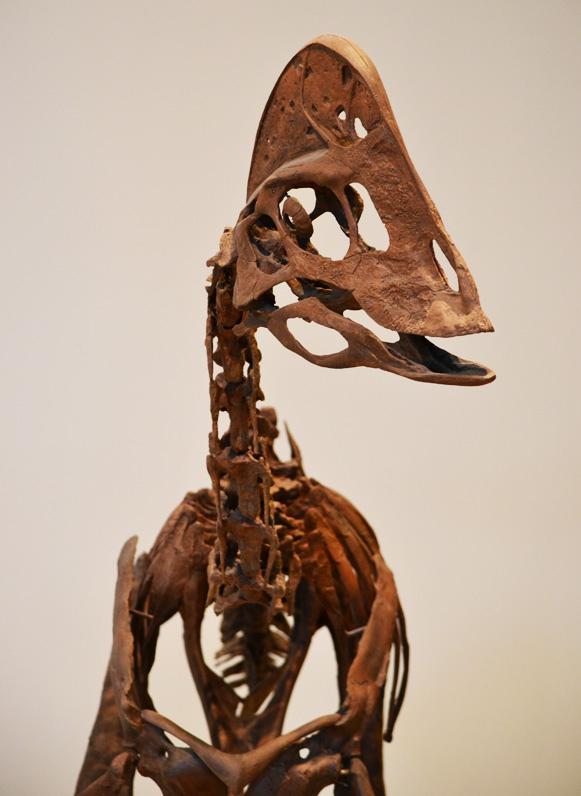
Forensic anthropologists and taphonomists (scientists who study what happens to organisms after death) have identified distinct stages in bone weathering that occur in a predictable sequence. Initially, fresh bones appear greasy and may retain some soft tissue, gradually progressing to show surface cracking and flaking as they dry out. As weathering continues, deeper cracks develop along the bone’s structural lines, eventually leading to extensive exfoliation of outer layers. Advanced weathering causes bones to become highly porous and chalky, losing their structural integrity and beginning to crumble at the edges and ends. The final stages involve complete fragmentation, with bones breaking down into increasingly smaller pieces until they eventually disintegrate entirely into the surrounding soil. This weathering sequence provides valuable information for estimating how long bones have been exposed, though the timeline varies dramatically depending on climate—what might take decades in temperate environments could require only years in harsh conditions.
Microbial Decomposition of Bone
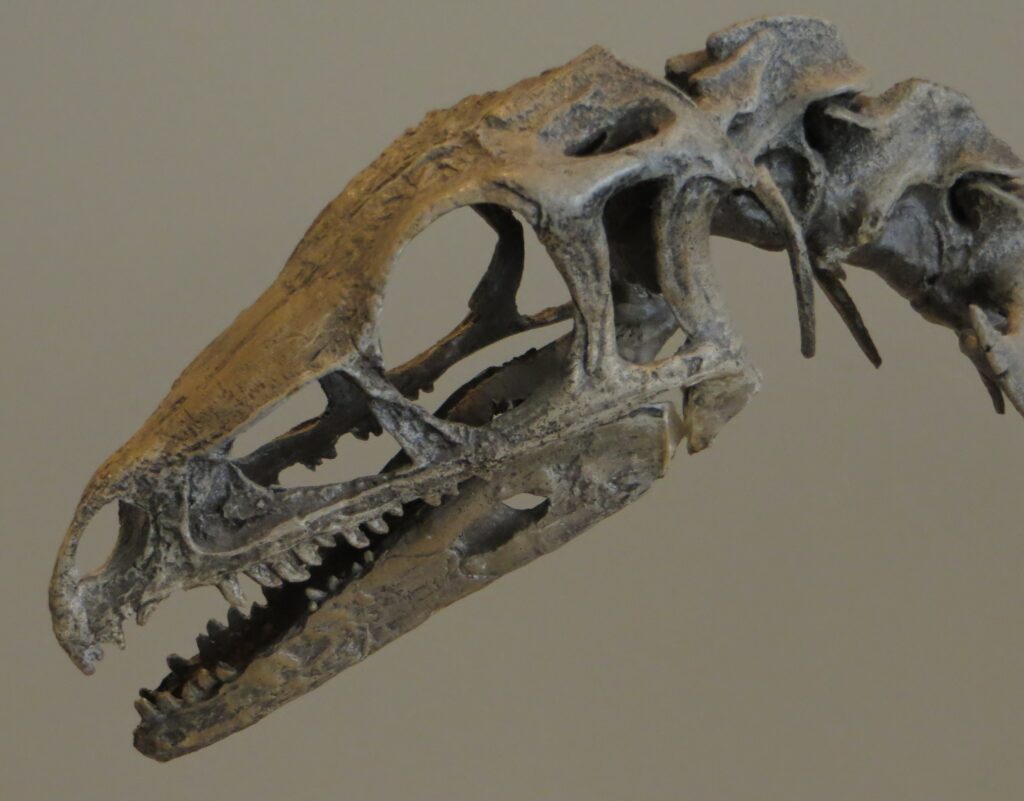
While often overlooked in favor of more visible decomposers, microorganisms play a fundamental role in the eventual breakdown of skeletal remains. Bacteria and fungi attack the organic components of bone, particularly collagen, which comprises roughly 30% of bone material and provides its flexibility and resistance to shattering. These microorganisms secrete enzymes that break down complex proteins into simpler compounds they can absorb, gradually hollowing out the bone’s internal structure. Certain fungi species are particularly efficient bone decomposers, with their hyphae (fungal threads) penetrating microscopic pores in bone tissue to access nutrients. This microbial activity leaves characteristic microscopic tunneling patterns that forensic scientists can identify under microscopic examination. In soil environments, actinomycetes—filamentous bacteria commonly found in soil—contribute significantly to bone breakdown, working slowly but persistently over years and decades to return calcium and phosphorus from bones to the soil ecosystem.
Chemical Degradation Processes
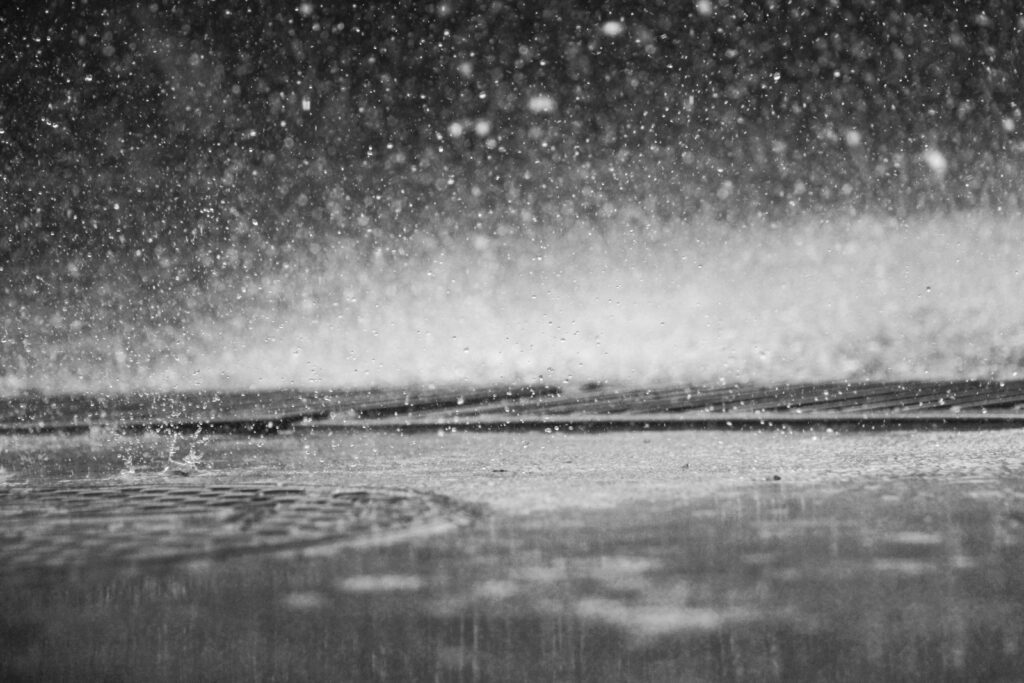
Beyond biological decomposers, bones undergo various chemical processes that gradually return their components to the environment. Hydroxyapatite, the mineral compound that gives bones their rigidity, slowly dissolves in acidic environments through a process called demineralization, releasing calcium and phosphate ions into the surrounding soil. Rainwater, particularly acid rain in industrialized areas, accelerates this process by introducing additional acidity that breaks down bone minerals more rapidly. Oxidation affects the organic components of bone, causing collagen molecules to break down and lose their structural properties, resulting in increased brittleness. Bones left in waterlogged environments undergo hydrolysis, where water molecules break chemical bonds in both protein structures and mineral components. These chemical processes work synergistically with biological decomposers, with each making the bone more vulnerable to the other—microbial activity exposes more surface area to chemical breakdown, while chemical degradation makes organic components more accessible to microorganisms.
Bones in Aquatic Environments

Remains that end up in water follow a significantly different decomposition trajectory compared to those on land. In aquatic environments, bones experience unique preservation challenges and opportunities, with running water physically eroding bone surfaces while simultaneously leaching out minerals. Marine environments introduce specialized decomposers like certain crustaceans and mollusks that can bore into bone tissue, while salt water alters preservation chemistry compared to fresh water. Waterlogged bones often develop a characteristic greasy, waxy consistency as fats undergo saponification (conversion to soap-like substances) rather than normal decomposition. Deep water environments with cold temperatures and limited oxygen can remarkably preserve bones, sometimes for centuries, as evidenced by well-preserved skeletal remains recovered from historic shipwrecks. Alternately, bones in shallow, warm waters with abundant aquatic life may deteriorate much faster than their terrestrial counterparts due to constant exposure to water movement and specialized aquatic decomposers.
The Final Fate: Fossilization or Dissolution
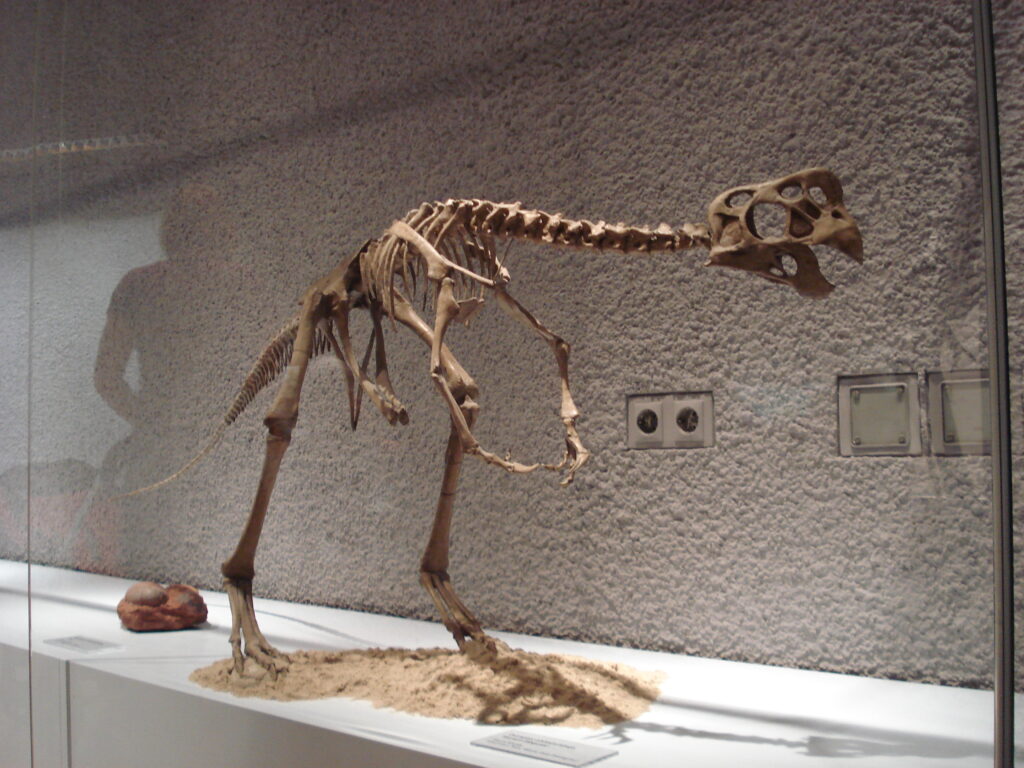
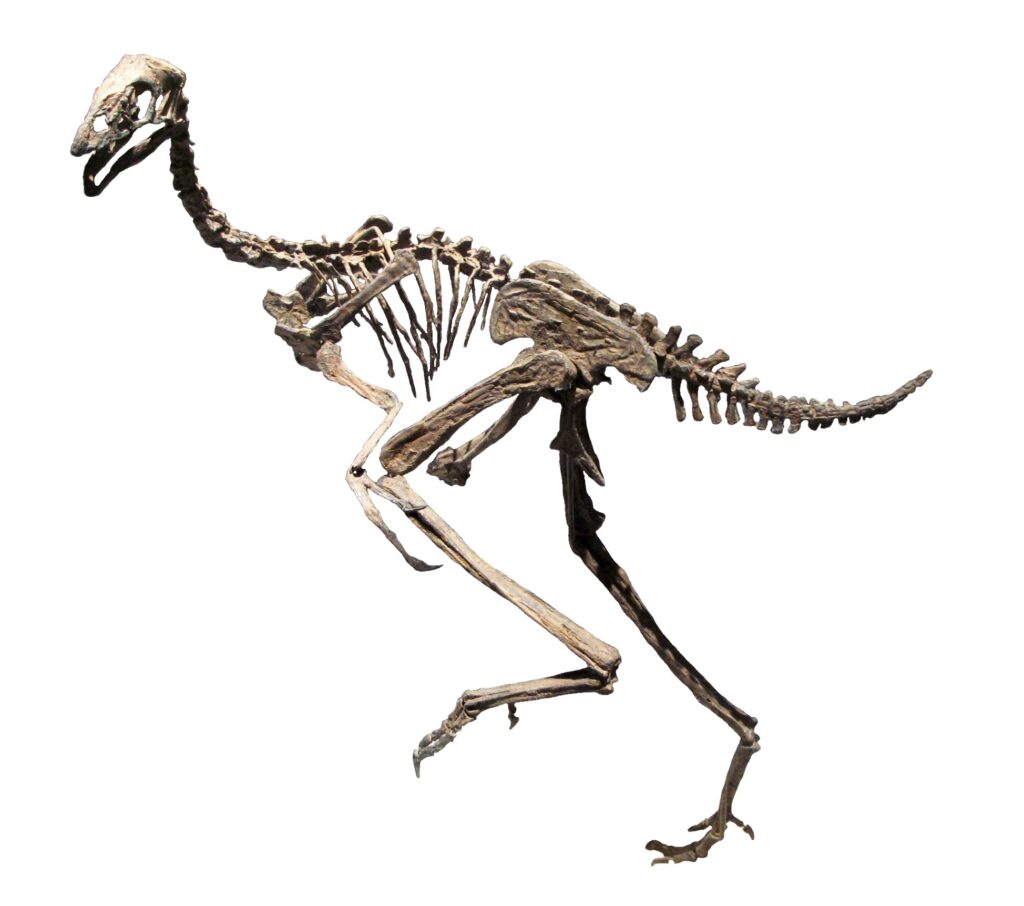
For the vast majority of bones left unburied, complete dissolution into the environment represents their ultimate fate, with the timeline ranging from years to decades depending on environmental conditions. However, in rare circumstances where bones are quickly buried in sediment that limits oxygen exposure and introduces mineralizing compounds, fossilization may occur. This process begins with permineralization, where minerals from surrounding groundwater fill the microscopic spaces within bone, essentially turning it to stone while maintaining its original structure. More complete fossilization involves the gradual replacement of original bone material with minerals like silica, calcite, or pyrite in a molecule-by-molecule exchange that can preserve extraordinary detail. The conditions required for fossilization are exceedingly rare in nature, requiring rapid burial, oxygen-poor environments, and mineral-rich groundwater, explaining why only an estimated 0.1% of all organisms that have ever lived became fossils. Without these special conditions, bones inevitably return to their elemental components, completing the natural cycle.
Forensic Applications of Bone Decomposition Knowledge

Understanding the timeline and processes of bone decomposition provides invaluable tools for forensic investigators attempting to establish time since death in criminal cases. Forensic anthropologists examine bone weathering patterns, insect succession evidence, and chemical changes to estimate how long remains have been exposed, often providing crucial timeline evidence in homicide investigations. The presence or absence of specific scavenger marks on bones can indicate the geographic region where decomposition occurred, as different regions have characteristic scavenger populations leaving identifiable patterns. Environmental conditions at the recovery site, from soil pH to temperature patterns, help investigators reconstruct the decomposition timeline with increasing accuracy. Modern forensic techniques include isotope analysis of bones to determine the geographic origin of the deceased, microscopic examination for weathering patterns invisible to the naked eye, and even DNA extraction techniques optimized for degraded skeletal remains. This knowledge serves not only justice in criminal cases but also humanitarian efforts to identify disaster victims and repatriate historical remains.
Cultural and Ecological Perspectives on Bone Decomposition
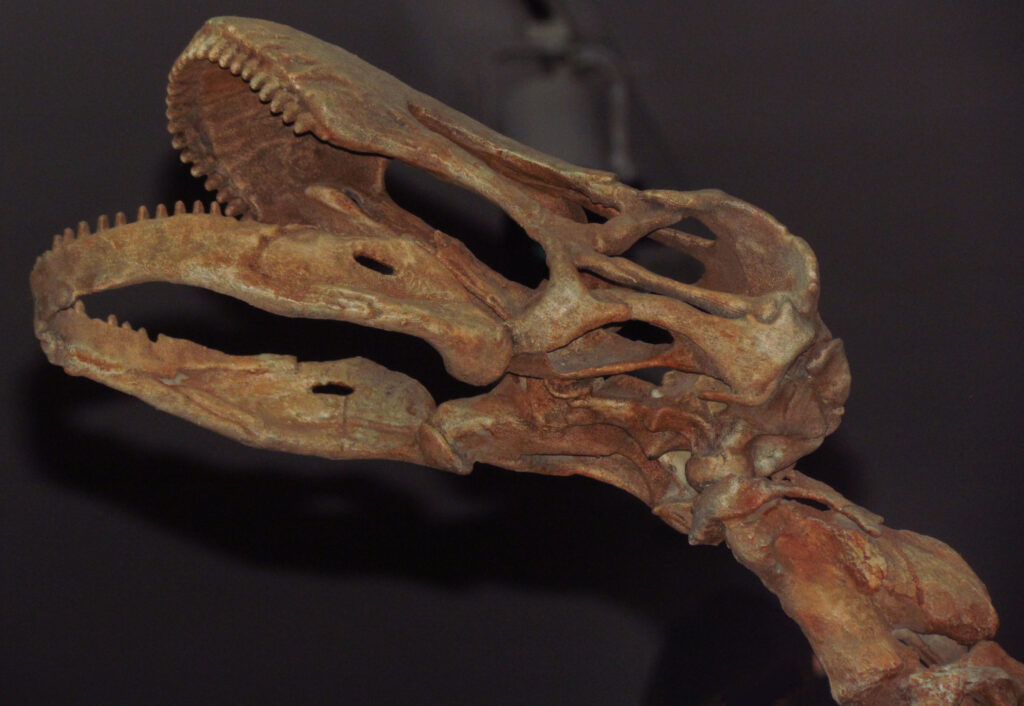
Different cultural traditions around the world have developed varying perspectives on the natural processes of decomposition, with some traditions embracing exposure as an integral part of funerary practices. Tibetan sky burials, for instance, involve deliberately placing the deceased on elevated platforms for vultures to consume, viewing this as both practical in the rocky landscape and spiritually meaningful as a final act of generosity. From an ecological perspective, exposed remains play a vital role in nutrient cycling, with calcium and phosphorus from bones being particularly important for ecosystem health in some environments. Conservation biologists recognize bone decomposition as supporting biodiversity by providing resources for specialized decomposer species, from insects to microorganisms that have evolved specifically to process remains. The study of taphonomy—how organisms decay and become fossils—bridges archaeology, paleontology, and ecology, revealing how decomposition processes have shaped the fossil record that informs our understanding of evolutionary history. These diverse perspectives highlight how bone decomposition, far from being merely a morbid subject, connects to fundamental aspects of culture, ecology, and scientific understanding.
Conclusion
In conclusion, the journey of unburied bones represents one of nature’s most efficient recycling systems—a process that ultimately returns every element of our physical existence to the environment. From the initial work of insects and microorganisms to the final chemical breakdown of mineral components, this progression follows predictable patterns that have evolved over millions of years to ensure no resource goes to waste. While cultural practices often separate humans from this natural cycle through burial or cremation, understanding the fate of exposed remains connects us to the fundamental processes that govern all life on Earth. This knowledge serves practical applications in forensic science and ecology while simultaneously offering philosophical perspectives on the temporary nature of physical existence and the continuous cycles of transformation that characterize our natural world.