Imagine standing next to a creature so massive that its heart alone weighs as much as a small car. Now picture another giant, one that walked the Earth millions of years ago, whose bones tell stories of unimaginable size and power. The blue whale reigns supreme as the largest animal ever known to exist on our planet, reaching lengths of up to 100 feet and weights that can exceed 200 tons. But deep in the fossil record lies evidence of prehistoric titans that challenge our understanding of what it means to be truly colossal.
The Blue Whale Benchmark
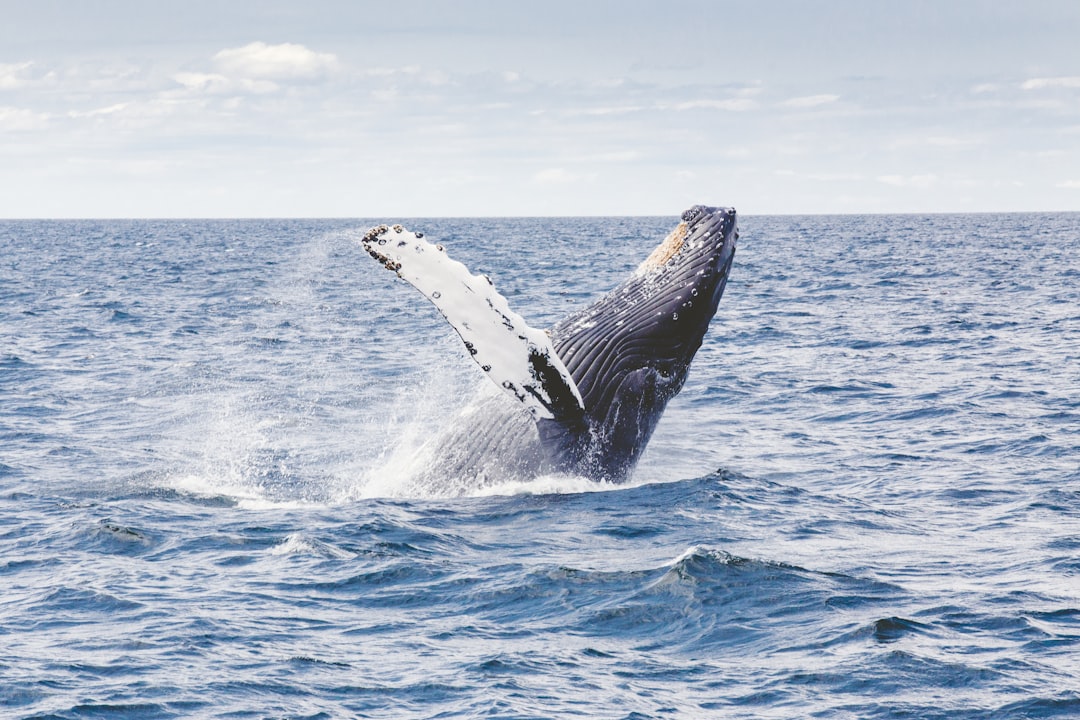
Blue whales represent the absolute pinnacle of animal size in Earth’s history, with the largest recorded specimens reaching 29.9 meters in length and weighing an estimated 173 tons. These marine giants benefit from water’s buoyancy, which allows them to support massive body weights that would be impossible on land.
Their incredible size is supported by an equally impressive feeding strategy, consuming up to 4 tons of krill daily during feeding season. The whale’s streamlined body design and aquatic environment create the perfect conditions for achieving maximum size without the structural limitations that land animals face.
The Sauropad Giants
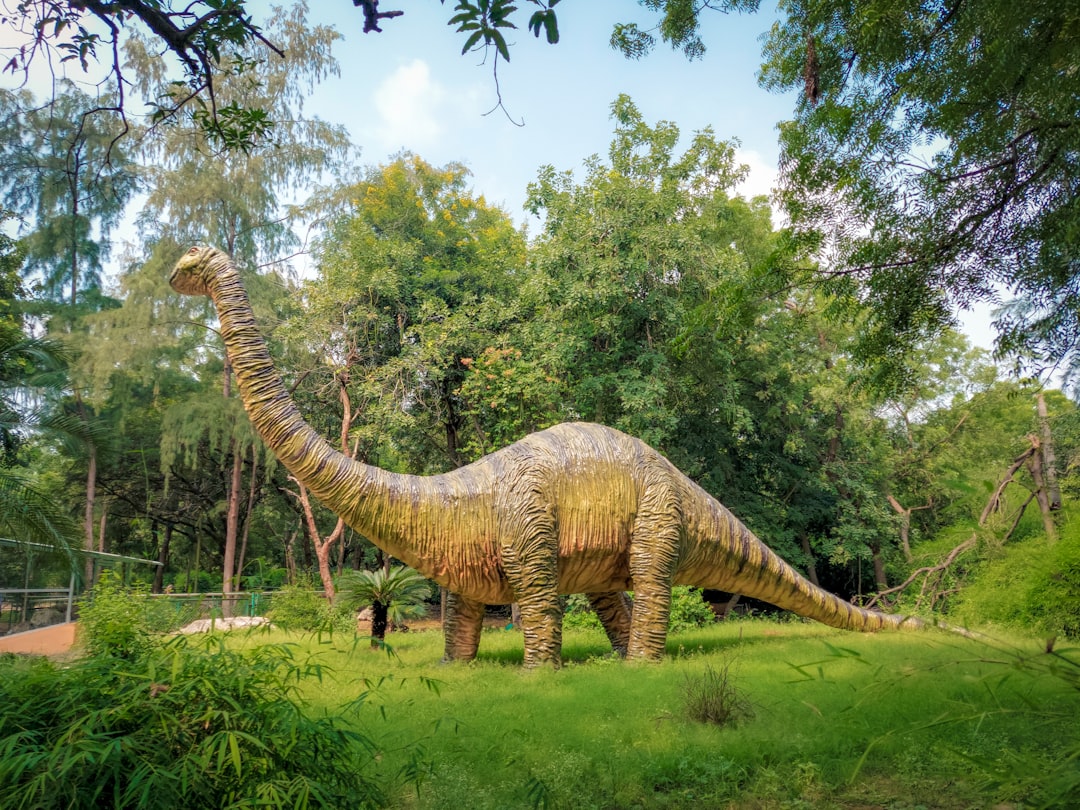
When we think of massive dinosaurs, the long-necked sauropods immediately come to mind, and for good reason. These prehistoric herbivores evolved body plans specifically designed to maximize size while maintaining structural integrity on land. Diplodocus, Brontosaurus, and their relatives pushed the boundaries of terrestrial life to extremes that seem almost impossible.
The key to sauropod success lay in their unique anatomical features: hollow bones that reduced weight, incredibly long necks that allowed them to feed efficiently, and four-legged stances that distributed their massive weight across multiple support points. Their bodies were essentially living bridges, engineered by millions of years of evolution to be as large as physically possible on dry land.
Argentinosaurus: The Heavyweight Champion
Among all dinosaurs, Argentinosaurus stands as the most likely candidate to rival blue whale proportions. This South American giant lived approximately 95 million years ago and represents the absolute upper limit of what land animals could achieve. Paleontologists estimate this colossal sauropod reached lengths of 35-40 meters and weights between 80-100 tons.
What makes Argentinosaurus particularly fascinating is that we’re still discovering the full extent of its size. Only fragmentary remains have been found, including vertebrae the size of dining room tables and limb bones that dwarf those of any other land animal. Each new discovery seems to push the size estimates even higher.
The challenge with Argentinosaurus lies in the incomplete fossil record, which makes precise weight calculations difficult. However, even conservative estimates place this dinosaur in the same weight class as smaller blue whales.
Patagotitan: The New Contender
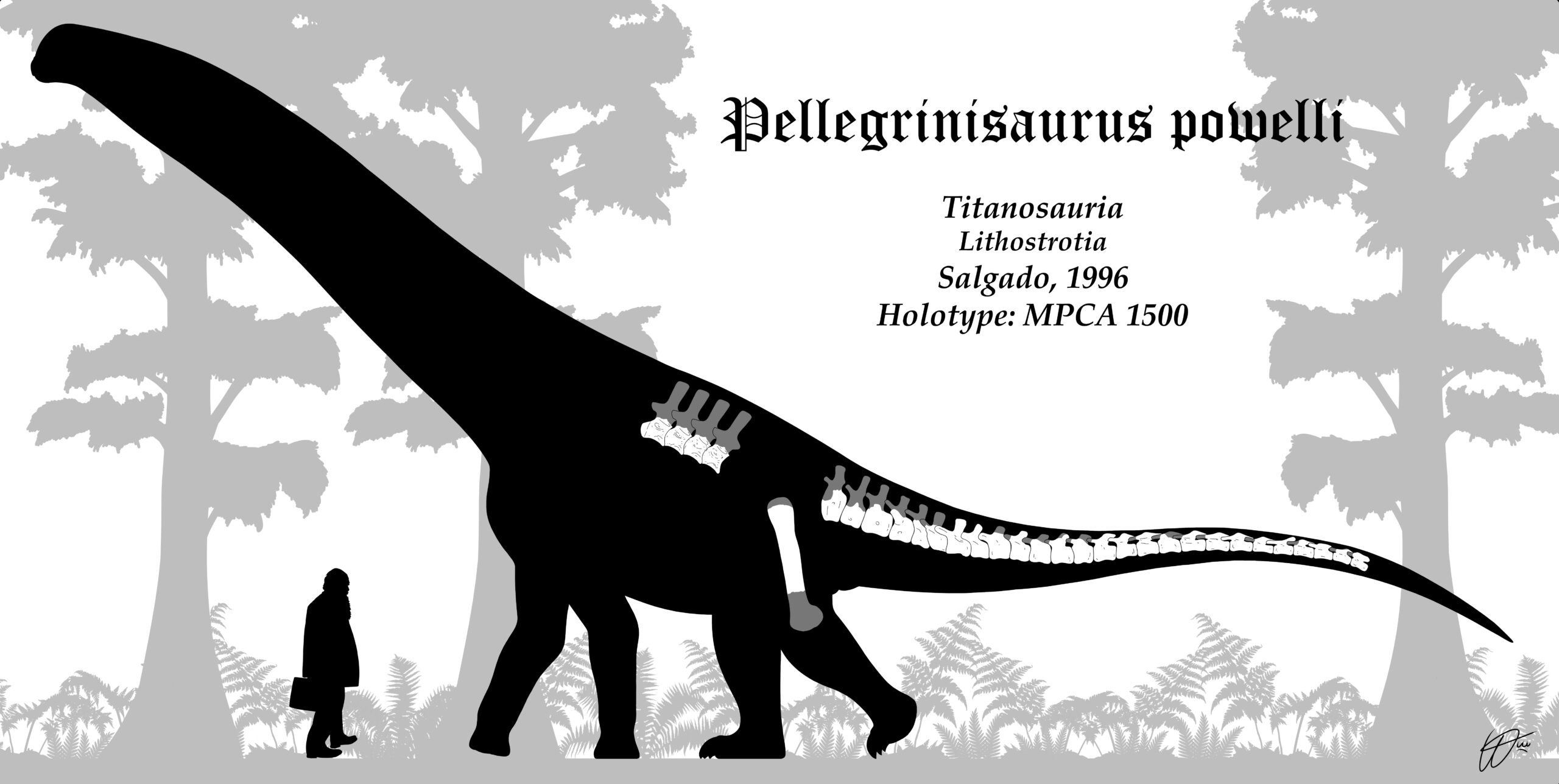
Recent discoveries in Argentina have revealed another massive sauropod that might give blue whales a run for their money. Patagotitan mayorum, discovered in 2014, represents one of the most complete giant sauropod skeletons ever found. This incredible find has allowed scientists to create more accurate size estimates than ever before.
Preliminary studies suggest Patagotitan reached lengths of up to 37 meters and weighed between 69-77 tons. While slightly smaller than the largest Argentinosaurus estimates, the more complete skeleton provides greater confidence in these measurements. The discovery of multiple individuals at the same site suggests these giants lived in herds, painting a picture of landscapes dominated by creatures of unimaginable size.
The Physics of Giant Land Animals
Understanding whether any dinosaur could match blue whale weights requires delving into the physics of being massive on land versus in water. Terrestrial animals face the square-cube law, where volume increases faster than surface area as size scales up. This creates enormous challenges for circulation, breathing, and structural support.
Sauropods evolved several ingenious solutions to overcome these limitations. Their bones contained extensive air sacs similar to those found in modern birds, reducing weight while maintaining strength. Their long necks allowed efficient feeding without moving their massive bodies, while their columnar legs functioned like biological pillars.
Despite these adaptations, land-based giants still faced absolute limits that aquatic animals don’t encounter. Water provides buoyancy that effectively reduces body weight, allowing marine animals to achieve sizes impossible on land.
Dreadnoughtus: The Measured Giant
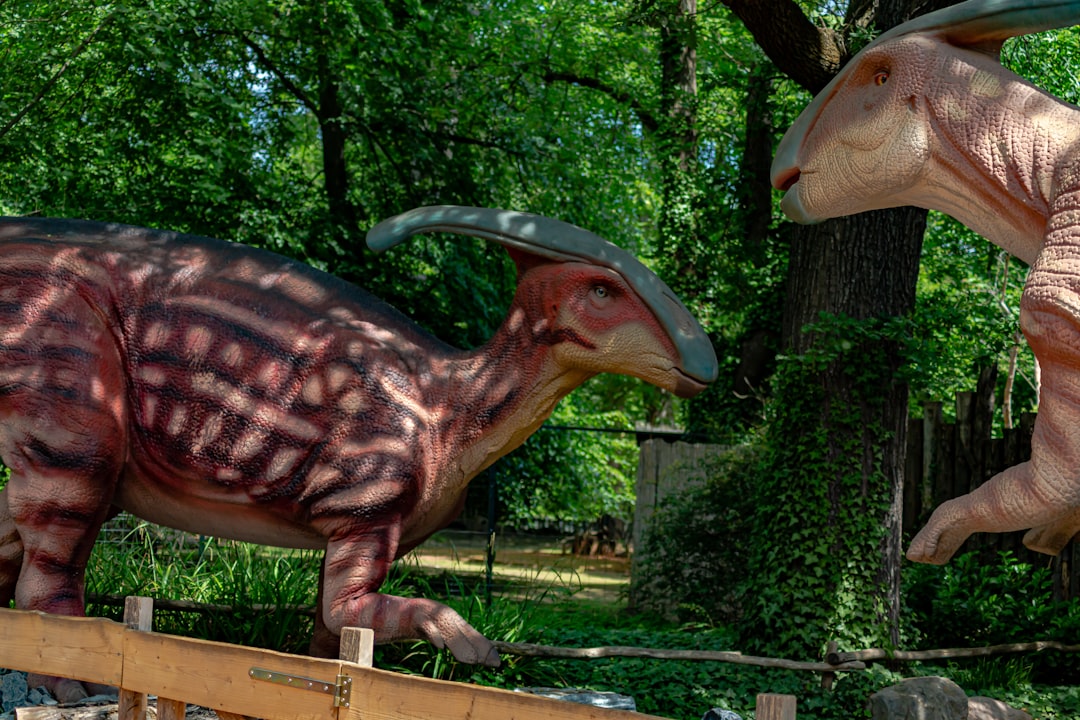
Dreadnoughtus schrani provides some of the most reliable size data for giant sauropods because of its exceptionally complete skeleton. This Late Cretaceous giant from Argentina weighed an estimated 59 tons and measured about 26 meters in length. While smaller than the largest estimates for other sauropods, Dreadnoughtus offers scientific confidence that massive land animals could indeed approach blue whale proportions.
The name Dreadnoughtus, meaning “fears nothing,” perfectly captures the reality of an animal so large that it had no natural predators as an adult. Its fossilized remains include about 70% of the skeleton, making it one of the most complete giant dinosaur discoveries ever made.
Amphicoelias: The Lost Colossus
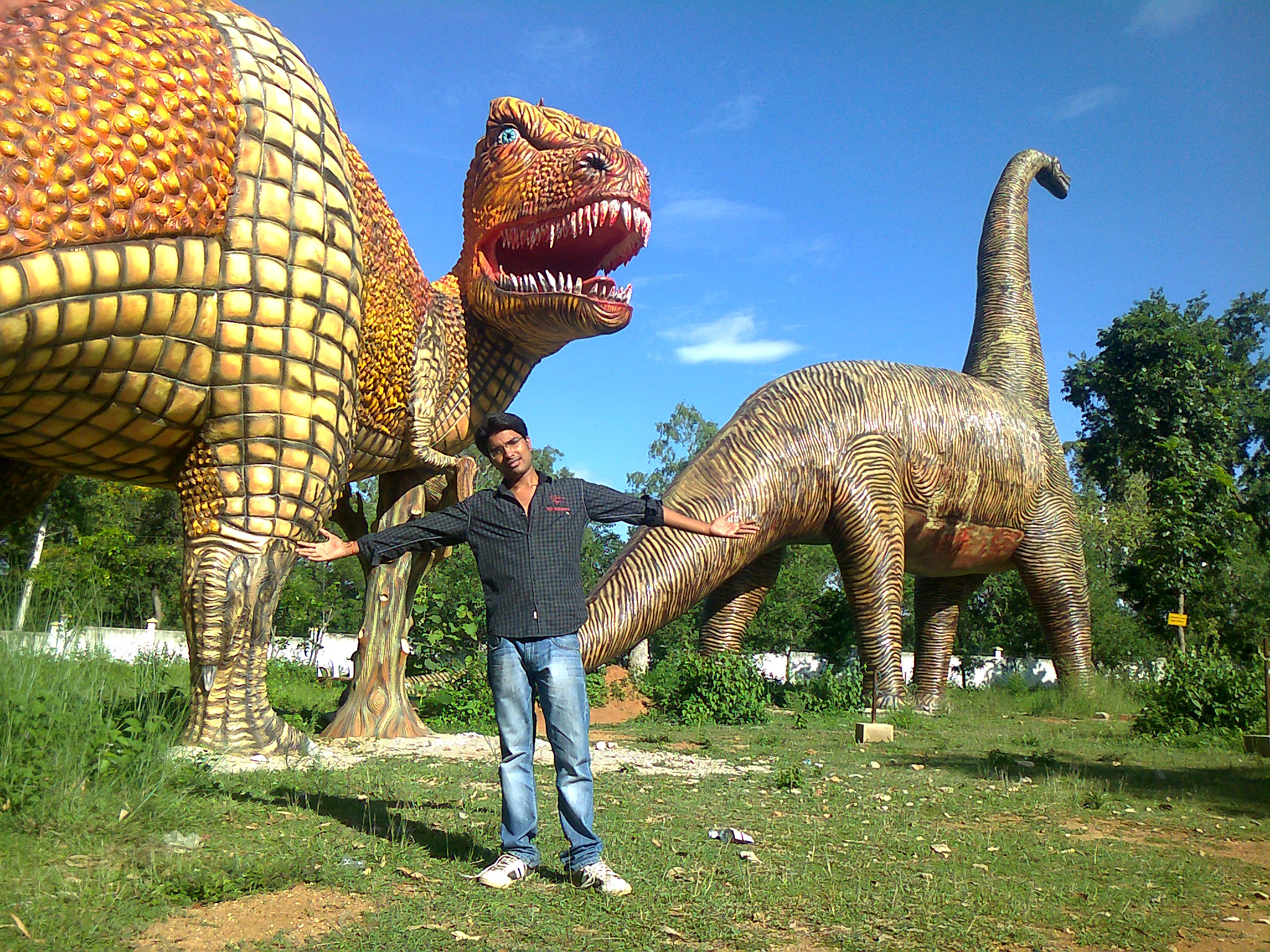
Perhaps the most tantalizing evidence of a dinosaur that might have exceeded blue whale weights comes from a specimen that no longer exists. Amphicoelias fragillimus was described in 1878 based on a single massive vertebra discovered in Colorado. The original fossil was lost, leaving only drawings and measurements that suggest a creature of almost mythical proportions.
If the original measurements were accurate, Amphicoelias might have reached lengths of 58 meters and weights exceeding 120 tons, putting it firmly in blue whale territory. However, many paleontologists now question these estimates, suggesting the original fossil may have been misidentified or the measurements exaggerated.
The mystery of Amphicoelias represents one of paleontology’s greatest “what if” scenarios, highlighting how much we still don’t know about the upper limits of dinosaur size.
The Titanosaur Family
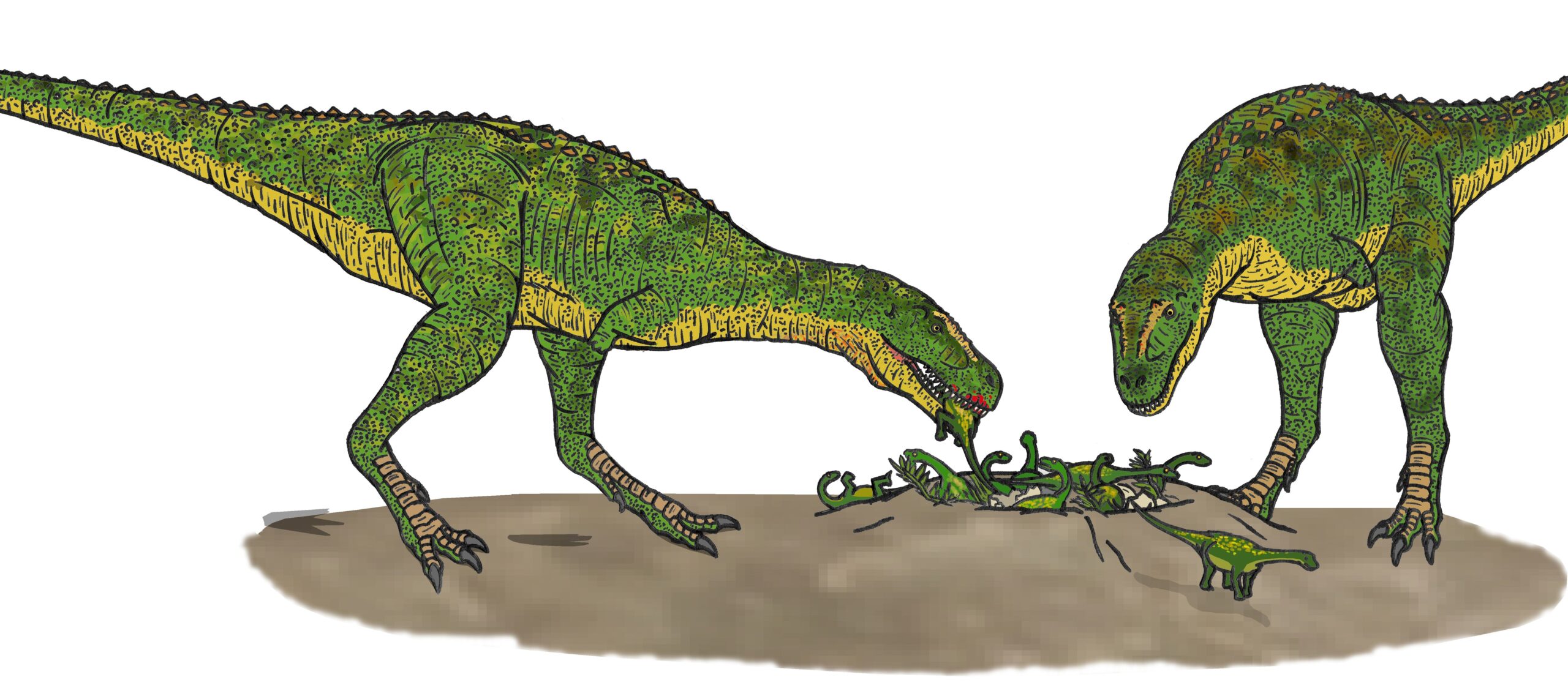
The titanosaurs, a group of sauropods that dominated the Late Cretaceous period, produced some of the largest land animals ever discovered. This diverse family includes Argentinosaurus, Patagotitan, and Dreadnoughtus, among others. Each new titanosaur discovery seems to push the boundaries of possible size even further.
What’s remarkable about titanosaurs is their global distribution and success. These giants lived on every continent, adapting to various environments while maintaining their colossal size. Their success suggests that being massive provided significant evolutionary advantages, from avoiding predation to accessing food sources unavailable to smaller animals.
Comparative Anatomy: Dinosaur vs Whale
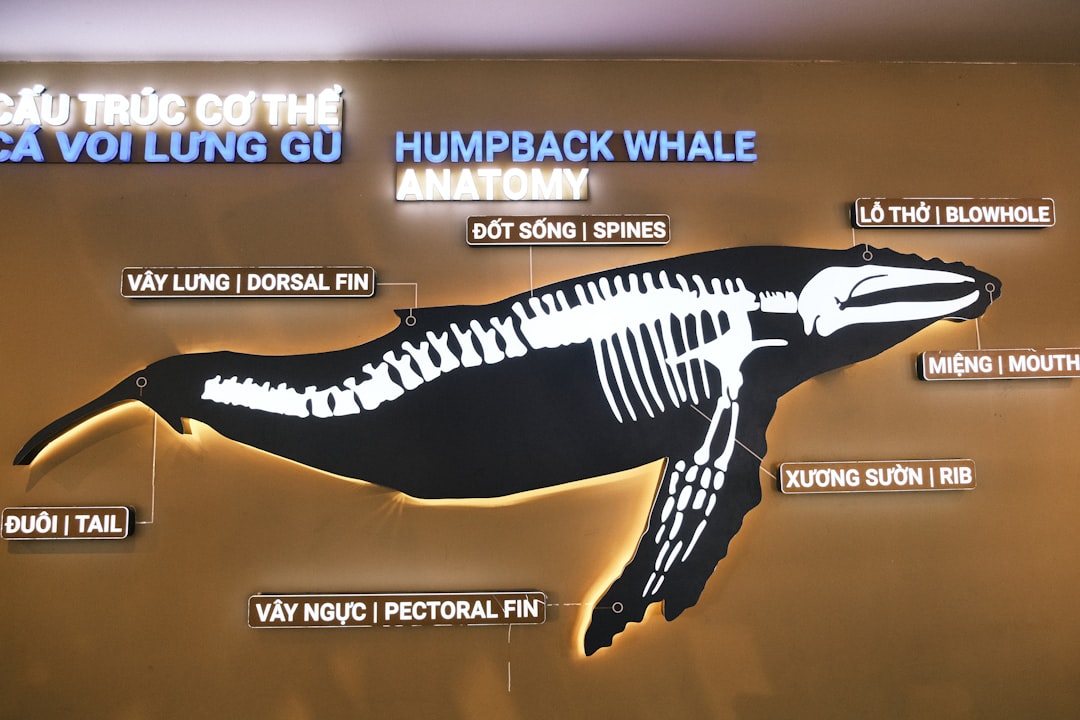
Comparing dinosaur and whale anatomy reveals fascinating insights into how different body plans can achieve massive size. Blue whales are essentially living torpedoes, with streamlined bodies optimized for efficient movement through water. Their internal organs are compressed into a relatively compact space, with the majority of their body consisting of blubber and muscle.
Giant sauropods, in contrast, were built like living skyscrapers. Their long necks and tails distributed weight over enormous lengths, while their massive torsos housed proportionally larger digestive systems needed to process plant material. This fundamental difference in body architecture affects how we calculate and compare their total masses.
The metabolic requirements of these giants also differed dramatically. Blue whales are warm-blooded marine mammals with high energy needs, while sauropods were likely somewhere between cold-blooded and warm-blooded, with lower metabolic rates per unit of body mass.
The Fossil Evidence Challenge
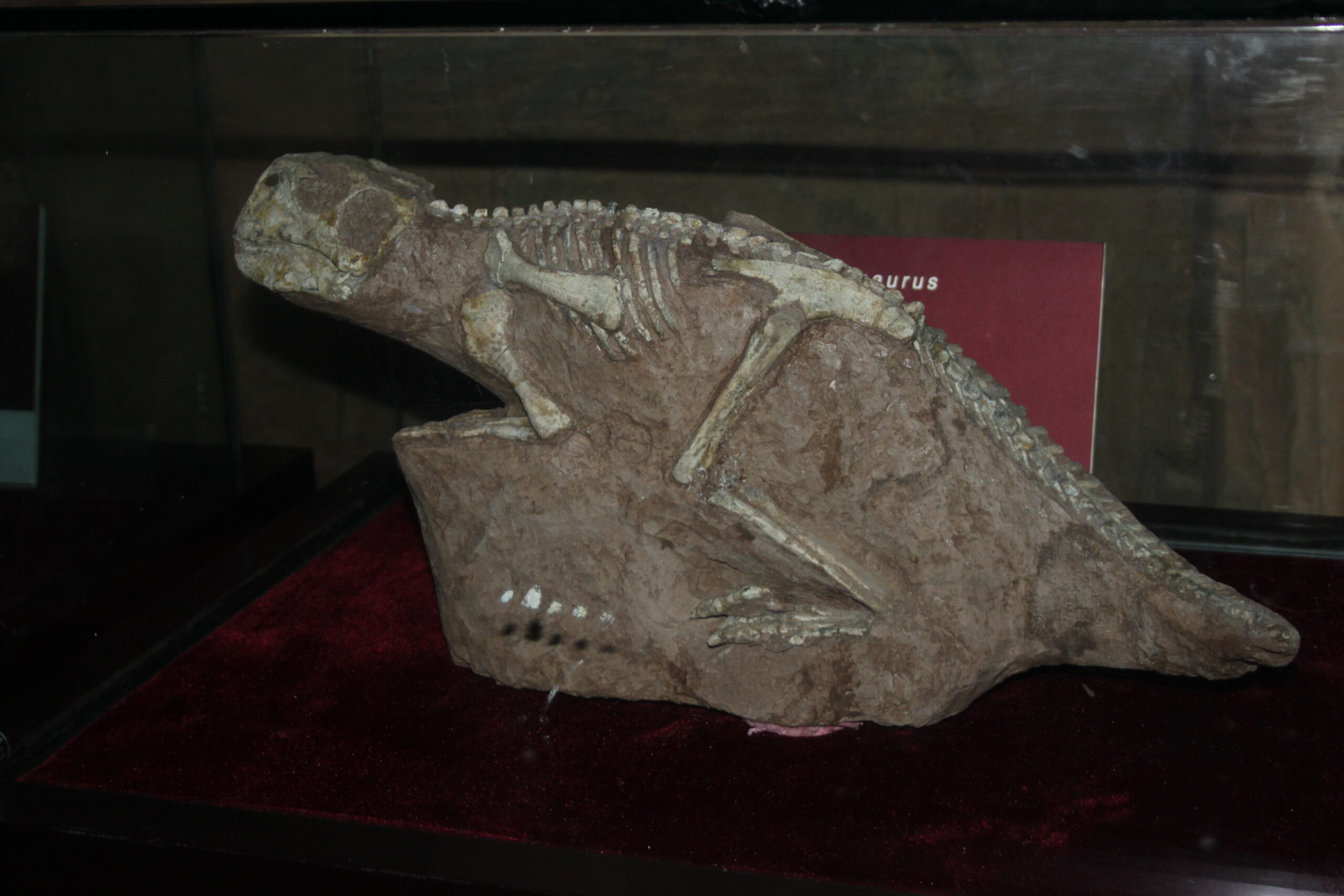
One of the biggest obstacles in determining whether any dinosaur matched blue whale weights lies in the incomplete nature of the fossil record. Complete dinosaur skeletons are incredibly rare, and estimating total body weight from partial remains requires making assumptions about soft tissue distribution and body proportions.
Modern paleontologists use sophisticated computer models and comparisons with living animals to estimate dinosaur weights, but these methods still involve significant uncertainty ranges. A single misplaced decimal point in bone density calculations can change weight estimates by tens of tons.
The fragmentary nature of most giant sauropod discoveries means we’re often extrapolating total size from just a few bones, creating ongoing debates about which species truly held the size records.
Environmental Factors and Giant Size
The Late Jurassic and Cretaceous periods provided ideal conditions for the evolution of giant land animals. Atmospheric oxygen levels were higher than today, global temperatures were warmer, and vast expanses of shallow seas created abundant plant growth. These environmental factors likely contributed to the success of massive sauropods.
Higher oxygen levels would have made it easier for giant animals to meet their metabolic needs, while warm global temperatures eliminated the energy costs of maintaining body heat in cold climates. The abundance of plant life provided the massive food resources necessary to sustain creatures weighing dozens of tons.
Today’s blue whales benefit from similarly abundant food sources in the form of krill blooms, but they also face environmental challenges that their prehistoric counterparts never encountered, including human activities and climate change.
Modern Scientific Techniques
Recent advances in paleontological techniques have revolutionized our understanding of dinosaur size and biology. CT scanning of fossilized bones reveals internal structures that help scientists understand bone density and air sac systems. Computer modeling allows researchers to test different body proportions and weight distributions.
Isotope analysis of dinosaur bones provides insights into diet and metabolism, while trackway studies reveal information about how these giants moved and behaved. Each new technological tool adds another piece to the puzzle of prehistoric life.
Perhaps most importantly, new statistical methods help scientists account for uncertainty in fossil measurements and provide more reliable confidence intervals for size estimates. This scientific rigor helps separate probable giants from unlikely monsters.
The Verdict on Dinosaur vs Whale Size
Based on current scientific evidence, the largest dinosaurs likely approached but probably didn’t exceed the weight of the largest blue whales. Argentinosaurus and Patagotitan represent the most credible candidates for matching blue whale proportions, with weight estimates reaching 80-100 tons for the former and 69-77 tons for the latter.
However, the largest blue whales can exceed 150 tons, putting them clearly ahead of even the most optimistic dinosaur size estimates. The physical constraints of terrestrial life, combined with the incomplete fossil record, suggest that blue whales remain the undisputed champions of animal size.
What’s truly remarkable is how close some dinosaurs came to matching these marine giants while living entirely on land. The fact that any terrestrial animal could reach 70-100 tons represents one of evolution’s most impressive achievements.
Future Discoveries and Ongoing Mysteries
The story of dinosaur size isn’t over yet. New giant sauropod discoveries continue to emerge from fossil-rich formations around the world, particularly in South America and Africa. Each new find has the potential to reshape our understanding of maximum dinosaur size.
Improved excavation techniques and international collaboration are revealing more complete skeletons of giant sauropods, providing better data for size estimates. Future discoveries might reveal dinosaurs that truly did match or exceed blue whale weights, though current evidence suggests this is unlikely.
The ongoing debate reflects the dynamic nature of paleontological science, where new discoveries constantly challenge existing knowledge. What seems certain today might be overturned by tomorrow’s fossil find, keeping the question of ultimate dinosaur size perpetually fascinating.
The battle between prehistoric land giants and modern marine titans reveals the incredible diversity of life’s solutions to the challenge of being massive. While blue whales currently hold the crown for absolute size, the giant sauropods achieved something arguably more impressive by reaching comparable weights while defying gravity on dry land. Their legacy reminds us that our planet once hosted creatures so enormous they challenge our imagination, and perhaps somewhere in the rocks, an even larger giant waits to be discovered. What other prehistoric monsters might be hiding in the fossil record, ready to rewrite the record books once again?