Picture this: a massive Triceratops leisurely grazing on a perfectly manicured lawn while a Brontosaurus reaches its long neck down to nibble on Kentucky bluegrass. This image might seem natural when we think about plant-eating dinosaurs, but it’s completely wrong. The truth is, grass as we know it today simply didn’t exist during the age of dinosaurs. For over 165 million years, these magnificent creatures roamed an Earth that looked nothing like the grassy plains and suburban lawns of our modern world.
When Dinosaurs Ruled a Grassless World

The Mesozoic Era, spanning from about 252 to 66 million years ago, was a time when dinosaurs dominated the planet, but grass was nowhere to be found. During this period, the landscape was dramatically different from what we see today. Instead of rolling green meadows, the Earth was covered in dense forests of conifers, cycads, and ferns.
The absence of grass created a completely different ecosystem dynamic. Without grass to form the foundation of food webs, herbivorous dinosaurs had to rely on other plant sources for their survival. This fundamental difference shaped not only their diets but also their entire evolutionary path.
The Late Bloomers: When Grass Finally Appeared
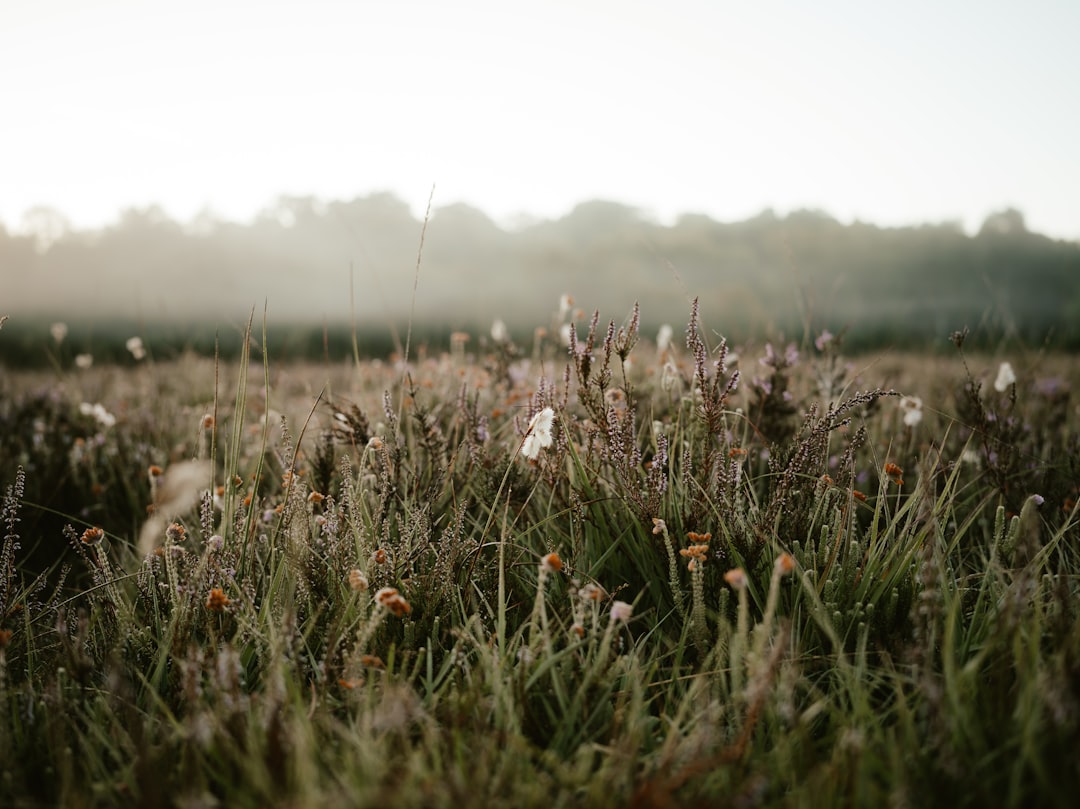
Grass didn’t make its grand entrance until the late Cretaceous period, roughly 70 million years ago. Even then, it was just a tiny player in the plant kingdom, nothing like the dominant force it would later become. The first grasses were small, insignificant plants that grew in disturbed soils and marginal habitats.
These early grasses faced tough competition from established plant communities. They had to wait millions of years before they could spread across continents and create the vast grasslands we associate with modern ecosystems. By the time grass became widespread, the age of dinosaurs was already coming to an end.
What Herbivorous Dinosaurs Actually Ate

Without grass on the menu, plant-eating dinosaurs had to get creative with their dining choices. Conifers like pines and cypresses formed the backbone of many dinosaur diets, despite being tough and resinous. These hardy trees could withstand the constant browsing pressure from massive herbivores.
Cycads, those palm-like plants that still exist today, were another major food source. These ancient plants were abundant during the Mesozoic Era and provided essential nutrients for dinosaurs. Ferns carpeted the forest floors, offering softer vegetation that smaller herbivores could easily digest.
Tree ferns, horsetails, and various seed plants rounded out the dinosaur buffet. Some dinosaurs even fed on marine plants when they ventured near coastlines, showing just how adaptable these creatures were to their grassless world.
The Digestive Dilemma: Processing Tough Plant Matter

Eating woody, fibrous plants instead of tender grass created unique challenges for herbivorous dinosaurs. These ancient plants were much tougher and harder to digest than modern grass, requiring specialized digestive systems to extract nutrients effectively. Many dinosaurs developed incredibly long digestive tracts to break down cellulose-rich plant material.
Some species, like the massive sauropods, likely had bacterial fermentation chambers in their stomachs, similar to modern cows. This process helped them break down the complex plant fibers they consumed daily. The lack of easily digestible grass meant these dinosaurs had to eat enormous quantities of vegetation just to meet their energy needs.
Gastroliths: The Dinosaur’s Secret Weapon
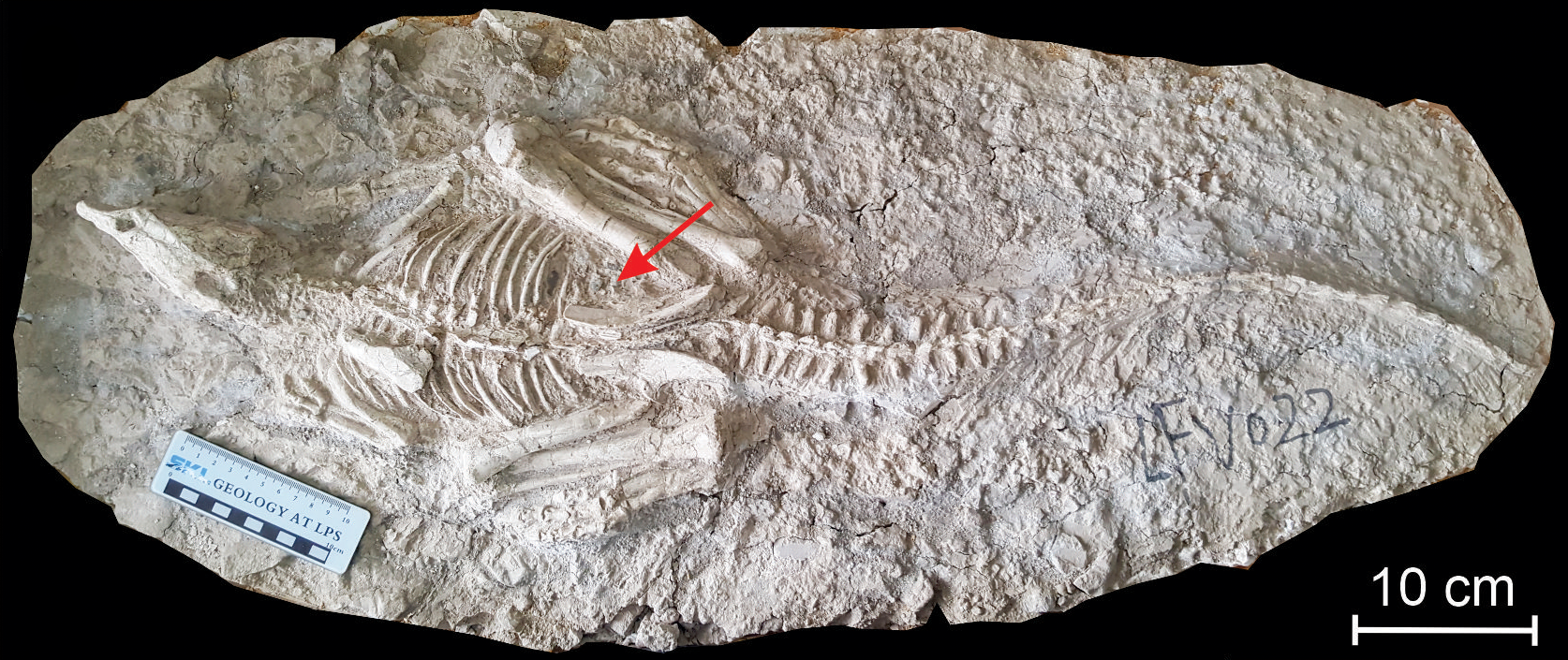
Many herbivorous dinosaurs developed a clever solution to their tough-plant problem: they swallowed stones. These gastroliths, or “stomach stones,” acted like built-in food processors, grinding up plant material in their stomachs. Paleontologists have found polished stones in dinosaur fossil sites, evidence of this remarkable adaptation.
The stones would tumble around in the dinosaur’s stomach, mechanically breaking down fibrous plant matter that would otherwise be impossible to digest. This was nature’s answer to the food processor, millions of years before humans invented kitchen appliances.
Why Grass Needed Time to Take Over

Even after grass appeared, it took millions of years to become the dominant plant type we know today. The real grassland explosion didn’t happen until the Cenozoic Era, well after dinosaurs had gone extinct. Grass had several advantages that eventually made it successful, but these took time to develop.
Grasses could grow from their base rather than their tips, making them more resilient to grazing pressure. They also formed dense root systems that could survive droughts and fires. However, these evolutionary advantages meant nothing during the dinosaur age because the climate and environmental conditions weren’t right for grass to flourish.
The Climate Connection: Why Grass Couldn’t Thrive

The Mesozoic climate was generally warmer and more humid than today, with high levels of atmospheric carbon dioxide. These conditions favored large trees and dense forests rather than open grasslands. The lack of seasonal temperature variations also meant that grass couldn’t take advantage of the dormant periods that would later help it spread.
Volcanic activity was more common during the dinosaur age, regularly disrupting ecosystems and preventing stable grassland communities from forming. The constant environmental upheaval meant that fast-growing, adaptable plants like ferns and conifers had the advantage over slow-establishing grasses.
Coevolution: How Grass and Mammals Changed Together

The rise of grass is intimately connected to the evolution of mammals, not dinosaurs. As mammals began to diversify after the dinosaur extinction, they coevolved with expanding grasslands. Mammals developed high-crowned teeth perfect for grinding grass, while their grazing behavior helped grass spread across continents.
This relationship created a positive feedback loop: more grass meant more grazing mammals, and more grazing mammals meant more grass. Dinosaurs never had the chance to participate in this coevolutionary dance because they were already extinct when grass became ecologically significant.
The Fossil Evidence: Reading Ancient Landscapes
Paleontologists can reconstruct ancient environments by studying plant fossils and pollen records from dinosaur-era rocks. These studies consistently show that grass was either absent or extremely rare during most of the Mesozoic Era. Instead, the fossil record reveals a world dominated by gymnosperms and early flowering plants.
Coprolites, or fossilized dinosaur droppings, provide direct evidence of what these animals actually ate. Analysis of these specimens shows plant fragments from conifers, cycads, and ferns, but no grass remains. This evidence directly contradicts the popular image of dinosaurs grazing on grass-covered plains.
Regional Variations: Different Diets Across the Globe
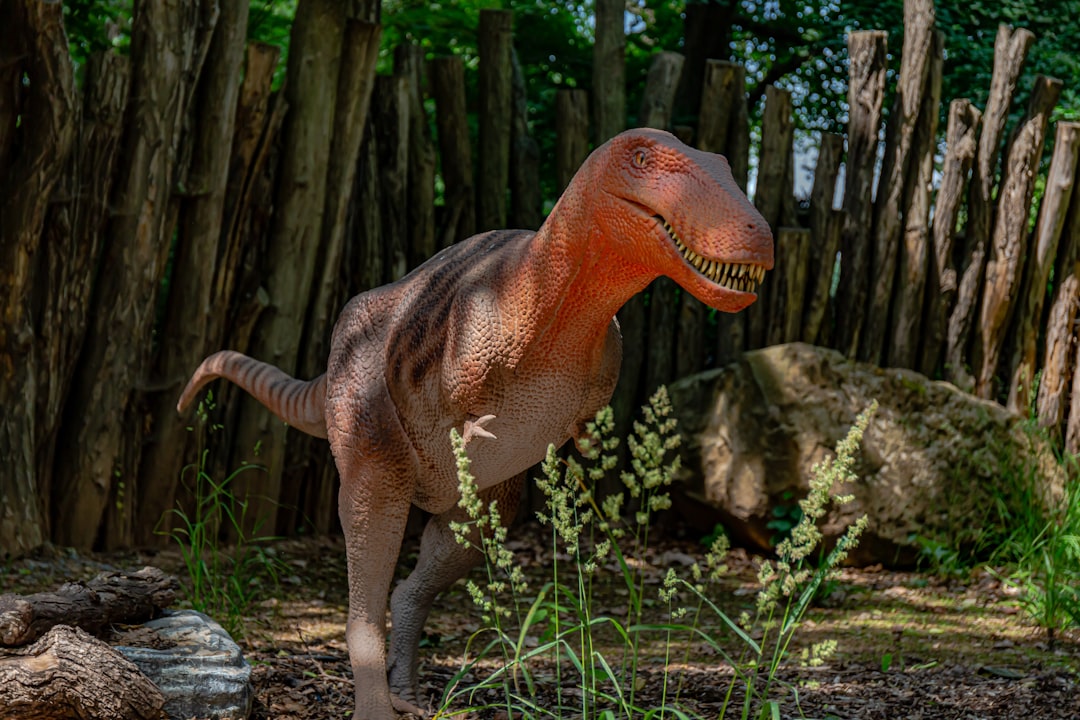
Dinosaur diets varied significantly depending on their geographic location and the local plant communities. In what is now North America, many herbivorous dinosaurs fed on conifers and cycads that thrived in the warm, humid climate. Asian dinosaurs had access to different plant species, including early flowering plants that were beginning to diversify.
Southern hemisphere dinosaurs, living in what would become South America, Africa, and Australia, encountered yet another set of plant species. These regional differences in vegetation help explain why dinosaur species varied so much across different continents and why their teeth and digestive systems evolved differently.
The Flowering Revolution: How Angiosperms Changed Everything
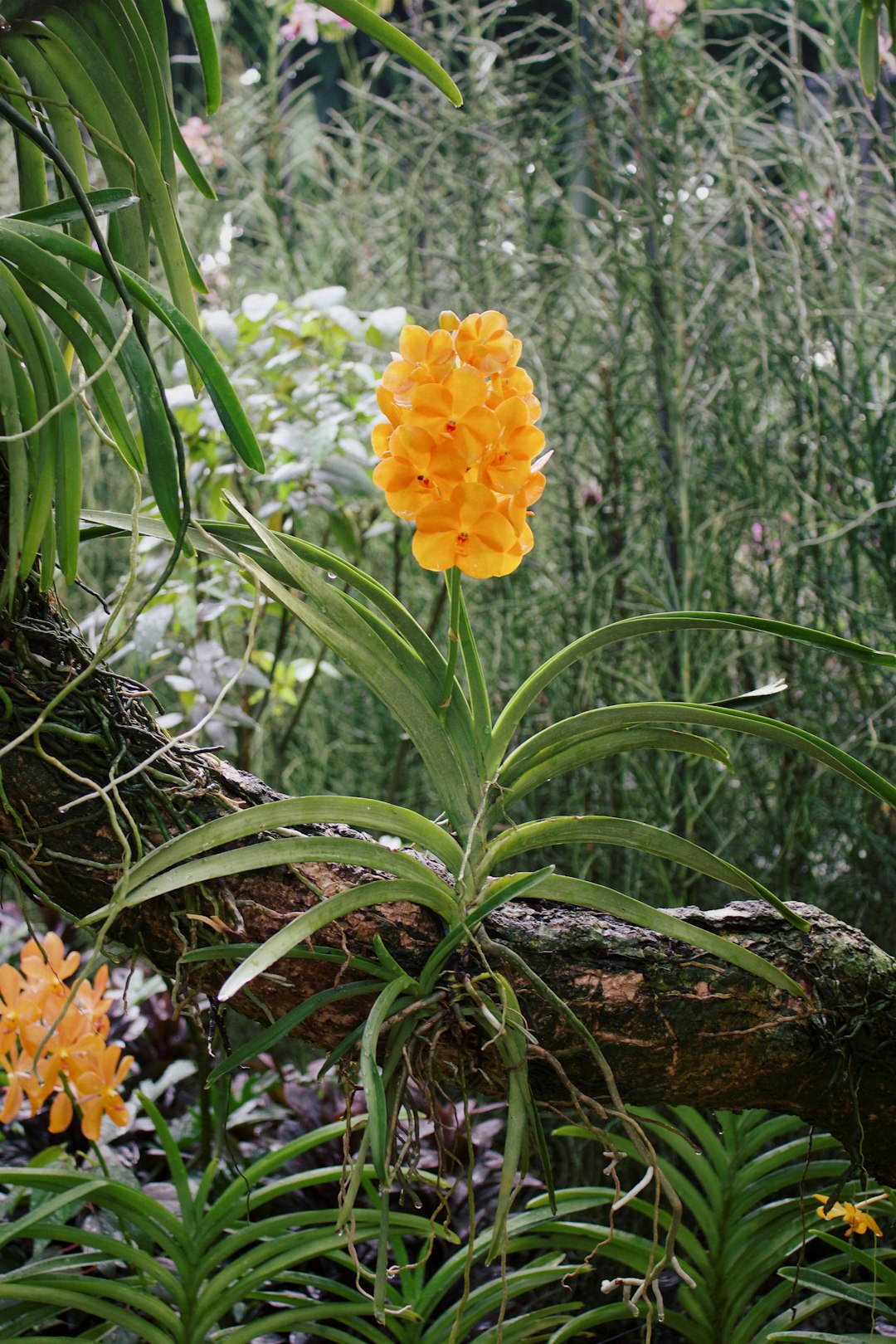
The evolution of flowering plants during the Cretaceous period created new opportunities for herbivorous dinosaurs. These angiosperms offered more nutritious and digestible plant parts like fruits, seeds, and tender leaves. Some dinosaurs began to specialize in eating these new plant types, developing more sophisticated teeth and jaw structures.
This flowering plant revolution set the stage for the eventual rise of grass, as grasses are actually a type of flowering plant. However, the transition from early flowering plants to grass-dominated ecosystems took tens of millions of years, long after the dinosaurs had disappeared.
Modern Misconceptions: Why We Think Dinosaurs Ate Grass

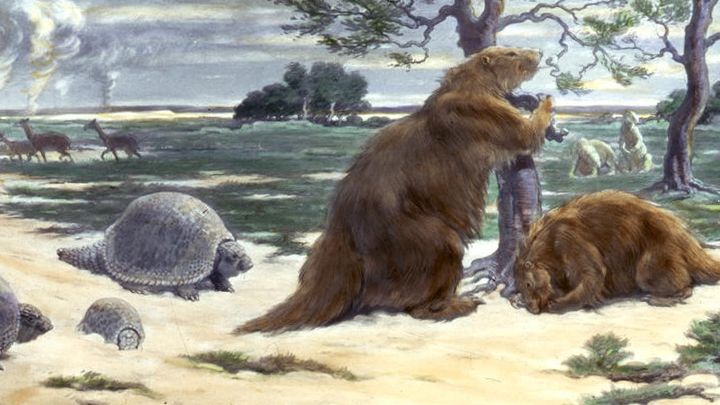
Our modern world is so dominated by grass that it’s hard to imagine landscapes without it. Movies, books, and popular media often show dinosaurs in grassland settings because that’s the environment we’re most familiar with. This creates a persistent misconception that continues to influence how people visualize the age of dinosaurs.
The abundance of grass in today’s world makes it seem like it must have always been there, but this is a perfect example of how our current environment can bias our understanding of the past. It’s a reminder that the Earth’s ecosystems have undergone dramatic changes over geological time.
What This Means for Our Understanding of Dinosaurs
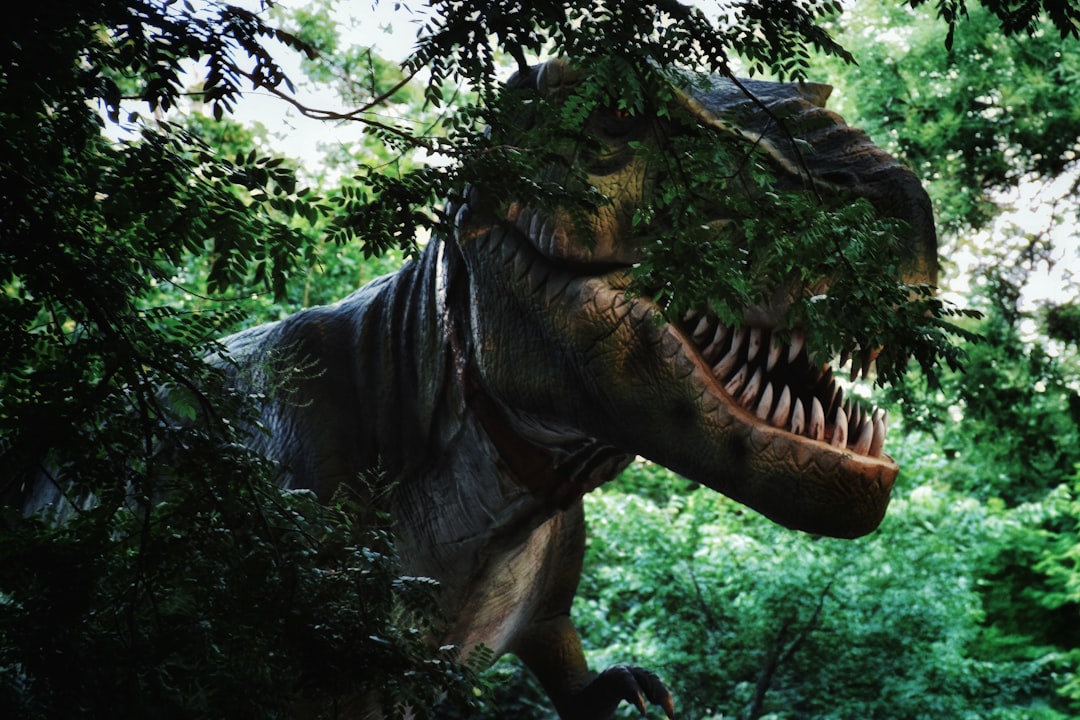
Understanding that dinosaurs lived in a grassless world completely changes how we think about their behavior, evolution, and extinction. These animals had to be incredibly adaptable to survive on tough, fibrous plant material for millions of years. Their success in this challenging environment makes their evolutionary achievements even more impressive.
This knowledge also helps us better understand modern ecosystems and how dramatically they can change over time. The transition from dinosaur-dominated forests to mammal-dominated grasslands represents one of the most significant ecological shifts in Earth’s history. It reminds us that even the most fundamental aspects of our environment are not permanent.
The Ripple Effects: How No Grass Shaped Evolution
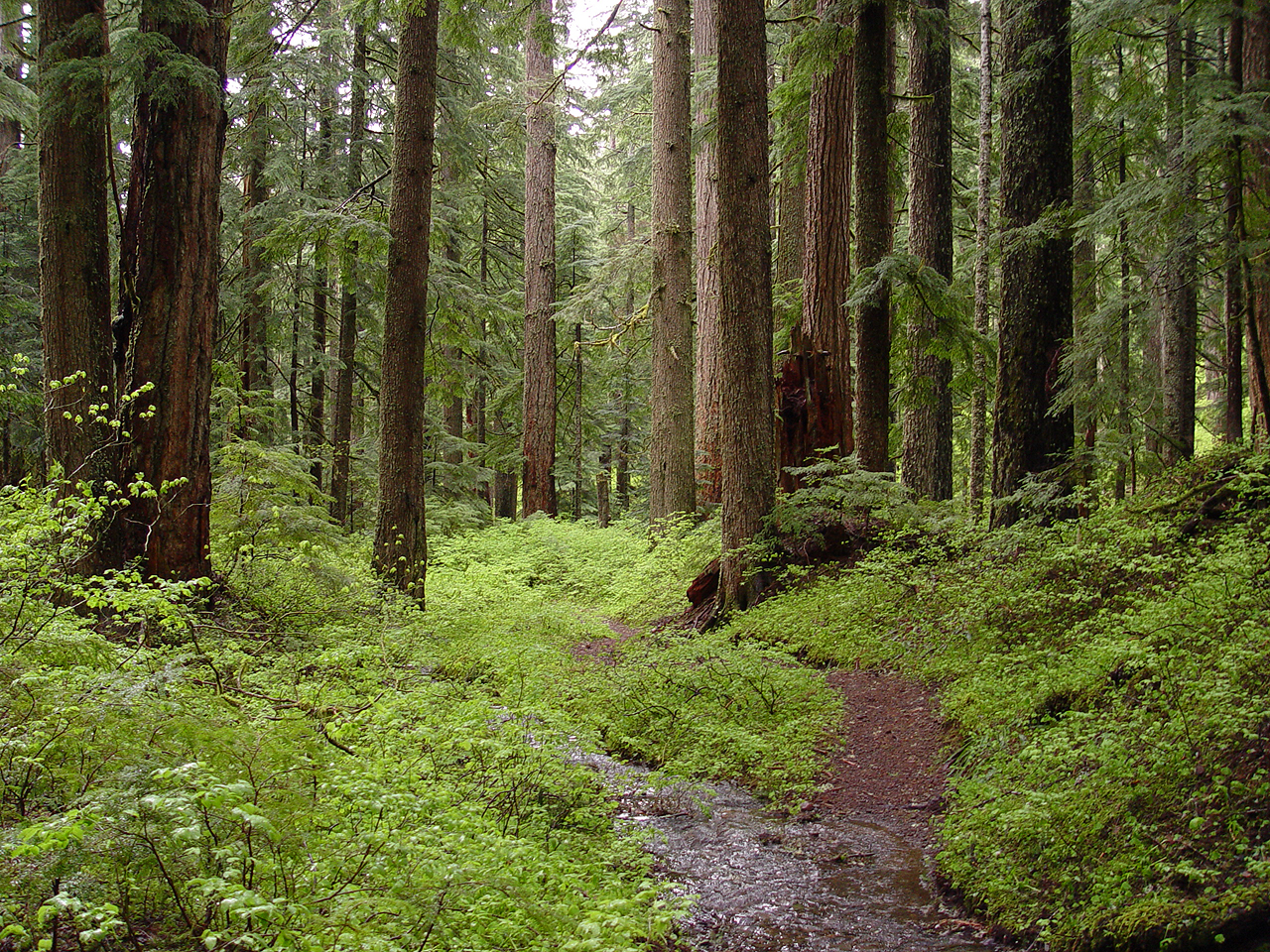
The absence of grass during the Mesozoic Era had cascading effects throughout the entire ecosystem. Without grass to create open habitats, forests remained dense and continuous, affecting how dinosaurs moved across landscapes. The lack of grass also meant that fire played a different role in shaping ecosystems, as grasslands are particularly fire-prone environments.
Predator-prey relationships were also different in forested environments compared to grasslands. Dense vegetation provided more hiding places for prey species but also made it easier for predators to ambush their victims. These fundamental ecological differences help explain why dinosaur communities were structured so differently from modern mammalian communities.
The next time you look at your lawn or drive past a grassy field, remember that you’re seeing something that would have been completely alien to a Tyrannosaurus rex or Triceratops. The grass beneath our feet represents millions of years of evolutionary innovation that came too late for the dinosaurs to enjoy. Instead, these magnificent creatures thrived in a world of towering conifers, ancient cycads, and sprawling ferns – a landscape that would seem as foreign to us as our grassy world would have seemed to them. Isn’t it fascinating how something as simple as grass could completely reshape our planet’s entire ecosystem?