Imagine standing in Alaska’s frozen wilderness, surrounded by nothing but ice and snow, and trying to picture towering redwoods, sprawling ferns, and dinosaurs munching on vegetation in a subtropical paradise. It sounds impossible, doesn’t it? Yet 70 million years ago, Alaska’s North Slope was home to some of the most remarkable ecosystems our planet has ever seen. These ancient forests didn’t just exist—they thrived in conditions that would challenge everything we thought we knew about prehistoric life.
When Alaska Was a Tropical Paradise
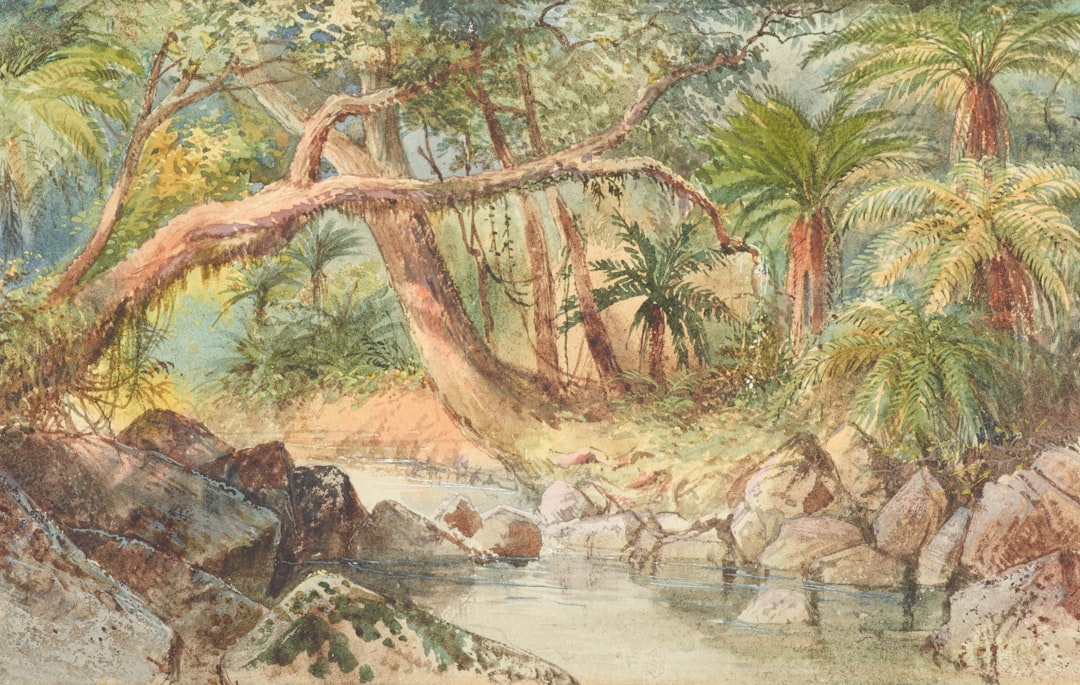
During the Late Cretaceous period, Alaska experienced a climate so dramatically different from today that it might as well have been on another planet. Global temperatures soared to levels that made the Arctic regions warm enough to support lush forests filled with towering conifers and flowering plants. The average temperature hovered around 50-60°F year-round, creating conditions similar to what we might find in modern-day Pacific Northwest forests.
This wasn’t just a brief warm spell—it lasted for millions of years. The greenhouse effect was so intense that polar ice caps didn’t exist, and sea levels were hundreds of feet higher than today. Alaska sat at roughly the same latitude as it does now, but the warm ocean currents and high atmospheric carbon dioxide levels created a completely different world.
The Giants That Called These Forests Home
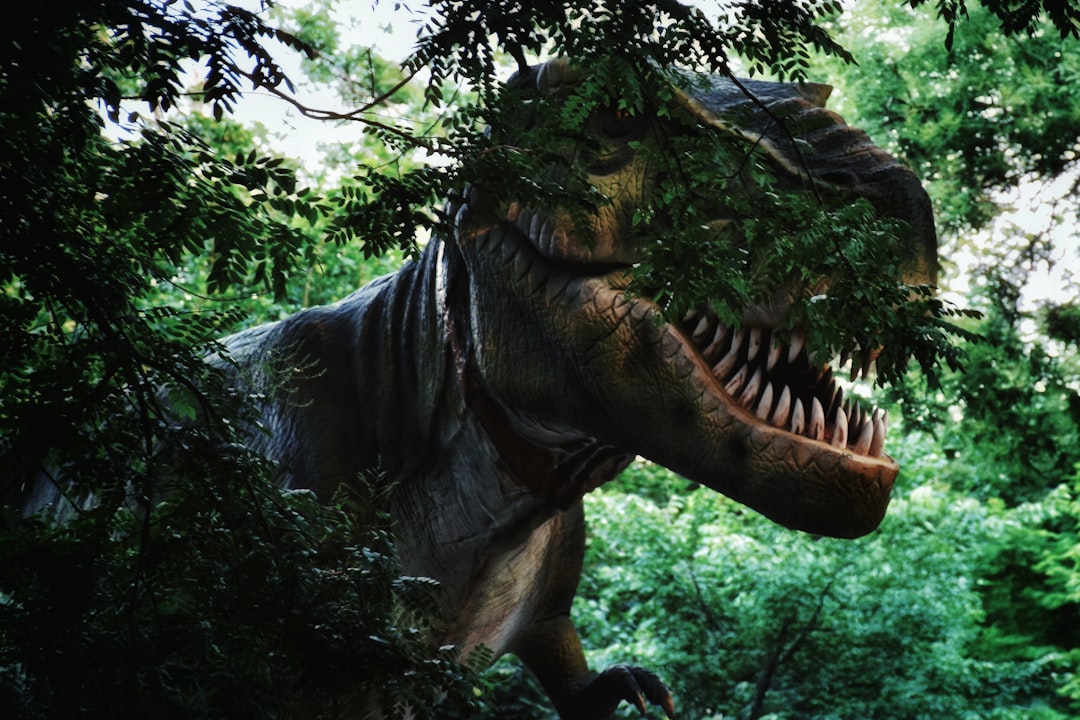
The Alaskan forests weren’t just beautiful—they were teeming with some of the most fascinating dinosaurs ever discovered. Hadrosaurus, the duck-billed giants, roamed these woodlands in massive herds, their distinctive calls echoing through the ancient trees. These weren’t small creatures either; some reached lengths of over 40 feet and weighed as much as elephants.
Triceratops and other ceratopsians also made their homes here, using their powerful beaks to strip bark and leaves from trees. The forests provided perfect cover for smaller predators like Troodon, whose large eyes were perfectly adapted for hunting in the dim light beneath the canopy. Even tyrannosaurs stalked through these woods, though they were smaller than their famous cousin T. rex.
Ancient Trees That Defied the Darkness
Perhaps the most remarkable aspect of Alaska’s dinosaur forests was how they survived the extreme seasonal light variations. Even 70 million years ago, Alaska experienced months of continuous daylight followed by months of near-total darkness. Scientists have discovered that these ancient trees developed unique adaptations to handle this challenging light cycle.
Fossil evidence shows that conifers dominated these forests, including relatives of modern redwoods, cypresses, and pines. These trees grew incredibly fast during the summer months, storing enough energy to survive the dark winter periods. Some specimens show growth rings that indicate they could add several feet of height in a single growing season.
The trees also developed specialized root systems that could absorb nutrients efficiently from the rich, organic soil that built up from decades of falling leaves and decomposing plant matter.
A Fern Paradise Beneath the Canopy
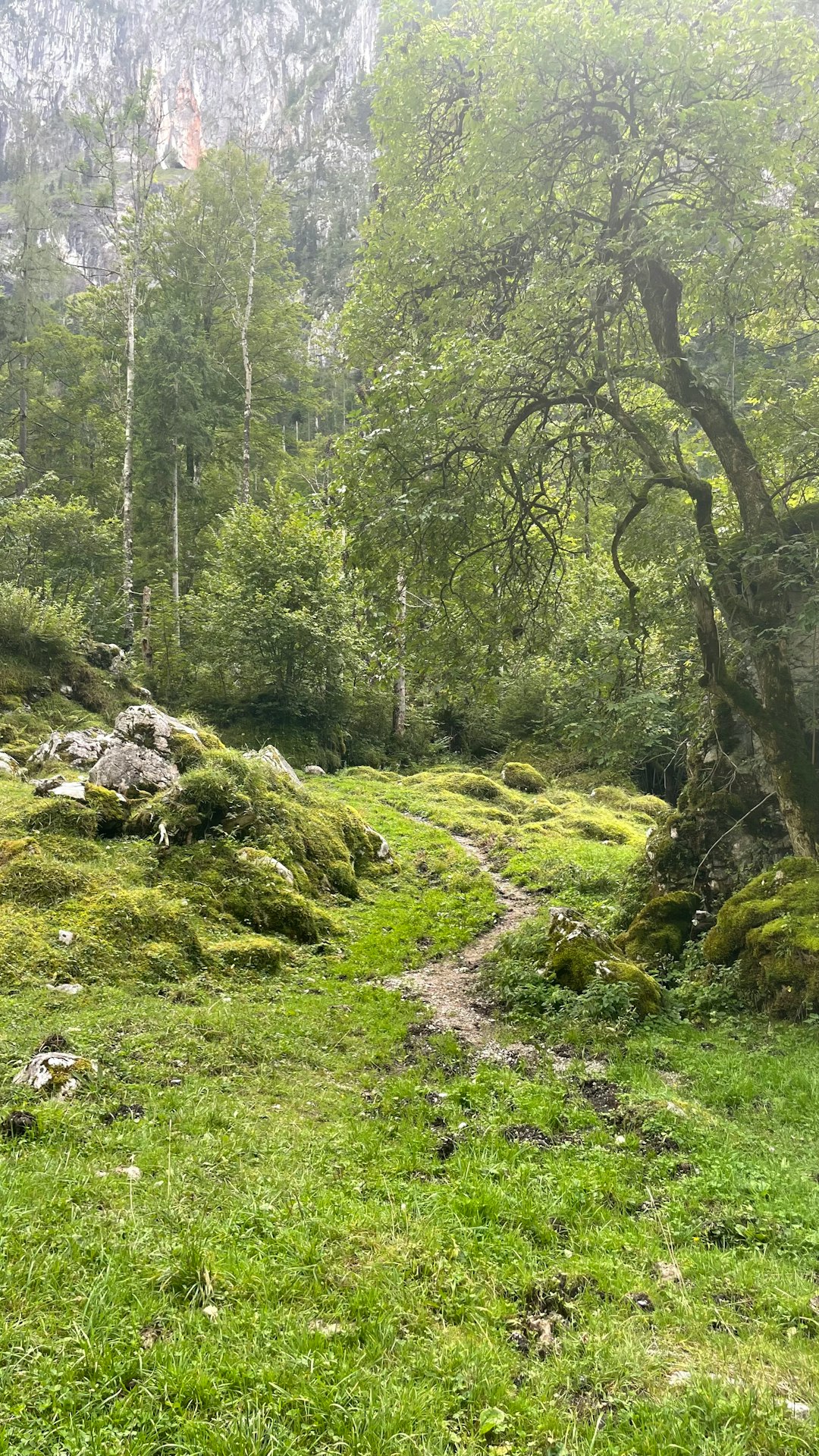
While the towering trees captured most of the sunlight, the forest floor was dominated by an incredible diversity of ferns. Fossil discoveries have revealed over 30 different species of ferns that carpeted the ground, creating a lush understory that provided food and shelter for countless small animals. These weren’t the delicate ferns we see today—many were massive, tree-like structures that could grow 20 feet tall.
The ferns played a crucial role in the ecosystem by breaking down organic matter and cycling nutrients back into the soil. Their broad fronds captured moisture from the air, creating a humid microclimate that supported mosses, fungi, and countless invertebrates. Some fern species even developed climbing abilities, using the massive tree trunks as support structures to reach higher into the canopy.
The Flowering Revolution in Ancient Alaska
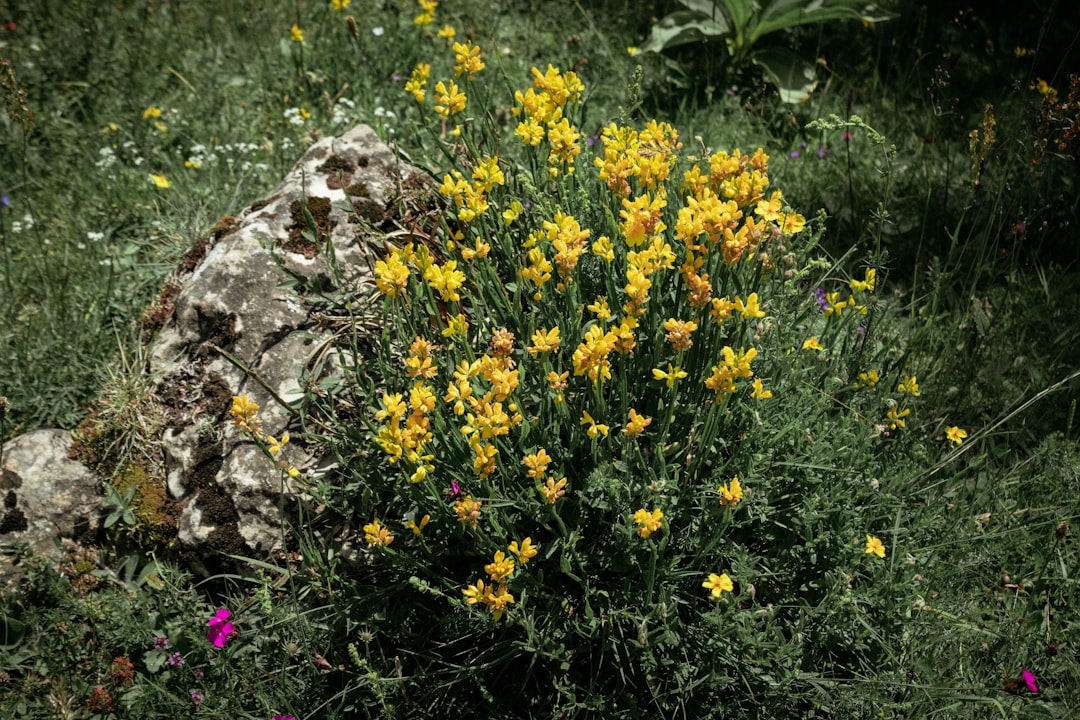
One of the most exciting discoveries about Alaska’s dinosaur forests is the presence of early flowering plants, or angiosperms. These plants had only recently evolved and were just beginning to diversify into the incredible variety we see today. In Alaska’s warm forests, they found perfect conditions to experiment with new forms and survival strategies.
Fossil evidence shows that these early flowers were relatively simple compared to modern blooms, but they represented a revolutionary step in plant evolution. They attracted the first pollinating insects, creating new ecological relationships that would reshape life on Earth. Some of these ancient flowering plants were the ancestors of modern magnolias, water lilies, and even grasses.
The presence of these plants also indicates that Alaska’s forests were incredibly diverse ecosystems, supporting not just large dinosaurs but also the tiny insects and other creatures that made pollination possible.
Rivers and Wetlands: The Forest’s Lifelines
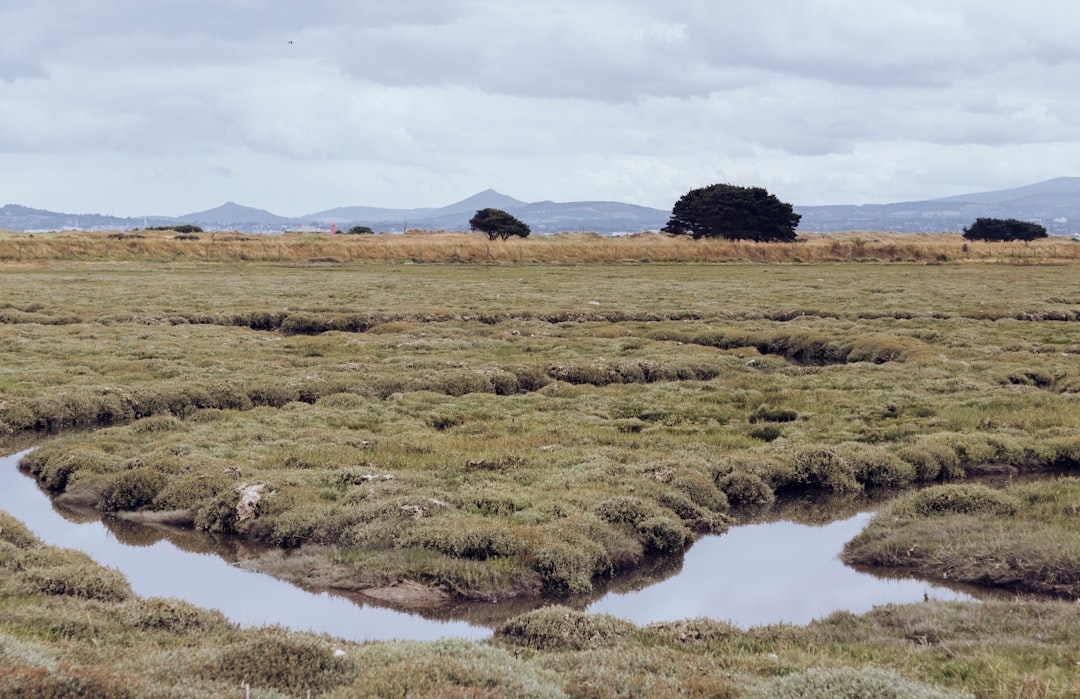
Alaska’s dinosaur forests weren’t just dry woodland—they were crisscrossed by numerous rivers, streams, and wetland areas that created perfect conditions for both plants and animals. These waterways carried nutrients from the surrounding landscape and deposited rich sediments that supported incredibly productive ecosystems.
The wetlands served as nurseries for young dinosaurs and provided year-round water sources during the harsh winter months. Fossil evidence shows that these areas were home to early birds, crocodilians, and countless species of fish and amphibians. The constant flow of water also helped maintain the humidity levels that tropical plants needed to survive.
Many of the best-preserved fossils from this period come from these wetland deposits, where rapid burial in sediment protected bones and plant material from decay.
Survival Strategies for the Polar Night
The most mind-bending aspect of Alaska’s dinosaur forests was how life survived during the polar night—months of near-total darkness when photosynthesis was impossible. Recent research has revealed that these ecosystems developed remarkable strategies to cope with this extreme challenge.
Trees stored massive amounts of energy in their roots and trunks during the summer months, essentially hibernating through the winter. Many plants developed the ability to slow their metabolism dramatically, much like modern Arctic plants do today. Some dinosaurs may have migrated south for the winter, while others likely entered a state of dormancy or significantly reduced their activity levels.
The forests also benefited from geothermal activity, with warm springs and volcanic activity helping to maintain temperatures above freezing even during the darkest months.
The Soil That Made It All Possible
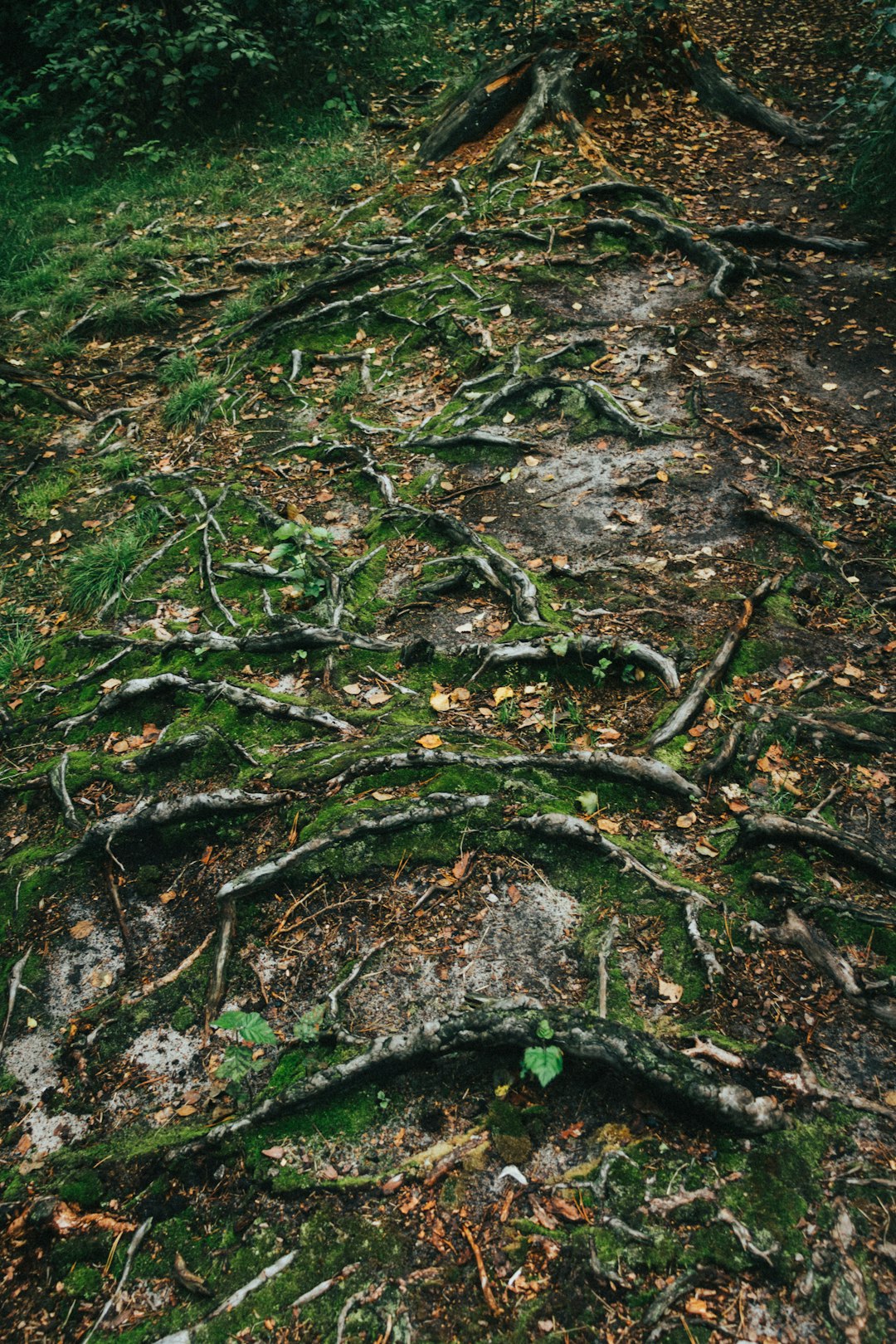
Beneath Alaska’s ancient forests lay some of the richest soil ever documented in the fossil record. Decades of falling leaves, decomposing wood, and animal waste created a nutrient-rich foundation that could support the incredible diversity of plant life. This soil was so fertile that it could sustain massive trees and dense understory vegetation simultaneously.
The high organic content of the soil also helped retain moisture during drier periods and provided insulation that kept root systems from freezing during the polar night. Microscopic analysis of fossil soil samples reveals a complex ecosystem of bacteria, fungi, and other microorganisms that broke down organic matter and made nutrients available to plants.
This rich soil was essentially the foundation that made Alaska’s dinosaur forests possible, creating a self-sustaining cycle of growth and decay that supported life for millions of years.
Predators and Prey in the Ancient Woods
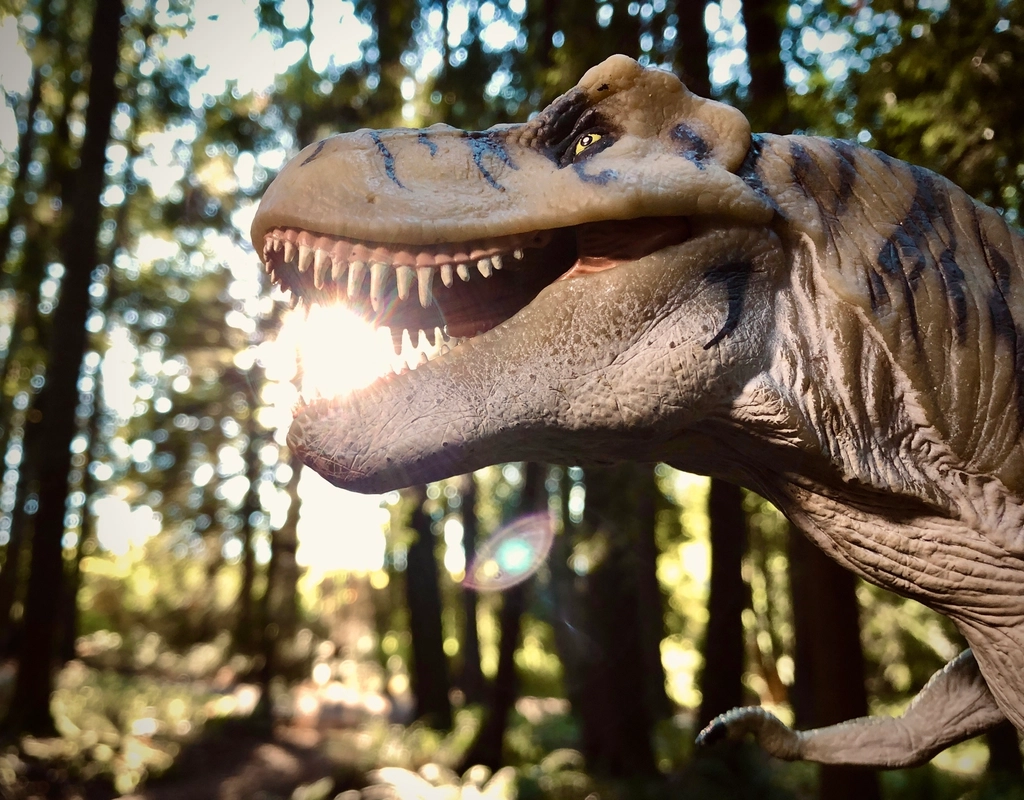
The complex structure of Alaska’s dinosaur forests created perfect hunting grounds for a variety of predators. Troodon, with its large eyes and sharp claws, was perfectly adapted for hunting in the dim forest light. These intelligent predators likely worked in packs to bring down larger prey, using the dense vegetation as cover.
Larger predators like Albertosaurus had to develop new hunting strategies to navigate the thick forest growth. Unlike their open-plain relatives, these forest tyrannosaurs were more lightly built and agile, capable of maneuvering between trees and through dense undergrowth. The forests also provided excellent camouflage for ambush predators.
Herbivorous dinosaurs developed their own survival strategies, including enhanced hearing to detect predators in the dense vegetation and the ability to quickly disappear into the thick fern understory when threatened.
The Great Ecosystem Collapse
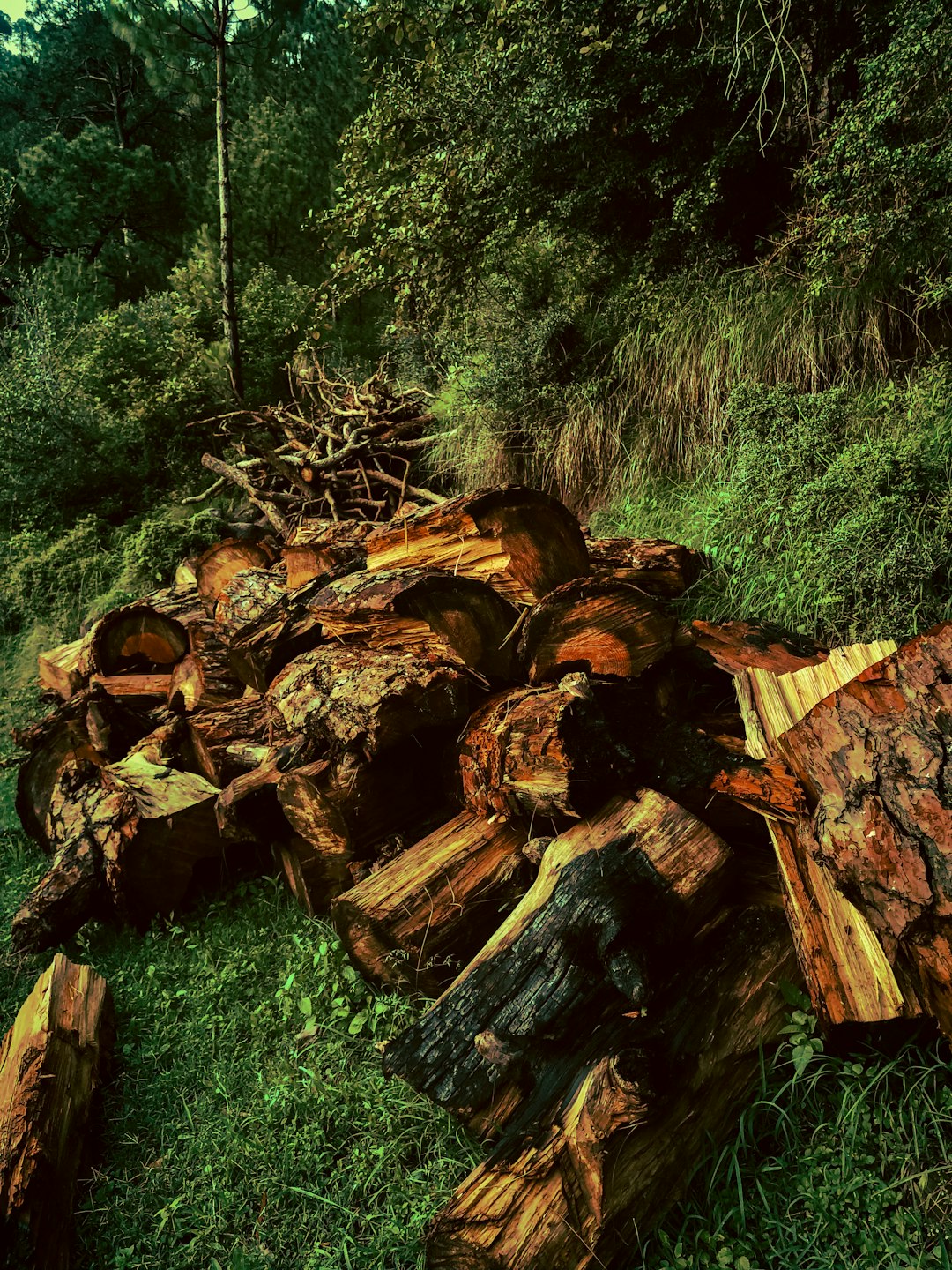
Alaska’s dinosaur forests thrived for millions of years, but like all ecosystems, they weren’t permanent. The asteroid impact that ended the Cretaceous period 66 million years ago brought these remarkable forests to an abrupt end. The impact winter that followed blocked sunlight for months, causing a cascade of ecological collapse that these light-dependent ecosystems couldn’t survive.
Even before the asteroid impact, gradual climate cooling had begun to stress these tropical forests. As global temperatures dropped, the seasonal light variations became more challenging to survive, and many plant species began to decline. The forests were already showing signs of change when the final catastrophe struck.
The end of these ecosystems represents one of the most dramatic environmental changes in Earth’s history, transforming Alaska from a lush, dinosaur-filled paradise into the frozen wilderness we know today.
Fossil Discoveries That Changed Everything
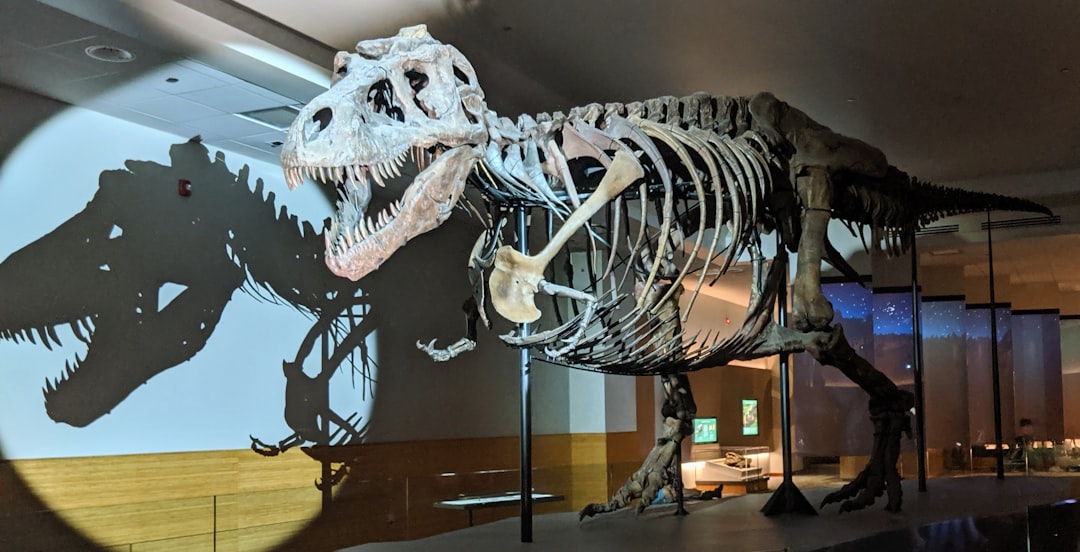
The discovery of Alaska’s dinosaur forests has revolutionized our understanding of prehistoric life and climate. The first major finds came in the 1960s, when geologists working in Alaska’s North Slope began uncovering unusual plant fossils in areas known for oil exploration. These discoveries didn’t match anything scientists expected to find in such northern latitudes.
Subsequent expeditions have uncovered thousands of fossils, including complete dinosaur skeletons, preserved wood, and even delicate flowers and leaves. Some fossils are so well-preserved that scientists can study the cellular structure of 70-million-year-old plants. The Liscomb Bone Bed alone has yielded over 6,000 dinosaur bones, making it one of the richest fossil sites in North America.
These discoveries have forced scientists to completely rethink theories about dinosaur behavior, plant evolution, and ancient climate systems.
Modern Lessons from Ancient Forests

Alaska’s dinosaur forests offer crucial insights into how ecosystems might respond to rapid climate change. The adaptations that allowed these forests to thrive in extreme conditions provide clues about plant resilience and the potential for life to survive in changing environments. Scientists are studying these ancient ecosystems to better understand how modern forests might adapt to global warming.
The fossil record also shows how quickly ecosystems can change when environmental conditions shift. The rapid collapse of these forests after the asteroid impact demonstrates how even well-established ecosystems can be vulnerable to sudden environmental changes. This has important implications for conservation efforts and climate change mitigation today.
Research into these ancient forests continues to reveal new information about the complex relationships between climate, vegetation, and animal life that could help us prepare for an uncertain environmental future.
The Technology Behind the Discoveries
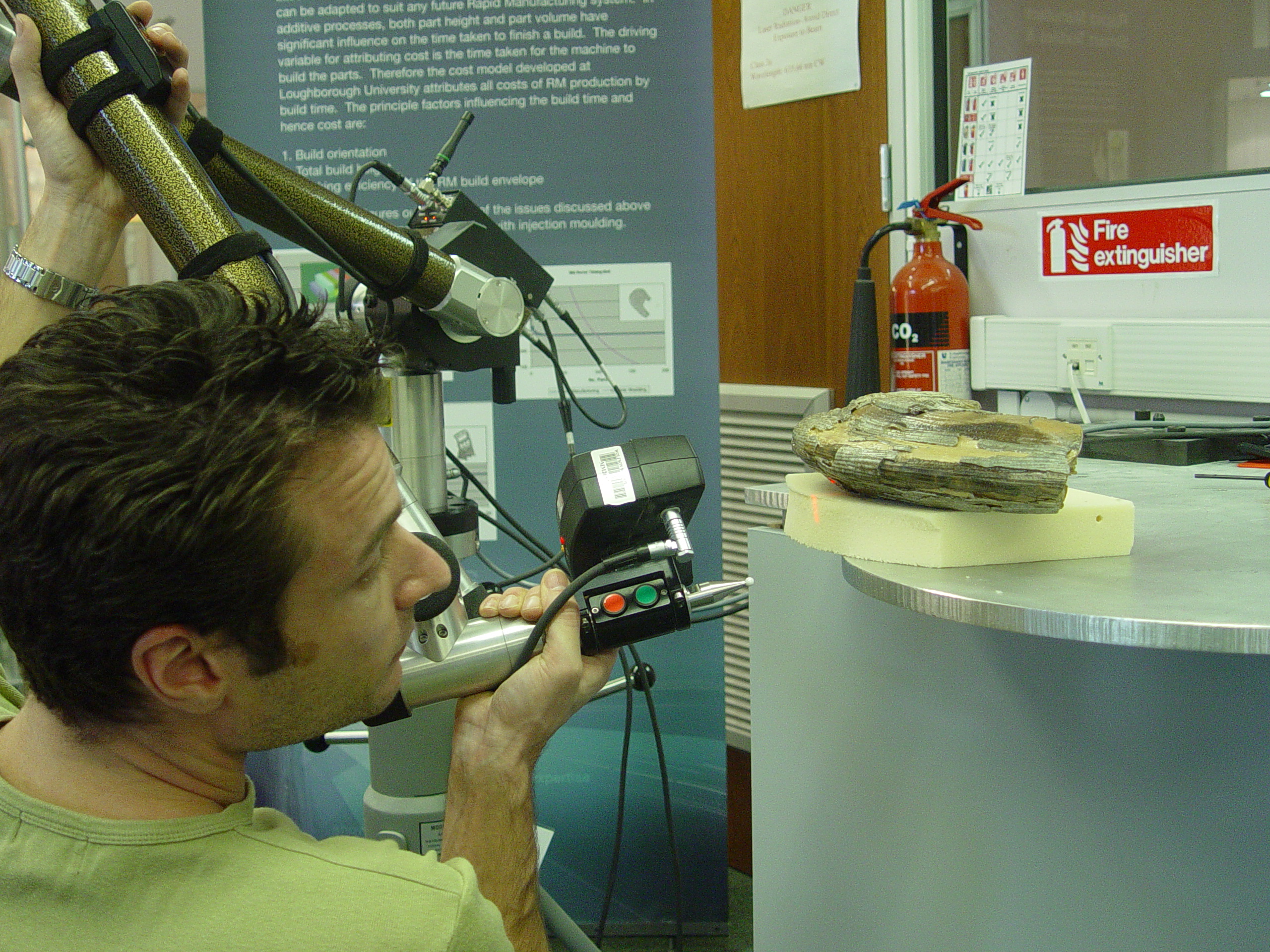
Modern paleontology has revolutionized our understanding of Alaska’s dinosaur forests through advanced technologies that weren’t available to earlier researchers. CT scanning allows scientists to examine fossils without damaging them, revealing internal structures and growth patterns that tell the story of how these ancient organisms lived and died.
Chemical analysis of fossil wood can reveal information about ancient atmospheric conditions, including carbon dioxide levels and seasonal temperature variations. Isotope analysis helps scientists understand what these ancient animals ate and how they moved through their environment. Even pollen grains preserved in ancient rocks can tell us about the diversity and distribution of plant species.
These technological advances continue to reveal new secrets about Alaska’s dinosaur forests, with each new discovery adding another piece to the puzzle of how these remarkable ecosystems functioned.
What Alaska’s Ancient Forests Tell Us About Life’s Resilience
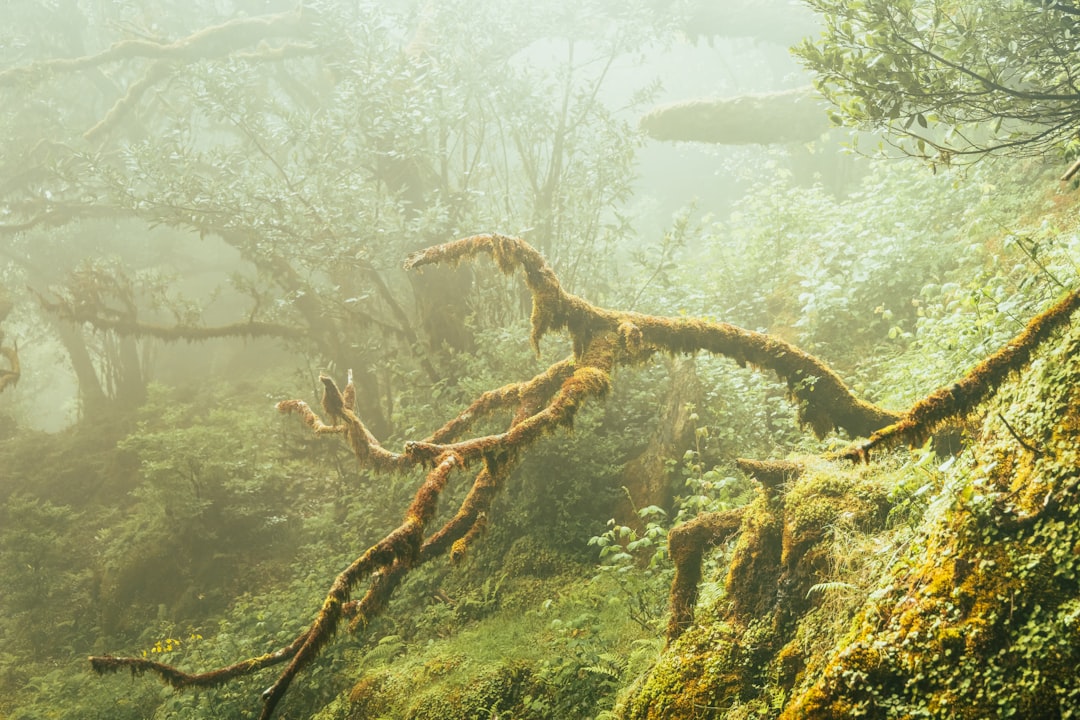
The story of Alaska’s dinosaur forests is ultimately one of life’s incredible ability to adapt and thrive in the most unlikely conditions. These ecosystems flourished in an environment that challenged every assumption about what was possible for plant and animal life. They developed solutions to problems that seemed insurmountable, from surviving months of darkness to maintaining complex food webs in extreme seasonal conditions.
The forests of ancient Alaska remind us that Earth’s history is filled with periods of dramatic change, and that life has consistently found ways to not just survive but flourish in new conditions. The ingenious adaptations of these ancient plants and animals offer hope and inspiration as we face our own environmental challenges. These prehistoric forests prove that with enough time and the right conditions, life can create ecosystems more remarkable than anything we might imagine.