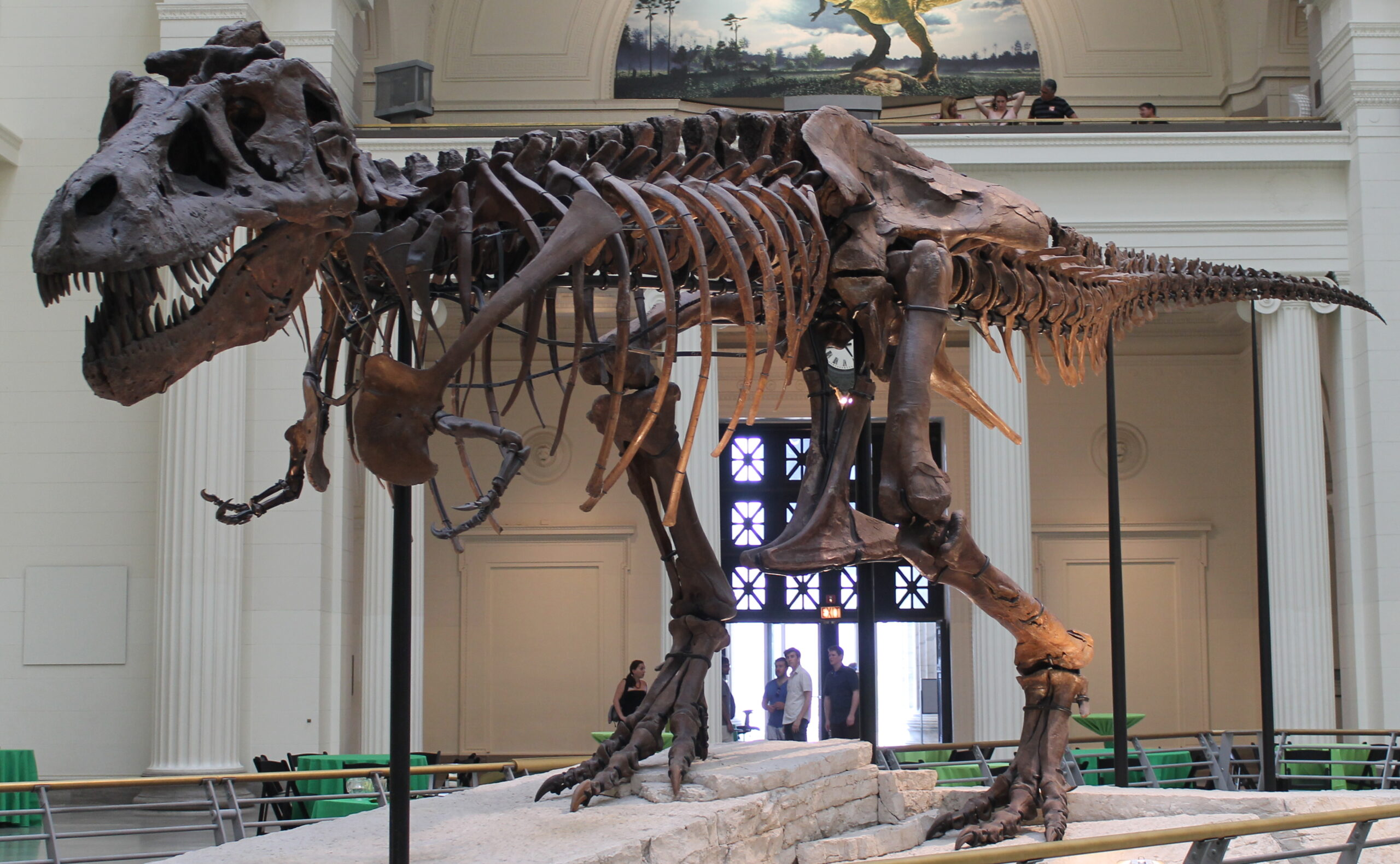
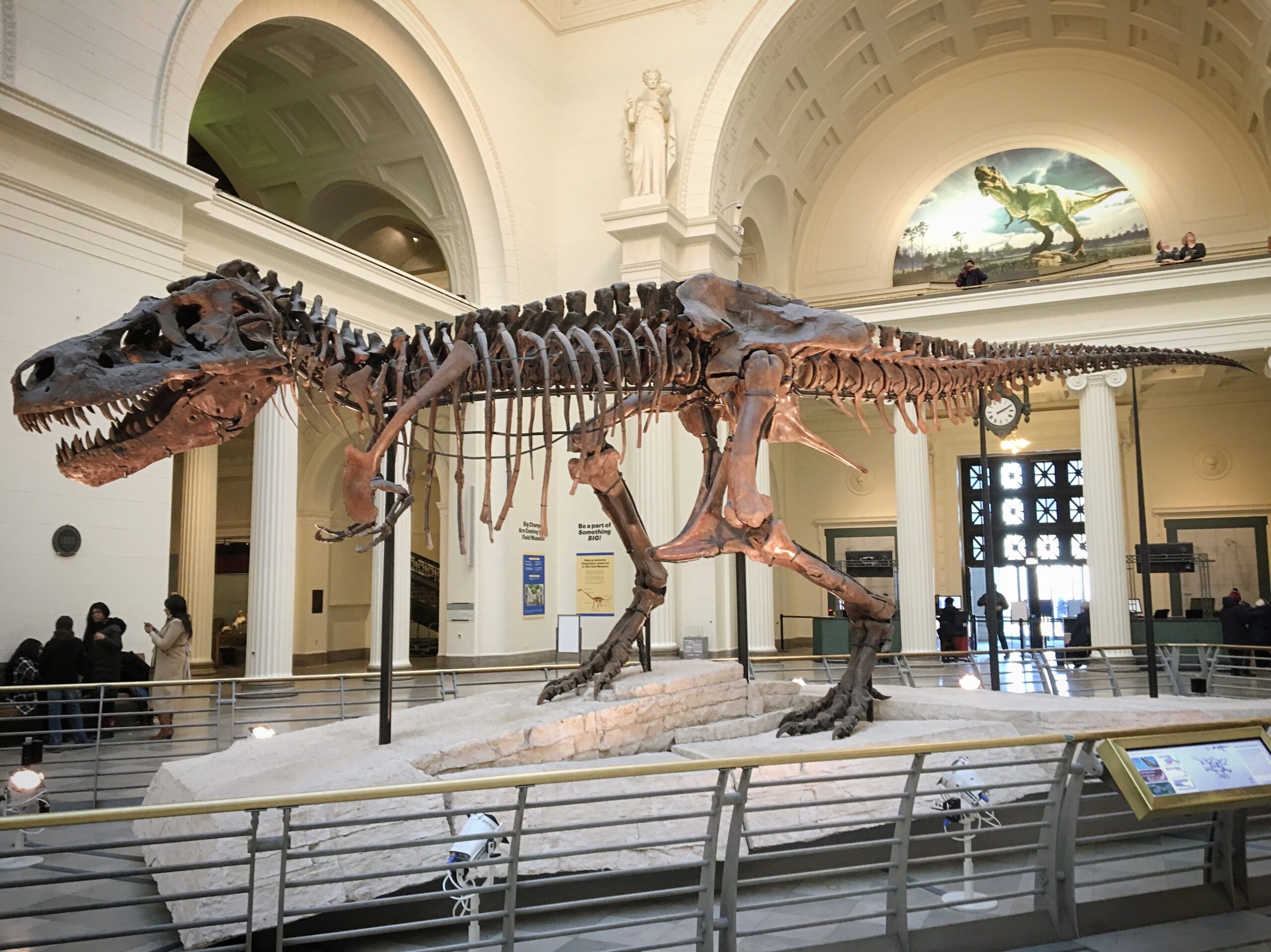
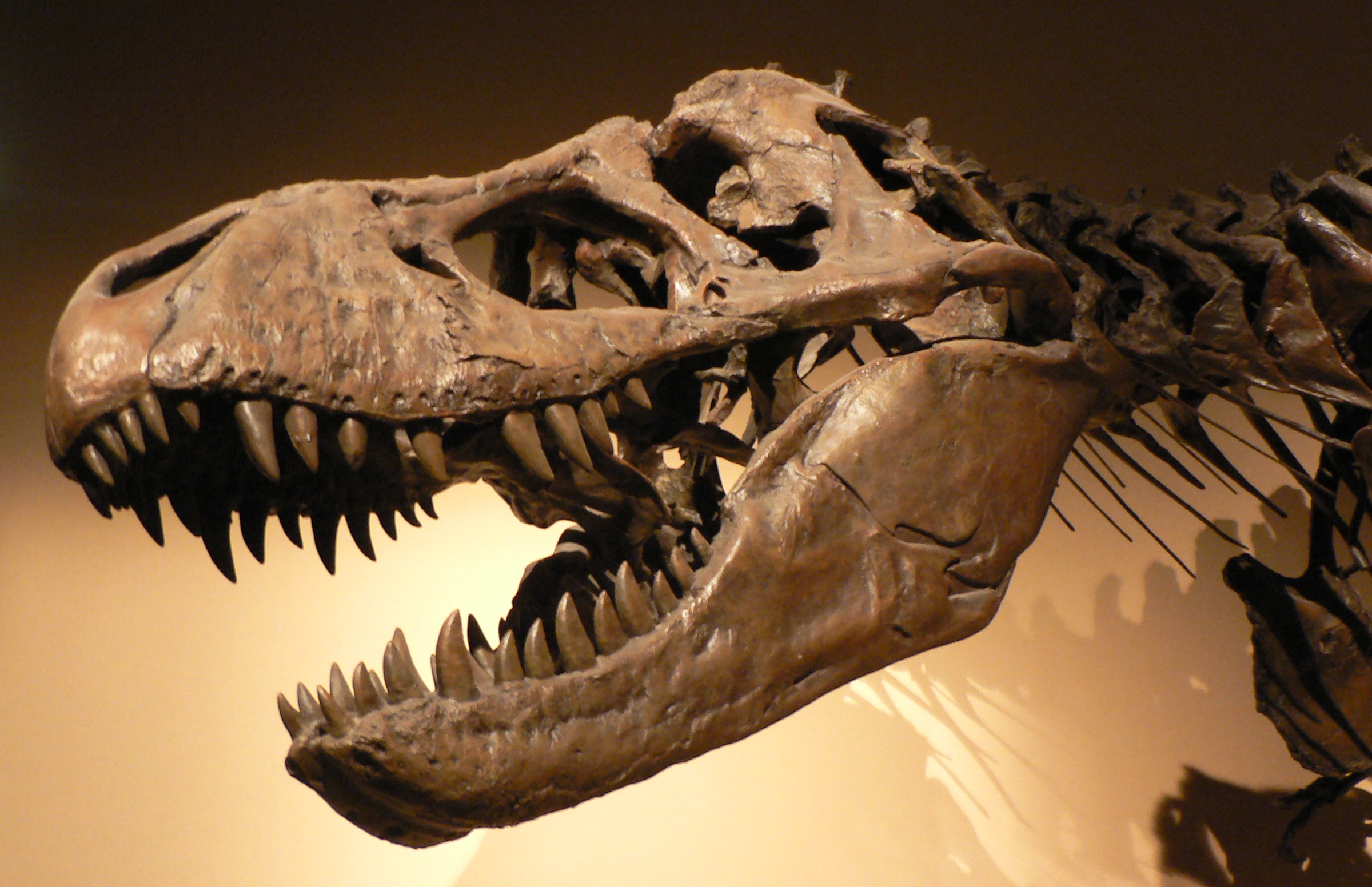
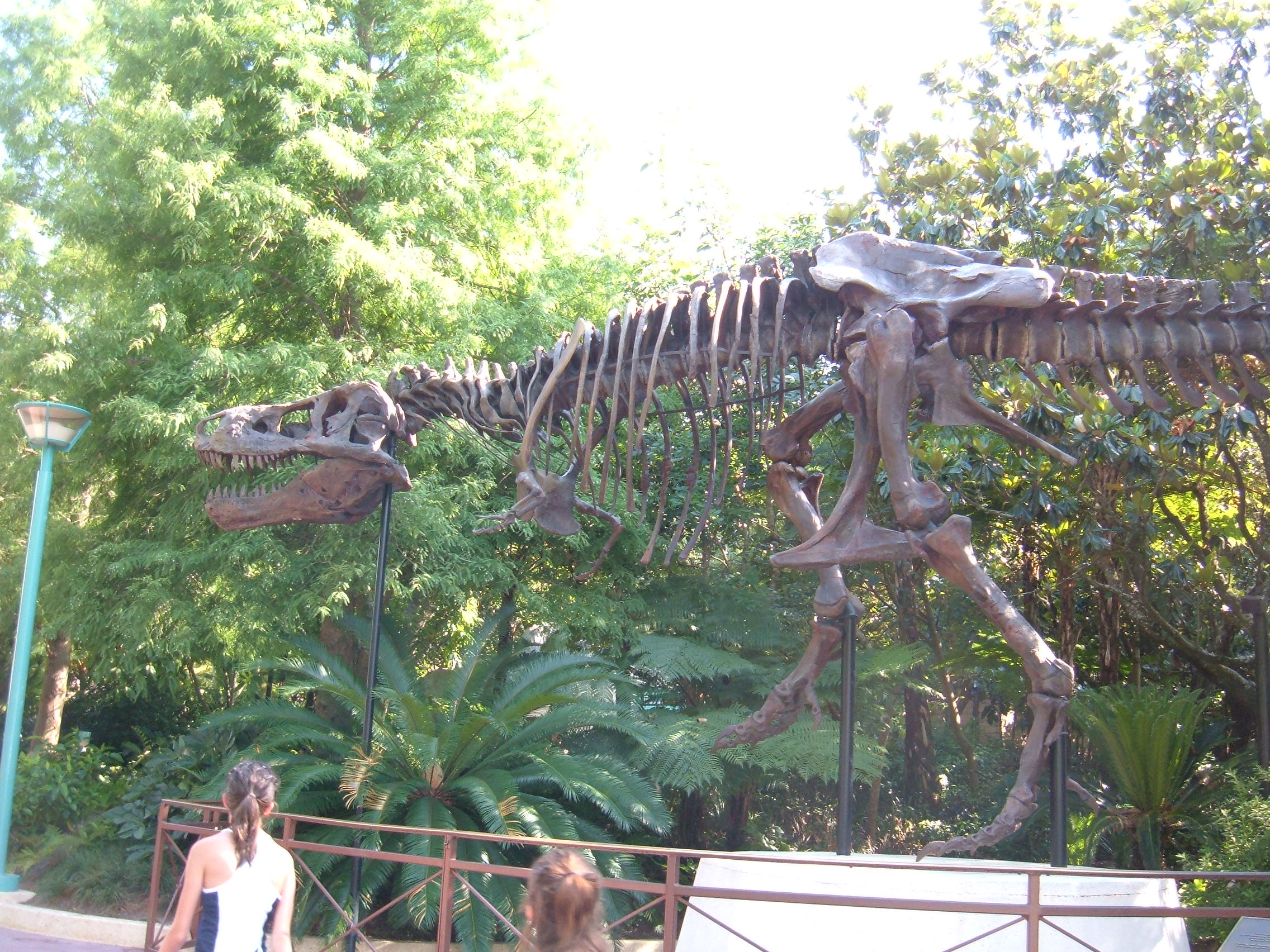
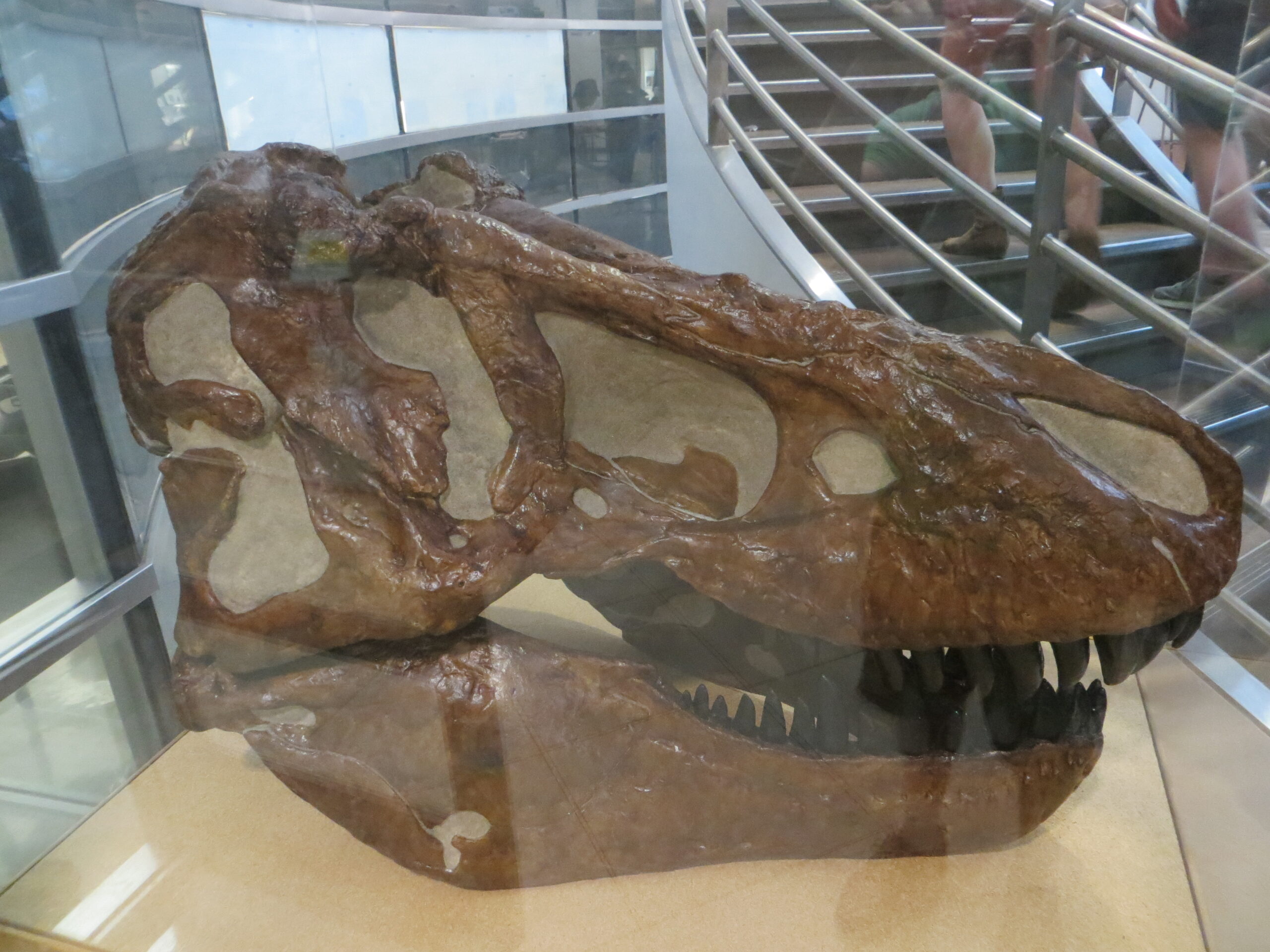
Standing beneath the towering skeleton of Sue the T. rex at Chicago’s Field Museum feels like time travel. The massive skull, suspended 13 feet above the ground, stares down with hollow eye sockets that once held the gaze of a predator that ruled the planet 67 million years ago. This isn’t just another museum display – it’s the most complete and best-preserved Tyrannosaurus rex ever discovered, and her story continues to reshape everything we thought we knew about these ancient giants.
The Discovery That Changed Paleontology Forever
Sue’s journey began on a sweltering August day in 1990 when paleontologist Sue Hendrickson spotted unusual bones jutting from a cliff face in South Dakota. The discovery occurred almost by accident – Hendrickson was searching for fossils while her team repaired a flat tire nearby. What she found would become the most significant T. rex discovery in history.
The excavation process took years and required removing tons of rock and sediment. Teams worked with dental picks and soft brushes to carefully extract each bone fragment. The sheer completeness of the skeleton was unprecedented – over 90% of Sue’s bones were recovered, a remarkable feat considering most dinosaur fossils are found in fragments.
The Legal Battle That Captivated America
Sue’s discovery sparked one of the most contentious legal battles in paleontological history. The federal government, the landowner, and the fossil hunters all claimed ownership of the specimen. The case dragged through courts for years, with Sue’s bones locked away as evidence while scientists and the public waited anxiously.
The legal drama reached its climax in 1997 when Sotheby’s auctioned Sue for $8.36 million – the highest price ever paid for a fossil. The Field Museum, backed by McDonald’s and Disney, won the bidding war. This victory ensured that Sue would remain accessible to researchers and the public rather than disappearing into a private collection.
Sue’s Massive Scale Redefines T. rex Proportions
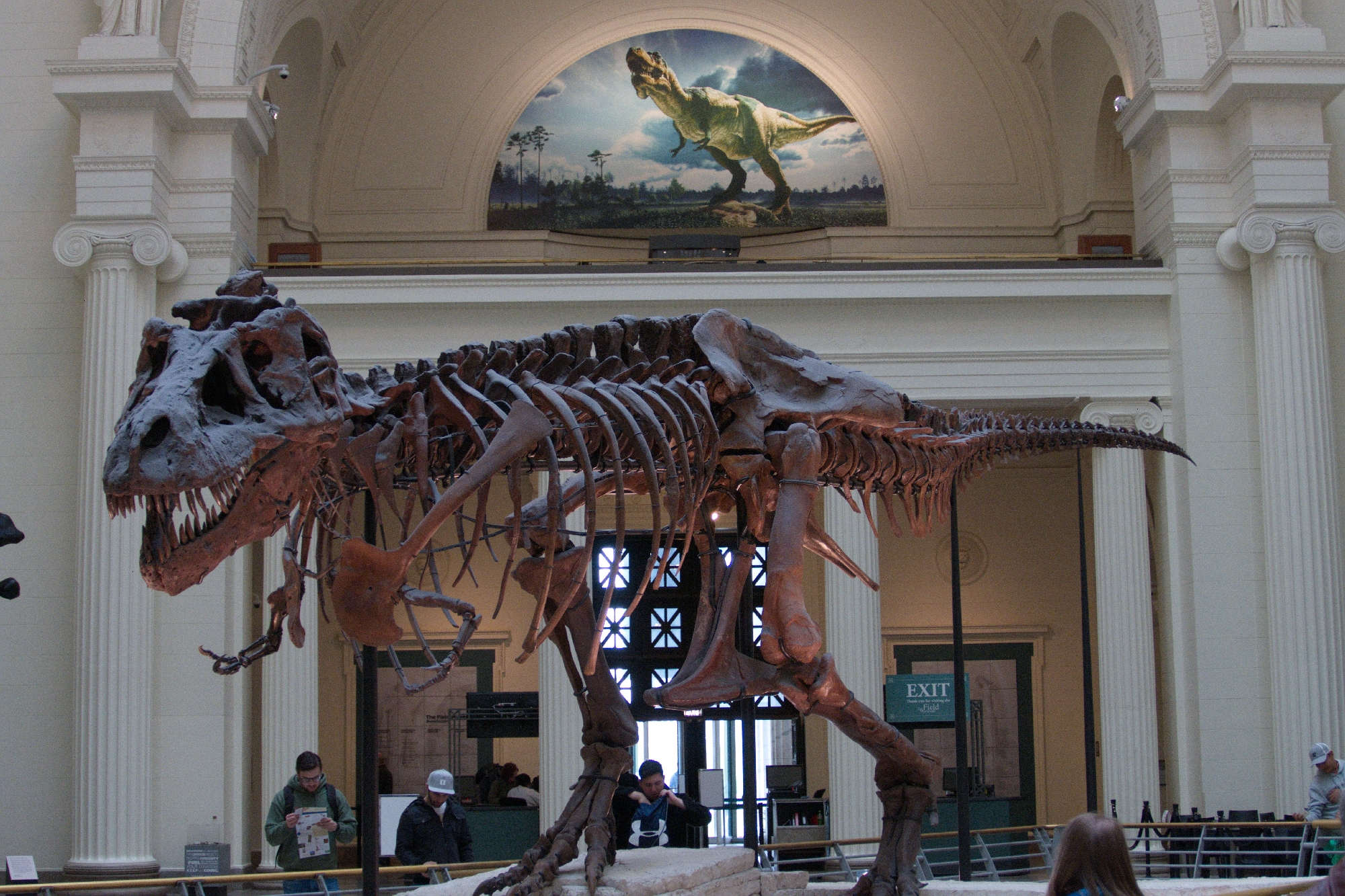
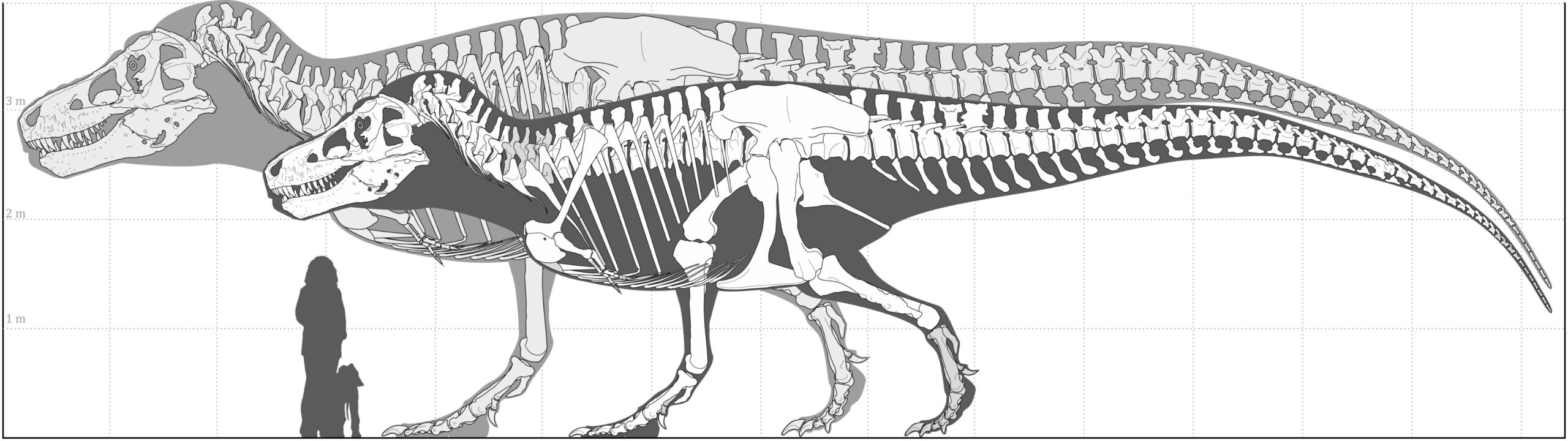
Sue stands 13 feet tall at the hip and stretches 40 feet from nose to tail, making her one of the largest land predators ever discovered. Her skull alone weighs 600 pounds and measures 5 feet long. These dimensions dwarf most other T. rex specimens and suggest these creatures grew even larger than previously imagined.
The skeleton’s massive leg bones reveal incredible muscle attachment points. Scientists estimate Sue weighed between 8 and 9 tons when alive – roughly equivalent to a large elephant. Her thigh bone alone measures 4 feet long, indicating the immense power needed to move such a colossal frame across prehistoric landscapes.
Revolutionary Preservation Reveals Ancient Secrets
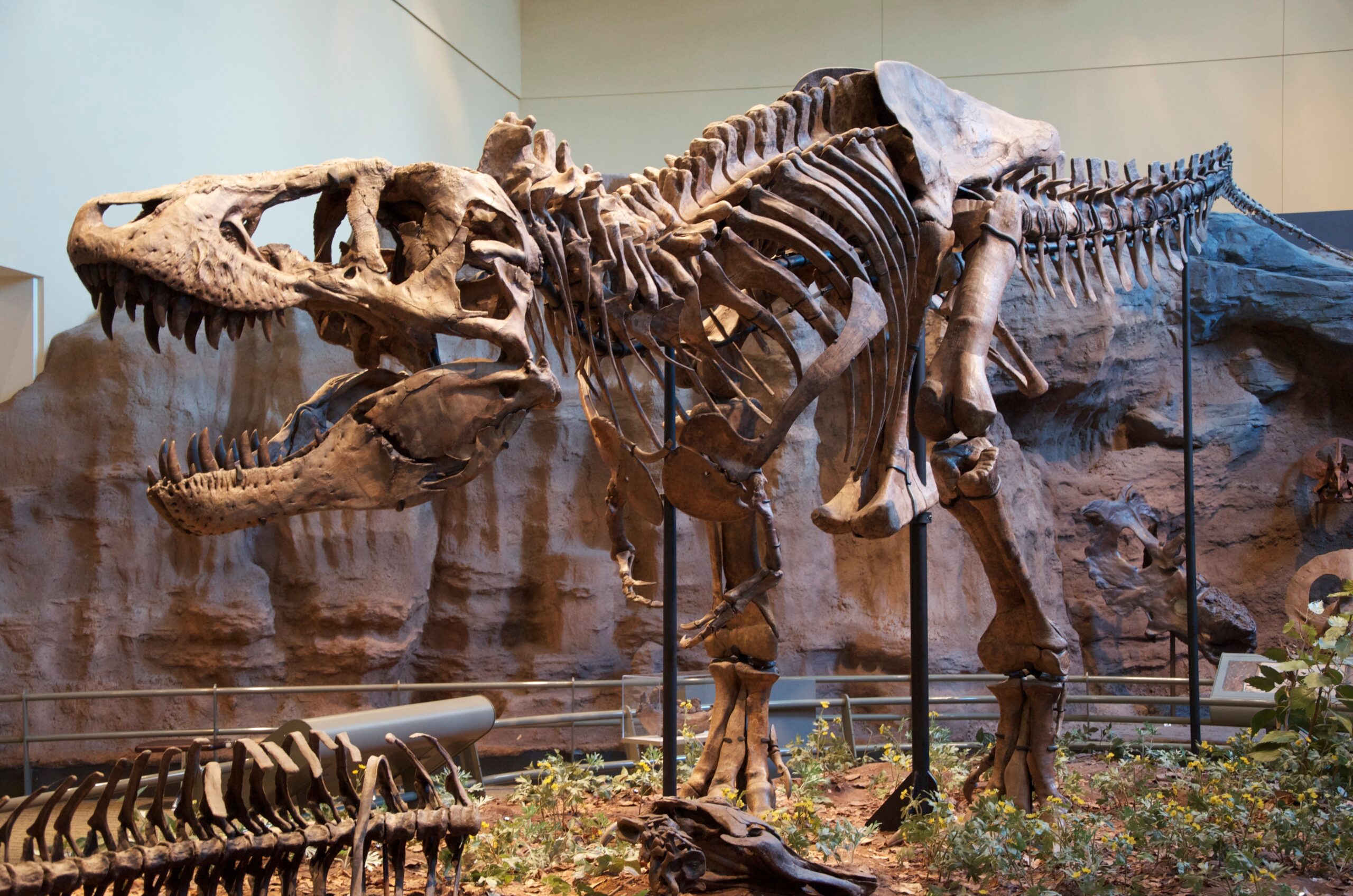
Sue’s exceptional preservation has provided unprecedented insights into T. rex biology. Many bones retain their original surface texture, allowing scientists to study muscle attachment sites and bone pathology in remarkable detail. Some bones even show evidence of blood vessels and soft tissue structures that typically don’t survive fossilization.
The preservation quality extends to Sue’s teeth, which remain sharp and intact. Researchers can examine wear patterns that reveal hunting and feeding behaviors. Microscopic analysis of the bone structure has revealed growth rings similar to tree rings, helping scientists determine Sue’s age at death – approximately 28 years old.
Sue’s Injuries Tell a Story of Survival
Sue’s bones reveal a life filled with violence and survival. Her skull bears puncture wounds consistent with bites from another T. rex, suggesting these giants engaged in brutal combat. A broken and healed rib indicates Sue survived significant trauma, possibly from territorial disputes or mating conflicts.
Perhaps most intriguingly, Sue’s left arm shows signs of infection that likely caused considerable pain. The bone surface displays abnormal growths and texture changes typical of chronic osteomyelitis. Despite these injuries, Sue lived for years after sustaining them, demonstrating the remarkable resilience of these ancient predators.
Gender Mysteries That Challenge Assumptions
Despite the feminine name, Sue’s actual gender remains a scientific mystery. The nickname honors discoverer Sue Hendrickson, but determining dinosaur sex from skeletal remains proves incredibly challenging. Traditional methods used for modern birds don’t apply reliably to fossilized specimens.
Some researchers have proposed examining the spacing between tail bones as a potential indicator, but this method remains controversial. The lack of preserved reproductive organs means Sue’s true gender may never be definitively determined. This uncertainty highlights how much we still don’t understand about these ancient creatures.
Advanced Technology Reveals Hidden Details
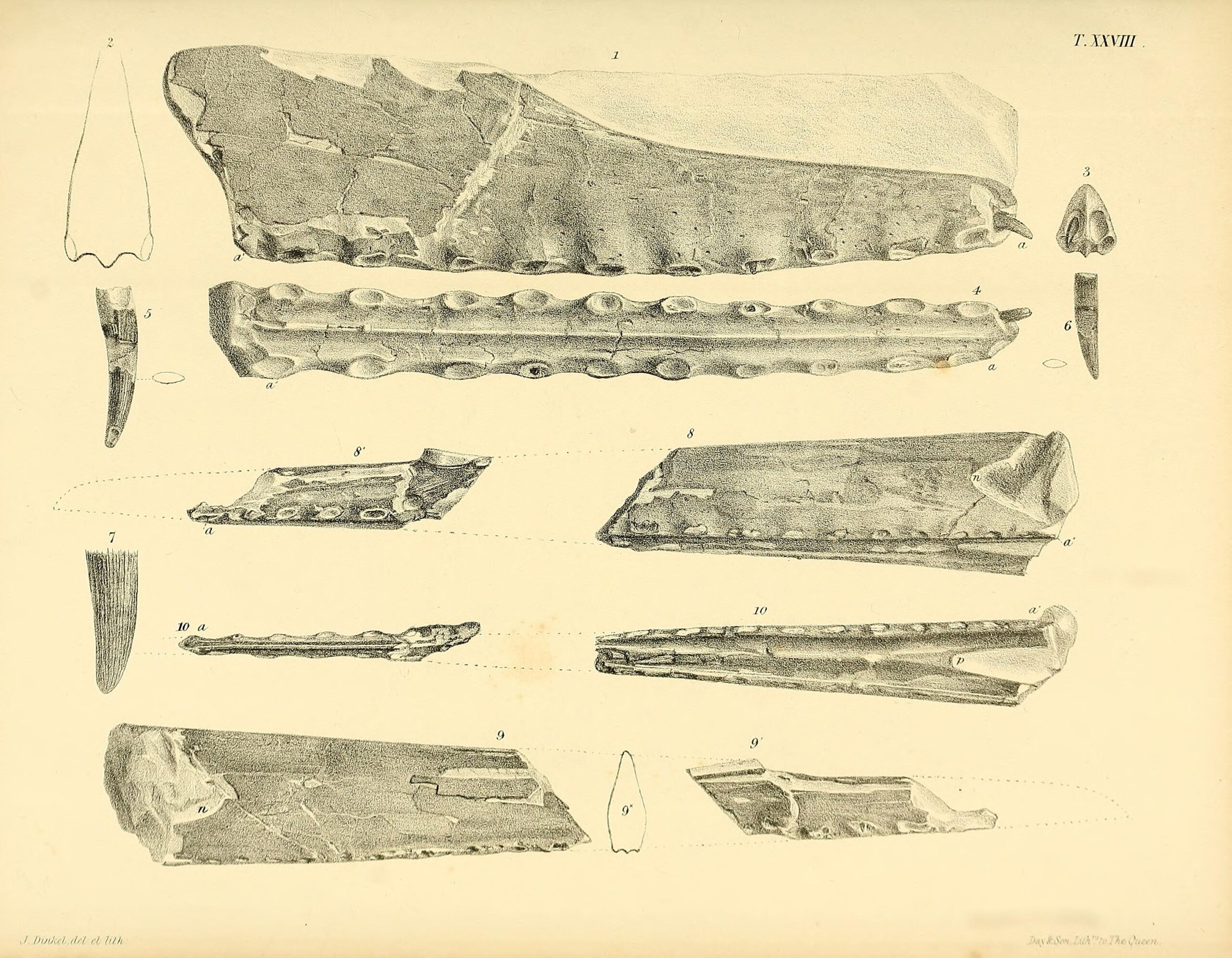
Modern scanning techniques have revolutionized Sue’s study without damaging the precious fossils. CT scans reveal internal bone structures and previously hidden fractures. 3D imaging allows researchers to examine bones from impossible angles and create detailed digital models for further analysis.
These technological advances have uncovered evidence of Sue’s brain structure and inner ear configuration. The findings suggest T. rex possessed excellent hearing and a keen sense of balance. Some scans even hint at the creature’s intelligence levels, though definitive conclusions remain elusive.
Sue’s Impact on T. rex Intelligence Research
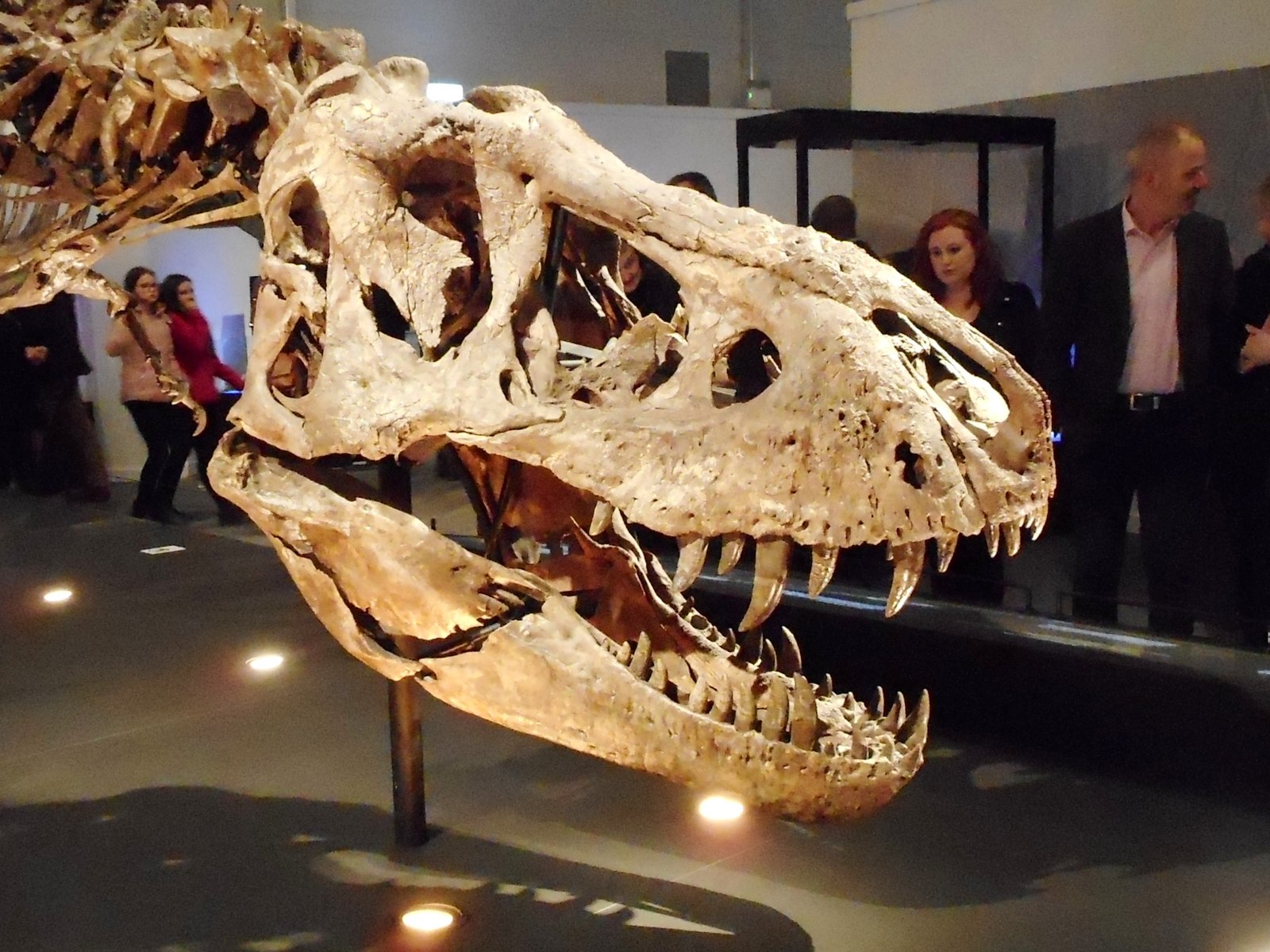
Sue’s well-preserved skull has provided crucial data for understanding T. rex cognitive abilities. The brain cavity, though small relative to body size, shows complex internal structures. Researchers have created detailed casts of the brain space, revealing enlarged areas associated with smell and hearing.
These findings challenge earlier assumptions about dinosaur intelligence. The sophisticated sensory processing areas suggest T. rex possessed remarkable hunting abilities and environmental awareness. Some scientists now argue these predators demonstrated problem-solving skills and possibly even social behaviors previously attributed only to mammals.
The Feather Controversy Sue Helped Resolve
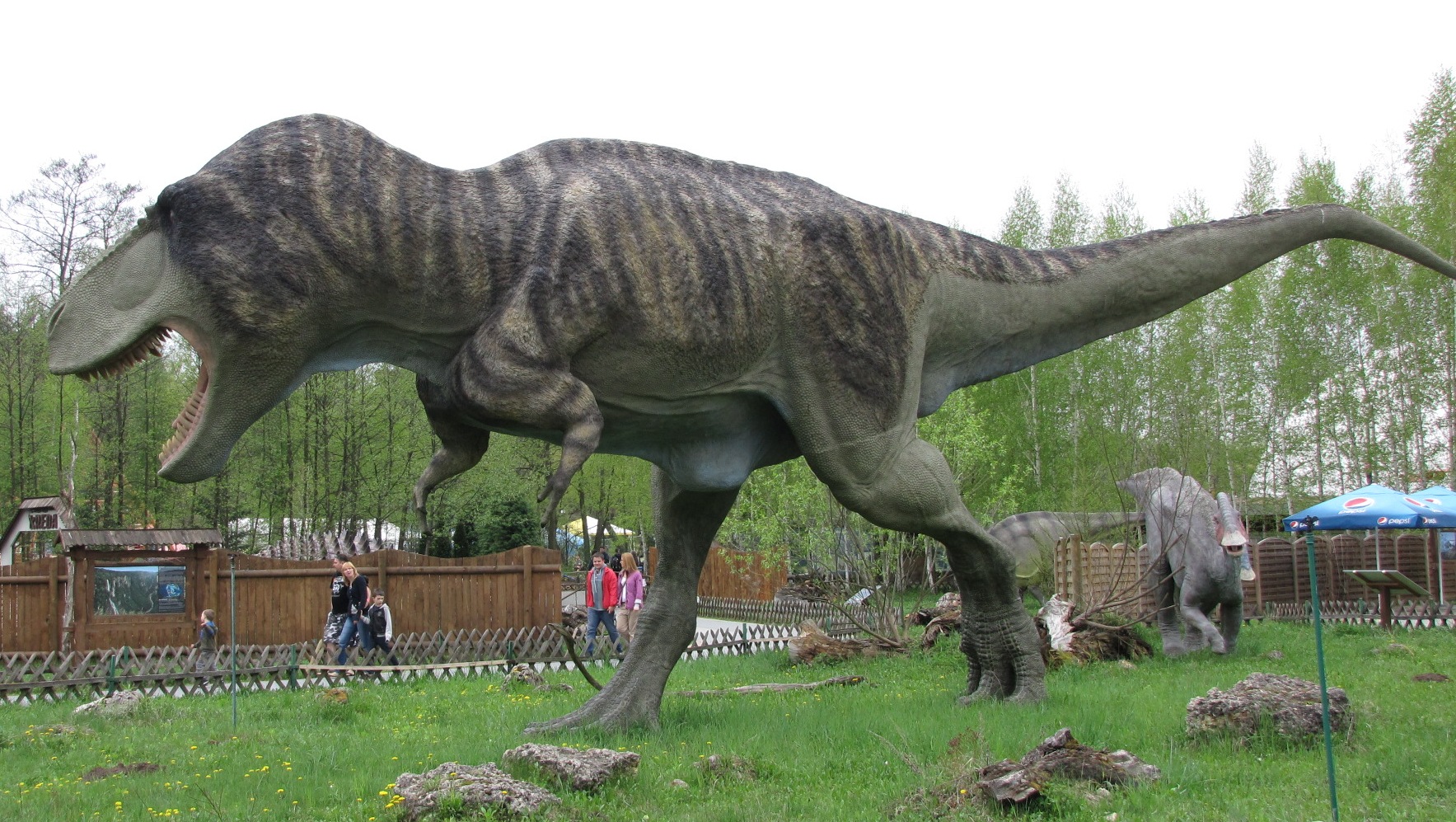
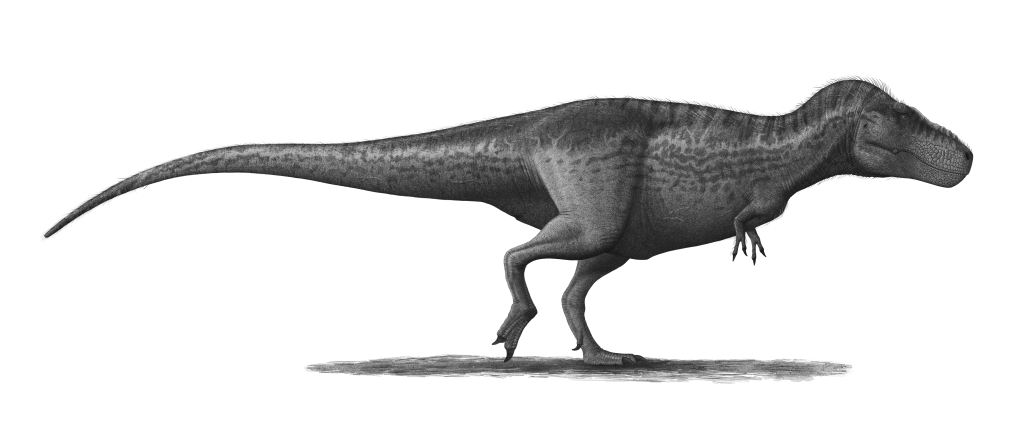
While Sue’s skeleton doesn’t preserve feathers, her discovery contributed to the ongoing debate about T. rex integument. The exceptional preservation quality of Sue’s bones has helped establish baselines for comparing with other specimens that do show feather impressions. Recent discoveries of smaller tyrannosaurs with definitive feather evidence have implications for understanding Sue’s appearance.
Scientists now believe juvenile T. rex likely possessed feathers for insulation and display. Whether adults like Sue retained these features remains hotly debated. The current consensus suggests adult T. rex may have had patchy feather coverage or none at all, but Sue’s contribution to this discussion continues as new comparative specimens emerge.
Sue’s Role in Understanding T. rex Growth Patterns
Sue’s age at death – determined through bone histology – places her in the adult category but not necessarily fully mature. Analysis of her growth rings indicates she was still growing when she died, though at a much slower rate than juveniles. This discovery has reshaped understanding of T. rex development and lifespan.
The growth pattern data from Sue suggests these dinosaurs experienced rapid juvenile growth spurts followed by gradual adult development. Her bone structure indicates she could have lived another decade or more, potentially reaching even larger sizes. This finding implies the largest T. rex specimens may still await discovery.
Sue’s Influence on Museum Display Innovation

Sue’s arrival at the Field Museum revolutionized paleontological displays. The museum invested in cutting-edge mounting techniques that showcase her impressive size while ensuring visitor safety. The dramatic pose, with Sue’s massive head lowered as if stalking prey, creates an unforgettable visitor experience.
The display incorporates interactive elements that allow visitors to explore Sue’s anatomy in detail. Digital screens provide information about her injuries, diet, and behavior. The museum’s approach has influenced dinosaur exhibits worldwide, setting new standards for educational paleontological displays.
Scientific Publications That Sue Inspired
Sue has generated hundreds of scientific papers since her discovery. Research topics range from biomechanics and bite force calculations to disease pathology and growth patterns. Her exceptional preservation has made her a benchmark specimen for comparative studies with other T. rex fossils.
The ongoing research continues to produce surprising findings. Recent studies have used Sue’s bones to estimate running speeds, calculate bite forces exceeding 12,000 pounds per square inch, and model hunting strategies. Each new publication adds layers to our understanding of these magnificent predators.
Sue’s Legacy in Modern Paleontology
Sue’s discovery marked a turning point in paleontological research methods and public engagement. The specimen has inspired countless young scientists to pursue careers in paleontology. Her story demonstrates how a single discovery can transform an entire field of study.
The legal battle surrounding Sue also led to important changes in fossil collection laws and ethics. Museums now operate under stricter guidelines for acquiring specimens, ensuring proper documentation and legal ownership. Sue’s case established precedents that continue to influence paleontological practices today.
The Continuing Mystery of Sue’s Death
Despite decades of study, Sue’s cause of death remains unknown. The absence of obvious fatal injuries suggests she may have died from disease, old age, or environmental factors that left no trace on her bones. Some researchers speculate about infections or parasites that could have weakened her immune system.
The mystery adds to Sue’s allure and demonstrates how much we still don’t understand about dinosaur mortality. Her death scene, preserved in South Dakota sediments, offers few clues about her final moments. This uncertainty reminds us that even the most studied specimens retain their secrets, keeping the scientific community engaged in ongoing research.
Sue the T. rex represents more than just an impressive fossil display – she embodies the intersection of scientific discovery, legal precedent, and public fascination with prehistoric life. Her bones continue to reveal new secrets about one of Earth’s most iconic predators, while her story illustrates the complex journey from discovery to scientific understanding. The ongoing research surrounding Sue ensures that her contributions to paleontology will continue for generations to come. What other secrets might still be hidden within those ancient bones?