A Prehistoric Paradise Born from Ancient Seabeds

Did you know that the mountains of Fukui Prefecture once lay beneath a tropical ocean teeming with massive reptiles? The Fukui Dinosaur Museum stands as a testament to one of the most remarkable paleontological discoveries in Asia, built literally on top of some of Japan’s richest dinosaur fossil beds. This isn’t just another natural history museum – it’s a world-class research facility that has revolutionized our understanding of Asian dinosaur evolution.
The museum’s location in Katsuyama City isn’t coincidental. The surrounding Kitadani Formation has yielded more dinosaur fossils than any other site in Japan, making it the perfect spot for this paleontological powerhouse. What makes this place truly special is how it seamlessly blends cutting-edge research with public education, creating an experience that feels more like stepping into a time machine than visiting a traditional museum.
The Architectural Marvel That Mirrors Prehistoric Life

The museum’s distinctive silver dome rises from the landscape like a massive fossilized egg, and that resemblance is entirely intentional. Designed by renowned architect Kisho Kurokawa, the building’s organic curves and metallic surfaces create an otherworldly atmosphere that immediately transports visitors into the realm of prehistoric imagination. The structure spans an impressive 20,000 square meters, making it one of the largest dinosaur museums in the world.
Inside, the soaring central atrium reaches heights of 37 meters, creating a cathedral-like space that dwarfs even the largest dinosaur skeletons. The building’s design incorporates natural lighting that changes throughout the day, mimicking the ancient environments where these creatures once roamed. This architectural approach isn’t just aesthetically pleasing – it’s scientifically inspired, with each element designed to enhance the visitor’s understanding of deep time and evolutionary processes.
Fukuiraptor: The Homegrown Predator That Started It All

The museum’s most famous resident is Fukuiraptor kitadaniensis, a fearsome predator that was discovered right in the museum’s backyard in 1989. This 4.2-meter-long carnivore represents the first dinosaur species ever named after a Japanese prefecture, marking a pivotal moment in the country’s paleontological history. The original discovery consisted of remarkably complete skeletal remains, including a nearly intact skull that provided unprecedented insights into Asian theropod evolution.
What makes Fukuiraptor particularly fascinating is its unique combination of primitive and advanced features. This dinosaur lived during the Early Cretaceous period, around 120 million years ago, and its anatomy reveals crucial information about how large predatory dinosaurs evolved in Asia. The museum’s detailed reconstructions show this apex predator in all its glory, complete with scientifically accurate feather patterns based on the latest research.
The Bone Wars of Japan: Uncovering Fukuisaurus
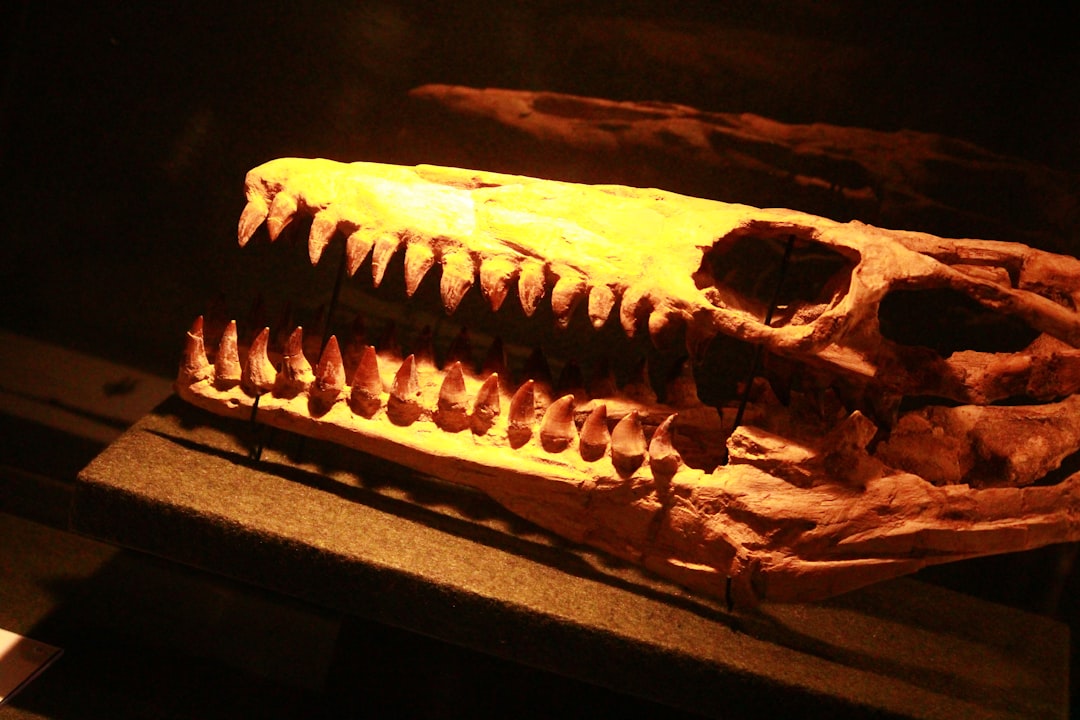
While Fukuiraptor grabbed headlines, the discovery of Fukuisaurus tetoriensis proved equally groundbreaking for different reasons. This massive herbivore, measuring up to 9 meters in length, represents one of the most complete hadrosaurid skeletons ever found in Asia. The fossil’s preservation is so exceptional that researchers have been able to study everything from its diet to its social behavior.
The excavation of Fukuisaurus reads like an adventure novel, with paleontologists working through harsh mountain winters and summer heat to carefully extract each bone. The skeleton’s discovery revolutionized our understanding of duck-billed dinosaur migration patterns, suggesting that these creatures traveled much farther across ancient continents than previously thought. Today, visitors can observe active fossil preparation work through glass windows, watching scientists carefully clean and study new discoveries in real-time.
Interactive Technology That Brings Extinction to Life
The museum’s commitment to cutting-edge technology transforms static displays into dynamic experiences that engage all the senses. Advanced animatronics create lifelike dinosaur movements, while immersive sound systems reproduce the calls and environmental sounds of prehistoric ecosystems. The crown jewel is the museum’s 4D theater, where visitors can experience everything from volcanic eruptions to meteorite impacts that shaped dinosaur evolution.
Virtual reality stations allow guests to walk alongside massive sauropods or flee from charging predators, creating emotional connections that traditional displays simply can’t match. The museum’s smartphone app uses augmented reality to overlay digital reconstructions onto fossil displays, showing visitors exactly how each specimen would have appeared in life. These technological innovations aren’t just flashy additions – they’re carefully designed educational tools that help visitors understand complex scientific concepts through direct experience.
The Living Laboratory: Active Research in Action
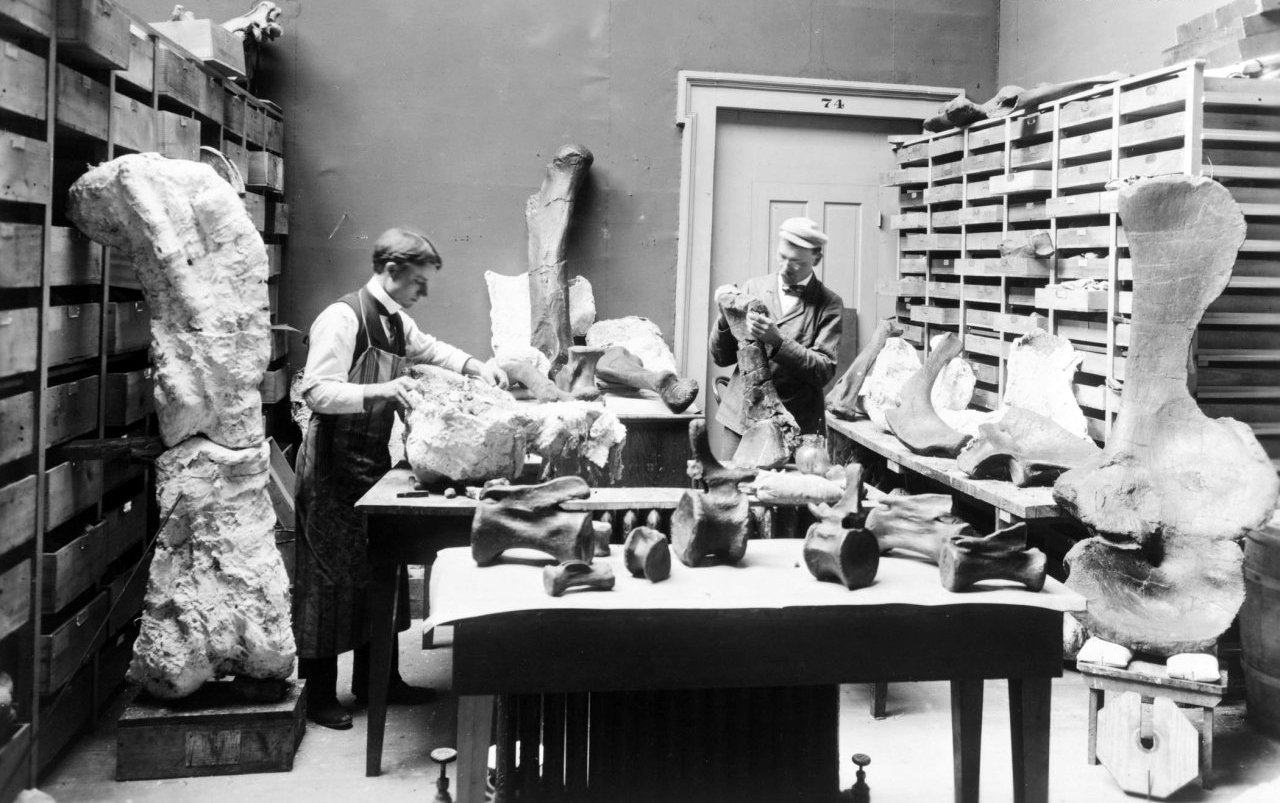
Unlike many museums where research happens behind closed doors, the Fukui Dinosaur Museum operates as a transparent research facility where visitors can observe scientists at work. The museum’s laboratories feature floor-to-ceiling windows that provide clear views of fossil preparation, CT scanning, and analytical work. This open approach demystifies the scientific process and shows visitors that paleontology is an active, ongoing field of discovery.
The museum’s research team has described numerous new species since opening, including several that have rewritten textbooks on dinosaur evolution. Their work extends beyond simple fossil description to include cutting-edge techniques like isotope analysis and biomechanical modeling. Visitors can often interact directly with researchers during special programs, asking questions and learning about the day-to-day challenges of paleontological work.
Educational Programs That Inspire Future Scientists

The museum’s educational mission extends far beyond passive observation, offering hands-on programs that turn visitors into active participants in scientific discovery. The popular “Dig Experience” allows guests to excavate real fossils from specially prepared sediment blocks, using the same tools and techniques employed by professional paleontologists. These programs are so popular that they often book up months in advance, attracting families from across Japan and beyond.
School groups receive specialized treatment through comprehensive educational packages that align with national science curricula. Students can participate in mock excavations, fossil casting workshops, and interactive lectures that bring prehistoric worlds to life. The museum’s education team has developed age-appropriate materials for everyone from elementary students to university researchers, ensuring that each visitor leaves with a deeper understanding of earth’s history.
The Kitadani Formation: A Window into Cretaceous Asia

The fossil-rich rocks surrounding the museum represent one of the most important dinosaur-bearing formations in Asia, preserving a complete ecosystem from the Early Cretaceous period. The Kitadani Formation’s unique geological conditions created perfect fossilization environments, capturing not just dinosaur bones but also plants, insects, and marine creatures that lived alongside these ancient giants. This comprehensive preservation allows scientists to reconstruct entire prehistoric ecosystems with remarkable detail.
What makes the Kitadani Formation particularly valuable is its age – dating to approximately 120 million years ago, it fills crucial gaps in our understanding of dinosaur evolution. The formation’s fossils reveal a time when Asia was connected to other continents, allowing for complex migration patterns and evolutionary exchanges. Visitors can explore detailed dioramas that recreate these ancient environments, complete with accurate plant life and climate conditions based on fossil evidence.
Conservation Efforts: Preserving the Past for the Future
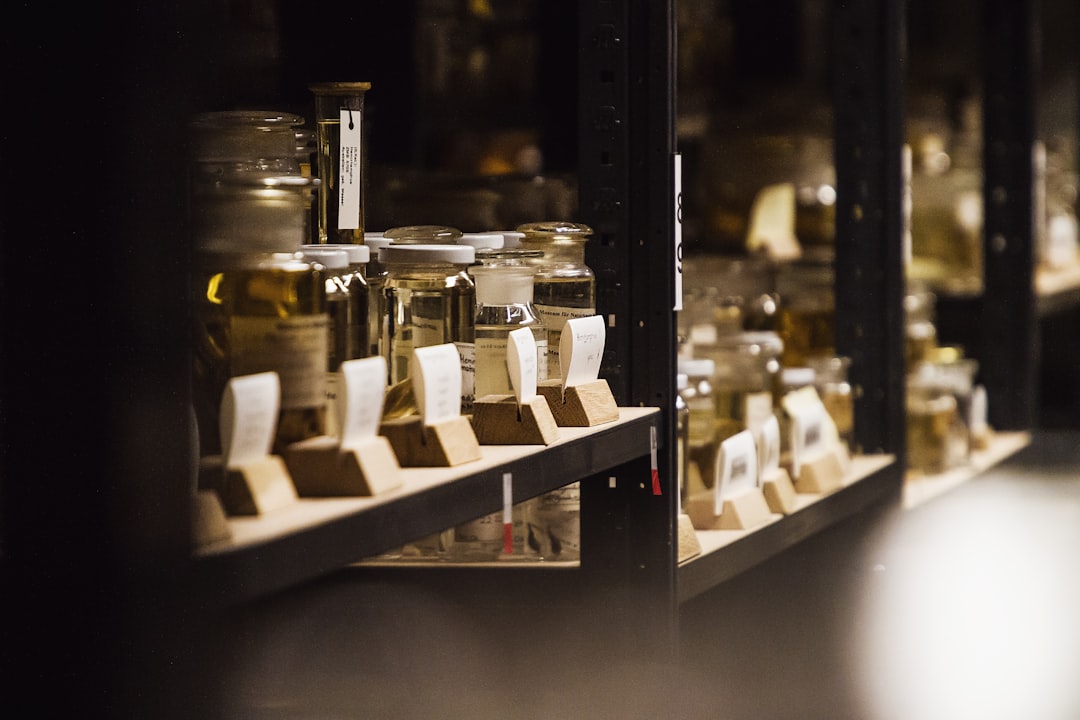
The museum takes its role as a guardian of paleontological heritage extremely seriously, implementing state-of-the-art conservation techniques to ensure that fossils remain stable for future generations. Climate-controlled storage facilities maintain optimal temperature and humidity levels, while specialized mounting systems protect delicate specimens from vibration and handling damage. The museum’s conservation lab is equipped with advanced tools including micro-CT scanners and laser ablation systems for detailed analysis.
Beyond preserving existing collections, the museum actively works to protect fossil sites throughout the region from development and natural erosion. Their field teams conduct regular surveys to identify new fossil localities and assess threats to known sites. This proactive approach has led to the discovery of several new fossil sites and the successful protection of areas that might otherwise have been lost to quarrying or construction.
International Collaboration and Scientific Exchange

The Fukui Dinosaur Museum serves as a hub for international paleontological collaboration, hosting researchers from around the world and participating in joint expeditions to fossil sites across Asia. These partnerships have led to groundbreaking discoveries and publications that advance our understanding of dinosaur evolution on a global scale. The museum’s sister relationships with institutions in Mongolia, China, and the United States facilitate regular exchange of specimens and expertise.
Annual scientific conferences held at the museum bring together leading paleontologists to share the latest research findings and debate controversial topics in dinosaur science. These gatherings have produced influential publications and collaborative research projects that span continents. The museum’s commitment to open science means that research data and 3D models are freely shared with the global scientific community, accelerating discoveries worldwide.
The Economic Impact of Prehistoric Tourism

The museum’s presence has transformed Katsuyama City from a quiet rural community into a thriving destination for prehistoric tourism. Local businesses have embraced the dinosaur theme, creating everything from dinosaur-shaped foods to fossil-hunting tour packages. The economic impact extends beyond direct tourism, with the museum serving as a catalyst for educational tourism throughout the region.
Hotels, restaurants, and souvenir shops have all benefited from the steady stream of visitors who come to experience the museum’s world-class offerings. The museum estimates that it contributes over 10 billion yen annually to the local economy, supporting hundreds of jobs and encouraging young people to stay in the region rather than migrate to larger cities. This economic success story demonstrates how scientific institutions can serve as engines for regional development.
Seasonal Exhibitions and Special Events

The museum’s rotating exhibition schedule ensures that even repeat visitors encounter new discoveries and fresh perspectives on dinosaur science. Special exhibitions have featured everything from feathered dinosaurs to mass extinction events, often incorporating specimens borrowed from international museums. These temporary displays allow the museum to showcase the latest research findings and explore topics that extend beyond its permanent collection.
Annual events like “Dinosaur Day” and “Fossil Festival” draw thousands of visitors for special lectures, behind-the-scenes tours, and exclusive access to research facilities. The museum’s night events are particularly popular, offering atmospheric after-hours experiences where visitors can explore the galleries by special lighting that creates dramatic shadows and highlights. These special programs often sell out quickly, demonstrating the public’s insatiable appetite for prehistoric experiences.
Future Expansion and Technological Innovation
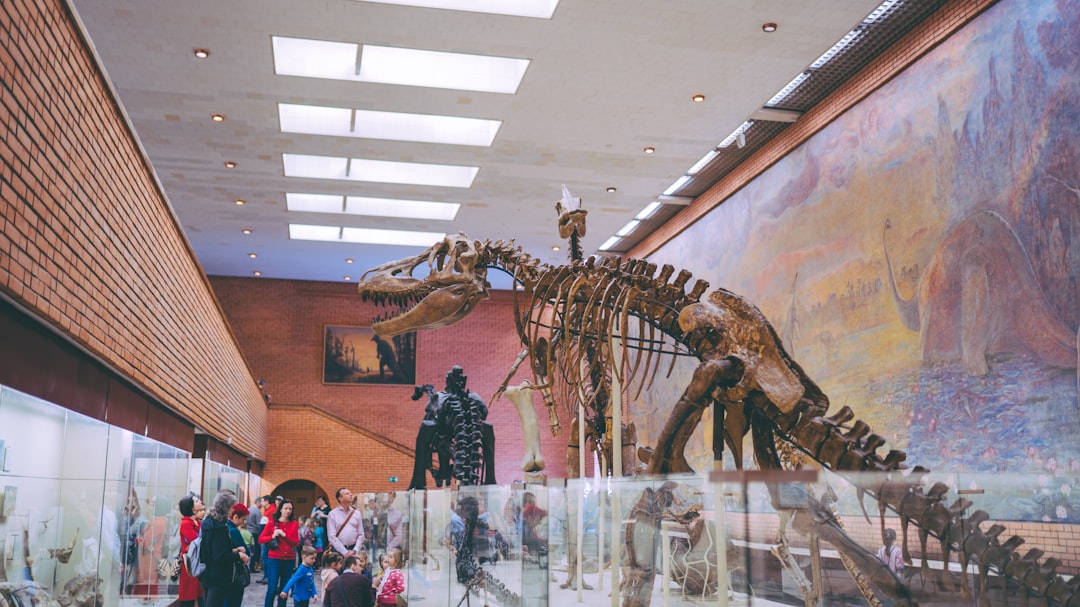
The museum’s commitment to innovation continues with ambitious expansion plans that will add new exhibition spaces and research facilities over the next decade. Proposed additions include a dedicated paleobotany hall, expanded laboratory spaces, and an outdoor fossil park where visitors can participate in supervised excavations. These developments will cement the museum’s position as Asia’s premier paleontological institution.
Emerging technologies like artificial intelligence and machine learning are being integrated into research programs, helping scientists identify new fossil sites and analyze complex evolutionary patterns. The museum is also exploring virtual reality applications that could allow remote visitors to experience the galleries and participate in educational programs from anywhere in the world. These technological advances promise to make the museum’s resources accessible to a truly global audience.
The Fukui Dinosaur Museum stands as more than just a repository of ancient bones – it’s a living laboratory that continues to reshape our understanding of prehistoric life while inspiring countless visitors to appreciate the deep connections between past and present. Through its unique combination of world-class research, innovative displays, and community engagement, the museum has created a model for how scientific institutions can serve both scholarly advancement and public education. The discovery of new species continues regularly, ensuring that this prehistoric paradise will keep surprising and delighting visitors for generations to come.
What other secrets might still be hidden in the ancient rocks of Fukui Prefecture, waiting for the next generation of paleontologists to uncover?