
The Triassic Period began roughly 252 million years ago after Earth’s most devastating extinction event. The Permian-Triassic extinction event wiped out an estimated 57% of biological families and 81% of marine species. But from this apocalyptic landscape emerged one of the most remarkable evolutionary success stories in Earth’s history. Out of the ruins came strange reptiles, early mammals, and the very first true dinosaurs, testing their place in a fragile new world. The climate was harsh, the continents still fused into the supercontinent Pangaea, and ecosystems were unstable—but these conditions also created opportunities. Small, two-legged dinosaurs began to adapt quickly, competing with other reptiles for dominance. Over time, they grew more diverse, setting the stage for the Jurassic giants that would one day rule the land. The Triassic wasn’t just about survival—it was about the birth of a dynasty. The survivors didn’t just rebuild – they revolutionized life on our planet forever.
The Great Dying Sets the Stage
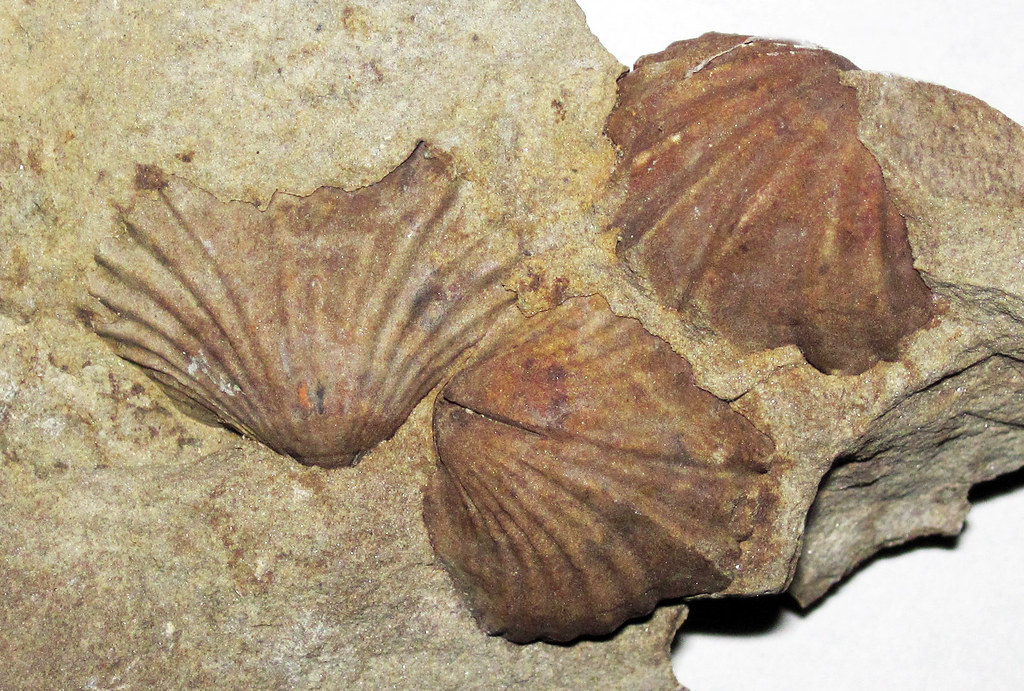
The Permian-Triassic extinction event, also known as the Great Dying, took place roughly 252 million years ago and was one of the most significant events in the history of our planet. Imagine a world where nearly every living thing you could see simply vanished in what amounts to a geological instant. It eliminated 70% of terrestrial vertebrate species and 81% of marine species, making it far more catastrophic than the asteroid impact that later killed the non-avian dinosaurs.
Various theories have been proposed for the cause, including massive volcanic eruptions in what is now Siberia, the release of methane from ocean depths, sea level changes, or a combination of many factors. The scientific consensus points to flood basalt volcanic eruptions that created the Siberian Traps, releasing sulfur dioxide and carbon dioxide. The aftermath left Earth’s ecosystems in shambles, with vast empty ecological niches waiting to be filled.
Survivors in a Broken World
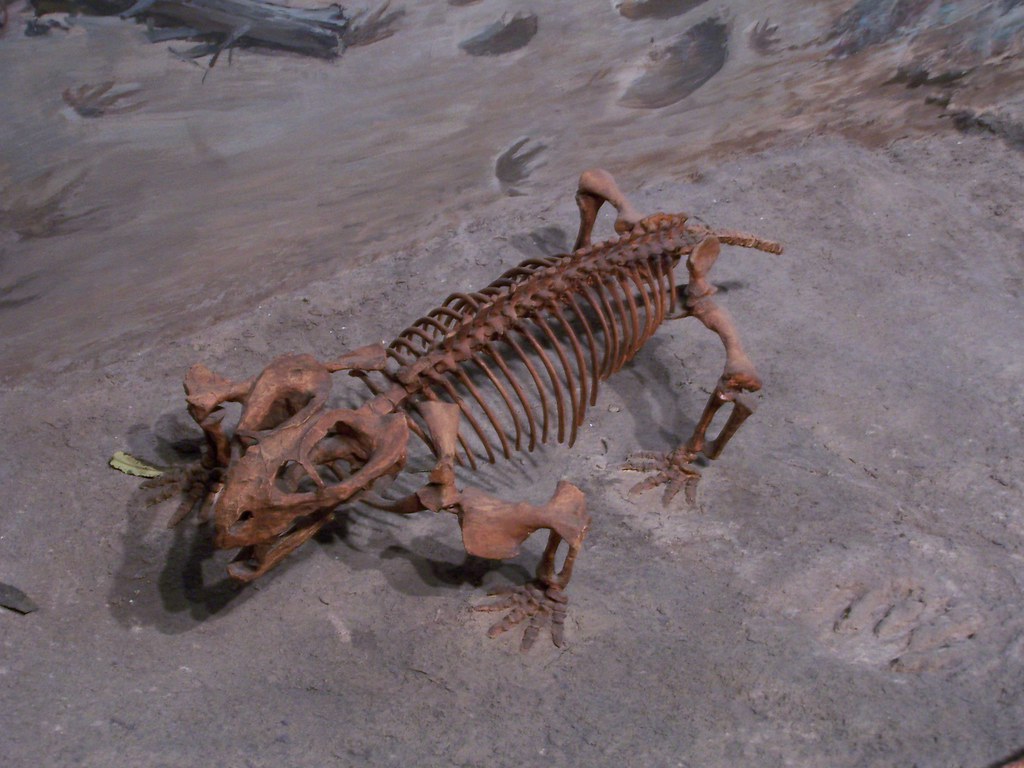
The start of the Triassic was a desolate time when something had triggered the extinction of more than 90 percent of Earth’s species. Yet life proved remarkably resilient. The early Triassic was dominated by mammal-like reptiles such as Lystrosaurus. This pig-sized herbivore became incredibly widespread, with its fossils found across different continents that were then joined as the supercontinent Pangaea.
Land vertebrates took an unusually long time to recover from the extinction, with paleontologist Michael Benton estimating recovery wasn’t complete until 30 million years after the extinction, not until the Late Triassic when the first dinosaurs had risen. The world during this recovery period looked nothing like what came before or after. It was a testing ground where evolution would experiment with entirely new forms of life.
The Archosaur Revolution Begins
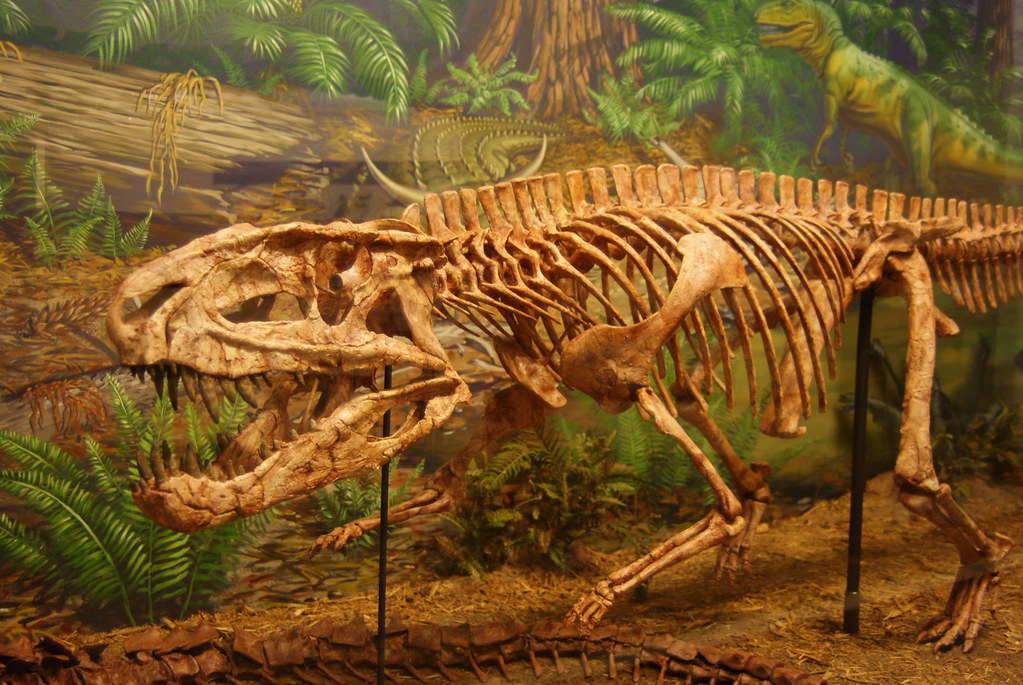
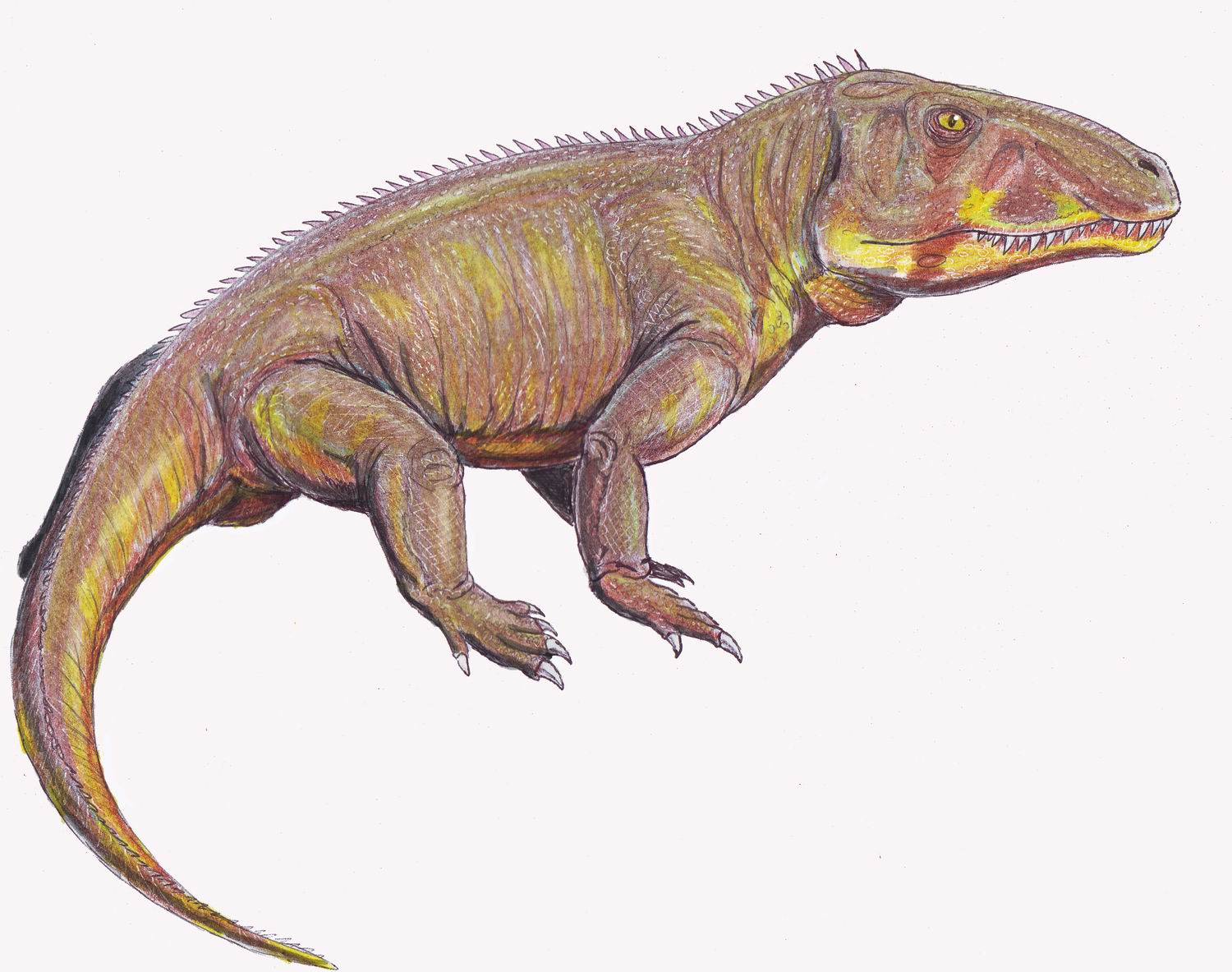
The oldest true archosaurs appeared during the Olenekian stage of the Early Triassic, including fragmentary fossils of large carnivorous crocodilian-line archosaurs informally termed “rauisuchians”. These weren’t dinosaurs yet, but they were the crucial ancestors that would eventually give rise to them. Archosaurs have a nearly 250 million year record that originated shortly after the Permian-Triassic extinction event.
By the Late Triassic there was a shift in dominance between the mammal-like reptiles and the archosaurs. Archosaurs were better able to fill the empty niches left following the extinction of some of the synapsid lineages. This wasn’t just opportunistic expansion – it was a fundamental changing of the guard that would reshape terrestrial ecosystems for the next 180 million years.
Why Archosaurs Conquered the World
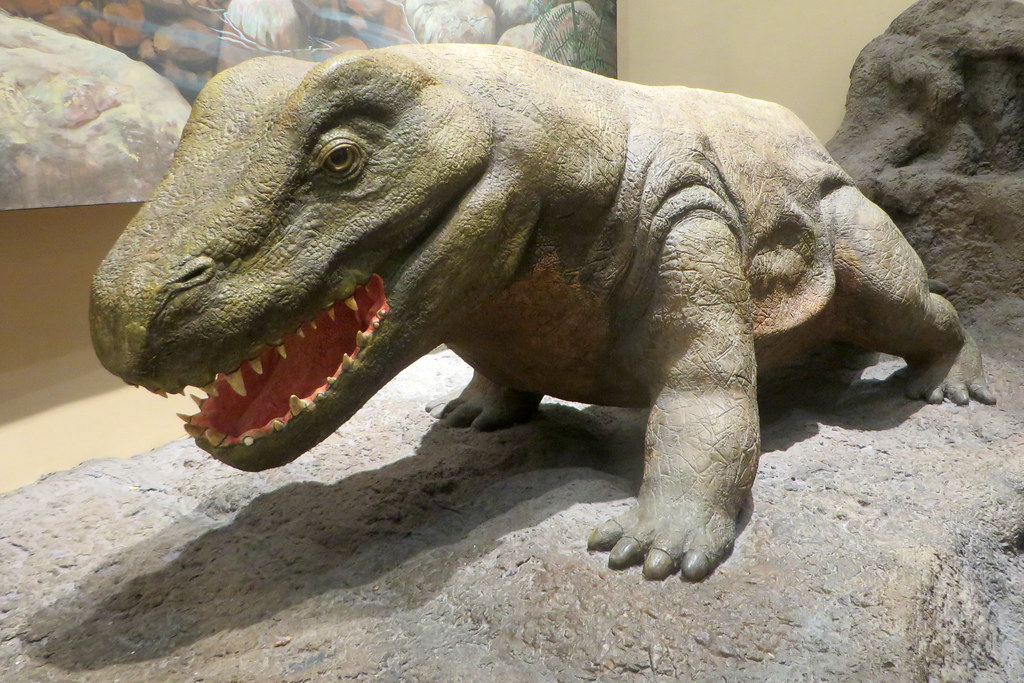
The Early Triassic was predominantly arid because most of Earth’s land was concentrated in the supercontinent Pangaea, and archosaurs were probably better at conserving water than early synapsids. Modern diapsids excrete uric acid as a paste, resulting in low water loss, and it’s reasonable to suppose that archosaurs also excreted uric acid and were good at conserving water.
Erythrosuchids and Euparkeria showed signs of high growth rates and elevated metabolism, with sexual maturity reached quickly, providing advantage in a habitat with unpredictable variation from heavy rainfall to drought and high mortality. These physiological advantages weren’t accidents – they were evolutionary responses to the harsh post-extinction world that would serve archosaurs well as they diversified into new ecological roles.
The First Dinosaur Ancestors

An early candidate for the ancestor of dinosaurs was a small basal archosaur from the Early Triassic called Euparkeria from South Africa. New discoveries suggest creatures that are even more dinosaur-like from the Middle Triassic and early Late Triassic of South America, including Lagerpeton, Lagosuchus, Pseudolagosuchus, and Lewisuchus.
The oldest known fossils of bird-line archosaurs are from the Anisian stage of Tanzania, and include Asilisaurus, Teleocrater, and Nyasasaurus. Nyasasaurus is considered by some to be the oldest known member of Dinosauria. These early forms were small, agile creatures that looked nothing like the giants that would later dominate popular imagination.
True Dinosaurs Make Their Debut
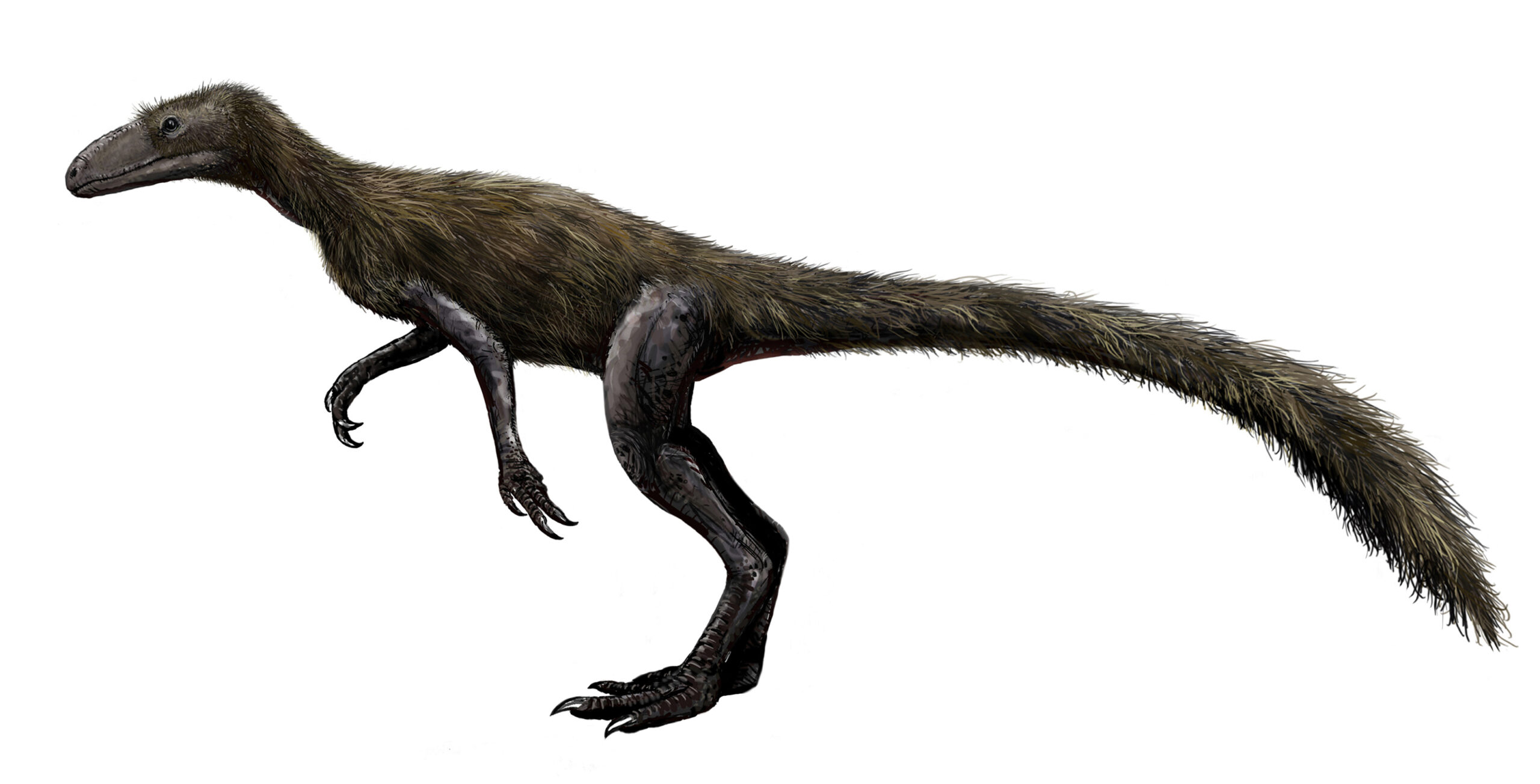
It was around 243-245 million years ago that the first dinosaurs appear in the fossil record as small, bipedal creatures that would have darted across the variable landscape. These ancestors were lightly built two-legged animals, around the size of a crow, with our best evidence of the earliest dinosaur ancestors coming from South America.
True dinosaurs evolved by approximately 233 million years ago, early in the Late Triassic, and spread across the connected continents. The Ischigualasto Formation in Argentina from around 230 million years ago shows an environment dominated by rhynchosaurs and cynodonts, but crucially reveals a number of different early dinosaur species in the mix.
Early Dinosaur Diversity Emerges
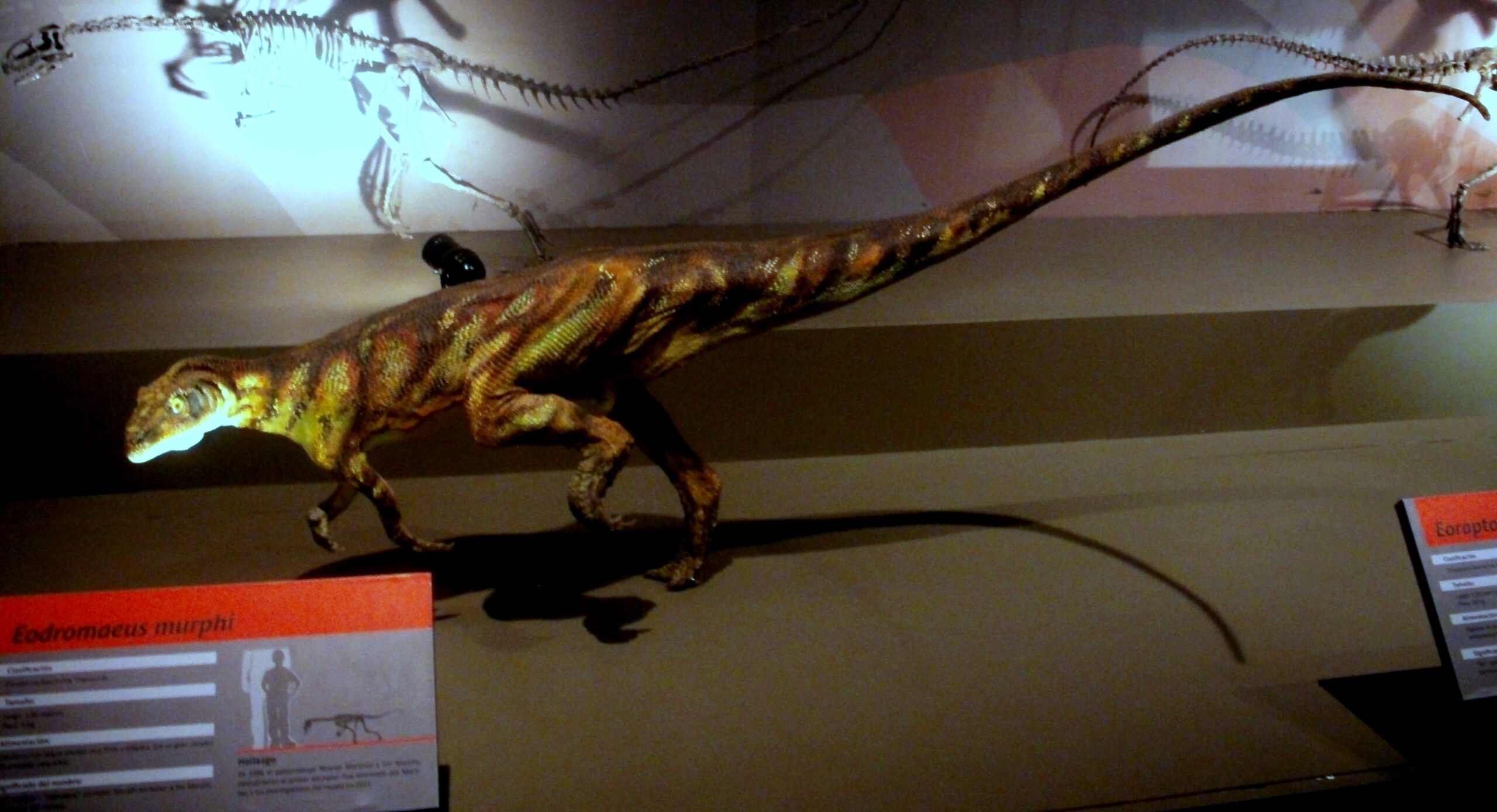
These early dinosaur species include small bipedal creatures such as Eodromaeus and Eoraptor, and larger animals such as Herrerasaurus. Not long after they first appeared, dinosaurs may have already diverged into two main groups: the Saurischia, which includes the sauropods, and the Ornithoscelida, which includes the theropods and ornithischians.
Among the first dinosaurs was the two-footed carnivore Coelophysis, which grew up to 9 feet tall, weighed around 33-60 pounds, and lived approximately 228 to 201 million years ago. By the end of the Triassic, some early dinosaurs were impressive in size, with relatives of sauropods like Riojasaurus and Lessemsaurus already reaching over nine metres in length.
The Competition Heats Up
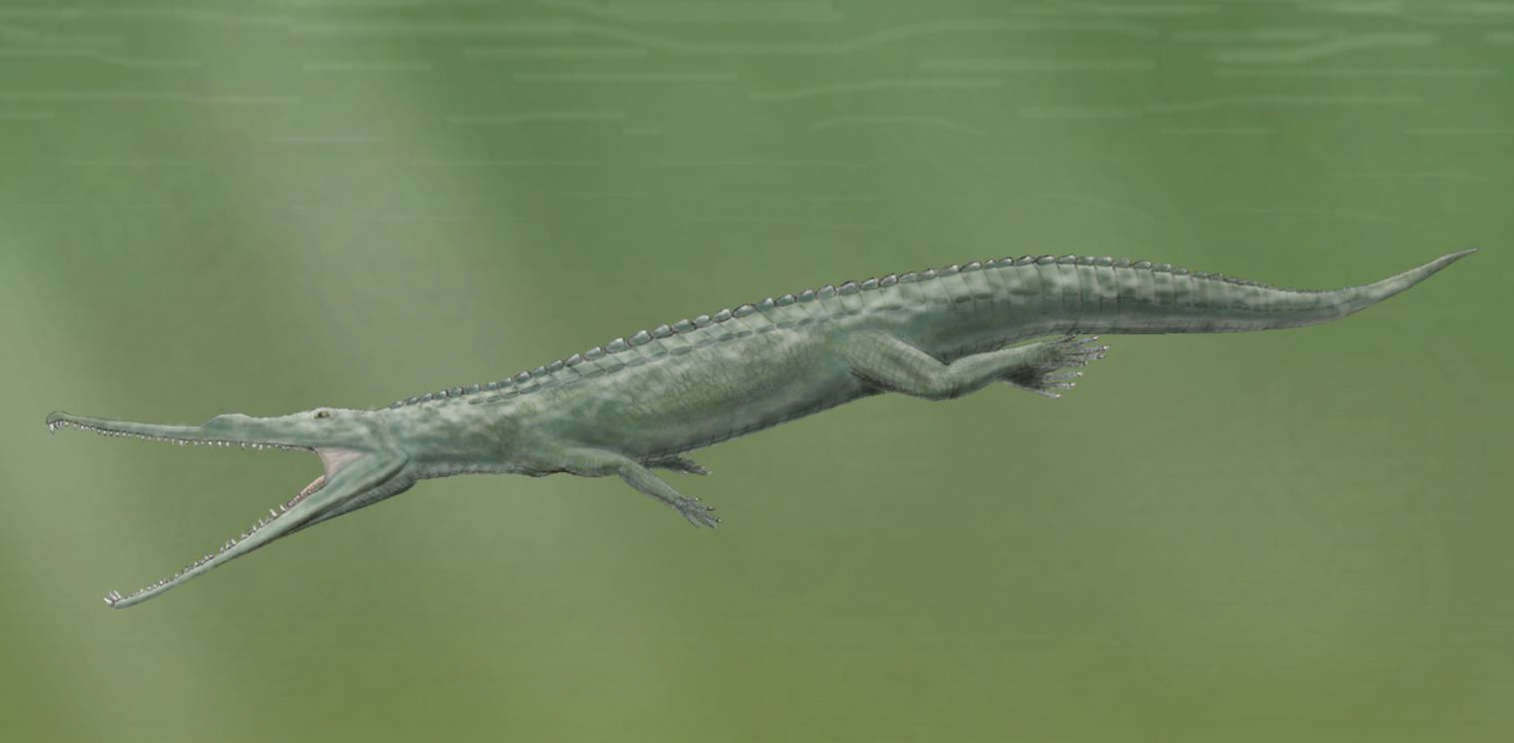
The park’s Triassic dinosaurs were “supporting players” in an ecosystem dominated by crocodile-like phytosaurs, armored aetosaurs, and giant amphibians. Phytosaurs were a particularly common group which prospered during the Late Triassic as long-snouted and semiaquatic predators that resembled living crocodiles.
There were many weird groups of Triassic archosaurs, such as aetosaurs, which were large, armoured animals that looked a bit like some of the armoured dinosaurs that appeared much later. Even when you get the first definitive dinosaurs around 230 million years ago they were still rare members of the fauna. The stage was set for an epic evolutionary showdown.
The End-Triassic Extinction Opens Doors
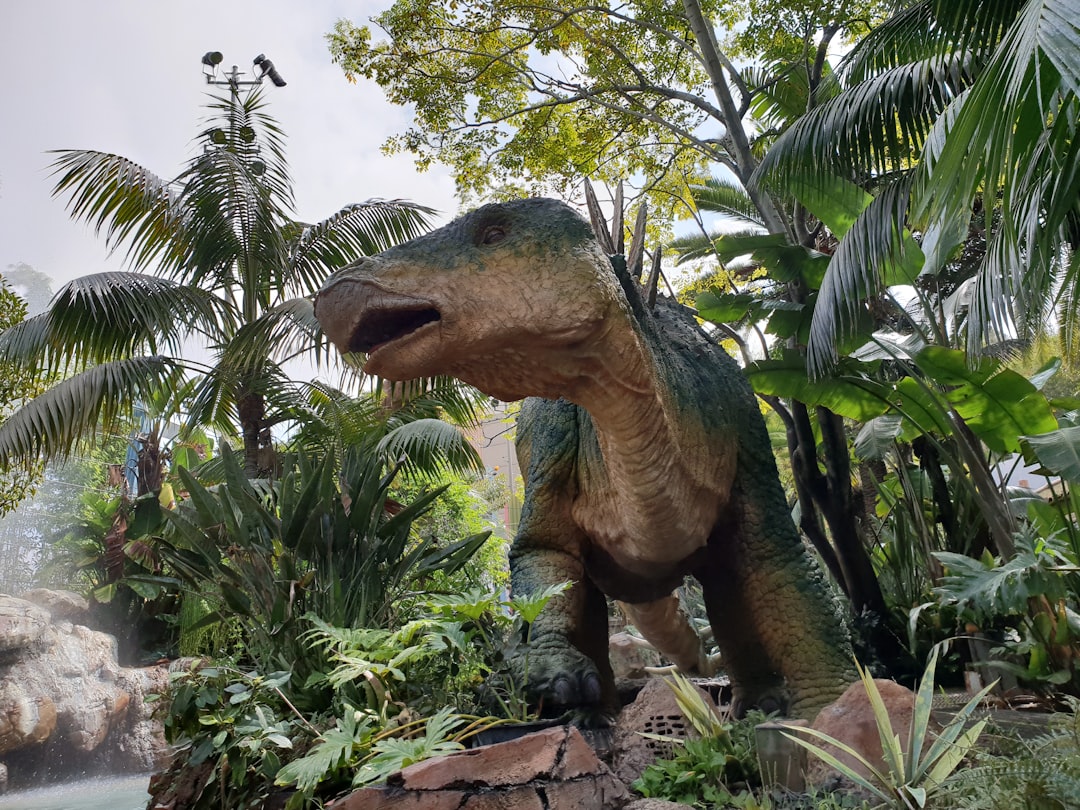
The end-Triassic extinction occurred about 201 million years ago and resulted in the demise of some 76 percent of all marine and terrestrial species. It is thought that the end-Triassic extinction was the key moment that allowed dinosaurs to become the dominant land animals on Earth. Once-dominant groups like phytosaurs disappeared, allowing dinosaurs to thrive.
In the extinction’s aftermath, dinosaurs experienced a major radiation, filling some of the niches vacated by the victims of the extinction. The mass extinction wiped out almost all the other competing archosaurs, meaning that the environment was left wide open for the dinosaurs to fill. This second extinction event proved to be dinosaurs’ greatest opportunity.
The Dawn of Dinosaur Dominance
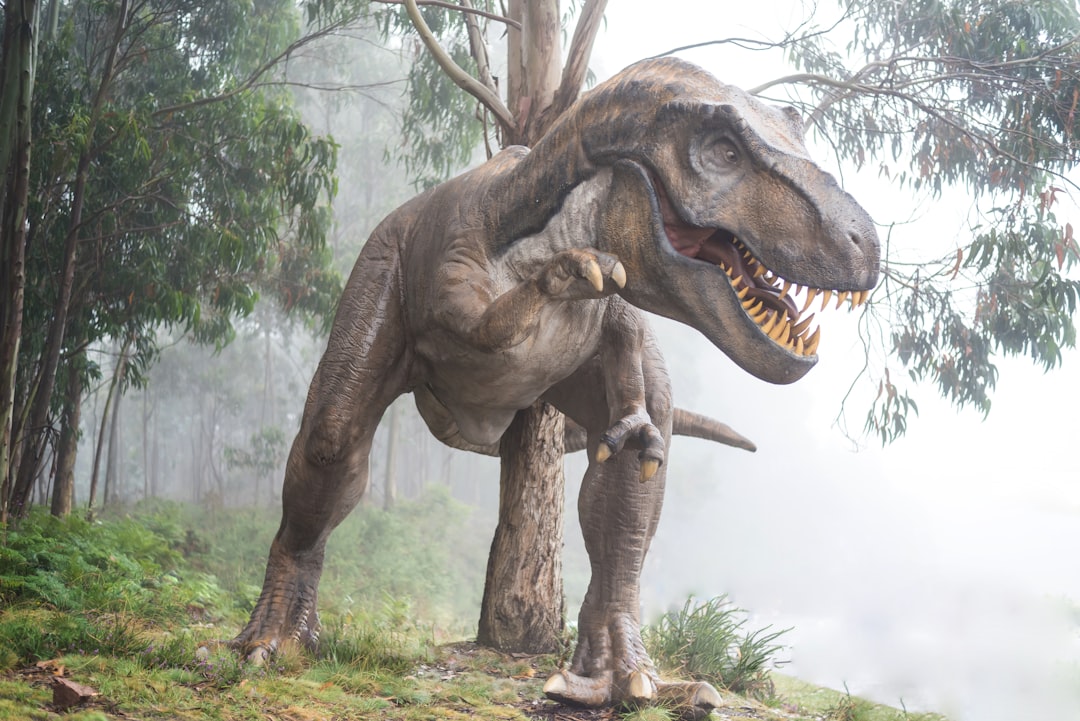
These extinctions within the Triassic and at its end allowed dinosaurs to expand into many niches that had become unoccupied, becoming increasingly dominant, abundant and diverse, and remaining that way for the next 150 million years. Dinosaurs survived the end-Triassic extinction and went on to dominate the Jurassic.
The true “Age of Dinosaurs” is during the following Jurassic and Cretaceous periods, rather than the Triassic. But it was during the Triassic that the foundation for this dominance was laid. The small, crow-sized survivors had evolved into a diverse group ready to inherit the Earth. What started as a recovery story became the greatest evolutionary success story in vertebrate history.
Conclusion
The rise of the Triassic dinosaurs represents one of evolution’s most remarkable recoveries from catastrophe. From the ashes of the worst mass extinction in Earth’s history emerged a group of small, agile reptiles that would eventually rule the planet for over 150 million years. Their success wasn’t immediate – they spent tens of millions of years as minor players in ecosystems dominated by other archosaurs. But when the end-Triassic extinction cleared away their competition, dinosaurs were perfectly positioned to seize their moment and transform from survivors into legends. Who would have thought that some of the most magnificent creatures ever to walk the Earth began their story in such humble circumstances?