The idea that dinosaurs were an invincible force ruling Earth for over 160 million years has been ingrained in popular culture for decades. But cutting-edge research is revealing a much different story – one where the ancient giants may have been far more fragile than we ever imagined. Recent studies are painting a picture of ecosystems that were already showing cracks well before that fateful asteroid slammed into Earth 66 million years ago. Some researchers argue that dinosaurs’ dominance was always more precarious than we’ve been led to believe. Fluctuating climates, shifting sea levels, and the rise of new competitors may have made them vulnerable long before the asteroid arrived. Fossil evidence suggests certain species were already declining, hinting at ecosystems under stress. Volcanic eruptions and atmospheric changes only added to the instability. Far from being untouchable rulers, dinosaurs may have been walking a tightrope of survival for millions of years—one small push away from disaster.
The Great Debate Among Scientists
It’s a long-standing debate in paleontology: Were dinosaurs thriving when an asteroid hit Earth one fateful spring day 66 million years ago, or were they already on their way out, and the space rock delivered a final, devastating blow? For decades, paleontologists have been split into two camps, each armed with compelling evidence that either supports dinosaurs being at their peak or suggests they were already struggling.
The new analysis, published Tuesday in the journal Current Biology, adds to a growing body of evidence that the dinosaurs were doing just fine before the asteroid’s deadly impact. However, other recent studies challenge this narrative entirely. The debate isn’t just academic – it fundamentally changes how we understand one of the most dramatic events in Earth’s history and what it means for modern extinction patterns.
Signs of Trouble in Paradise
Our results highlight that dinosaurs showed a marked reduction in their ability to replace extinct species with new ones, making them vulnerable to extinction and unable to respond quickly to and recover from the final catastrophic event 66 Mya. This finding comes from groundbreaking research that applied sophisticated statistical modeling to dinosaur evolution for the first time.
We find overwhelming support for a long-term decline across all dinosaurs and within all three dinosaurian subclades (Ornithischia, Sauropodomorpha, and Theropoda), where speciation rate slowed down through time and was ultimately exceeded by extinction rate tens of millions of years before the K-Pg boundary. In simple terms, dinosaurs were losing the evolutionary arms race long before the asteroid arrived. They were dying out faster than new species could emerge, leaving them increasingly vulnerable to any major environmental shock.
The Ecosystem Engineering Theory
Studying these rock layers, Weaver and colleagues suggest that dinosaurs were likely enormous “ecosystem engineers,” knocking down much of the available vegetation and keeping land between trees open and weedy. This recent discovery suggests dinosaurs played a massive role in shaping entire landscapes through their sheer size and behavior patterns.
Once the dinosaurs perished, forests were allowed to flourish, helping stabilize sediment and corralling water into rivers with broad meanders. The evidence for this ecosystem engineering comes from dramatic changes in rock formations before and after the extinction event. Scientists found that river systems completely transformed after dinosaurs vanished, suggesting these massive creatures had been actively preventing forest growth for millions of years.
Food Web Vulnerabilities Exposed

A mass extinction about 66 million years ago wiped out numerous species, most famously the dinosaurs, but a new study finds that latent vulnerabilities in the structure of North American ecosystems made the extinction worse than it might have been. Computer modeling revealed something disturbing about late Cretaceous food webs.
“Our analyses show that more species became extinct for a given plant die-off in the youngest communities,” Mitchell said. “We can trace this difference in response to changes in a number of key ecological groups such as plant-eating dinosaurs like Triceratops and small mammals.” The research suggests that changes in how animals interacted with each other and their environment created a domino effect that amplified the asteroid’s impact far beyond what it might have been earlier in dinosaur history.
The Climate Change Connection
We analyse the speciation-extinction dynamics for six key dinosaur families, and find a decline across dinosaurs, where diversification shifted to a declining-diversity pattern ~76 Ma. We investigate the influence of ecological and physical factors, and find that the decline of dinosaurs was likely driven by global climate cooling and herbivorous diversity drop.
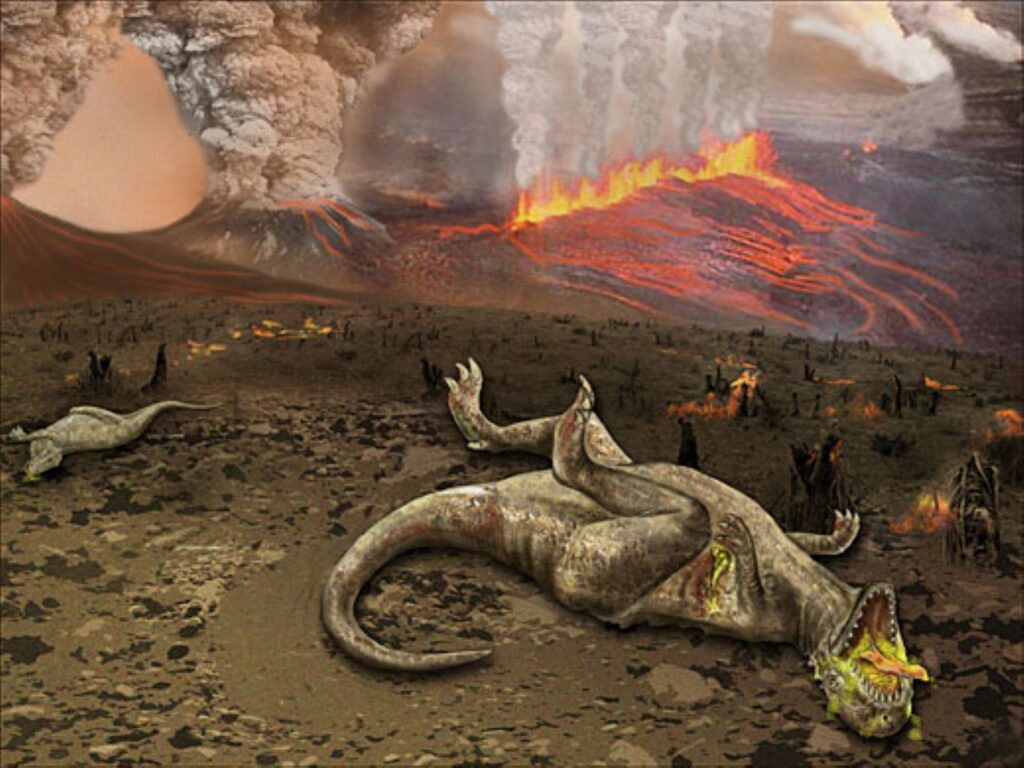
The dinosaurs of the Shanyang Basin either immigrated away or died out at the onset of the late Maastrichtian warming event (LMWE) (2 to 4 °C warming episode), which occurred about 300,000 y before the KPB. The Deccan Traps volcanism erupted quasi-continuously from 66.413 Ma to 65.422 Ma, and that volcanism with its release of large amounts of climate-modifying gases (CO2, CH4, and SO2) was thought to be the most likely driver of the LMWE. Climate instability was hitting dinosaur populations hard, with some regional extinctions occurring hundreds of thousands of years before the asteroid impact.
Fossil Record Bias: The Great Misleader
“It comes down to the fossil record and its fidelity, or its quality. And so there’s been an awareness since the 1970s that the fossil record is not accurate, but it is a biased reflection in the past,” said lead study author Chris Dean, a research fellow in paleontology at University College London. “It’s only in very recent years that we’ve started to see the full extent of (the bias issue), when using these large databases of fossil occurrences.”
The study’s findings suggested that less rock from the late Cretaceous is exposed on Earth’s surface, which may cloud the picture on dinosaur diversity during that window of time. This creates a challenging situation for paleontologists – the very rocks that would tell us about dinosaur health in their final millions of years are the hardest to find and study.
Some Dinosaurs Were Thriving
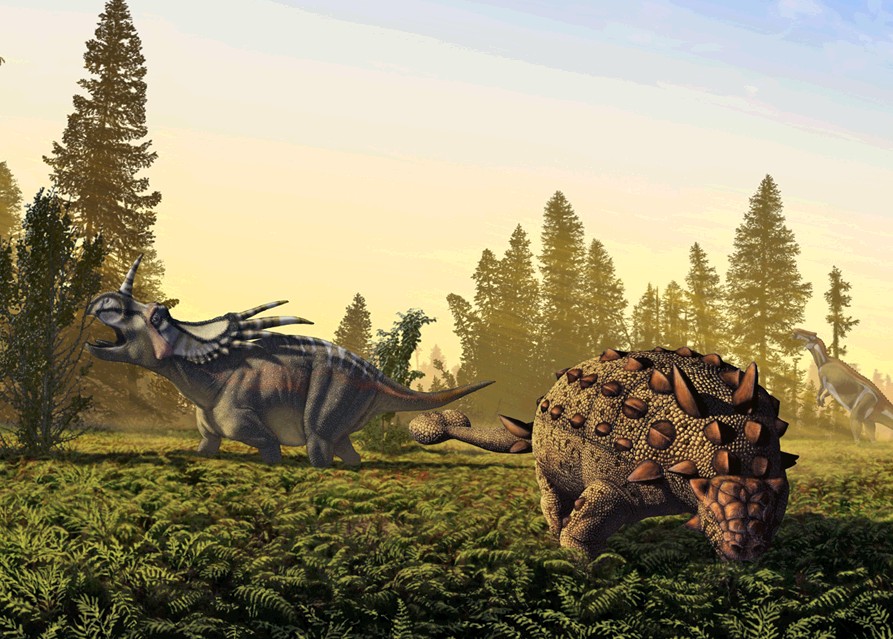
The only exceptions to this general pattern are the morphologically specialized herbivores, the Hadrosauriformes and Ceratopsidae, which show rapid species proliferations throughout the Late Cretaceous instead. Not all dinosaur groups were struggling equally. Duck-billed dinosaurs and the famous horned ceratopsians like Triceratops were actually diversifying rapidly.
The complex tooth batteries capable of crushing, grinding, and shearing helped hadrosaurs to consume a broad herbivorous diet, and those generalist herbivorous diets may have been crucial for hadrosaurs to outcompete other herbivores (e.g., ankylosaurs, ceratopsians) occupying similar ecological niches. These successful groups had evolved specialized feeding mechanisms that gave them competitive advantages, but their success may have come at the cost of other dinosaur groups.
Environmental Stress Before Impact
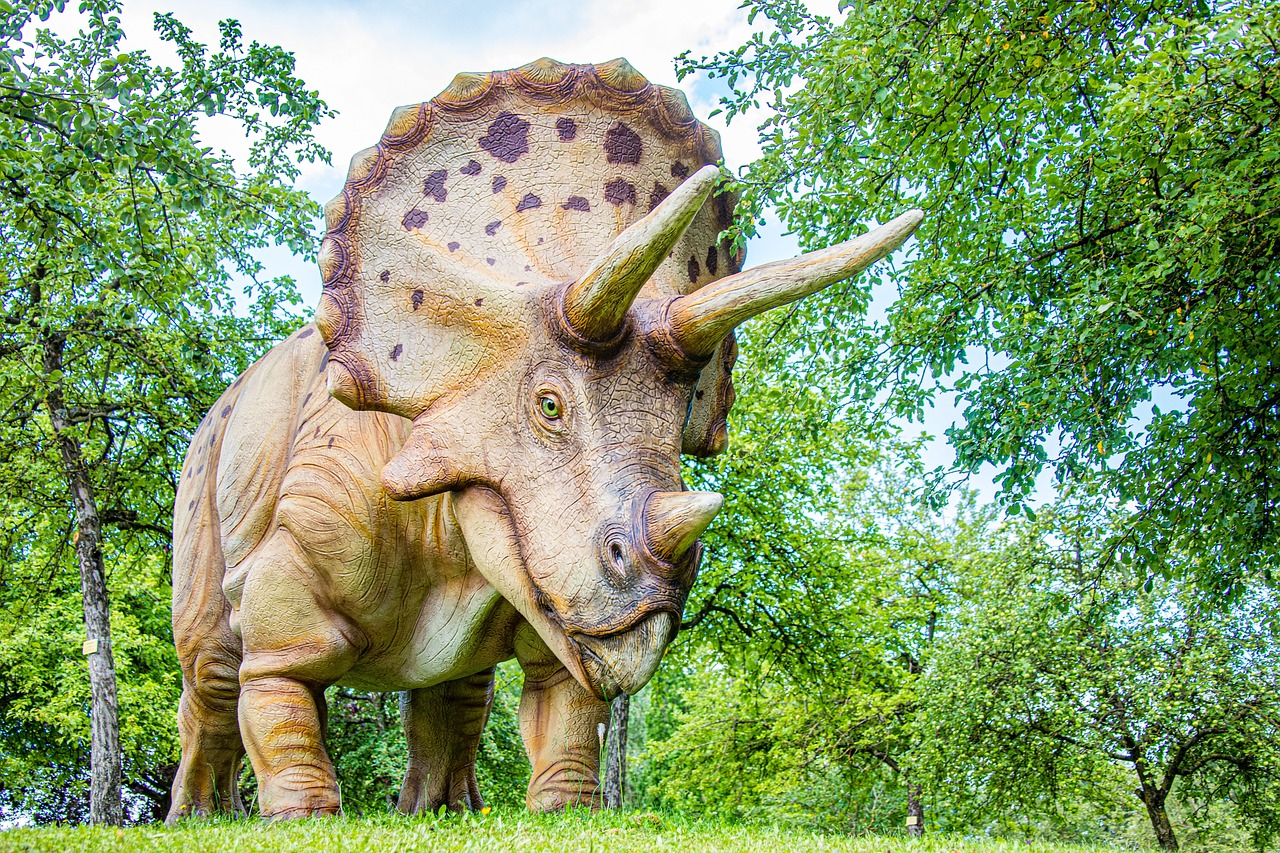
In this scenario, terrestrial and marine communities were stressed by the changes in, and loss of, habitats. Dinosaurs, as the largest vertebrates, were the first affected by environmental changes, and their diversity declined. Being gigantic had its downsides when environments started changing rapidly.
The latest Cretaceous decrease in trophic impact of large herbivorous dinosaurs does not correspond with instability in their realized niches, which argues against a long-term ecological “decline” in these plant eaters. Rather, the decreasing impact of large herbivores was paralleled by an inverse trend of increasing trophic relevance for medium-sized herbivorous and omnivorous dinosaurs. Something fascinating was happening in dinosaur ecosystems – the biggest herbivores were losing influence while medium-sized ones were gaining it.
Why Some Survived and Others Didn’t

The growing consensus about the endothermy of dinosaurs (see dinosaur physiology) helps to understand their full extinction in contrast with their close relatives, the crocodilians. Ectothermic (“cold-blooded”) crocodiles have very limited needs for food (they can survive several months without eating), while endothermic (“warm-blooded”) animals of similar size need much more food to sustain their faster metabolism.
Transient selectivity against large-bodied taxa, particularly strictly faunivorous and herbivorous species, cannot alone explain the eradication of small-bodied archaic birds (e.g., enantiornithines) and non-avian dinosaurs (e.g., alvarezsaurids and microraptorine dromaeosaurids), some of which were around the size of many mammals that did survive the mass extinction. High abundances of individuals in their ecosystems, omnivorous and seed-eating diets, cathemeral habits, more rapid somatic and sexual development, and behavioral plasticity might have enabled certain smaller taxa, such as non-marine squamates, crown birds, and mammals, to survive the effects of the Chicxulub impact.
Evolutionary Lessons for Today
“Besides shedding light on this ancient extinction, our findings imply that seemingly innocuous changes to ecosystems caused by humans might reduce the ecosystems’ abilities to withstand unexpected disturbances,” Roopnarine said. The research on dinosaur vulnerabilities isn’t just about ancient history – it’s providing crucial insights into how modern ecosystems might respond to current environmental pressures.
Dinosaur macroevolution was essentially a 160 million-year natural experiment on the effects of dramatic geographic and climatic changes, impacting terrestrial ecosystems at multiple levels, which we can only document through palaeontology. By elucidating the dynamics of ancient ecosystems and the factors driving biodiversity patterns, palaeontologists can provide valuable insights into how organisms respond to environmental changes. Understanding what made dinosaurs vulnerable could help us protect modern species facing similar pressures.
Conclusion: The Complex Reality
So were dinosaurs always vulnerable to mass extinction? The answer appears to be both yes and no, depending on when you look and which dinosaurs you’re examining. Our results show that dinosaurs were in decline for a much longer period than previously thought – extinction rate surpassed speciation rate approximately 24 million years before their final extinction. Although Mesozoic dinosaurs undoubtedly dominated the terrestrial megafauna until the end of the Cretaceous, they did see a reduction in their capacity to replace extinct species with new ones, making them more susceptible to sudden and catastrophic environmental changes, like those associated with the asteroid impact.
The picture emerging from modern research is one of ancient ecosystems under increasing strain, where some groups thrived while others struggled, and where environmental changes were already reshaping the biological landscape millions of years before that spring day 66 million years ago. Perhaps the most sobering lesson isn’t that dinosaurs were doomed, but that even the most successful organisms can become vulnerable when their world starts changing faster than they can adapt. What does that tell us about our own rapidly changing planet?