
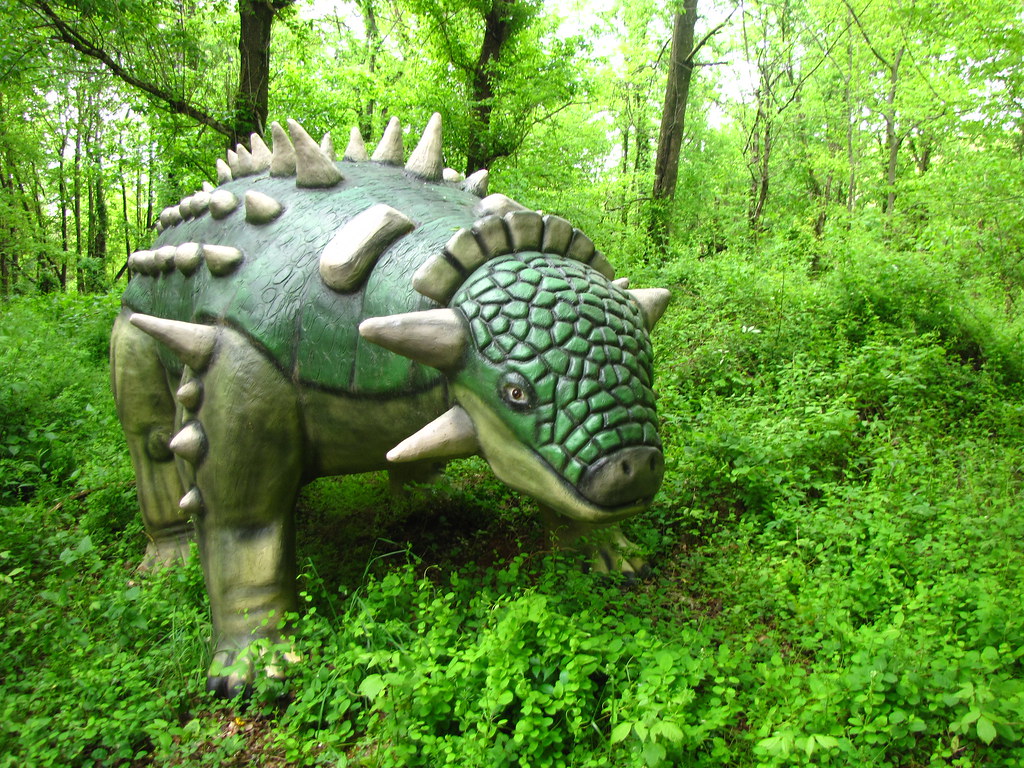
Imagine walking through ancient forests where nature’s most impressive roamed the Earth. These weren’t made of metal and machinery, but of bone, muscle, and incredible defensive adaptations that would make modern military engineers envious. From crushing tail clubs to spike-studded armor that could deflect the most fearsome predators, armored dinosaurs represent millions of years of evolutionary perfection in defense. These remarkable creatures dominated landscapes from the Jurassic through the Cretaceous periods, turning themselves into walking fortresses that few predators dared to challenge. Get ready to meet the most impressive, armored behemoths that ever lived.
Ankylosaurus – The Ultimate Tank
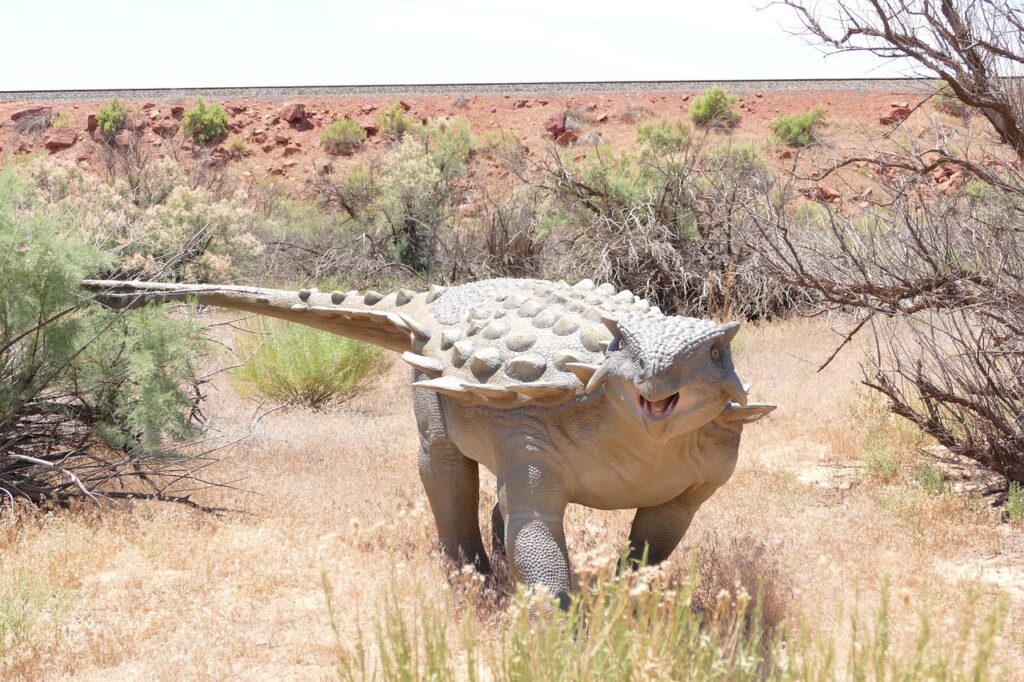
Standing as the most famous of all armored dinosaurs, Ankylosaurus magniventris was the last and largest species of ankylosaurid. The dinosaur grew up to 26 feet long and probably weighed about four tons. This massive herbivore lived during the final moments of the dinosaur age, roughly 68 to 66 million years ago.
This enormous four-legged dinosaur had a squat body covered with bony plates that were studded with spikes. At its tail, the plates fused together to form a thick club that could deliver bone-crushing blows. The entire animal resembled a living battering ram, perfectly designed to withstand attacks from even Tyrannosaurus rex.
Euoplocephalus – The Well-Armored Head
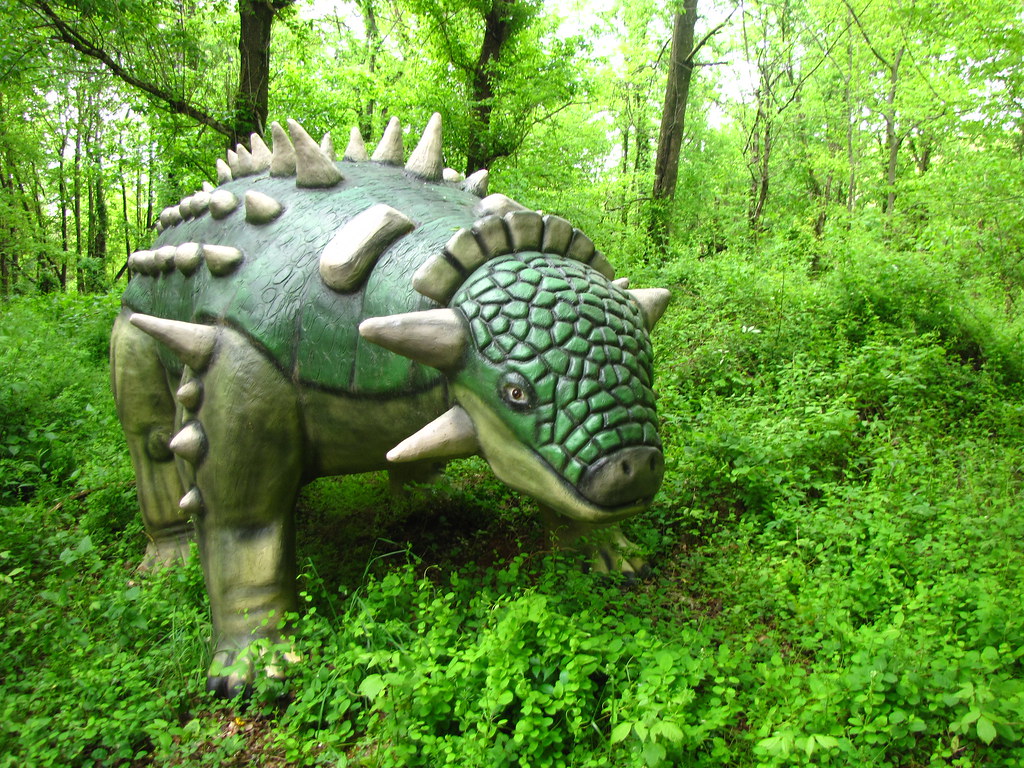
Euoplocephalus has a name which means ‘well-armored head’. This name is derived from the Greek words ‘eu’ meaning true, ‘hoplo’ meaning armored, and ‘kephale’ meaning head. This Late Cretaceous armored giant measured about 20 feet long and weighed approximately two and a half tons.
Even its eyelids had bony protection! This walking fortress evolved during a time when fearsome predators like Tyrannosaurus and Gorgosaurus roamed, making armor a pretty smart survival strategy. Scientists have discovered over 40 individual specimens, making it one of the best-understood armored dinosaurs ever found.
Borealopelta – The Northern Shield
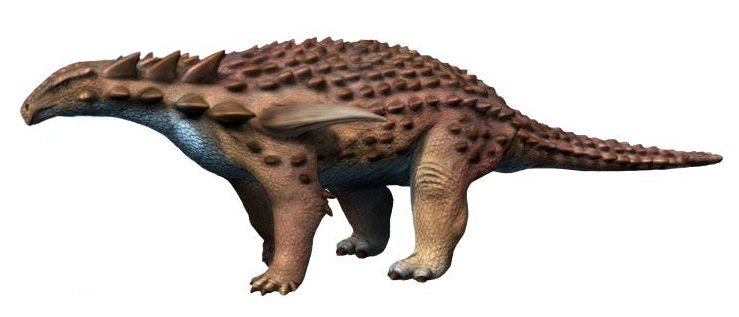
The generic name Borealopelta is derived from “borealis” (Latin, “northern”) and “pelta” (Greek, “shield”), in reference to the northern locality and the preserved epidermal scales and dermal osteoderms. The specific epithet markmitchelli honors Mark Mitchell for his more than 7,000 hours of patient and skilled preparation of the holotype.
This remarkable dinosaur lived about 110 million years ago and represents one of the most perfectly preserved armored dinosaurs ever discovered. Preserved evidence of countershading suggests that the predation pressure on Borealopelta, even at large adult size, was strong enough to select for camouflage from visual predators, showing just how dangerous the Cretaceous world could be.
Spicomellus – The Spike Collar
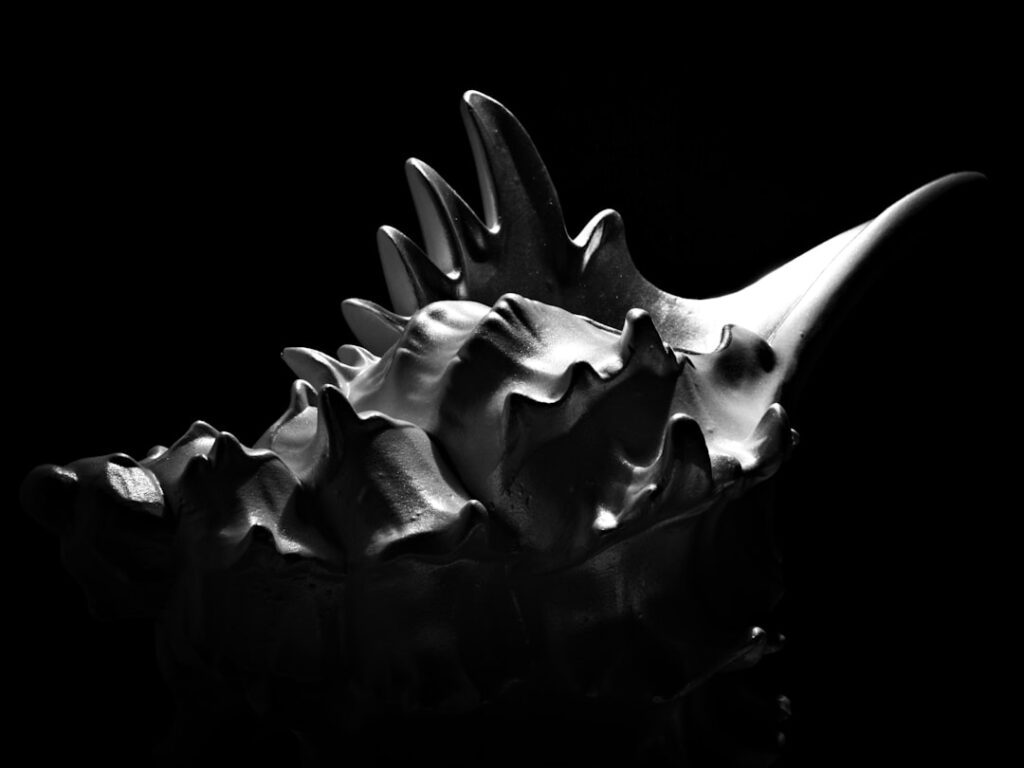
The longest are believed to have been more than a metre long, sticking out from either side of its neck. What makes this all the more astounding is that, at 168 million years old, Spicomellus is the oldest known ankylosaur. This bizarre dinosaur from Morocco challenges everything scientists thought they knew about early armored dinosaurs.
Spicomellus had a diversity of plates and spikes extending from all over its body, including metre-long neck spikes, huge upwards-projecting spikes over the hips, and a whole range of long, blade-like spikes, pieces of armour made up of two long spikes, and plates down the shoulder. We’ve never seen anything like this in any animal before.
Polacanthus – The Many Spikes
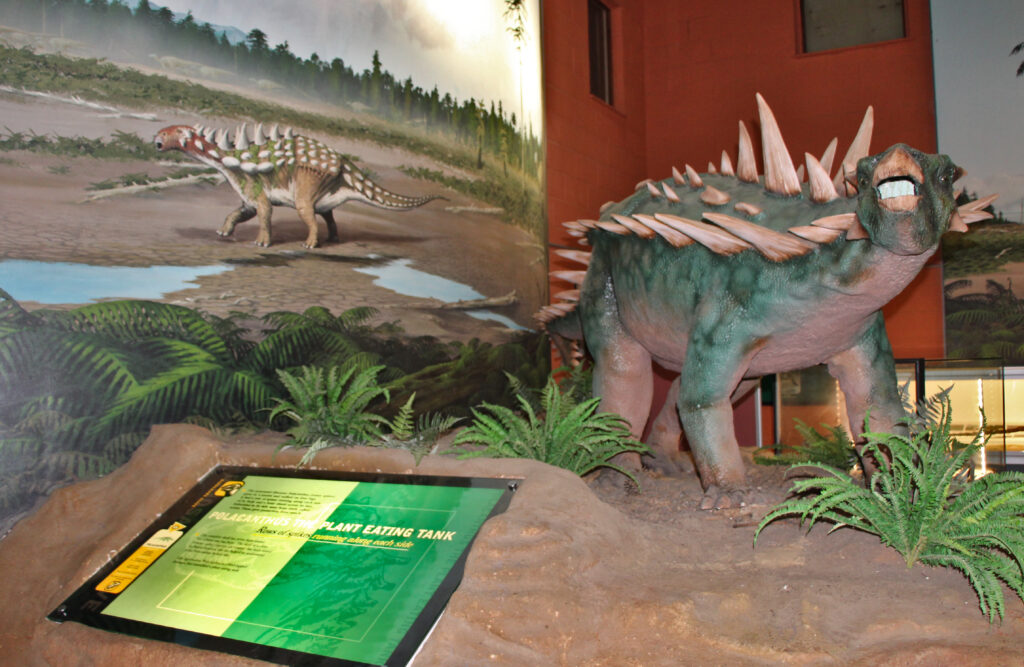
The name Polacanthus is derived from the Greek words ‘polys’ meaning many and ‘akantha’ meaning thorn or spike. This aptly describes this dinosaur’s heavily armored body. Living during the Early Cretaceous period around 130 to 125 million years ago, this medium-sized nodosaur stretched approximately 16 feet long.
It grew rows of long, conical spines along its trunk and tall and more flattened triangular spines on its neck and shoulders. A large, flat rectangular dermal shield covered its hips and the base of its tail, which ended in a mass of fused bony plates. This European armored dinosaur lived alongside giants like Iguanodon.
Gastonia – The Fortress Body
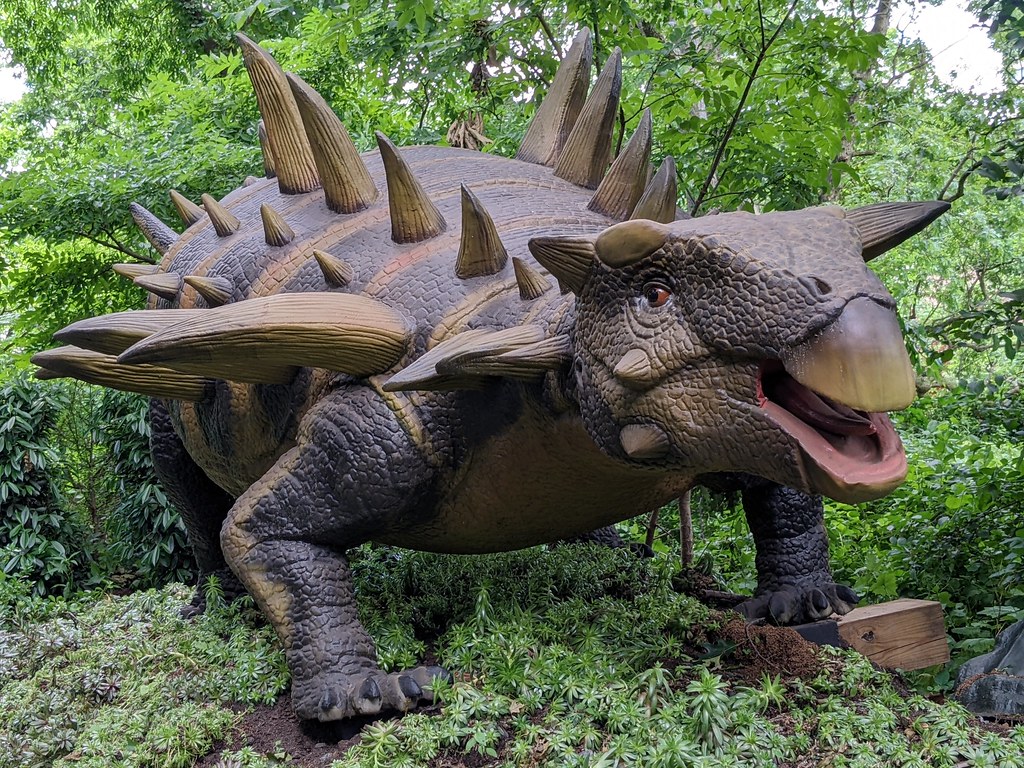
Named after paleontologist Robert Gaston, this Early Cretaceous armored dinosaur from Utah represents one of the most heavily fortified creatures ever to walk the Earth. Several ankylosaurs, including Gastonia (Early Cretaceous, Utah) and Polacanthus (Early Cretaceous, England and Spain), are notable because they represent anatomic mosaics of ankylosaurid and nodosaurid traits.
Gastonia measured roughly 15 feet long and was covered in an impressive array of defensive weaponry. Its shoulders bristled with massive forward-pointing spikes, while smaller spines covered its back and flanks. This combination of features made it nearly impossible for predators to find an undefended angle of attack.
Sauropelta – The Lizard Shield
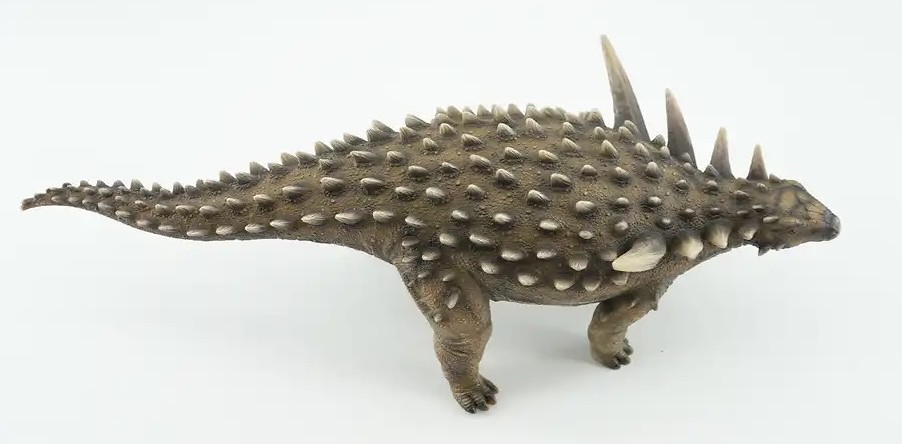
Living during the Early Cretaceous period approximately 108 to 94 million years ago, Sauropelta represented one of the earlier experiments in extreme armor plating. The back armor of the nodosaurid Sauropelta consisted of smaller knobby scutes than those of Edmontonia, but the scutes on Sauropelta were thicker and had a point or ridge.
This impressive nodosaur stretched about 25 feet in length and weighed several tons. Unlike later ankylosaurs, it lacked a tail club but made up for this with incredibly robust body armor and sharp shoulder spikes that could impale any predator foolish enough to attack from the side.
Edmontonia – The Spike Shoulder
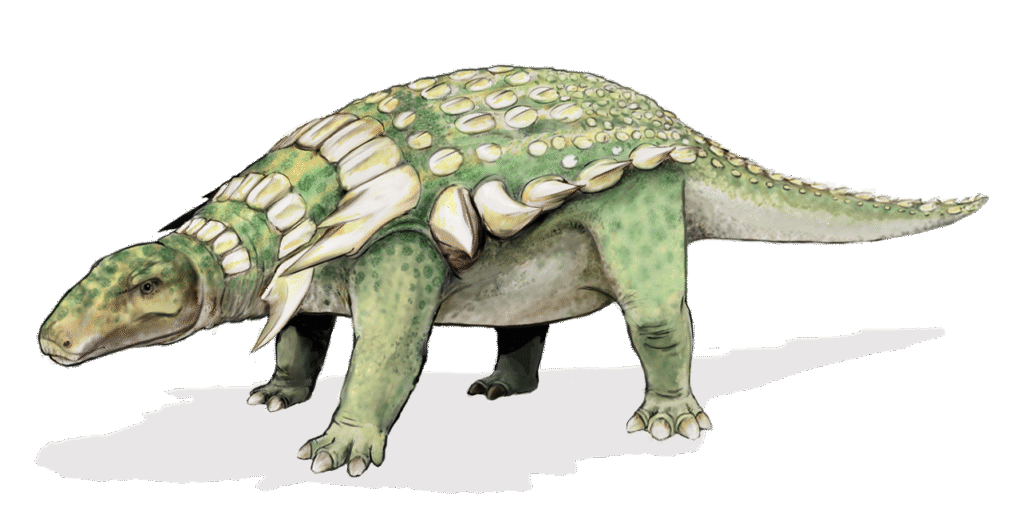
Polacanthus’ slightly larger cousin, Edmontonia was a 6.6 meters long and 2 meters tall nodosaurid. Weighing around 3 tons, its body was broad and low-slung, covered in bony plates and spikes. This Late Cretaceous armored dinosaur lived about 75 to 65 million years ago in what is now Canada and parts of the United States.
Its most distinctive feature was large, forward-pointing shoulder spikes, likely used in defense and display. Its robust armor and spikes made it well-suited for deterring the large tyrannosaurs it shared habitats with, like Albertosaurus and Daspletosaurus. These massive shoulder spikes could grow over three feet long.
Nodosaurus – The Toothless Lizard
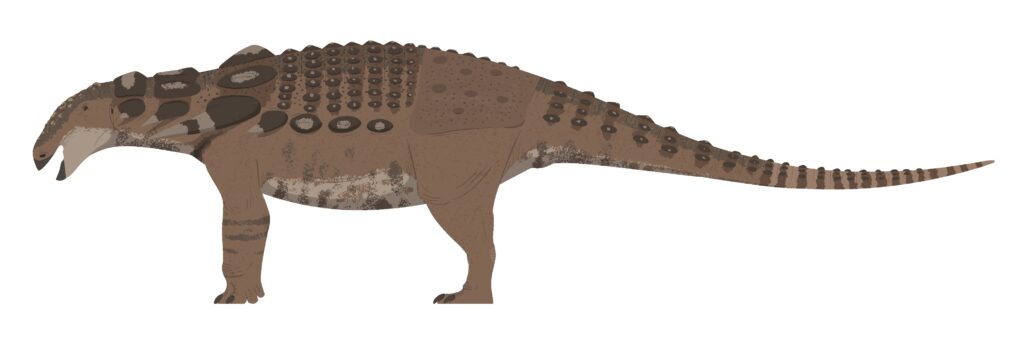
The very dinosaur that gave nodosaurs their name, Nodosaurus lived during the Late Cretaceous period around 113 to 98 million years ago. Nodosaurus lived during the Late Cretaceous period, around 113 to 98 million years ago, primarily in what is now Wyoming and Kansas. As a herbivore, it fed on low-lying vegetation such as ferns, cycads, and conifers. Its heavy armor and slow movement suggest it relied on its defensive features rather than speed to evade predators.
This armored giant measured about 20 feet long and was built like a living fortress. Its body was covered in rows of bony plates and small knobs, creating an almost impenetrable defensive shell. Without the tail club of its ankylosaurid cousins, it relied entirely on passive defense and powerful shoulder spikes.
Minmi – The Australian Tank
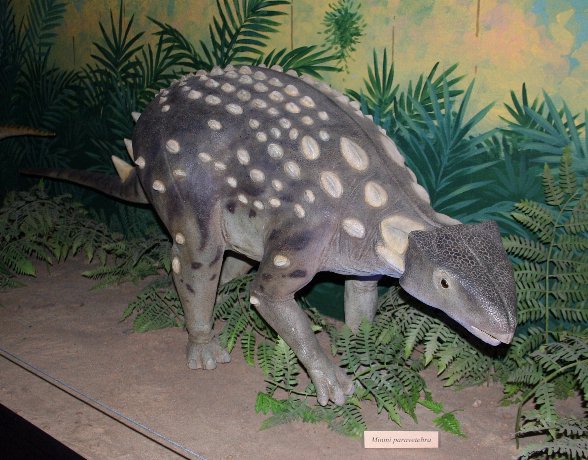
Representing the Southern Hemisphere’s contribution to armored dinosaur evolution, Minmi lived during the Early Cretaceous period approximately 120 to 112 million years ago in what is now Australia. Australia,the ancient home of the famous Minmi and the recently discovered Kunbarrasaurus, managed to keep its thyreophorans, and it is on this island continent, land of so much strangeness and novelty, that one is still able to see live ankylosaurians. The Ausankylosaurids are clearly related to Minmi in that they share this odd creatures mosaic of features, fitting into none of the recognized thyreophoran group.
This smaller armored dinosaur, measuring about 10 feet long, was unique among ankylosaurs for having armor plates not just on its back and sides, but also on its belly. This unusual feature made it one of the most comprehensively armored dinosaurs ever discovered, protected from attacks from virtually any direction.
These ten armored dinosaurs represent millions of years of evolutionary innovation in defense and survival. From Spicomellus with its bizarre meter-long neck spikes to Ankylosaurus with its devastating tail club, each species developed unique solutions to the age-old problem of staying alive in a world filled with massive predators. The diversity of these prehistoric tanks shows us just how creative evolution can be when survival is on the line. Some relied on passive armor, others on active weapons, and many combined both strategies into nearly impenetrable defensive systems. These remarkable creatures remind us that sometimes the best offense truly is a good defense. What fascinates you most about these ancient armored giants? Tell us in the comments.