Picture this: paleontologists trudging through Antarctica’s howling winds, their breath forming ice crystals in the minus forty degree air, when suddenly they spot something incredible jutting from a cliff face. Not exactly what you’d expect to find in Earth’s most frozen wasteland, right? Yet over the past few decades, scientists have made some jaw-dropping discoveries that have completely changed how we think about dinosaurs and ice.
The truth is more fascinating than fiction. While we haven’t found actual frozen dinosaur bodies like the mammoth discoveries in Siberia, researchers have uncovered fossilized remains of these ancient giants in some of the most unlikely frozen places on Earth. These discoveries tell an incredible story about a time when today’s icy landscapes were lush, warm forests teeming with life. Let’s dive into eight remarkable dinosaur finds that emerged from our planet’s most frozen frontiers.
Cryolophosaurus: The Antarctic Elvis
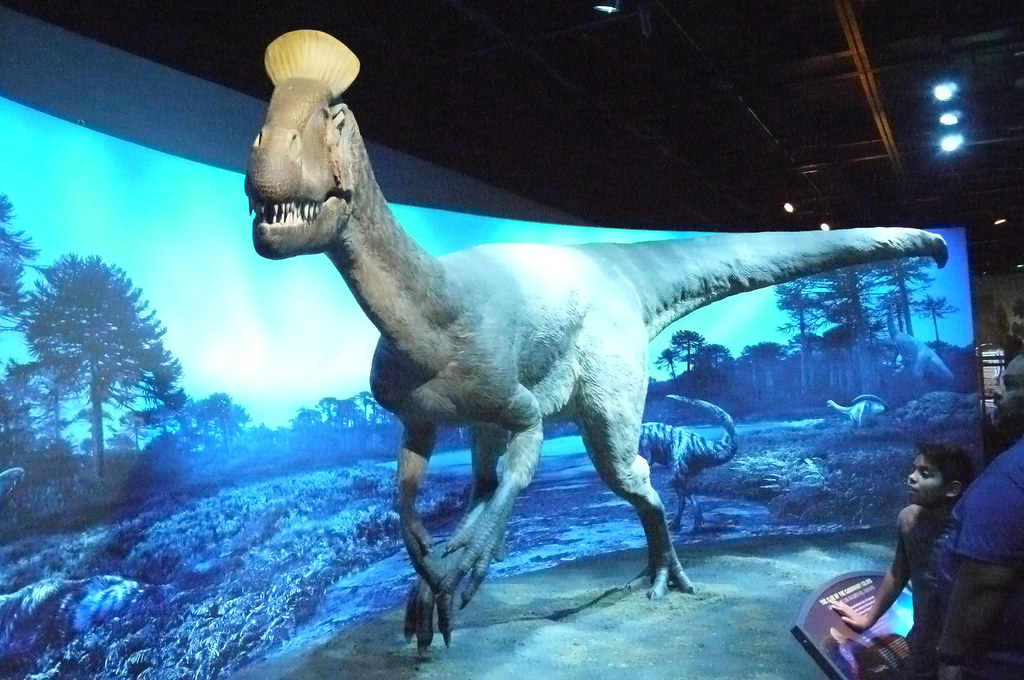
Deep in Antarctica’s Transantarctic Mountains, scientists discovered one of the most iconic polar dinosaurs ever found: Cryolophosaurus ellioti, a massive theropod with a distinctive crest that earned it the nickname “Elvisaurus.” This wasn’t just any small scavenger trying to survive in harsh conditions.
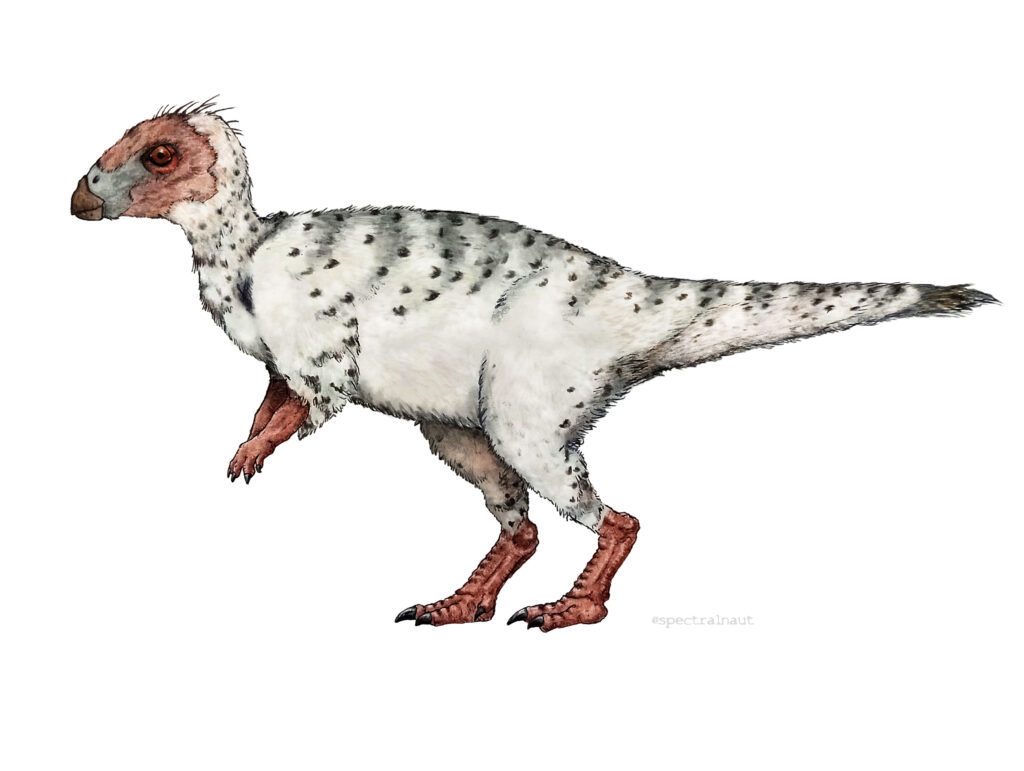
Standing roughly twenty-one to twenty-six feet long and weighing over 1,000 pounds, Cryolophosaurus was one of the largest meat-eating dinosaurs of its time. Scientists believe this apex predator likely had a thick coat of feathers to adapt to the cooler temperatures of its ancient Antarctic home. The discovery completely shattered the old belief that dinosaurs could only survive in tropical climates.
Glacialisaurus: The Frozen Plant Eater
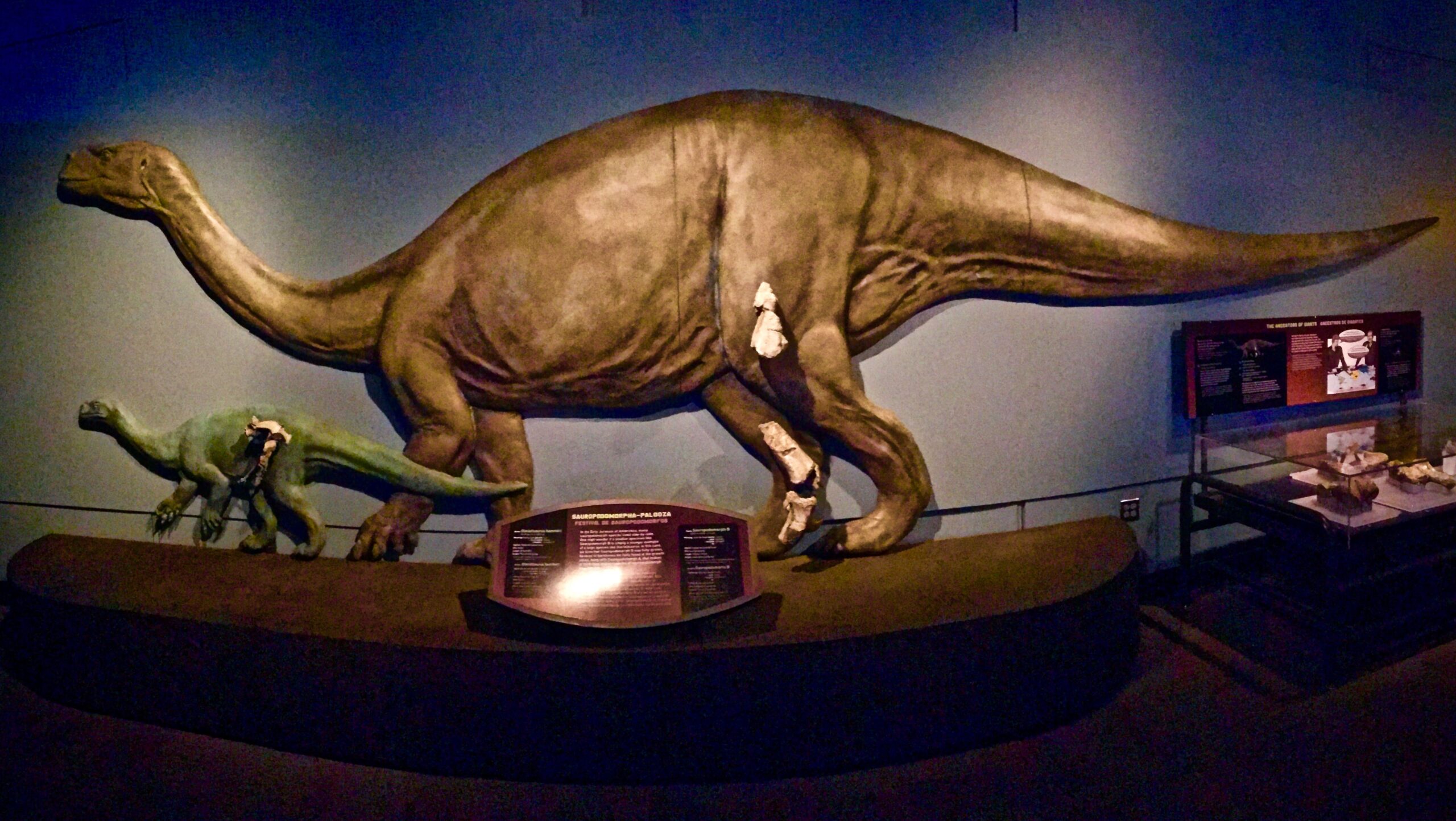
Found alongside Cryolophosaurus, Glacialisaurus hammeri represents another groundbreaking Antarctic discovery – a plant-eating sauropodomorph that roamed the continent during the Early Jurassic period. The name literally means “frozen lizard,” which seems fitting for a dinosaur discovered in one of the most inhospitable places on Earth.
This massive herbivore measured between twenty to twenty-five feet in length. What makes Glacialisaurus so remarkable isn’t just its size, but what its existence tells us about ancient Antarctica. These giants needed enormous amounts of vegetation to survive, suggesting the continent once supported thriving forests where today only ice exists.
Antarctopelta: The Antarctic Shield
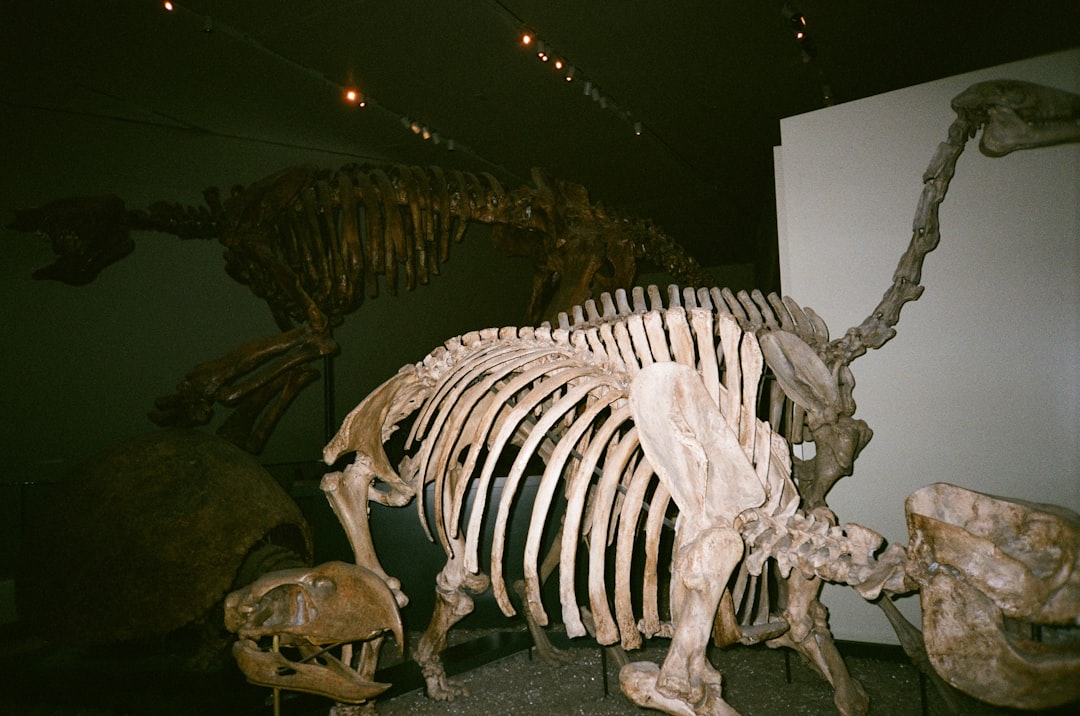
The first dinosaur fossil ever discovered in Antarctica belonged to Antarctopelta, meaning “Antarctic shield,” found in 1986 on James Ross Island off the Antarctic Peninsula. This medium-sized ankylosaur measured about thirteen feet in length and was covered in protective armor plates.
The discovery took scientists several field seasons to collect because of the brutal Antarctic weather conditions. Imagine trying to carefully excavate delicate fossils while dealing with winds that can reach extreme speeds of up to 200 miles per hour and temperatures that plummet to minus forty degrees Fahrenheit. The dedication required for this find was truly extraordinary.
Issi Saaneq: The Greenland Giant
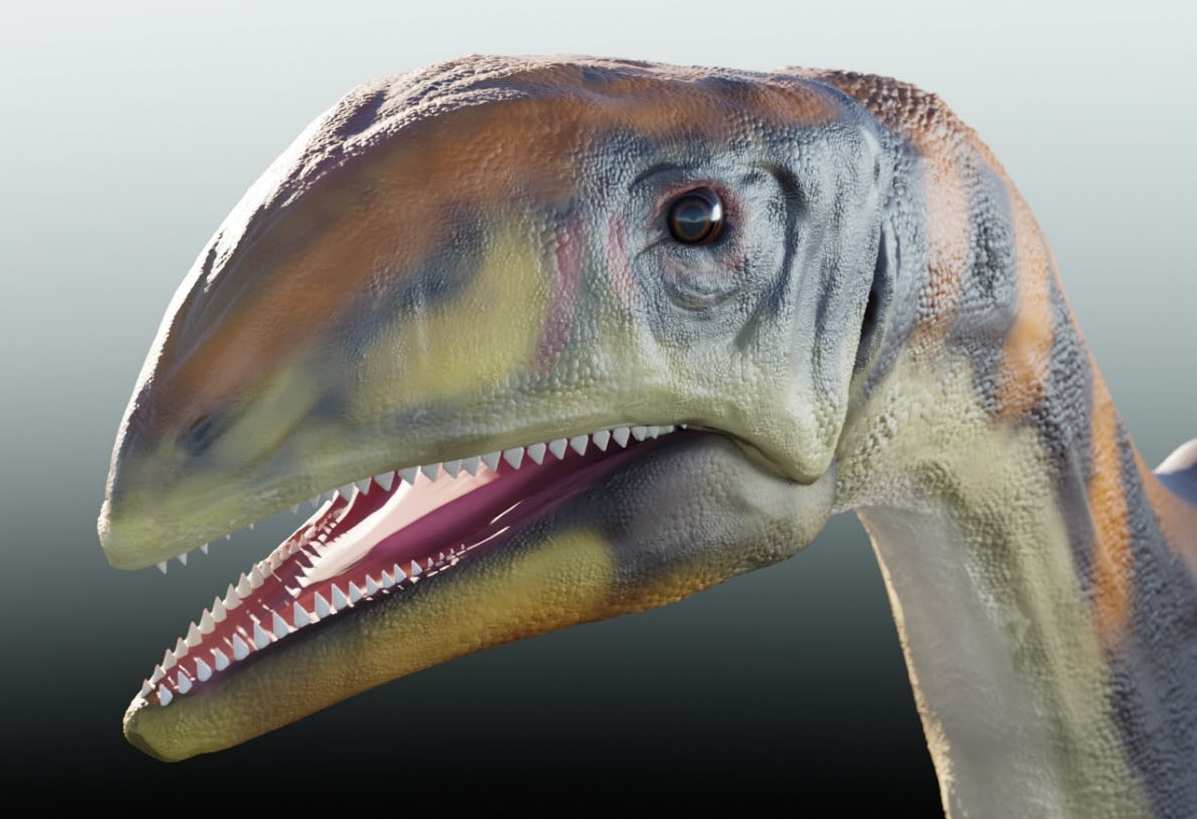
In Greenland’s Jameson Land Basin, paleontologists uncovered two skulls from the ice that belonged to a previously unknown dinosaur species. Named Issi saaneq by researchers, this discovery represents the first-known distinct Greenlandic dinosaur species.
This newly discovered dinosaur bears a resemblance to Brazilian dinosaurs like Macrocollum and Unaysaurus, but lived almost fifteen million years later, reaching lengths of ten to thirty feet. The find proves that these ancient creatures had a much wider geographic range than previously imagined, thriving in regions that are now locked in perpetual ice.
Antarctic Carnivore: The Mystery Predator
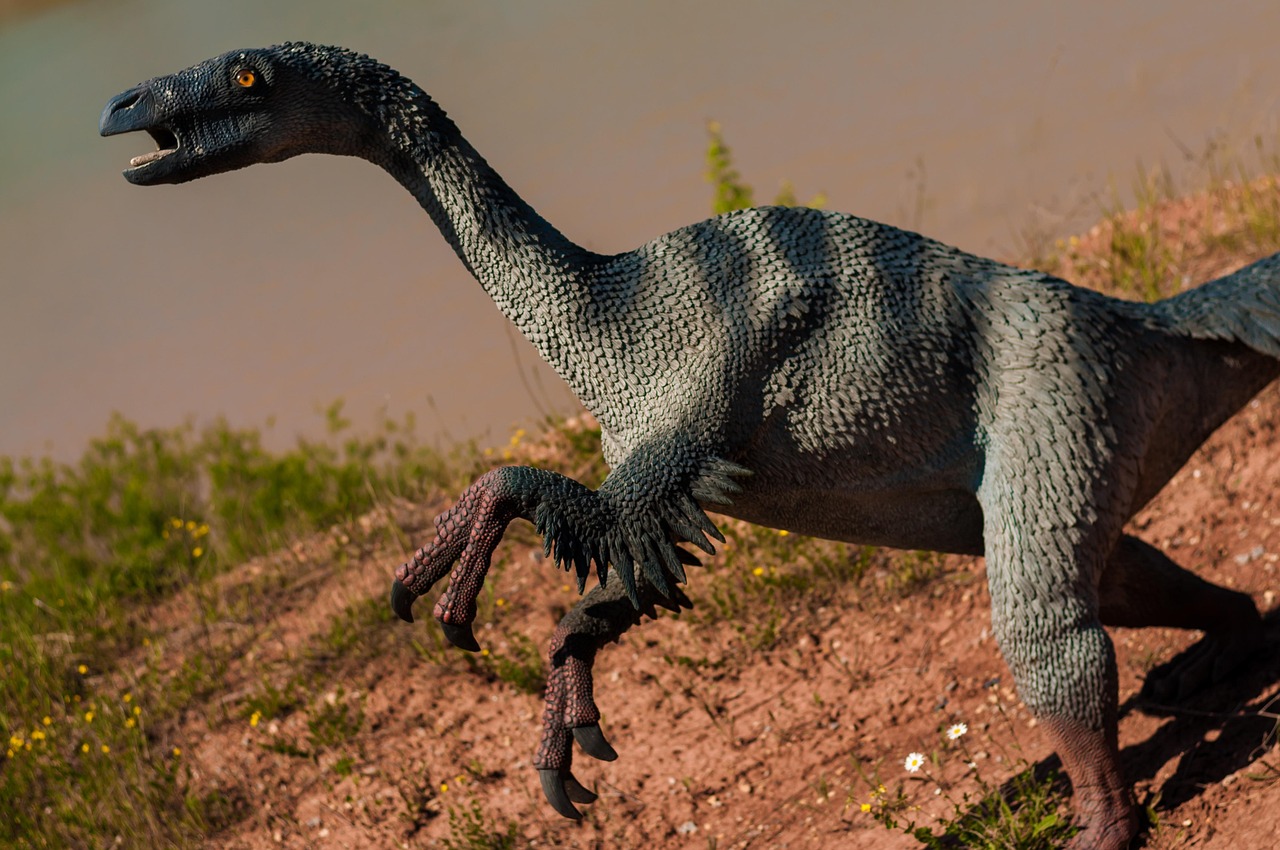
In 2003, researchers working on James Ross Island discovered what they believe are the fossilized bones of an entirely new species of carnivorous dinosaur related to both tyrannosaurs and velociraptors. Features of the animal’s bones and teeth led researchers to believe this predator may represent a population that survived in Antarctica long after they had been succeeded by other predators elsewhere.
The shape of the teeth and foot features are characteristic of theropods, the group that includes all meat-eating dinosaurs. This discovery suggests that some dinosaur lineages found refuge in Antarctica even as they disappeared from other continents, making the frozen continent a kind of prehistoric sanctuary.
Antarctic Sauropod: The Mountain Giant
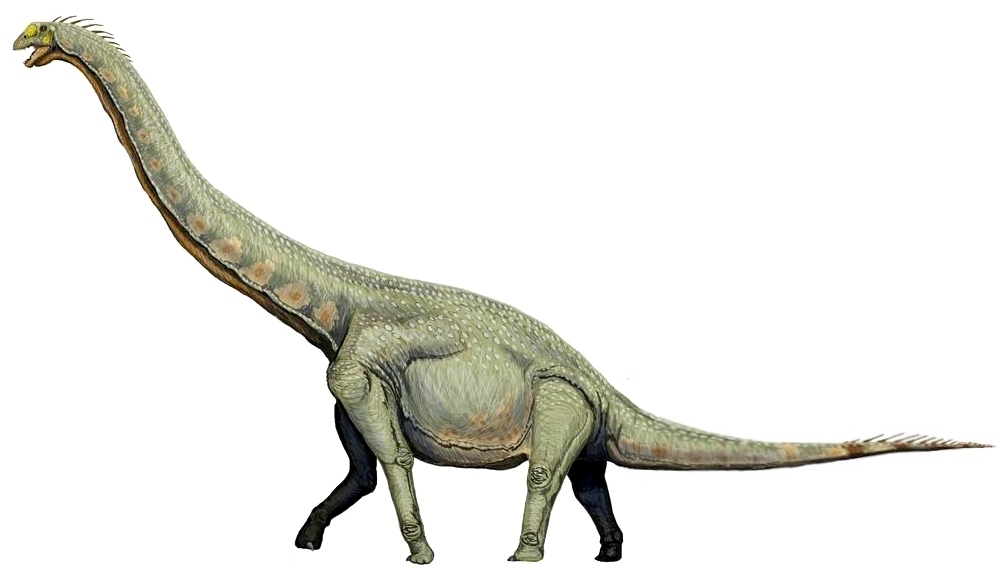
Thousands of miles away from the carnivore discovery, another research team found embedded in solid rock what they believe to be the pelvis of a primitive sauropod, similar to creatures like brachiosaurus and diplodocus. The fossil was discovered on what is now called Mt. Kirkpatrick, an area that was once a soft riverbed before millions of years of tectonic activity elevated it skyward.
The location of this find is mind-boggling when you consider the geography. This massive plant-eater once wallowed by ancient riverbeds where today climbers need specialized equipment just to reach the fossil site at roughly 13,000 feet above sea level.
Trinisaura: The Three Sisters Lizard
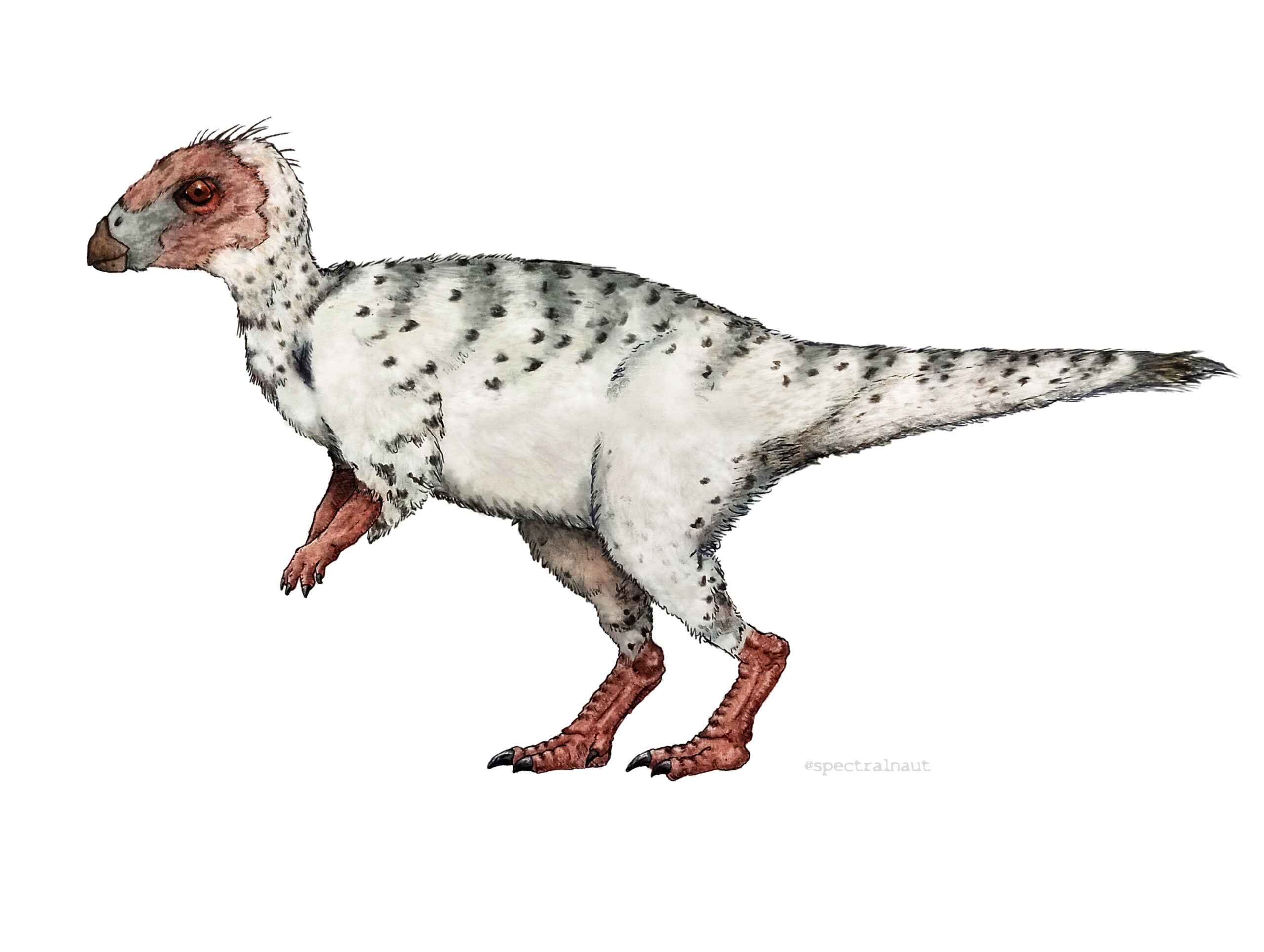
Recent expeditions to Antarctica have uncovered over a ton of dinosaur fossils dating back seventy-one million years, including remains from various species that once called the frozen continent home. Among these discoveries are fossils that represent entirely new species still being studied by researchers.
Scientists have also discovered hadrosaur (duckbill dinosaur) teeth on Vega Island off the Antarctic Peninsula. These plant-eating dinosaurs with their distinctive duck-like bills roamed in herds across ancient Antarctica, feeding on the abundant vegetation that once covered the continent.
The Hypsilophodontid: The Small Sprinter
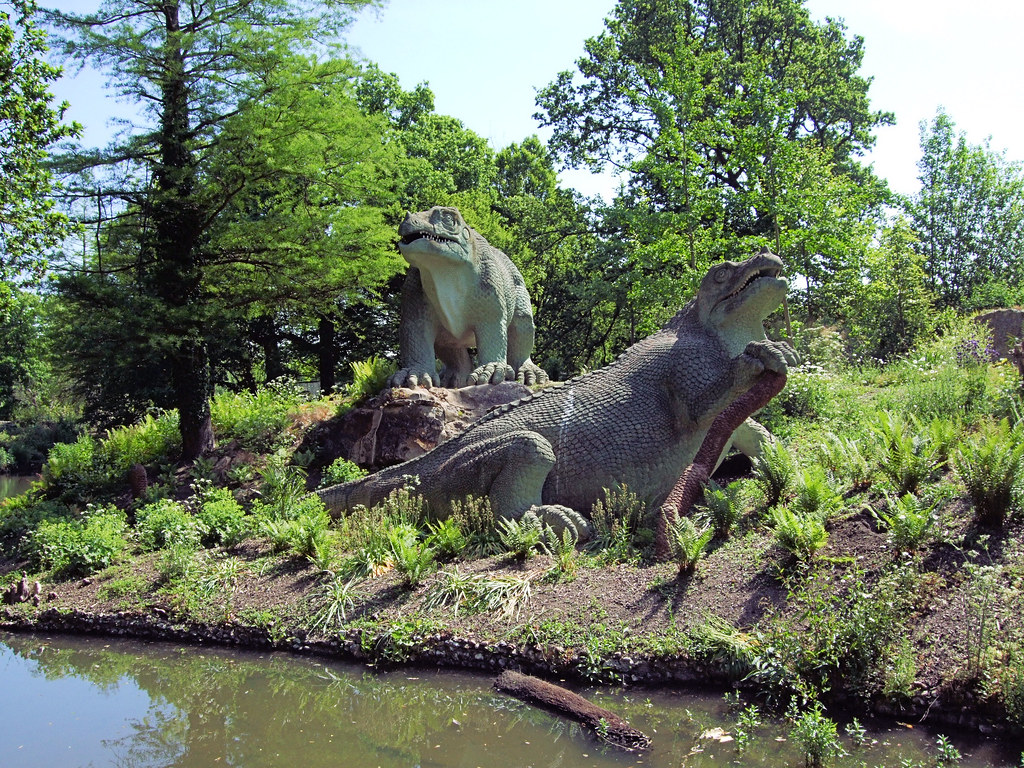
Fossil remains of a hypsilophodontid dinosaur about seventy million years old have been discovered, with fragmented bones of the skull, forelimbs, and vertebral column from a five-meter-long animal. These small, fast-moving dinosaurs were among the most successful plant-eaters of their time.
As one paleontologist described them: “They are the rabbits of the plant-eating dinosaurs: small, common, fairly fast, and they didn’t have a lot of armor. They almost never show up in the movies or nobody makes plastic toys of them, but they are the stock from which the greatest plant-eating dinosaurs evolved.” Yet finding them in Antarctica proves these humble creatures were incredibly adaptable.
Conclusion
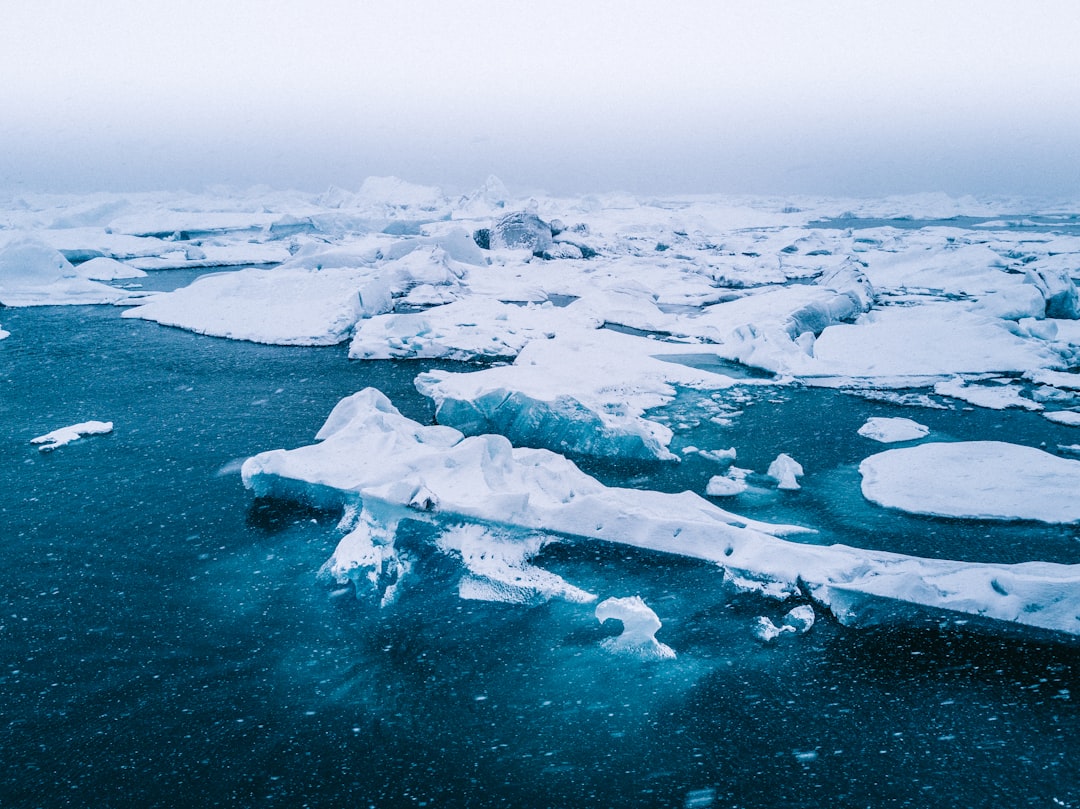
While we’ll never find actual frozen dinosaur bodies because the ice sheets formed long after dinosaurs went extinct, these fossilized discoveries in frozen landscapes tell an even more incredible story about our planet’s dramatic climate changes over millions of years. The rock layers where these dinosaurs are found contain fossilized spores, ferns, pines, mosses, ginkgoes, and cycads – plants that required temperatures completely different from today’s polar conditions, with tree rings ten times wider than those in modern polar regions.
These eight remarkable discoveries prove that life finds a way to adapt and thrive in the most unexpected places. They remind us that our frozen continents weren’t always the barren ice sheets we see today, but were once warm, vibrant ecosystems supporting some of the most magnificent creatures ever to walk the Earth.
What do you think about these incredible discoveries emerging from our planet’s most frozen corners? Tell us in the comments.