Discovering dinosaur fossils is already thrilling enough, but imagine finding one with its last meal still intact inside. These rare prehistoric snapshots offer us a window into ancient dining habits, revealing predator-prey relationships that existed millions of years ago. Think of it like opening a time capsule that shows exactly what was on the menu during the Mesozoic Era.
Finding dinosaurs with preserved is incredibly rare. The perfect storm of conditions needed for such preservation makes these discoveries truly extraordinary, giving scientists invaluable insights into dinosaur behavior and ecology.
Gorgosaurus libratus: The Young T-Rex Cousin With a Taste for Drumsticks

A juvenile Gorgosaurus libratus from Alberta, Canada, represents the first instance of in situ ever discovered for a tyrannosaur. The specimen contained remnants of two small oviraptorosaurs, specifically the legs of young Citipes elegans individuals. This fossil dates back roughly seventy-five million years and provides direct evidence of what young tyrannosaurs actually ate.
Laboratory analysis revealed the complete hind legs of two baby dinosaurs, both under a year old, were present in its stomach. The elements of the two individuals were at different stages of digestion, indicating these represented two separate meals consumed hours apart. The fact that only the meatiest parts were consumed suggests selective feeding behavior rather than indiscriminate scavenging.
Diamantinasaurus matildae: The Australian Sauropod’s Plant-Heavy Diet
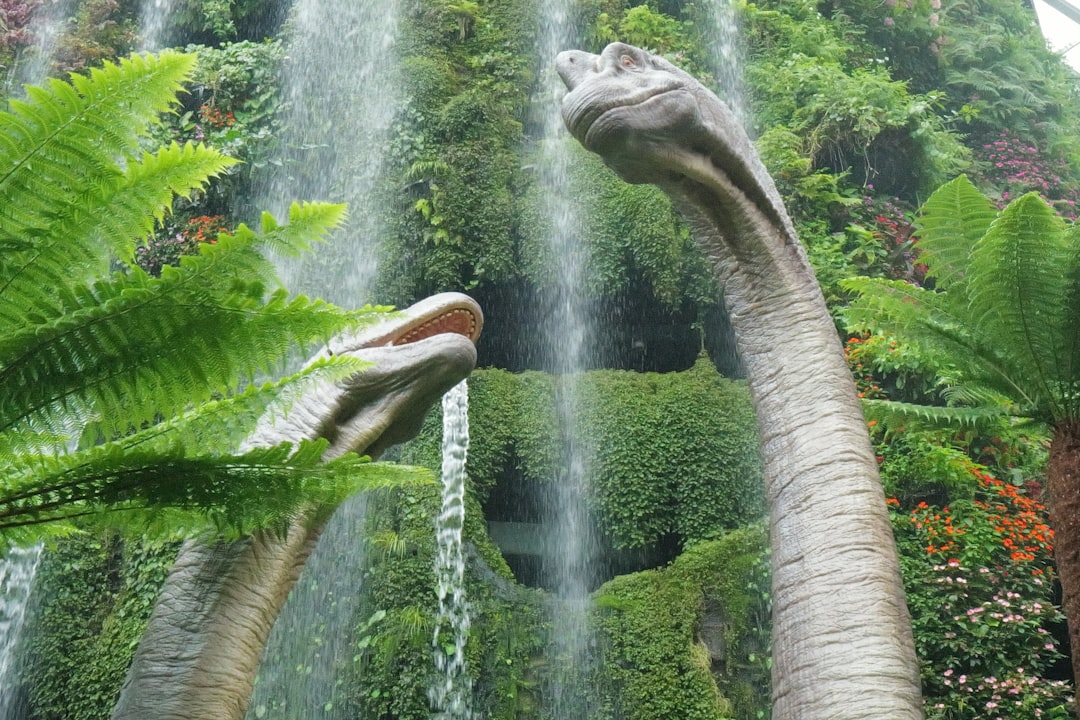
Fossilized were retrieved from a Diamantinasaurus matildae specimen dating between ninety-four and one hundred and one million years ago, excavated in Australia in 2017. This marked the first time genuine sauropod gut contents had ever been found anywhere, despite sauropods being known from every continent. The discovery finally provided direct evidence of what these massive herbivores actually consumed.
The cololite contained a wide variety of plants, including foliage from conifers, seed-fern fruiting bodies, and leaves from angiosperms. The findings confirm that sauropods were herbivores who did not really chew their food, instead relying on gut microbes to break down their meals. This discovery revolutionized our understanding of sauropod feeding habits and digestive processes.
Compsognathus longipes: The Chicken-Sized Hunter’s Lizard Lunch
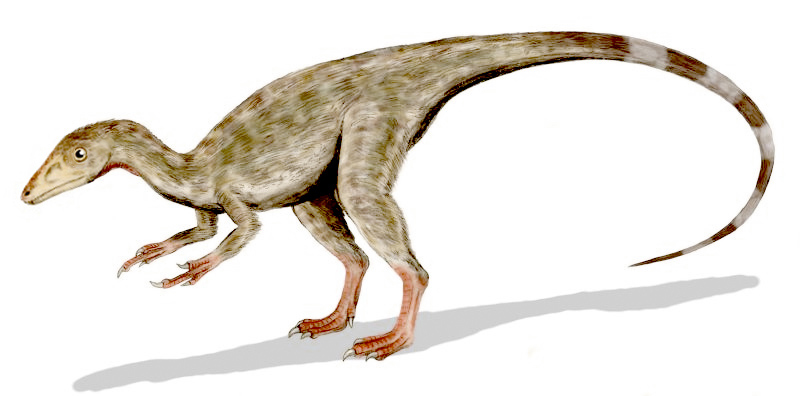
Compsognathus longipes is one of the few dinosaur species whose diet is known with certainty, as remains of small, agile lizards are preserved in the bellies of both known specimens. One fossil remain inside the stomach of a Compsognathus was identified as a species of Bavarisaurus, with the small lizard swallowed whole. These discoveries from both German and French specimens provided concrete evidence of predatory behavior in this tiny theropod.
Both Compsognathus fossils contained lizard remains in their stomachs, suggesting they probably swallowed their prey whole without chewing. The preserved show definitively that Compsognathus was a predator of lizards, and despite its small size, it appears to have been the apex predator on the islands where it lived. This tiny dinosaur packed a surprising punch for its diminutive stature.
Sinocalliopteryx gigas: The Feathered Bird Hunter
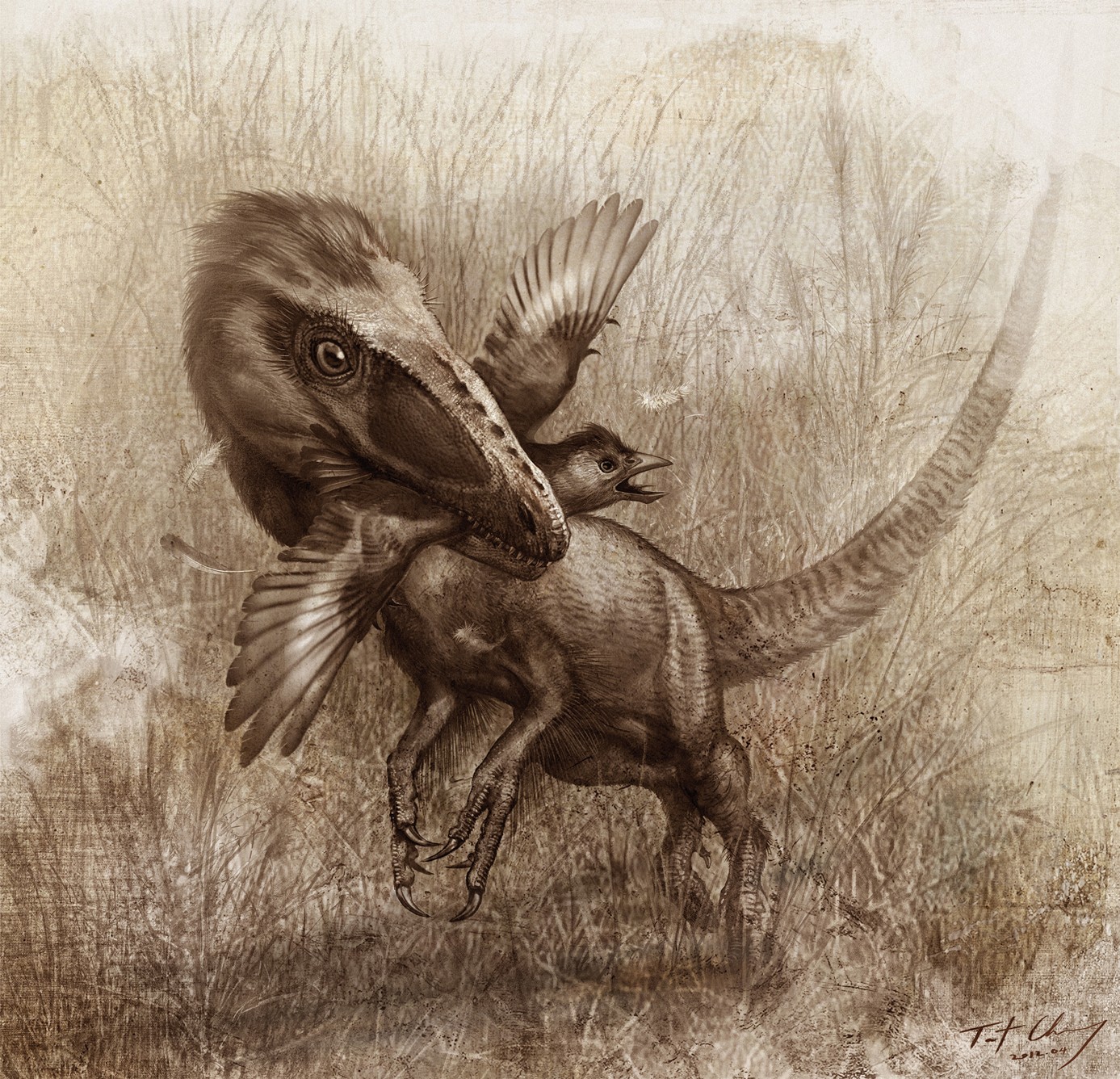
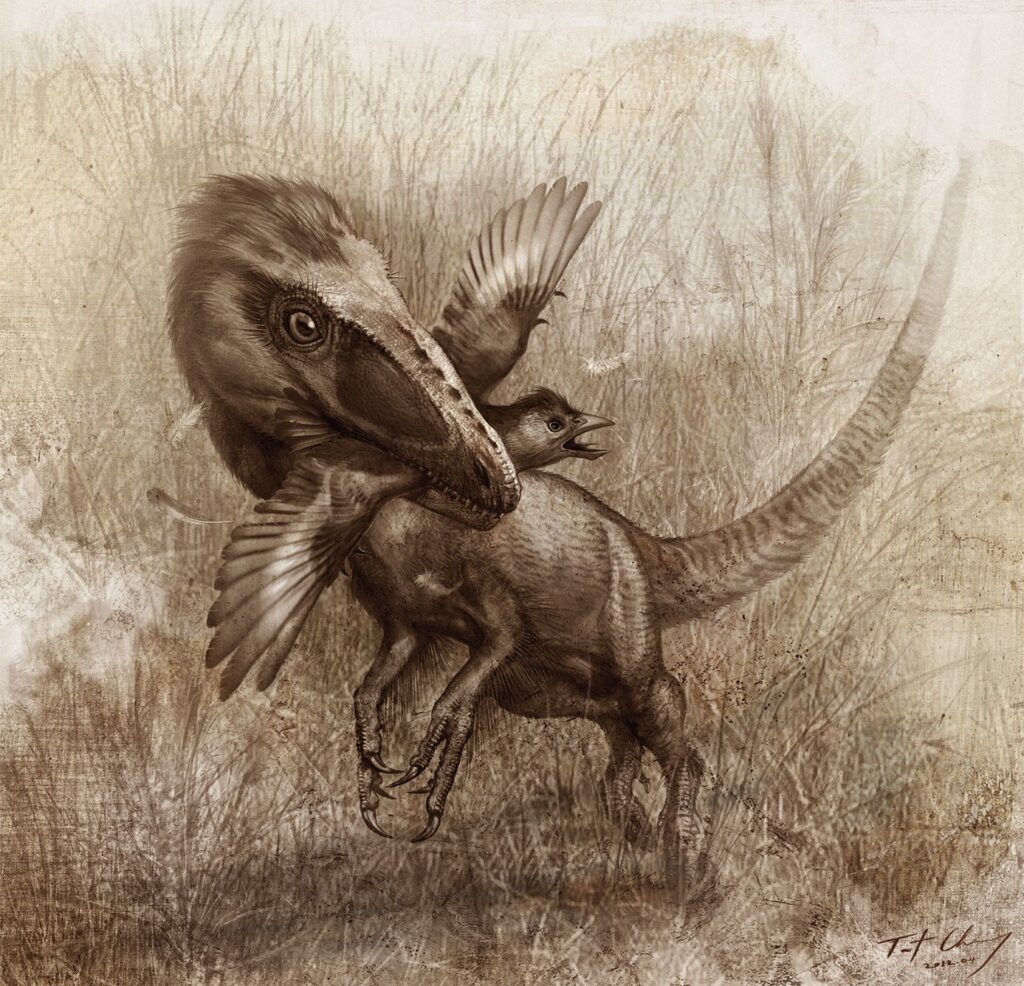
The second Sinocalliopteryx specimen contained the remains of two Confuciusornis, an archaic bird, and bones from an unidentified ornithischian dinosaur in its stomach. Another Sinocalliopteryx specimen held remains of at least two primitive crow-sized birds known as Confuciusornis, as well as acid-etched bones from a dinosaur. These discoveries showed this wolf-sized predator was quite the opportunistic hunter.
The variety of prey in the Sinocalliopteryx stomachs shows this dinosaur wasn’t a picky eater and may have been a quick hunter specializing in snapping up other feathered dinosaurs, with capturing flying prey pointing to a stealthy, capable hunter. The fact that one specimen had not one but three undigested birds in its stomach indicates it was a voracious eater and very active hunter. This predator clearly had quite an appetite for early birds.
Borealopelta markmitchelli: The Armored Plant Processor
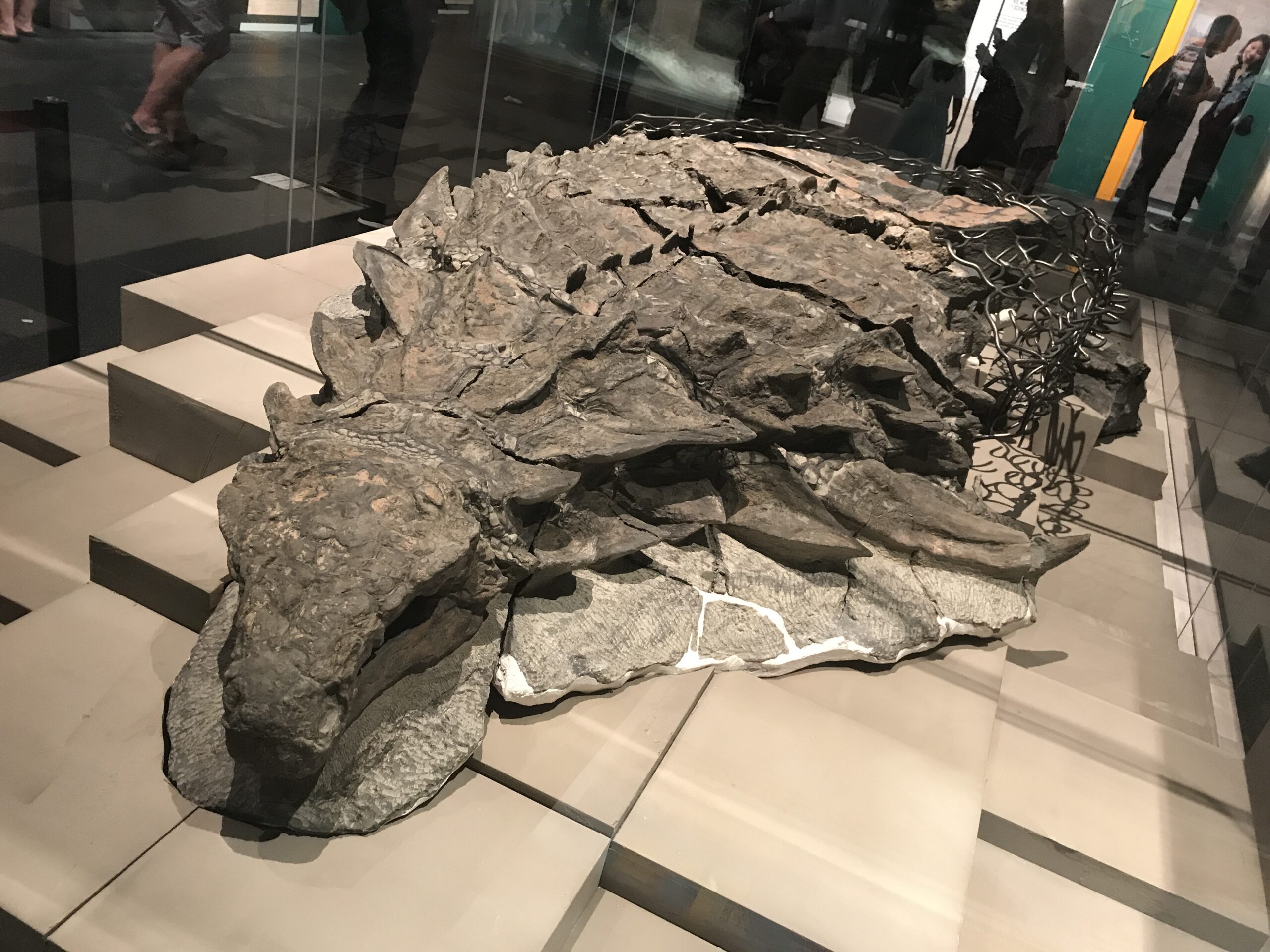
Borealopelta markmitchelli, a plant-munching dinosaur covered in plates of armor, had mostly fern leaves along with small amounts of palm-like cycads and conifer needles in its belly. The fossilized stomach was identified by ping-pong ball-sized spheres called gastroliths, which are rocks that some animals swallow to help mash up food in their bellies. This Early Cretaceous nodosaur provided exceptional preservation of plant material.
Scientists also found charcoal in the stomach, with the only explanation being that the animal was foraging in a place that had recently experienced a forest fire, possibly six months to two years before this meal. The stomach clues suggest the dinosaur’s last meal occurred at the start of the growing season when conditions were wet, and rains and storms may have caused a river flood that swept the dinosaur’s body out to sea. This discovery painted a vivid picture of ancient environmental conditions.
Morrison Formation Sauropod: The Mysterious Late Jurassic Giant
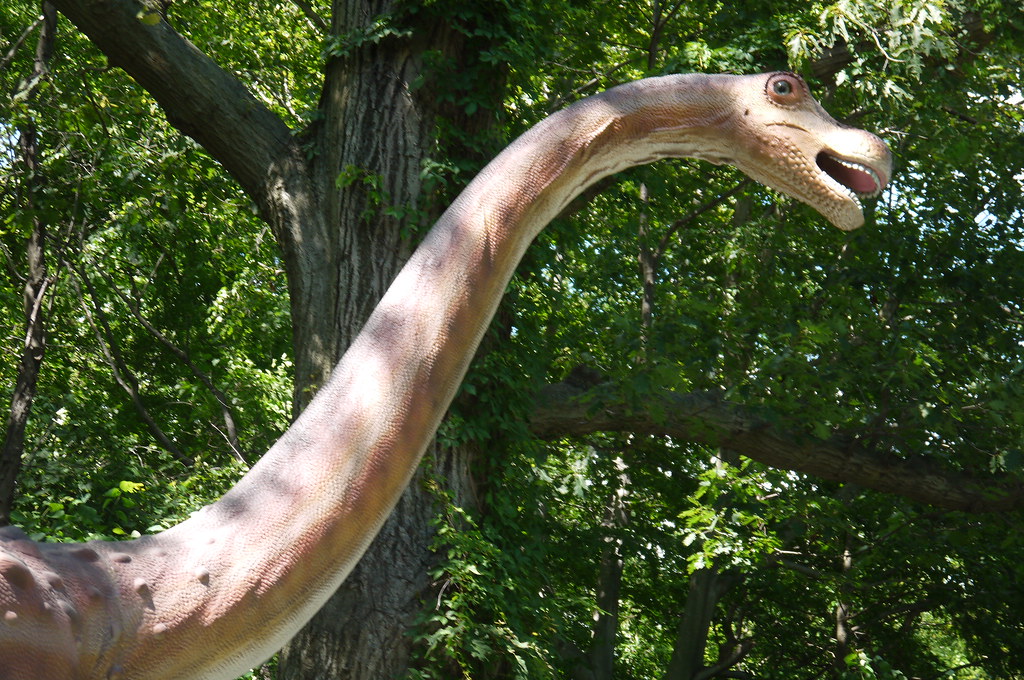
A mass of petrified plant and bone fragments found in the Late Jurassic Morrison Formation of southwestern Utah appears to be the of a sauropod dinosaur, with skeletal remains associated with it. This specimen represents one of the earliest discoveries of sauropod digestive contents, though it predates more recent detailed analyses. The Morrison Formation has yielded numerous important dinosaur discoveries over the decades.
The exact species identification remains uncertain, but the presence of both plant and bone fragments suggests a more complex diet than previously imagined for sauropods. This finding contributed to our evolving understanding of these massive herbivores’ feeding strategies during the Late Jurassic period.
Microraptor: The Four-Winged Fish Eater
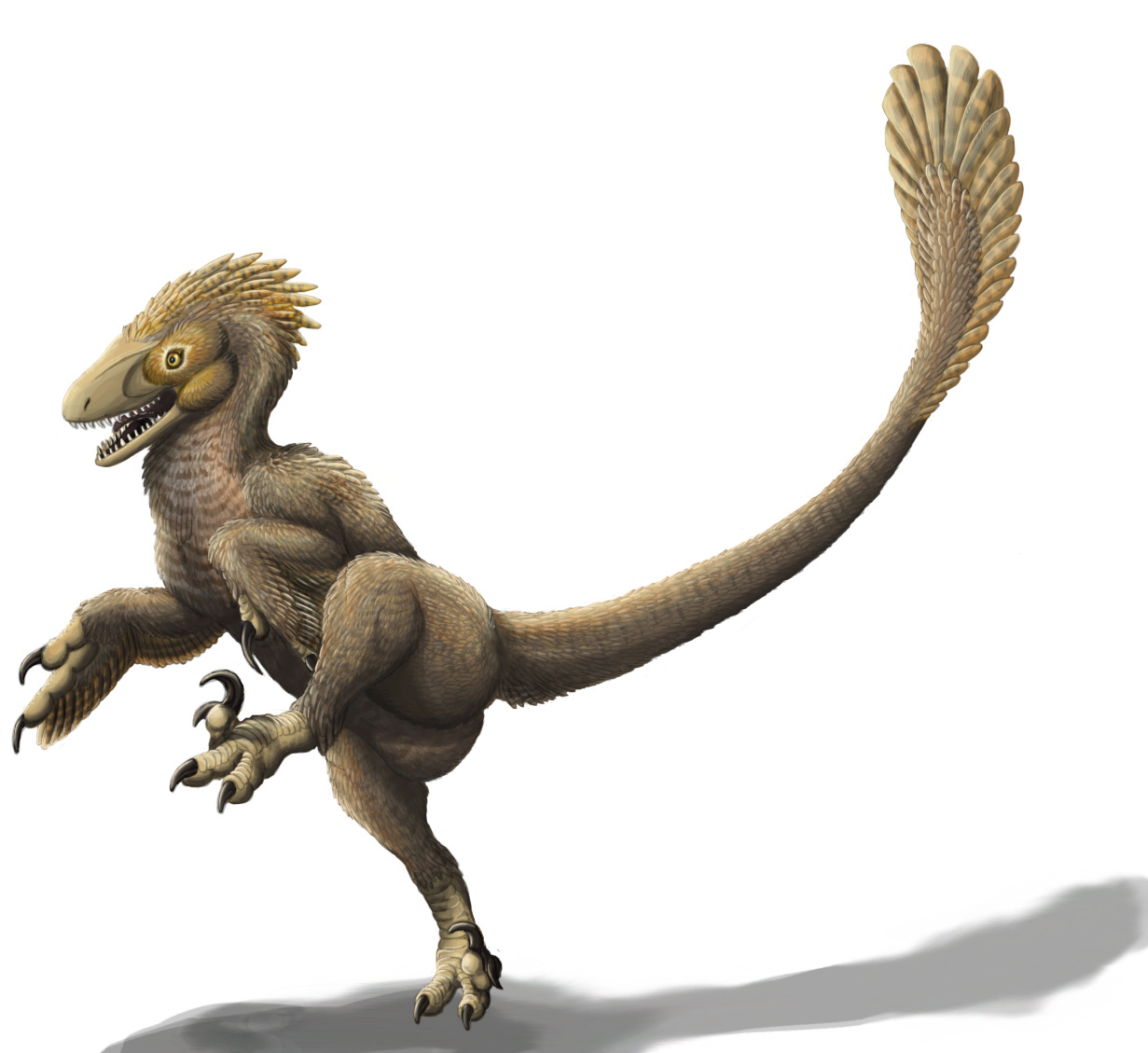
Previous research focused on a small dinosaur called Microraptor found with mammal remains in its stomach, with preservation of gut contents in carnivorous dinosaur fossils being exceedingly rare. Though not detailed in the tyrannosaur study, Microraptor specimens have been found with various prey items including birds, mammals, and fish. This crow-sized dinosaur with four wings represents one of the most unusual predators of the Early Cretaceous.
The diversity of prey found in different Microraptor specimens suggests these aerial hunters were quite adaptable in their feeding habits. Their preserved have provided crucial insights into the ecological roles of these early feathered dinosaurs.
Sinosauropteryx: The Fuzzy Compsognathid’s Varied Menu
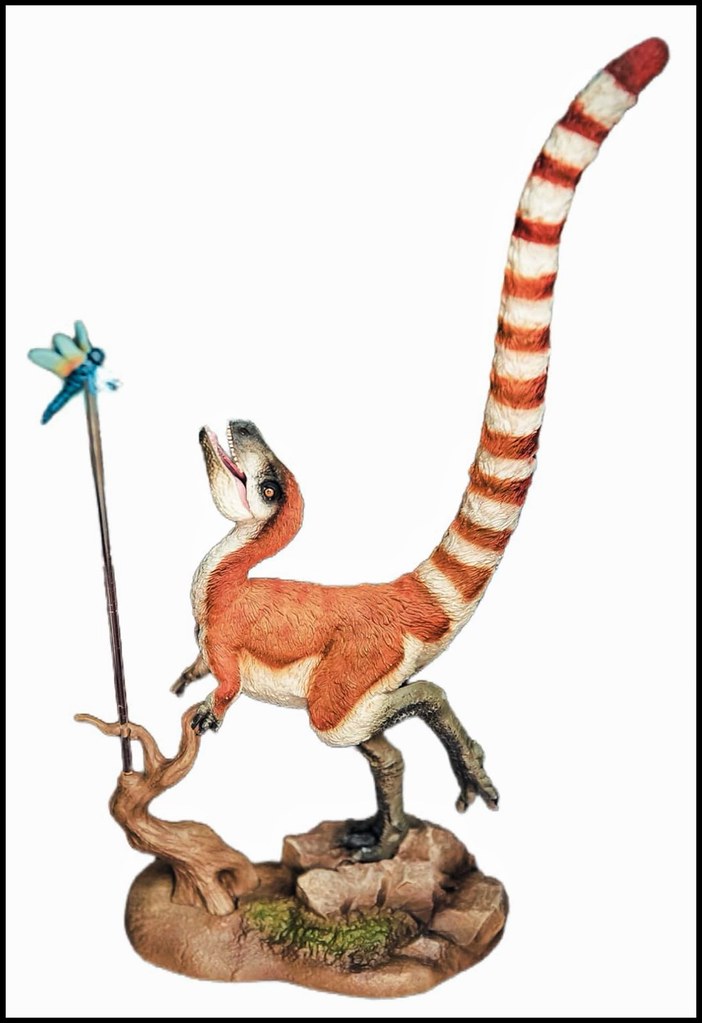
Looking back at specimens, scientists identified one victim as Sinosauropteryx, showing that even small feathered dinosaurs fell prey to larger predators like Sinocalliopteryx. While specific of Sinosauropteryx itself are less well documented, this dinosaur represents the broader compsognathid family known for preserving dietary evidence. Sinosauropteryx was one of the first dinosaurs recovered from the Yixian Formation, known for exceptional preservation including feather impressions.
The Jehol Biota, where Sinosauropteryx lived, provides numerous examples of predator-prey relationships preserved in remarkable detail. This fuzzy dinosaur’s ecosystem was incredibly rich and diverse, supporting complex food webs that we can still study today through exceptional fossil preservation.
Early Cretaceous Nodosaur: The Selective Fern Feeder
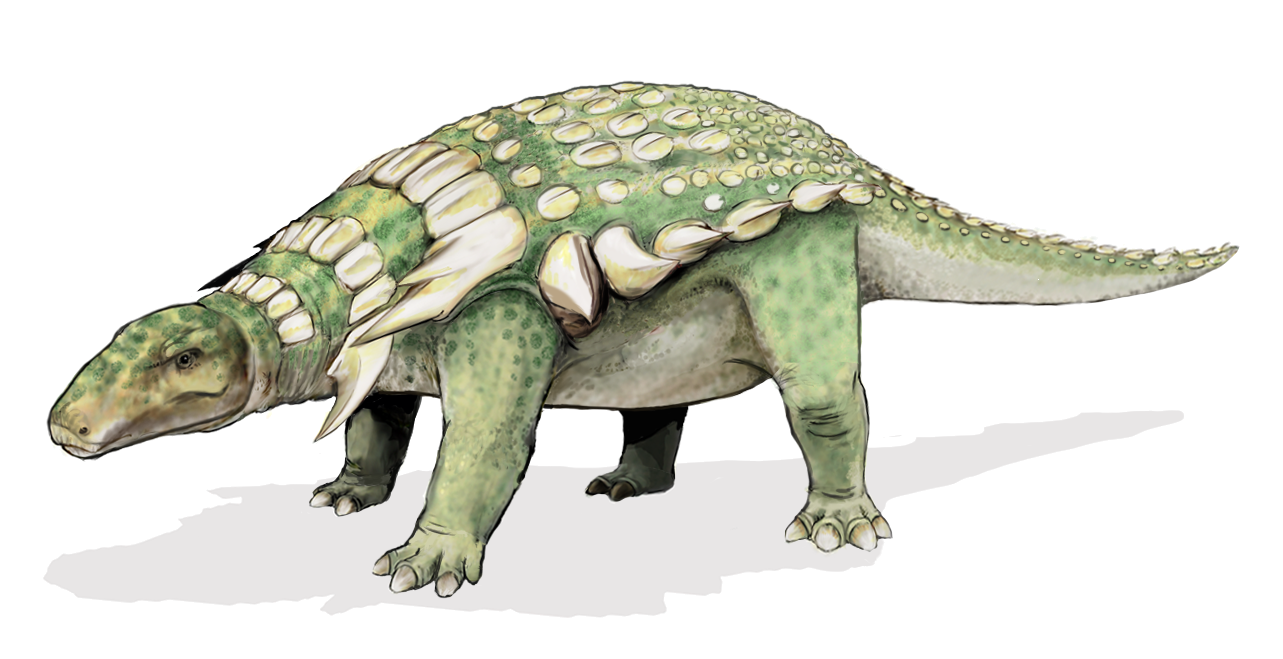
Dietary paleontology of an Early Cretaceous armored dinosaur based on floral analysis of has provided detailed insights into nodosaurid feeding behavior. Beyond the Borealopelta specimen, additional nodosaur have been analyzed to understand the feeding ecology of these heavily armored herbivores. The preservation quality allows scientists to identify specific plant species and understand seasonal feeding patterns.
These discoveries show that armored dinosaurs were quite selective in their plant choices, contrary to earlier assumptions about indiscriminate browser behavior. The detailed plant analysis reveals sophisticated dietary strategies that helped these dinosaurs thrive in Cretaceous ecosystems.
Conclusion

These nine remarkable discoveries transform our understanding of dinosaur behavior from mere speculation to documented fact. Each preserved meal tells a story of ancient ecosystems, predator-prey relationships, and feeding strategies that existed millions of years ago. From tiny Compsognathus hunting lizards to massive sauropods processing plants, these fossils provide unprecedented glimpses into prehistoric dining habits.
The rarity of these finds makes each discovery extraordinarily valuable to paleontologists worldwide. They remind us that dinosaurs weren’t just static museum displays but active, hungry creatures navigating complex food webs in their ancient world.
What fascinates you most about these prehistoric last meals? Tell us in the comments.