Imagine stumbling upon a creature that died 66 million years ago, yet looks so lifelike you might expect it to open its eyes. These extraordinary finds of dinosaur fossils with preserved skin are revolutionizing our understanding of these ancient giants.
While bones and teeth survive the test of time, soft tissues like skin typically decompose within weeks. Yet under perfect conditions, nature has managed to preserve these delicate structures for millions of years. These discoveries offer scientists an unprecedented window into the appearance, behavior, and daily lives of dinosaurs.
The Giant Raptor with Feathers Frozen in Time
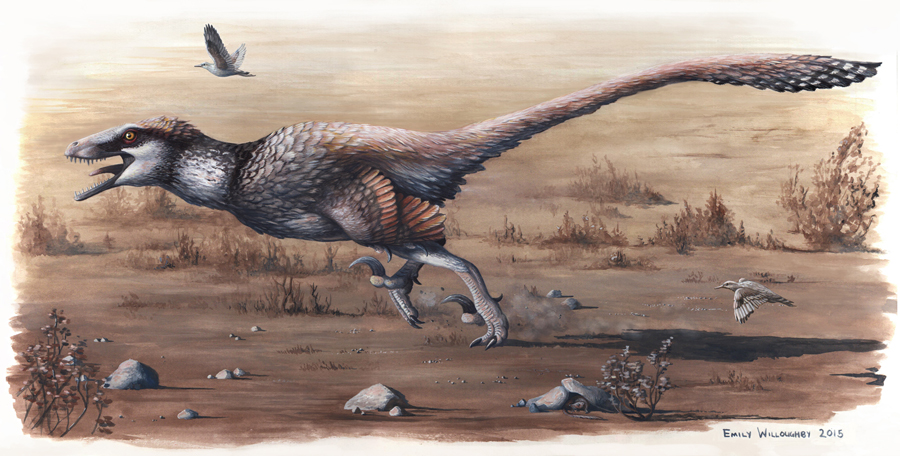
Dakotaraptor stands as the largest dromaeosaurid dinosaur with confirmed plumage, measuring about 17-18 feet in length and weighing between 490 to 770 pounds. The most notable feature preserved on this massive predator was the row of prominent bumps along the ulna bone’s ridge, called ulnar papillae or quill knobs.
These bumps were attachment spots for reinforced wing feathers in birds and other theropod dinosaurs, providing strong evidence that Dakotaraptor had prominent wing feathers. This discovery makes Dakotaraptor currently rank as the largest dromaeosaur to preserve direct evidence of its skin, namely feathers on its arms.
The Mysterious World of Soft Tissue Preservation
There have been some discoveries of unusually well-preserved fossil dinosaur specimens which bear remnants of tissues and bodily structures, though organic tissue was previously thought to decay too quickly to enter the fossil record. The majority of fossils we see in museums are skeletons because bones don’t decompose very quickly, while soft tissues like skin, muscle and organs usually rot away or are eaten by scavengers soon after death.
Under the right circumstances, you can end up with a feathered dinosaur tail preserved in amber, a 133-million-year-old brain pickled in a bog, and a nodosaur still sporting skin and scales that looks like it’s just taking a nap. Scientists now believe that several pathways can lead to this extraordinary preservation.
The Armored Tank That Looked Like It Was Sleeping
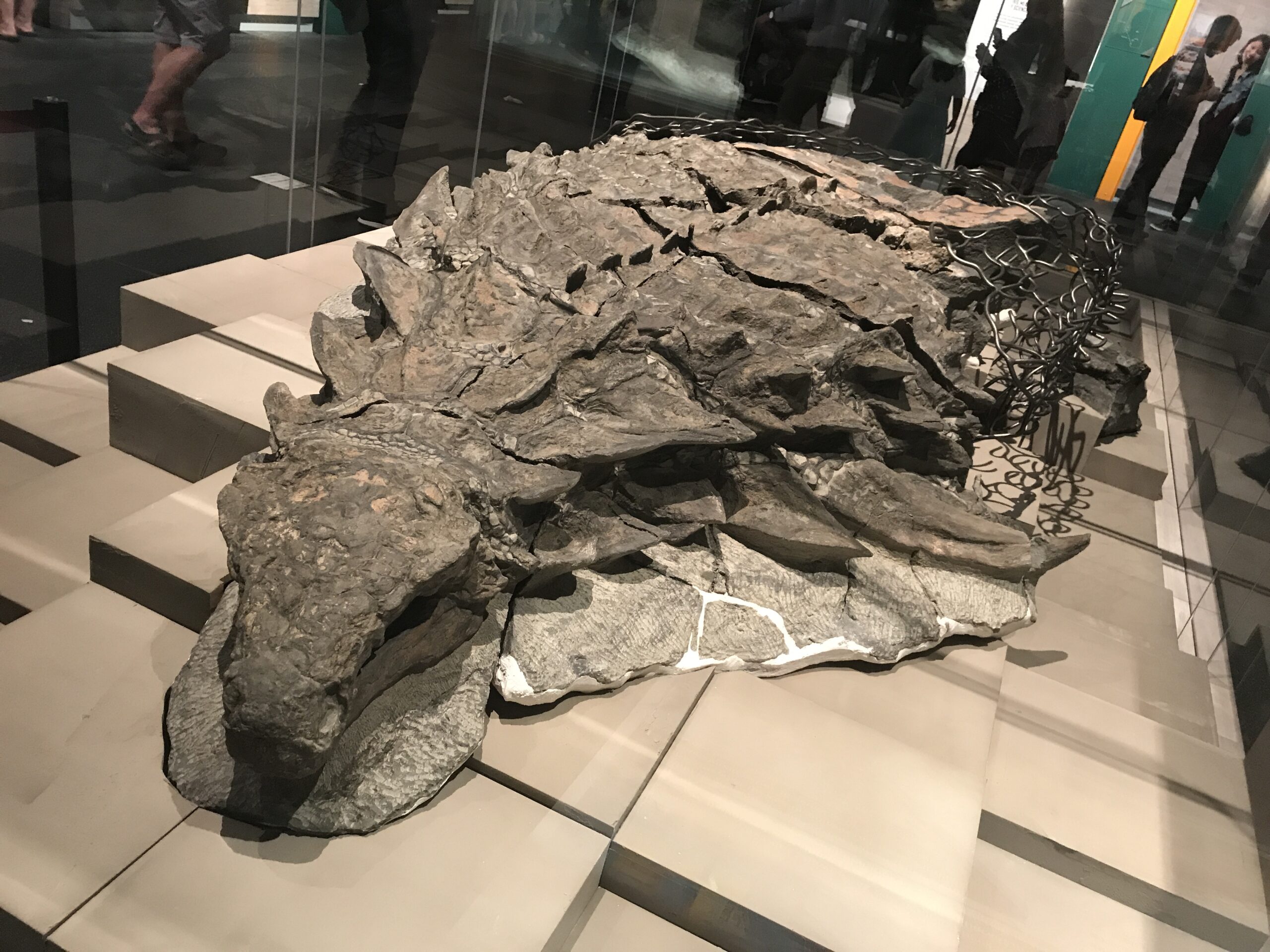
The 110-million-year-old Borealopelta specimen discovered at an oil sands mine north of Fort McMurray, Alberta, is remarkable for being among the best-preserved dinosaur fossils of its size ever found, preserving not only armor in their life positions, but also remains of their keratin sheaths, overlying skin, and stomach contents. Scientists have described it as “one of the most beautiful and best preserved dinosaur specimens – the Mona Lisa of dinosaurs.”
The specimen appears to have sunk upside-down onto the sea floor shortly after its death, causing the top half of the body to be quickly buried with minimal distortion, preserving the animal almost as it would have looked in life. Researchers were able to determine the dinosaur’s skin color using mass spectrometry techniques, finding it was a dark reddish brown on top and lighter underneath.
Dakota the Dinosaur Mummy
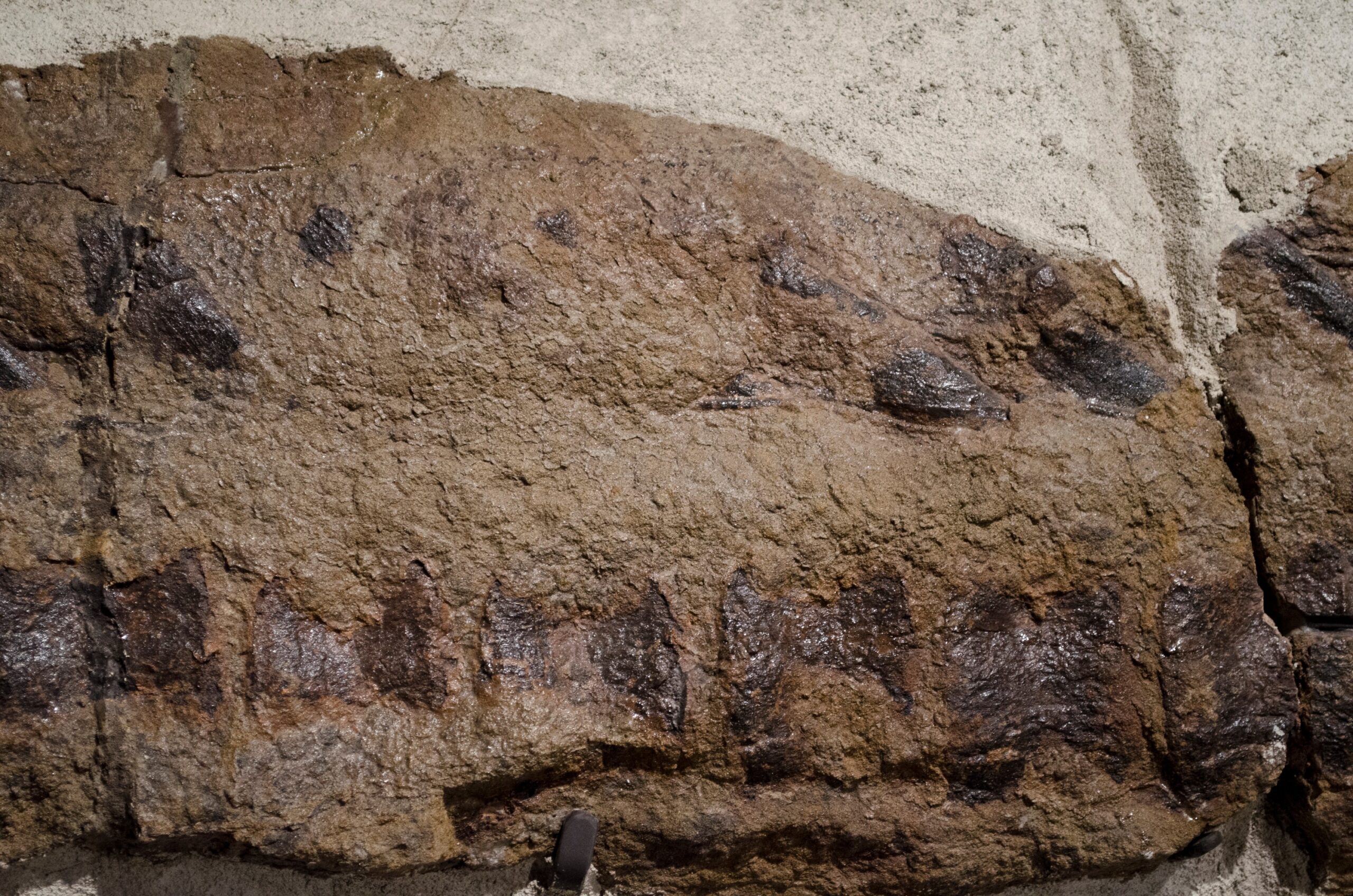
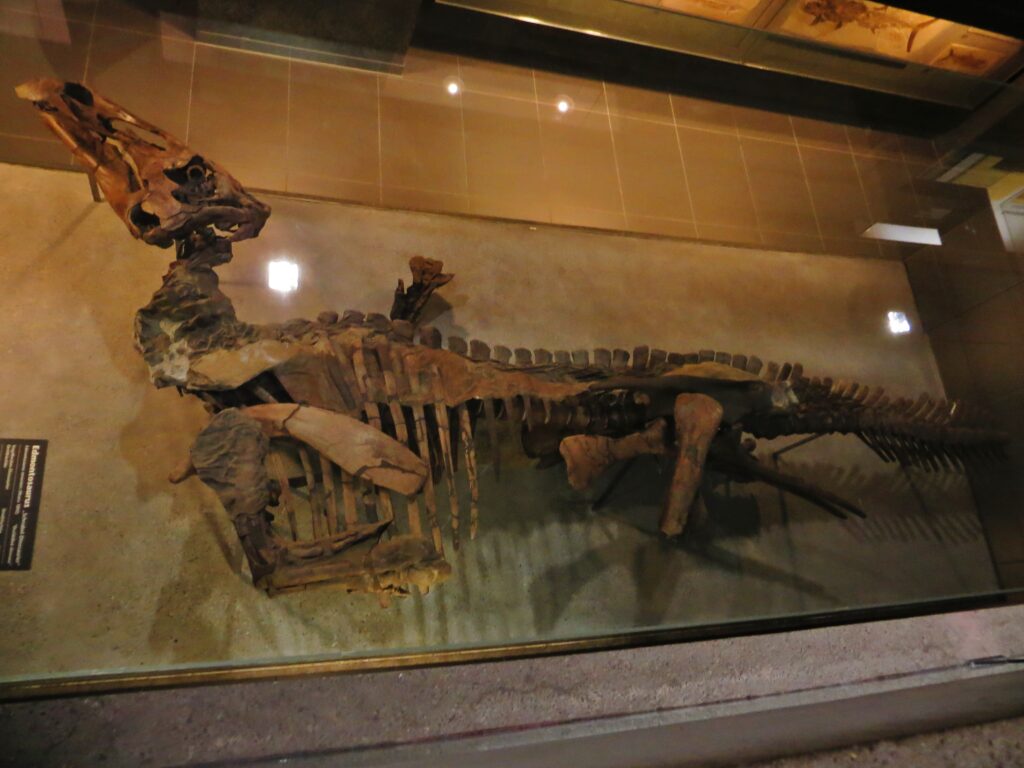
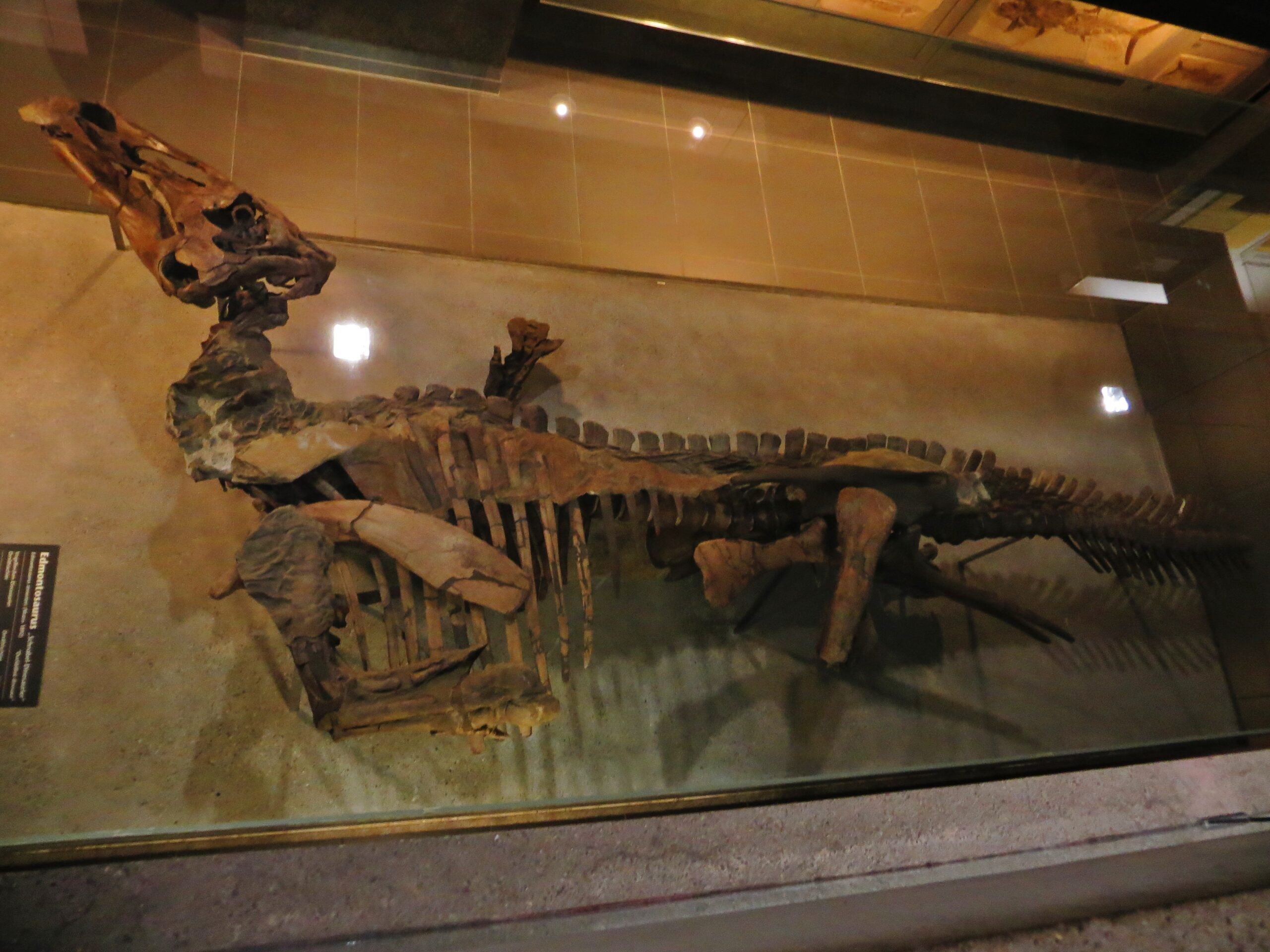
Dakota is the nickname given to an important Edmontosaurus fossil found in the Hell Creek Formation in North Dakota, about 67 million years old and measuring about 40 feet long with a weight of about 3.5 tons. The fossil is unusual and scientifically valuable because soft tissue including skin and muscle have been fossilized, with some structures retaining soft-tissue replacement structures and associated organic compounds.
The well-preserved integument has retained its texture, and researchers have mapped it in three dimensions, with scales of different sizes that may reflect the animal’s coloration in life, including areas of arm joints textured in what resembles a striped pattern. Recent research suggests that carnivores’ preference for meat led them to tear open the skin to access internal organs, leaving the skin relatively intact while allowing smaller scavengers access through wounds to break down the dinosaur’s insides.
The Last Dinosaur Standing
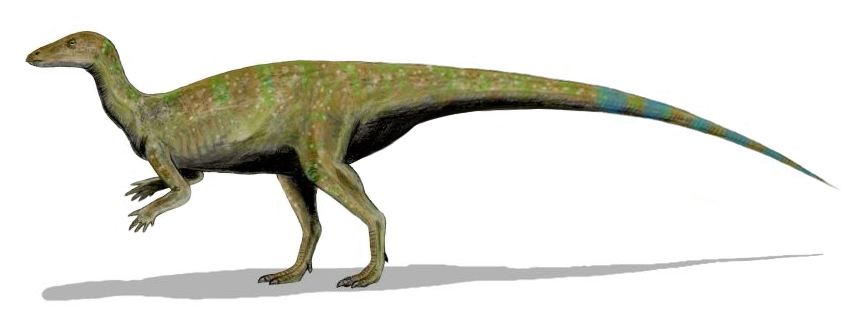
At the Tanis fossil site, researchers found a partial mummified Thescelosaurus with its , unearthed from sediments containing evidence of the asteroid impact that killed the dinosaurs. The appendage belongs to a Thescelosaurus and shows no traces of scavenging and decay, leaving it in a state that has changed little since its death 66 million years ago.
The preservation of soft tissue such as skin suggests that its body did not have any time to decay before it was buried in sediment, with scientists saying the only supported scenarios are that it died in the surge or immediately before the asteroid strike. Soft tissue preservation is extremely rare, making the presence of muscle and skin tissues incredible, though most scales appear to have fallen off with only a few precious clusters remaining.
Ancient Skin Color Revealed Through Chemistry
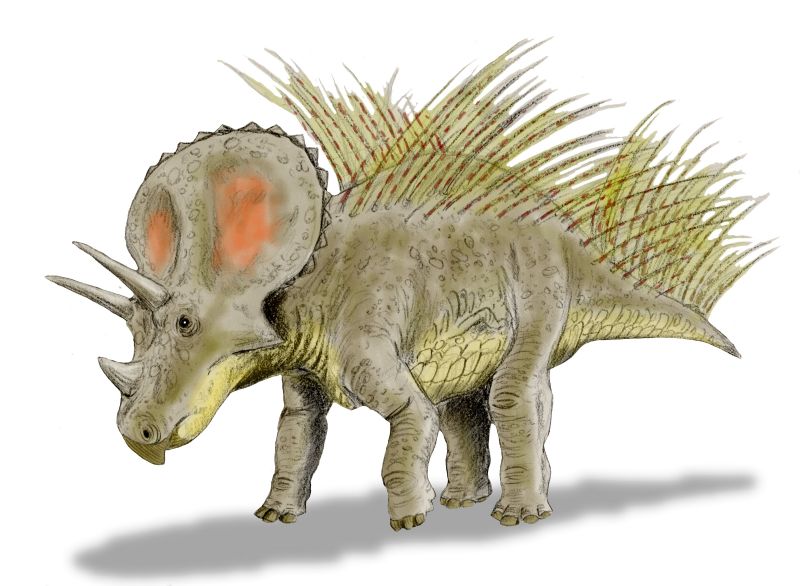
Study of the pigments present in remnants of skin and scales of Borealopelta suggest that it might have had a reddish-brown coloration in life, with a countershaded pattern that was used for camouflage. Scientists have discovered that the Borealopelta used a form of camouflage known as countershading, which hadn’t been observed in creatures of its large size, suggesting that the Cretaceous period was even more cutthroat than once thought.
This discovery was groundbreaking because it marked the first time scientists could determine the actual color of a dinosaur through chemical analysis rather than educated guesswork. The preservation was so exceptional that original pigment molecules survived millions of years.
The Science Behind the Miracle
Researchers have suggested that dinosaur mummies form through three main pathways – rapid burial, desiccation and deflation, and aqueous anoxia where tissues can be preserved in low oxygen bodies of water. Recent studies propose that Dakota was exceptionally preserved because of several identified scavenging marks to the carcass, which helped gases, fluids, and microbes escape during decomposition, allowing soft tissues to withstand weeks or months required for desiccation prior to burial.
Different types of skin preservation exist, including compression fossils when heat or pressure preserves skin as a thin layer, and the rarest form when skin becomes partly mineralized, preserving the organ’s structure and occasionally organic molecules. Each type offers unique insights into these ancient creatures’ lives.
Revolutionary Impact on Dinosaur Science
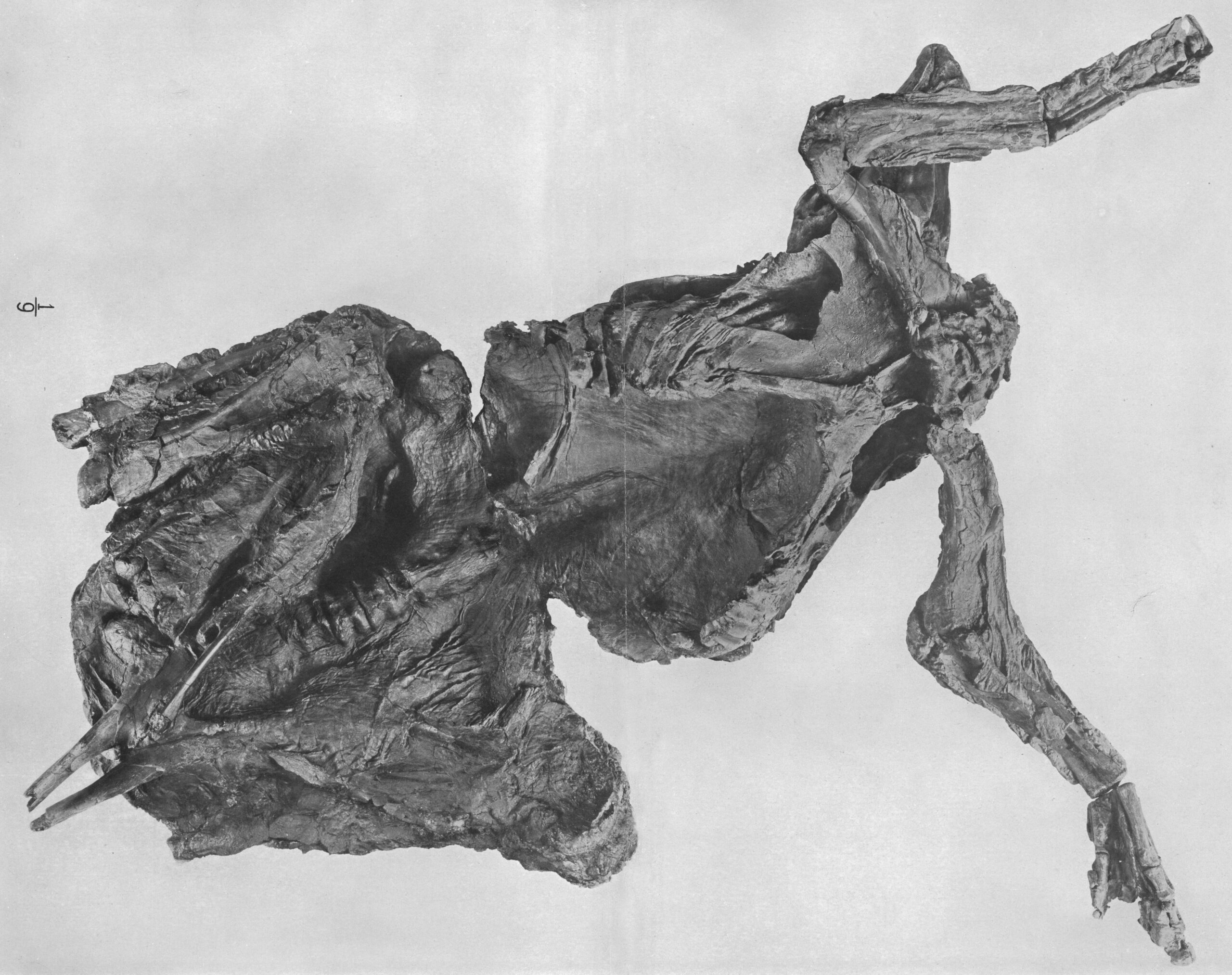
According to paleontologist Dr. Caleb Brown, the preservation of soft tissue such as skin is a rare occurrence in paleontology, revealing details about the dinosaur’s texture, coloration, and potentially even its environment or behavior, allowing scientists to reconstruct not only physical appearance but also aspects of daily existence. Preliminary research results from Dakota indicate that hadrosaurs had heavier tails and were able to run faster than was previously thought.
These discoveries are completely changing how scientists understand dinosaur biology and behavior. Instead of relying solely on bones, researchers can now study actual skin texture, muscle mass, and even stomach contents to paint a complete picture of how these creatures lived and moved.
These skin-preserved dinosaur fossils represent some of the most significant paleontological discoveries of our time. They’ve transformed dinosaurs from skeletal reconstructions into living, breathing creatures we can almost touch across the vast expanse of geological time. As researchers noted, “We don’t just have a skeleton, we have a dinosaur as it would have been.”
What strikes me most is how these discoveries remind us that dinosaurs weren’t just ancient monsters from movies, but real animals with complex behaviors, vibrant colors, and intricate survival strategies. What do you think about finally seeing these ancient giants almost as they truly were? Tell us in the comments.