The question of how dinosaurs survived has puzzled scientists for decades. While we often picture these ancient giants roaming through tropical swamps and steamy forests, the reality is far more complex and fascinating. Recent discoveries of dinosaur fossils in polar regions and sophisticated analyses of their stomach contents have revealed remarkable survival strategies that challenge our understanding of these prehistoric creatures.
When arrived 100 million years ago, dinosaurs faced challenges that would make modern Arctic animals tremble. The harsh reality of months-long darkness, freezing temperatures, and scarce food supplies required extraordinary adaptations. What they ate during these brutal months reveals a story of survival, ingenuity, and evolutionary brilliance.
Revolutionary Discoveries in Stomach Fossils
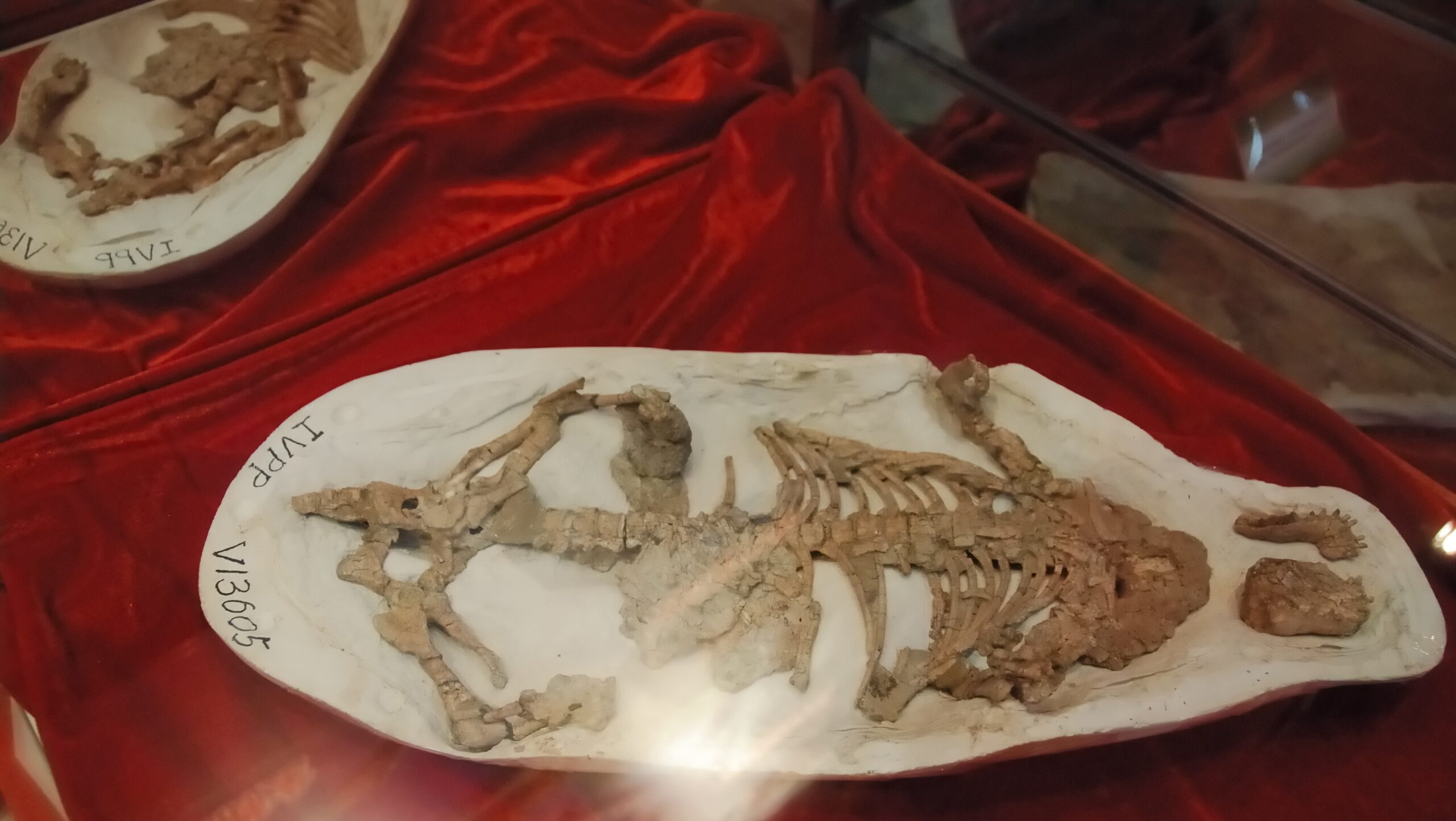
The breakthrough came when paleontologists discovered something extraordinary inside a 110-million-year-old armored dinosaur called Borealopelta. This stomach is a “kind of a fossil within a fossil,” and the fossil was pulled from roughly 110 million-year-old rocks in Alberta, Canada.
Fern leaves made up roughly 85 percent of the stomach’s contents, but they belonged to only one type, and there was a huge diversity of ferns growing in the time and place where this nodosaur had lived, so this dino “might have been reasonably picky.” This selectivity suggests that dinosaurs weren’t just eating whatever they could find but were making deliberate food choices even when resources were limited.
Seasonal Timing Through Stomach Analysis
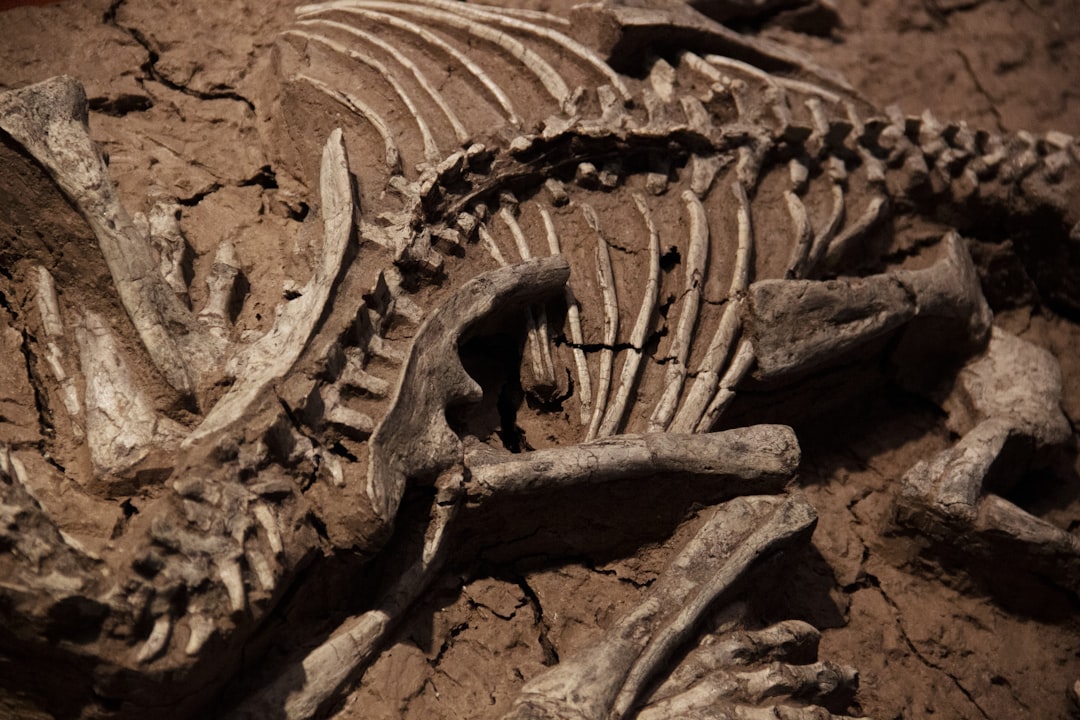
The stomach’s clues, such as the twig growth rings, suggest the dino’s last supper took place at the start of the growing season, and the stomach’s contents revealed the dinosaur likely died in late spring to mid-summer because of the plants it had eaten. This precise seasonal timing allows scientists to understand exactly when dinosaurs were consuming specific types of vegetation.
Further clues found in the tree rings of woody twigs that Borealopelta ate suggest that the dinosaur ingested the plants about halfway through their growing season, and the ferns had mature sporangia, taken together suggesting that Borealopelta ate its final meal in early to mid-summer – and died mere hours afterward.
Evidence of Fire-Damaged Food Sources
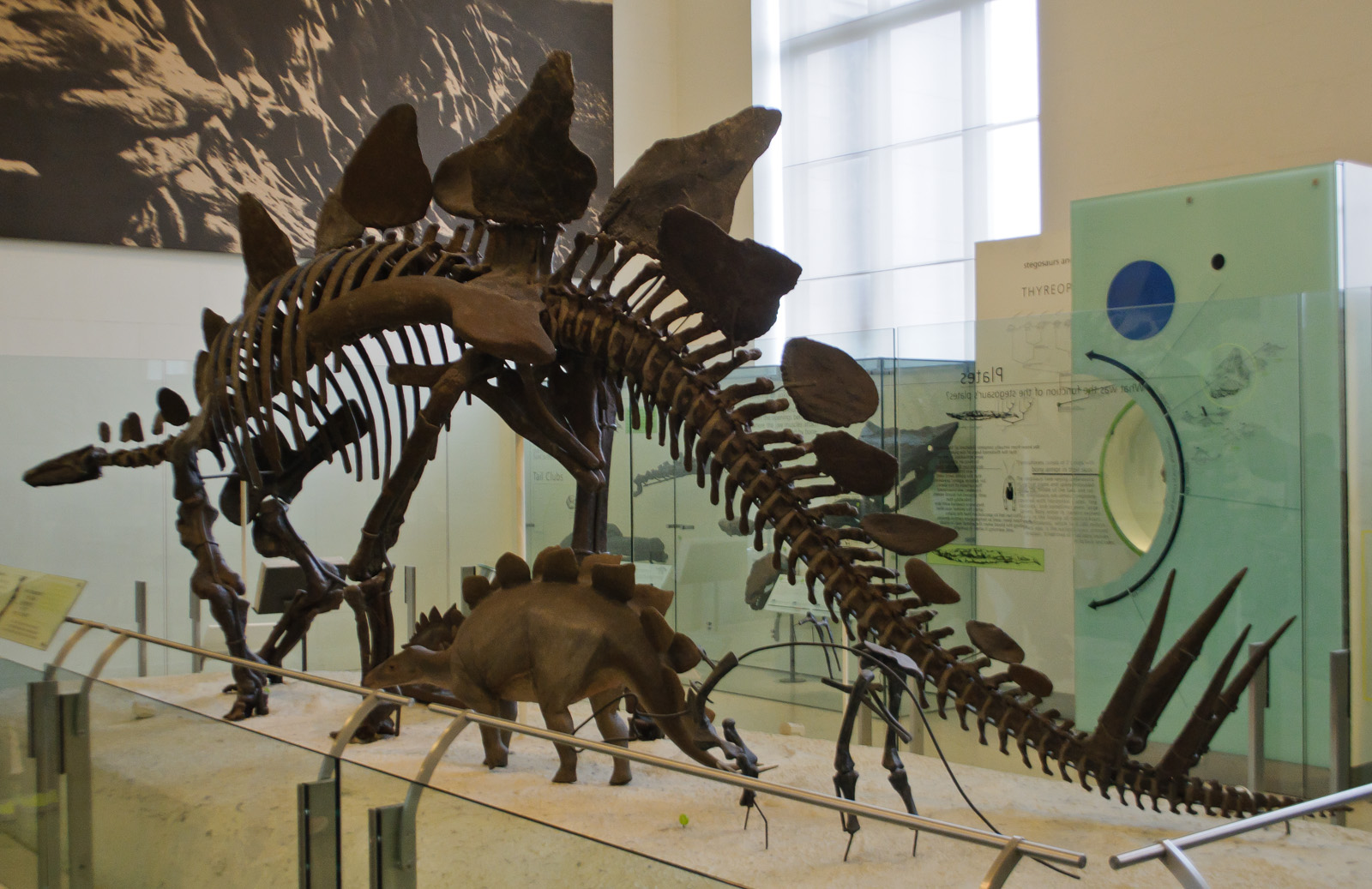
To its surprise, the team also found charcoal in the stomach, and “The only explanation,” says Brown, “is that the animal was foraging in a place that had recently had a forest fire.” This discovery reveals that dinosaurs were opportunistic feeders, taking advantage of burned areas where new plant growth might emerge.
About six percent of the gut contents were bits of charcoal, a possible sign that Borealopelta was grazing on regrowth in an area recently hit by wildfires. This behavior shows remarkable adaptability, as dinosaurs learned to exploit post-fire environments where tender new shoots would provide concentrated nutrition during harsh seasons.
Polar Dinosaur Survival Strategies
Finding food during prehistoric s would have required incredible ingenuity and adaptation, plant-eating dinosaurs faced the challenge of surviving when most vegetation was dormant or buried under snow, and some species likely developed the ability to digest woody material, bark, and other low-nutrition plant matter that remained available during months.
If they stayed year-round, what did they eat during the cold months? We presume that the predators continued to eat meat because the patterns of wear on their teeth suggest no change in diet during the year. While carnivorous dinosaurs maintained consistent diets, herbivores had to adapt their feeding strategies dramatically.
Arctic Adaptations and Feeding Behaviors
These traits would have served dinosaurs well on a planet that was extraordinarily hot overall by enabling them to avoid the tropics, in favor of temperate zones, where despite having to contend with seasonal s they would have found more consistent food sources, and “We can tell from the fossil record that herbivores in particular loved the higher latitudes, where they would have munched on the leaves of conifers, ferns, and ginkgo trees all year round.”
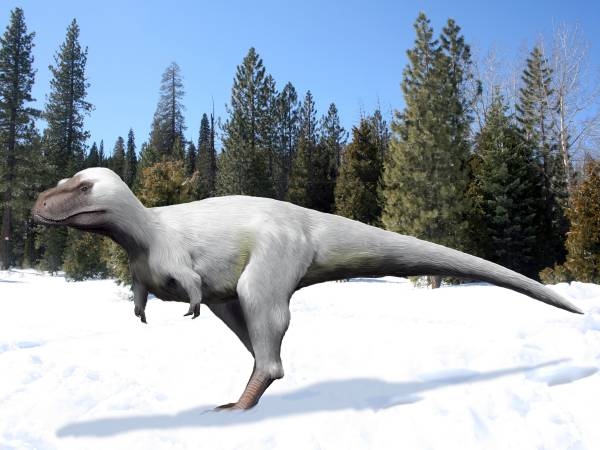
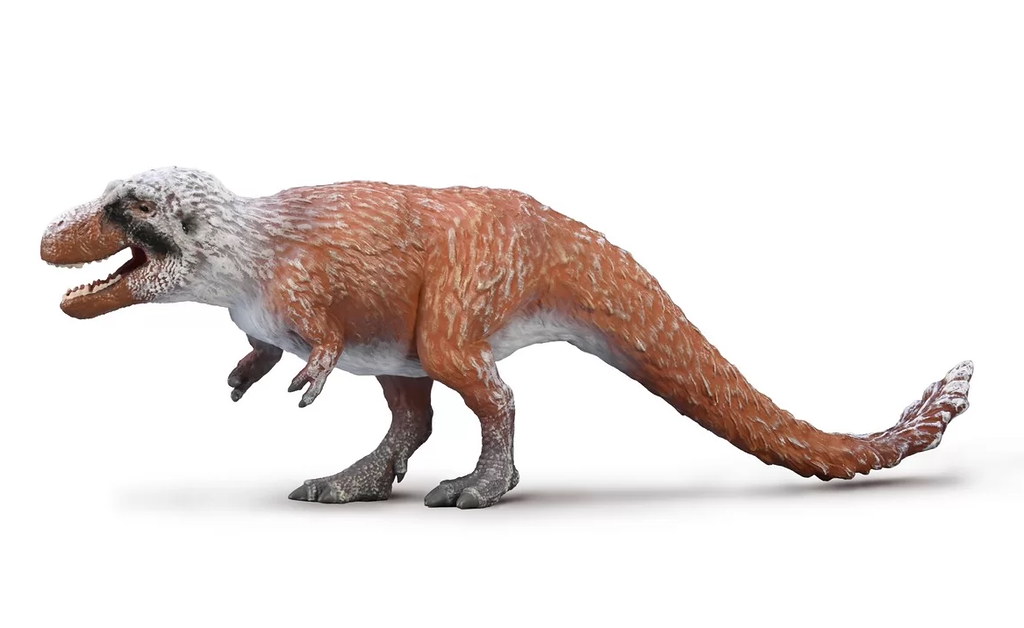
What sets Troodon – at any latitude – apart from other predatory dinosaurs is its exceptionally large eyes, among modern animals, proportionately large eyes tend to be an adaptation for living in low light conditions, and Troodon may have been preadapted to the physical constraints of the high-latitude environment, which gave it a competitive advantage.
Seasonal Migration Patterns for Feeding
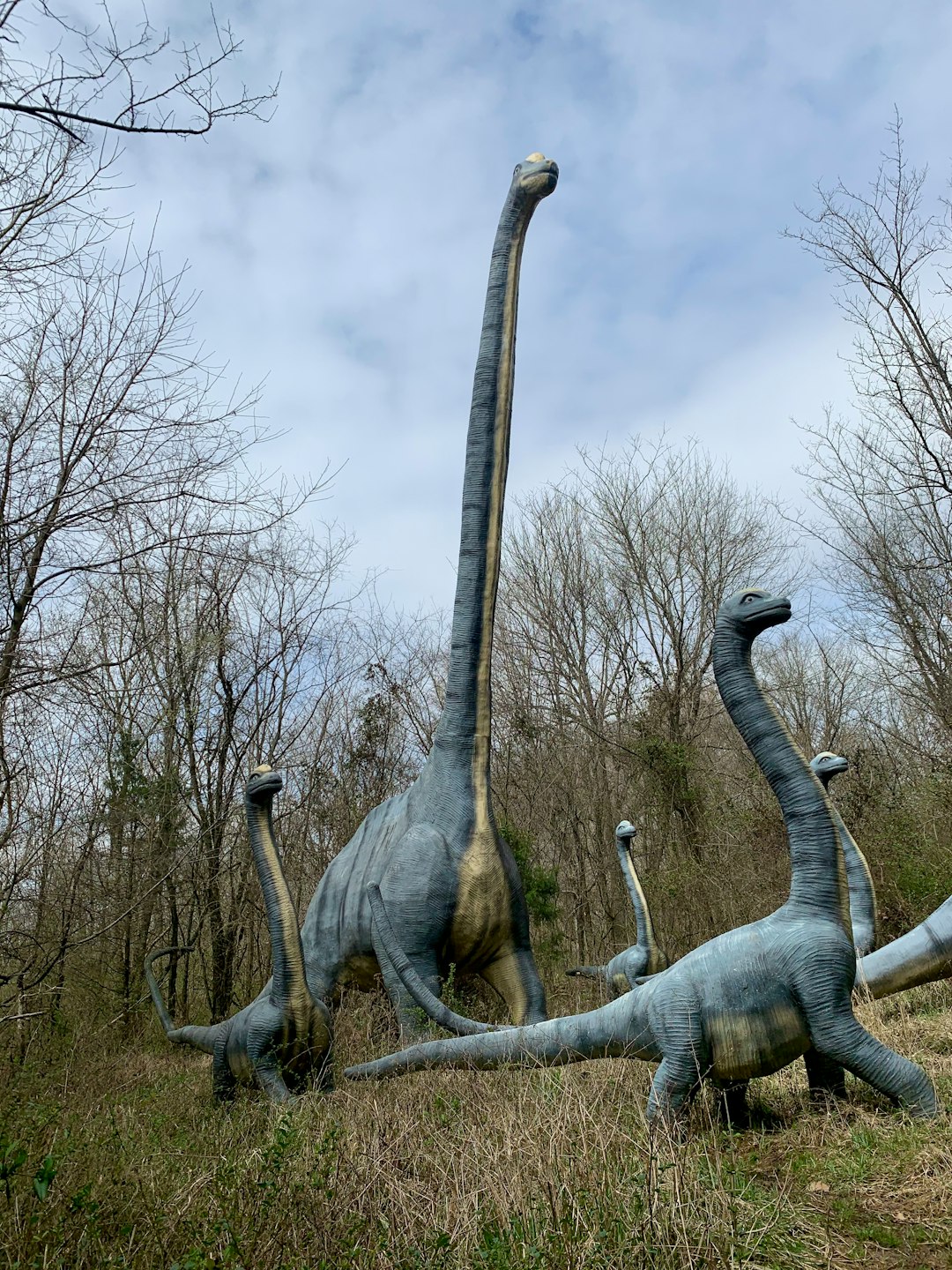
By analyzing fossilized dinosaur teeth, researchers determined that the dinosaurs migrated hundreds of miles from their home to find food and water during dry spells, this is the first direct evidence supporting the theory that certain types of dinosaurs migrated to avoid seasonal food slumps, and “If you have an animal that needs to eat a lot and drink a lot, it’s going to have to move to access vegetation and to get water.”
Rough calculations suggest that by ambling at about 1 mile per hour – “browsing speed” for animals of that size – herds of Edmontosaurus could have journeyed more than 1,000 miles south in three months, and such a migration would have taken them out of the “zone of darkness” and into areas where plants might have still been growing.
Alternative Survival Mechanisms
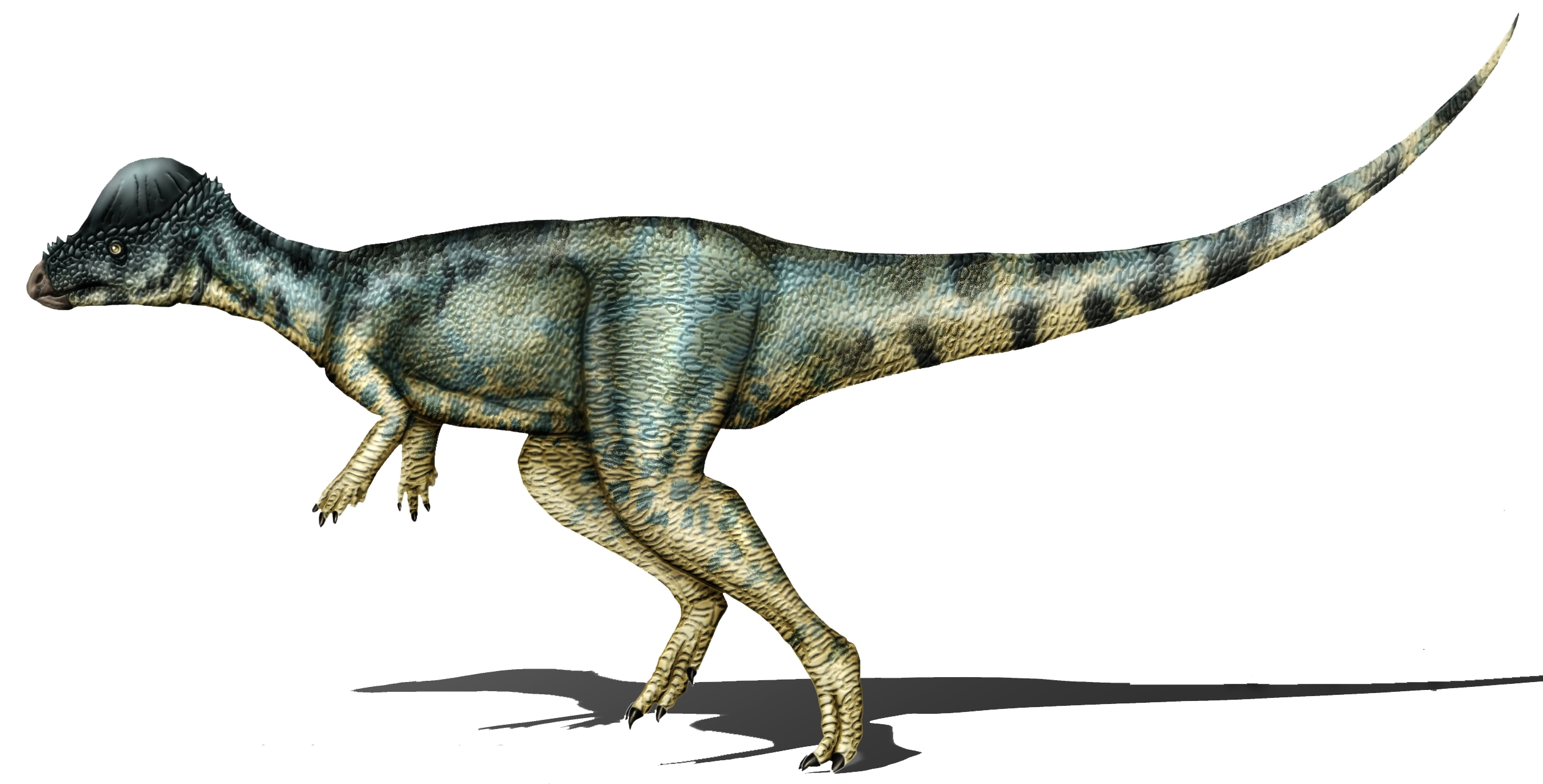
Arctic dinosaurs may have had the ability to lower their metabolic rates during periods of scarcity, similar to how some modern animals enter a state of torpor, and the scarce period might have led to more opportunistic feeding behaviors or potential hibernation-like states for some species.
Carnivorous dinosaurs might have actually benefited from conditions in some ways, weakened prey animals would have been easier targets, and the cold weather could have helped preserve meat from kills for longer periods. This adaptation allowed predators to take advantage of natural refrigeration, storing food for extended periods.
Metabolic Adaptations for Feeding
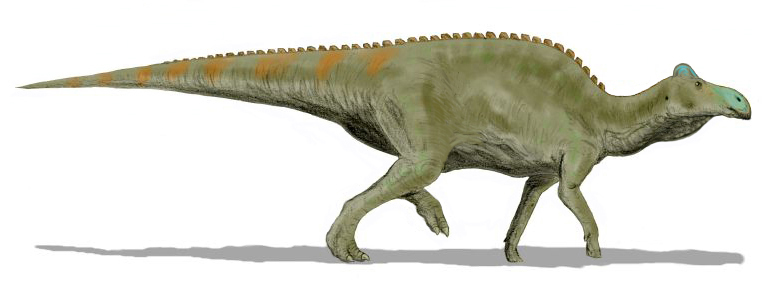
It seems unlikely that a 10-meter-long (35-foot-long) hadrosaur dug a hole in the ground and went into hibernation, but during times of environmental stress, some animals can lower their metabolic rates enough to reduce their need for food; perhaps Arctic dinosaurs did something similar without reaching an official state of hibernation.
Being ‘warm-blooded’ with a coating of fluff would certainly have allowed small to medium-sized dinosaurs to tough out the s, and some could possibly have taken to burrowing and/or hibernating to get by. These metabolic adjustments would have dramatically reduced their caloric requirements during the harshest months.
The feeding strategies of dinosaurs reveal remarkable evolutionary adaptability that allowed these creatures to thrive in environments we once thought impossible for them to survive. From selective browsing on specific fern species to opportunistic feeding in fire-damaged landscapes, dinosaurs developed sophisticated approaches to nutrition that challenge our preconceptions about these ancient giants.
Their ability to exploit post-fire vegetation, migrate vast distances for better feeding grounds, and potentially adjust their metabolic rates demonstrates an intelligence and flexibility that helped them dominate Earth for over 165 million years. The fossilized stomach contents that preserve these ancient meals continue to unlock secrets about how life persisted through some of the planet’s most challenging seasonal conditions. What other survival strategies might these prehistoric masters have employed that we haven’t discovered yet?