
Life doesn’t come with an instruction manual. You stumble through your twenties, make countless mistakes in your thirties, and gradually begin to see patterns in your forties and beyond.
The lessons that matter most aren’t learned in classrooms or found in self-help books. They emerge from experience, from heartbreak, from triumph, from the countless small moments that shape who you become. Each decade brings its own revelations, and frankly, some truths only become clear when you’ve lived long enough to see their full impact.
Life is a journey filled with experiences that shape us into the individuals we become. Through experience and reflection, we gain valuable life lessons that shape our perspectives, actions, and relationships. So let’s dive into eight profound lessons that adulthood teaches us all.
You Can’t Control Others, Only Your Response

We all want to be liked by everyone. It’s impossible, and it takes too much energy trying to please everyone. This realization hits differently when you’re mature enough to understand its implications. You spend years trying to change people, hoping they’ll see things your way, become who you need them to be.
Then something shifts. Maturity means acknowledging that you don’t have control over everything in life, but you do have control over how you respond to it. You discover that your energy is better spent mastering your own reactions rather than attempting to orchestrate everyone else’s behavior. This doesn’t mean becoming passive, it means becoming strategic about where you invest your emotional resources.
Relationships Require Intentional Work

All relationships require work. Water, feed and nurture friendships and relationships as if they’re sweet little pot plants on your bay window which depend on you for their survival. When you do, they’ll grow and blossom! Yet so many people treat relationships like houseplants they forget to water until they’re already wilting.
Don’t keep score. Relationships are never 50/50; trying to achieve this will only build resentment. Instead, go out of your way to make your spouse happy and communicate openly. The right person will reciprocate. The scorecard mentality destroys more relationships than infidelity or financial stress. Love isn’t a transaction.
Mature relationships are built on mutual respect, communication and empathy. They’re not about trying to change the other person or expecting them to meet all your needs. Instead, they’re about accepting each other for who they are, flaws and all. Maturity means recognizing that every relationship has its ups and downs, and it’s how you navigate those challenges together that truly matters.
Failure Is Your Most Valuable Teacher
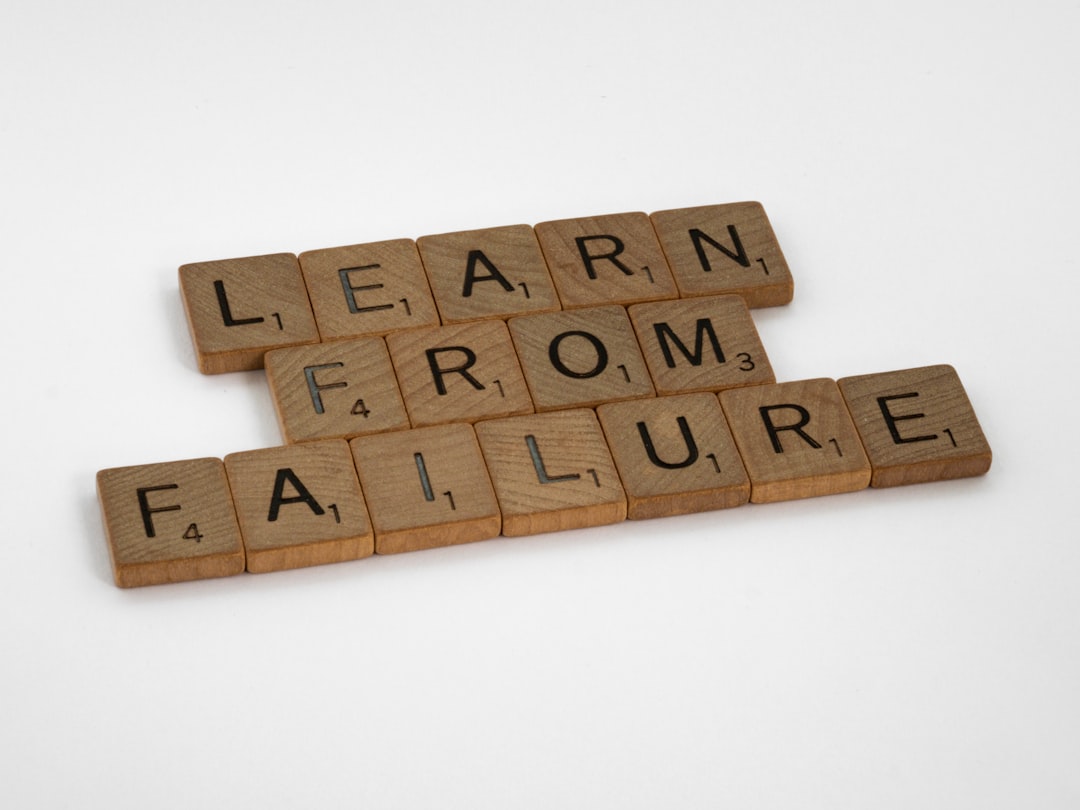
Failure is an inevitable part of life, but it is through failure that we often learn the most valuable lessons. Reflecting on our failures allows us to extract wisdom and insights that can lead to personal growth and resilience. When you’re young, failure feels catastrophic. Each setback seems to validate your worst fears about yourself.
Experiencing failure isn’t just about learning what not to do; it’s about resilience, perseverance, and the will to get back up and try again. If you’ve faced failure and came out stronger on the other side, you’re gaining wisdom and maturity. Remember, it’s not the number of times you fall that counts; it’s the number of times you get back up. In each failure, there’s a lesson to be learned and an opportunity for growth.
Pain + reflection = progress. Failure is only useful if you learn from it. Keep a written log of your setbacks and why you failed, no matter how much it stings. This practice transforms failure from something that happens to you into data you can use.
Your Values Are Your North Star

Never compromise on your values. You are YOUR values. Lean on them and you will never lose sight of who you are. In a world that constantly tries to reshape you according to its agenda, your values become the anchor that keeps you grounded.
Young adults often mistake flexibility for having no firm convictions. They bend to every breeze, thinking this makes them easy-going or open-minded. Each of us has a unique inner compass that’s worth trusting. When someone tries to steer me in a direction that doesn’t align with my own, I’ve learned to say, “Thank you for your perspective, but let me find my own path.”
Your values don’t make you rigid; they make you reliable. They help you make decisions quickly when life throws curveballs. More importantly, they ensure that the person you become aligns with the person you want to be, not just the person circumstances have pushed you to become.
Self-Acceptance Opens Doors That Self-Criticism Closes

The journey to wisdom and maturity is ultimately a journey to self-acceptance. It’s about embracing who you are, with all your strengths and weaknesses, victories and failures. Self-acceptance is about acknowledging your flaws but not letting them define you. It’s about owning your successes without letting them inflate your ego. It’s about realizing that you are enough, just as you are.
The aim is not to encourage self-blame and guilt; instead, the aim is to move from the perspective that says “I don’t like who I am” to “I’m going to be on my own side while I create change”. This is the power of self-acceptance; you allow yourself to change for the better when you plant yourself firmly in your present reality and decide to help yourself instead of bury yourself under doubt, criticism, and blame.
Self-acceptance isn’t giving up on improvement. It’s creating the psychological safety necessary for genuine growth. When you stop fighting against who you are, you free up enormous energy to become who you want to be.
Quality Time Matters More Than Quantity

Time really does fly. Be present and enjoy your life. Live your life / career in a way that you will be able to look back with pride and happiness. This lesson becomes crystal clear when you start attending more funerals than weddings, when friends begin facing serious health scares, when your parents start showing their age.
Invest in shared experiences. Spend money on epic trips with your family and friends instead of buying stuff. Memories outlast possessions. The things you accumulate will eventually clutter someone else’s garage sale. The experiences you share become the stories that define your relationships.
You realize that being physically present isn’t the same as being mentally engaged. The true essence of life, understanding myself, and believing in myself isn’t captured in the annals of history or the promises of the future – it’s right here, in the now, knowing who I am and what I want. Living in the moment, embracing my thoughts, trusting myself, and accepting my personal mistakes and beliefs have become my new vogue.
Health Is the Foundation Everything Else Builds On

Health is wealth. Eat well, move your ass and de-stress. This isn’t just motivational poster wisdom; it’s the hard truth that becomes undeniable as you age. The investment you put into your health and fitness now will pay off in spades as you get older. Don’t take your health for granted, assuming it’s fine to abuse your body (with drugs, alcohol, smoking, and being sedentary) because you’re young.
Do something active every day. Exercising is good for our brains and our bodies, and the habit of being active each day is one of the best commitments I’ve ever made to myself. Over the decades, this has included a little less running and more walking, plus more regular yoga or stretching. To me, making this a sustainable, daily habit that I can continue into old age is more important than what activity I actually do or how many calories I burn.
Health isn’t just about avoiding disease. It’s about having the energy and vitality to pursue what matters most to you. It’s the difference between existing and thriving in your later decades.
Wisdom Comes From Reflection, Not Just Experience

Reflection is the ability and willingness to view “phenomena and events from many different perspectives” and the transcendence of one’s self-centeredness, subjectivity, projections, and distortions. Everyone experiences life, but not everyone learns from it. The difference lies in reflection.
Acquiring knowledge and learning from experiences captures the importance of learning from experiences and how that information can be effectively utilized for future challenges. Knowledge is seen as having intrinsic value for the individual and the wider community with a focus on learning from others. This includes learning from your own mistakes and the mistakes of others.
Exploratory processing involves going deeper into the meaning of the event, whereas redemptive processing concerns positively reframing and moving on from the event emotionally. Exploratory forms of processing tend to predict psychological maturity, such as ego development and stress-related growth. Simply surviving experiences isn’t enough. You must actively engage with them, extract meaning, and apply those insights moving forward.
Conclusion

Embracing change, practicing gratitude, learning from failure, cultivating self-compassion, prioritizing relationships, and embracing authenticity are just a few of the profound life lessons that can guide us towards a more fulfilling and meaningful existence. By actively engaging in self-reflection and learning from our experiences, we can continue to evolve and embrace the wisdom gained along the way.
These lessons aren’t revelations that arrive with fanfare. They seep into your consciousness gradually, often when you’re not looking for them. They reshape how you see yourself, your relationships, and your place in the world. Most importantly, they remind you that growing older isn’t about accumulating years – it’s about accumulating wisdom.
The beautiful thing about life’s lessons is that they’re never finished teaching you. Each decade brings new challenges that require you to apply old wisdom in fresh ways. What insights has your own journey revealed? Share your thoughts in the comments below.