

You’ve watched them in action. While the room dissolves into chaos and people scramble for solutions, there’s always that one person who remains impossibly composed. It’s not luck, and it’s not that they don’t feel stress. They’ve simply developed specific psychological traits that help them navigate turbulent waters with remarkable grace. What if you could identify these traits and start cultivating them in your own life? Let’s explore what sets these unflappable individuals apart and how you can develop the same steady presence when pressure strikes.
They Possess Exceptional Self-Awareness

Understanding your own emotions and how they impact your actions is at the heart of staying calm. These individuals know their strengths, weaknesses, and triggers, and can identify when they’re starting to feel stressed or overwhelmed. Think of self-awareness as your internal radar system, constantly scanning for emotional shifts before they become full-blown reactions.
When you develop this trait, you gain the power to pause before responding. People who stay calm under pressure demonstrate strong emotional intelligence, understanding their emotions very well and managing them effectively. You’ll notice the subtle physical signs that stress is creeping in, like tension in your shoulders or changes in your breathing pattern, giving you precious moments to recalibrate before anxiety takes control.
They Practice Present-Moment Focus
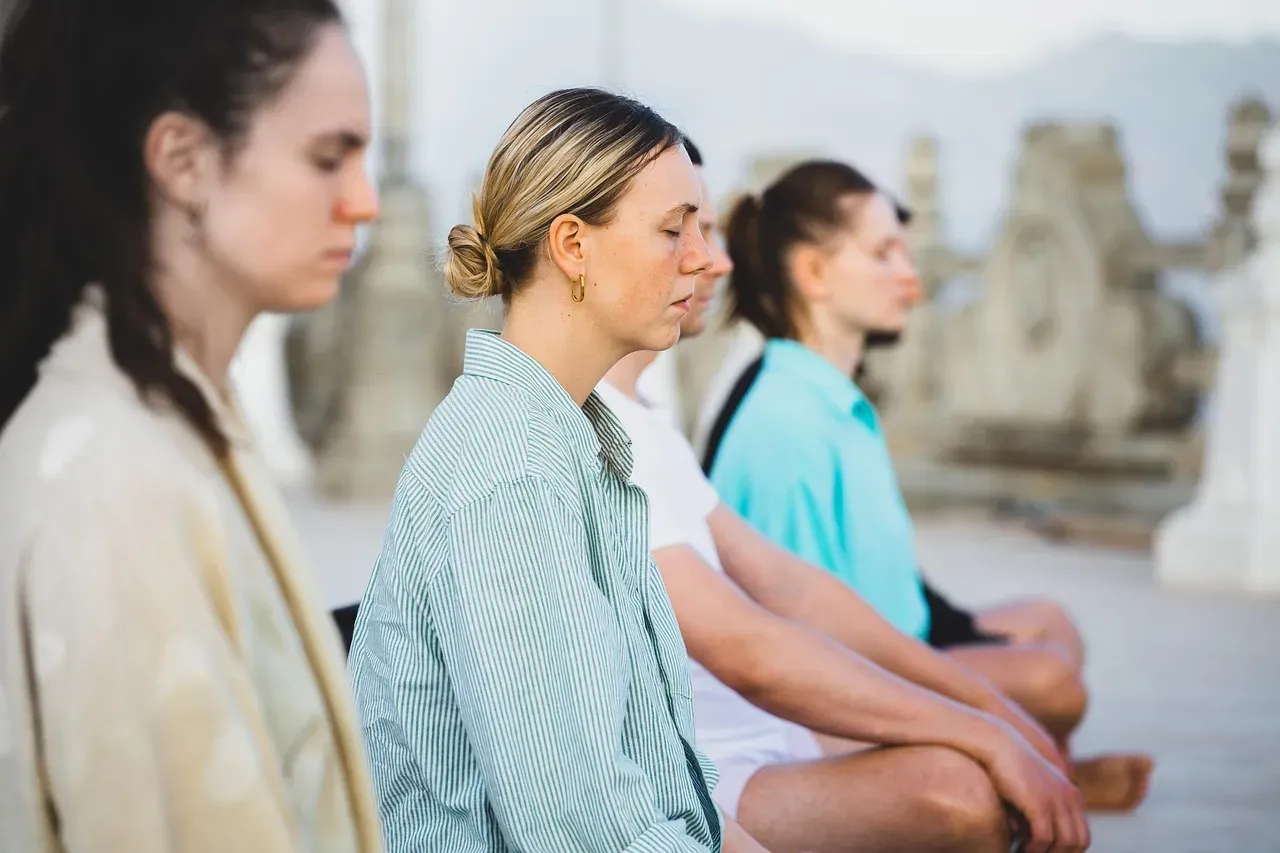
In high-pressure situations, minds often race ahead or loop back, stirring up anxiety about what could go wrong. However, mindfulness allows us to reel our attention back to the present moment, empowering us to break free from stress-inducing thought patterns and make room for calm and clarity. The calmest people aren’t worried about yesterday’s mistakes or tomorrow’s uncertainties.
This ability to stay grounded in the here and now transforms how you experience pressure. Rather than catastrophizing about potential disasters, you focus on what’s directly in front of you. When under pressure, your prefrontal cortex works to inhibit the amygdala’s reactive signals, keeping you calm, enabling you to choose appropriate responses and avoid impulsive reactions, with strengthening these connections through practice enhancing your capacity to stay composed during stressful moments. It’s like having a mental reset button that brings you back to what actually matters right now.
They Reframe Challenges as Opportunities

Here’s the thing: calm people don’t see problems the same way most of us do. Positive people tend to see challenges as opportunities rather than threats, which can significantly reduce stress levels, and research has shown that positivity isn’t just about feeling good, it’s also associated with better health outcomes. They’ve trained themselves to look at obstacles through a different lens entirely.
This cognitive reframing isn’t about being unrealistically optimistic. Challenging negative thoughts is a core technique within cognitive reappraisal, helping you change the way you interpret stressful situations, and by questioning and modifying your automatic negative beliefs, you can reduce emotional intensity and gain a clearer perspective. You start viewing setbacks as learning opportunities rather than failures, which fundamentally changes your emotional response to pressure. It’s honestly one of the most powerful mental shifts you can make.
They Maintain Deep Resilience

Resilience is a prominent trait of calm individuals, as they understand that setbacks and obstacles are part of life, and they have the ability to bounce back from adversity without losing their calm, viewing life as a hurdle race where obstacles are neither unexpected nor paralyzing. You’ve probably noticed that truly calm people don’t crumble after one bad day.
Resilience is an active neurobiological process that can protect the brain despite increased and prolonged environmental stressors. What’s fascinating is that resilience isn’t something you’re born with or without. In the process of coping with negative experiences and overcoming challenges, psychological resilience plays a crucial role, as students who struggle to manage stress and have high levels of anxiety tend to experience future anxiety more intensely. You can actually build your capacity to recover from difficulties through intentional practice.
They Cultivate Strong Support Networks

Let’s be real: nobody stays calm in complete isolation. People who stay calm under pressure often have a strong network of supportive relationships, individuals they can turn to for advice, encouragement, or just a listening ear when things get tough, with these relationships providing a sense of belonging and security that helps buffer against stress and knowing that you’re not alone making a huge difference in how you handle pressure.
Having a social network really helps, as when you are an active member of a group, whether it’s a family or friends, or just being active in your neighborhood, it helps a lot. You don’t need dozens of friends, just a few genuine connections who understand you. These relationships become your safety net, allowing you to maintain composure because you know you have backup when things get truly overwhelming.
They Control Their Breathing
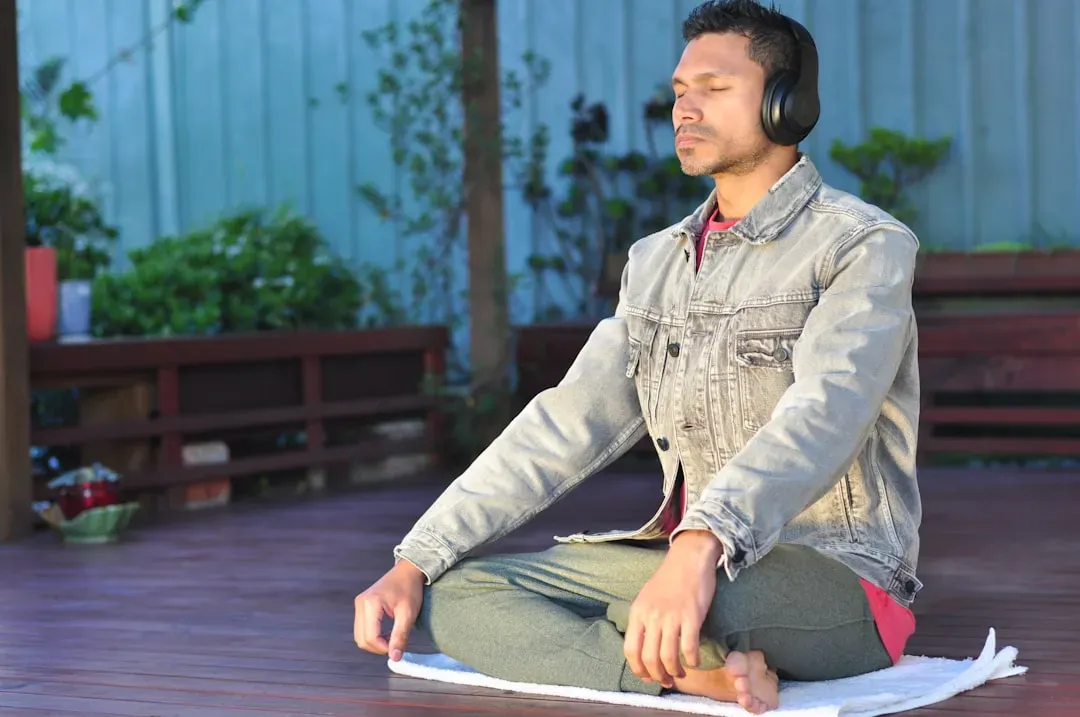
This might sound too simple to be effective, yet it’s one of the most immediate tools calm people deploy. Slow, steady breathing signals safety to your body, and taking even a few deep breaths helps regulate your nervous system and brings your focus back to the present moment. Your breath is literally a bridge between your conscious and unconscious systems.
Controlled breathing activates the parasympathetic nervous system, lowering heart rate and tension. When panic starts to rise, calm individuals instinctively slow their breathing rather than letting it become rapid and shallow. You can practice box breathing: inhale for four counts, hold for four, exhale for four, hold for four. It sounds almost too basic, but honestly, the science behind it is rock solid.
They Pause Before Reacting

The number-one thing to do to keep your cool is to put a pause between the stimulus and the response, finding ways when under pressure or feeling overly emotional to pause before you respond, so that you have time to think, collect your thoughts, and maintain control over your emotions. Think about how often we regret things said in the heat of the moment.
Pressure often makes us react instantly, however by pausing, even for a few seconds, you give yourself time to choose a response that reflects who you want to be, not just how you feel in the moment. This deliberate pause is what separates reactive people from responsive ones. You’re not suppressing your emotions; you’re creating space to process them intelligently. It’s the difference between thoughtful leadership and impulsive chaos.
They Stay Organized and Practical
Disorganization often leads to unnecessary stress and difficulties, while calm individuals prefer practicality, which is why they excel at prioritizing tasks and managing their time effectively. I know it sounds a bit boring, yet there’s something deeply calming about having systems in place when everything else feels uncertain.
Being practical is another hallmark of individuals who stay calm under pressure, as they are adaptable and willing to adjust their plans or expectations based on the situation at hand, being grounded in reality and understanding that not every situation will unfold as desired. You don’t waste mental energy on things outside your control. Instead, you focus on what’s actionable, breaking overwhelming situations into manageable steps. This practical approach prevents the paralysis that comes from feeling swamped.
They Demonstrate Patience and Acceptance
Patience is a virtue that these individuals pursue constantly, understanding better than anyone that good things come to those who wait, and instead of stressing over delays or changes, they maintain their composure, demonstrating remarkable patience and resilience. Calm people have made peace with the fact that not everything happens on their timeline.
This patience isn’t passive resignation. You actively accept what you cannot change while working on what you can. By accepting how you feel and addressing stress in a healthy way, you prevent emotions from building up and taking control, acknowledging them, processing them, and then guiding your focus back to the task at hand. It’s hard to say for sure, but I think this acceptance is what frees up mental space for actual problem-solving rather than fruitless worry.
They Cultivate Optimism and Perspective
People who are optimistic tend to be more resilient, and you can even teach optimism by having a pessimistic person keep a log of their predictions for a while, soon seeing that pessimistic predictions are only right a small part of the time, learning how to reframe to become more optimistic. Calm people don’t ignore reality; they just refuse to catastrophize it.
Staying calm is much easier when we step back, get perspective, and re-align to our ‘why.’ You remember the bigger picture when small frustrations arise. This doesn’t mean toxic positivity where you pretend everything’s fine. It means maintaining a balanced view that acknowledges difficulties while still believing in your ability to navigate them. Honestly, this perspective shift alone can transform your stress response.
They Label and Process Their Emotions
Labeling your emotions by identifying what you’re feeling, such as saying “I’m anxious” or “I’m frustrated,” helps shift your brain into logical thinking, allowing you to respond thoughtfully rather than react emotionally, breaking the mental part of the feedback loop. Calm people don’t suppress what they’re feeling; they name it.
Studies show naming emotions reduces amygdala activation and improves cognitive control. When you can say to yourself, “I’m feeling overwhelmed right now,” something remarkable happens. The emotional intensity decreases because you’ve moved from experiencing the emotion to observing it. You create psychological distance that allows for better decision-making. It’s like being both the actor and the director of your own mental movie.
Conclusion: Building Your Calm Foundation

The good news is that staying calm under pressure isn’t an innate superpower reserved for a lucky few. The traits that enable individuals to stay calm under pressure are skills that can be learned and honed, and by drawing lessons from their behavior and attitude, we can all cultivate these abilities to better manage stress and maintain our composure in high-pressure situations. You can develop each of these psychological traits through consistent practice and self-reflection.
Start with just one or two traits that resonate most with you. Maybe it’s practicing deeper breathing when stress hits, or perhaps it’s building stronger awareness of your emotional triggers. Small, deliberate changes compound over time into remarkable transformation. The next time chaos erupts around you, you might just surprise yourself by becoming the calm presence others look to for stability.
What trait do you think would make the biggest difference in your life right now? Tell us in the comments.