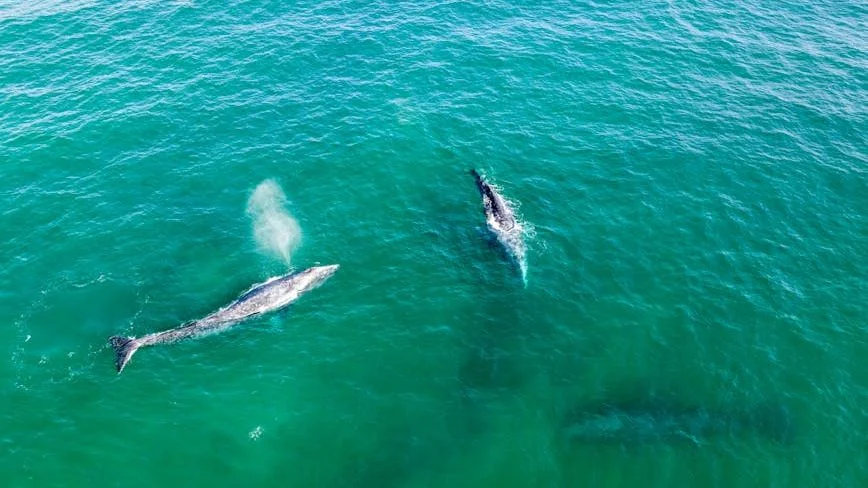
San Francisco – Researchers have documented seven gray whale deaths in San Francisco Bay so far this year, following a record 21 fatalities in 2025. The incidents highlight the bay’s transformation into a critical yet perilous feeding ground for the species, driven by environmental pressures and heavy vessel traffic. Experts warn that the pattern signals broader challenges for the migrating mammals.
A Troubling Surge in Strandings
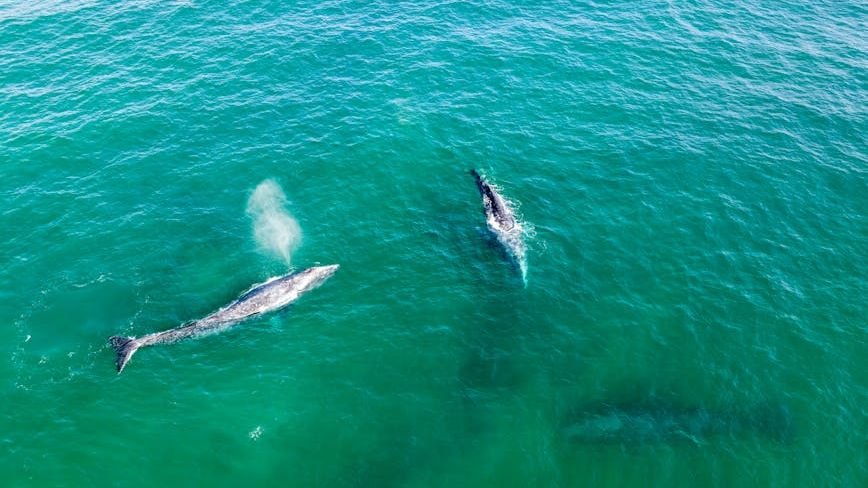
A Troubling Surge in Strandings (Image Credits: Pexels)
From 2018 to 2025, scientists identified 114 individual gray whales that entered the bay, with a minimum of 18 percent later confirmed dead in the area. The actual toll likely exceeds this figure, as not all carcasses wash ashore or get matched to live sightings. In early 2026 alone, at least six whales perished between mid-March and early April, many appearing emaciated.
Josephine Slaathaug, a graduate student at Sonoma State University and lead author of a recent study, cataloged the whales using photographs of their unique markings. Her team examined 70 carcasses over the period and linked 21 to specific live animals observed beforehand. This marks a sharp departure from pre-2018 patterns, when gray whales rarely lingered in the estuary.
Hunger Drives Risky Foraging Choices
Climate change has disrupted the whales’ traditional food sources in the Arctic, where warming waters and reduced sea ice diminish populations of lipid-rich amphipods and other prey. Undernourished migrants, often adult and juvenile males heading north, now detour into the 4,140-square-kilometer bay – the largest estuary on the U.S. West Coast – for opportunistic feeding.
These animals arrive skinny, lacking the energy reserves for their 15,000- to 20,000-kilometer round-trip migration between Baja California breeding grounds and Arctic summering areas. Slaathaug noted, “They don’t have the energy reserves necessary to complete the entire migration back to the Arctic, so they may be driven into the bay by hunger.” The eastern North Pacific population, which peaked at 27,000 in 2016, has since halved to around 12,500, compounded by low calf production.
Vessel Strikes Dominate Confirmed Causes
Among necropsied carcasses, blunt and sharp force trauma from vessel collisions accounted for 43 percent of deaths, with 82 percent of matched cases involving ships. The bay’s crowded shipping lanes, ferries, and recreational boats amplify the danger for slow-moving, surfacing whales. Sublethal injuries observed on live animals further underscore the threat.
Of the 70 examined bodies, 30 showed clear signs of such impacts. Slaathaug emphasized, “That, in combination with the high rate of human-caused mortality in this area, really leads scientists to be concerned.” Malnutrition weakened many victims, reducing their ability to evade traffic.
Key Statistics on Bay Mortality (2018-2025):
– Gray whales identified entering bay: 114
– Minimum death rate: 18%
– Vessel strike proportion of necropsies: 43%
– 2025 deaths: 21 (record)
– 2026 deaths to date: 7
Efforts to Safeguard the Migrants
Authorities have ramped up responses, including Coast Guard directives to reroute whales from traffic lanes and training for captains to slow down and report sightings. Plans call for infrared cameras on Angel Island to track nighttime movements. Voluntary 10-knot speed limits operate seasonally off San Francisco and Monterey, though mandates remain elusive.
The Marine Mammal Center and partners continue necropsies to refine understanding. As Moe Flannery, a co-author, stated, “It’s an immediate crisis that needs to be addressed.” With gray whales proving resilient in the past, targeted protections could secure the bay as a viable stopover rather than a graveyard.