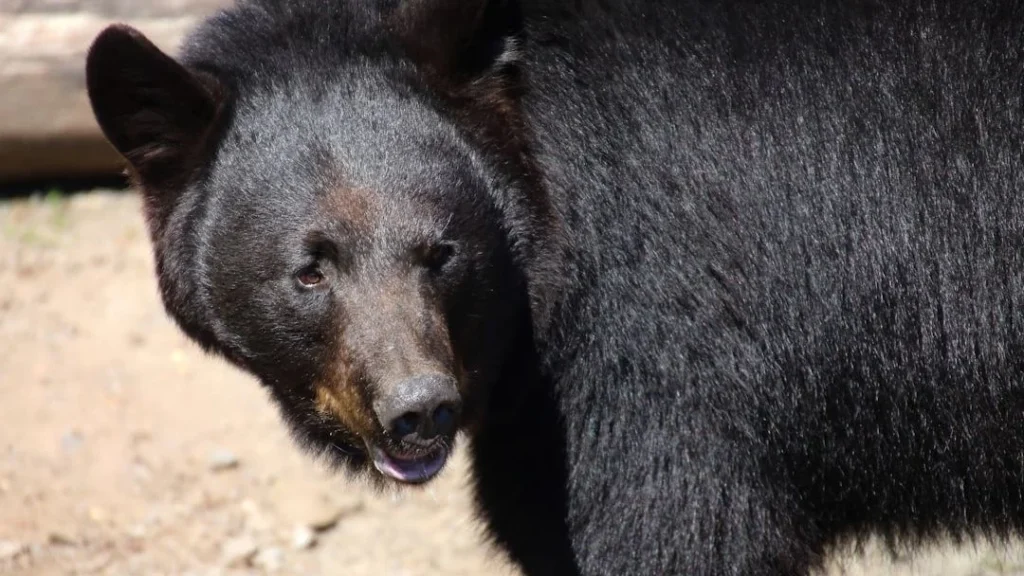
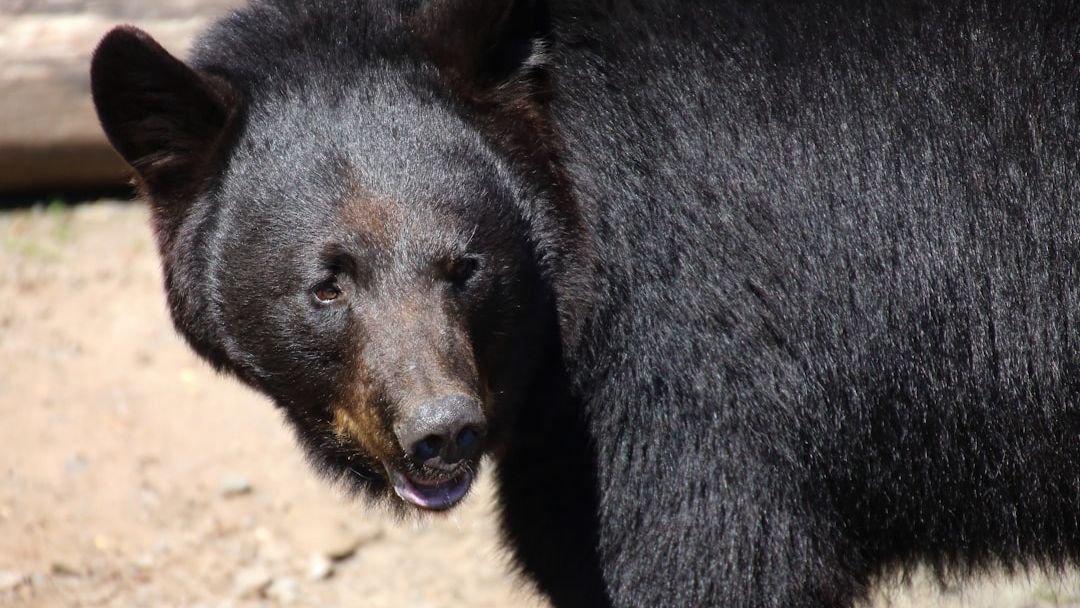
Albany, New York – Residents along Raymo Street and Second Avenue faced an unusual disruption to their morning routines when a young black bear perched high in a neighborhood tree, prompting street closures and drawing crowds of onlookers. The one-year-old male bear had climbed the tall tree around 2 a.m. on Tuesday, April 21, refusing to descend as the sun rose. Local police and state wildlife officials sprang into action to ensure public safety while planning the animal’s relocation.
A Startling Sight Turns Heads
A Startling Sight Turns Heads (Image Credits: Unsplash)
Neighbors first spotted the bear early that Tuesday morning, transforming a quiet residential area near Washington Park into a scene of curiosity and caution. By daylight, Albany police had blocked off several streets, including detours via Garden Street and Frisbie Avenue, to manage the growing crowd and keep people at a safe distance. Many residents gathered below, watching in disbelief as the young bear lounged in the branches for hours.
The standoff lasted more than four hours, with the bear showing no signs of leaving on its own. Such encounters highlight the occasional overlap between urban life and wildlife in spring, when young bears venture into unexpected places. Officials noted the animal’s presence created a spectacle, but priorities remained protecting both the public and the bear.
Police and DEC Team Up for Response
Albany Police Department arrived promptly and coordinated with the New York State Department of Environmental Conservation (NYSDEC), whose experts assessed the situation. Crews positioned a large safety net and padding beneath the tree, preparing for a controlled descent. The agencies decided tranquilization offered the safest retrieval method given the persistent crowd and the bear’s elevated position.
Throughout the morning, officers maintained a perimeter to prevent close approaches. NYSDEC staff, trained in wildlife handling, readied the necessary equipment. This collaborative effort underscored the routine yet delicate balance required in urban wildlife incidents.
- Street blockades established to control crowds.
- Safety net and padding deployed under the tree.
- Tranquilizer darts prepared by DEC biologists.
The Tranquilizer Takes Hold
Just before noon, officials fired the tranquilizer dart, initiating the final phase of the operation. The sedative took nearly two hours to fully affect the bear, during which the animal climbed even higher in the tree. Onlookers and rescuers watched tensely as it stumbled along a branch before losing its grip entirely.
The bear then tumbled downward, landing squarely in the net held by the team below. Cheers erupted from the gathered residents as the capture succeeded without injury. Video footage captured the dramatic moment, showing the coordinated hold of the net ensuring a soft landing.
Relocation to the Catskills
Once secured, trained NYSDEC staff chemically immobilized the bear for transport and relocated it away from the city. The young male was released into a wooded area in the nearby Catskill Mountains, where footage showed it sprinting into the trees moments after the container opened. This dispersal behavior is common for one-year-old males separating from their mothers and siblings, often traveling dozens of miles.
NYSDEC wildlife biologist Jeremy Hurst explained that such bears scatter across the landscape during this period, occasionally ending up in urban spots. The agency emphasized keeping the public at a distance during these events to avoid escalation. For Albany residents, the incident served as a reminder of nature’s proximity, resolved smoothly thanks to swift professional intervention.
As spring progresses, similar sightings may prompt vigilance, but effective responses like this one help maintain harmony between city dwellers and wandering wildlife.