
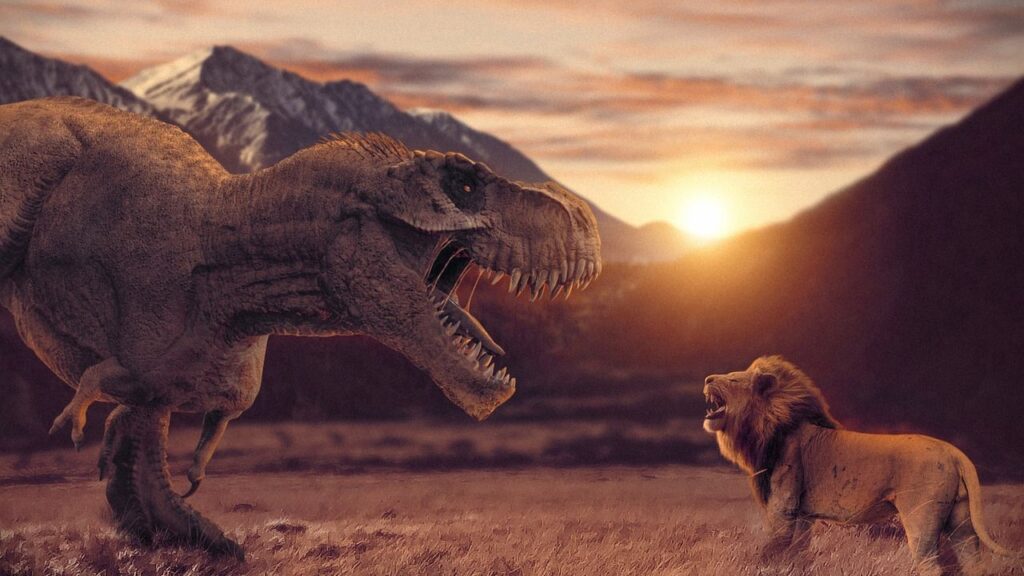
Picture this. You’re standing face to face with the mighty Tyrannosaurus Rex, the infamous king of the dinosaurs that once ruled the prehistoric world with bone-crushing jaws and terrifying power. Now imagine if that same fearsome predator were suddenly transported to our modern world. Could any creature alive today actually stand a chance against it?
It sounds like the stuff of blockbuster movies, yet it’s a fascinating thought experiment that makes us reconsider the raw power of Earth’s current residents. When you think about it, the animal kingdom today is filled with titans in their own right. From the crushing bite of massive reptiles to the coordinated intelligence of ocean predators, modern wildlife has evolved impressive survival tools that might surprise you. Let’s dive in and see which contemporary creatures could realistically challenge the legendary T-Rex.
The Saltwater Crocodile: Nature’s Living Tank
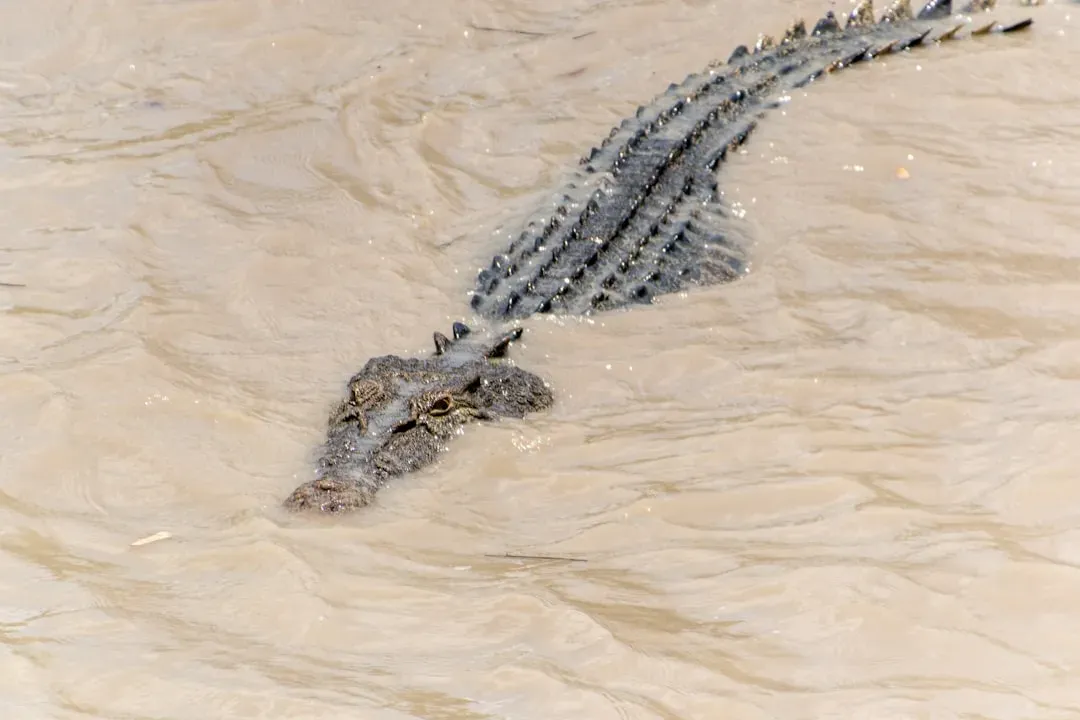
The saltwater crocodile holds the title for the greatest bite force of all animals today, measuring an astounding 3,700 pounds per square inch. That’s not just impressive on paper. When you scale up measurements to larger specimens reaching around 20 feet, estimates suggest bite forces could reach 7,700 pounds, approaching the lower end of T-Rex bite force estimates.
Here’s the thing about these ancient reptiles: they’re not just about brute force. Saltwater crocodiles use a devastating hunting technique called the death roll, rapidly spinning their bodies while gripping prey to dismember animals much larger than themselves. In shallow water or marshy terrain where a T-Rex might struggle with balance, a large saltwater croc could latch onto a leg and simply refuse to let go, using that incredible rotational force to cause catastrophic damage.
African Elephants: Unstoppable Giants with Attitude
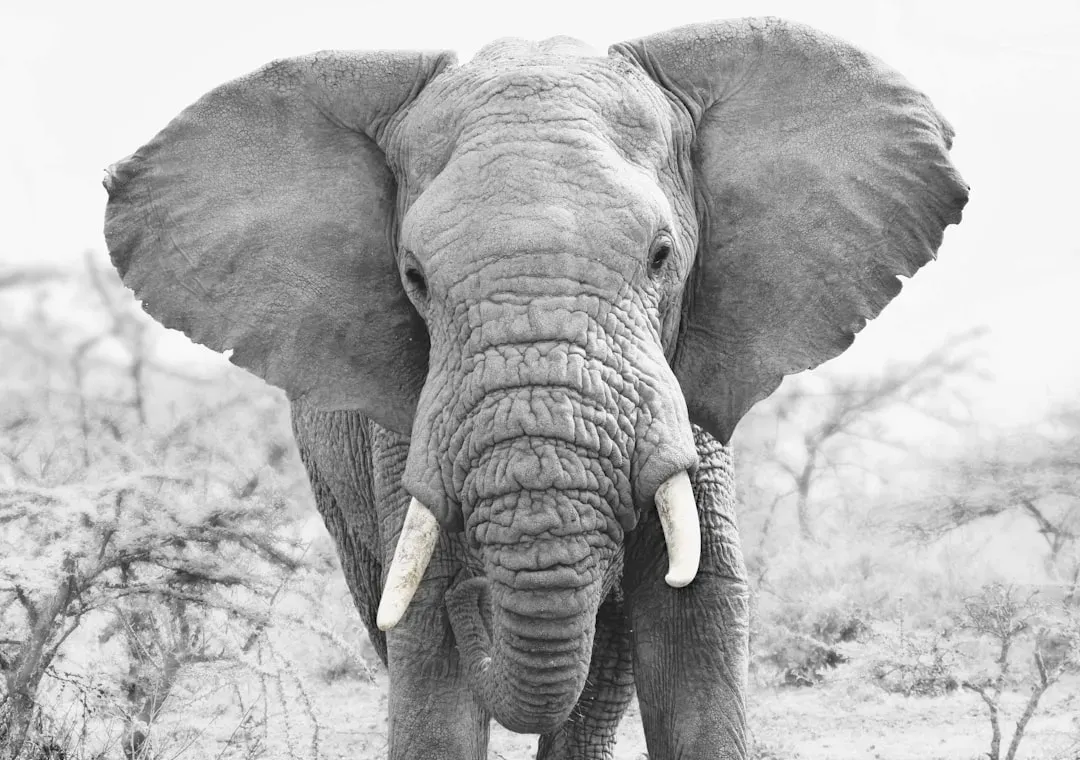
Let’s be real, elephants might seem like gentle giants munching on vegetation all day. The African bush elephant can lift an astounding 13,230 pounds, comparable to the weight of roughly four and a half Honda Civics. That’s raw power you don’t want to mess with.
Male African elephants can weigh up to 14,000 pounds and stand around 10 to 13 feet tall at the shoulder. During musth, a periodic condition characterized by aggressive behavior and elevated reproductive hormones, bull elephants become extremely dangerous and have killed other large animals inadvertently. Picture an enraged bull elephant charging at full speed, tusks lowered. The sheer momentum combined with those ivory spears could potentially pierce even the thick hide of a T-Rex, especially targeting vulnerable areas like the flanks or legs.
Coordinated Orca Pods: Intelligence Meets Teamwork
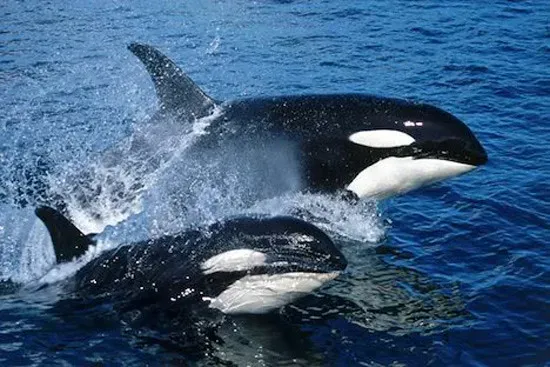
Now here’s where things get truly interesting. Orcas in captivity have demonstrated a bite force of around 19,000 pounds per square inch. Think about that for a second. That’s several times more powerful than what we measure in the most fearsome land predators alive today.
Orcas have developed remarkable collaborative hunting techniques involving synchronized movements and impressive prey manipulation skills, working together in coordinated groups called pods. Unlike solitary predators, killer whales communicate constantly during hunts and strategize together. These hunters are so fierce they can successfully kill a blue whale, the largest animal on Earth. If a T-Rex somehow ended up in aquatic terrain, a coordinated orca attack would be absolutely devastating.
Nile Crocodiles: The Ambush Specialists
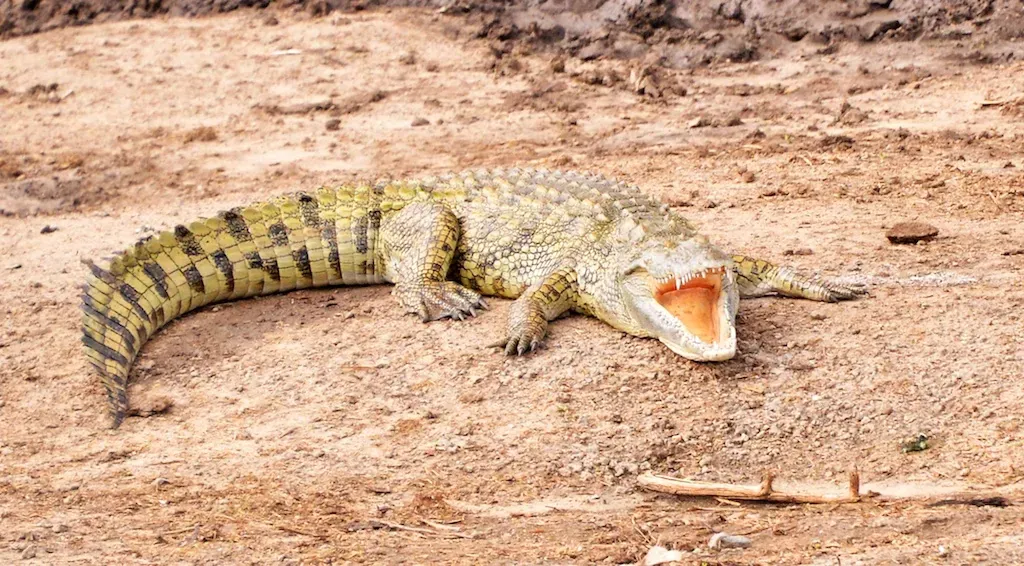
The Nile crocodile has the strongest bite force of any living creature on Earth today, at 5,000 pounds per square inch. That actually exceeds the saltwater crocodile’s measured bite, making these African reptiles the ultimate bone-crushers.
What makes Nile crocs particularly dangerous isn’t just their crushing power. Weighing around 500 pounds and inhabiting river’s edge regions, the Nile crocodile is the single deadliest species of crocodile in the world, responsible for more attacks on humans than any other croc, primarily due to their extremely territorial and aggressive nature. An ambush predator by nature, a Nile crocodile could easily wait submerged near a water source frequented by a T-Rex, then launch a surprise attack on the dinosaur’s legs or underbelly when it came to drink.
Hippopotamus Herds: Deceptively Dangerous Herbivores
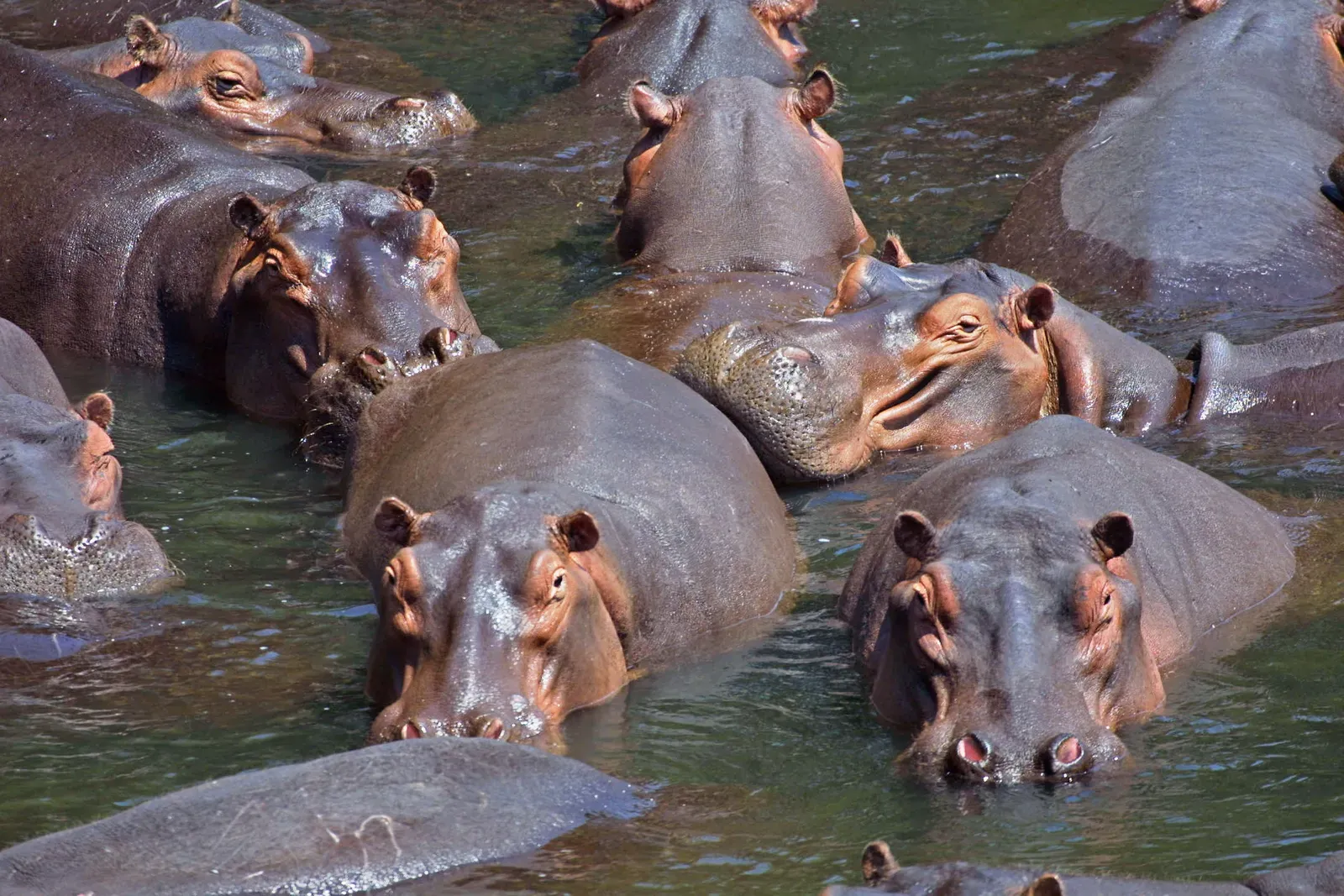
Don’t let their pudgy appearance fool you. Hippos have a bite force exceeding 1,800 pounds per square inch and possess teeth over a foot long, supposedly capable of biting a crocodile in half. Honestly, that’s terrifying when you think about it.
Hippos are highly aggressive and unpredictable, often charging other animals or even humans. Despite their seemingly docile appearance, hippos are incredibly strong and can become highly aggressive, using their powerful jaws and all 9,900 pounds of body weight and muscle mass to protect their territory. If a T-Rex wandered into hippo territory near water, it could face multiple angry hippos simultaneously. Their thick skin and low center of gravity would make them difficult targets, while their massive jaws could inflict serious wounds on the dinosaur’s legs.
Pack of Grizzly Bears: Strength in Numbers
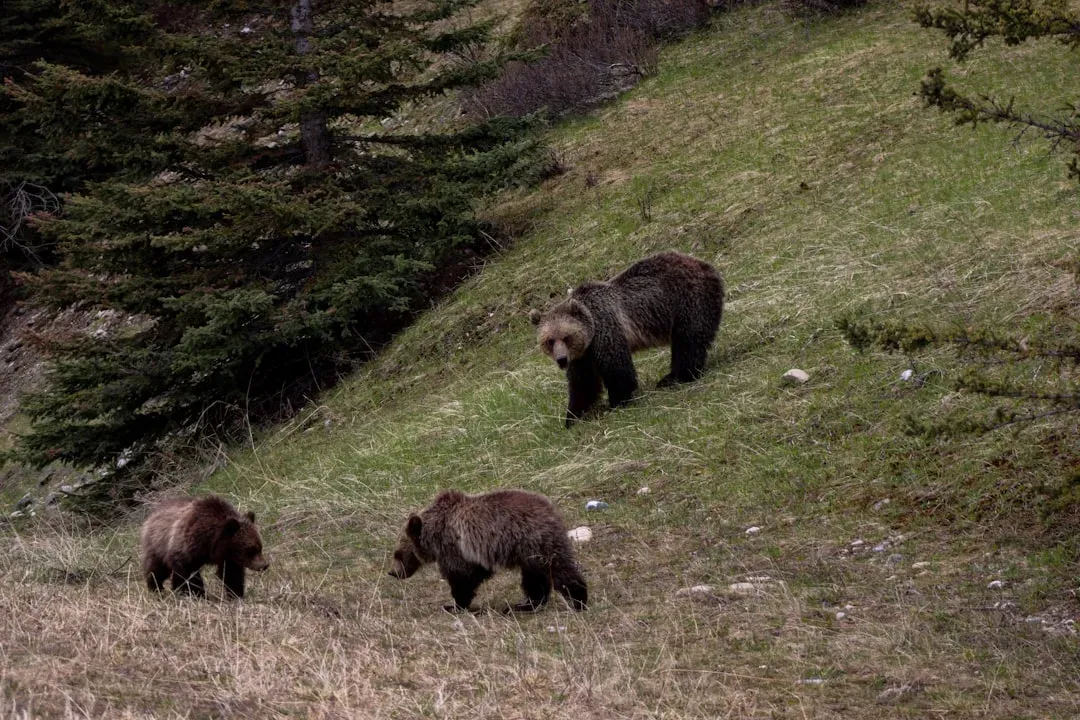
The grizzly bear logs an impressive 975 pounds per square inch of crushing power with its bite force. While that might seem modest compared to crocodiles, these bears pack other advantages.
Grizzlies can bring down prey ranging from rodents all the way up to moose, and they grow to between five and eight feet tall while tipping the scales at almost 800 pounds. I know it sounds crazy, but imagine multiple grizzly bears working together. They’re intelligent, incredibly strong, and equipped with massive claws capable of inflicting deep lacerations. The T-Rex’s massive size and weight made it less agile when chasing faster prey. A pack of agile bears could exploit this weakness, attacking from multiple angles simultaneously.
Cape Buffalo Stampede: Momentum and Mass
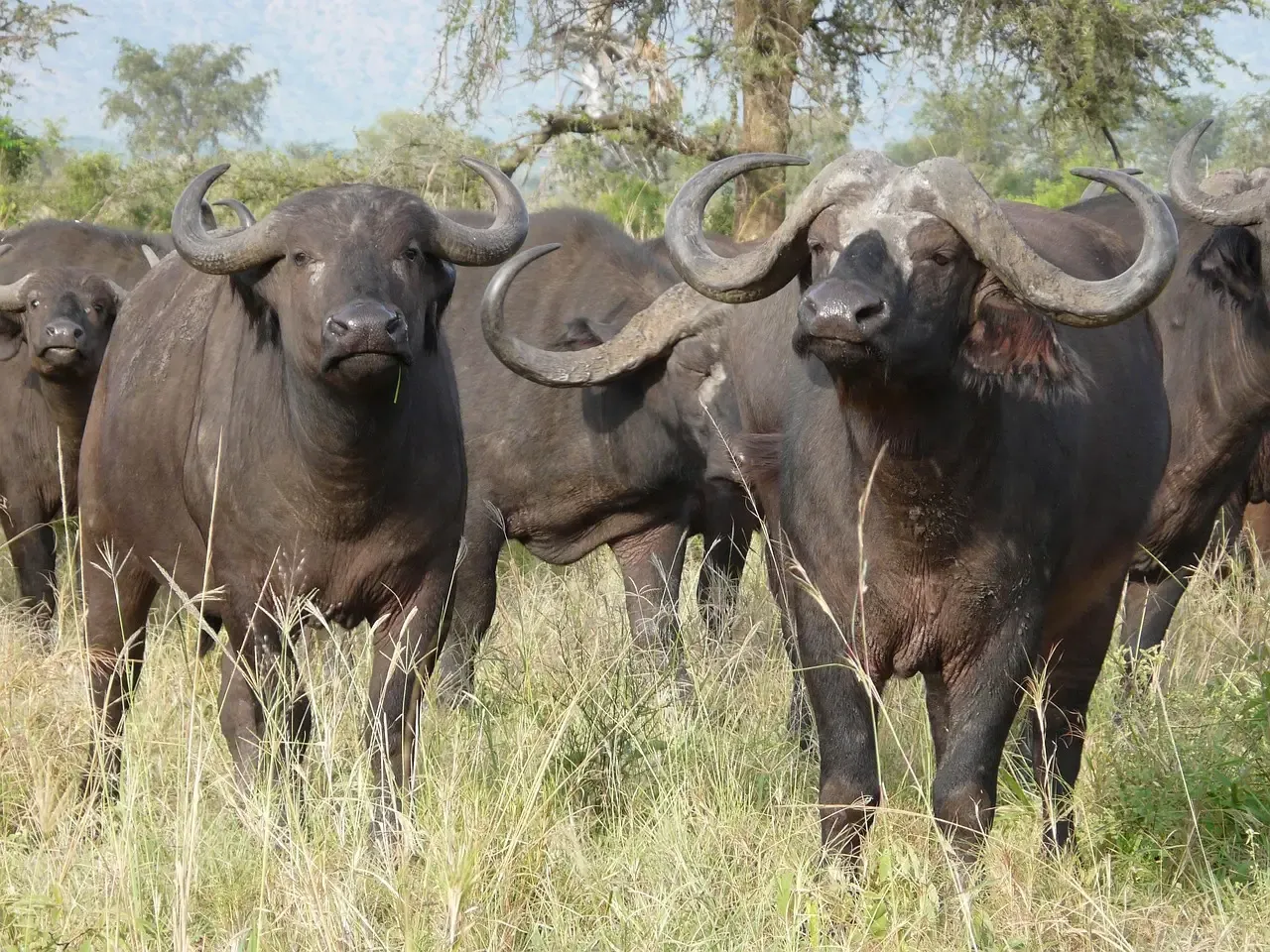
Here’s something people often overlook. Cape buffalo, while herbivores, are among Africa’s most dangerous animals. These massive bovines can weigh up to 2,000 pounds and possess incredibly thick skulls and sharp, curved horns designed for combat.
What makes buffalo particularly threatening is their herd behavior. When provoked, entire herds can stampede in coordinated charges. The combined momentum of dozens of buffalo, each weighing nearly a ton and moving at speeds up to 35 miles per hour, would create an unstoppable force. Recent biomechanical analysis suggests that T-Rex moved much more slowly, perhaps only about 16 kilometers or roughly 10 miles per hour, about as fast as an average human runner. The dinosaur simply couldn’t outrun such a charge, and the collective impact could knock even a T-Rex off its feet, leaving it vulnerable to trampling and goring.
Groups of Spotted Hyenas: Persistence Predators
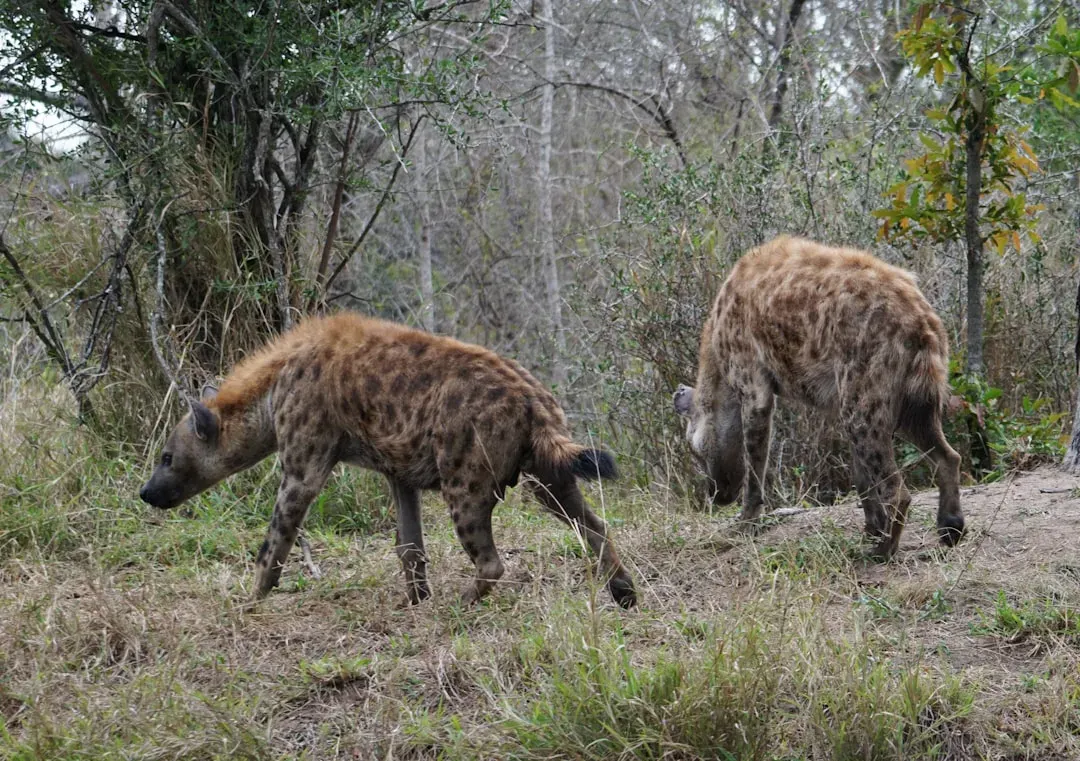
The spotted hyena ranks with a strong bite of 1,100 pounds per square inch, almost double the strength of the lion. That’s more impressive than most people realize for an animal that weighs only a couple hundred pounds.
Spotted hyenas use their incredibly strong jaws to eat animals like zebras and wildebeests, and they’re capable of chasing lions away from their prey if they are in a large enough group, sprinting at speeds of up to 65 kilometers per hour. These carnivorous mammals have conical-shaped premolars specialized for breaking and crushing bone, and their stomachs contain highly concentrated hydrochloric acid capable of digesting bone. A large clan of hyenas could employ their signature hunting strategy: relentless harassment. They’d take turns nipping at the T-Rex’s legs and tail, never giving it rest, until exhaustion and blood loss took their toll.
Komodo Dragons in Numbers: Venomous Persistence
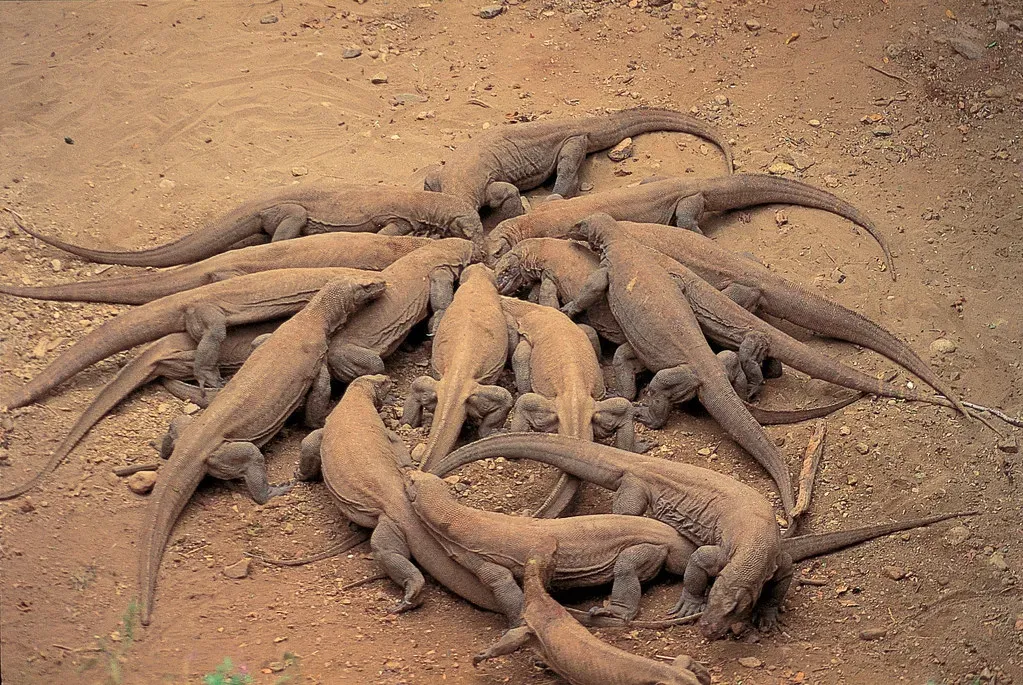
Think about the largest lizards alive today. Komodo dragons may only reach about 10 feet in length and 300 pounds, but they possess something T-Rex never had to deal with: venom. These Indonesian giants have toxic saliva containing anticoagulant compounds that prevent blood clotting and induce shock in prey.
The T-Rex had notably tiny forearms that were not very useful for catching prey, and its massive size and weight made it less agile when chasing faster prey. Multiple Komodo dragons could exploit this vulnerability, darting in to deliver bites to the dinosaur’s legs and then retreating. The accumulated venom effects combined with blood loss from multiple wounds would gradually weaken even the mighty T-Rex. It’s hard to say for sure, but the cumulative effect of persistent attacks might prove fatal over time.
A Coalition of Modern Apex Predators
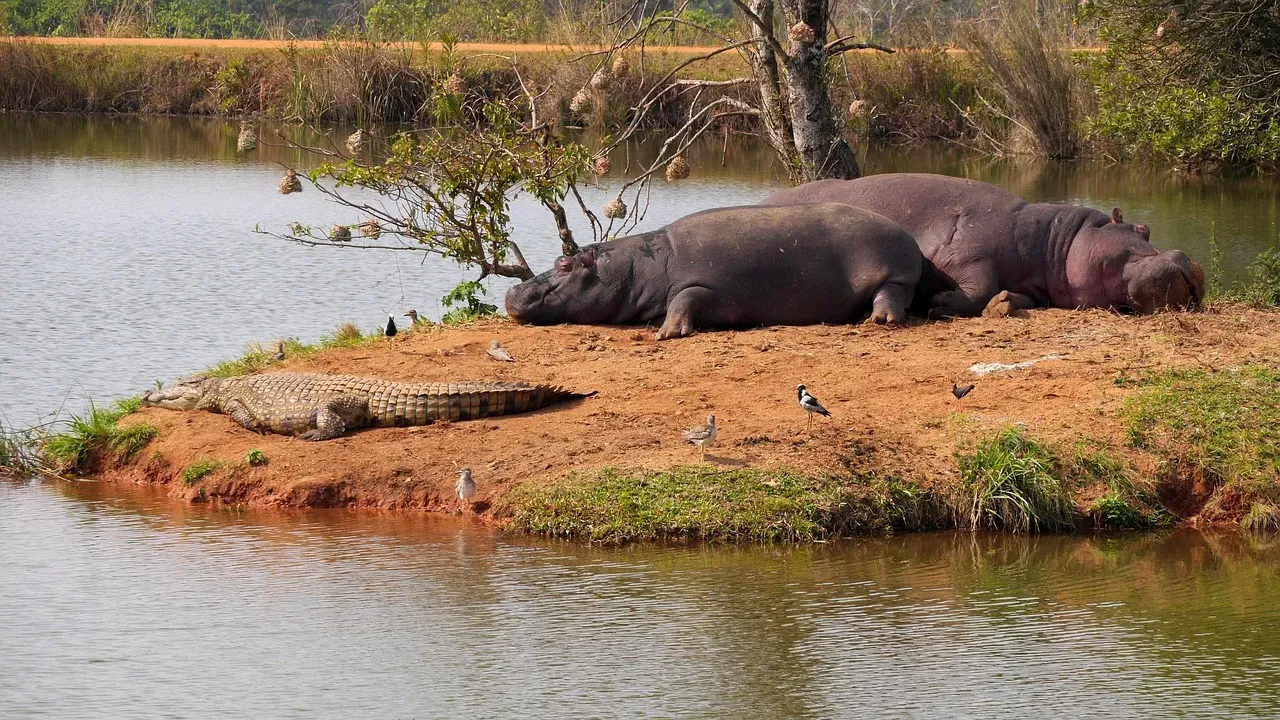
What if we combined forces? Imagine an unlikely alliance: a coordinated attack involving elephants creating chaos with charges and trumpeting, crocodiles ambushing from water, and hippos defending territorial waters while hyenas harassed from the flanks.
An average T-Rex was about 12.5 meters or roughly 42 feet long, standing 5 meters or 16 feet tall, and weighing between 5.4 and 8.0 metric tons. One of the T-Rex’s most significant weaknesses is their relatively short arms which were not effective in grappling or defending against attacks, and their massive size and weight made them slower and less agile. Multiple species attacking simultaneously from different angles would overwhelm the dinosaur’s ability to defend itself. It could only focus on one threat at a time, leaving itself exposed to attacks from other directions.
Conclusion: The Verdict on Modern Challengers
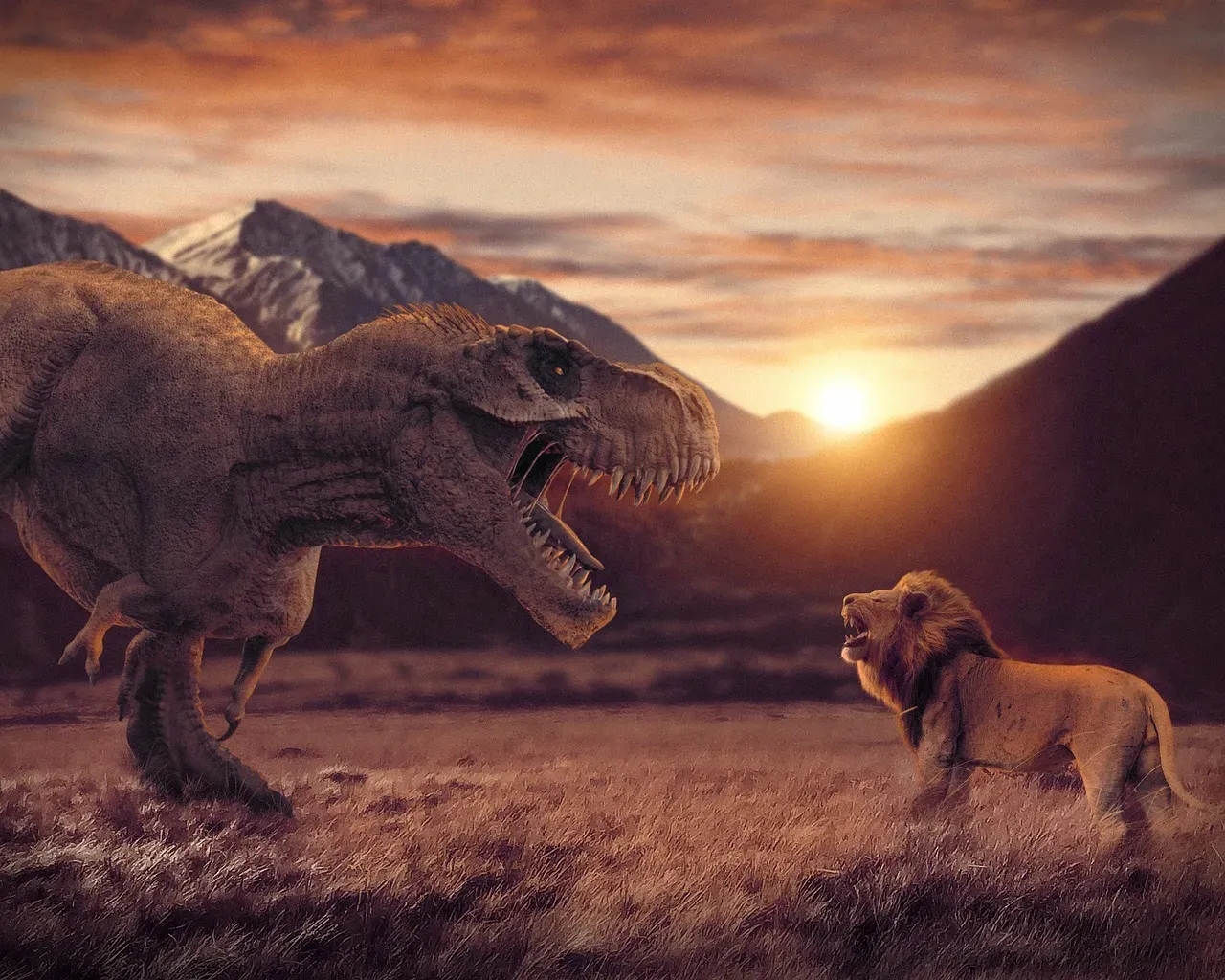
So could modern animals actually The answer honestly depends on circumstances. In a straight one-on-one fight on open ground, a healthy adult T-Rex would probably overpower most individual modern animals through sheer size and that legendary bite force.
Yet nature rarely works in isolated duels. The most realistic scenarios where modern animals could win involve either ambush situations where crocodiles or hippos exploit aquatic advantages, coordinated pack hunting by intelligent species like orcas, or overwhelming numbers of persistent predators that exploit the T-Rex’s limited agility and vulnerable legs. The dinosaur’s weaknesses including slow speed, limited arm mobility, and difficulty defending against multiple simultaneous threats create genuine opportunities for modern apex predators to succeed.
What do you think about this prehistoric matchup? Did any of these contenders surprise you?