
You might walk into a room and instantly feel like everyone’s staring. Someone doesn’t respond to your text quickly enough and you spiral into worst-case scenarios. Or maybe you catch a friend’s blank expression and convince yourself they’re upset with you, only to find out later they were just tired. Here’s the thing: You’re not imagining things, and you’re not broken. Your brain is simply doing what it evolved to do – scanning relentlessly for connection. Yet that same wiring that makes you fundamentally social can sometimes betray you, turning neutral faces into threats and silence into rejection. Welcome to the paradox of being human.
Your brain evolved primarily to produce social beings who connect with each other and work together to enable the group to thrive and evolve. Think about it: survival throughout human history depended far less on individual strength than on the ability to cooperate, communicate, and belong. That ancient need hasn’t gone anywhere. It’s still alive in your neural architecture, humming beneath every conversation, every glance, every interaction.
Your Social Brain Is Always Switched On
Your brain evolved with the expectation of social connection, and when you have supportive relationships, your cognitive and physiological load is lighter – tasks feel easier, and challenges feel more manageable. When you are alone, your brain perceives the world as more dangerous, effortful, and exhausting. Honestly, this makes sense if you consider our evolutionary past. Isolation meant vulnerability. No tribe to watch your back meant real danger.
Three neural networks within your brain promote social connection: one that involves your ability to feel social pain and pleasure; one that allows you to read others’ emotions and predict their behavior; and one that helps you absorb cultural beliefs and values, thereby linking you to social groups. These networks don’t switch off. They’re your brain’s default mode, constantly processing who’s around you, what they’re feeling, and whether you’re safe or at risk.
When Connection Becomes Loneliness
Let’s be real, feeling disconnected isn’t just emotionally painful. Loneliness is associated with poor physical health, including higher rates of cardiovascular disease and dementia, faster cognitive decline, and increased risk of mortality, as well as disruptions in mental health. That’s not an exaggeration. Your body treats social isolation like a physical threat.
While differences were observed across the brain, three separate windows into the brain using multimodal neuroimaging converged on the default network as the center of the neural expression of loneliness. What this means is that when you’re lonely, it changes the way your brain functions at rest. Loneliness appears to disrupt neural activity related to social behavior and cognitive control. You might find it harder to trust others, harder to sync up with people emotionally, harder to feel rewarded by social situations that would normally light you up.
The Brain Regions That Make You Human (And Anxious)
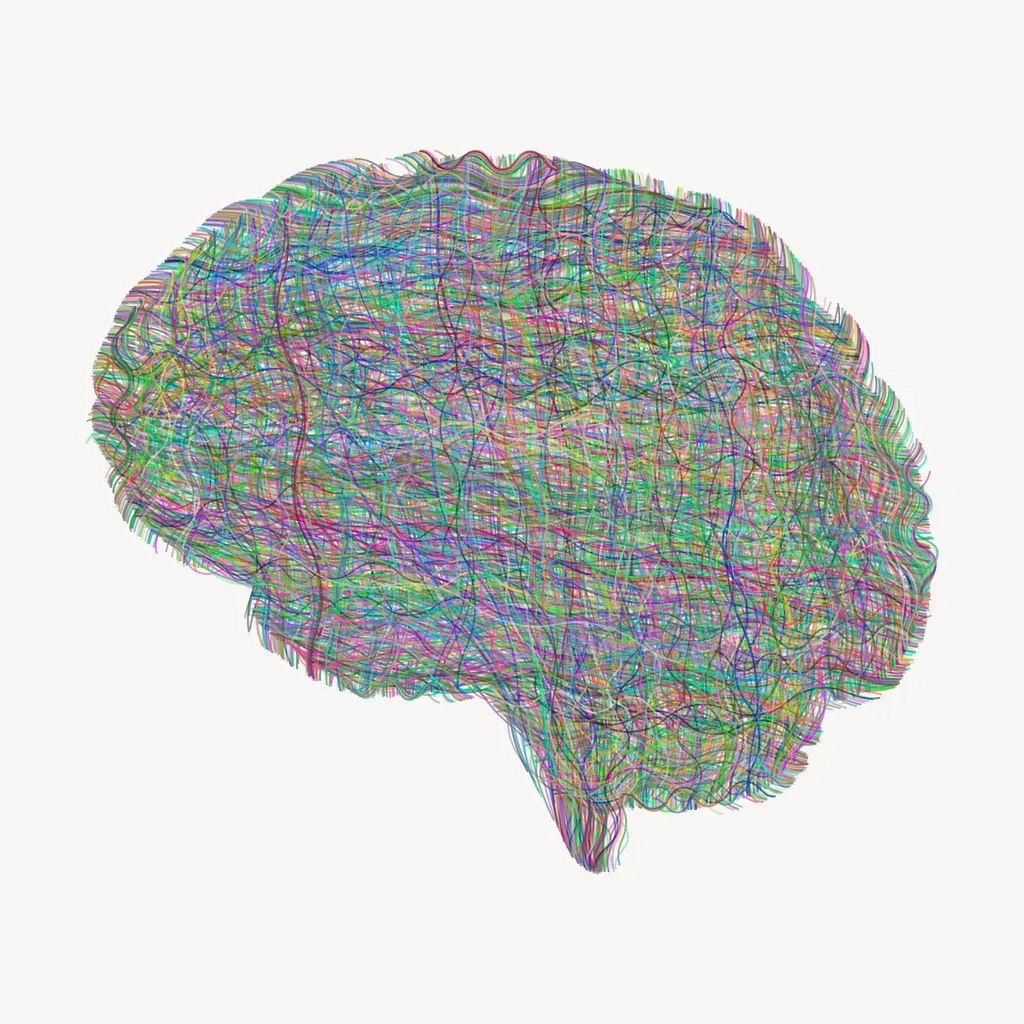
Several parts of your brain are responsible for social cognition, and the brain must coordinate much information to successfully receive and produce social cues. Your amygdala regulates emotional responses. The fusiform gyrus helps you recognize faces. The right superior temporal sulcus interprets eye gazes. Part of your occipital cortex processes observations of other people. It’s a complex system, and when one part misfires, the whole network can feel off.
The amygdala is often overactive in response to social interactions, and when socially anxious people are shown fearful faces, their amygdala lights up – a sign of a heightened fear response. So if you constantly feel on edge around others, your brain might literally be reacting as if you’re in danger. In anxious individuals, the amygdala tends to overreact, flagging potential threats – even when they’re not real.
Why You Keep Misreading the Room

According to Polyvagal Theory, human beings are constantly evaluating one another’s nervous systems through a process called neuroception – a subconscious detection of cues of safety or danger, based on vocal tone, facial expressiveness, posture, and presence. Here’s what makes it tricky: when your nervous system is dysregulated – tense, anxious, numb, or hypervigilant – your brain narrows its focus to survival, limiting access to your social engagement system, which governs emotional expression, curiosity, empathy, and facial mirroring.
People enter into ordinary interpersonal situations on edge and will be primed to interpret ambiguous situations in a way that confirms their negative expectations; cognitive models suggest that enhanced processing of negative social cues is at the core of social anxiety. You’re not being paranoid. You’re just caught in a feedback loop where your brain expects rejection, so it finds it everywhere.
Mirror Neurons: Feeling What Others Feel

Mirror neuron systems in the human brain help humans understand the actions and intentions of other people, and mirror neurons are the neural basis of the human capacity for emotions such as empathy. Essentially, when you watch someone smile, certain neurons in your brain fire as if you were smiling yourself. Mirror neurons allow you to process facial expressions and interactions between people.
People who are more empathic according to self-report questionnaires have stronger activations both in the mirror system for hand actions and the mirror system for emotions, providing more direct support for the idea that the mirror system is linked to empathy. It’s like having an internal simulation running constantly, predicting what others might do or feel. When it works well, you connect deeply. When it misfires, you might feel others’ emotions too intensely or misread them entirely.
The Anxiety Trap: Seeing Threats That Aren’t There

Children suffering from extreme social anxiety confuse angry faces with sad ones, and if you misread facial expressions, you’re in social trouble, no matter what other social skills you have. This pattern doesn’t disappear with age. Adults with social anxiety often make similar errors.
People with social anxiety may be so preoccupied with their own thoughts and feelings that they struggle to notice and interpret social cues; they may misinterpret neutral or positive cues as negative, reinforcing their anxiety and avoidance. You might convince yourself someone is angry when they’re actually just concentrating, or interpret a delayed text as rejection when they’re simply busy. Neutral or ambiguous cues – a flat tone, a tired face – can seem threatening; anxiety may prime you to see something dangerous when there is no danger.
How Isolation Rewires Your Brain

Lonely individuals have less gray matter in the left posterior superior temporal sulcus – an area implicated in basic social perception – and loneliness was associated with difficulty in processing social cues. In other words, chronic loneliness doesn’t just feel bad. It physically changes the structure of your brain in ways that make it even harder to connect.
Because attention to social cues is heightened in lonely individuals, loneliness may be characterized by disrupted ability to process and relate such social cues to emotional state of social conspecifics, leading to a feeling of unfulfillment after attempts to socially connect. It’s a cruel irony. You desperately want connection, so your brain becomes hypervigilant to social signals. Yet that same hypervigilance makes you misinterpret those signals, leaving you feeling even more isolated.
Breaking the Cycle: Rewiring Your Social Brain

The good news? Your brain isn’t fixed. The solution isn’t to learn more social rules but to regulate your body so your perception widens again; your ability to read others depends on how safe you feel in your own body. When you’re in a state of calm, you can accurately pick up on microexpressions, adjust your vocal tone intuitively, and pick up on timing and emotional flow.
When anxiety flares up, try to hit pause; take a breath and ask yourself: Am I sure? Instead of immediately assuming someone is upset with you, look for other cues or wait for more context. Your friend might be exhausted, not angry. Your coworker might have something on their mind that has nothing to do with you. Interventions to help reduce feelings of apprehension about social situations could teach the socially anxious to wait to receive more information about the emotional cues provided by others before they jump to the worst conclusions from the first potentially negative signals.
Conclusion
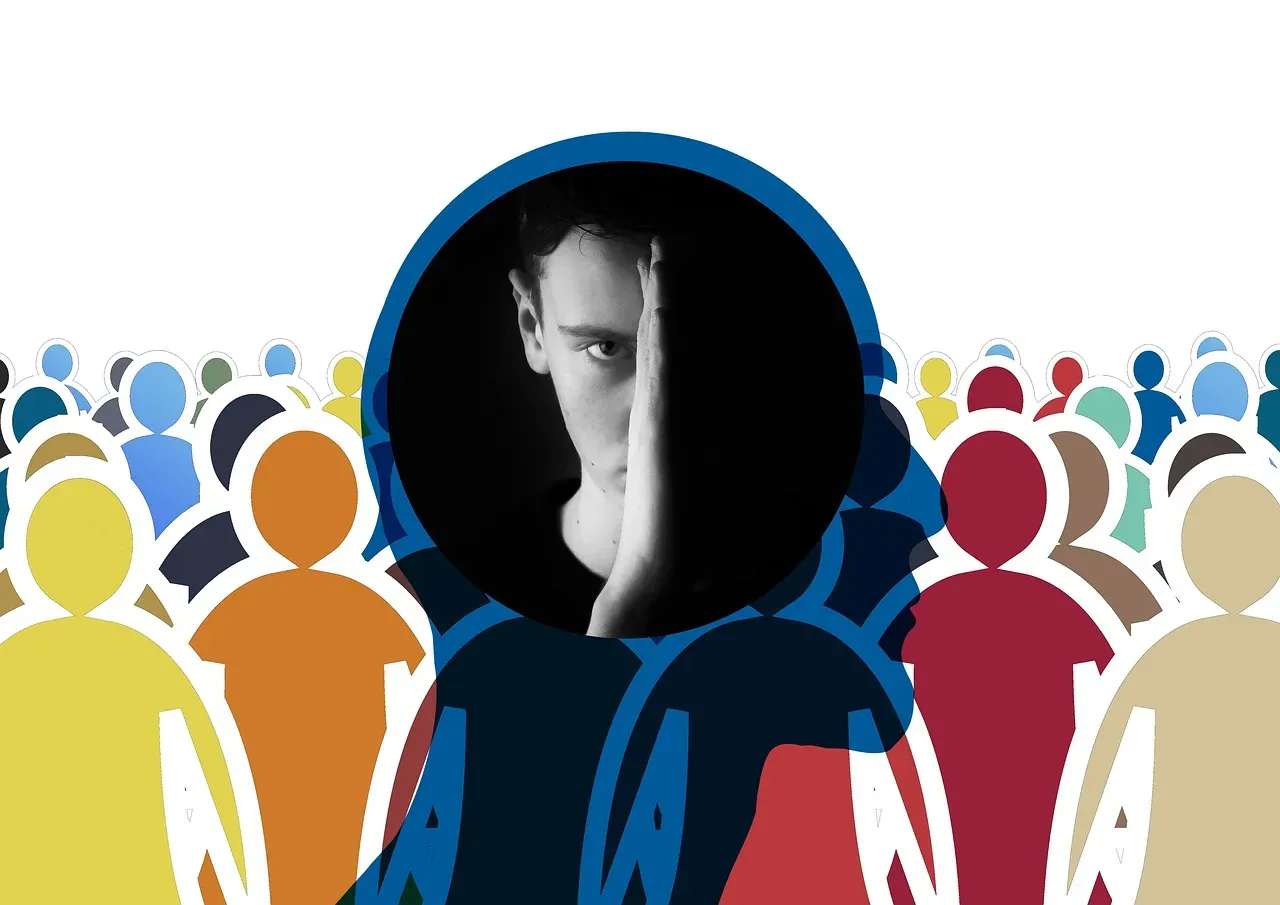
Your brain is a magnificent, maddening thing. It evolved over millions of years to keep you connected to others, to help you survive through cooperation and belonging. Yet that same evolutionary inheritance can turn against you, transforming every neutral glance into a potential rejection and every moment of silence into evidence that you don’t belong.
Understanding this paradox is the first step toward freedom. You’re not too sensitive. You’re not broken. You’re simply human, navigating an ancient brain in a modern world. The wiring that makes you capable of such profound connection is the same wiring that sometimes misfires, seeing threats in shadows and reading danger into ordinary social moments. What do you think – have you caught yourself misreading signals lately? How do you pause before jumping to conclusions?