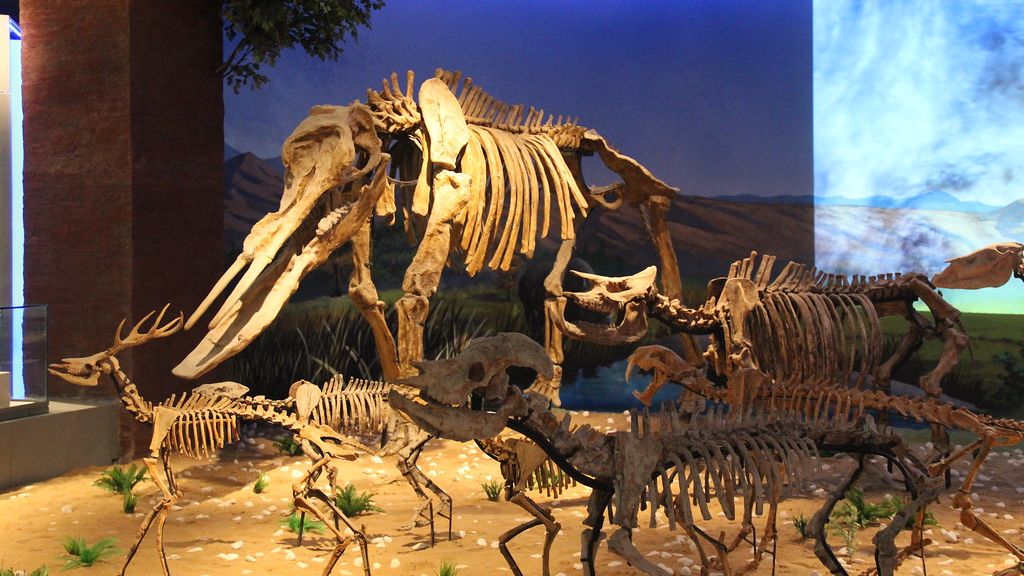
Picture yourself walking through the American landscape roughly twelve thousand years ago. You wouldn’t just be strolling through forests and plains as we know them today. The ground would shake beneath the footsteps of animals that dwarf anything alive now. We’re talking about creatures that sound more like something out of a fantasy novel than reality.
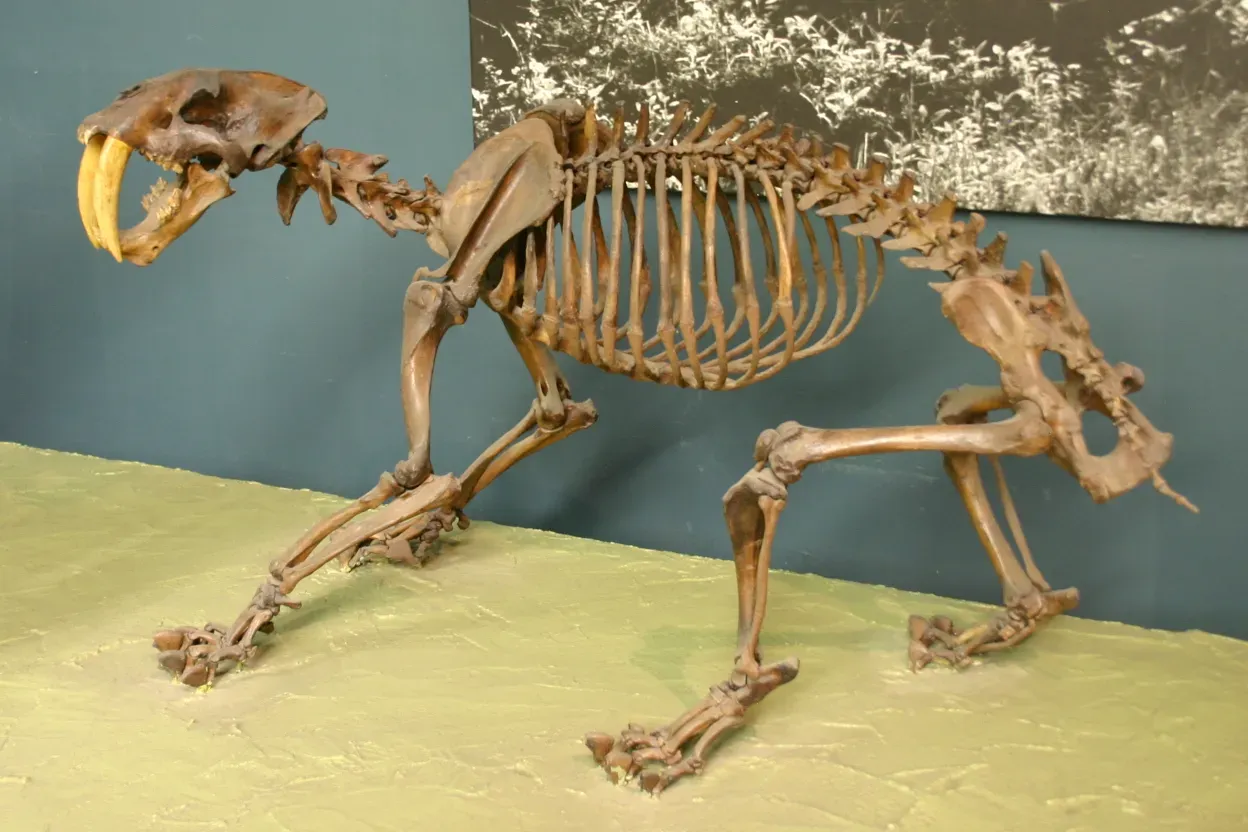
Ancient horses roamed the continent for millions of years before vanishing with other Ice Age megafauna. Lumbering mammoths roamed the tundra alongside towering mastodons and fierce saber-toothed tigers. Think about that for a moment. These weren’t rare glimpses of unusual wildlife. This was the everyday reality of North America.
The Giants That Walked Among Us
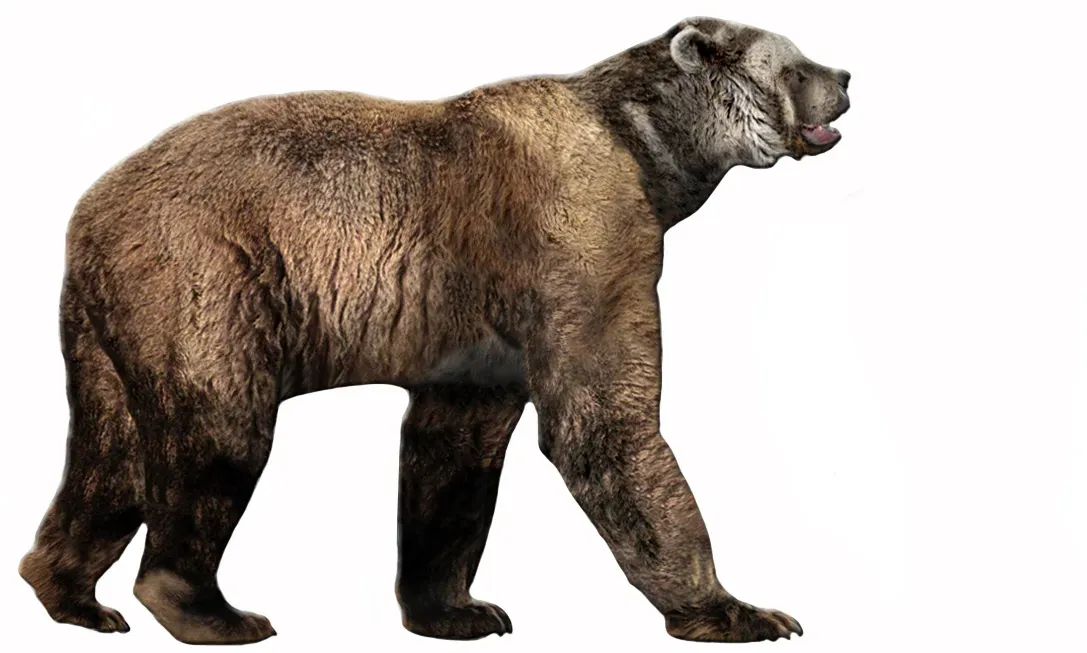
North America lost thirty-two genera of large mammals during an interval of about two thousand years centered on eleven thousand years ago. It’s hard to grasp just how much life disappeared. When the glaciers receded in the late Pleistocene, North America was home to dozens of thriving megafauna species, but nearly all of those giant creatures were wiped out around ten thousand years ago.
The sheer variety was stunning. Giant beavers plied the lakes and ponds, while immense ground sloths weighing over one thousand kilograms were found across many regions. Honestly, the idea of a ground sloth the size of an elephant wandering through what is now Texas or California feels surreal.
A Mystery Wrapped in Climate and Time
What killed them all? That’s been the million-dollar question for over two centuries now. The timing and severity of extinctions varied by region and are generally thought to have been driven by humans, climatic change, or a combination of both. Some researchers blame human hunters entirely. Others point to dramatic climate shifts at the end of the Ice Age.
Here’s the thing though. Between seventy-five and ninety percent of northeastern megafauna were gone before humans ever came on the scene in some regions. Yet the extinction’s extreme bias towards larger animals further supports a relationship with human activity rather than climate change. It’s complicated, messy, and probably doesn’t have one simple answer.
When Ecosystems Lost Their Engineers
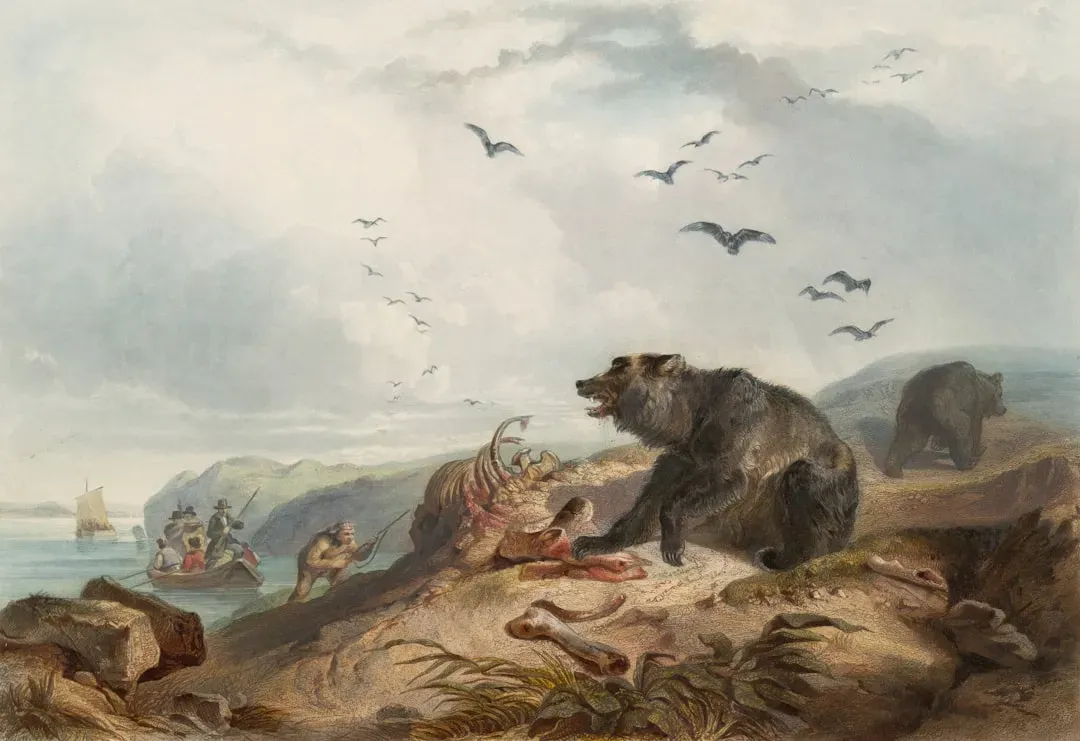
These animals weren’t just big. They were architects of their world. Very large-bodied animals were especially important as ecosystem engineers, a niche largely lost after the late Pleistocene megafauna extinction. Think about what that means practically speaking.
Extinct megafauna once maintained vegetation openness and created mosaics of different structural vegetation types with high habitat and species diversity, but following megafaunal extinction these habitats reverted to more dense and uniform formations. The landscape literally changed shape. Forests grew where grasslands once stretched. Fire patterns shifted. Everything got reorganized.
The Nutrient Highway That Vanished
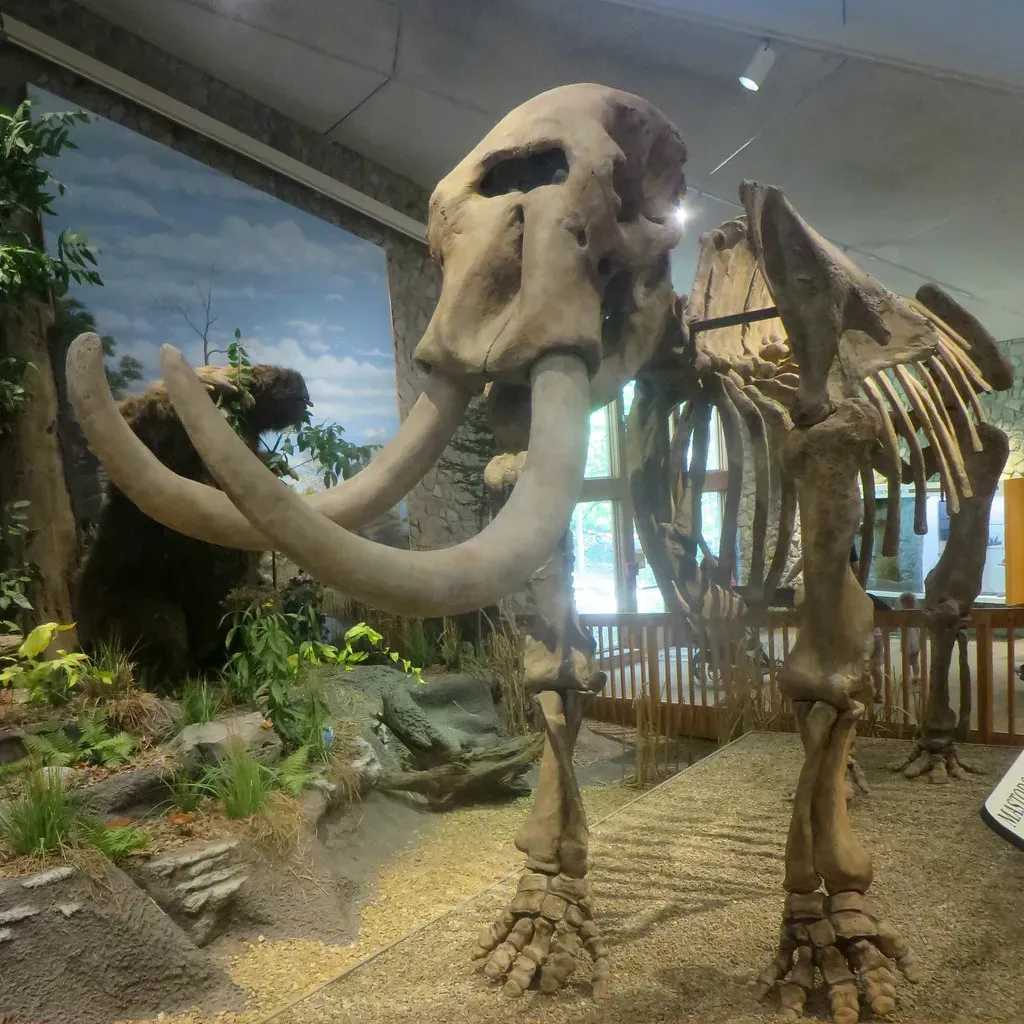
Large animals do something crucial that nobody really thinks about. Megafauna play a significant role in the lateral transport of mineral nutrients in an ecosystem, tending to translocate them from areas of high to those of lower abundance through their movement between consuming nutrients and releasing them through elimination. They’re basically walking fertilizer trucks.
When they disappeared, the effects rippled outward. After early humans migrated to the Americas about thirteen thousand years ago, their hunting and associated ecological impacts led to extinction of many megafaunal species, and calculations suggest this extinction decreased methane production by about nine point six million tons per year. The very atmosphere changed composition.
Missing Pieces of the Ecological Puzzle
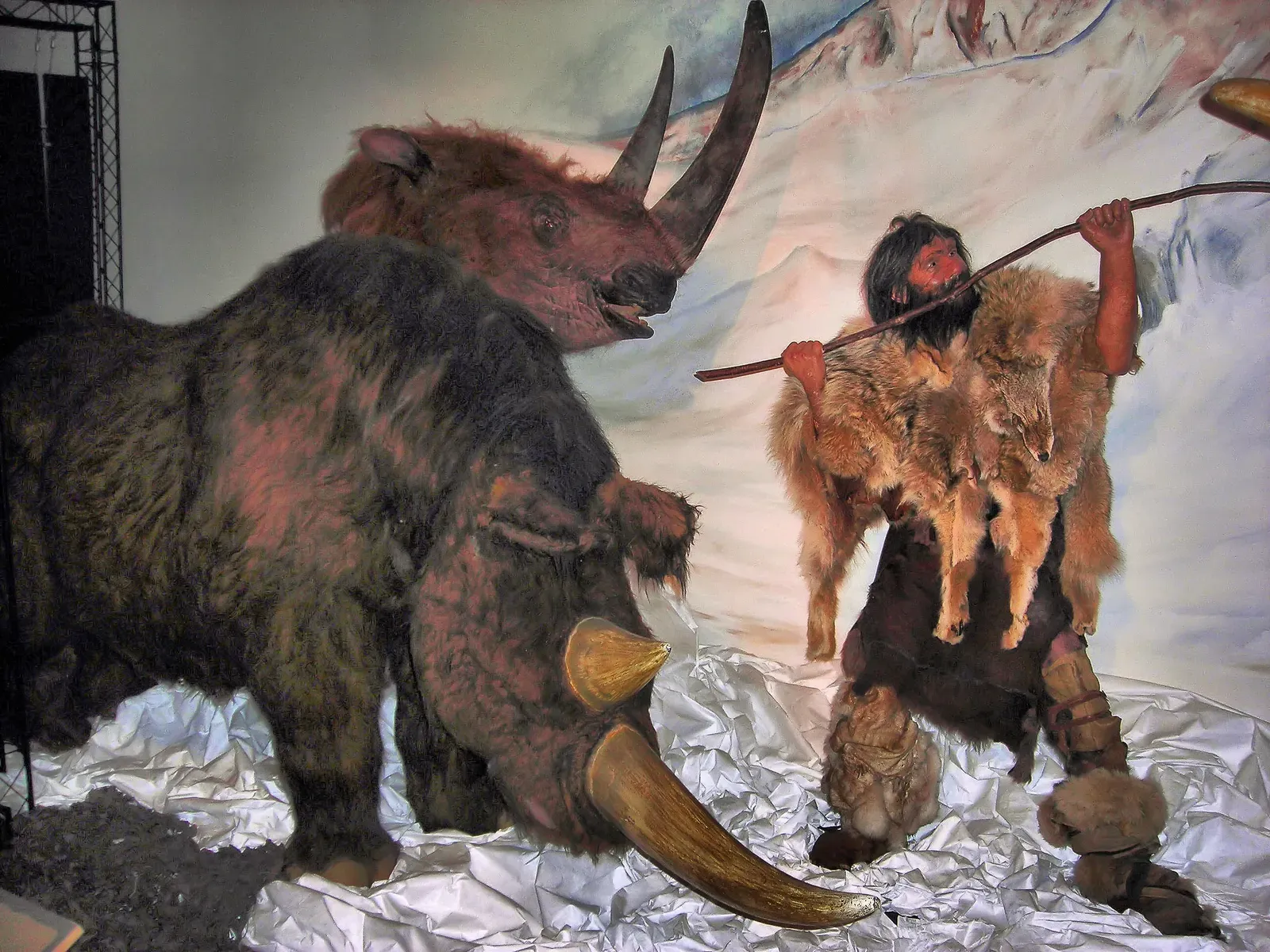
You might think surviving species would have filled the gaps. They didn’t, at least not effectively. Research shows significant reorganization of mammal communities after the extinction, particularly among carnivores, with loss of ecological complexity and many vacant niches reducing ecosystem resilience.
There was little evidence of compensation in herbivore response to loss of larger-bodied congeners, and the ecological legacy was a strikingly truncated mammal community lacking much of its former ecological complexity with many missing pieces. The ecosystem wasn’t just different. It was fundamentally diminished. Parts of the machinery simply stopped working.
Ancient Clues in Modern Museums
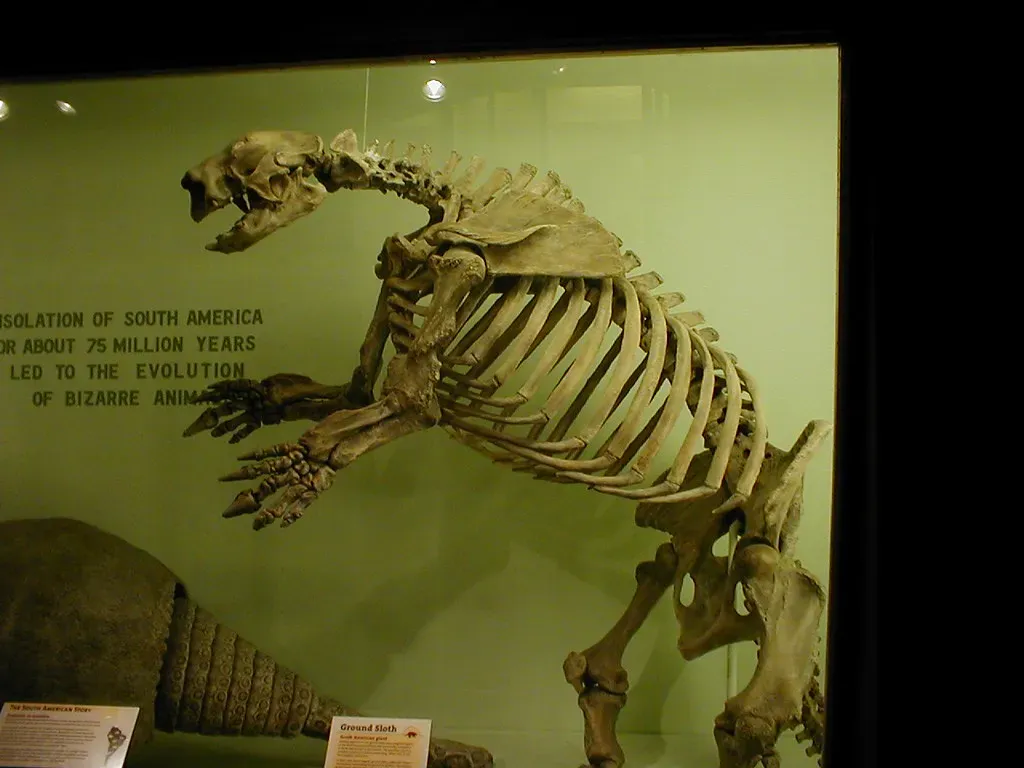
Scientists are still piecing this puzzle together using cutting-edge technology. The Smithsonian National Museum of Natural History houses findings from numerous archaeological excavations conducted over the past hundred years, yet many remains are heavily fragmented and unidentifiable. New biomolecular methods are changing that.
These neglected bone fragments are revealing secrets. Blood residue analysis on ancient stone tools provided the first direct evidence of extinct mammoth or mastodon and extinct North American horse blood on Paleoindian artifacts, proving these animals were present and hunted or scavenged by early Paleoindians. Technology is letting us see what was previously invisible.
What This Means for Today
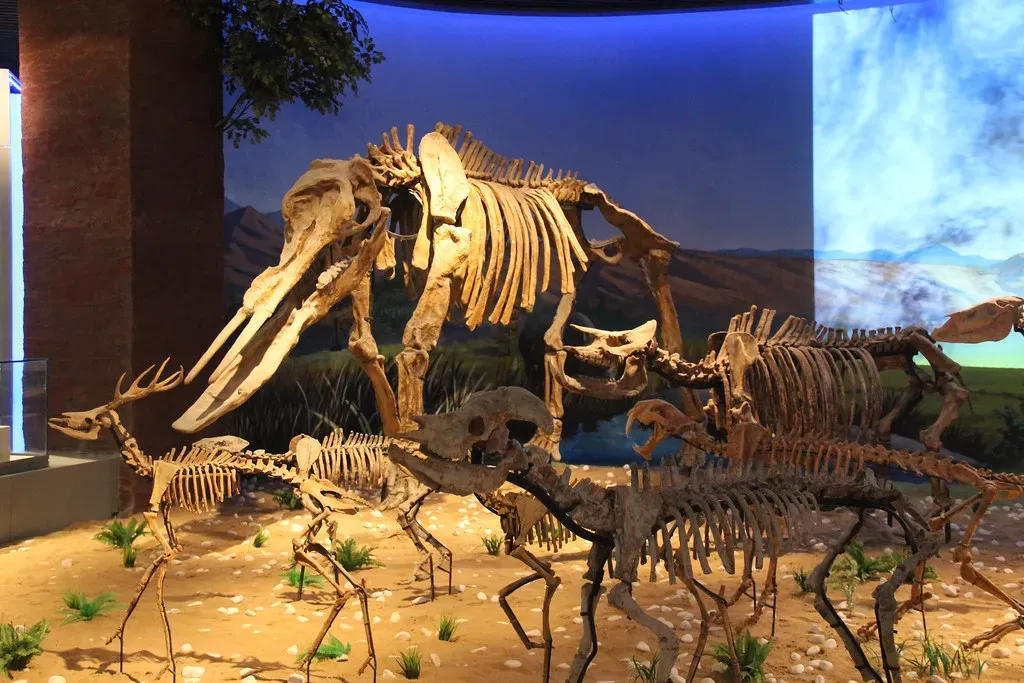
Loss of megafauna may have an enduring but little-recognized legacy on the functioning of the contemporary biosphere, and much of our current understanding of ecosystem ecology has been developed in a world artificially depleted of giants. We think we know how nature works. Actually, we’re studying a broken version.
A broad range of evidence indicates the megafauna extinctions have elicited profound changes to ecosystem structure and functioning, representing an early large-scale human-driven environmental transformation that constitutes a progenitor of the Anthropocene. This wasn’t just ancient history. This was the beginning of human-dominated planetary change.
The landscapes we walk through today carry invisible scars. Forests that should be more open. Grasslands missing their architects. Nutrient cycles running at half-speed. We live in the shadow of giants we never knew, in ecosystems still adjusting to losses that happened over ten millennia ago. The megafauna are gone, but their absence shapes everything around us. What do you think would happen if we could bring them back? Would ecosystems recognize what they’ve been missing all along?