
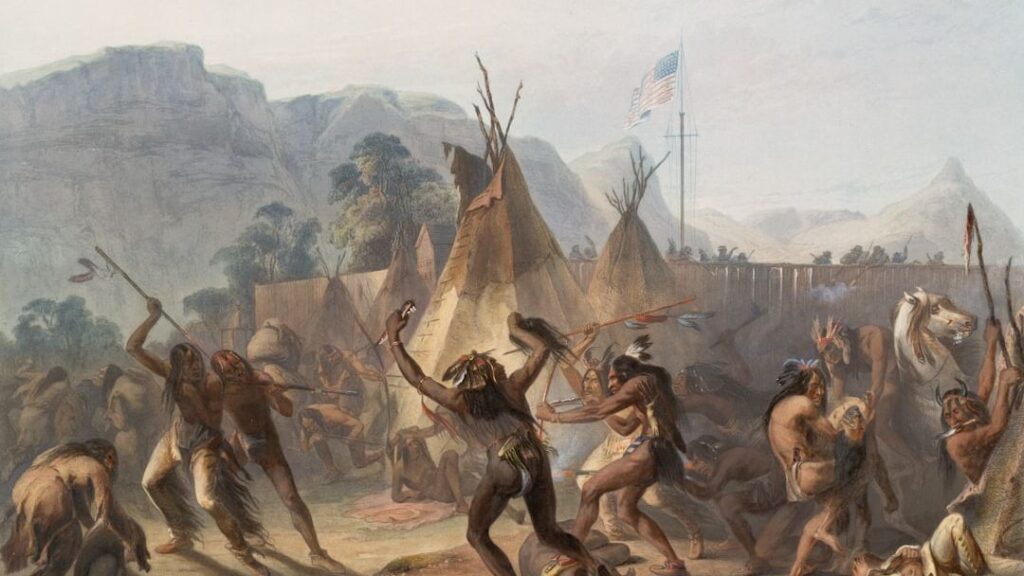
Have you ever looked at a set of ancient footprints and felt the weight of history shifting beneath your feet? The story of how humans first arrived in the Americas has long been a source of debate, mystery, and surprise. For decades, scientists believed they had the timeline figured out. Turns out, they were only scratching the surface. Recent findings are challenging everything we thought we knew about the earliest inhabitants of this continent, pushing dates back thousands of years and revealing a far more complex picture of migration, survival, and adaptation.
What’s fascinating about these discoveries is that they’re not just about dates on a calendar or dusty artifacts locked away in museums. They’re about people, real human beings who faced unimaginable challenges to reach a new world. So let’s dive in.
Footprints That Changed Everything
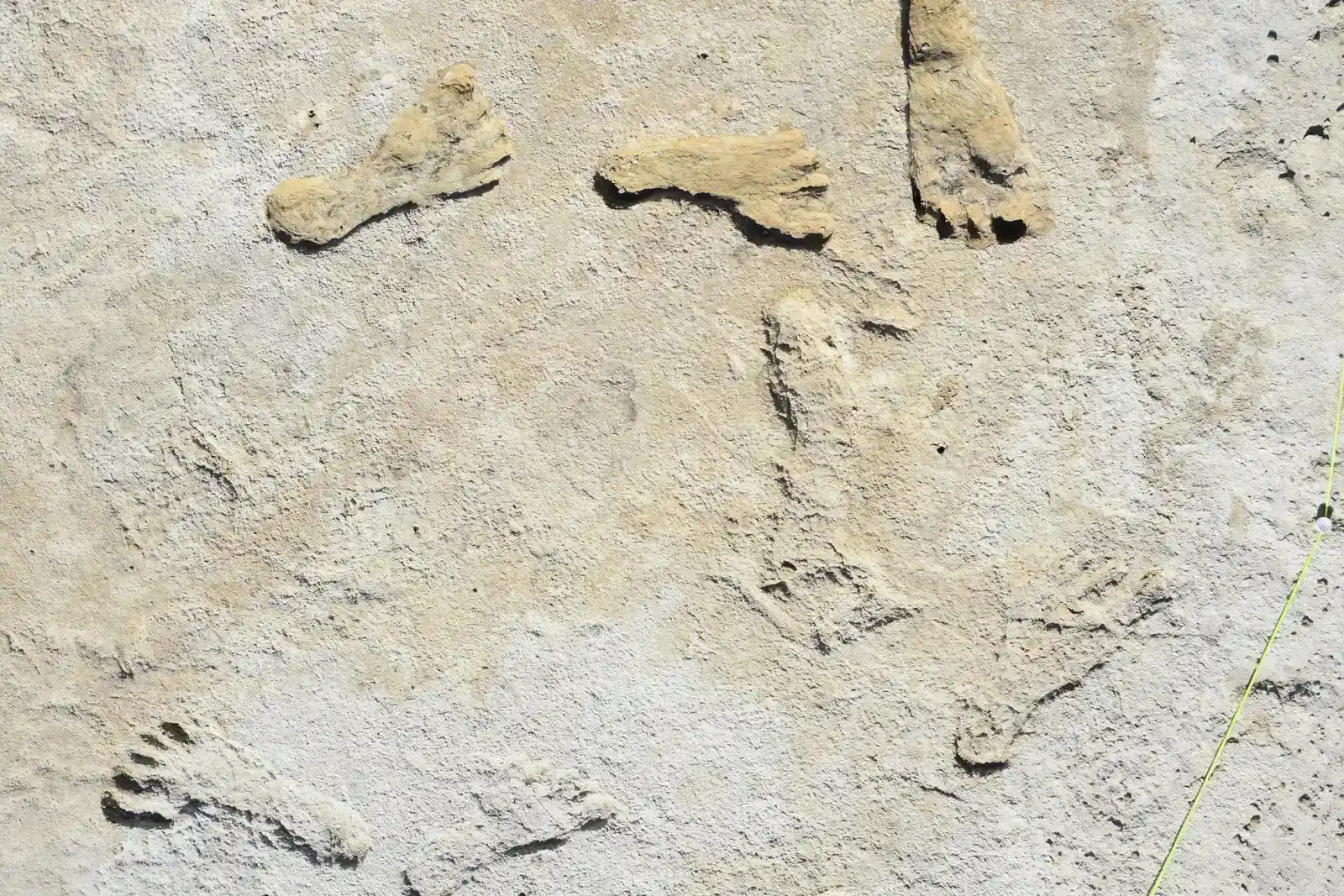
When footprints discovered in New Mexico were confirmed to be between 21,000 and 23,000 years old, the archaeological world was stunned. These weren’t just markings in stone. They were evidence of human presence during the Last Glacial Maximum, a period when massive ice sheets should have made passage into North America nearly impossible. The implications were staggering.
The dating was confirmed through three different types of material analyzed by three separate labs, producing 55 consistent radiocarbon dates. Critics had questioned whether the original dating methods were reliable, pointing to potential contamination issues. Those doubts have been systematically dismantled, leaving little room for alternative explanations.
The Clovis Culture Gets Dethroned
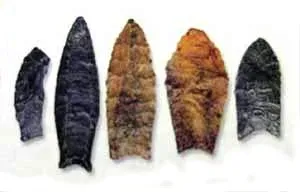
For much of the twentieth century, the Clovis culture held the throne as America’s first inhabitants. Named after distinctive spear points found in New Mexico, Clovis artifacts typically range in age from 13,250 to 12,800 years old. This was considered the starting point, the beginning of human history in the Americas. It felt tidy, settled, done.
Beginning in the 1990s, discoveries at Monte Verde in Chile dated to 14,500 years ago, stone tool fragments in Texas dated to 15,500 years ago, and sites in Pennsylvania possibly reaching 16,000 years ago began challenging the Clovis-first model. The timeline wasn’t just shifting slightly. It was exploding backward, revealing waves of migration that no one had anticipated.
Coastal Migration Takes Center Stage
Think about trying to cross a frozen wasteland versus traveling along a resource-rich coastline. Evidence from the Monte Verde site in southern Chile, which includes nine species of seaweed and marine algae dated between 14,220 and 13,980 years ago, supports the theory that early migrants followed the Pacific Coast. These weren’t just inland hunters trudging through snow. They were coastal travelers, boat builders, people who understood the ocean.
Sea levels during the last Ice Age were roughly 200 feet lower than today, which means most early coastal settlements would now be underwater. The evidence we’re missing isn’t necessarily absent. It’s submerged, hidden beneath centuries of rising tides and shifting shores.
Ancient Beringian Mystery
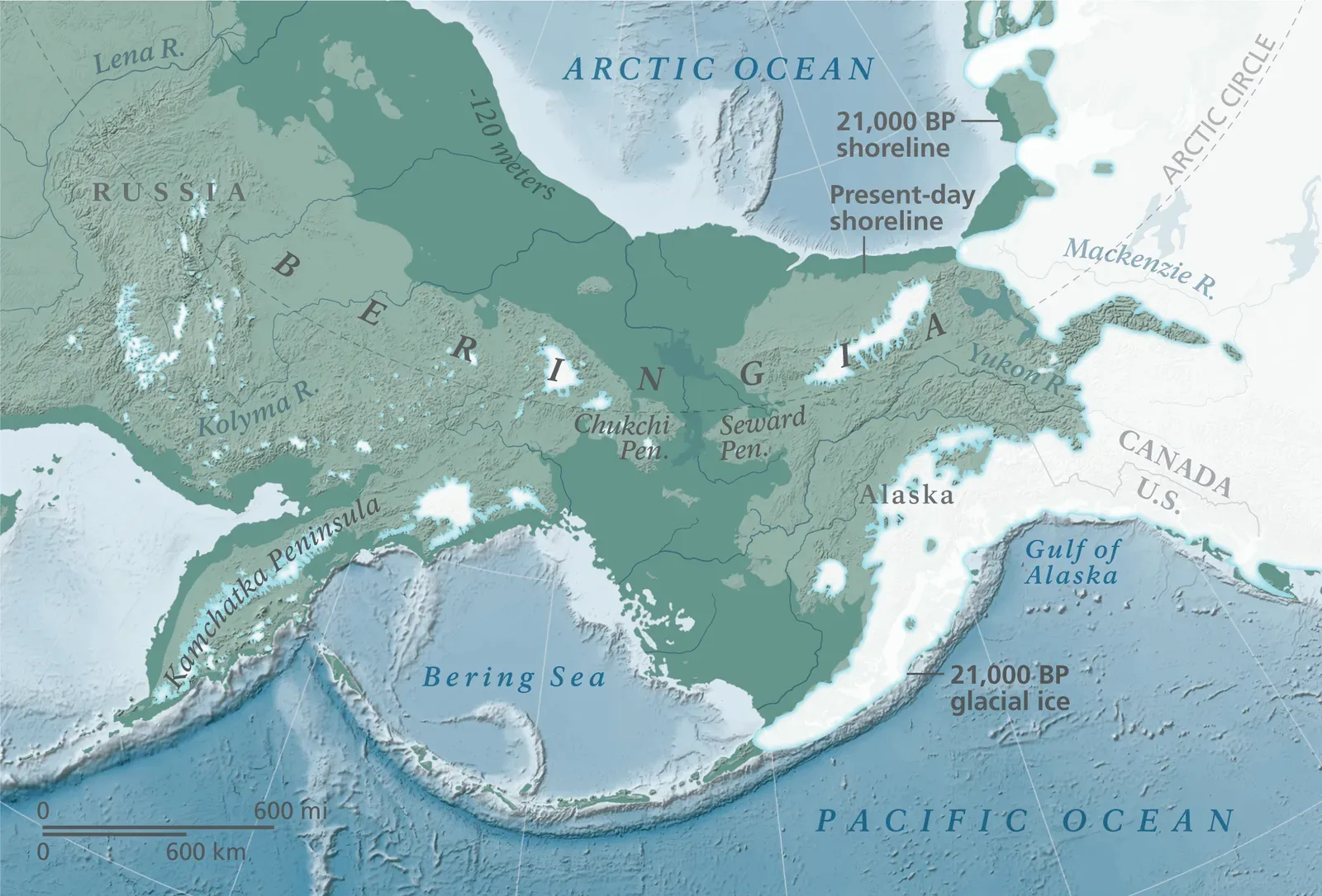
DNA from an infant girl found in central Alaska, named by the local Indigenous community and dating to roughly 11,500 years ago, revealed a previously unknown lineage that split from modern Native Americans around 20,000 years ago. She belonged to a population scientists now call Ancient Beringians, a group distinct from other Indigenous Americans.
The Ancient Beringian people appear to have remained in the Far North for thousands of years while other Native American ancestors spread southward, eventually being absorbed or replaced by Athabascan ancestors around 6,000 years ago. Their story is a reminder that migration wasn’t a single, straightforward journey. It was a series of stops, starts, separations, and reunions.
Debunking the Japanese Connection
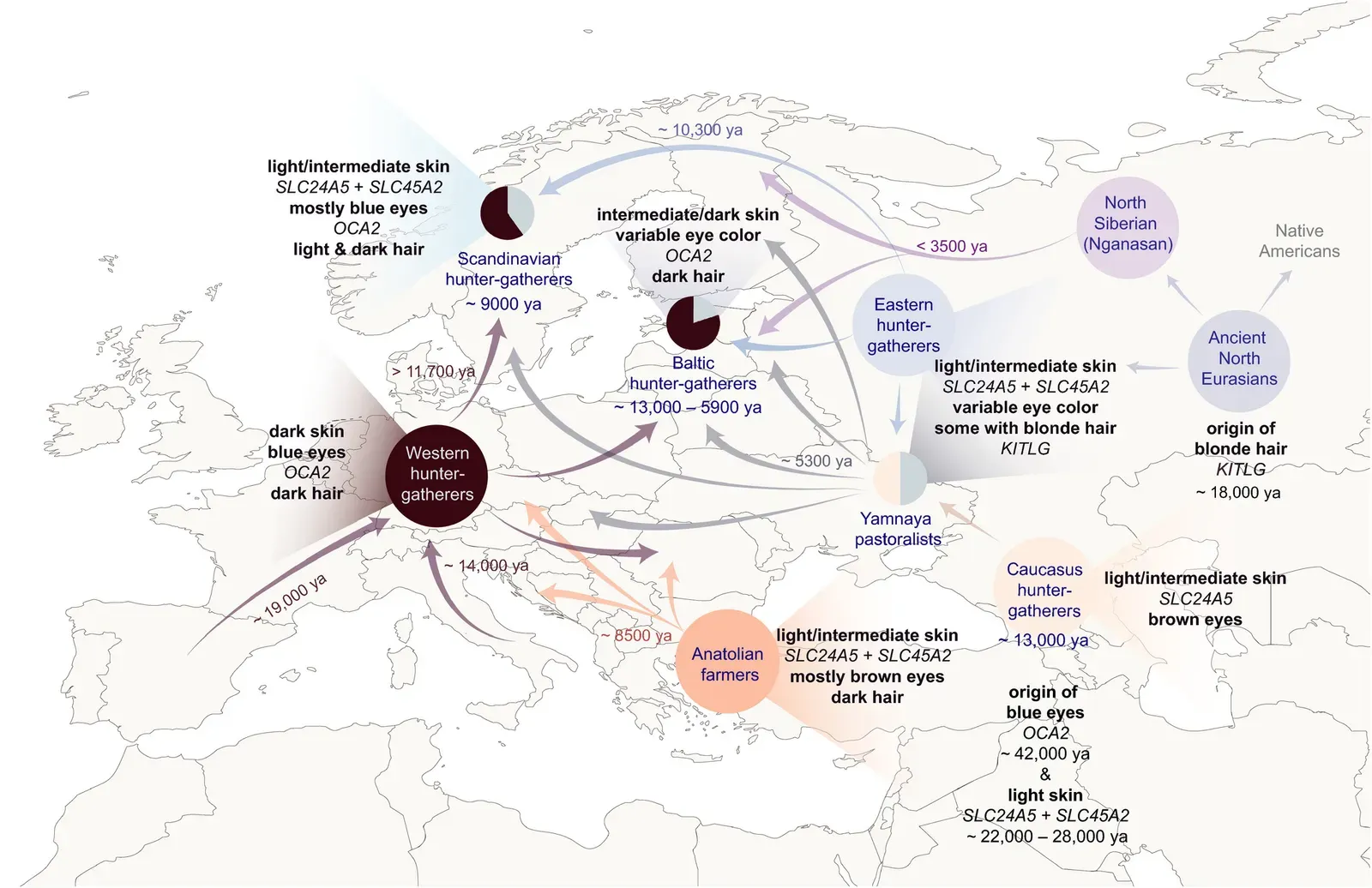
Some archaeologists had proposed a wild theory based on similarities in stone tools. Many believed that Indigenous Americans migrated from Japan about 15,000 years ago, moving along the northern rim of the Pacific Ocean. It sounded plausible on paper, connecting dots across continents based on artifact design.
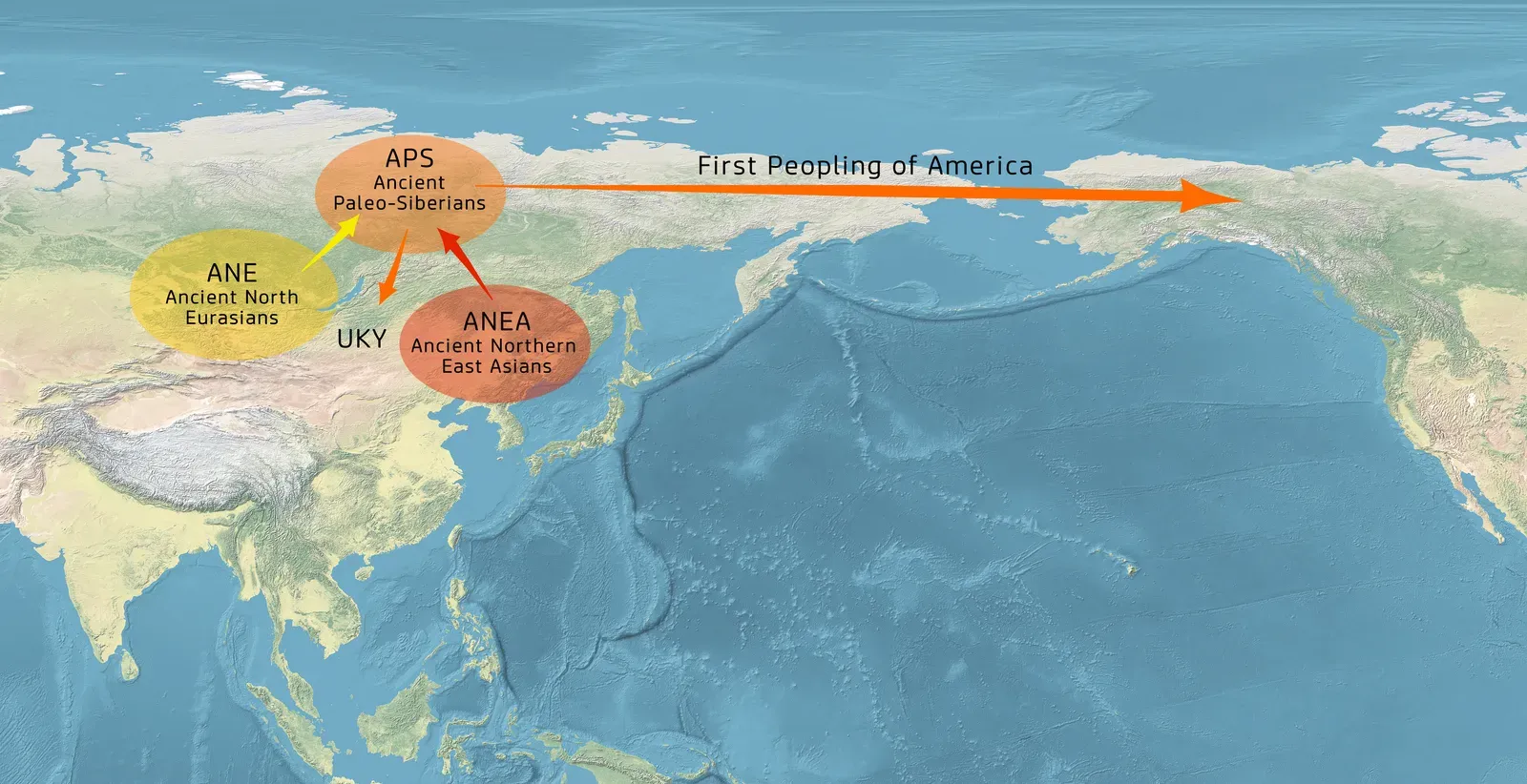
Research examining human teeth, skeletal biology, and genetics found no connection between the Jomon people of Japan and Indigenous Americans, with the most likely source appearing to be Siberia. Sometimes the most compelling theories collapse under the weight of evidence. The human journey to the Americas was far more complex than a simple island-hopping route from Japan.
What Indigenous Knowledge Always Knew
Here’s something worth pausing over. Traditional knowledge and Western science both offer evidence that people have been in North America at least 23,000 years and possibly as long as 30,000 years, underscoring what American Indians’ oral history has long maintained about their ancestors living on these lands from time immemorial. Science is finally catching up to what Indigenous peoples have been saying all along.
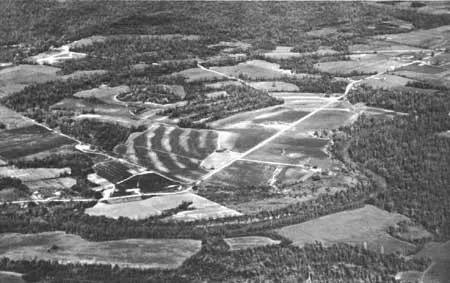
Poverty Point in Louisiana, built between 1700 and 1100 BCE, covered 345 acres and extended more than three miles along the Bayou Macon, requiring sophisticated engineering and social organization. These weren’t primitive wanderers scratching out survival. They built cities, established trade networks, and created thriving communities that rivaled any in the world at that time.
The Bigger Picture Emerges
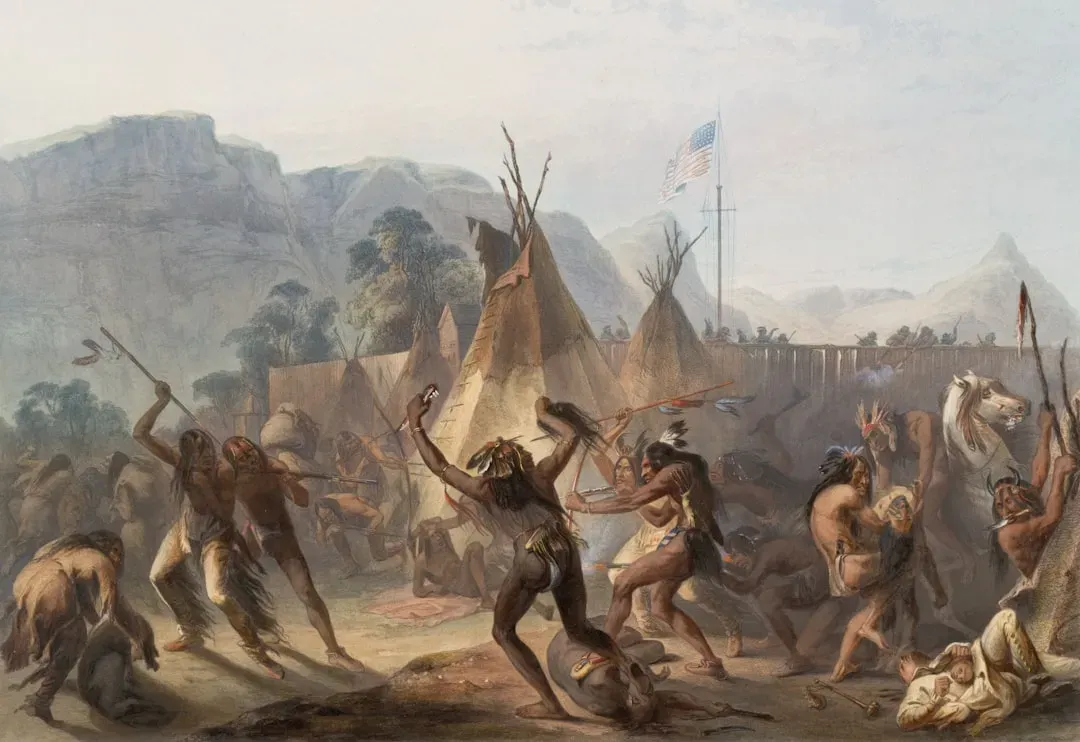
What we’re witnessing is the dismantling of a neat, linear story and its replacement with something far messier and more interesting. The narrative has shifted from a single migration event to multiple small, diverse groups entering the continent at various points in time. Every new discovery adds another layer, another thread to weave into the tapestry of human history in the Americas.
The Native American Graves Protection and Repatriation Act, passed in 1990 and amended in 2025, now requires federal agencies to return Native American cultural items to lineal descendants and affiliated tribes. As science advances, so too does respect for Indigenous communities and their connection to these discoveries. The conversation is changing, becoming more collaborative, more inclusive, more honest about the past.
These discoveries aren’t just rewriting textbooks. They’re forcing us to confront assumptions we didn’t even know we were making about who the first Americans were, how they got here, and what their lives looked like. The story is far from over. Every dig, every DNA sample, every dated footprint brings us closer to understanding the extraordinary journey that populated two continents. What surprises will the next excavation reveal? What do you think about these findings changing our understanding of history?