
Have you ever watched a bird flutter around your garden and thought it was just a harmless little creature? Think again. You’re looking at the living descendant of some of the most fearsome predators that ever stalked the Earth. Evolution has left us with a world full of creatures that look nothing like their ancient relatives, yet when we dig beneath the surface, the connections are absolutely mind-blowing.
From massive ocean giants related to guinea pigs to sharks that predate trees themselves, the natural world is packed with evolutionary surprises. Some are so bizarre they sound like they came straight from a science fiction novel. Let’s dive into ten connections that’ll make you see animals in a completely different light.
Whales and Hippos Share a Surprising Family Tree
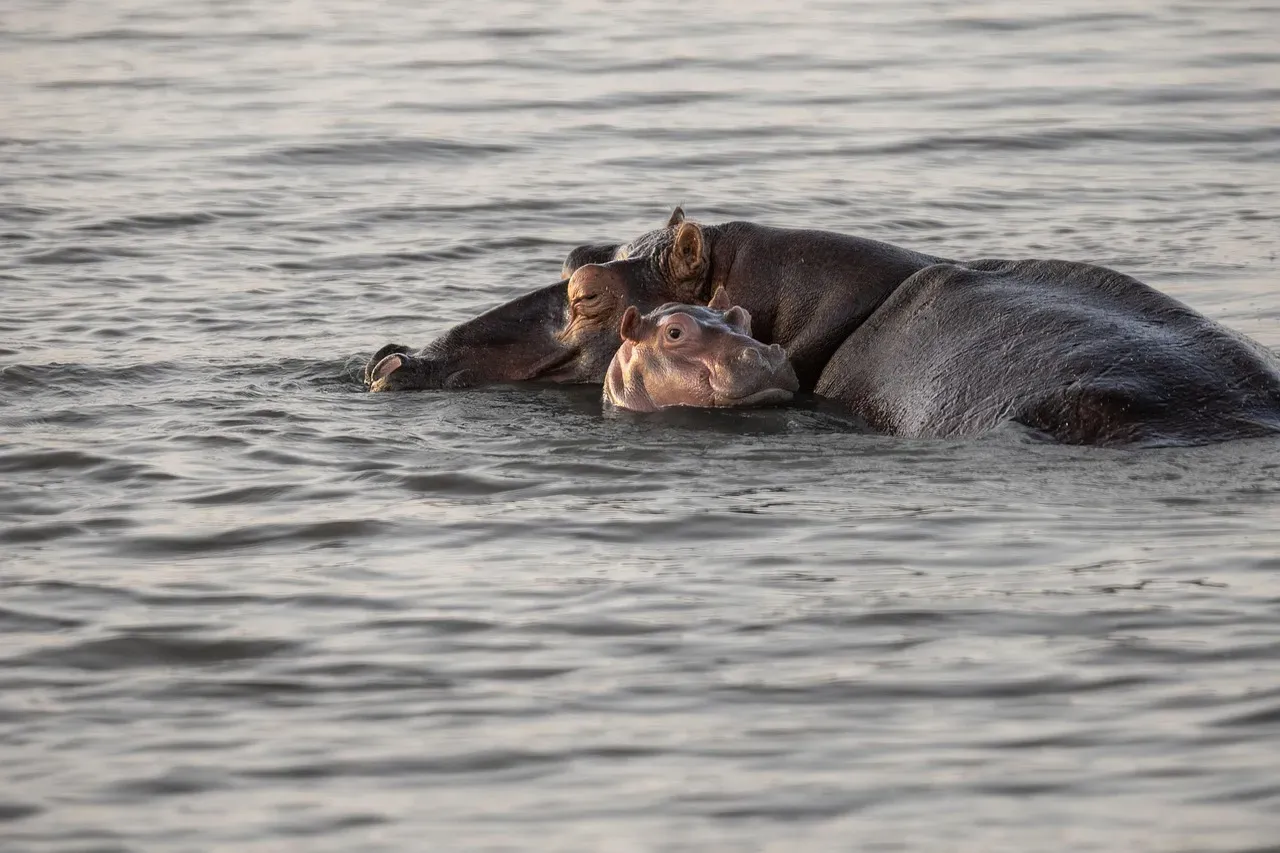
Hippos are the closest living relatives of whales, which sounds absolutely bonkers when you think about it. One spends its life wallowing in African rivers while the other glides through the deep ocean. Molecular and morphological analyses suggest Cetacea share a relatively recent closest common ancestor with hippopotamuses and that they are sister groups.
The connection between hippopotamuses and whales is an old one, aging back some 50 to 60 million years, according to researchers. The common ancestor was a four-limbed, semiaquatic mammal known as a walking whale that branched off into two separate directions. Even though hippos stay in freshwater and whales conquered the oceans, their evolutionary bond remains undeniable. They both evolved aquatic features independently through convergent evolution, but DNA tells the real story of their kinship.
Your Backyard Birds Are Actually Dinosaurs
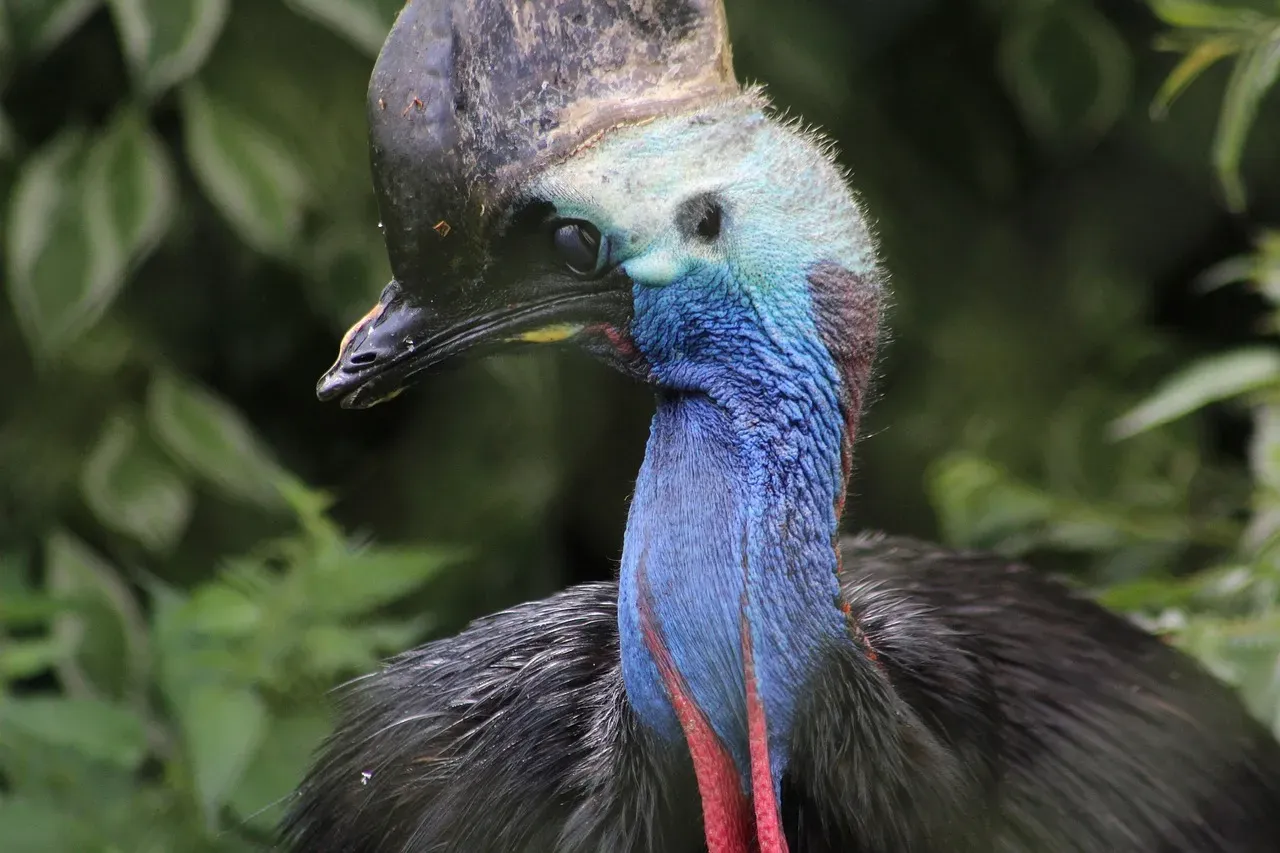
The king of the dinosaurs actually shares a surprising amount of DNA with modern day chickens. In fact, birds are commonly thought to be the only animals around today that are direct descendants of dinosaurs. That chirping sparrow on your fence is technically a dinosaur, just a miniaturized, feathered version.
From the fossil record, we know that birds evolved from dinosaurs, some of which had feathers. But those first feathers had nothing to do with flight – they probably helped dinosaurs show off, hide, or stay warm. The evolutionary journey took millions of years, transforming hulking theropods into delicate flyers. A bird didn’t just evolve from a T. rex overnight, but rather the classic features of birds evolved one by one; first bipedal locomotion, then feathers, then a wishbone, then more complex feathers that look like quill-pen feathers, then wings. It’s hard to believe when you’re feeding pigeons in the park, honestly.
Elephants Are Related to Rock-Dwelling Guinea Pig Lookalikes
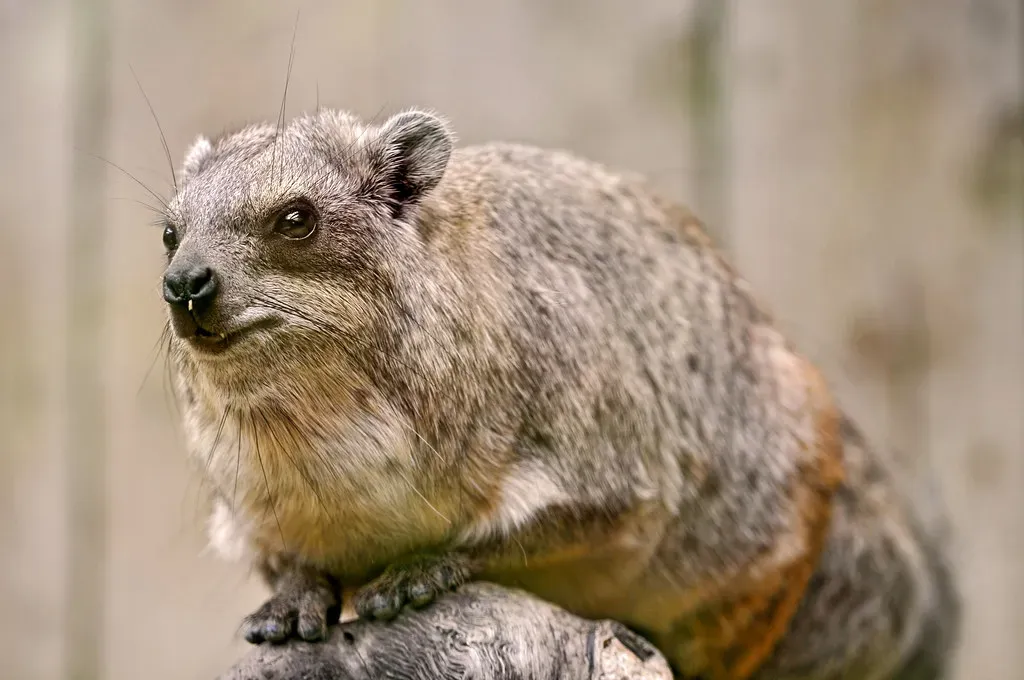
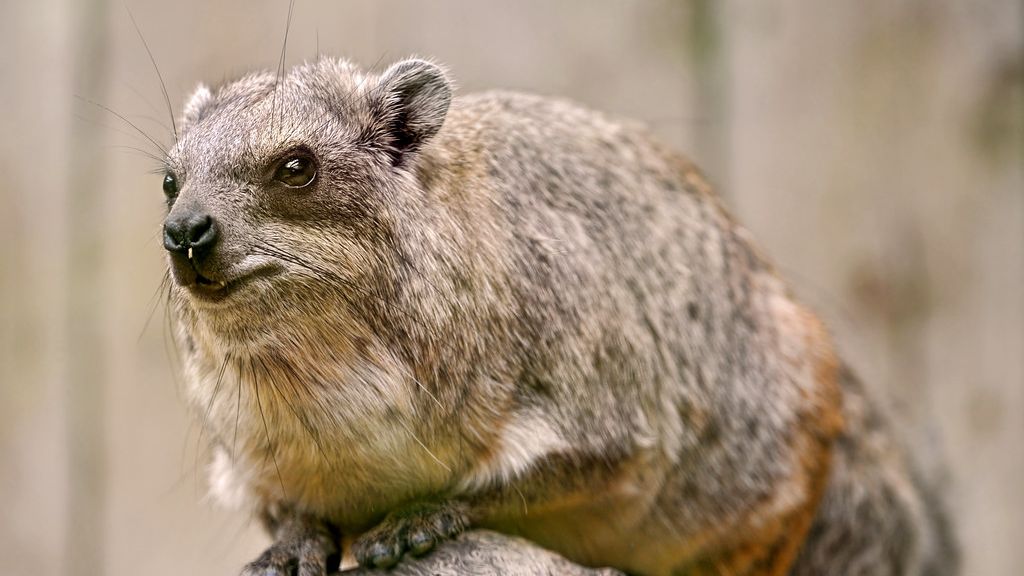
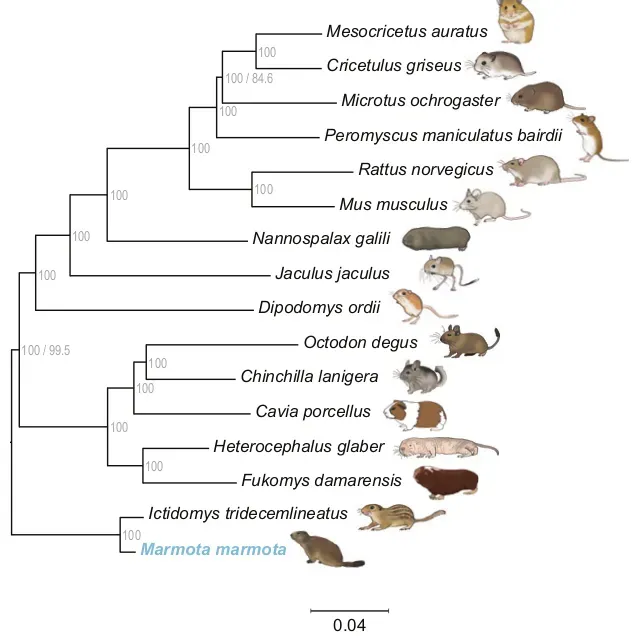
This one really takes the cake. Hyraxes are superficially similar to marmots or over-large pikas but are much more closely related to elephants and sirenians. These small, furry mammals weigh less than ten pounds but share an ancestor with the largest land animals on Earth.
Hyraxes share several unusual characteristics with mammalian orders Proboscidea (elephants and their extinct relatives) and Sirenia (manatees and dugongs), which have resulted in their all being placed in the taxon Paenungulata. Male hyraxes lack a scrotum and their testicles remain tucked up in their abdominal cavity next to the kidneys, as do those of elephants, manatees, and dugongs. The tusks of hyraxes develop from the incisor teeth as do the tusks of elephants. Seeing a tiny hyrax sunbathing on a rock in Africa, you’d never guess it’s distantly related to an elephant lumbering across the savanna nearby.
Sharks Existed Before Trees Even Appeared
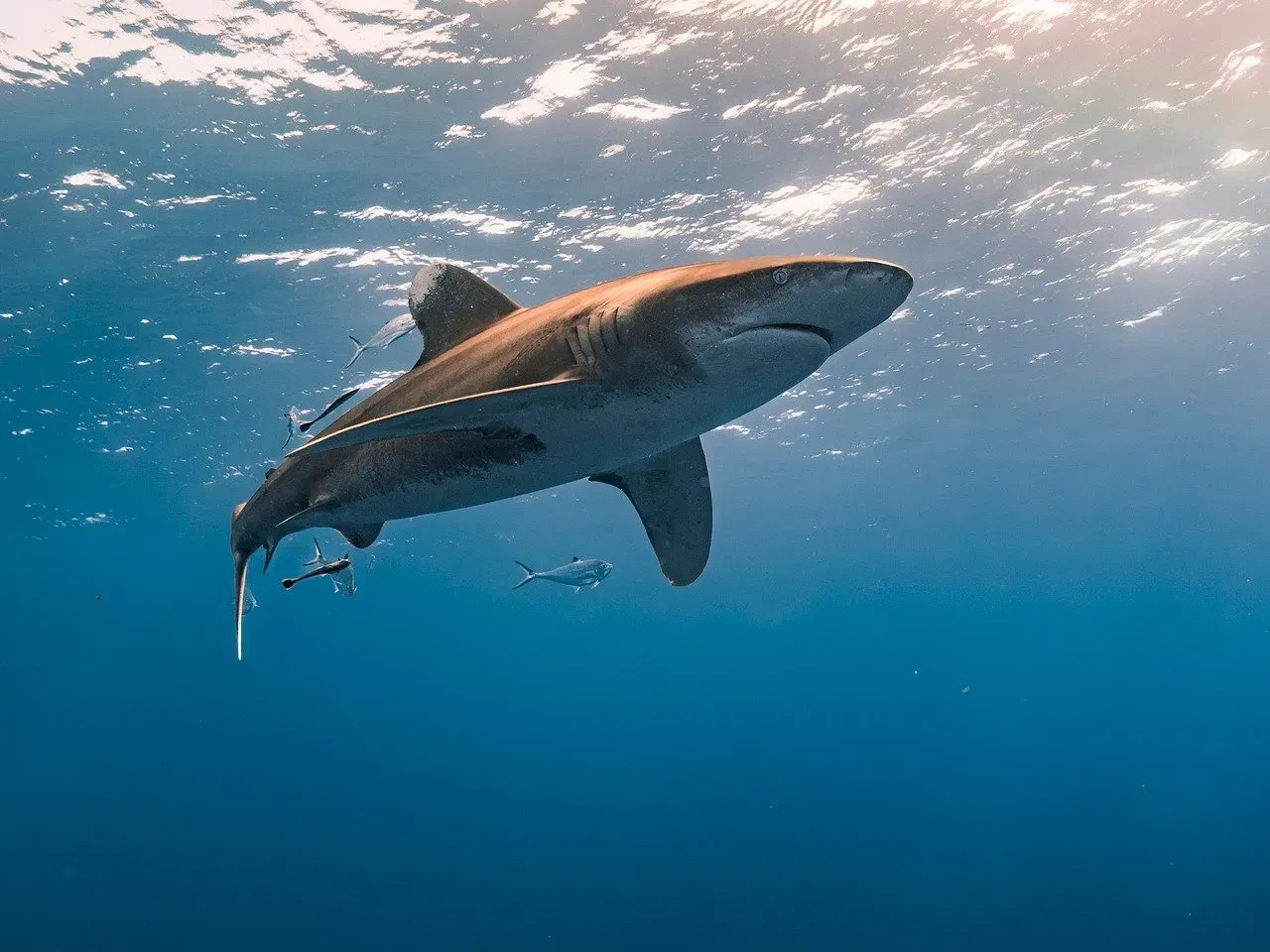
Sharks have been around for hundreds of millions of years, appearing in the fossil record before trees even existed. Let that sink in for a moment. These ocean predators were already swimming around when land was essentially barren of forests.
The earliest known evidence of sharks are fossil scales that date over 420 million years ago during the early Silurian. They have survived five global mass extinctions, each of which wiped out more than 75 per cent of animal species. Having swum in the world’s oceans for over 450 million years and survived five global mass extinctions, sharks are ancient creatures that evolved long before dinosaurs walked on land. Unlike what many people think, sharks aren’t exactly unchanged “living fossils,” but their longevity is absolutely remarkable.
Manatees and Dugongs Are Also Elephant Cousins
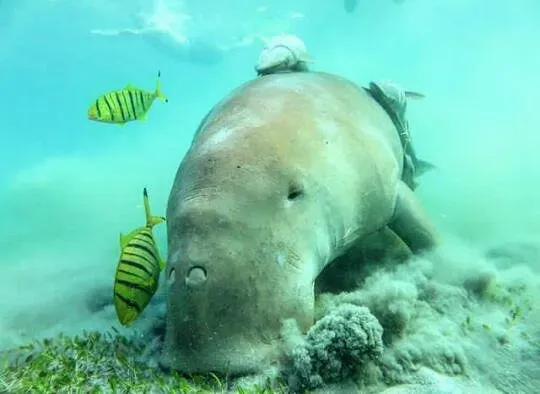
Elephants seem to have the strangest family reunions in the animal kingdom. Other notable cousins include the subungulate sea cows: manatees and dugongs. Both of these aquatic mammals have tusk-like incisors and grey, thick skin. Both manatees and dugongs have prehensile lips that have similar function to an elephant’s trunk.
All sea cows, including manatees, evolved from pig-like animals that moved from land into the sea, and the last ancestor they share with elephants lived about 60 million years ago. These gentle marine herbivores glide through coastal waters munching on seagrass, but deep in their evolutionary past, they shared the same ancestor as the massive creatures that roam the African plains today. It’s one of evolution’s wildest family trees.
Feathers Evolved Millions of Years Before Flight
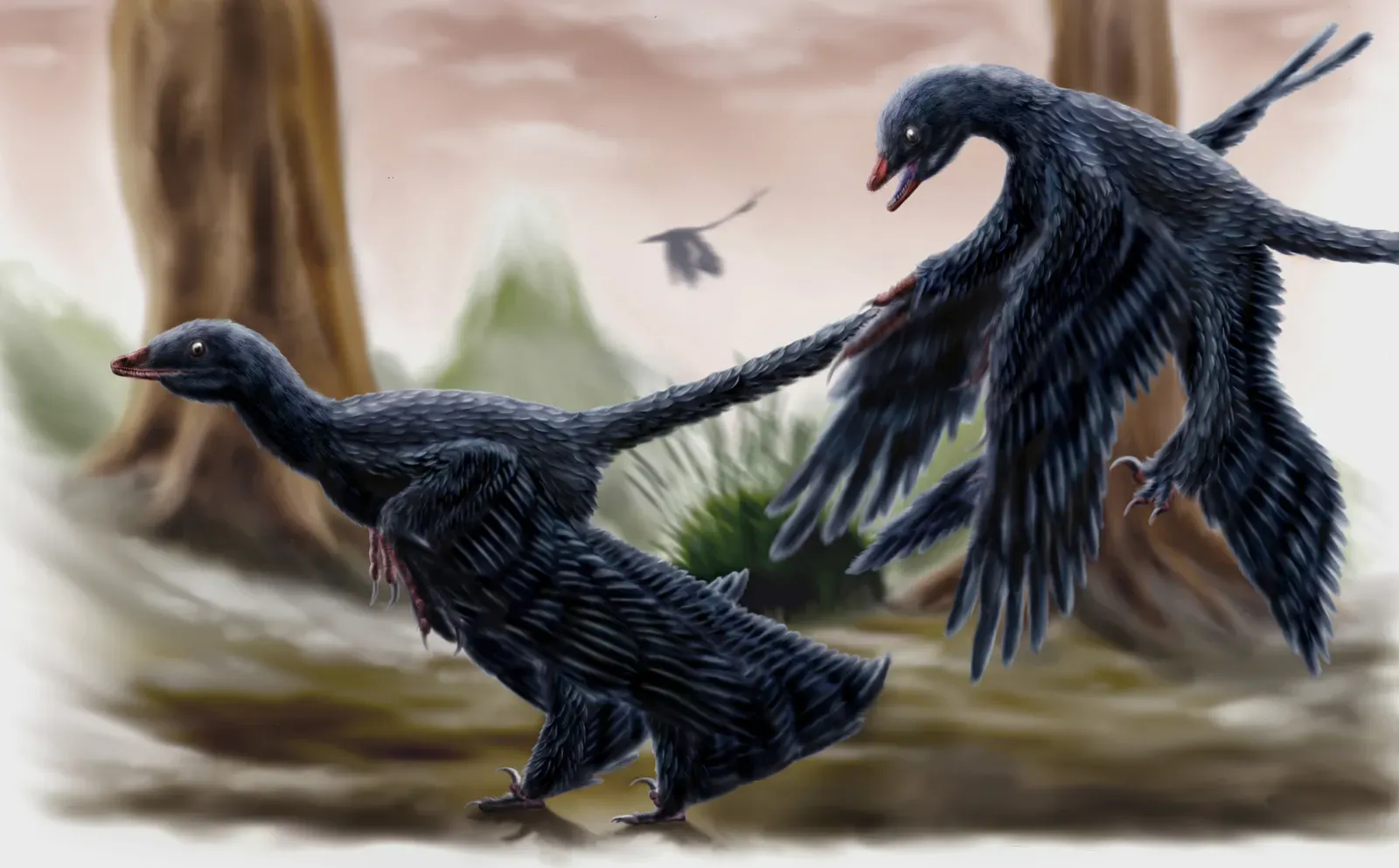
Here’s something that might blow your mind. The more paleontologists dig, the more feathered dinosaurs they find. Almost three decades have passed since the scientific debut of the first non-avian dinosaur with feathers, Sinosauropteryx. Bird-like raptors, tyrannosaurs, and even horned dinosaurs have been found with feathers and feather-like body coverings, revealing that fluff and fuzz were widespread among dinosaurs.
Hypotheses regarding the origin of feathers have focused on four main functions: flight, thermoregulation, display and tactile sensation. Thermoregulation is the most popular explanation for the function of early feathers, a hypothesis that is all the more attractive because the first dinosaurs recognized as feathered were small. At a glance, the filamentous feathers of non-coelurosaurs resemble mammalian fur and the down of modern birds, and probably had similar efficiency as insulation. Flight came later as a bonus adaptation, not the original purpose. Pretty clever of nature, right?
Ancient Ground Sloths Were Elephant-Sized Monsters
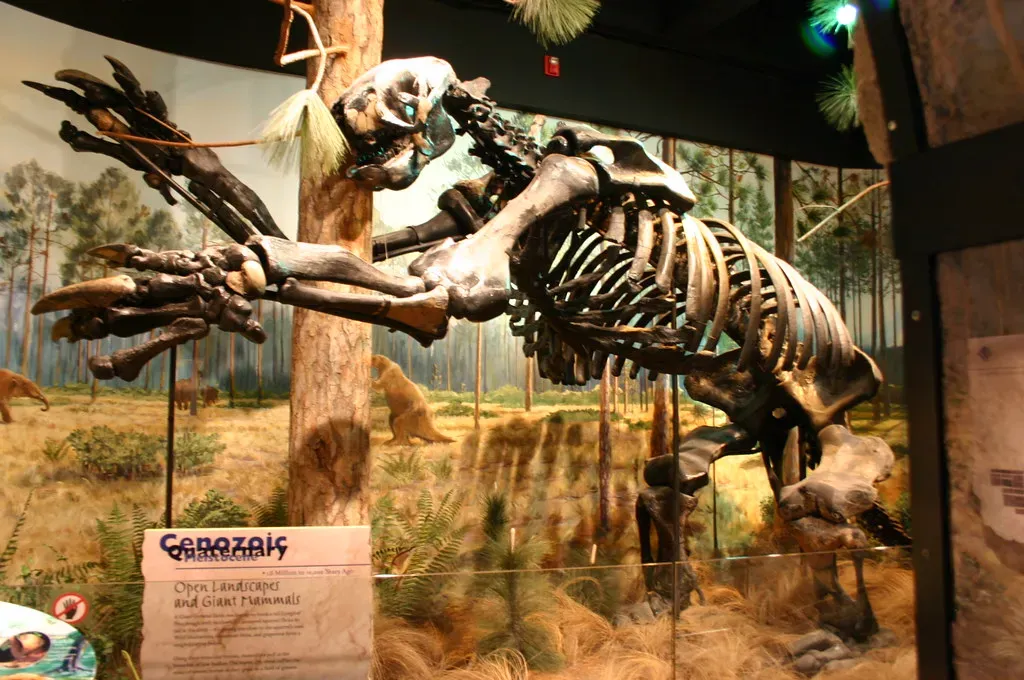
Modern sloths are adorable, slow-moving tree dwellers that barely grow beyond two feet. Their prehistoric ancestors? Absolute giants. One of the largest land animals ever known could grow to about the size of a modern elephant. By contrast, the two-toed sloth of today only grows to about two feet long and lives almost entirely in trees.
Prehistoric giant ground sloths once roamed the Americas. To defend themselves, ground sloths had long, sharp claws on the ends of several of their fingers: the 6m-long Eremotherium had four such claws, each nearly a foot in length. Imagine running into one of those on an ancient American plain. Today’s sloths are the miniaturized, significantly less intimidating versions of these behemoths that once dominated the landscape.
The Frilled Shark Is an 80-Million-Year-Old Living Relic
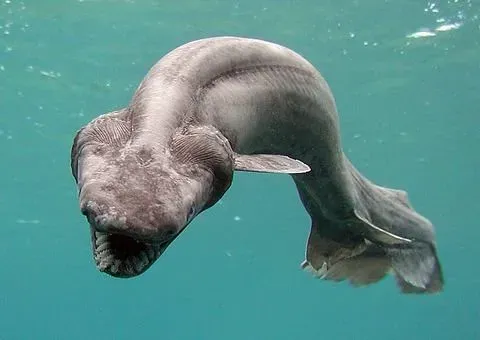
Frilled sharks are a mysterious deep-water shark, often called a living fossil. One of the oldest known shark species, they have been around seemingly unchanged for 80 million years. These creatures look like something out of a prehistoric nightmare with their eel-like bodies and rows upon rows of needle-like teeth.
Scientists believe the frilled shark has remained the same, both inside and out, since the Cretaceous Period, when the Tyrannosaurus rex and Triceratops still roamed the planet. They lurk in deep waters, sometimes as far down as nearly five thousand feet below the surface. Another study showed that frilled sharks may also have the longest gestation period of any living creature, 42 months. That’s three and a half years of pregnancy. Evolution really did some bizarre experiments with this one.
Armadillos Once Had Shells Big Enough for Human Shelters
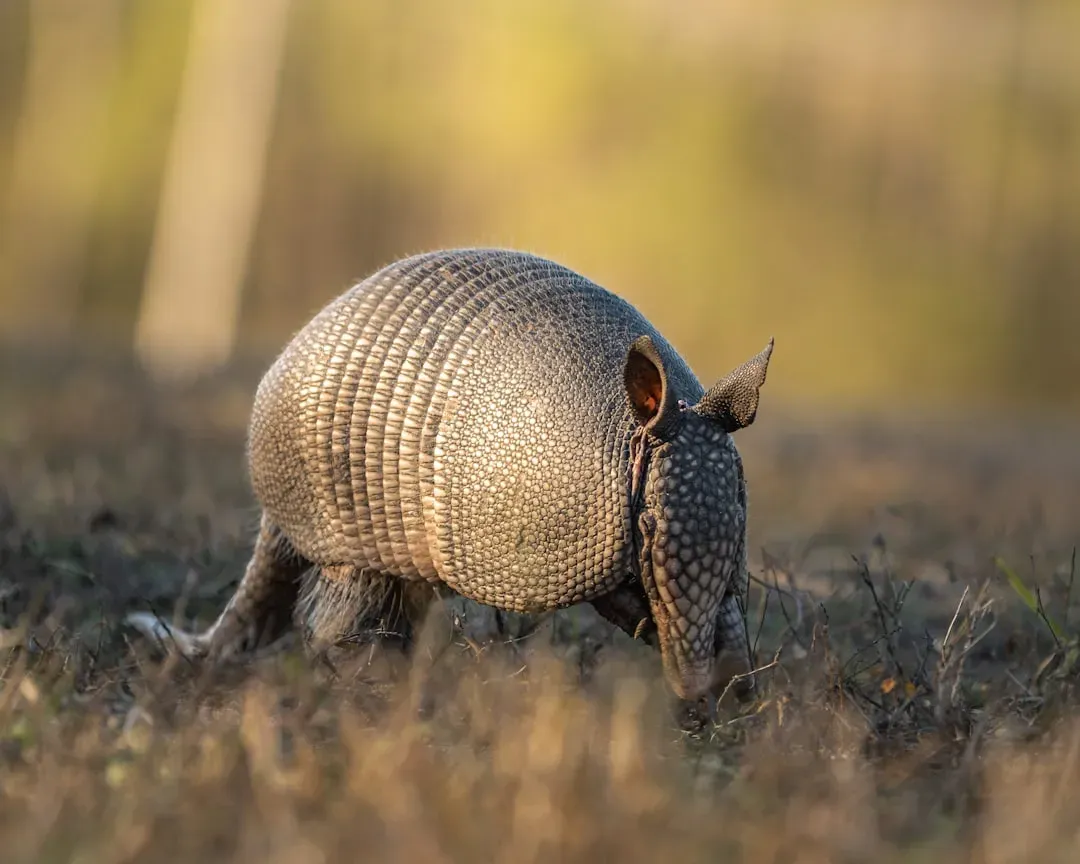
Today’s armadillos are small, armored mammals that scurry around looking for insects. Their ancient relatives were walking fortresses. Another mammal grouping that has shrunken in size over the years is the armadillo order. Glyptodonts like Doedicurus went extinct 11,000 years ago, and could grow to 13 feet long. They had huge armored shells and a spiked club at the end of their tail. Their shells were so big that ancient humans used them as shelters.
Today’s armadillos, like the nine-banded armadillo, don’t grow much longer than two or three feet in length and are much less fearsome. Talk about downsizing over the millennia. The glyptodonts were like living tanks, and early humans actually took advantage of their massive shells for protection from the elements. Modern armadillos seem almost cute by comparison.
Turtles Have Been Largely Unchanged for Over 200 Million Years
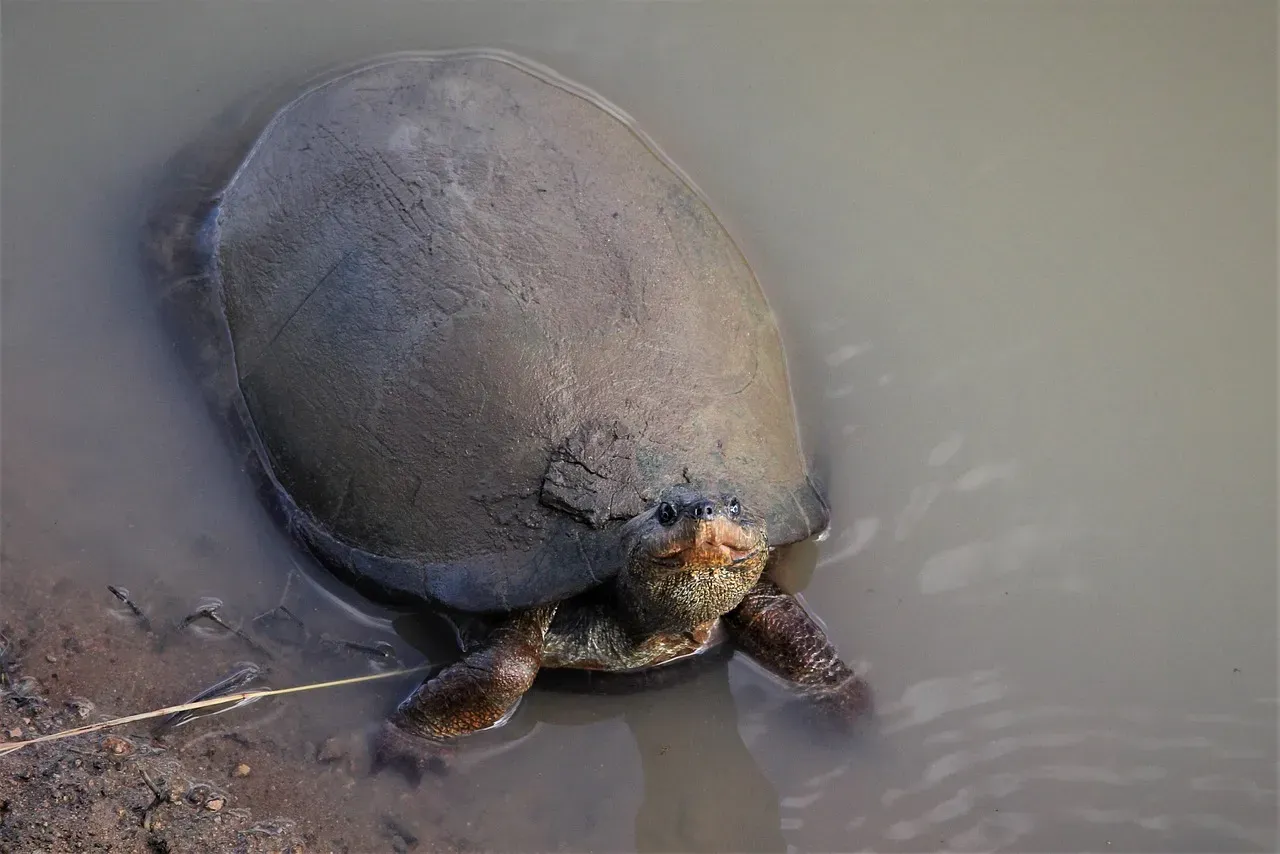
The seven species of sea turtle still around today all have ancient origins, but the most impressive turtle of all time is probably the Archelon. Living about 80 million years ago, the Archelon was over four metres long and was almost five metres wide from flipper to flipper. Today, the leatherback sea turtle is its closest living relative.
Picture a turtle so massive that a grown human could fit inside its shell. That was Archelon, a creature that swam alongside dinosaurs in ancient seas. Turtles managed to maintain their basic body plan through countless environmental changes and mass extinctions. Their shell design turned out to be one of nature’s most enduring blueprints for survival, protecting them from predators and environmental challenges for hundreds of millions of years.
Conclusion
The natural world is full of these astonishing connections that remind us just how intertwined life on Earth really is. From whales sharing ancestors with river-dwelling hippos to your garden robin being a legitimate dinosaur descendant, evolution has painted a picture far stranger than most fiction writers could imagine. These links between modern animals and their ancient relatives show us that life doesn’t follow straight paths but instead twists, adapts, and transforms in ways we’re only beginning to understand.
Next time you see a bird, a shark, or even a fluffy hyrax, remember you’re looking at the product of millions upon millions of years of evolutionary experimentation. What other hidden connections do you think are waiting to be discovered?