Have you ever watched a bird soar through the sky or observed a crocodile basking on a riverbank and wondered what secrets their ancestors hold? The reptiles we see today carry within them millions of years of evolutionary history, and some ancient lineages continue to shape the biological landscape around us in surprising ways. These living connections to prehistoric times aren’t just curiosities in a museum. They’re active participants in ecosystems worldwide, carrying traits that helped their ancestors survive mass extinctions and dramatic climate shifts.
The story of reptilian evolution is far from a simple tale of creatures frozen in time. It’s a dynamic narrative of adaptation, survival, and influence that reaches into every corner of modern wildlife. So let’s dive in and discover which ancient reptiles continue to leave their mark on the natural world today.
Crocodilians: The Semi-Aquatic Time Travelers
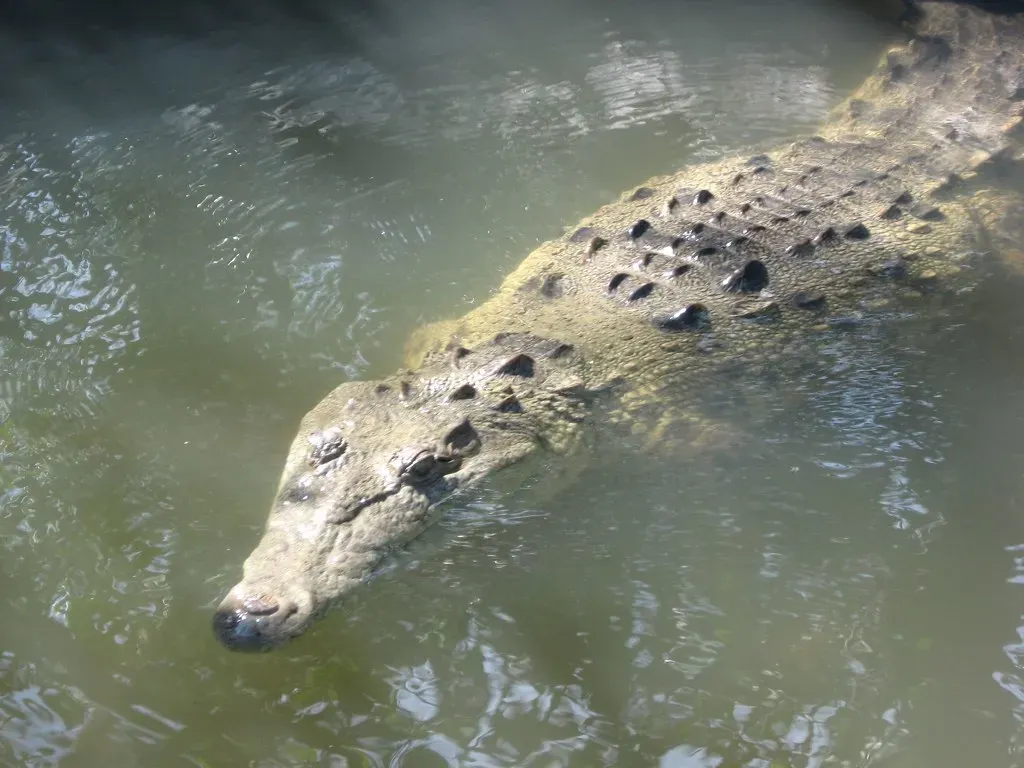
Crocodilians are members of the clade Archosauria, alongside birds, and they split into two main groups following the Permian-Triassic extinction event. Here’s the thing: when you look at a modern crocodile, you’re essentially looking at a body plan that has remained remarkably stable. The modern crocodilian body plan has existed since the Early Jurassic, around 200 million years ago, yet these creatures are anything but evolutionary relics stuck in neutral.
Modern crocodile species look so similar not because they’re conserving ancient traits, but because crocodiles are evolving the same skull shapes over and over again through time. Think of it like nature repeatedly arriving at the same successful solution. Warmer environmental temperatures are associated with high evolutionary rates and large body sizes in crocodilians, showing us that climate has been a driving force throughout their history. Their influence on modern wildlife extends beyond their own lineage – crocodiles are more closely related to birds than they are to lizards and snakes, revealing unexpected family ties that reshape our understanding of reptilian relationships.
Tuatara: New Zealand’s Living Blueprint
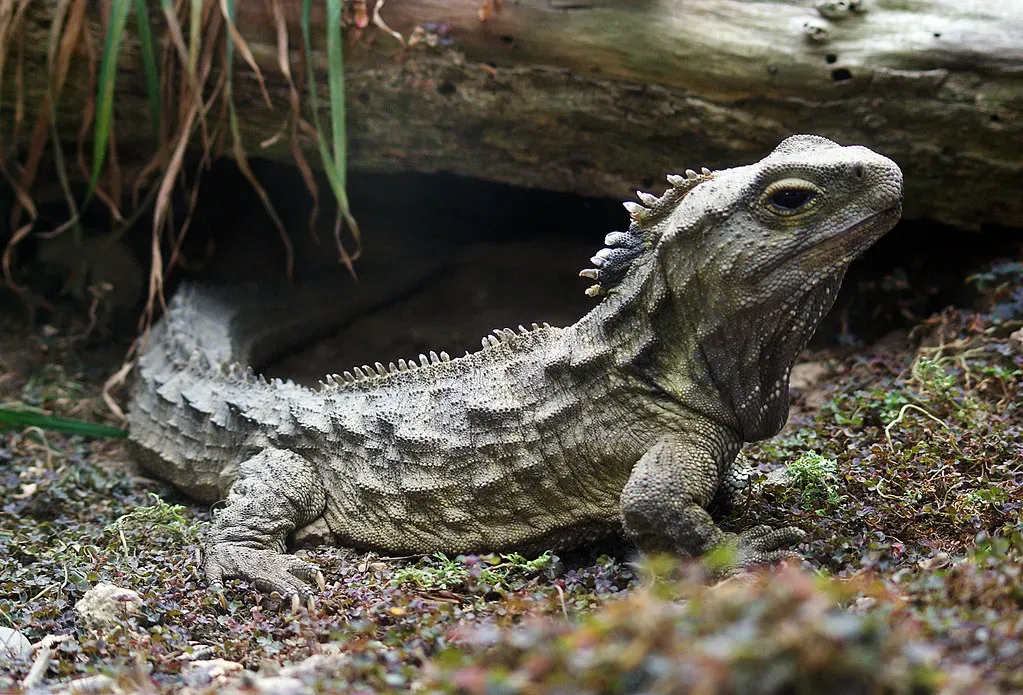
You might mistake a tuatara for a lizard at first glance, but that would be missing something extraordinary. The tuatara is the only extant member of a distinct lineage, the previously highly diverse order Rhynchocephalia. These creatures from New Zealand are truly unique. Rhynchocephalians first appeared in the fossil record during the Middle Triassic, around 244 to 241.5 million years ago, and reached worldwide distribution and peak diversity during the Jurassic.
What makes tuatara particularly fascinating is their relationship to modern lizards and snakes. Squamates, which include all lizards and snakes, make up the Lepidosauria – the largest group of terrestrial vertebrates on the planet today with approximately 11,000 species, and tuatara are their closest living relatives. Studies show that the bodies of modern tuatara appeared in the Jurassic era and have changed little in 190 million years, with the lack of change possibly representing natural selection on overdrive. Their persistence offers scientists crucial insights into how reptilian body plans evolved and diversified, serving as a living reference point for understanding the entire lepidosaur lineage that dominates modern ecosystems.
Archosaurs: The Blueprint for Diversity
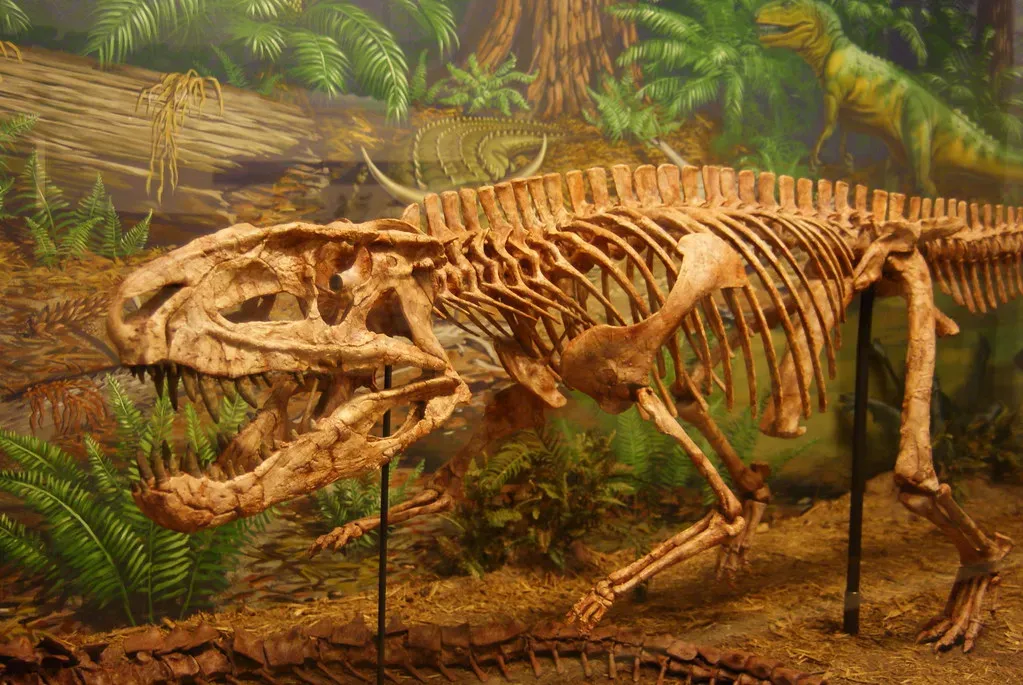
Let’s be real: understanding archosaurs means understanding the foundation of two of the most successful groups of animals alive today. The base of Archosauria splits into two clades: Pseudosuchia, which includes crocodilians and their extinct relatives, and Avemetatarsalia, which includes birds and their extinct relatives such as non-avian dinosaurs and pterosaurs. This ancient split created two radically different evolutionary paths that continue to thrive.
The first known archosaurs appeared in the Middle Triassic Period, about 246 million to 229 million years ago, evolving from an earlier group of diapsid reptiles with two openings in the skull behind the eye. The ancestral archosaurs experimented with body forms and lifestyles that seem almost alien today. Honestly, their impact is everywhere. According to current consensus, Aves and Crocodilia are the sole living members of an unranked clade, the Archosauria, meaning that every modern bird and crocodilian carries the genetic legacy of this ancient group. Their evolutionary innovations – from improved jaw mechanics to more efficient respiratory systems – set the stage for the incredible diversity we see in roughly half of all modern terrestrial vertebrates.
Turtles: The Shelled Survivors
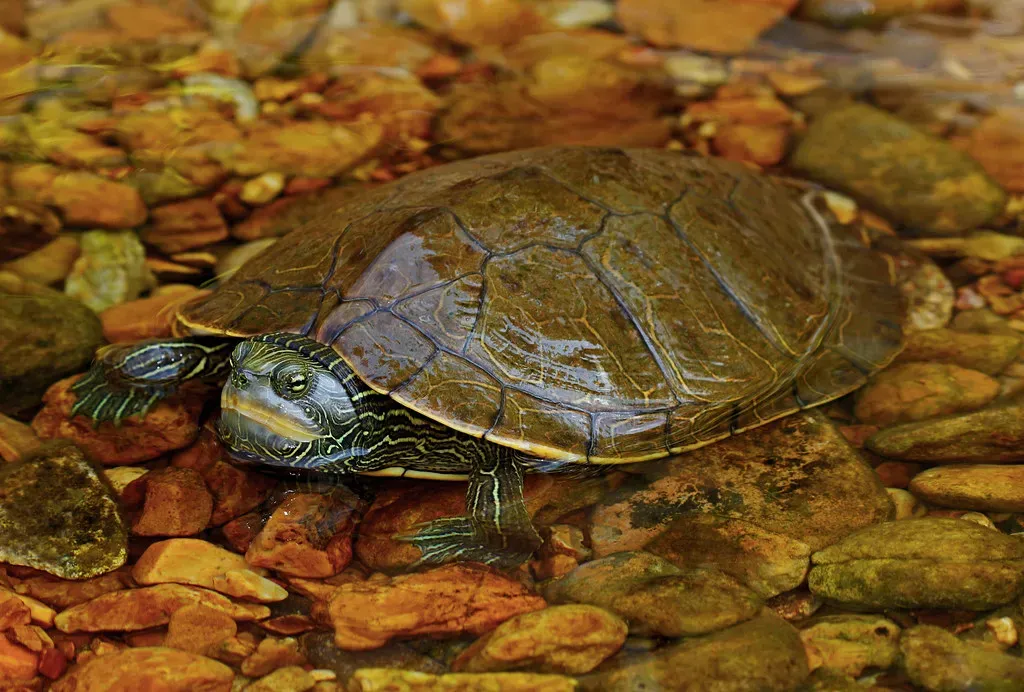
Turtles represent one of nature’s most enduring experiments in defensive architecture. Turtle fossils date back to around 220 million years ago and share remarkably similar characteristics, with these first turtles retaining the same body plan as all modern testudines. I know it sounds crazy, but their basic design has worked so well that evolution hasn’t needed to drastically alter it.
Recent studies have shown that turtles belong in the group Archelosauria, along with relatives like birds, crocodiles, and dinosaurs, with turtles evolving alongside dinosaurs and sea turtles emerging as a distinct type about 110 million years ago. This places them firmly within the broader story of archosaurian evolution, even though their unique shell structure sets them apart. Their influence on modern wildlife extends beyond their own survival – the turtle body plan proved that defensive specialization could be an effective long-term strategy, and their ability to occupy both aquatic and terrestrial niches has made them important components of ecosystems worldwide. Large reptiles still compose important megafaunal components, such as giant tortoises, large crocodilians and, more locally, large varanids.
Birds: Dinosaurs Among Us
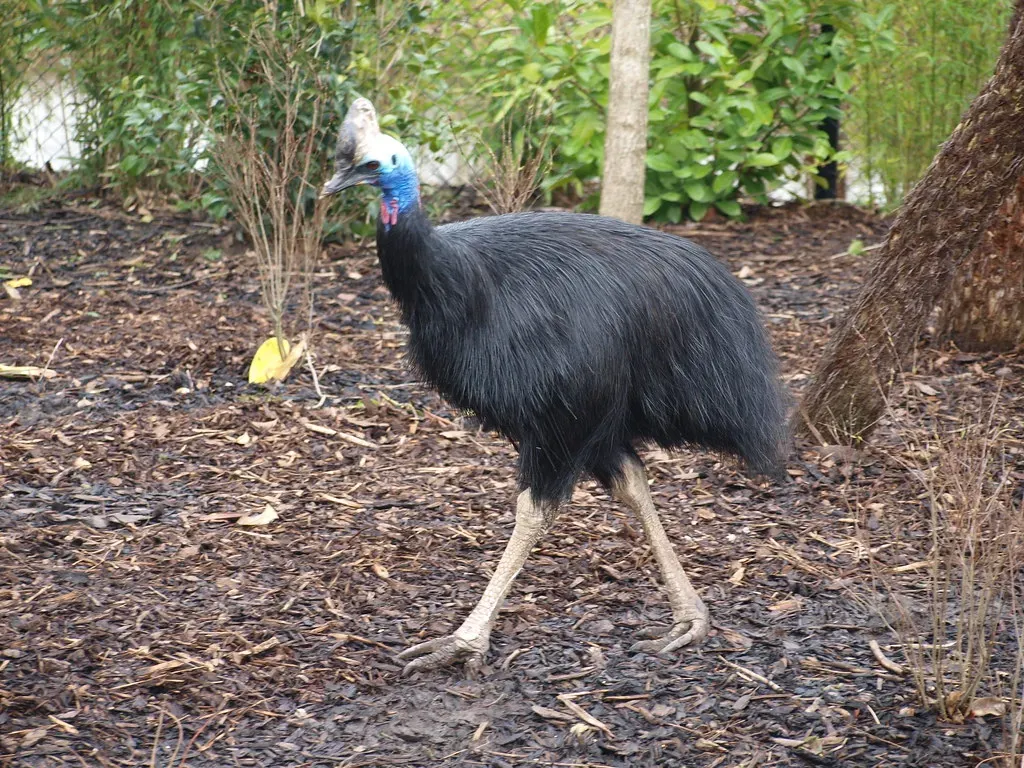
Every time you hear a crow caw or watch a hummingbird hover, you’re witnessing dinosaurs in action. The evolution of birds is thought to have begun in the Jurassic Period, with the earliest birds derived from theropod dinosaurs, and modern phylogenetics place birds in the dinosaur clade Theropoda. This isn’t just a technicality – birds are literally dinosaurs that survived the mass extinction event that wiped out their larger relatives.
Fossil studies have shown that chickens share a fair bit of DNA with Tyrannosaurus rex, with scientists comparing collagen from a T. rex leg bone with that of several modern-day species, confirming the theory that many dinosaurs were closer in nature to birds than lizards. That’s a connection that never fails to blow my mind. Birds have become the most diverse group of land vertebrates, with their influence touching nearly every terrestrial ecosystem on Earth. Morphological evolution and diversification seen in early reptiles were driven by rising global temperatures, showing that climate shaped not just ancient reptiles but also the ancestors of modern birds. Their success demonstrates how a single surviving lineage from the age of dinosaurs could radiate into thousands of species, from tiny hummingbirds to massive ostriches, each carrying forward the legacy of their theropod ancestors.
Conclusion
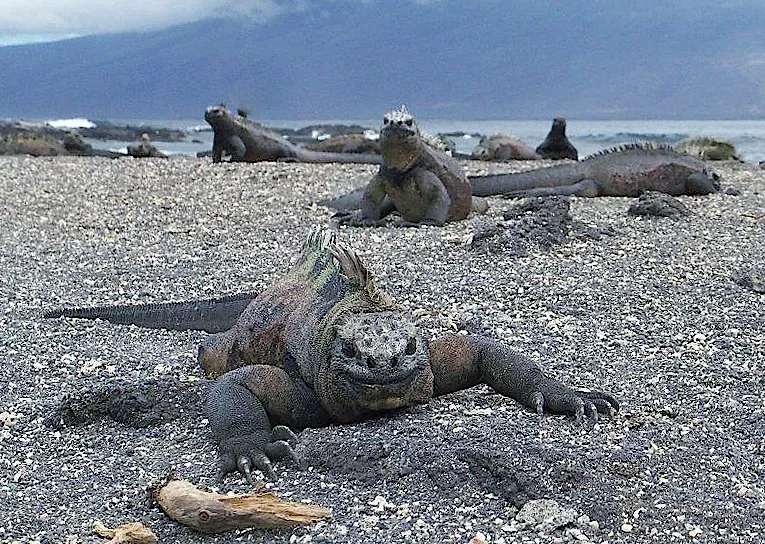
The ancient reptiles we’ve explored aren’t just historical footnotes – they’re active architects of the modern biological world. From the crocodilian’s powerful jaws that echo through wetlands worldwide, to the tuatara’s slow-burning metabolism in New Zealand’s cooler climate, to the remarkable fact that every bird you’ve ever seen is a living dinosaur, these lineages prove that the past never truly disappears. It transforms, adapts, and continues forward.
What strikes me most is how these creatures survived apocalyptic events that wiped out countless other species, then went on to shape the ecosystems we depend on today. The traits they carry – specialized teeth, protective shells, feathered bodies, temperature-dependent growth – are testaments to millions of years of trial and error. So what do you think? Next time you spot a bird or catch a glimpse of an alligator, will you see them differently, knowing they’re living bridges to worlds that vanished ages ago?