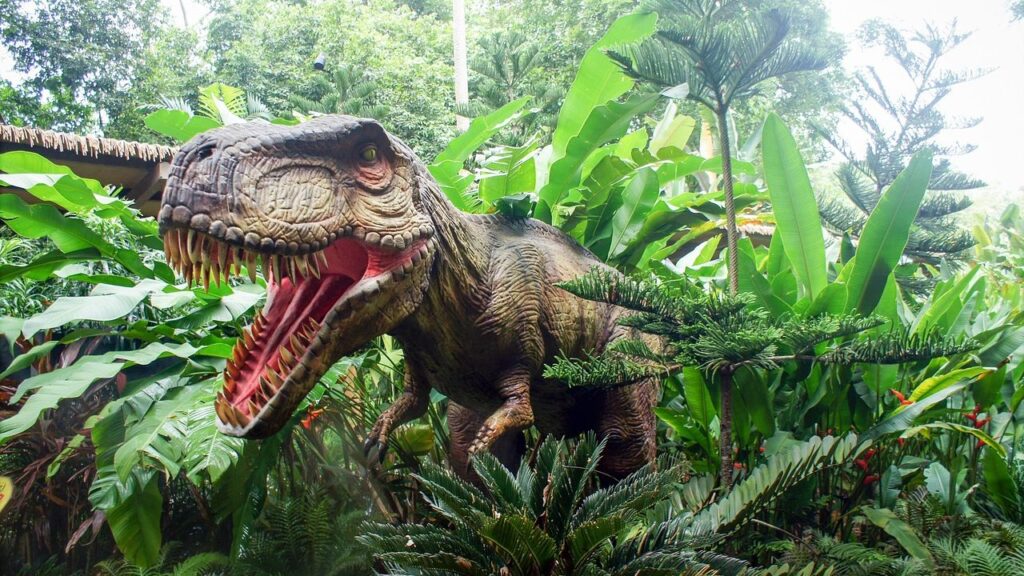
Picture yourself as a kid, watching a T. rex thunderously chase down a speeding Jeep in Jurassic Park, jaws snapping, eyes blazing with predatory intelligence. You walked out of that cinema absolutely convinced you knew what dinosaurs were like. Thrilling, terrifying, and completely cold-blooded in every sense of the word. Turns out, Hollywood owed you an apology.
Paleontology has quietly been staging a revolution for decades, and the dinosaurs that scientists are uncovering today look almost nothing like the movie monsters or the dusty textbook illustrations you grew up with. From their metabolism to their family lives, from their feathers to their mating rituals, nearly everything has been rewritten. Let’s dive into the myths you need to leave behind right now.
Dinosaurs Were Slow, Lumbering Cold-Blooded Creatures
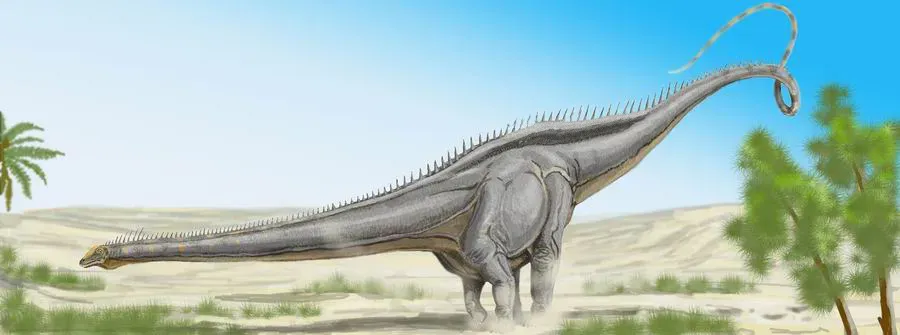
Here’s the thing. For generations, the image of a dinosaur was essentially a giant, sluggish lizard sunbathing on a prehistoric rock. In older dinosaur books, T. rex and Brontosaurus were portrayed as ponderous beasts resembling overgrown lizards. It was once thought that dinosaurs had the same cold-blooded, or ectothermic, metabolism as reptiles, meaning they could not control their body temperatures internally, relying on their environment to heat themselves up, and because of this, they grew and moved slowly. That image is now firmly in the trash.
The lizard-hipped dinosaurs, including theropods and sauropods, which covered the two-legged predatory dinosaurs like Velociraptor and T. rex and the giant long-necked herbivores like Brachiosaurus, were warm- or even hot-blooded. Researchers were surprised to find that some of these dinosaurs were not just warm-blooded but had metabolic rates comparable to modern birds, much higher than mammals. That is a pretty staggering revelation when you stop to think about it.
All Dinosaurs Had the Same Metabolism
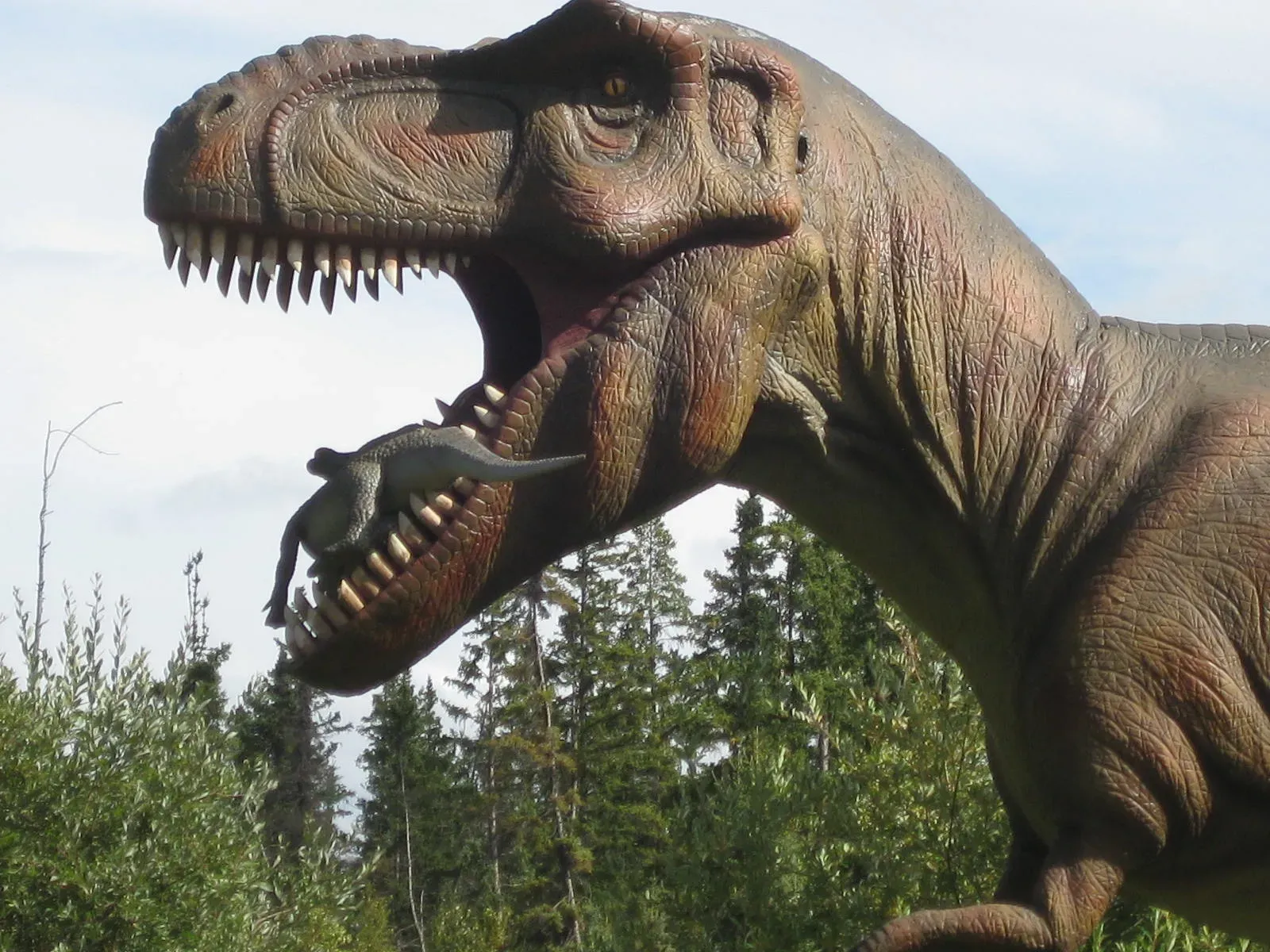
Let’s be real, the idea that an entire animal group spanning over 165 million years all operated the same biological engine never really made sense. And science has proven just that. Dinosaur metabolisms were diverse; some lineages were cold-blooded like their lizard cousins, while others were warm-blooded like their avian relatives alive today. Think of it like comparing a hummingbird to a Komodo dragon. Same planet, completely different machines.
There are two big groups of dinosaurs, the saurischians and the ornithischians. The bird-hipped dinosaurs, like Triceratops and Stegosaurus, had low metabolic rates comparable to those of cold-blooded modern animals. The lizard-hipped dinosaurs, including theropods and sauropods, were warm- or even hot-blooded. So Stegosaurus may have been basking to warm up each morning, while Velociraptor was already sprinting. Wild, right?
T. rex Was a Lightning-Fast, Unstoppable Predator
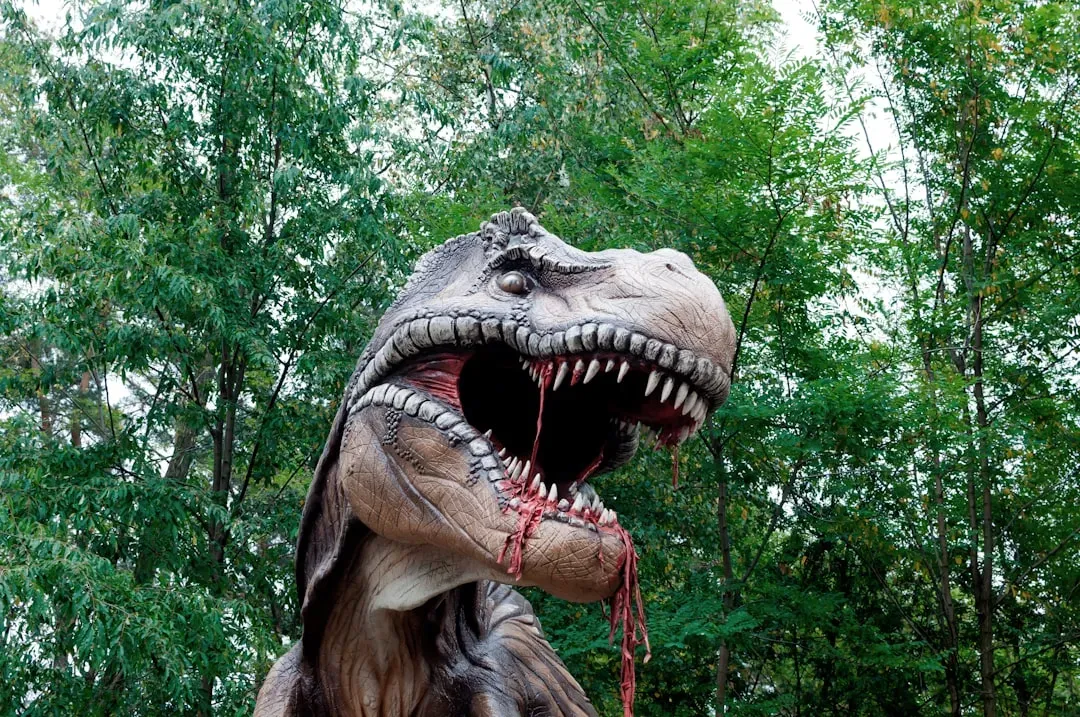
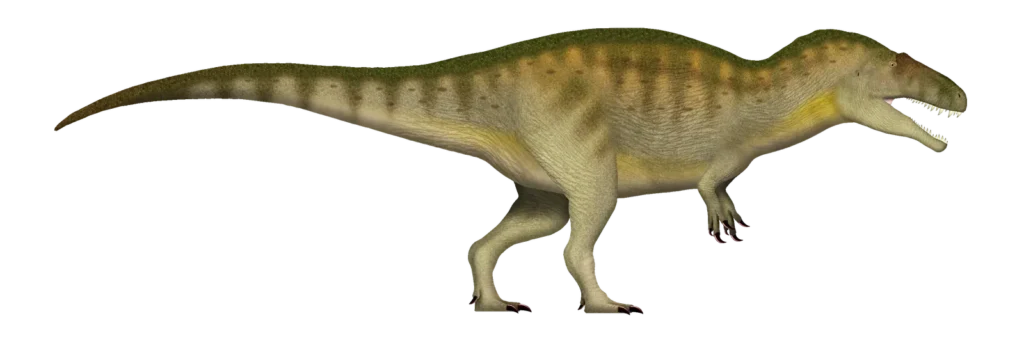
You’ve seen the Jurassic Park scene. The Jeep is flooring it. The T. rex is right there, matching speed step for thunderous step. It is genuinely one of cinema’s most iconic moments. It is also pretty far from scientific reality. T. rex was not the speed demon it is often made out to be. Research suggests that T. rex could barely run faster than a human. T. rex probably had a top speed of only around 16 kilometres per hour, but the dinosaurs it preyed on would not have been moving much faster either.
Honestly, that changes the whole picture of how T. rex hunted. Rather than a blazing sprint predator, it was more of a calculated, patient ambush animal. Far from being unintelligent evolutionary dead ends, dinosaurs were complex creatures that thrived for over 165 million years, adapting to changing environments and developing sophisticated behaviors. A creature that dominant for that long clearly knew what it was doing, even if it wasn’t winning any foot races.
Dinosaurs Were Scaly Reptiles With No Feathers
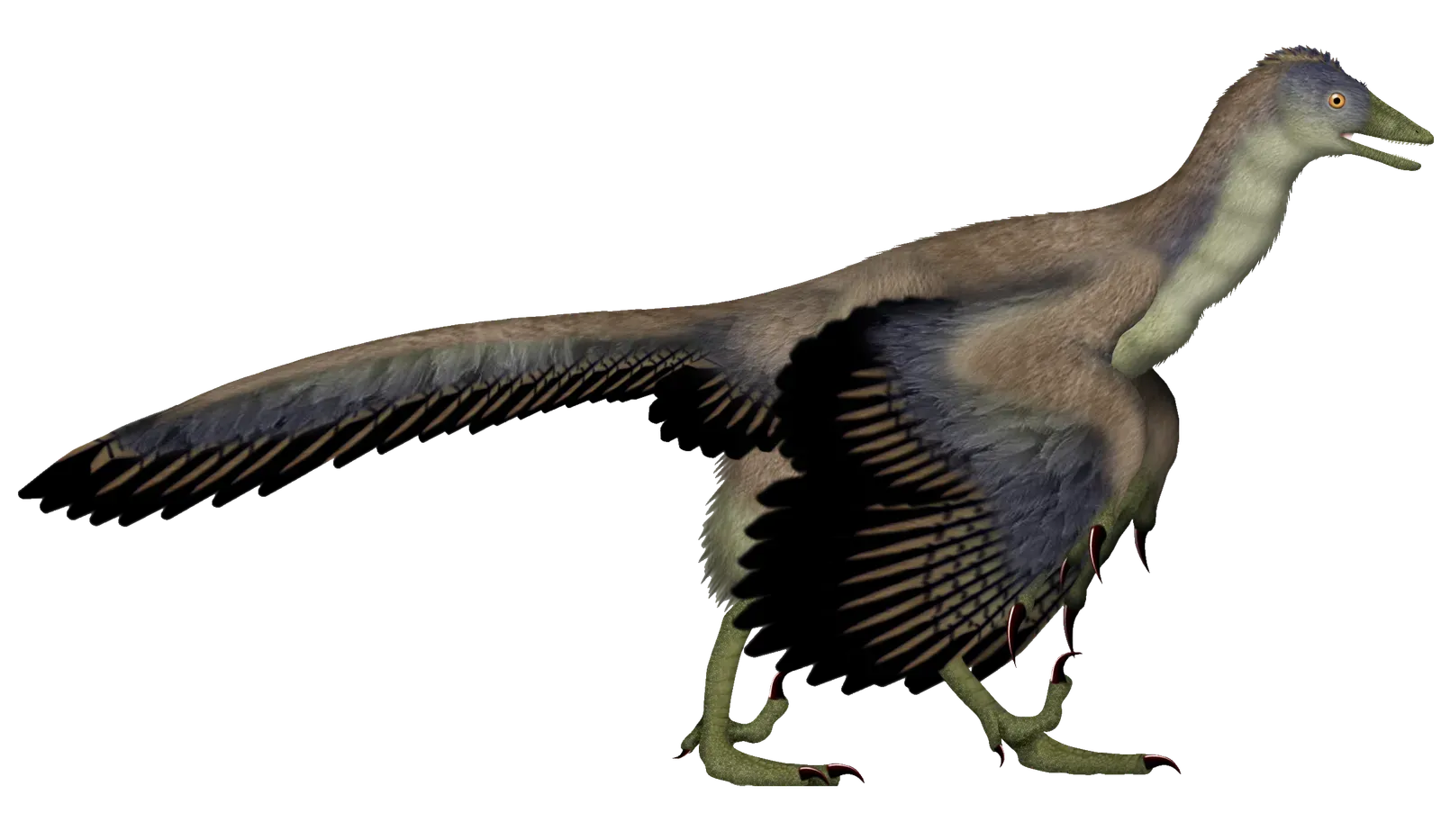
This is possibly the most visually dramatic myth of the bunch, and the one that still catches people completely off guard. You grew up imagining rough, reptilian scales from snout to tail. A feathered dinosaur is any species of dinosaur possessing feathers, including all species of birds. In recent decades, evidence has accumulated that many non-avian dinosaur species also possessed feathers or feather-like structures in some shape or form. Your mental image just got a serious makeover.
Among non-avian dinosaurs, feathers or feather-like integument have been discovered in dozens of genera via direct and indirect fossil evidence. Although the vast majority of feather discoveries have been in coelurosaurian theropods, feather-like integument has also been discovered in at least three ornithischians, suggesting that feathers may have been present on the last common ancestor of a wider dinosaur group. Paleontologists are even advancing the study by utilizing electron microscopy to determine the colors and patterns of feathered dinosaurs, which can provide insights into their camouflage, mating, and adaptations. So yes, some of these creatures were arguably quite beautiful.
Dinosaurs Were Solitary, Uncaring Parents
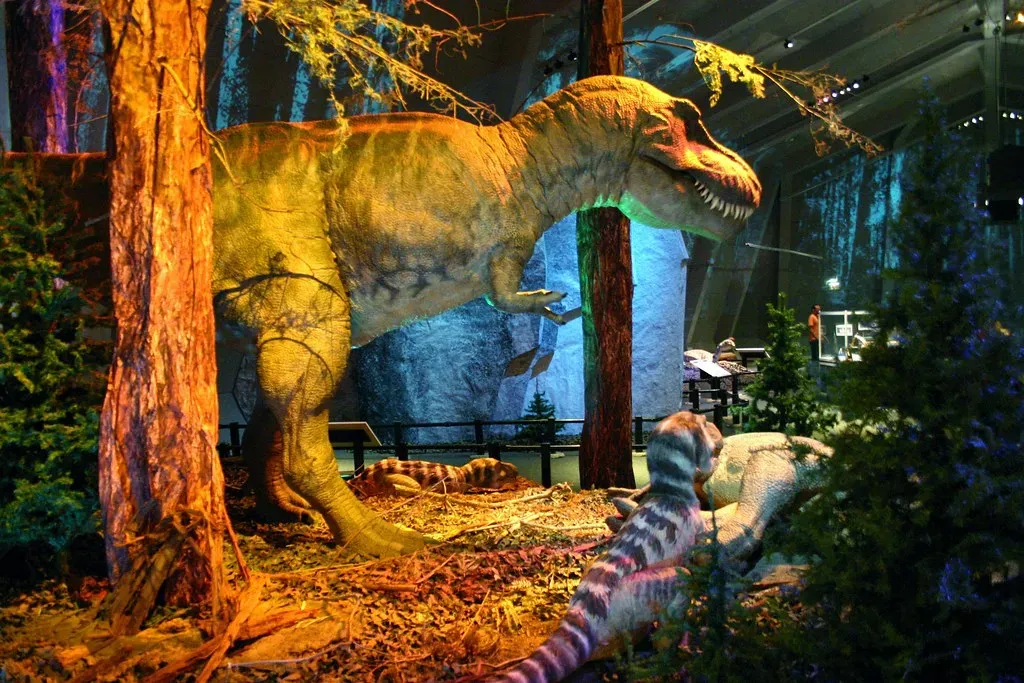
The idea of a dinosaur tenderly watching over its young probably makes a lot of people chuckle. These were killing machines, right? Cold, indifferent, ancient. Except they really were not. Their skeletal structures allowed efficient movement, their metabolisms were complex, and many displayed sophisticated behaviors like nesting and caring for young. The fossil record on this is genuinely touching.
A dramatic specimen of the small ornithischian dinosaur Psittacosaurus from Liaoning in China reveals a single adult clustered with 34 juveniles within an area of just 0.5 square metres, providing strong evidence for post-hatching parental care in Dinosauria. Parental attention to the young was variable, ranging from protection from predators to possible parental feeding of nest-bound hatchlings. If that doesn’t make you feel something, honestly, I don’t know what will.
Dinosaurs Were Completely Silent and Didn’t Communicate

If you imagine the Mesozoic era as a world of eerie, heavy silence punctuated only by the crunch of bones, you are probably missing a very loud and fascinating soundtrack. Older studies suggest that dinosaurs like the Lambeosaurus may have used their specialized hollow horn structures to create vocalizations specific to mating. Communication was very much part of their world.
Living dinosaurs, which are birds, and their closest living relatives, crocodilians, share many derived features of reproduction, including vocal communication between parents and offspring prior to hatching, which are probably features that would be expected to be found in all extinct dinosaurs. If baby crocodiles call to their mothers from inside the egg today and baby dinosaurs likely did the same, then prehistoric forests were far from quiet. They were genuinely noisy family environments.
Dinosaurs Had No Complex Courtship or Mating Rituals
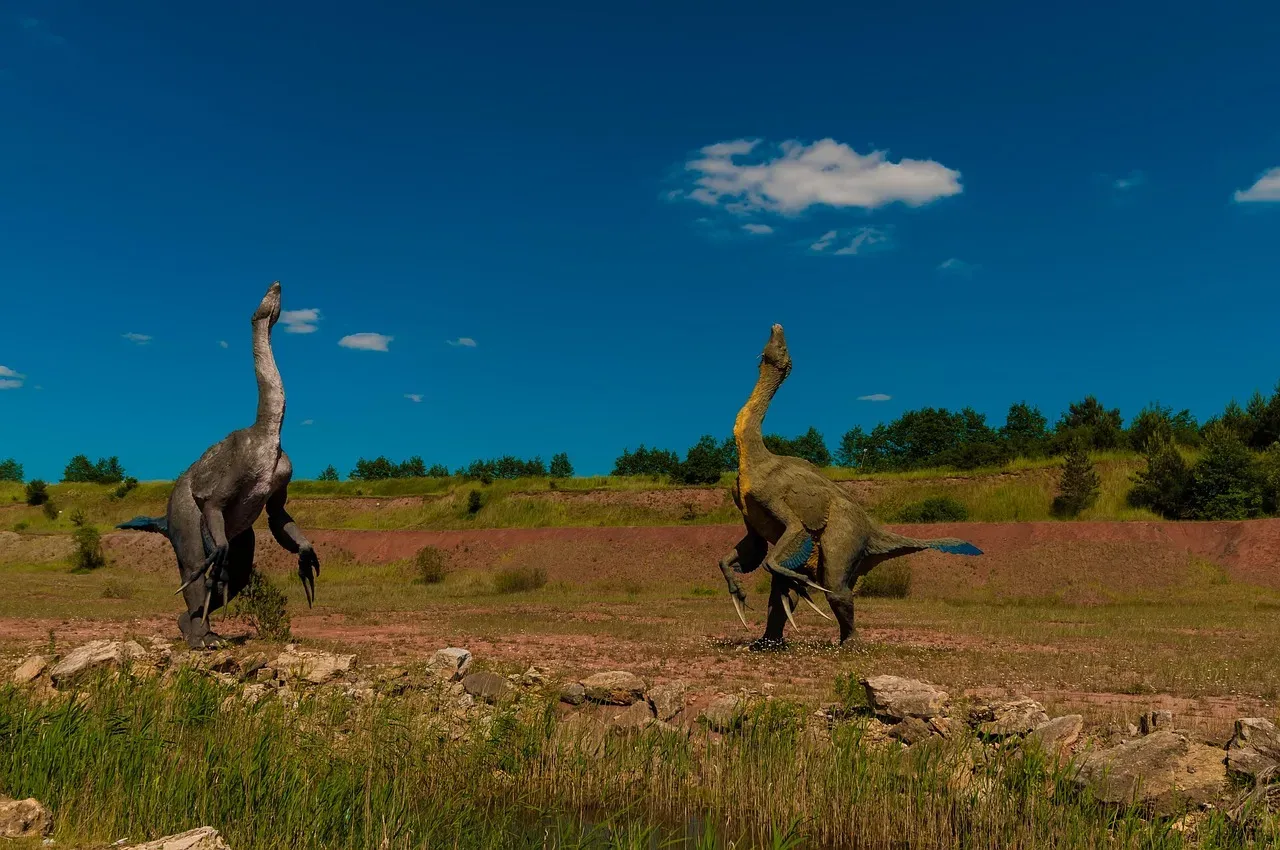
You might think of courtship displays as something reserved for peacocks or red-throated frigate birds. Surely not giant prehistoric reptiles? New discovery suggests that some sites are large mating display arenas, also called leks, rather than small nesting areas. Traces were generated by backward kicking movements repeated by both the left and right foot, and some impressions suggest the dinosaurs turned clockwise as they scraped their claws through the sand, indicating a unique, repetitious dance. That’s extraordinary.
Some dinosaurs, like Ornithomimids, had feathered arms resembling wings but their bodies were too heavy for flight. These wings were potentially used in mating displays, like some birds’ plumage does today. There is an increasing body of evidence that supports the display hypothesis, which states that early feathers were colored and increased reproductive success. Coloration could have provided the original adaptation of feathers, implying that all later functions of feathers, such as thermoregulation and flight, were co-opted. So feathers may have started as a dating strategy. Nature’s oldest pickup line.
Dinosaur Behavior Is Fully Understood by Science
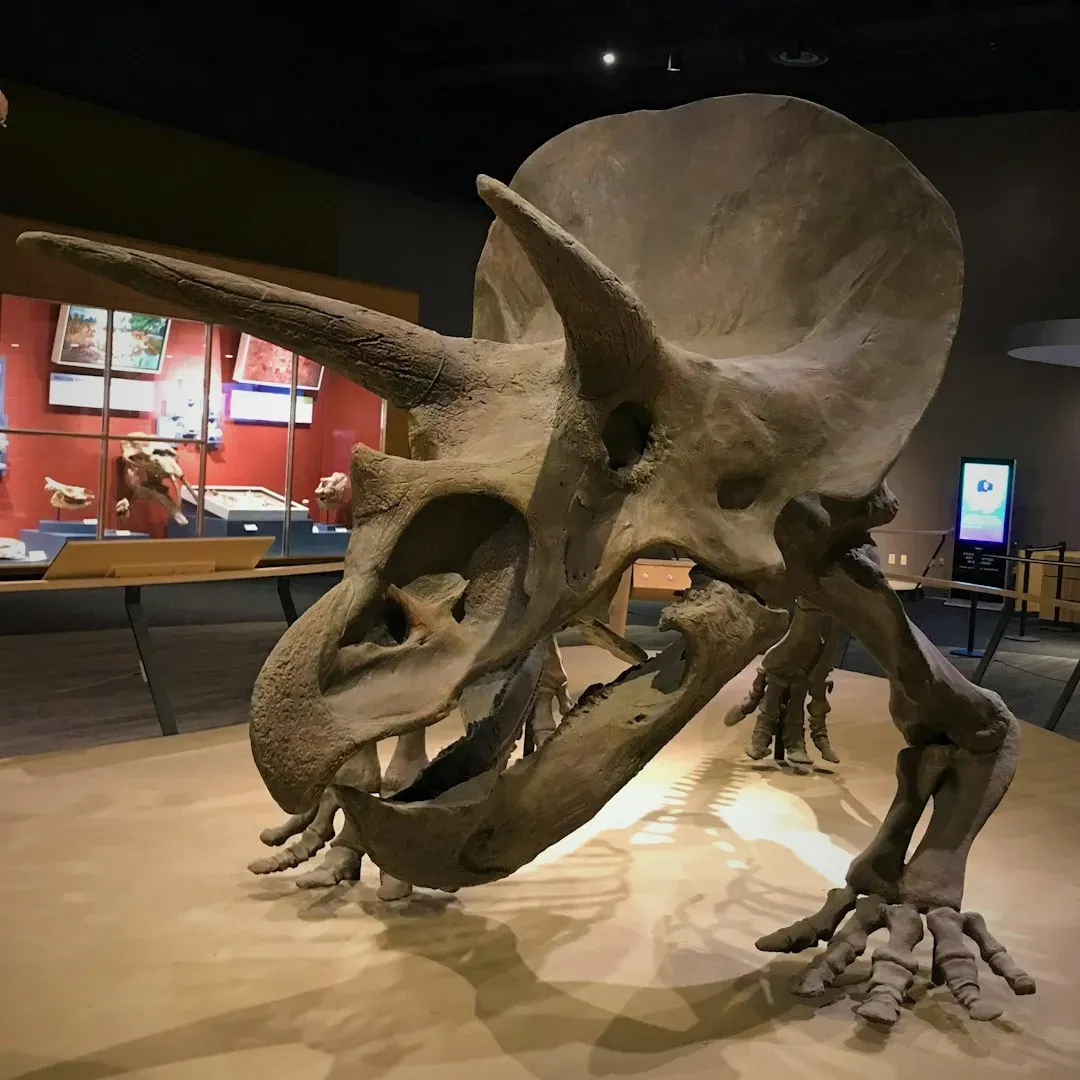
Here is a myth that perhaps science itself has occasionally been guilty of feeding. Our understanding of dinosaur behavior has long been hampered by the inevitable lack of evidence from animals that went extinct more than sixty-five million years ago and whose daily behaviors are rarely reflected by the fossil record. Today, with the discovery of new specimens and the development of cutting-edge techniques, paleontologists are making major advances in reconstructing how dinosaurs lived and acted. It’s an exciting frontier, but it remains a frontier.
Overall, interpreting dinosaur behavior is profoundly difficult due to both the limitations of the fossil record and the diversity and plasticity seen in the behavior of animals alive today. Much of the scientific literature tends toward a confidence in interpreting dinosaurian behaviors that probably should not be there, while failing to recognize alternate possibilities and the inherent uncertainty of interpreting ancient behaviors. Paleontologists are advancing the study using new techniques such as electron microscopy to determine the colors and patterns of feathered dinosaurs, providing insights into their camouflage, mating, and environmental adaptations, though interpreting behavior from fossils remains challenging due to the limitations of fossil evidence. The picture keeps sharpening, and that’s the whole point.
Conclusion
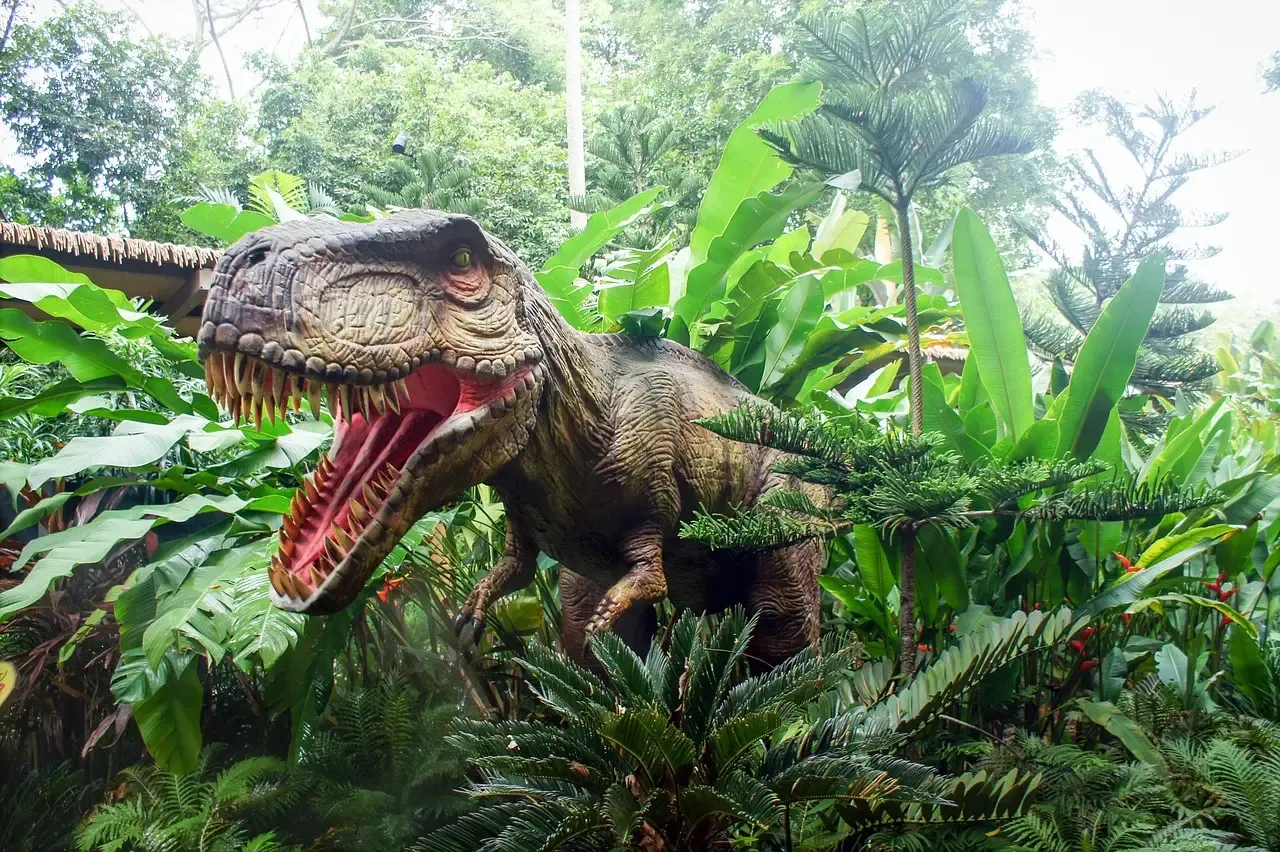
The dinosaurs of your childhood imagination, the slow, scaly, roaring monsters of cinema and old encyclopedias, were always more fiction than fact. What paleontology is slowly, methodically revealing is something far more awe-inspiring: creatures of breathtaking diversity, complex family lives, elaborate courtship dances, warm blood pumping through many of their veins, and feathered bodies that would barely look out of place in a tropical rainforest today.
Every year, roughly about thirty new dinosaur species are described and added to the known record. That means the story is still being written, and the next discovery could shatter another assumption you didn’t even know you were holding. The real question is: which myth do you think will be the next to fall? Tell us what you think in the comments below.