
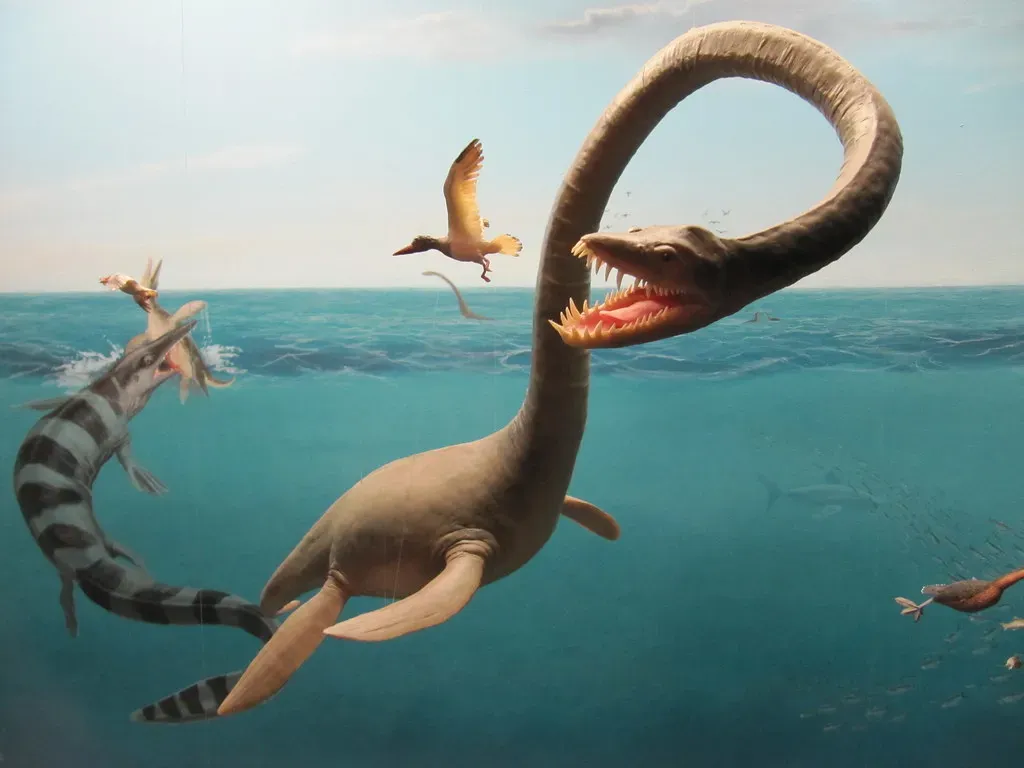
Millions of years before the first shark patrolled the open ocean, the ancient seas were already ruled by creatures so extraordinary, so perfectly engineered for predation and survival, that modern marine life looks almost tame by comparison. We’re talking about giants. Monsters with flippers the size of car hoods, jaws that could swallow a person whole, and eyes larger than dinner plates built to pierce the blackness of the deep. These weren’t dragons or myths. They were real.
What makes them even more mind-bending is how much their behavior actually mirrored modern animals we know today. Warm blood. Live birth. Ambush hunting. Social grouping. Camouflage. You’ll be surprised to learn just how sophisticated these ancient reptiles truly were. So let’s dive in.
1. Ichthyosaurs Were Warm-Blooded – Not the Cold-Blooded Reptiles We Assumed
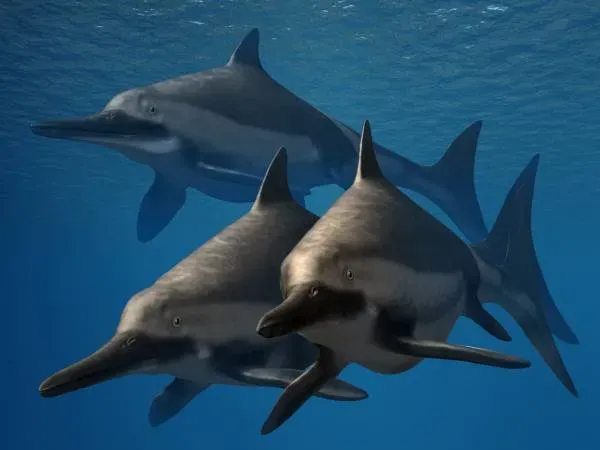
Here’s the thing: for a very long time, scientists simply assumed that because ichthyosaurs were reptiles, they must have been cold-blooded. It seemed logical. Reasonable, even. Then the evidence came in and completely upended that assumption. An international team of paleontologists found the exceptionally preserved remains of a Stenopterygius ichthyosaur that lived 180 million years ago, and the fossil was so well-preserved that its soft tissues retained some of their original flexibility. Molecular and microstructural analyses revealed that this creature was warm-blooded, had insulating blubber, and used its coloration as camouflage from predators.
The isotopes of oxygen ratio in their teeth indicates a body temperature of between 35 and 39 degrees Celsius, roughly 20 degrees higher than the surrounding seawater. A 2025 study further suggested that ichthyosaurs were homeothermic endotherms, having a body temperature of 31 to 41 degrees Celsius. That is essentially the operating temperature of a modern whale. Think about that for a moment. A reptile, running physiologically hot, slicing through Jurassic seas with the metabolic power of a mammal. Science keeps rewriting what we think we know.
2. They Gave Live Birth – Far Out in the Open Ocean
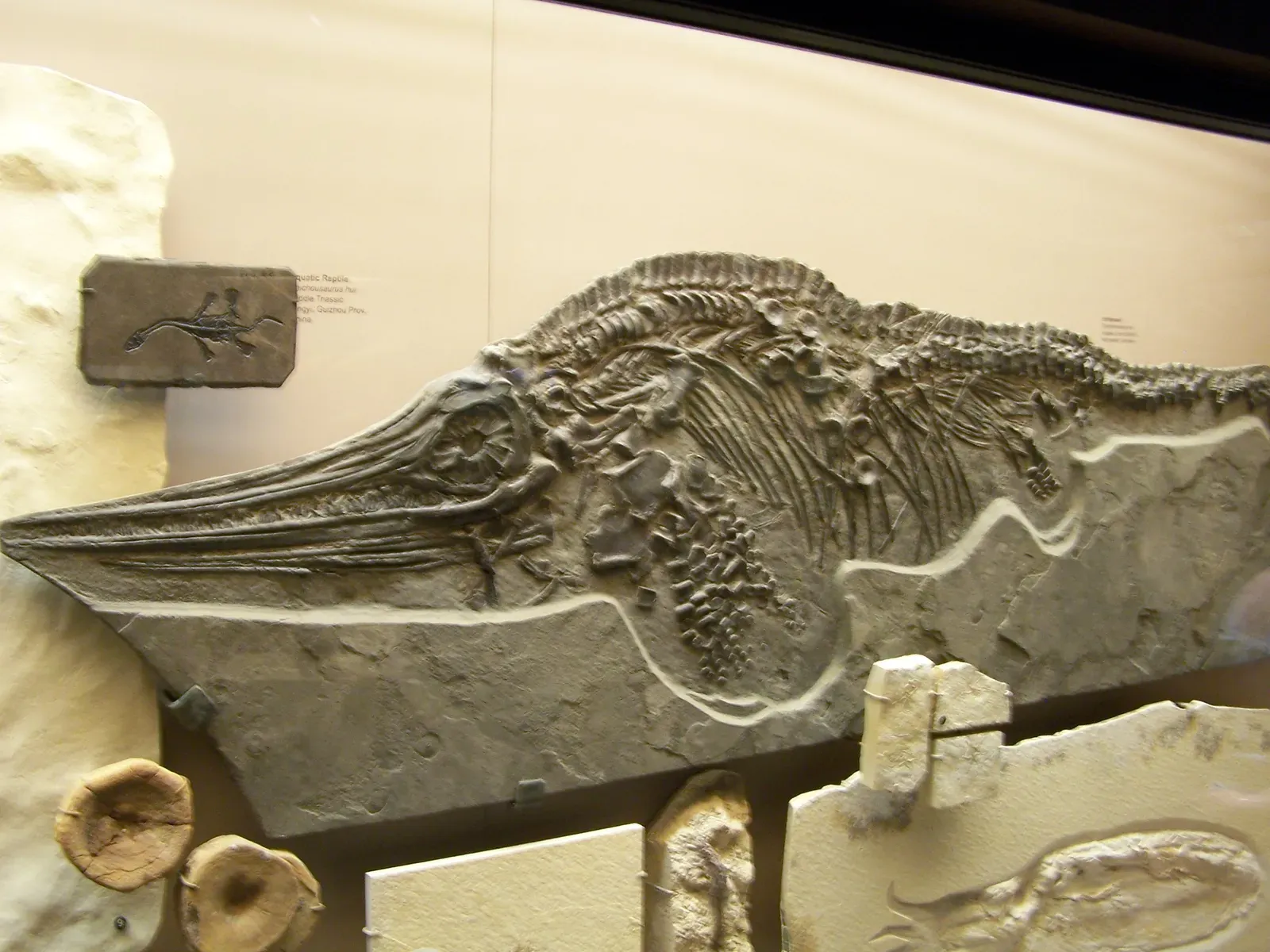
You might expect prehistoric reptiles to drag themselves onto a beach, dig a hole, and drop a clutch of eggs. That’s what most modern reptiles do, after all. Plesiosaurs such as Polycotylus gave live birth instead of laying eggs on land. Ichthyosaurs went even further. Several slab fossils of ichthyosaurs have been found that seem to capture a birth scene, revealing that they were ovoviviparous, hatching eggs inside the mother’s body and giving birth to live young. Their tail fins were so well-developed that the young could swim on their own immediately after birth.
Evidence suggests that ichthyosaurs returned again and again to the same area to give birth. Fossil evidence showing different specimens spread across geologic time with the same demographic patterns tells us that certain locations were preferred habitats that these large oceangoing predators returned to for generations. This clear ecological signal, researchers argue, mirrors the birthing behavior of today’s whales, with evidence pushing that behavior back roughly 230 million years. Honestly, it’s staggering. These creatures were behaving like modern cetaceans long before cetaceans even existed.
3. Ichthyosaurs Hunted in Silence – Like Underwater Owls
Most people picture prehistoric sea predators as noisy, thunderous things – all aggression and splash. The reality, at least for some ichthyosaurs, was far more elegant. A new study uncovered evidence that a giant marine reptile from the Early Jurassic period used stealth to hunt its prey in deep or dark waters, much like owls on land today. The discovery came from a remarkably preserved flipper fossil, and what it revealed was genuinely jaw-dropping.
The wing-like shape of the flipper, together with the lack of bones in the distal end and a distinctly serrated trailing edge, collectively indicate that this massive animal had evolved means to minimize sound production during swimming. This ichthyosaur must have moved almost silently through the water, in a manner similar to how living owls, whose wing feathers form a zigzag pattern, fly quietly when hunting at night. A reptile that evolved silent swimming for stealth ambush. You genuinely could not make this up.
4. Mosasaurs Were Apex Predators on an Entirely New Level
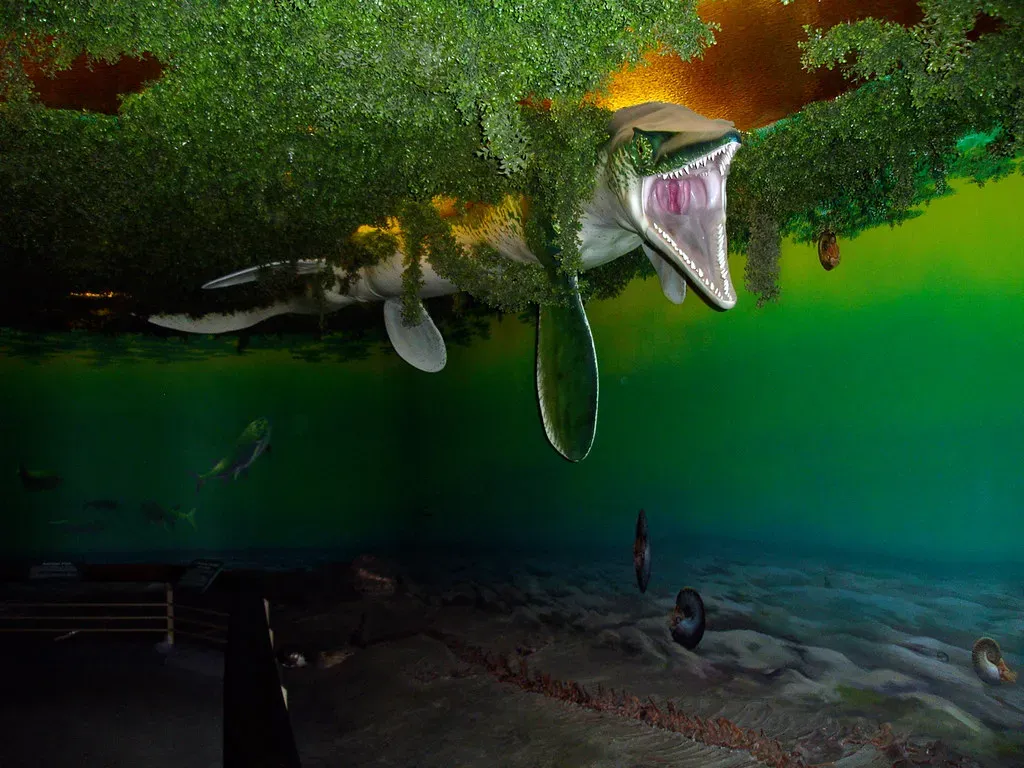
Let’s be real – when we talk about apex predators, we usually mean great white sharks or orcas. But those animals sit at roughly the top of a six-level food chain. Research discovered a previously unseen seventh level in ancient oceans that was filled with enormous marine reptiles. Some, such as Sachicasaurus and Monquirasaurus, could grow up to and beyond 10 metres long and are known as hyper-apex predators. Nothing alive today occupies that ecological tier.
Around 130 million years ago, the ocean’s most dominant hunters held far more power than any marine predator alive today. Recent research from McGill University reveals that during the Cretaceous period, some sea creatures sat at the very top of an extraordinarily complex food chain, surpassing modern standards of ecological dominance. Stomach contents of mosasaurs reveal ammonites, bony fish, sea turtles, plesiosaurs, and even sea birds. They were eating everything. Nothing was off the menu.
5. Mosasaurs Had Snake-Like Double-Hinged Jaws to Swallow Prey Whole
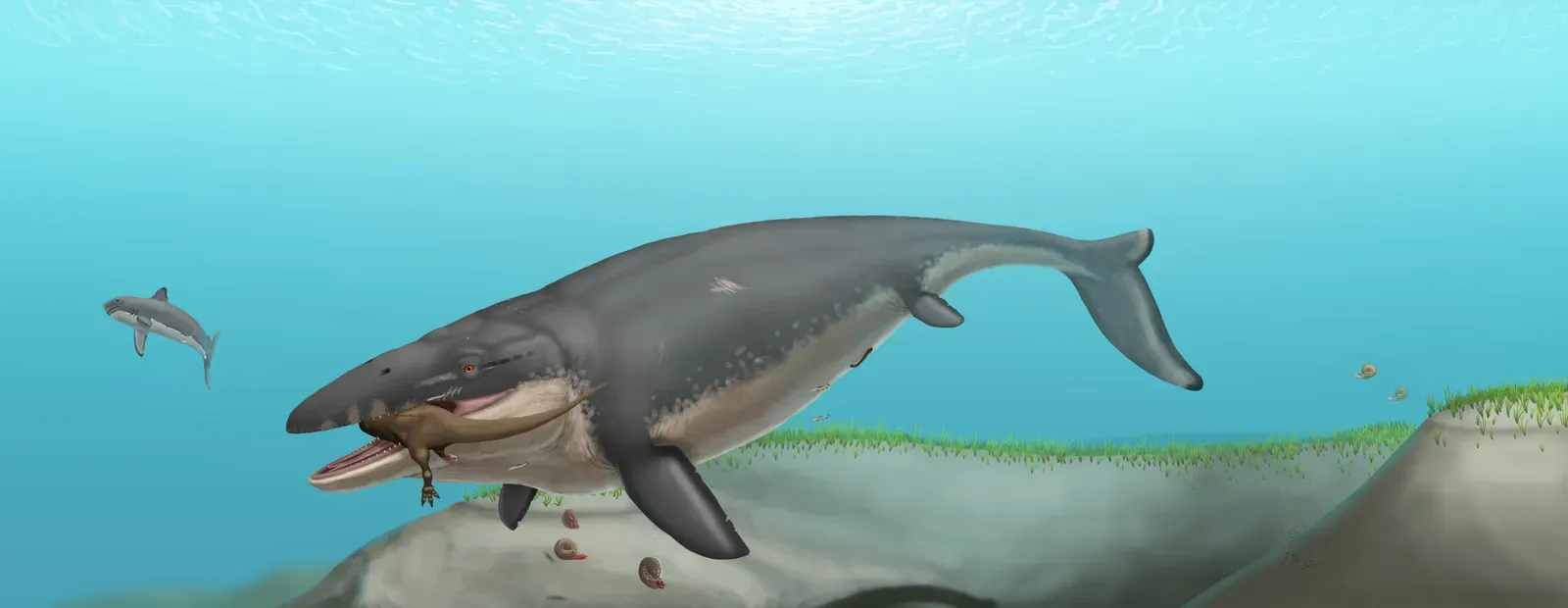
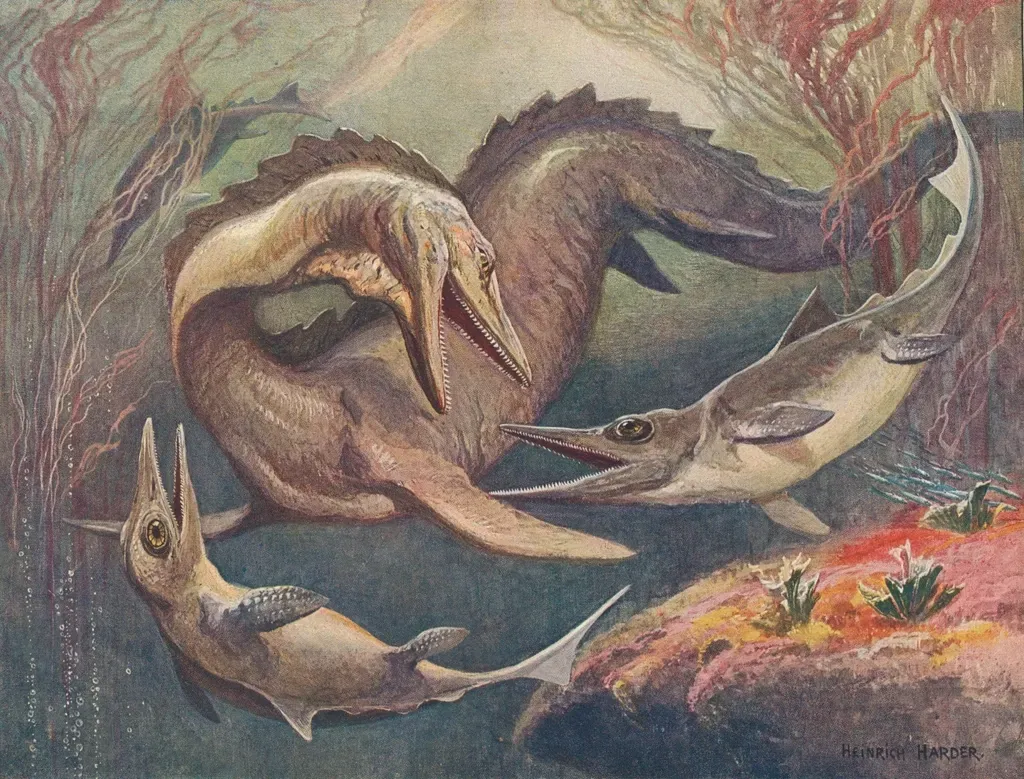
Here’s where things get genuinely strange. Mosasaurs weren’t just large, fearsome predators. Their jaws were structurally extraordinary. Mosasaurs, like snakes, had two rows of teeth in their upper jaw – the main set and a smaller set toward the rear and center of their mouths. These extra teeth, called pterygoid teeth, are thought to help hold and swallow larger prey whole. Also, like snakes, their jaws could expand to help them swallow prey whole. Imagine a creature the length of a bus with snake-jaws. That was a mosasaur.
One of the most fascinating discoveries about mosasaurs is how well adapted they became for fast, efficient swimming. Recent fossil evidence suggests that many species evolved shark-like tail fins, with a powerful downward bend at the end of the spine supporting a crescent-shaped fluke. Some species were likely fast pursuit hunters, while others may have been slower but more powerful, relying on ambush tactics. The diversity of mosasaur body forms suggests a wide range of swimming behaviors, from coastal cruisers to open-ocean specialists. Their behavioral versatility was remarkable.
6. Plesiosaurs “Flew” Through the Water Using All Four Flippers
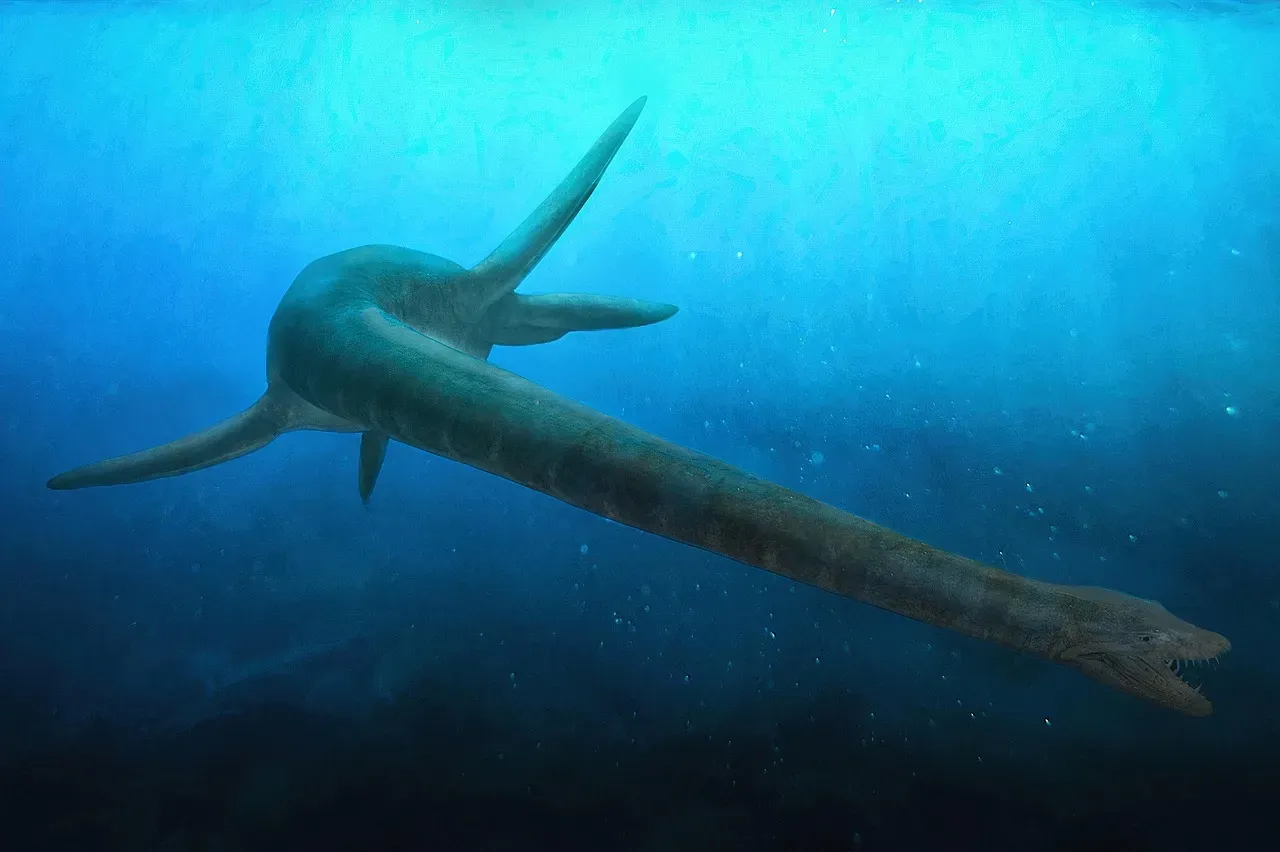
Most large aquatic animals drive themselves forward with their tails. Fish do it. Mosasaurs did it. Even ichthyosaurs relied heavily on tail propulsion. Plesiosaurs, however, went an entirely different evolutionary direction. Plesiosaurs effectively “flew” through the water using all four flippers in a coordinated motion, generating lift and thrust much like underwater wings. This mode of locomotion gave them exceptional maneuverability, stability, and control, allowing precise turns, hovering, and sudden bursts of speed – advantages in complex marine environments.
While the short-necked “pliosauromorphs” such as Liopleurodon may have been fast swimmers, the long-necked “plesiosauromorphs” were built more for maneuverability than for speed, slowed by strong skin friction yet capable of a fast rolling movement. Think of them like underwater birds of prey. Not the fastest creature in the sea, but devastatingly precise and agile. Their four-flipper flight system was so unique that no modern animal quite parallels it.
7. Ichthyosaurs Had the Largest Eyes of Any Known Vertebrate – and Dove Incredibly Deep
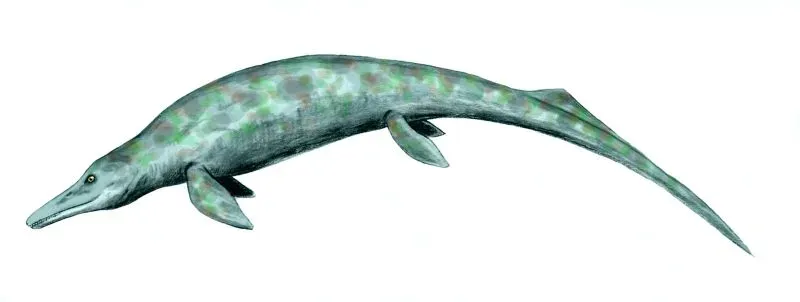
You’ve seen big eyes on animals before. The tarsier. The owl. Maybe a particularly expressive dog. None of those compare to what ichthyosaurs were packing. Researchers suggested that ichthyosaurs, with their relatively much larger eye sockets, should have been able to reach even greater depths than modern diving predators. Temnodontosaurus, with eyes that had a diameter of twenty-five centimetres, could probably still see at a depth of 1,600 metres. At these depths, such eyes would have been especially useful for seeing large objects.
Further evidence of deep diving comes from the presence of bone necrosis in roughly one in five Jurassic and Cretaceous ichthyosaur remains. Quick ascent from great depths can cause decompression sickness, which produces exactly that kind of bone necrosis. Because this condition is rare in Triassic species, some paleontologists have argued that the earlier forms didn’t dive as intensely as their descendants. It’s hard to say for sure, but the evidence paints a picture of animals that pushed their bodies to extraordinary physical extremes, diving into crushing darkness in pursuit of prey.
8. Ichthyosaurs May Have Been Socially Complex Creatures
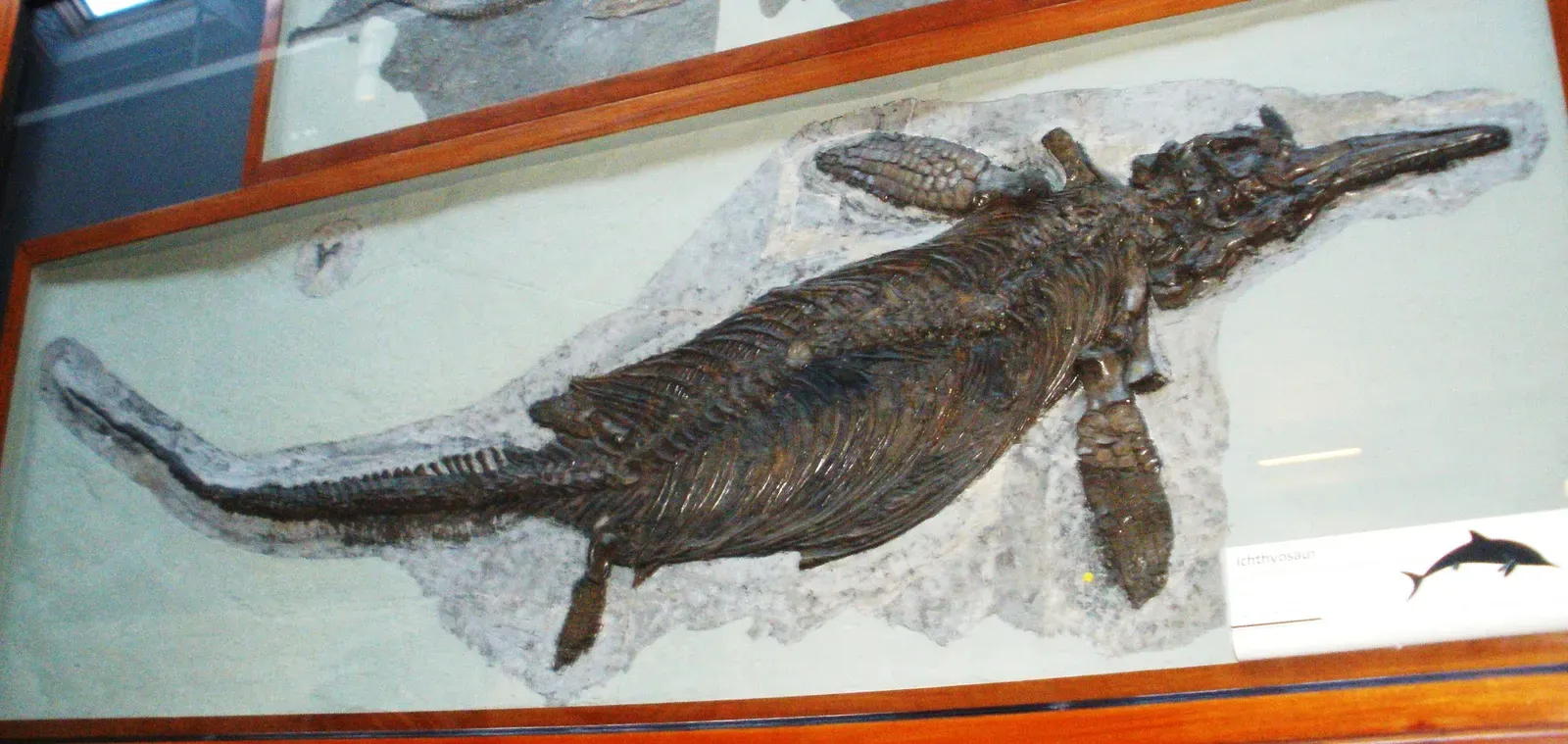
We tend to imagine prehistoric sea reptiles as solitary, territorial monsters. The fossil record, however, hints at something more interesting. Social behavior has been argued in part by the fact that ichthyosaurs gave birth to live young, who would likely need to be raised to adulthood. Some scientists point to the fossilized remains of an ichthyosaur with bite marks to the snout region as further evidence of social behavior. Analyses of the healed bite marks indicate they were made by another ichthyosaur of the same species, possibly two males fighting over mates.
The study of plesiosaur fossils has also provided clues about social behavior, suggesting some species may have lived in groups. These reptiles moved in water in ways that reveal the anatomical advantages of their soft tissue, skin, and blubber, while their jaws were specialized for aquatic prey, and their sensory organs enabled them to see, smell, or hear underwater. A rich sensory world paired with group living behavior suggests these animals had a social dimension scientists are still working hard to understand. I think that’s one of the most underappreciated aspects of their entire story.
9. Mosasaurs Used Camouflage – and May Have Rammed Their Prey
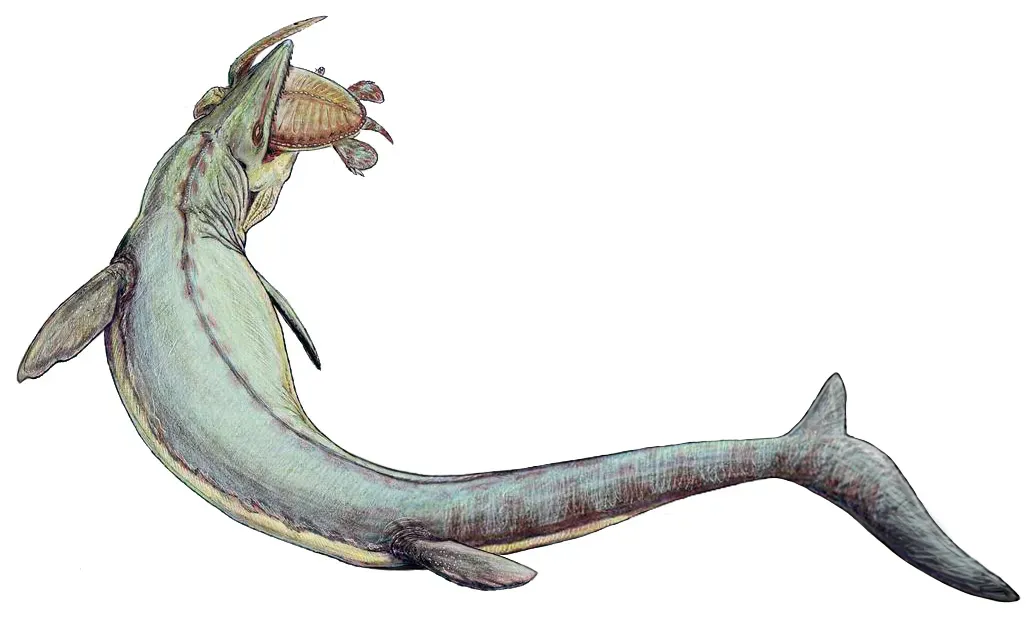
Camouflage. Counter-shading. Ramming behavior. These sound like the tactics of highly sophisticated modern predators. Turns out, mosasaurs had figured all of this out roughly 80 million years ago. Extraordinarily preserved skin from one Tylosaurus fossil shows that mosasaurs had black skin. They might have been totally black, hiding them in dark waters as they hunted, or the black skin might have been part of a larger pattern for camouflage or signaling.
On top of that, their attack strategies went beyond simply biting. Evidence indicates that ichthyosaurs had coloration similar to many living marine animals – dark on top and lighter on the bottom – which would provide camouflage from predators like pterosaurs from above, or pliosaurs from below. Some ammonite fossils show punctures, gouges, and crushing damage that match the spacing and shape of mosasaur teeth, offering rare direct evidence of predator-prey interactions. In certain cases, ammonite shells appear to have been bitten, broken, and discarded, suggesting mosasaurs may have targeted these cephalopods as part of a broader feeding strategy in marine ecosystems. These weren’t mindless predators. They were tacticians.
Conclusion: The Ancient Seas Were Far More Extraordinary Than We Ever Imagined
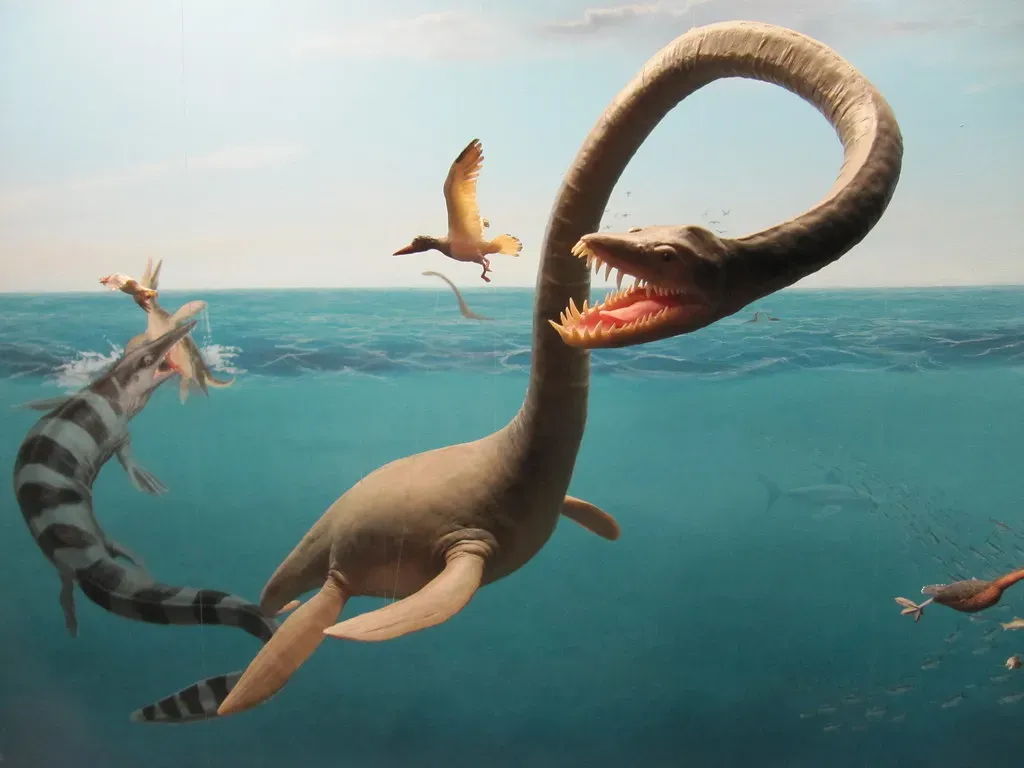
What’s most striking about all of this isn’t just the raw power of these animals. It’s how behaviorally advanced they were. Warm blood. Silent stealth hunting. Live birth. Deep diving. Social interaction. Counter-shading camouflage. These are behaviors we associate with dolphins, orcas, and great white sharks, not animals that lived over 65 million years ago and were technically classified as reptiles.
The evolution of Mesozoic marine reptiles wasn’t static, defined by long stretches of conservatism, but dynamic and complex, with major innovations happening right to the end. Every new fossil discovery seems to peel back another layer of complexity from these ancient lives. The oceans of the Mesozoic were not simple. They were richly competitive, behaviorally intricate ecosystems populated by animals every bit as sophisticated as anything swimming the seas today.
The next time you stand at the edge of the ocean and look out at the water, spare a thought for what once lived in its depths. Which of these behaviors surprised you most?