
There is something quietly humbling about standing in a natural history museum, staring at a fossil of a creature that roamed the earth hundreds of millions of years before the first human ever drew breath, and then realizing that the very same animal is still out there today, doing exactly what it has always done. Evolution is often celebrated as a story of dramatic transformation, but some of nature’s greatest success stories are far quieter than that.
These five ancient creatures did not survive because they won an arms race against time. They survived because they mastered something more valuable: strategies so elegantly designed that the modern world has yet to come up with a better idea. You might be surprised by who made the list, and even more surprised by what these ancient survivors can teach us. Let’s dive in.
The Horseshoe Crab: Armor, Adaptability, and Ancient Immune Genius
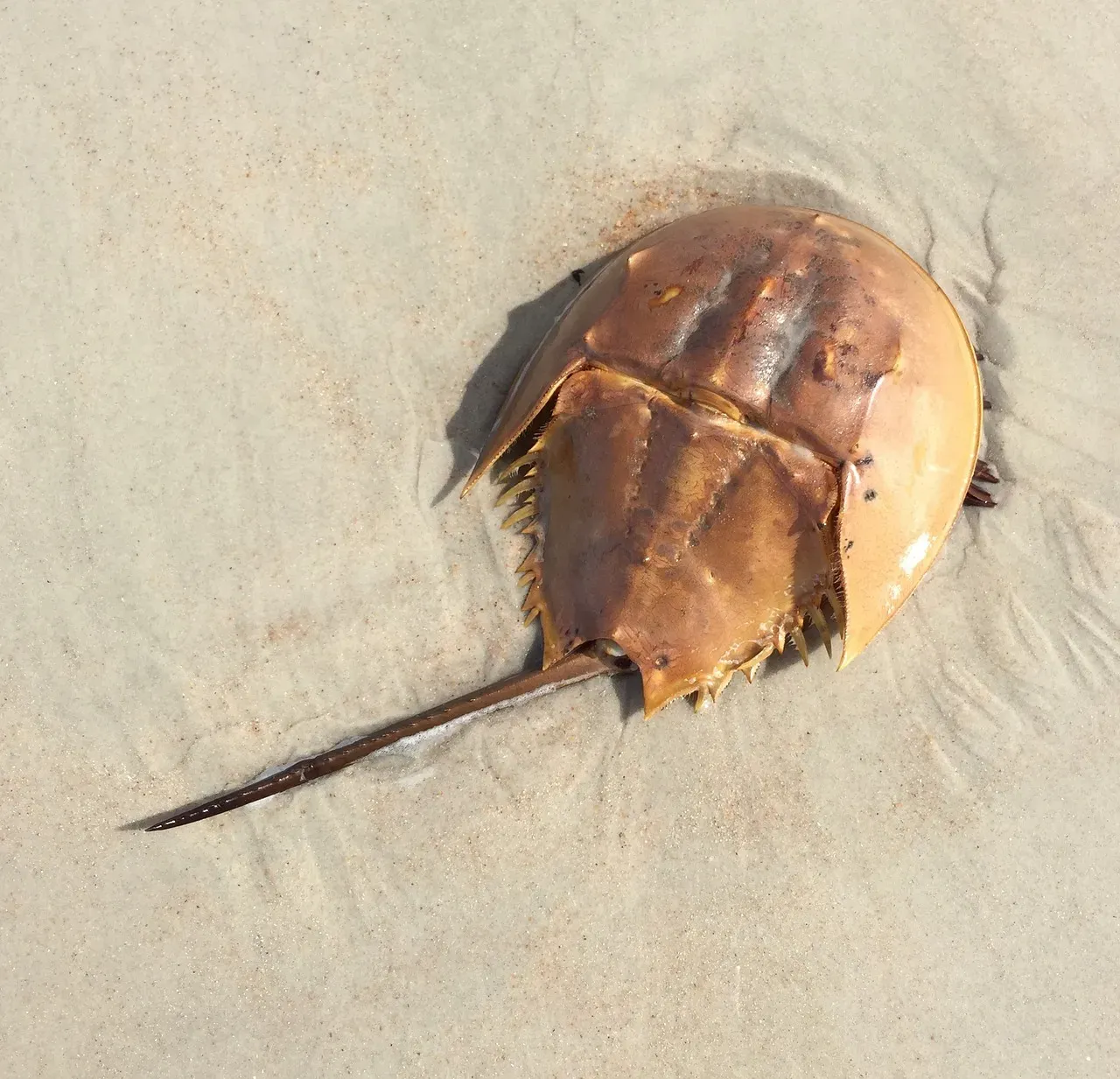
Here’s the thing about the horseshoe crab. It has been around for more than 450 million years and survived three mass extinctions, including the Cretaceous-Tertiary extinction event 65 million years ago, when more than 70 percent of all life forms, including the dinosaurs, were wiped off the planet. Think about that for a moment. While entire kingdoms of life were collapsing around it, this creature just kept going. It is not even a true crab, by the way. Contrary to its name, the horseshoe crab is not a true crab nor a crustacean – it is, in fact, closely related to spiders and scorpions.
So what is the secret? A big part of it comes down to one of the most extraordinary immune systems in the animal kingdom. The blood of the horseshoe crab possesses a unique adaptive characteristic that is one reason it has survived for millions of years. Unlike mammals, it does not have hemoglobin, but instead contains the copper-based compound hemocyanin to carry oxygen. Its blood contains amoebocyte lysate and helpful enzymes that work together to create a powerful immune system. The enzymes detect intruding bacteria, and the amoebocytes quickly surround them, creating a coagulating barrier that protects the animal from harm. This is so effective, in fact, that amebocytes from the blood of Limulus polyphemus are used to make Limulus amebocyte lysate, which is used for the detection of bacterial endotoxins in medical applications.
Scientists believe this evolutionary standstill is not due to an inability to evolve, but rather represents an extraordinary case of evolutionary success. Once horseshoe crabs achieved their distinctive form approximately 300 million years ago during the Carboniferous period, this body plan proved so effective for their ecological niche that further significant changes were not necessary for survival. The lesson here is almost philosophical. Sometimes the best strategy is not to change at all. They evolved to be extremely well suited to their environments without the need for further adaptation, even as global temperatures, atmospheric CO2 levels, and ocean salinities have varied widely.
The Crocodile: Patient Predator with a Pharmaceutical-Grade Body
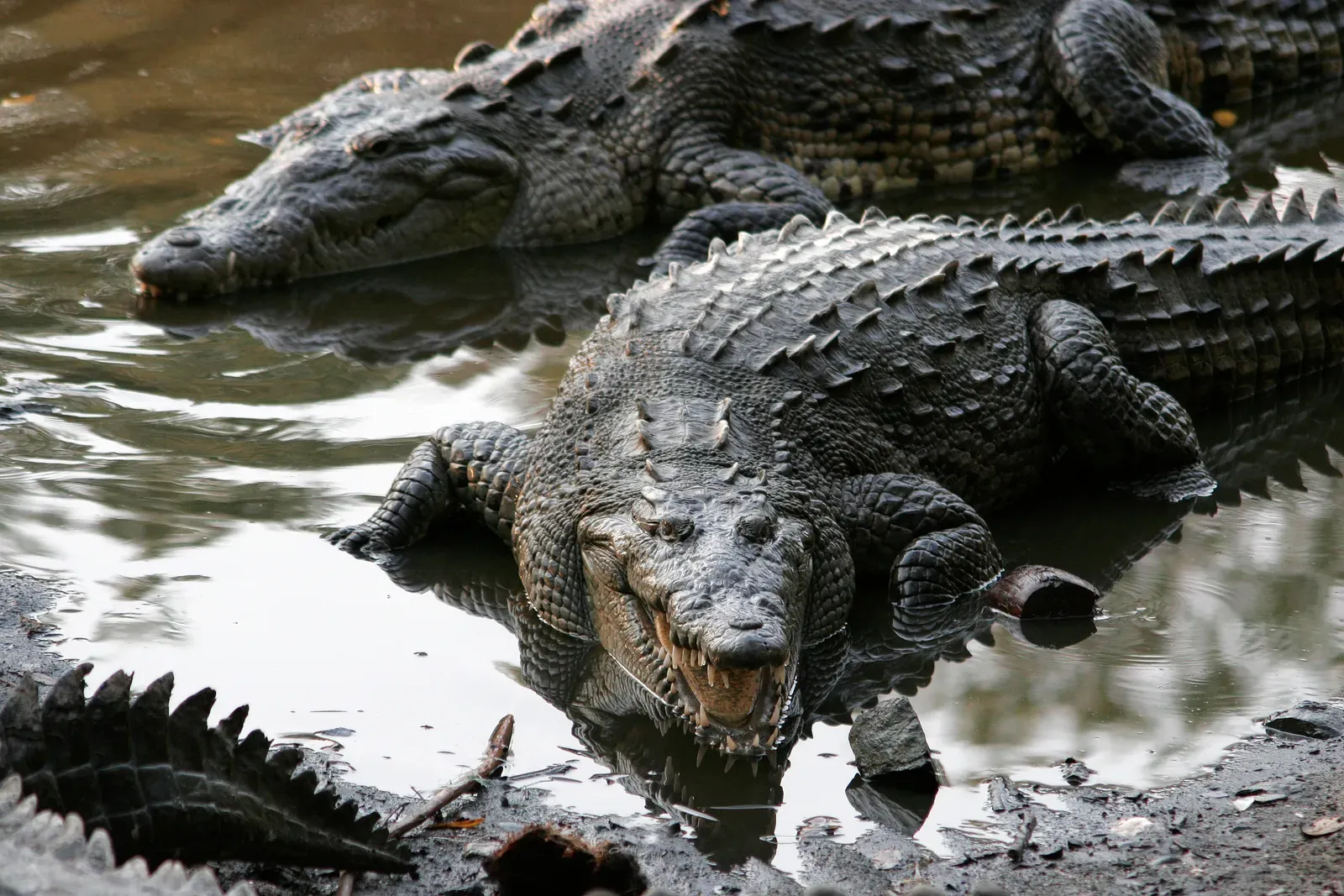
Honestly, the crocodile might be the most underrated survivor on the planet. You see them gliding silently through muddy water on a nature documentary and think of them as simply dangerous. But there is so much more going on beneath that armored hide. Crocodilians are an order of ancient reptiles that have existed in their modern-day forms for approximately 83 million years. During this time, these animals have evolved to thrive in microbe-laden environments. Yet despite regularly receiving wounds and even losing limbs in territorial disputes and interspecies conflicts, the development of infection is rare. This unique ability to ward off pathogens before they can invade systemically is indicative of a formidable innate immune system.
Their feeding strategy is another masterclass in survival logic. Crocodiles have extraordinarily adaptable diets. Larger crocodiles will eat larger mammals and birds, but they’ll also eat fish and mollusks like snails. During difficult times, they will even scavenge for carrion. Their stomach, incredibly, is the most acidic of all vertebrates, allowing it to digest bones, horns, hooves, or shells. Nothing goes to waste. Beyond diet, the blood of alligators and crocodiles contains peptides with antibiotic properties that may contribute to future antibacterial drugs. Scientists are genuinely excited about what crocodilian biology might teach modern medicine. Vertebrates such as crocodiles and alligators can withstand high levels of radiation, reside in unsanitary environments, scavenge on rotten meat or other germ-infested diets, and be routinely exposed to heavy metals. They are among the few species to endure the catastrophic Cretaceous-Paleogene extinction event. Yet such species have rarely been reported to develop cancer. You have to admit that is extraordinary.
The crocodile’s metabolism is particularly slow, so it can survive on one prey for many months. The crocodile consumes almost everything that is eaten, including skin and bones, and emits very little waste. This radical efficiency, not just surviving, but minimizing waste while doing it, is a survival strategy that modern humans are only now beginning to appreciate in fields like resource management and bioscience. Crocodiles have demonstrated behavioral, physiological, and structural adaptations that have allowed them to thrive for hundreds of millions of years.
The African Lungfish: The Master of Pressing Pause on Life
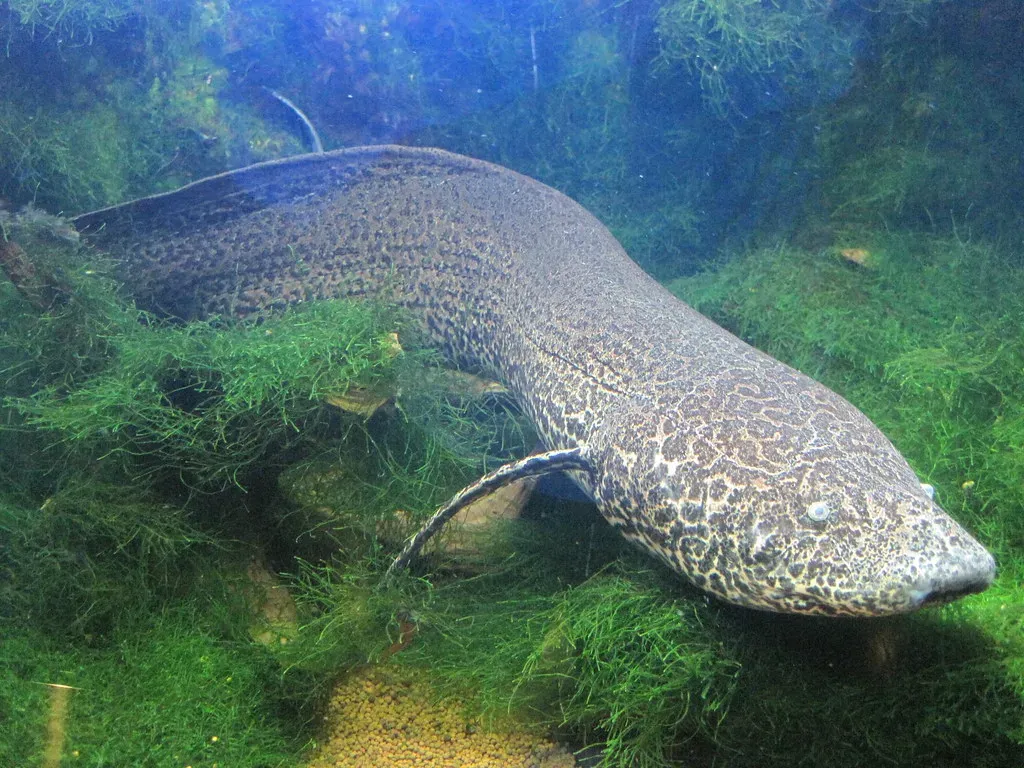
If you ever feel like the pressure of modern life is too much to handle, consider what the African lungfish does when things get tough. It simply shuts down. In a world where survival often means running, hunting, or hiding, the African lungfish has mastered a completely different strategy: doing absolutely nothing. No movement. No food. No water. Just stillness in the mud, and a whole lot of patience. West African lungfish have survived unchanged for so long, nearly 400 million years, that they are sometimes nicknamed “living fossils.”
The mechanism behind this is called estivation, and it is nothing short of biological wizardry. When their habitat dries up during the long, harsh African dry seasons, the African lungfish digs itself into the mud, wraps itself in a protective mucus cocoon, slows its metabolism down to a crawl, and waits. During estivation, the African lungfish reduces its metabolic rate to less than one sixtieth of its normal rate, essentially entering a state of suspended animation where life processes continue at the bare minimum required for survival. In laboratory experiments, African lungfish have survived up to four years encased in dried mud, relying solely on their fat reserves.
What makes this strategy truly timeless is how scientists are now applying it to modern human challenges. Their capacity to survive long periods without oxygen could inspire new treatments for stroke and heart attack victims. Their metabolic slowdown during estivation has implications for understanding hibernation and even long-term space travel. The lungfish also activates specific genes related to cell protection and antioxidant defense, like heat shock proteins, to prevent cellular damage during dormancy. It is a creature that essentially invented its own life-support system, hundreds of millions of years before humans even thought about building one.
The Nautilus: Buoyancy Control and the Original Blueprint for Efficiency
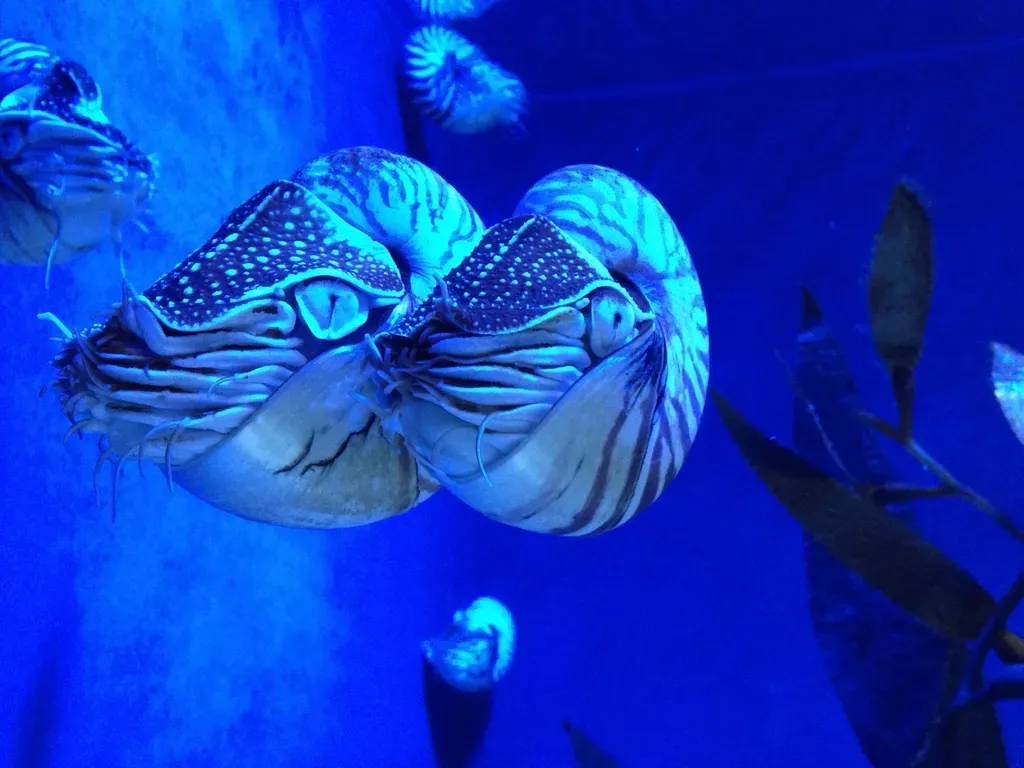
Let’s be real. When most people think of prehistoric ocean life, they picture monstrous sharks or terrifying sea scorpions. The nautilus gets far less attention than it deserves. These marine mollusks are known for their distinctive spiral shells that have barely changed in hundreds of millions of years. Nautiluses are living examples of some of the most ancient animals that still exist today and showcase nature’s enduring design. That swirling, perfectly proportioned shell is not just visually stunning. It is a feat of engineering that modern designers and architects have been copying for centuries.
The nautilus uses a system of gas-filled chambers within its shell to control buoyancy with remarkable precision. By adjusting the ratio of gas to liquid inside these chambers, it can rise and sink through the water column without expending much energy at all. Think of it like a biological submarine with a ballast system. This passive energy management strategy means the nautilus does not need to burn enormous amounts of fuel simply staying at its preferred depth. In a world increasingly obsessed with energy efficiency, that is a concept worth paying attention to.
What is also fascinating is that the nautilus operates almost entirely on instinct, with one of the most primitive nervous systems among modern cephalopods. It has no centralized brain in the way that an octopus or squid does. Yet it has survived mass extinction events, shifting ocean temperatures, and radical changes in chemistry. The Earth today is home to a range of prehistoric animals still alive, each embodying millions of years of evolutionary history. These creatures have not only survived the challenges of eons but continue to thrive even as modern ecosystem engineers. Their existence offers invaluable insights into both the past and the ongoing processes of natural selection. The nautilus is perhaps the best example of all: refined simplicity outlasting complex sophistication.
The Crocodilian Ancestor’s Legacy: The Tuatara and the Slow-Burn Strategy
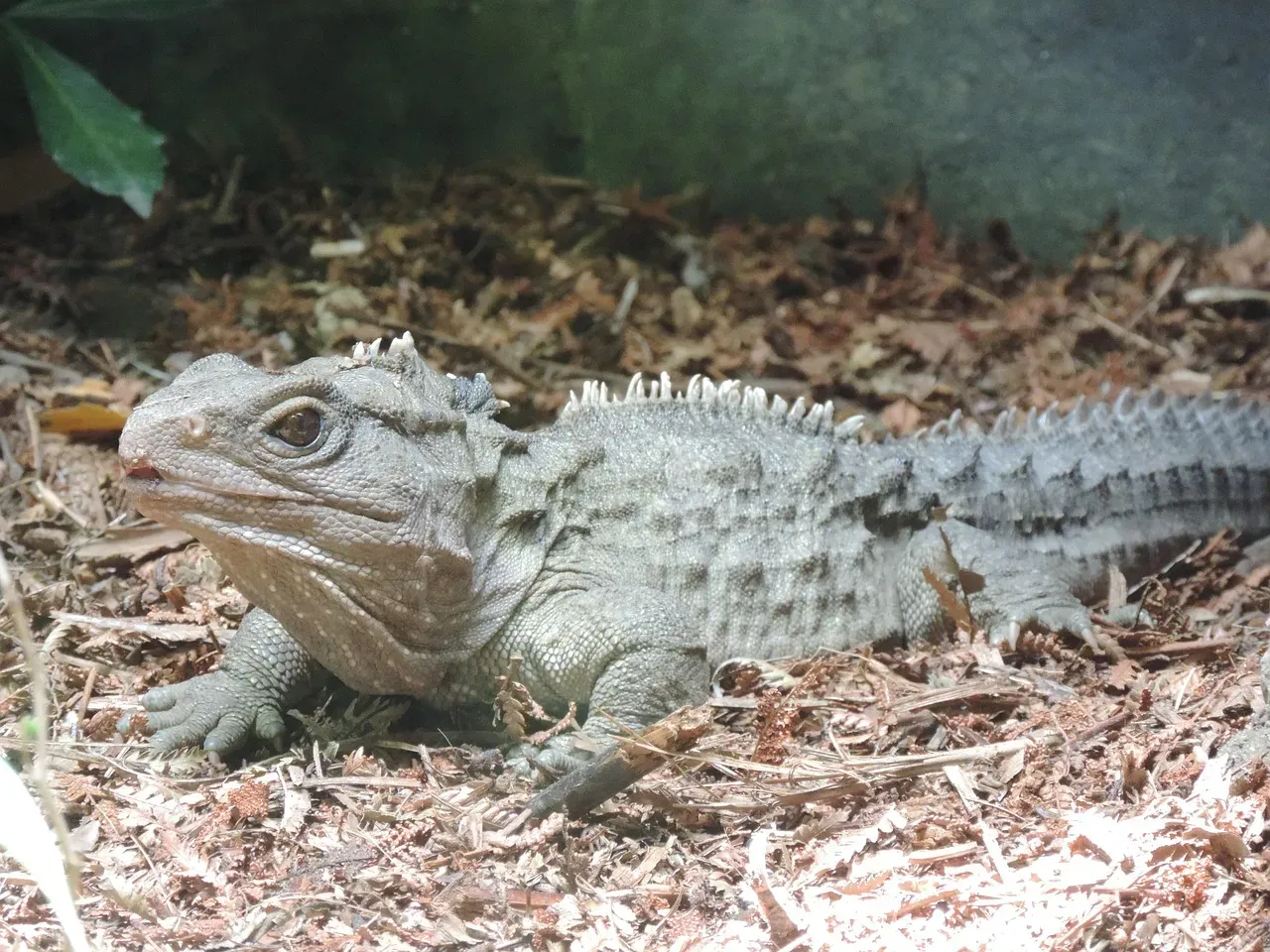
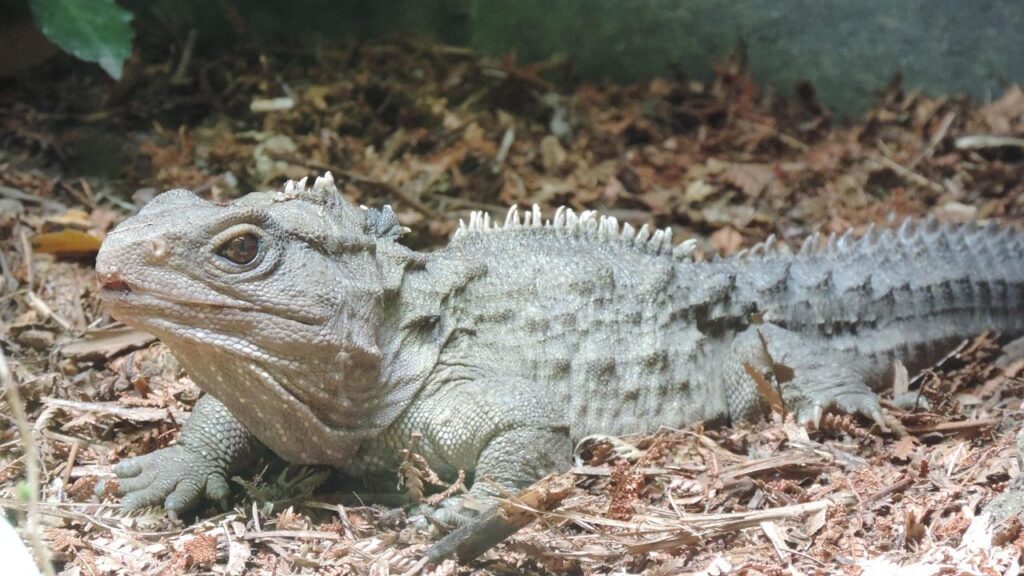
The tuatara is one of those animals that sounds almost too strange to be real. This unique reptile is the last of its kind, the final survivor of the Rhynchocephalia order of lizard-like, beak-headed reptiles. Found only in New Zealand, it looks deceptively ordinary, somewhere between a lizard and an iguana. But underneath that unassuming appearance is one of nature’s most extraordinary long-term survival strategies. It boasts a light-sensing third eye, teeth that grow directly from the jawbone, and a slow metabolism that enables it to live for over a century. Most amazingly of all, the tuatara has hardly changed in some 190 million years.
The tuatara’s slow metabolism is not a weakness. It is the core of its survival genius. Because it burns energy so slowly, it can endure long periods with very little food. It thrives in cooler conditions that would stress many other reptiles. It resembles lizards but belongs to a distinct lineage dating back to the dinosaur age. Since it has outlived many other species over centuries, the tuatara is a unique example of evolutionary persistence. In a world where “move fast and break things” seems to be the dominant life philosophy, the tuatara has been quietly winning the long game by doing precisely the opposite.
It is hard not to draw parallels to human life here. The strategy of conservation, patience, and measured energy expenditure runs through every successful ancient species on this list. The tuatara doesn’t rush. It doesn’t overconsume. Its existence offers invaluable insights into both the past and the ongoing processes of natural selection. By learning more about these prehistoric animals, you gain a deeper understanding of the critical need for their protection in our rapidly changing world. The tuatara’s survival is not accidental. It is the deliberate, refined result of hundreds of millions of years of getting things exactly right.
Conclusion: Ancient Wisdom for a Modern World
There is something almost poetic about the fact that the creatures that have survived the longest on Earth are not the biggest, the fastest, or the most aggressive. They are the most adaptable. The horseshoe crab built an immune system so powerful that we use it to protect human lives today. The crocodile turned slow metabolism and ironclad biology into a lifestyle that has lasted longer than the dinosaurs. The lungfish simply decided not to be present for the hard times, and it worked brilliantly. The nautilus mastered the art of doing more with less, and the tuatara proved that patience truly is its own reward.
Each of these animals is a living reminder that the best survival strategies are rarely the flashiest ones. They are the quiet, consistent, deeply intelligent ones. In a world that changes faster than ever before, maybe the oldest creatures on the planet have more to teach us than we ever expected. What would you redesign in your own life if you took a page from these ancient survivors?