
Southwest Cameroon – Armed clashes have shrouded the region’s biodiverse highlands in danger, imperiling rare primates and the dedicated individuals working to safeguard them.
A Shocking Abduction Exposes Frontline Dangers
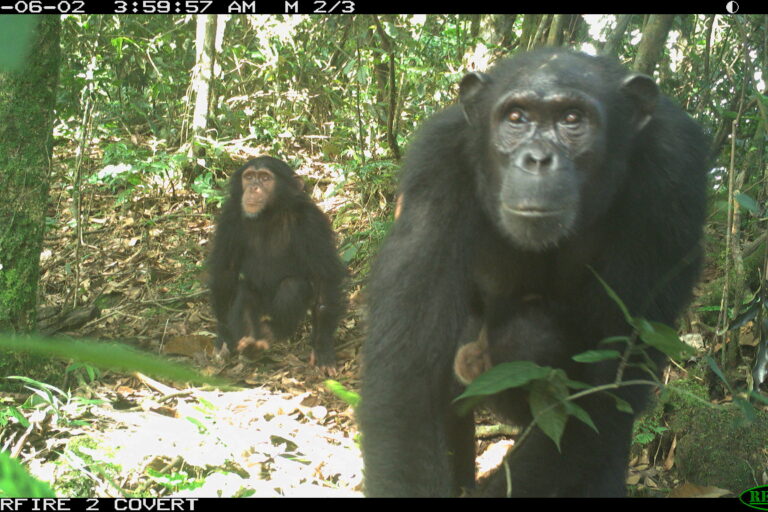
A Shocking Abduction Exposes Frontline Dangers (Image Credits: Imgs.mongabay.com)
In August 2025, militia fighters abducted Louis Nkembi, founder of the conservation group ERuDeF, during fieldwork in the Lebialem Highlands. He endured two weeks in a hidden forest location before his release.
Nkembi described the ordeal as deeply traumatic and vowed not to return to the area until stability returns. His capture underscored the personal risks conservationists face amid the ongoing Anglophone crisis, which erupted in late 2016 over linguistic and cultural grievances in Cameroon’s English-speaking Northwest and Southwest regions.
Separatist militias clashed with government forces, declaring independence as Ambazonia. The violence claimed over 6,000 civilian lives and displaced more than 600,000 people, with nearly 1.7 million requiring aid.
Habitats Invaded: Apes in the Crosshairs
Militias established camps within protected forests like those in Lebialem, Tofala Hill Wildlife Sanctuary, Korup, and Takamanda, turning safe havens into war zones. Stray bullets pose lethal risks to species such as the Cross River gorilla, with fewer than 300 individuals remaining worldwide.
Fighters hunted wildlife for sustenance, felled trees for barricades, and facilitated timber trafficking to Nigeria. Displacement drove locals into reserves, clearing land for farms at an alarming weekly rate and intensifying trapping, which depletes small mammals and disrupts ecosystems.
Nigeria-Cameroon chimpanzees, also endangered, navigate these altered landscapes alongside forest elephants, leopards, and pangolins. Nkembi noted that poverty fueled by the crisis pushes communities deeper into forests for survival.
- Increased farm encroachments in protected zones.
- Rise in trapping over gun hunting due to early firearm confiscations.
- Militia bases fragmenting ape habitats.
- Boosted wildlife trade across borders.
Conservation Efforts Stifled by Suspicion and Shutdowns
Organizations like ERuDeF halted field operations in April 2017, laying off over 100 workers and losing all funding initially. Rangers fled Tofala Hill, leaving about 22 Cross River gorillas and 120 chimpanzees vulnerable.
Government forces suspected NGOs of separatist ties, while militias viewed researchers as spies. Ndimuh Bertrand of Voice of Nature recalled a 2017 ambush near Mount Cameroon, where fighters destroyed his survey materials.
“Ghost town” lockdowns enforced by separatists paralyzed movement, creating data blackouts on wildlife trends. Funding has trickled back since 2021, but risks persist.
Resilient Strategies Amid the Turmoil
Groups pivoted to citizen scientists equipped with camera traps and GPS for monitoring gunshots and sightings. ERuDeF relaunched a ranger program in 2021, training locals including women for patrols in Tofala.
These community-led efforts reconfirmed ape presence despite threats. Experts like Bertrand emphasized co-creating solutions with locals for sustainability.
Restoration demands resettling displaced farmers and securing peace, a process Nkembi warned could span decades.
Key Takeaways
- Conflict has displaced thousands into ape habitats, accelerating deforestation.
- Conservationists face abductions, ambushes, and funding droughts.
- Citizen science offers hope for monitoring in inaccessible zones.
Cameroon’s forests demand urgent peace to protect their irreplaceable wildlife and the guardians risking everything. How can global support bridge the gap between humanitarian aid and biodiversity preservation? Tell us in the comments.