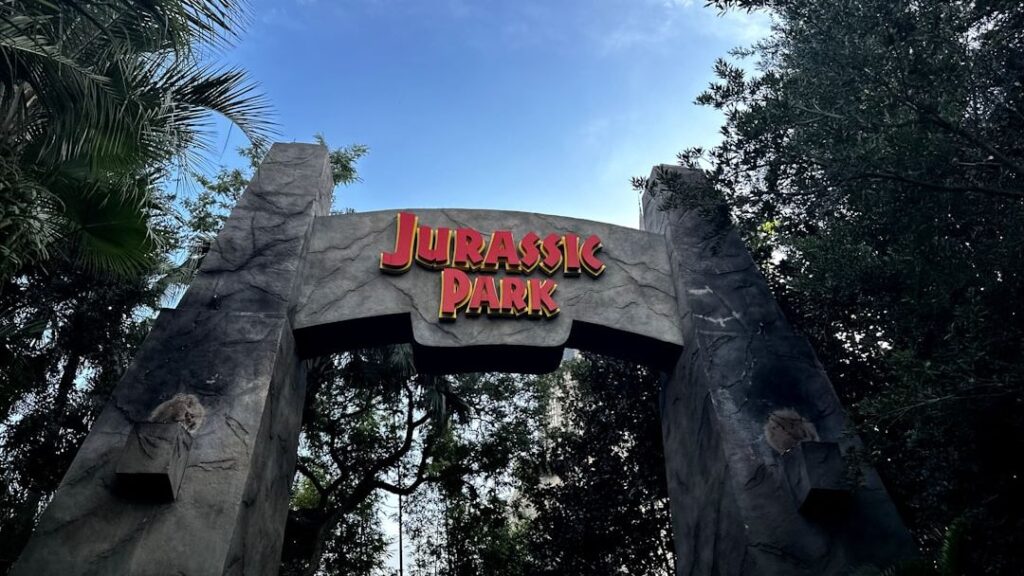
There are very few movies in cinematic history that have so fundamentally rewired how an entire generation thinks about ancient creatures. When Steven Spielberg’s Jurassic Park thundered into theaters in 1993, it did not just entertain – it educated, terrified, and, in many ways, quietly misled audiences about what prehistoric life actually looked like. Millions of people walked out of those theaters absolutely convinced they had just seen something close to the real thing.
The dinosaurs in Jurassic Park certainly left an imprint, both accurately depicting the dinosaurs and representing some cutting-edge research in paleontology at the time. Honestly, that’s a remarkable achievement for a blockbuster film. Yet the deeper you dig – and paleontologists have been digging hard – the more you realize how much creative liberty was quietly tucked beneath all that cinematic spectacle. So how much of Jurassic Park was real science, and how much was brilliant Hollywood storytelling? Be prepared, because the answer is far more fascinating than you might expect. Let’s dive in.
A Groundbreaking Film That Was Ahead of Its Time
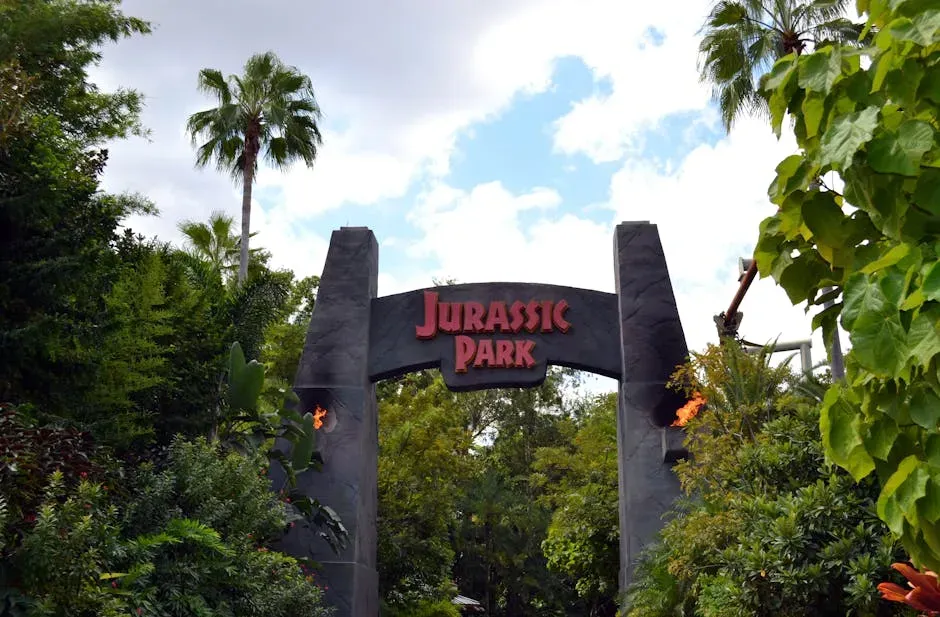
When Jurassic Park roared its way to the top of the box office in 1993, it raked in almost a billion dollars in worldwide ticket sales. The special effects were mind-blowing. Watching a Triceratops, Brachiosaurus, and a galloping Gallimimus herd come to life on the big screen was a seminal moment in cinematic history.
Spielberg’s team did a lot of consultation with paleontologists to make the dinosaurs realistic. The Dinosaur Renaissance of the late twentieth century, when scientists realized that dinosaurs were not just lumbering lizards, was finally taken on board by the general public thanks to Jurassic Park showing it to them in an engaging way. Think of it like this: the film was less of a monster movie and more of a scientific mirror, reflecting back everything researchers had been excitedly arguing about for decades – but in a way that every ordinary person could finally feel in their bones. That was genuinely powerful.
The Velociraptor Problem: Bigger, Scalier, and Wrong
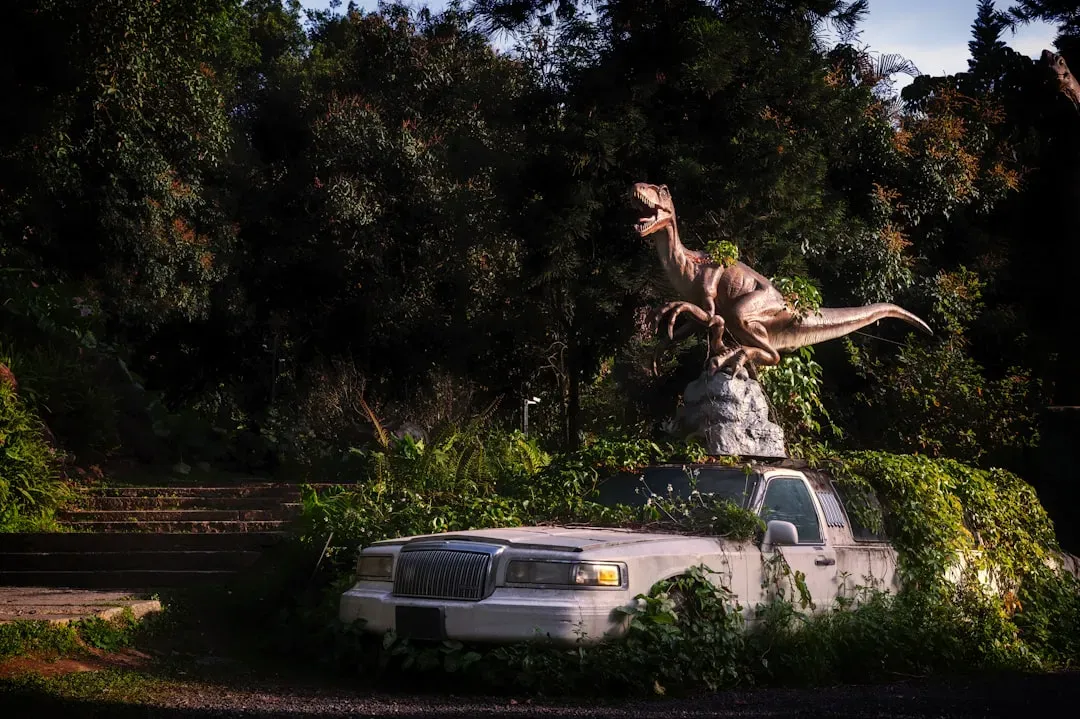
Let’s be real – the velociraptors are the stars of Jurassic Park. Cunning, terrifying, and disturbingly human in their problem-solving abilities. In reality, however, Velociraptor was roughly the size of a turkey, considerably smaller than the approximately two-meter-tall and ninety-kilogram reptiles seen in the novels and films, which were based on members of the related genus Deinonychus.
Michael Crichton, the author of Jurassic Park, based his depiction of Velociraptors on the Deinonychus, which was larger than the real Velociraptor. This decision was influenced by paleo-artist Gregory S. Paul’s book and added to the visual terror of the Raptors in the film. The name “Velociraptor” was simply more dramatic-sounding – Crichton even admitted that to the scientist who originally discovered Deinonychus. So what you’re really watching in Jurassic Park is essentially Deinonychus in disguise, wearing a more cinematic name tag.
The Missing Feathers: Jurassic Park’s Biggest Blind Spot
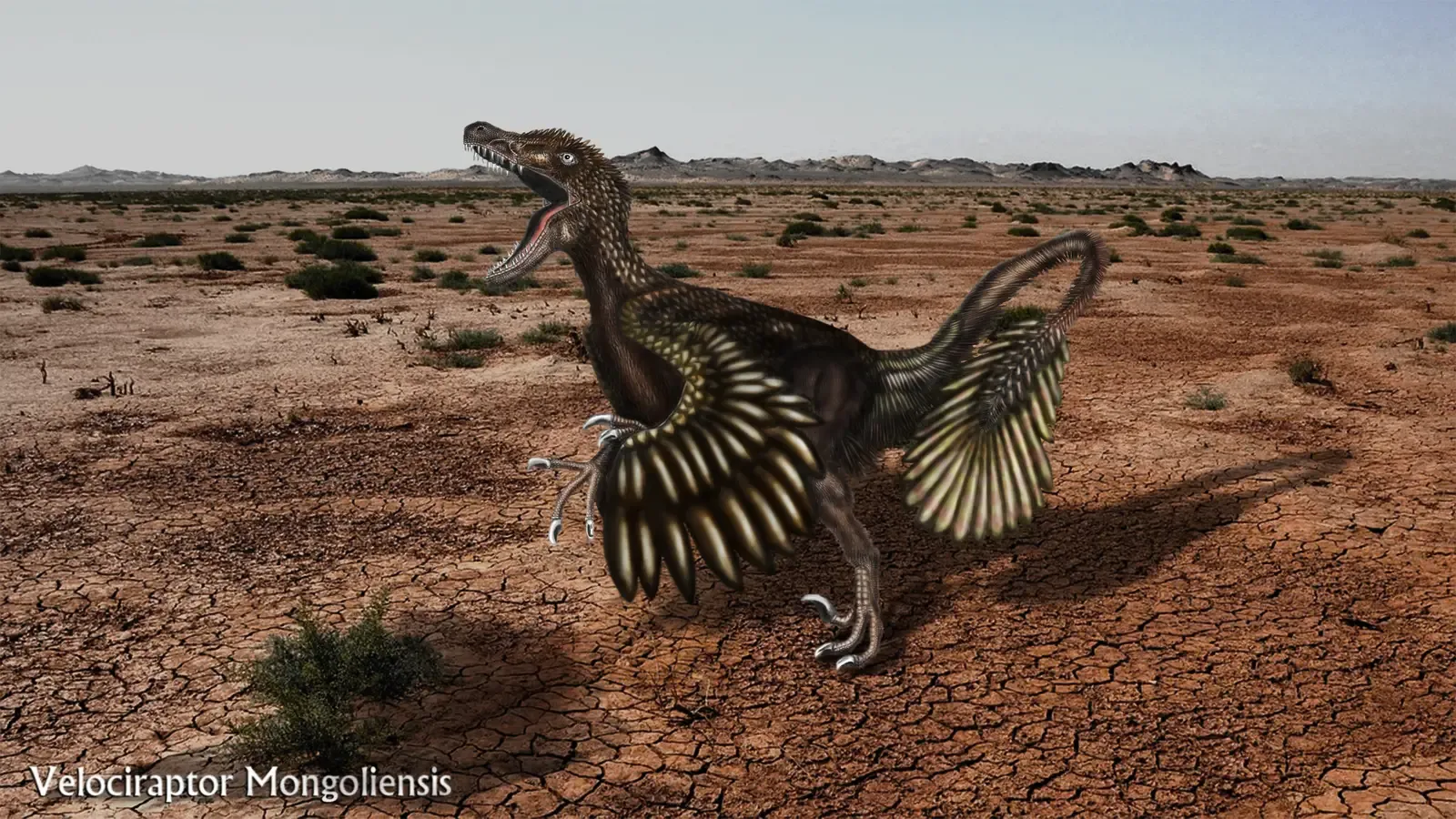
Here is something that will genuinely change the way you picture those iconic kitchen scene predators. Velociraptor was actually almost entirely covered in feathers. If you could go back in time to the Cretaceous to see one of these animals firsthand, it would almost certainly remind you of a bird more than anything reptilian.
One of the most significant developments in dinosaur paleontology has been the growing evidence for feathers in many species, including those closely related to velociraptors. In 1996, the discovery of Sinosauropteryx prima, a small feathered dinosaur closely related to Compsognathus, shook the field. Further discoveries, including evidence of quill knobs on Velociraptor mongoliensis forearm bones in 2007, confirmed that velociraptors were indeed feathered. In other words, your beloved raptors would have looked far less like sleek reptilian nightmares and far more like enormous, terrifying, weaponized crows. I know it sounds crazy, but honestly – that’s arguably even more unsettling.
The T-Rex Vision Myth: A Famous Scene That Gets Science Wrong
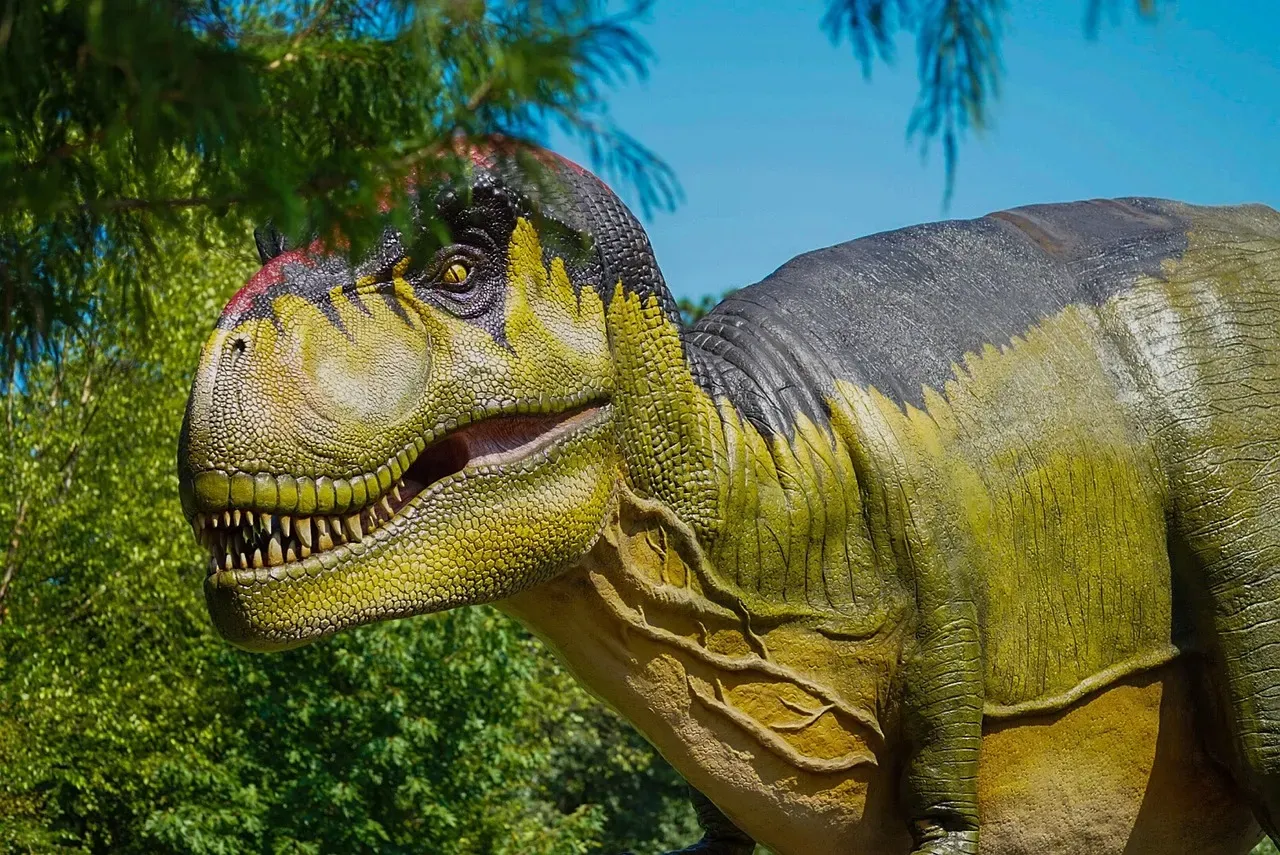
You almost certainly remember that scene. Dr. Alan Grant hisses at the children to stay absolutely still as the T-Rex looms over their wrecked jeep in the pouring rain. However, the film’s portrayal of T-Rex vision based on movement is completely wrong. This myth, borrowed from older dinosaur films, suggests the predator couldn’t see stationary objects. In reality, T-Rex had excellent vision, possibly better than modern eagles, and could easily spot motionless prey.
Stevens determined that a T-Rex’s binocular range was 55 degrees, which is wider than even hawks. Stevens continued the research with other theropod dinosaurs and determined that most theropods had binocular ranges at least similar to modern raptorial birds. So if you ever find yourself running from a T-Rex and think that freezing in place will save you – science would strongly suggest otherwise. The film’s T-Rex also moves far too quickly. While not the slow, lumbering giant once imagined, a real T-Rex likely had a top speed of around 15 to 20 mph, fast enough to catch most prey but not the highway-speed monster shown chasing the jeep.
The Dilophosaurus: Hollywood’s Most Creative Rewrite
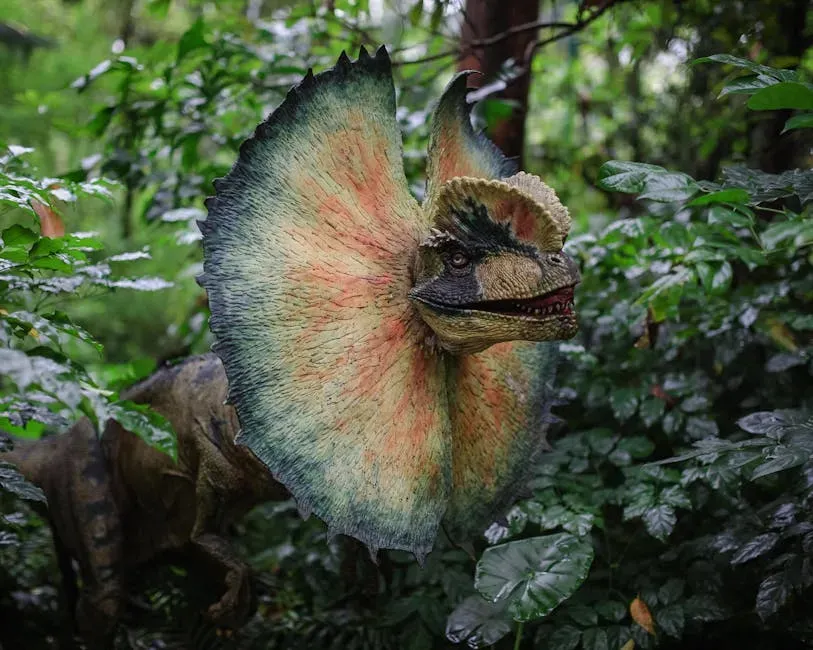
Perhaps no single dinosaur in Jurassic Park was reimagined more dramatically than the Dilophosaurus – the one that memorably unfolds a flashy neck frill and blinds Dennis Nedry with a jet of venom. It is one of cinema’s most memorable monster moments. Dilophosaurus was featured in the novel Jurassic Park and its movie adaptation, where it was given the fictional abilities to spit venom and expand a neck frill, and was depicted as smaller than the real animal. The Dilophosaurus of Jurassic Park was acknowledged as the “only serious departure from scientific veracity” in the movie’s making-of book.
While the Dilophosaurus is based on an actual dinosaur, there is no scientific evidence to suggest that it spit venom, had a flared head fan, or was a predator. The known fossils of Dilophosaurus indicate the dinosaur to be about twenty feet long, as opposed to the small dinosaur depicted in Jurassic Park. So the film essentially took a massive, crested predator, shrunk it to dog-size, gave it a cobra’s neck frill and spitting ability, and dressed it up for a jump-scare. Spectacular cinema. Zero paleontology.
The DNA-in-Amber Premise: Ingenious Fiction
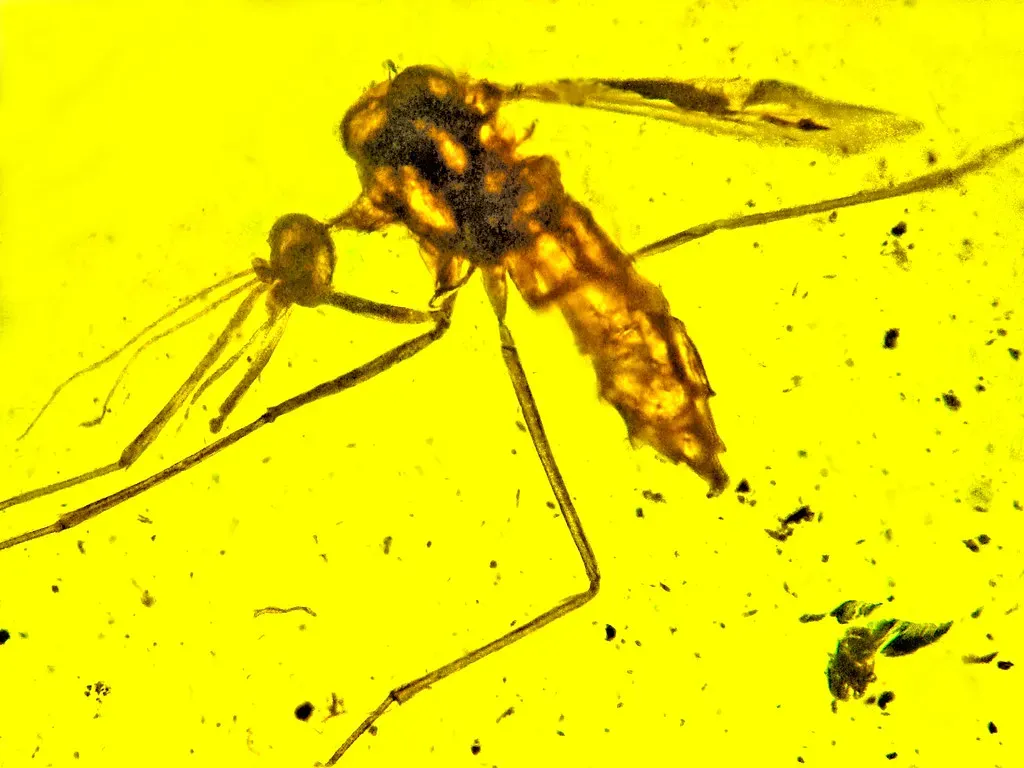
The entire franchise hinges on a beautifully elegant concept – ancient mosquitoes, preserved in amber for millions of years, containing dinosaur blood that still carries usable DNA. The entire franchise, including Crichton’s original work, hinges around dino DNA found in a mosquito preserved in amber for over 65 million years. Unfortunately, even if such a specimen were to be found in the real world, the DNA would be far too dated and degraded to be preserved at all. Not to mention the fact that the mosquito depicted in the film belongs to a species that doesn’t actually suck blood, let alone dinosaur blood.
The oldest confirmed DNA are from around one million years ago, and those are DNA fragments, nothing close to what you would need to actually clone an animal. The Jurassic Period ended 145 million years ago. It’s hard to say for sure what ancient science might one day achieve, but right now, reconstructing a complete dinosaur genome from amber-trapped blood is about as scientifically plausible as building a spaceship from sand. The oldest DNA successfully recovered dates back only about 700,000 years, making the film’s 100-million-year timeline laughably impossible. Even if dinosaur DNA somehow survived, it would be so fragmented and damaged that reconstruction would be like trying to assemble a jigsaw puzzle with 99% of the pieces missing.
What Jurassic Park Actually Got Right
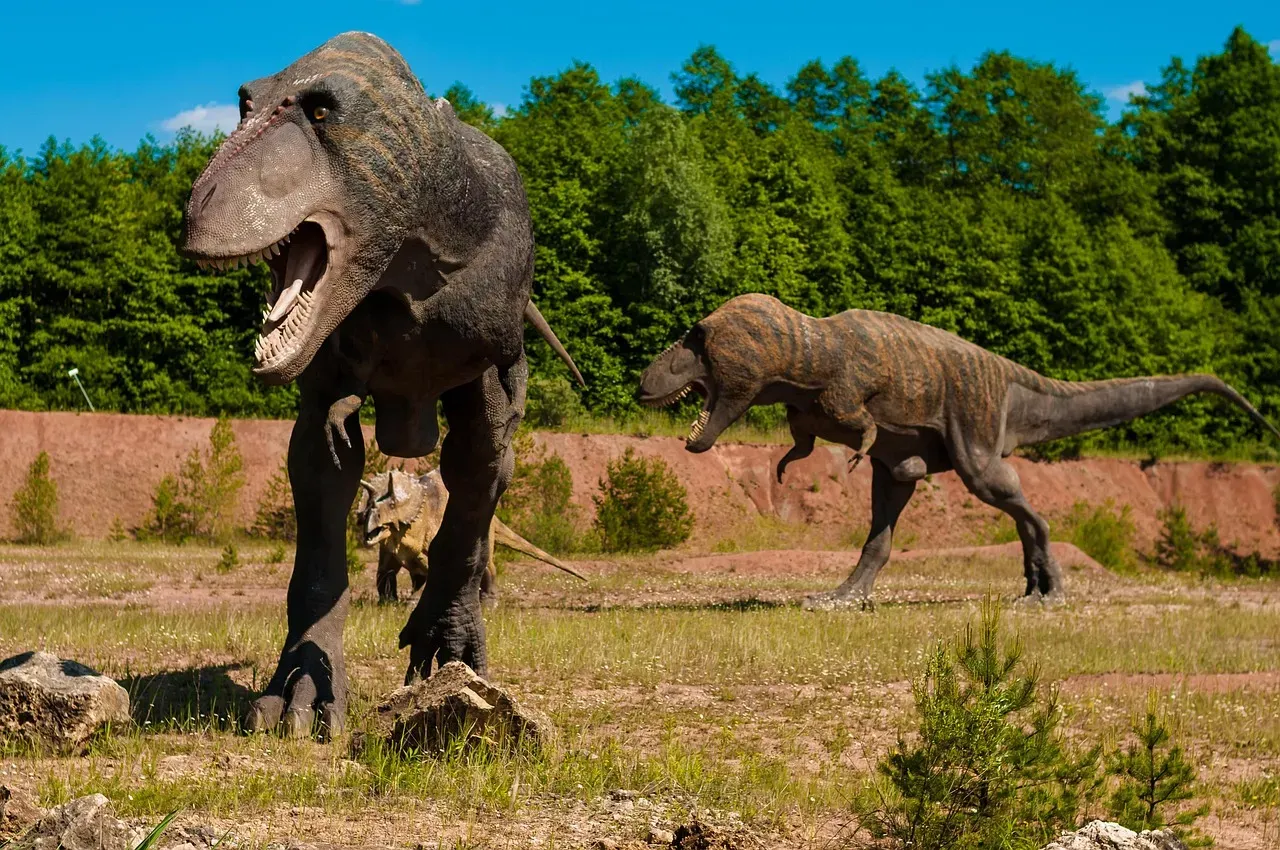
Here’s the thing – not everything in the film was fabricated. The movie deserves genuine credit for several remarkably forward-thinking ideas. The film really drives the point home in backing the theory that birds evolved from a group of meat-eating dinosaurs called Theropods, the same group to which most of the carnivorous dinosaurs belonged. The dinosaurs are constantly compared to birds in terms of behaviour and mannerisms, which has garnered praise from paleontologists.
Spielberg’s adaptation of Michael Crichton’s novel took the latest paleontological research available at the time and brought it to life. While some creative liberties were taken, Jurassic Park was remarkably accurate for its time, using the best knowledge available in the early nineties. One of the biggest breakthroughs the film embraced was that dinosaurs were active and fast-moving creatures rather than sluggish, reptilian giants. The team behind the film even studied modern animals to inform the movement of the CGI and animatronic dinosaurs. For 1993, that was genuinely revolutionary thinking dressed up as popcorn entertainment.
Jurassic Park’s Lasting Legacy on Paleontology and Culture
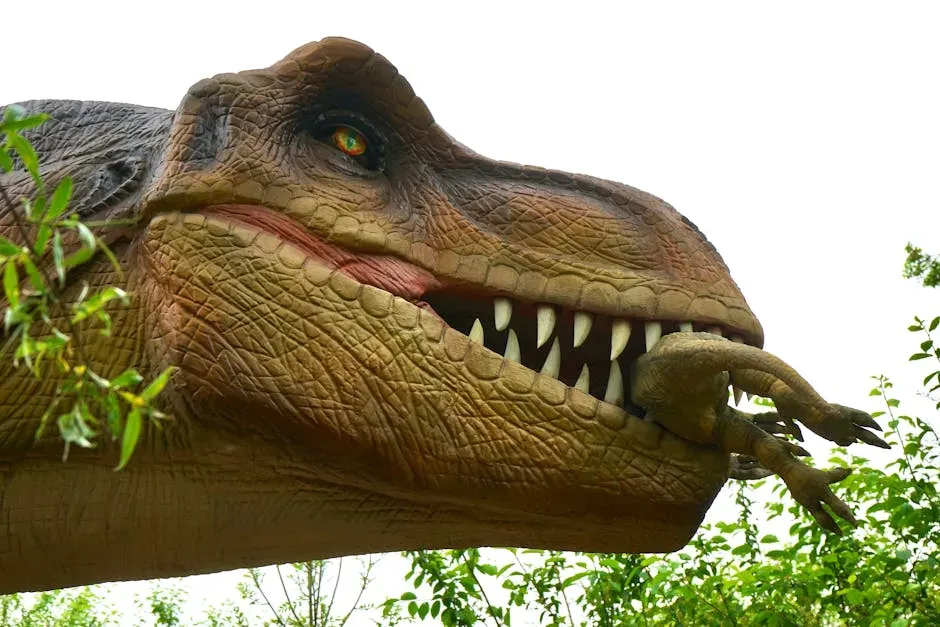
Whether or not the science was perfect – and it clearly was not – the film’s cultural and scientific impact is difficult to overstate. Jurassic Park sparked a renewed interest in paleontology, the branch of science that focuses on ancient life by looking at fossils. After three decades and two film trilogies, Jurassic Park continues to inspire people to dig in and learn more about these animals who roamed the Earth millions of years ago.
Despite its scientific inaccuracies, Jurassic Park sparked unprecedented public interest in paleontology. Museum attendance soared, and a new generation of scientists was inspired to pursue careers in dinosaur research. The film’s impact on popular culture cannot be overstated, even if its scientific legacy is mixed. Think about it this way: if even one child walked out of that theater in 1993 and grew up to become a paleontologist who discovered a genuinely feathered dinosaur species – then Jurassic Park, inaccuracies and all, did something extraordinary. Spielberg sought to portray the dinosaurs as animals rather than monsters, which changed the public’s perception of them. That shift in perspective alone was arguably worth every creative liberty the filmmakers took.
Conclusion: Great Cinema, Imperfect Science – and That’s Okay
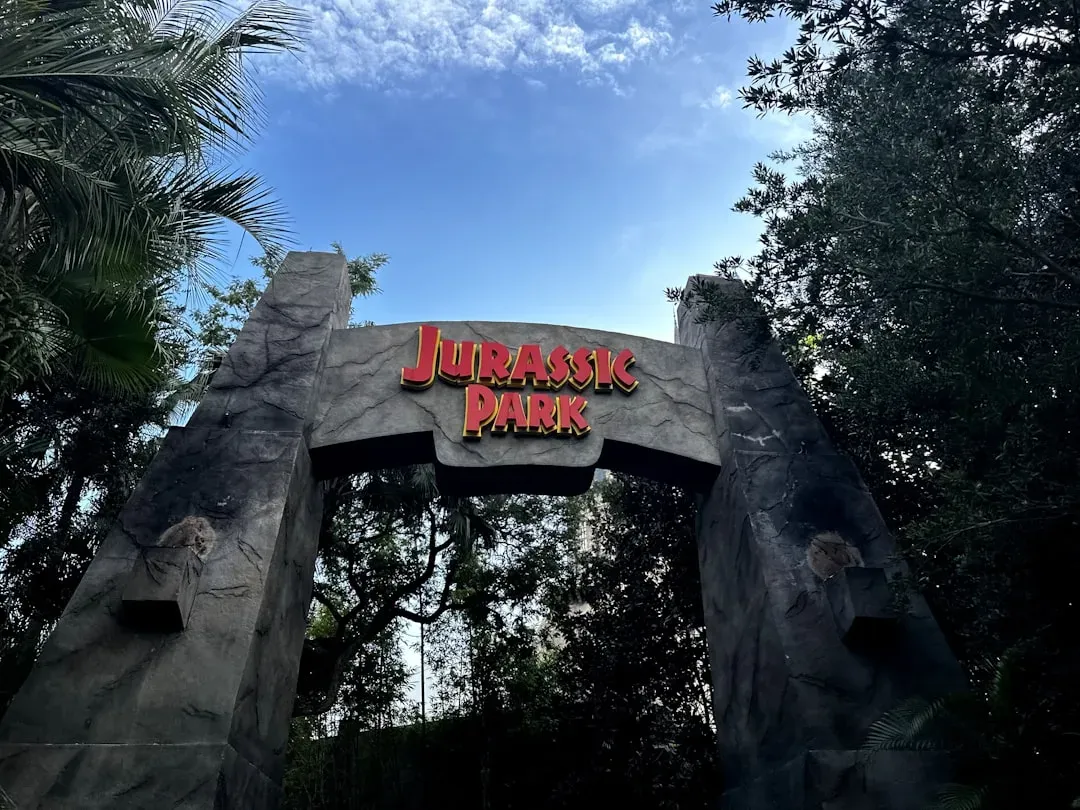
Jurassic Park is not a documentary, and it was never meant to be. What it did – brilliantly, unforgettably – was use the best scientific thinking of its era to tell a story that made the ancient world feel terrifyingly alive. Some of its dinosaurs were remarkably accurate for the time. Others were pure Hollywood invention. Most fell somewhere in between.
The real velociraptors were turkey-sized and feathered. The T-Rex had extraordinary vision and probably couldn’t outrun a car. The Dilophosaurus didn’t spit venom or sport a cobra hood. And extracting dinosaur DNA from amber remains firmly in the realm of science fiction. Yet here we are in 2026, still talking about it. Still debating it. Still inspired by it. If the famous T-Rex ground-shaking roar scene of the original Jurassic Park film is scientifically inaccurate, does that make it a bad scene? Not at all. Does that make it a bad movie? Even less. In a cinematic experience, sometimes spectacle comes before accuracy.
And maybe that is the most honest takeaway of all. Jurassic Park did not need to be perfect science to be perfectly powerful storytelling. Now the real question is – knowing everything science has revealed since 1993, would you still want to visit that park?