
Efforts to revive Brazil’s Atlantic Forest, a global biodiversity treasure reduced to scattered remnants, increasingly rely on the untapped economic value of native plant species.
Nearly Six in Ten Species Boast Market Potential
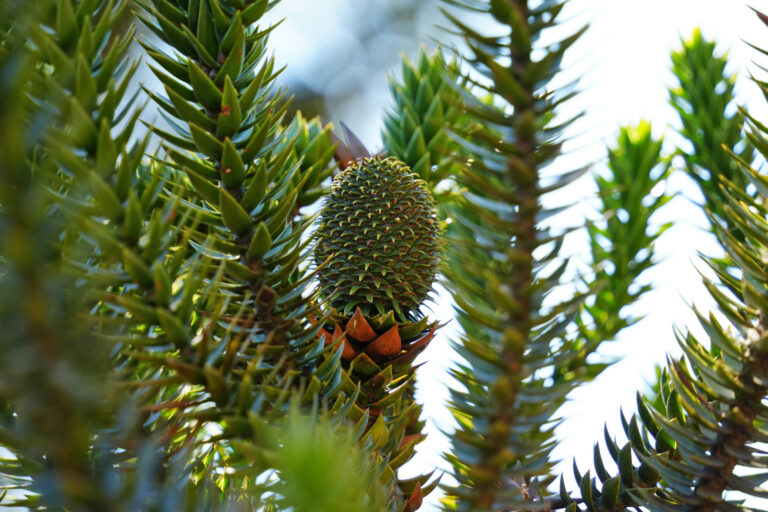
Nearly Six in Ten Species Boast Market Potential (Image Credits: Imgs.mongabay.com)
Researchers uncovered a striking fact: almost 60% of native plants in restoration zones hold commercial promise. They surveyed 283 tree species across three subtropical sites – active reforestation plots, naturally regenerating areas, and former eucalyptus plantations. Species richness and abundance guided their analysis.
The team cross-referenced findings with patent records and studies on medical, cosmetic, food, and industrial applications. Harvesting often proves nondestructive, targeting leaves, bark, or fruits without damaging trees. Lead author Pedro Medrado Krainovic of the University of São Paulo emphasized the need to identify specific opportunities beyond vague claims of biodiversity’s worth.
A Biome Under Siege Seeks Economic Incentives
The Atlantic Forest once stretched across eastern Brazil, northern Argentina, and southeastern Paraguay, sheltering 5% of the world’s vertebrate species while supporting 70% of Brazil’s population. Deforestation left just 24% of its original tree cover intact. The Atlantic Forest Restoration Pact, launched in 2009, targeted 15 million hectares of recovery, with three-quarters of the land in private hands.
Restoration projects advanced for decades, yet progress stalled amid competing land uses. Private owners often favored profitable crops or exotic timber like eucalyptus over slow-growing natives. Krainovic noted that convincing landowners of restoration’s benefits remained the main hurdle, as gains like improved water regulation felt too indirect.
Barriers to Success and Paths Forward
Small landowners faced exclusion from funding, short-term grants, and technical risks with native species. Seedling supply chains lagged, heightening uncertainties compared to established exotic plantations. Jefferson Hall of the Smithsonian Tropical Research Institute pointed to past failures, like Panama’s teak ventures, where poor conditions led to land losses.
Solutions emerged through bioeconomics, blending conservation with income streams. Policymakers could prioritize incentives for native plant management, education, and supply chain development. The study, published in Ambio, offered data to shape green policies and bolster reforestation.
Toward a Sustainable Bioeconomy
Native plants promised steady revenue for small farmers and Indigenous groups, sustaining restored forests long-term. Nondestructive practices preserved biodiversity while generating value in key sectors. Krainovic envisioned forests as pillars of a remunerated bioeconomy: “This shift ensures that the Atlantic Forest – and other tropical forests – is not only restored but also remains standing.”
- Medicinal uses dominate potential applications.
- Cosmetic and food products follow closely.
- Industrial extracts round out opportunities.
- Decentralized harvesting minimizes risks.
- Local jobs emerge from seedling production and management.
Key Takeaways
- 59% of surveyed species offer bioeconomic value, harvestable sustainably.
- Private lands hold the key, controlling 75% of the biome.
- Bioeconomy bridges conservation gaps for smallholders and communities.
Brazil’s Atlantic Forest stands at a crossroads where economic viability could secure its future, transforming restoration from a costly obligation into a thriving enterprise. What steps should governments take next to harness this potential? Tell us in the comments.