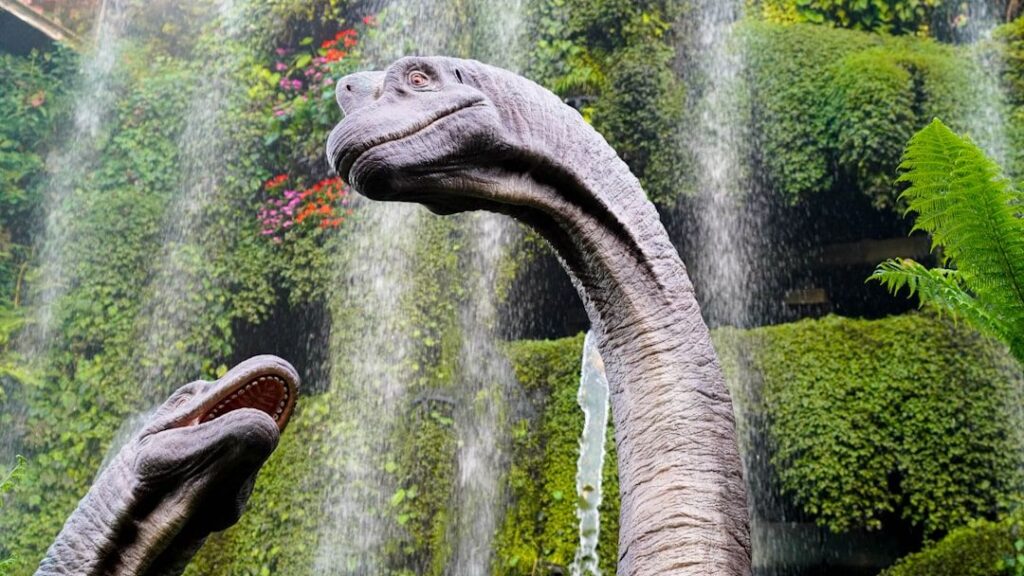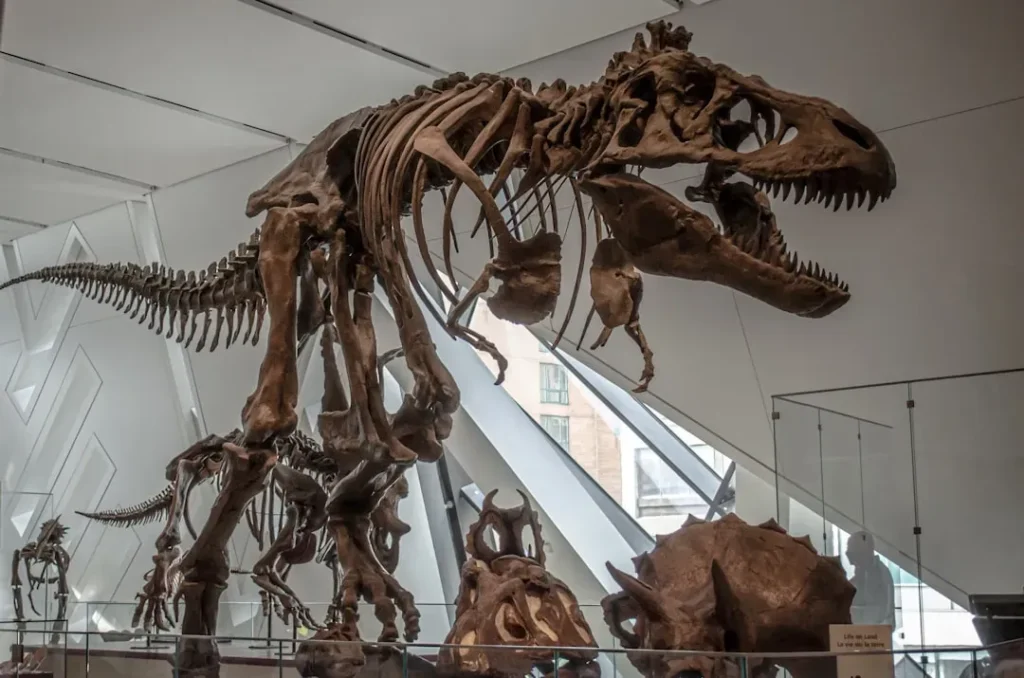
You probably grew up with a simple story: a giant asteroid slammed into Earth, the sky went dark, the dinosaurs died, and that was that. It is a dramatic, almost cinematic explanation, and the asteroid impact in what is now Mexico absolutely did happen and was unimaginably violent. But in the last couple of decades, scientists have uncovered evidence that this event was not a standalone disaster, and the real story of the great extinction might be stranger, more complex, and more unsettling than you were ever told.
When you start digging into the research, you discover a world of supervolcanoes, poisoned oceans, shifting climates, and planetary chain reactions that were already underway before the asteroid hit. Instead of a single bullet, you are looking at a loaded gun made of multiple triggers going off in quick succession. As you explore these newer theories, you begin to see that the end of the dinosaurs was not just one bad day, but the brutal finale of a planet that had been pushed to the edge.
Were the Dinosaurs Already in Trouble Before the Asteroid?
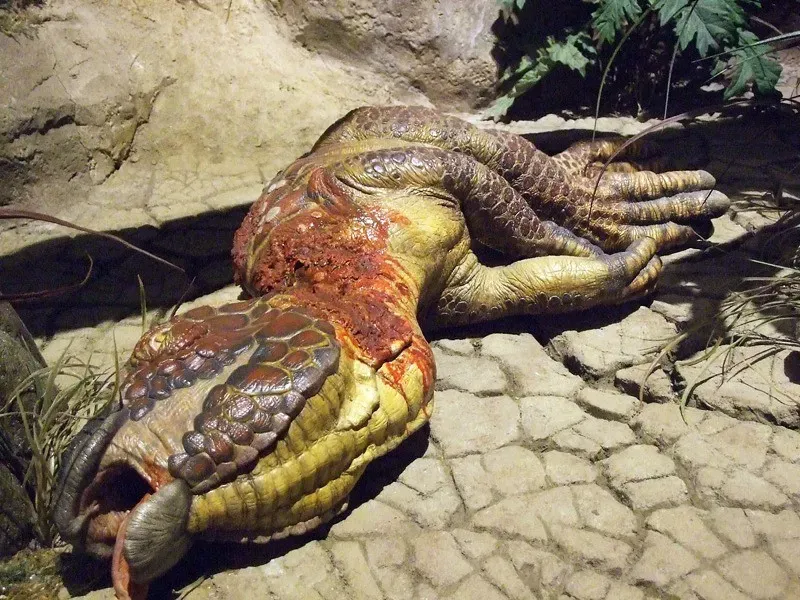
You might assume dinosaurs were thriving right up until the asteroid arrived, but when you look at the fossil record more closely, that story starts to wobble. Some studies suggest that certain dinosaur groups were already declining in diversity in the last few million years of the Cretaceous. Imagine a sports team that used to dominate every game, but in the final season you notice fewer star players and more empty seats; the scoreboard at the end may show a sudden loss, but the slide started long before.
When you consider factors like shifting climates, changing sea levels, and rearranging continents, you start to see how dinosaur ecosystems were already under pressure. Large herbivores depend on stable plant communities, and predators depend on those herbivores, so even gradual environmental changes can ripple through the whole food web. You are not looking at a world in perfect balance, suddenly destroyed out of nowhere; you are looking at a system that may already have been wobbling when the asteroid landed the final blow.
Supervolcanoes and the Hellscape of the Deccan Traps
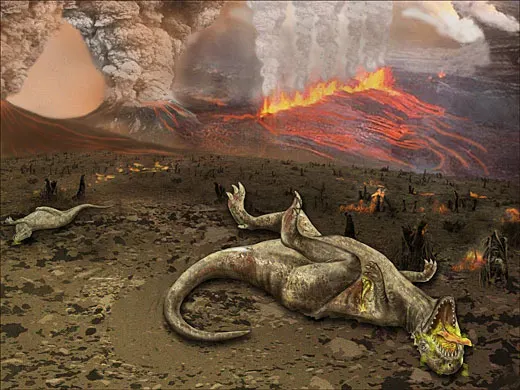
If you picture the end of the dinosaurs as one rock falling from space, you are missing one of the most terrifying players in the story: the Deccan Traps. In what is now India, colossal volcanic eruptions were flooding the land with lava over an area that eventually covered a region larger than many countries combined. You can think of it less like a normal volcano and more like the planet itself bleeding fire from enormous cracks in the crust.
As these eruptions raged, they pumped massive amounts of gases into the atmosphere, including carbon dioxide and sulfur compounds that can both heat and cool the planet in different ways. You would have seen skies choked with ash, acidic rain, and long-term climate swings that could have stressed plants, corals, plankton, and everything that depended on them. When you combine that with an asteroid impact, you are no longer dealing with one catastrophe; you are dealing with overlapping shocks hitting an already battered world.
Climate Whiplash: From Greenhouse Heat to Impact Winter
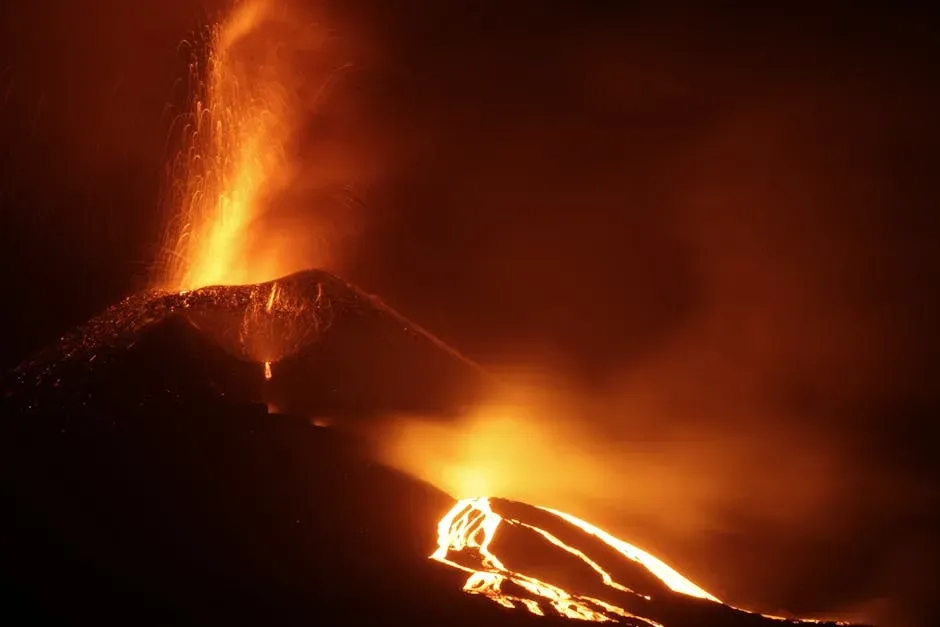
To understand why life struggled to survive, you need to think not just about one extreme climate, but about rapid, violent swings between them. The Deccan Traps eruptions likely drove long-term warming, turning parts of the planet into a greenhouse nightmare with higher temperatures and changing rainfall patterns. If you were living then, you would have seen ecosystems migrating, coastlines shifting, and habitats slowly squeezing species out of the comfortable zones they depended on.
Then the asteroid impact likely did the opposite, throwing so much dust, soot, and vapor into the atmosphere that sunlight was dramatically reduced for months or even years. You can picture it as yanking the planet’s thermostat from high heat to sudden deep freeze, while dimming the lights at the same time. Plants would struggle to photosynthesize, food chains would collapse from the bottom up, and animals that needed a lot of energy, like large dinosaurs, would be hit especially hard. It is not just that the climate changed; it is that it changed too fast for most life to adjust.
Poisoned Oceans and the Collapse of Marine Life
If you want to see how fragile life can be, you only need to look at what happened in the oceans during the great extinction. You may think of the asteroid as a land event, but much of the damage played out under the waves, where plankton, ammonites, and many marine reptiles vanished. With volcanic gases and impact fallout altering the chemistry of the atmosphere, the oceans likely absorbed huge amounts of carbon dioxide, becoming more acidic and less friendly to organisms that built shells or skeletons from calcium carbonate.
On top of that, changes in temperature and circulation can strip oxygen from deeper waters, creating dead zones where almost nothing can survive. If you were a marine animal then, you might have faced hotter, more acidic, lower-oxygen seas all at once. When the base of the food web, like tiny plankton, collapses, the effects race upward to fish, reptiles, and anything that depends on them. The asteroid did not just kill dinosaurs; it helped trigger a massive restructuring of ocean life that you can still see echoes of today.
Multiple Triggers, One Catastrophic Outcome
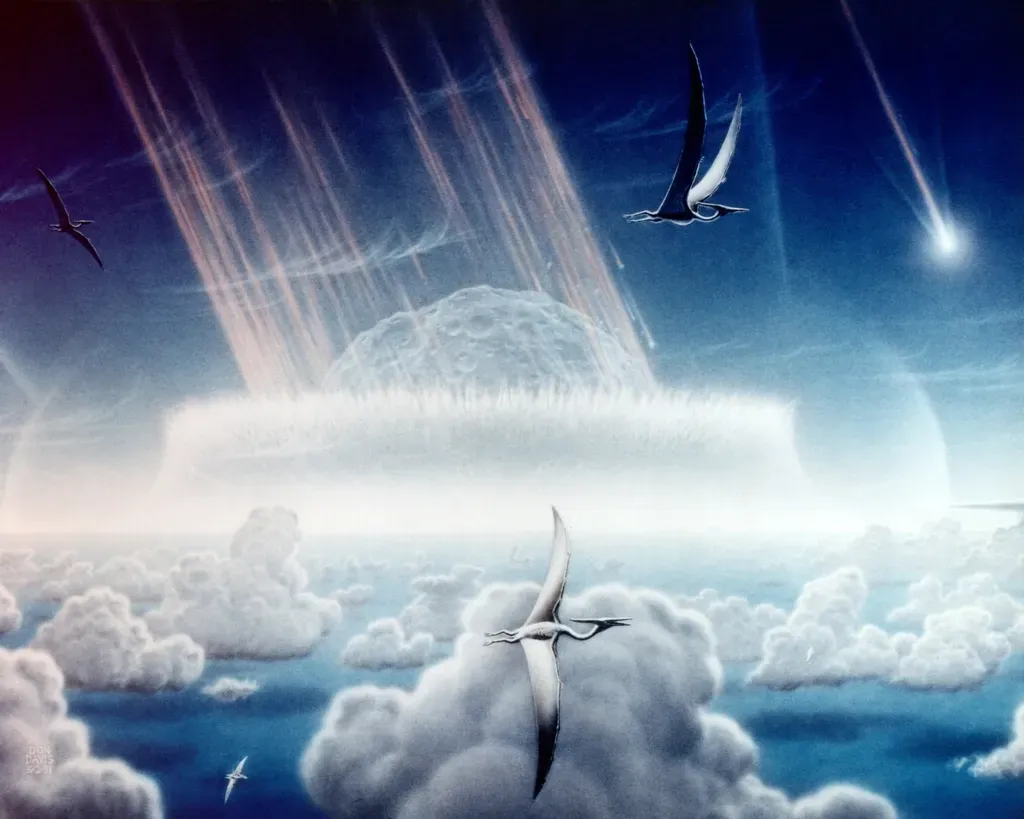
When you step back and look at all the evidence together, it becomes harder to keep the neat, single-cause story in your mind. Instead, you are looking at a world hit by a deadly combination of ongoing volcanic activity, long-term climate stress, ecosystem instability, and then, finally, the brutal punctuation mark of an asteroid impact. Think of it like a building already weakened by termites, small fires, and water damage; the final explosion gets the blame, but everything leading up to it made the disaster inevitable.
This way of thinking is often called a multiple-cause or cascade model, where each stress makes the system more vulnerable to the next one. You can see parallels in modern times when warming oceans, pollution, and overfishing combine to wreck coral reefs, none of them acting alone. For the dinosaurs and many other species, it was the same kind of deadly synergy, just on a scale that is almost impossible for you to fully grasp. The asteroid may have been the most dramatic event, but without the background of a planet already pushed to its limits, the outcome might have been very different.
What the Great Extinction Reveals About Your Future
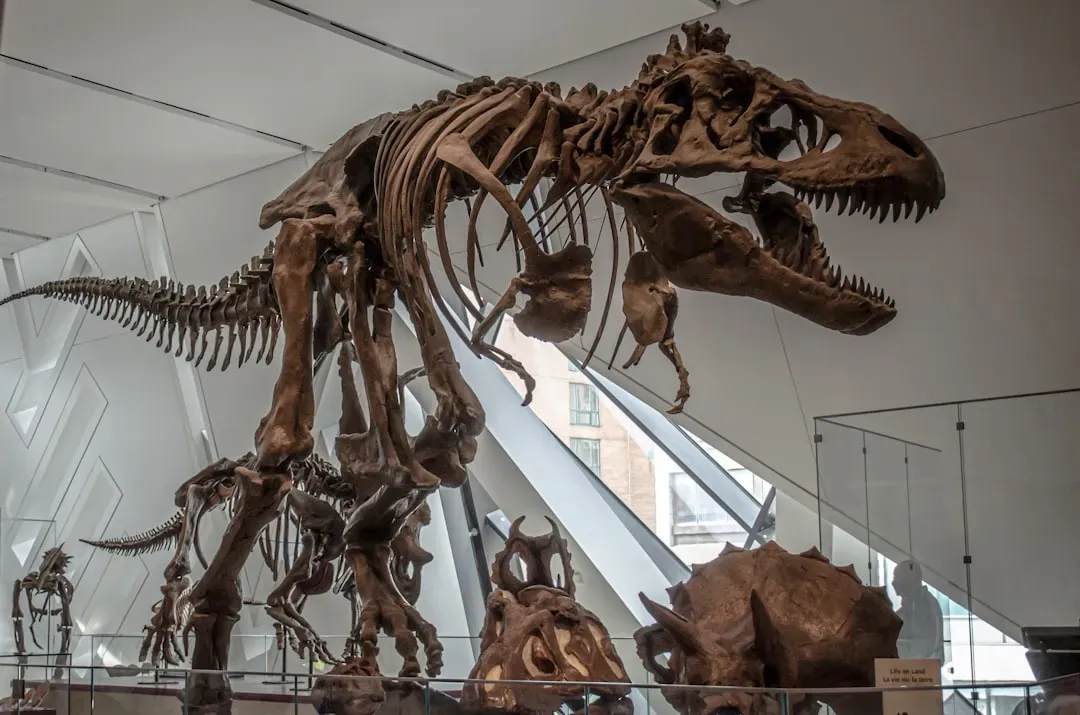
As you learn more about these new theories, it is hard not to see uncomfortable similarities to the world you live in now. You are watching rising greenhouse gases, shifting climates, dying coral reefs, and shrinking habitats, all stacking up like dominoes waiting to fall. The end of the dinosaurs is not just a prehistoric curiosity; it acts like a case study in how complex, connected systems fail when too many pressures hit at once.
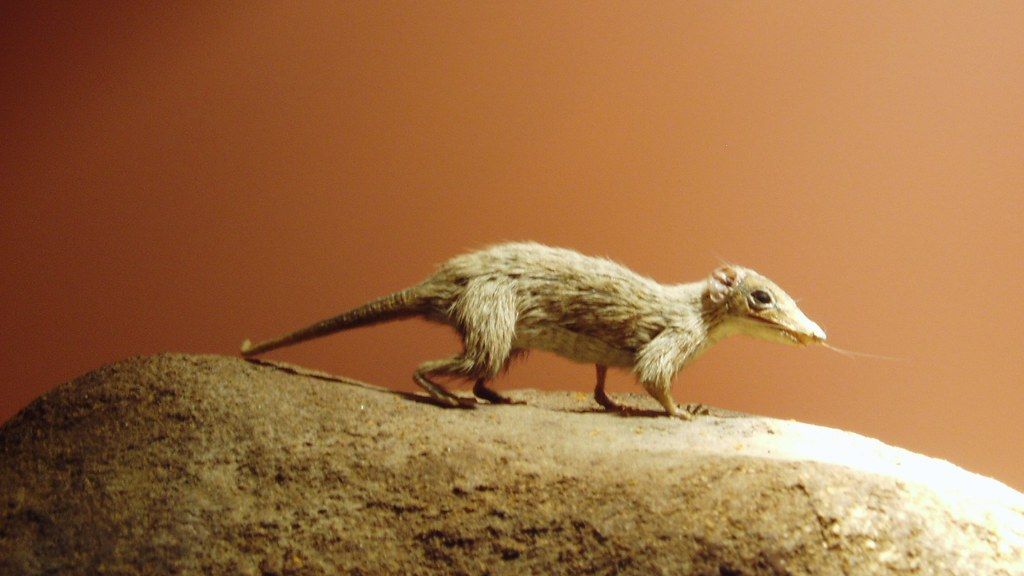
You also see that life on Earth is both incredibly resilient and incredibly fragile at the same time. Some small mammals, birds, and other species managed to survive the chaos and eventually flourish, while mighty dinosaurs, giant marine reptiles, and many other dominant creatures vanished forever. That contrast forces you to ask what kind of species you want to be: one that ignores cascading risks until the final blow, or one that learns from history. In the layers of rock that record the great extinction, you are not just reading the past; you are holding a mirror up to your own choices today.
In the end, the story of the great extinction stops being about a single asteroid and turns into something more complex and unsettling. You are looking at a planet pushed past its breaking point by several overlapping disasters, where timing and accumulation mattered just as much as raw power. When you realize that, the question quietly shifts from what killed the dinosaurs to what kind of future you are building now, under the same fragile sky and over the same restless, living planet.