History has always been a work in progress. Every time we think we have a solid grip on the past, the earth opens up and hands us something that shatters the narrative we thought was settled. You might imagine that in 2026, with centuries of digging behind us, there are few truly stunning surprises left to uncover. You would be wrong.
From jungle-buried royal tombs to ancient port cities submerged beneath the sea, archaeologists in recent years have made discoveries so extraordinary that entire textbook chapters are being rewritten. Some sites challenge what you knew about early civilization; others prove that myths and legends carried far more truth than anyone dared believe. Let’s dive in.
1. The Tomb of King Thutmose II, Egypt’s Valley of the Kings
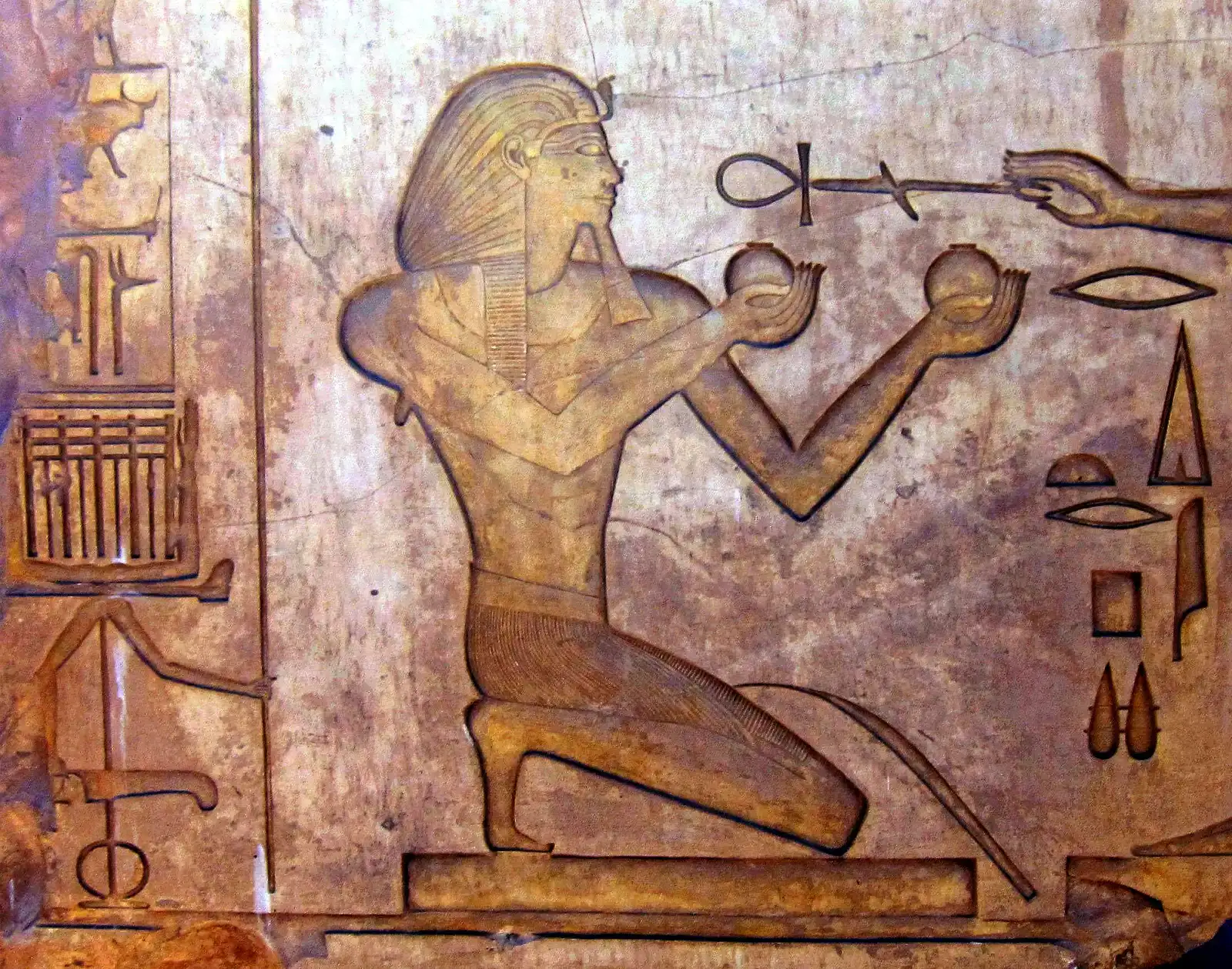
Honestly, few things in archaeology feel as electric as finding a lost royal tomb, and this one delivered that feeling in full force. The tomb of King Thutmose II eluded archaeologists for more than a century before a combined British and Egyptian team announced discovering it in February 2025. For many Egyptologists, this was the equivalent of finding the last missing piece of a puzzle they had been working on for generations.
Thutmose ruled about 3,500 years ago and was the great-great-great-great-great grandfather of Tutankhamun. His was the first pharaonic tomb found at the Valley of the Kings since Tut’s. Think about what that means. Decades of searching, and here you are, standing at the threshold of a chamber sealed for three and a half millennia. The discovery was hailed as the first royal tomb to be found since King Tut, and as the last missing royal tomb of the New Kingdom’s 18th Dynasty.
2. Karahantepe’s Neolithic Amphitheater, Türkiye
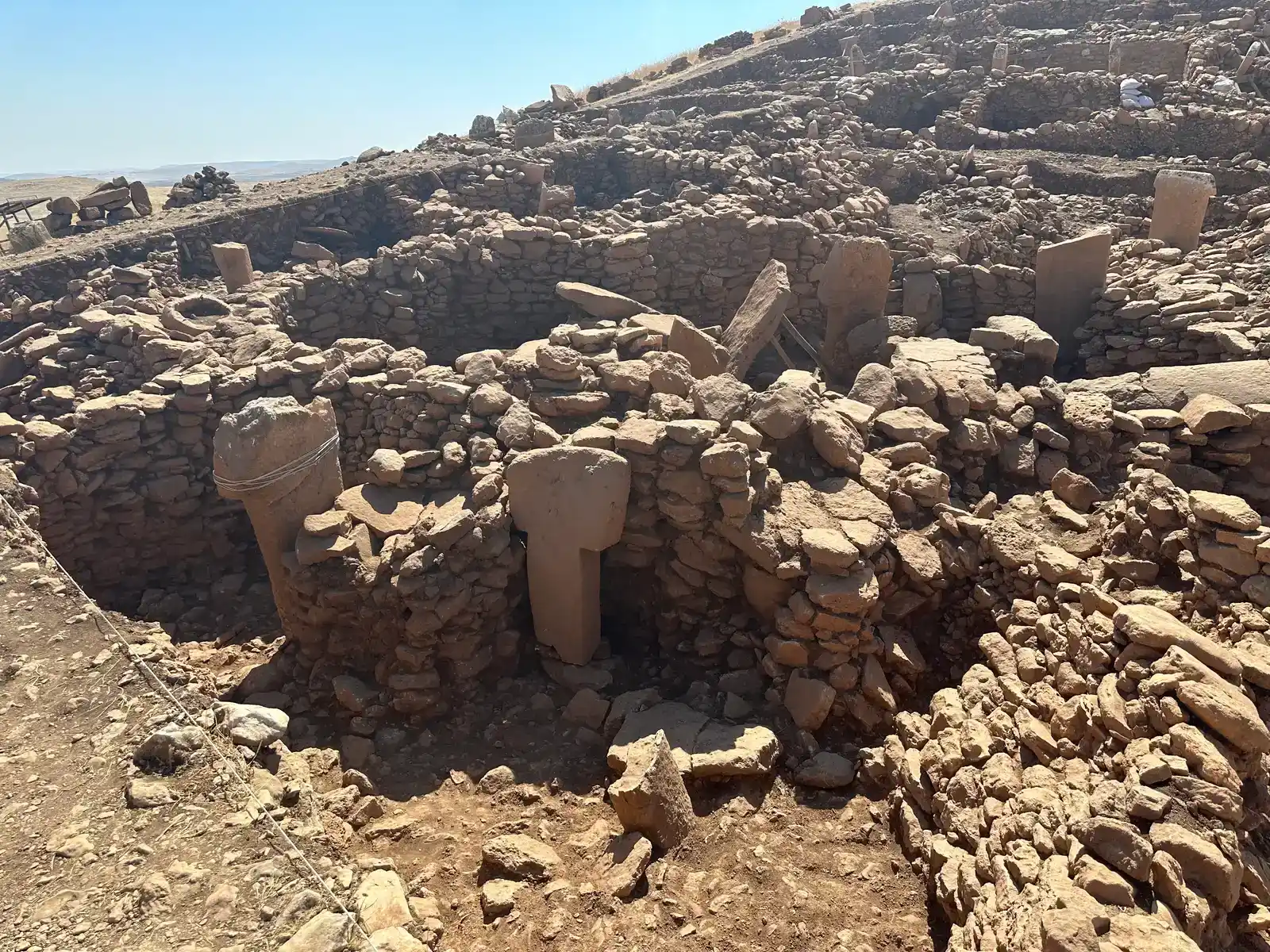
Here’s the thing about ancient Türkiye: it keeps producing jaw-dropping revelations that push organized human society further and further back in time. Excavations led by Istanbul University have revealed a large structure resembling an amphitheatre at Karahantepe, a Neolithic site located near Şanlıurfa in southeastern Türkiye that was inhabited from approximately 9400 to 8000 BCE. That is not a typo. This structure predates most of what you learned in school about the origins of communal architecture.
The circular structure measures almost 17 meters in diameter and features tiers of stone benches, human and animal sculptures, and carved heads embedded in the walls. Thousands of years older than its classical counterparts, the form of the circular structure points to organized group gatherings. What kind of gatherings? Rituals? Councils? Communal storytelling? Nobody knows for certain, and that mystery is precisely what makes Karahantepe so captivating.
3. The Sulawesi Cave Paintings, Indonesia
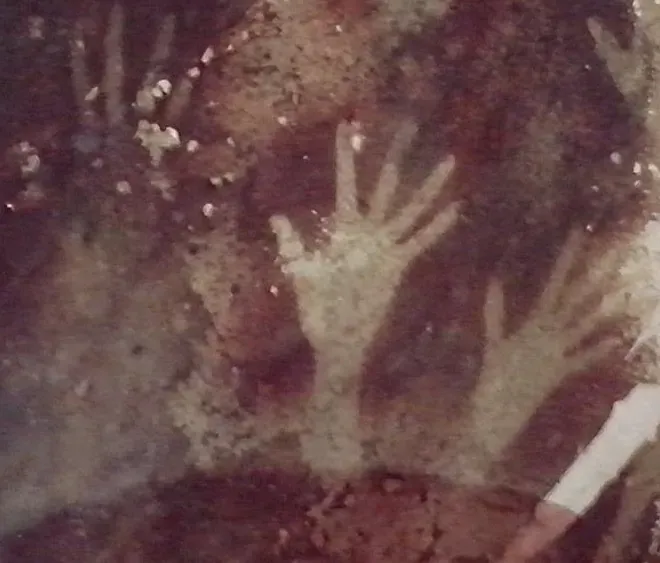
For a long time, the story of human creativity began in Europe. The cave paintings at Lascaux in France and Altamira in Spain were considered among the oldest, and many assumed that artistic expression was somehow a European invention. Then came Indonesia, and it blew that assumption apart entirely. Scientists announced that a painted scene of people hunting pig-like animals found in a cave on the island of Sulawesi is at least 51,200 years old.
This beats out the last contender for oldest cave art, a drawing of pigs also found in a cave in Indonesia, by around 5,000 years. An even older date was proposed for a stencil drawing found in Spain in 2018, but its extreme age, over 60,000 years old, has since come into question. The Sulawesi paintings depict human-like figures hunting animals, offering a glimpse into the symbolic and cultural practices of early human societies in Southeast Asia. You are looking at the oldest confirmed figurative storytelling ever found on earth.
4. Caracol’s Royal Maya Tomb, Belize
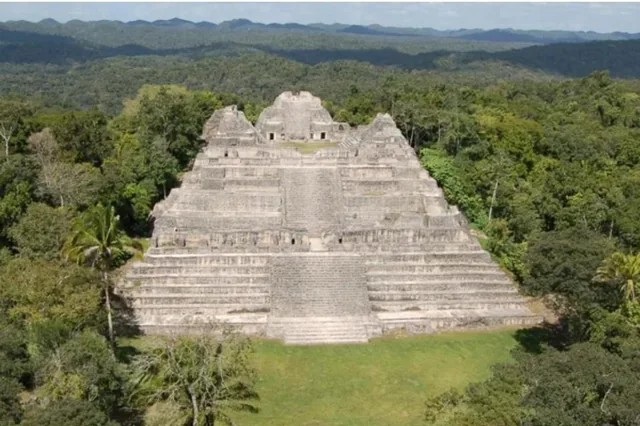
The Maya never cease to amaze. Deep inside the jungles of modern-day Belize, a discovery emerged that sheds entirely new light on dynastic power in the ancient Americas. For nearly 40 years, archaeologists Arlen and Diane Chase from the University of Houston have excavated the ancient Maya structures of Caracol. This year they announced one of their biggest finds yet: a 1,700-year-old royal tomb dating roughly to A.D. 330–350, believed to have belonged to a renowned ruler, Te K’ab Chaak.
Inside the cinnabar-covered tomb, the researchers found a shattered mosaic death mask made of jade and shells, jade ear flares, and the bones of an elderly man whose skull had rolled into a pottery vessel. If their hunch is right and the remains do belong to Te K’ab Chaak, that would mean they have discovered the founder of a Maya dynasty that ruled the city for nearly 500 years. The findings also offer clues to a possible relationship between the Maya living there at the time and the faraway but powerful city of Teotihuacan. A single tomb, reframing an entire civilization’s political history.
5. The Lost City in the Amazon, Ecuador
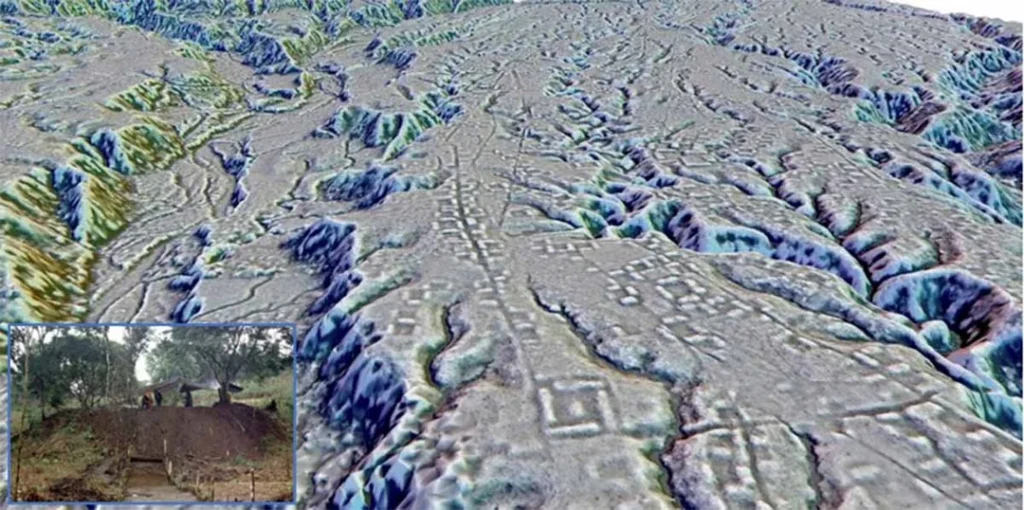
For centuries, the idea of a vast, sophisticated civilization buried beneath the Amazon rainforest was dismissed as romantic fantasy. Let’s be real, most serious scholars considered it little more than legend. Then technology settled the argument. Ground-sensing technology uncovered over 6,000 interconnected earthen platforms in Ecuador that date back 2,000 years. The scale alone is staggering.
In Ecuador, researchers discovered a massive urban network 2,500 years old. The site includes five large and ten smaller settlements connected by wide, straight roads, as well as over 6,000 rectangular earthen foundations for houses and ceremonies. The Amazon was long considered a “green desert” inhabited only by small tribes. LiDAR proved that wrong. You are looking at evidence that an organized, large-scale civilization was thriving in the rainforest long before European contact, and nobody even knew it existed.
6. The Sanctuary of Odysseus, Ithaca, Greece
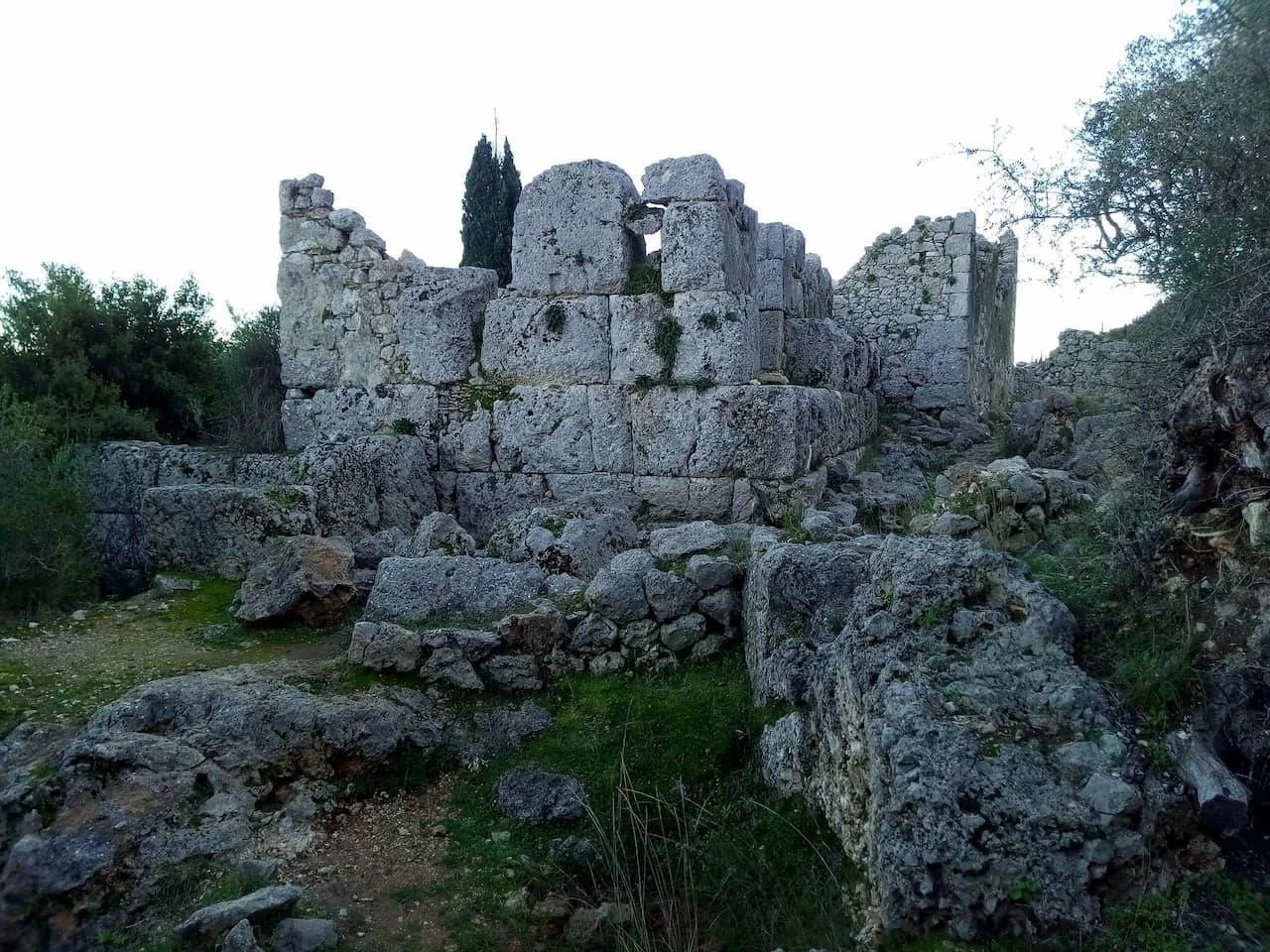
It sounds like something from a movie. Archaeologists digging on the very island where Homer’s legendary hero was said to have lived, and actually finding physical evidence that he was worshipped as a real figure. On the Greek island of Ithaca, archaeologists identified a site believed to be a sanctuary dedicated to the legendary hero Odysseus. Located at an archaeological complex previously known as the School of Homer, the site had long been debated by scholars of ancient literature and history. Excavations conducted in 2025 provided concrete evidence of a cult center where inhabitants and travelers once offered prayers and gifts to the protagonist of the Odyssey.
The identification is supported by the discovery of multiple votive offerings, including small bronze statues and ceramic vessels. Most notably, a tile fragment bearing a Greek inscription explicitly mentions the name Odysseus. This find links the mythological figure to a physical place of worship, suggesting that he was venerated as a real historical figure or local deity during the Hellenistic period. While the Sanctuary of Odysseus may not prove the existence of the Homeric hero, it does demonstrate how the myth shaped reality in ancient Greece. That, when you stop to think about it, is extraordinary.
7. Troy’s Destruction Layer and the Evidence of Real War
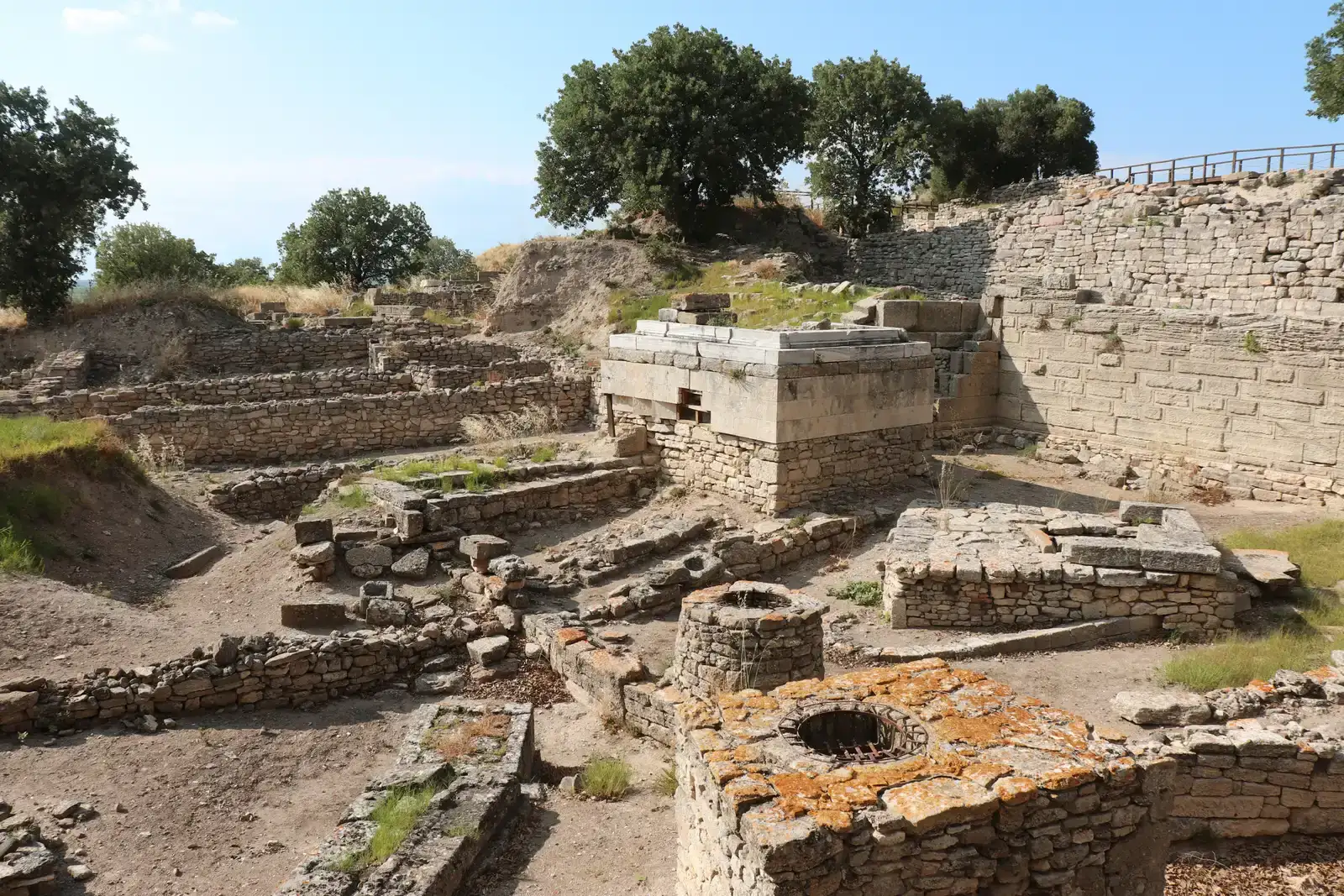
For hundreds of years, the Trojan War was considered pure myth. A brilliant story, certainly, but not history. Then Heinrich Schliemann found the city of Troy in the 19th century, and the debate shifted. Now, recent excavations have delivered something even more electrifying. Fresh excavations at the legendary city of Troy in northwestern Türkiye have uncovered what may be the most compelling evidence yet that Homer’s Iliad describes real events. Turkish archaeologists discovered thousands of 3,500-year-old sling stones concentrated in a small area outside the palace walls, along with arrowheads, charred buildings, and hastily buried human remains.
The sling stones, smoothed to aerodynamic perfection, were among the Bronze Age’s most lethal weapons. The concentration of these weapons in one tight area speaks to the ferocity of the fighting that occurred there. The destruction layer dates to around 1200 BC, precisely matching the period Greek historians assigned to the Trojan War. I know it sounds crazy, but you might be living in the era when the line between myth and history finally, definitively dissolves.
8. Stonehenge’s Altar Stone and Scotland’s Hidden Role
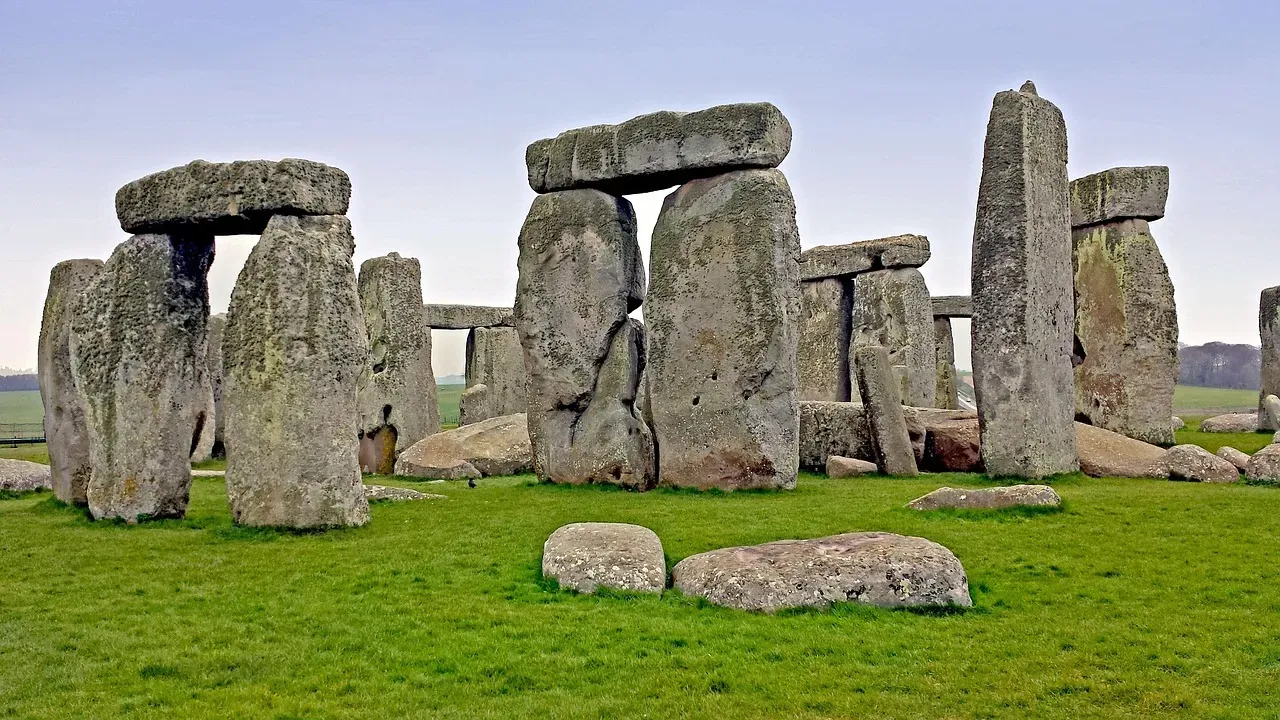
You probably grew up being told that Stonehenge’s stones came from Wales. That was already impressive enough. Then researchers dropped a bombshell that reframed the entire monument. In 2024, researchers found that the altar stone near the center of the structure was made from sandstone that originated in Scotland, hundreds of miles from Salisbury Plain where it now lies. Scotland. Not Wales. Not anywhere nearby.
Such a journey would have been a major undertaking roughly 4,600 years ago, when archaeologists think the stone was emplaced: it weighs more than six tons, and the builders probably did not use wheels. Mineral signatures, including zircon and apatite, matched Old Red Sandstone from the Orcadian Basin in northeast Scotland. The stone was likely transported by water, evidence of advanced seafaring we knew almost nothing about. Think about that the next time you picture Stonehenge as the work of a simple, isolated community. The people who built it were operating on a continental scale.
Conclusion
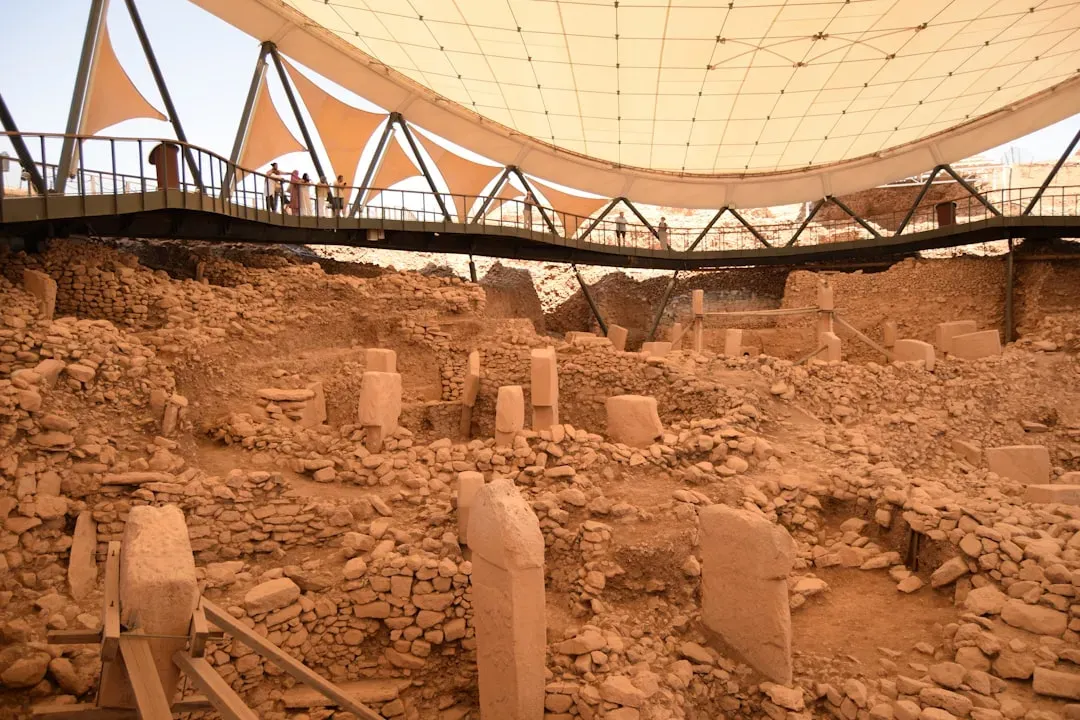
What you are witnessing right now, in 2026, is nothing less than a revolution in how humanity understands its own past. LiDAR scanning, ancient DNA analysis, underwater robotics, and AI-powered tools are turning archaeology into something that previous generations could barely have imagined. Sites that were dismissed as myth are proving to be memory. Civilizations that were invisible are coming back into focus.
The most humbling part? These eight sites are just a fraction of what is out there. Somewhere beneath a jungle, a seabed, or an ordinary field, the next discovery is waiting. History, it turns out, is not something we have already figured out. It is something we are still in the middle of writing.
What discovery surprised you the most? Drop your thoughts in the comments and let us know which site you would most want to visit.