
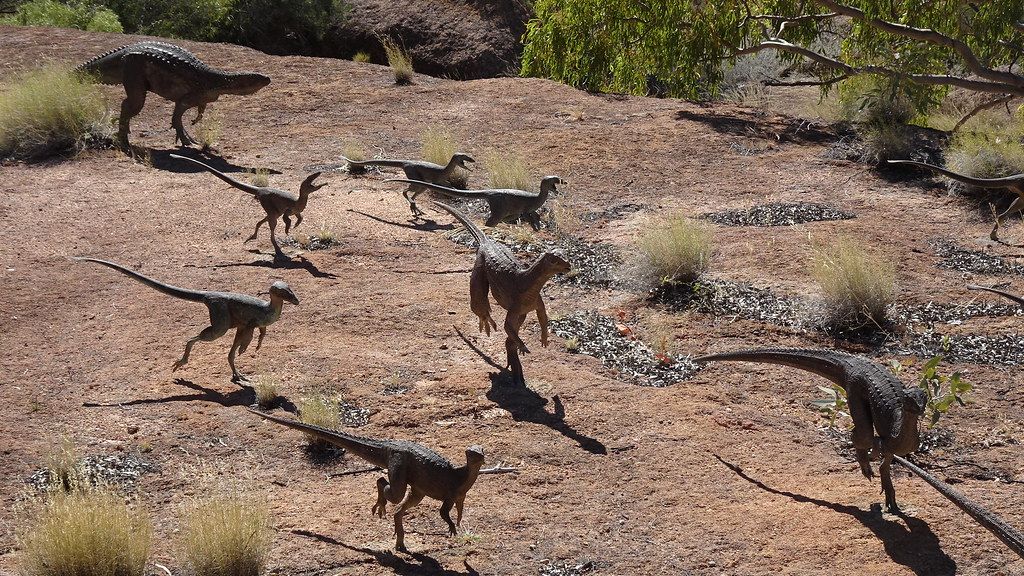
When you picture a dinosaur, you probably imagine a lone, thundering beast tearing through a prehistoric jungle. That image, dramatic as it is, turns out to be seriously incomplete. Decades of accumulated fossil evidence, combined with a surge of recent discoveries, are painting a radically different portrait of life in the Mesozoic. These creatures were not just solitary predators or gentle wanderers. They were, in many cases, deeply social animals with structured communities, cooperative parenting, and long-distance group behaviors that rival what you see in modern elephants or wildebeest today.
What makes all of this so exciting is that the science keeps escalating. Researchers are no longer guessing at dinosaur behavior from single bones. They are reading the social lives of these animals in trackways, bonebeds, embryo fossils, and age-segregated remains buried together in rock for millions of years. If you thought the dinosaur story was already told, buckle up. It has barely begun.
The Patagonia Revelation: Herding Began Way Earlier Than Anyone Thought
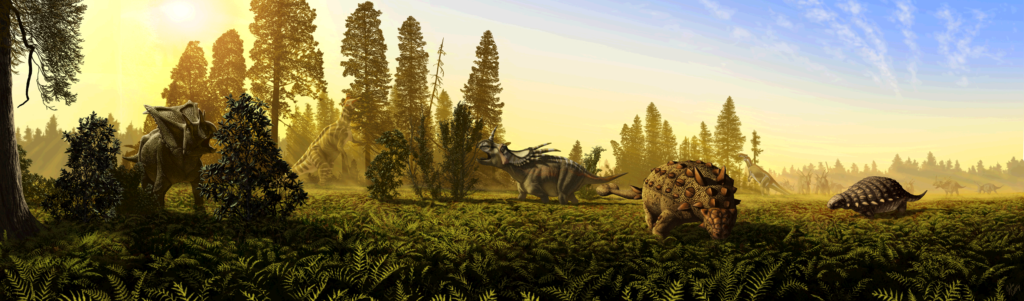
Researchers from MIT, Argentina, and South Africa say the early sauropodomorph Mussaurus patagonicus may have lived in herds as early as 193 million years ago, which is roughly 40 million years earlier than other records of dinosaur herding. That number deserves a moment to sink in. Forty million years. That is nearly the span between us and whatever was crawling around before the dinosaurs themselves dominated the Earth.
The exceptional fossil occurrence from Patagonia includes over 100 eggs and skeletal specimens of 80 individuals of Mussaurus patagonicus, ranging from embryos to fully-grown adults, with an Early Jurassic age determined by high-precision dating methods. The dinosaurs likely worked as a community, laying their eggs in a common nesting ground, while juveniles congregated in schools and adults roamed and foraged for the herd. Think of it like a prehistoric savanna community, every age group playing its role in the survival of the whole.
The Remarkable World of Age Segregation Inside Dinosaur Herds
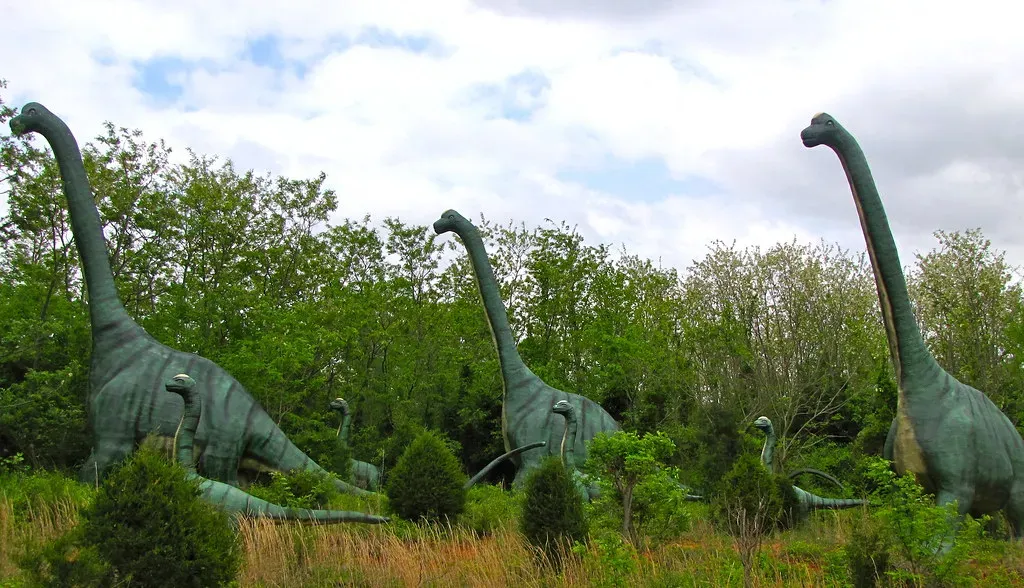
Here is the thing that really blew scientists away. It was not just that dinosaurs lived in groups. It was that they organized those groups by age. Like a high school cafeteria, but with considerably more teeth and far fewer smartphones.
A taphonomic comparison of bonebeds revealed that Hypacrosaurus stebingeri individuals lived in age-segregated groups, likely cohorts, until into their fourth year of life, when, after having reached sexual maturity, they rejoined a multigenerational herd. The bonebeds suggest that very young individuals of Hypacrosaurus stebingeri lived together in a group with individuals of various ages for a few years, possibly within a herd, and then when they reached a certain size, they left the group and lived exclusively with individuals of their own age. Honestly, that kind of social partitioning sounds almost uncomfortably familiar.
Footprints Frozen in Time: The First Evidence of Mixed-Species Herding
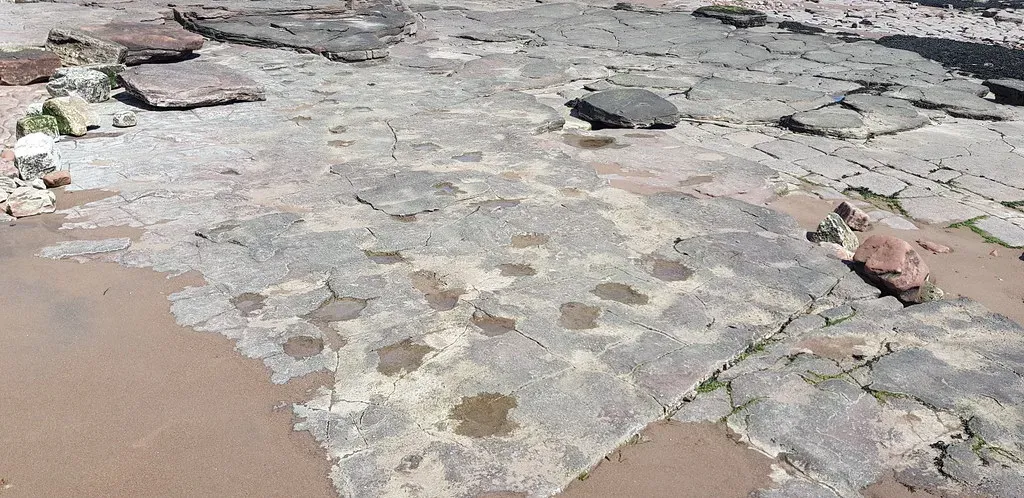
You want a genuinely mind-bending discovery? Imagine researchers walking a 76-million-year-old mudflat and suddenly realizing that multiple species of dinosaurs were strolling together like they were on a group hiking trip.
The discovery made during an international field course in July 2024 includes footprints from multiple dinosaur species walking alongside each other, providing the first evidence of mixed-species herding behaviour in dinosaurs, similar to how modern wildebeest and zebra travel together on the African plains. The researchers were also surprised to find the tracks of two large tyrannosaurs walking side-by-side and perpendicular to the herd, raising the prospect that the multispecies herding may have been a defence strategy against common apex predators. It is hard to say for sure, but that detail about the two tyrannosaurs eyeing up the group sends a chill down the spine that no museum exhibit could fully replicate.
Colonial Nesting: Dinosaurs Raised Their Young as a Village
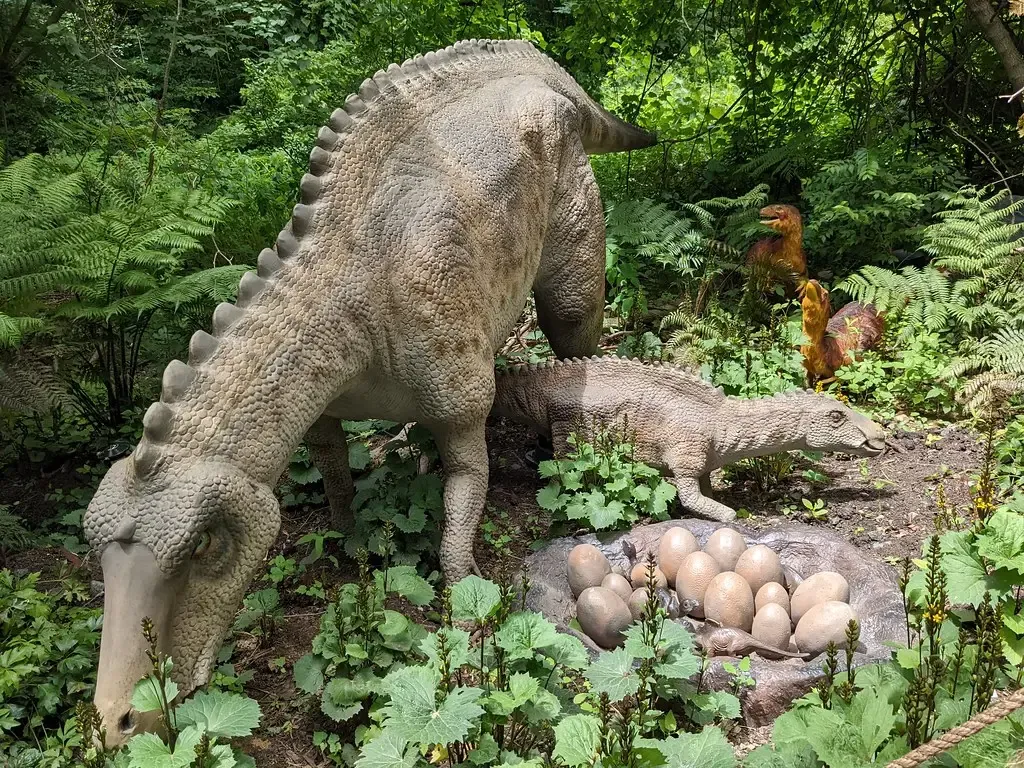
The old image of a dinosaur laying eggs and walking away forever is one that science has been steadily dismantling. Some species returned to the same nesting grounds year after year. Others nested in dense colonies where safety came in numbers, not just in size.
The duck-billed Maiasaura, a name that means “good mother lizard,” is one of the best-known examples of parental behaviour. These Late Cretaceous dinosaurs, which lived around 80 to 75 million years ago, are thought to have nested in large colonies, and the parents may have extensively provided food and protection for their hatchlings. In response to the dangers facing their young, many dinosaur species developed colonial nesting behaviors, creating safety-in-numbers situations where multiple adults could detect and deter potential threats. Think of it like a penguin rookery, scaled up to creatures that weighed several tons and could trample a predator flat.
The Evolutionary Advantage of Being Social
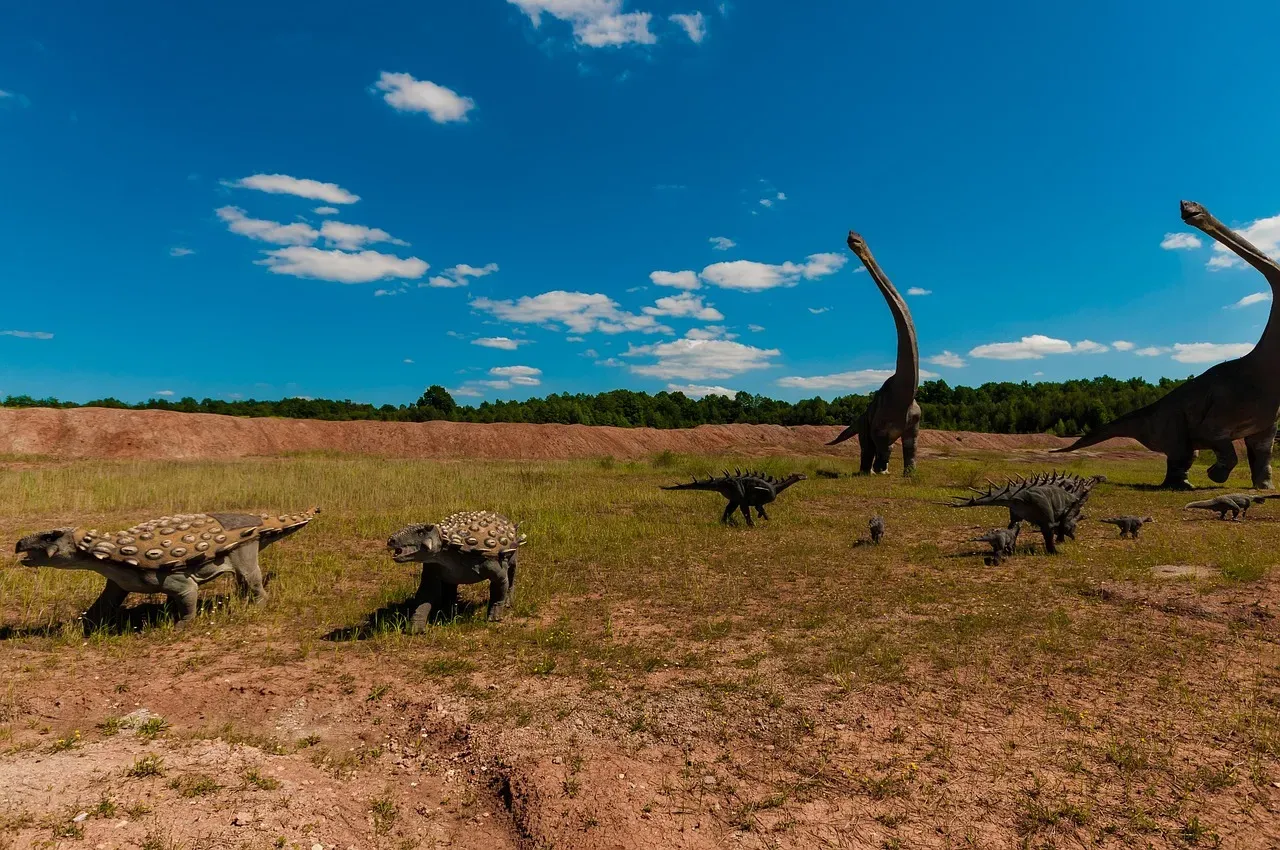
Social behavior was not just a nice-to-have for these animals. Scientists increasingly believe it was a survival strategy that may have shaped which lineages thrived across mass extinctions and which ones did not.
The presence of sociality in different sauropodomorph lineages suggests a possible Triassic origin of this behaviour, which may have influenced their early success as large terrestrial herbivores. Mussaurus patagonicus emerged in the late Triassic period, right before a massive extinction event wiped out the vast majority of all species on Earth, but the sauropodomorphs persisted and eventually dominated land, giving rise to sauropods like the iconic Brontosaurus. I think that connection is profoundly underrated. The ability to live and cooperate in groups may have been as decisive as any biological advantage these animals possessed. Cooperation, not just brute size, may have been the real secret to their dominance.
New Technologies Are Rewriting the Rules of Fossil Interpretation
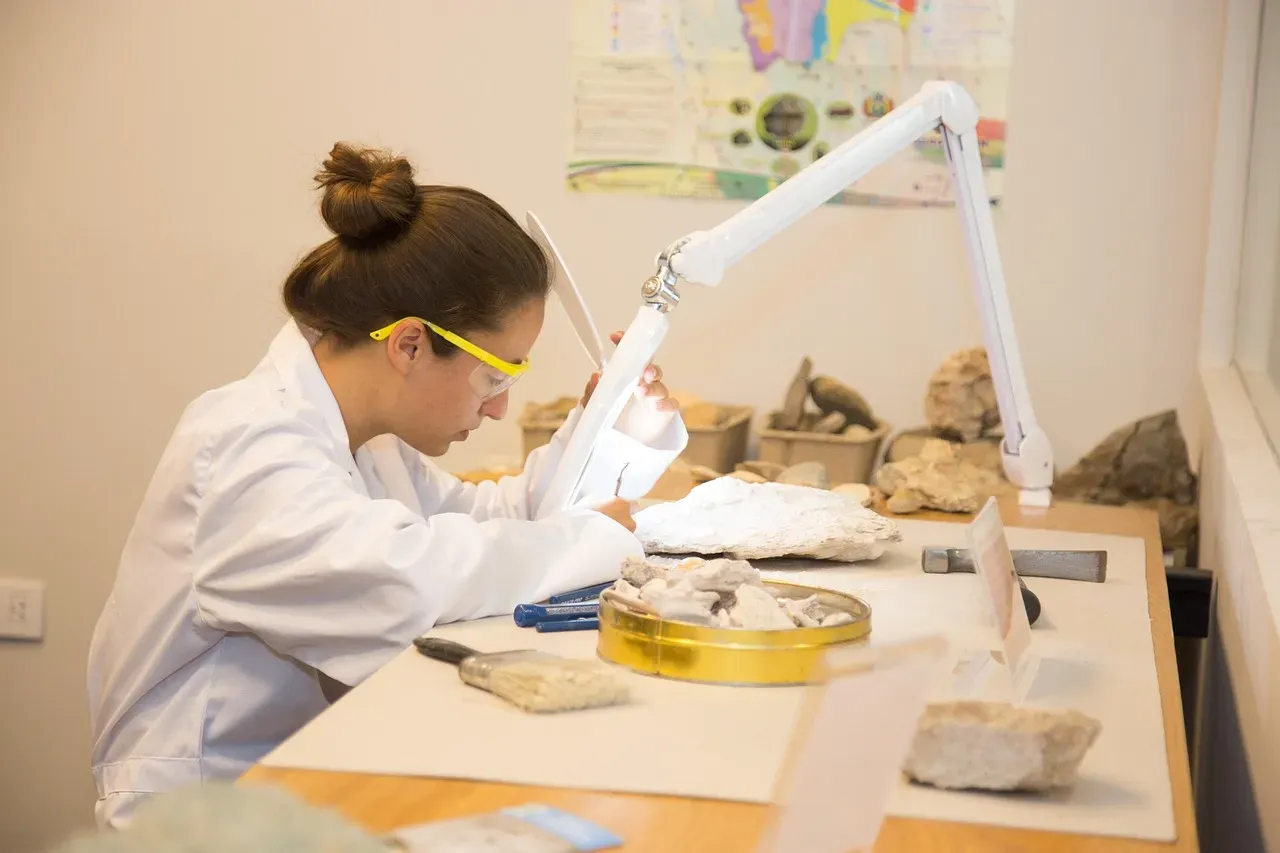
Studying dinosaur behavior is obviously not like observing lions on a safari. You are working with fragments of rock, scattered bones, and the occasional extraordinary deposit. That is why the explosion of new analytical tools has been such a game-changer for paleontologists trying to decode social lives from stone.
Paleontologists are advancing the study of dinosaur behavior by utilizing new techniques such as electron microscopy to determine the colors and patterns of feathered dinosaurs, which can provide insights into their camouflage, mating, and environmental adaptations. Today, researchers employ advanced technologies such as CT scanning, chemical analysis of fossils, and comparative studies with modern birds to reconstruct ancient parenting behaviors, and this evolution in research methodology has allowed scientists to paint an increasingly detailed picture of dinosaur reproductive strategies. What is particularly thrilling is that the birds you see outside your window right now are living dinosaurs, and studying them is not just zoology. It is a direct window into the Mesozoic world.
Conclusion
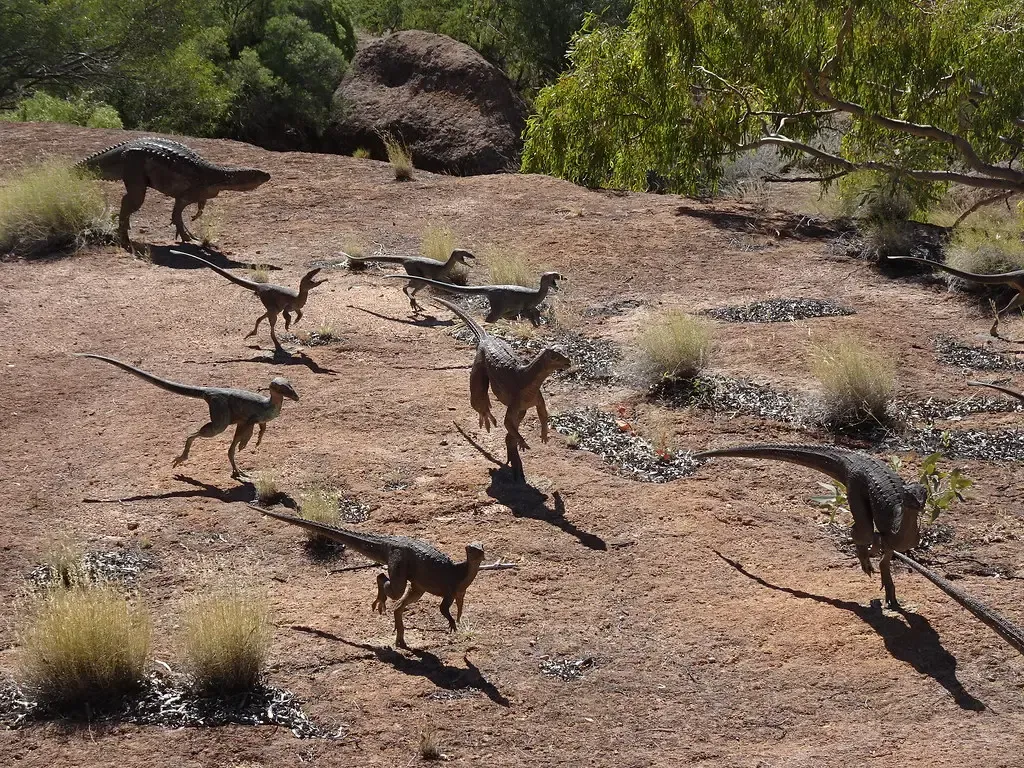
The picture that has emerged from decades of research, and particularly from a wave of stunning recent discoveries, is one of dinosaurs as surprisingly complex social beings. You now know that some herded together almost 200 million years ago, organized themselves by age within those herds, nested in colonies, potentially crossed species lines to travel together, and may have owed their very survival to the power of community. A growing body of evidence hints that dinosaurs were not wholly solitary or gregarious over the course of their lives, but rather behaved differently at different ages.
Interpreting behavior from fossils remains challenging due to the limitations of fossil evidence, but new technologies and a growing number of researchers are enhancing our understanding of dinosaur physiology, diet, and social structures, offering promising avenues for future research. The story is far from finished. Every new bonebed, every rediscovered trackway, every CT-scanned egg is another sentence in a story that keeps surprising everyone who reads it. So, given everything you have just learned, how much of the old image of the solitary, brutish dinosaur do you think can still survive? Tell us what you think in the comments.