
When most people think about North America, they picture wide highways, skyscrapers, and amber waves of grain. But wind the clock back tens or even hundreds of millions of years, and you’d be staring at a world so alien it would make your jaw drop. Giants walked here. Predators the size of school buses hunted across landscapes you wouldn’t recognize. The continent you live on – or travel through – was once one of the most extraordinary dinosaur hotspots our planet has ever seen.
You might already know the usual suspects: T. rex, Triceratops, the creatures plastered on every kids’ backpack. But there’s so much more beneath the surface, literally and figuratively. Some of these ancient beasts were stranger, bigger, and more mind-blowing than anything Hollywood has dared to put on screen. Let’s dive in.
1. Tyrannosaurus Rex – The Undisputed King You Think You Know (But Probably Don’t)
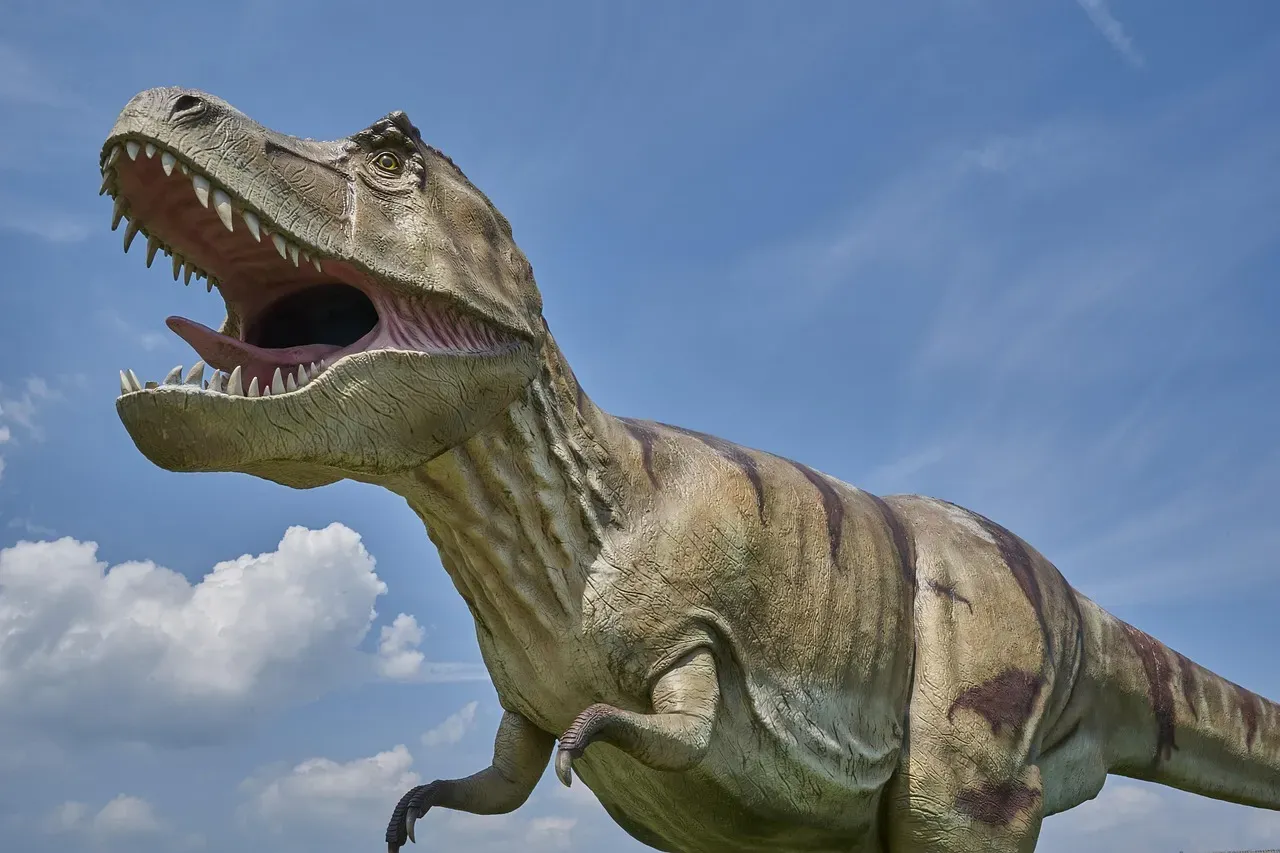
Let’s be real, you’ve heard of T. rex. You’ve seen the toys, the movies, the Halloween costumes. Yet somehow, the real animal is still more astonishing than its pop-culture image gives it credit for. Roaming North America around 68 to 66 million years ago, this massive theropod dinosaur stood about 12 feet tall at the hips and stretched over 40 feet long.
Here’s the thing though – T. rex wasn’t just a brutal eating machine. As a top predator, T. rex had a robust build and powerful jaws, making it an influential figure in the Late Cretaceous ecosystems. It’s honestly hard to fully grasp what sharing a landscape with this animal would have felt like. Everything else around it was essentially living in the shadow of an apex predator without peer – Tyrannosaurus rex is the pinnacle of over 150 million years of theropod evolution in North America, being easily the most massive land carnivore to ever stalk the continent.
2. Triceratops – The Horned Giant That Stood Its Ground
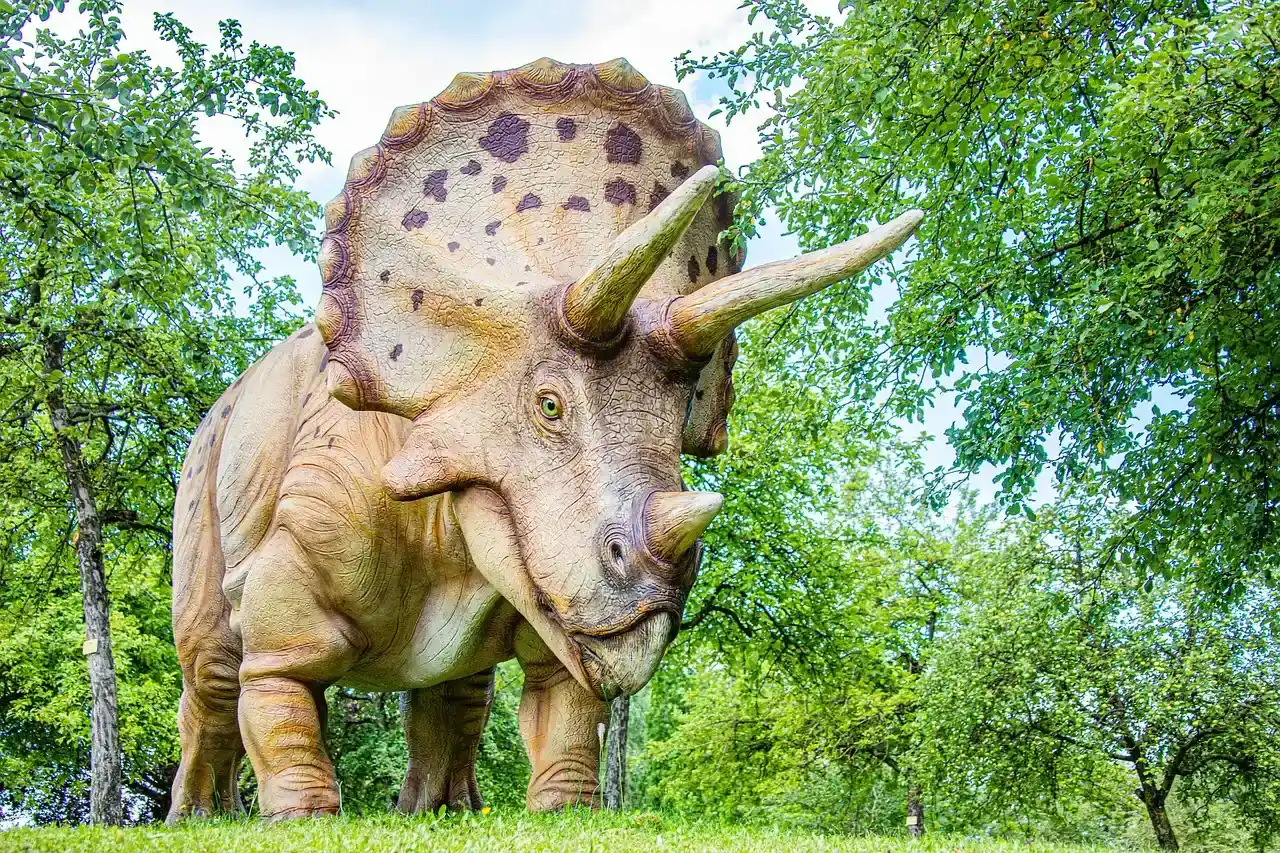
You might picture Triceratops as an ancient, lumbering tank – and you’d not be entirely wrong. Although it might appear dangerous, Triceratops was actually a slow-moving herbivore that used its beak-like jaw and slicing teeth to pluck and chew tough plants that other dinosaurs couldn’t eat. It roamed in what’s now western North America during the Cretaceous period, about 69 million years ago.
What’s genuinely surprising – and something most people never hear – is how strange its growth process was. The size and shape of the horns changed so much as the dinosaur aged that scientists first thought fossils of young and old Triceratops were two different species. Some adult Triceratops skulls are 10 feet long! Think about that for a moment. A skull the size of a small car, right here in the land that’s now home to cornfields and shopping malls.
3. Allosaurus – The Real Jurassic Nightmare Before T. Rex
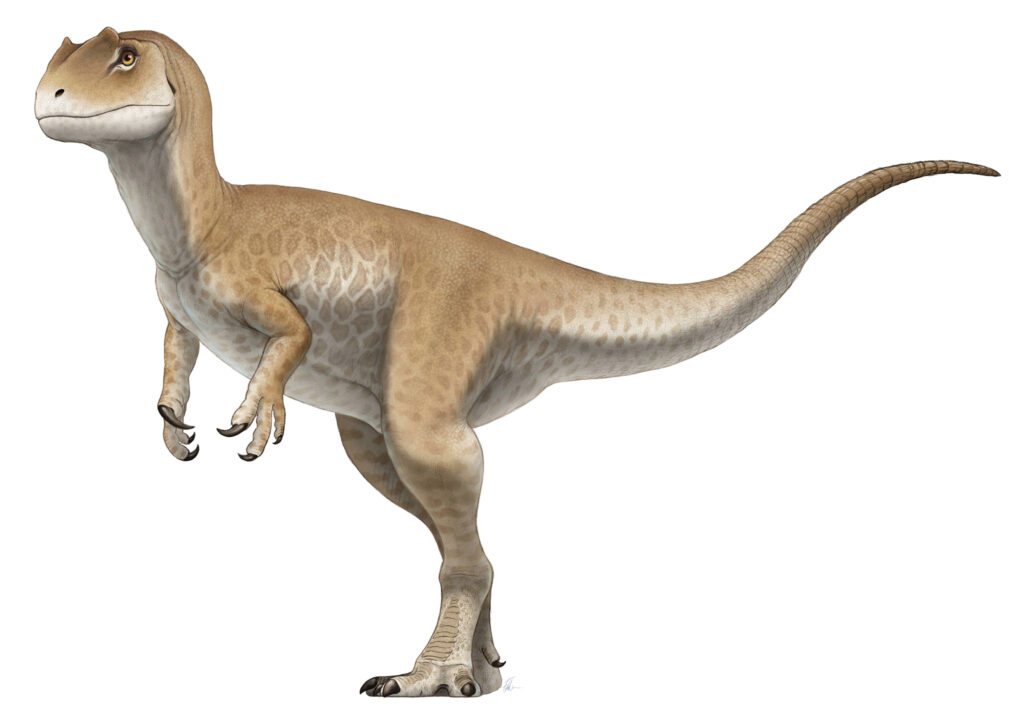
Before T. rex ruled the landscape, there was a different king of the carnivores. Allosaurus lived 155 to 145 million years ago during the Late Jurassic period. If you want to understand what the Jurassic world felt like, Allosaurus is your window into it. As the most abundant large predator of the Morrison Formation, Allosaurus was at the top of the food chain and probably preyed on large herbivorous dinosaurs such as ornithopods, stegosaurids, and sauropods.
Its hunting style is fascinating, and honestly a little gruesome. Recent research on dino skulls found that Allosaurus could open its jaw so wide that it might’ve sometimes slashed its toothy upper jaw at prey, like a sharp knife. Then once it was time to grab a bite, Allosaurus likely ripped off pieces of meat by yanking its head backward, similar to how falcons and other raptors dine. There’s also intriguing evidence that it may have had a social life. Scientists have debated whether Allosaurus had cooperative social behavior and hunted in packs or was a solitary predator that forms congregations, with evidence supporting either side.
4. Parasaurolophus – The Prehistoric Musician With a Built-In Horn
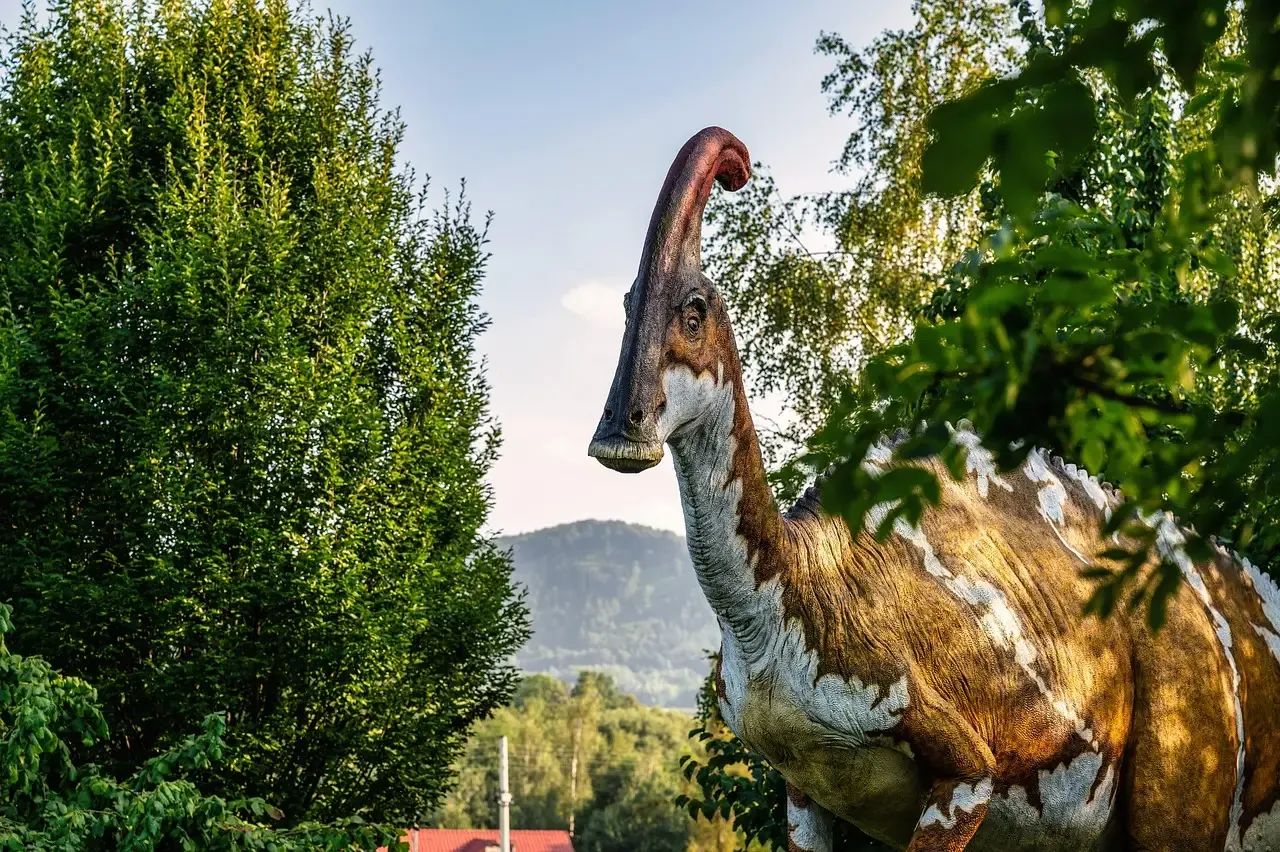
Parasaurolophus is genuinely one of the most fascinating dinosaurs to ever walk North America, and it doesn’t get nearly enough credit. It lived in what is now western North America and possibly Asia during the Late Cretaceous period, about 76.5 to 73 million years ago. The crest jutting backward from its skull could reach an extraordinary length. The most distinctive feature of Parasaurolophus was its hornlike crest, which reached up to 6 feet in length and curved back from the head.
That crest wasn’t just decorative. Scientists think it served as a kind of biological instrument. Starting from the dinosaur’s nostrils, an empty tube ran through the crest, looped around at the end and then travelled back to the skull. In the 1990s, scientists realised they could recreate the sound a Parasaurolophus would make if it blew air through its crest. The result is a deep, trumpeting bellow that the dinosaur might have used to warn other Parasaurolophus about nearby dangers. Imagine herds of these animals bellowing across ancient floodplains. Stunning.
5. Dilophosaurus – The Double-Crested Hunter You’ve Been Misled About
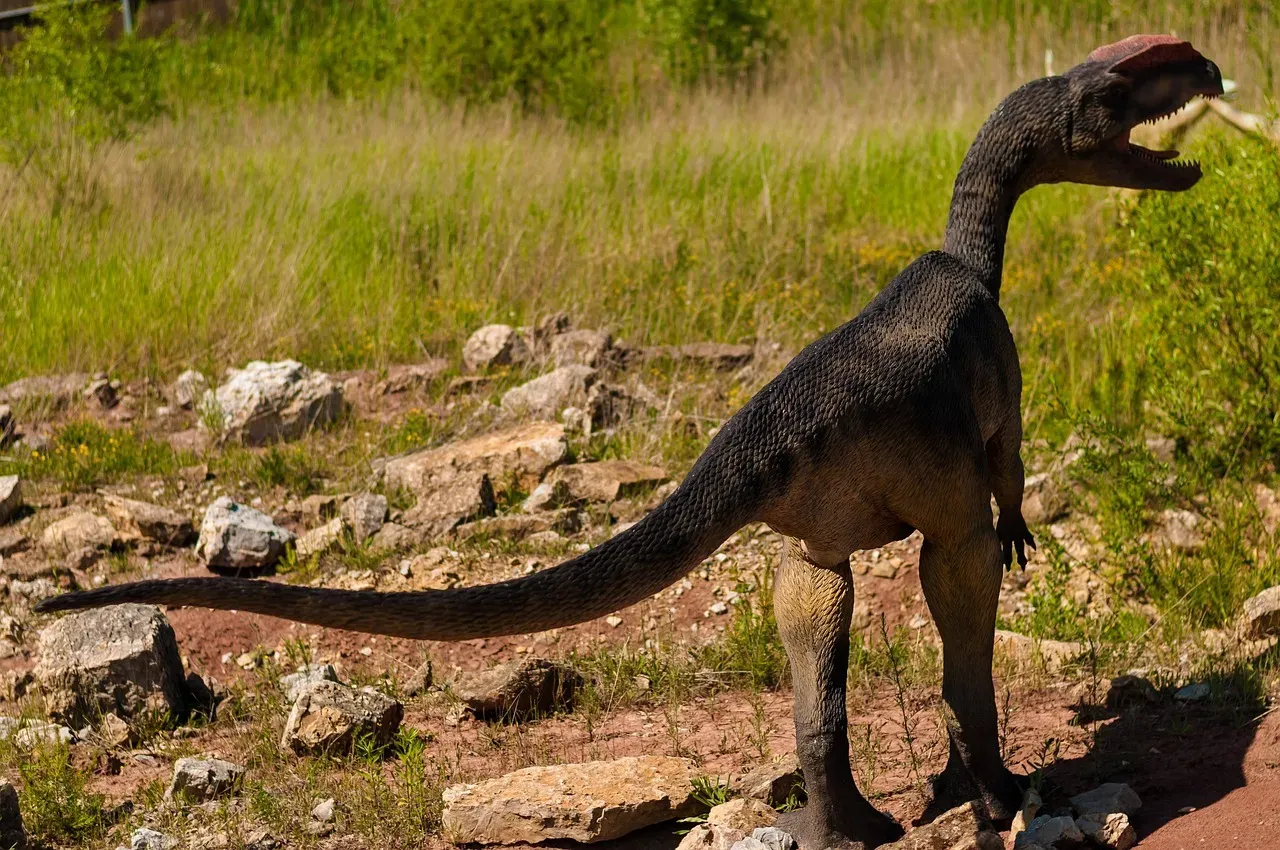
If you’ve seen Jurassic Park, you probably think of Dilophosaurus as a frilled, venom-spitting menace the size of a large dog. I hate to break it to you, but that picture is deeply misleading. Dilophosaurus is a genus of theropod dinosaurs that roamed North America during the early Jurassic Period. Popularized inaccurately by the Jurassic Park film franchise, these two-crested creatures continue to fascinate paleontologists to this day.
The dinosaur stood on two feet, was a fast, slender and agile predator, and probably sat very much like modern-day birds. Its weak jaw is also a clue to how it actually ate. Its unique jaw construction only featured a weak connection between the upper and lower jaw, meaning that it wouldn’t have had a very powerful bite. As a result, it is believed that these dinosaurs either fed on small creatures, perhaps even fish, or hunted in packs in order to bring down larger prey. This genus was only discovered in the mid-20th century in Arizona, in a scattering of skeletons called the Kayenta Formation, near Tuba City.
6. Alamosaurus – The True Titan of North America That Most People Have Never Heard Of
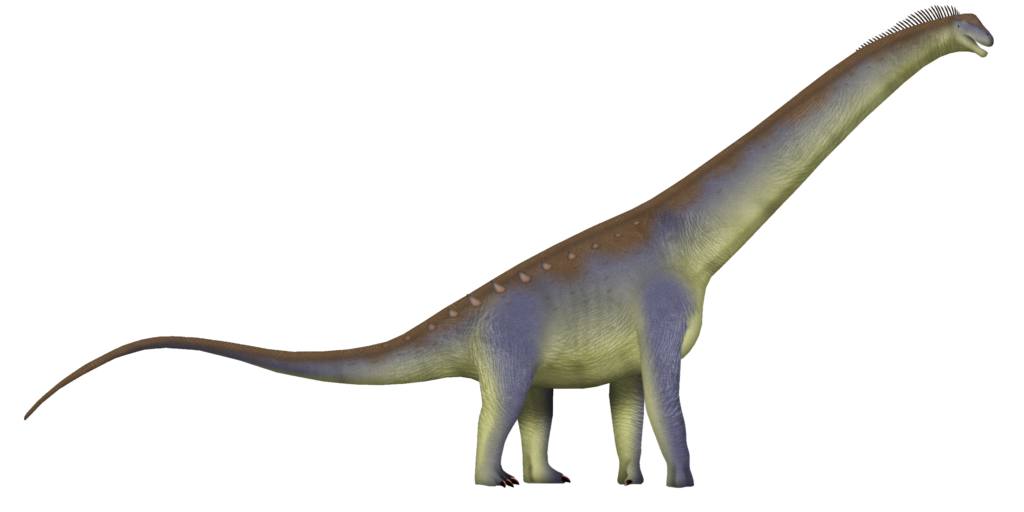
Here’s a name that deserves far more recognition than it gets. Alamosaurus is a genus of titanosaurian sauropod dinosaurs from the Maastrichtian age of the Late Cretaceous period in what is now southwestern North America. You think of massive dinosaurs and Argentina’s giants probably come to mind first. But the numbers on Alamosaurus will floor you. When complete, a discovered shin bone was taller than a grown man and belonged to a creature exceeding 30 meters, or 98 feet, in length. This makes Alamosaurus the biggest dinosaur in North America, as well as one of the biggest creatures to have ever walked the planet.
What makes Alamosaurus even more remarkable is how oddly armored it was for a plant-eater. Alamosaurus had a unique feature: it had a set of huge osteoderms, or bony spikes and armor. Alamosaurus is thought to have had bulb-and-root osteoderms, consisting of large spines running down the shoulders, back, and tail and some plate-like elements higher up on the neck. This made for a formidable, almost fortress-like creature that was nearly indestructible. Even T. rex likely thought twice before approaching a healthy adult of this species.
7. Stegosaurus – The Plated Puzzle That Still Stumps Scientists
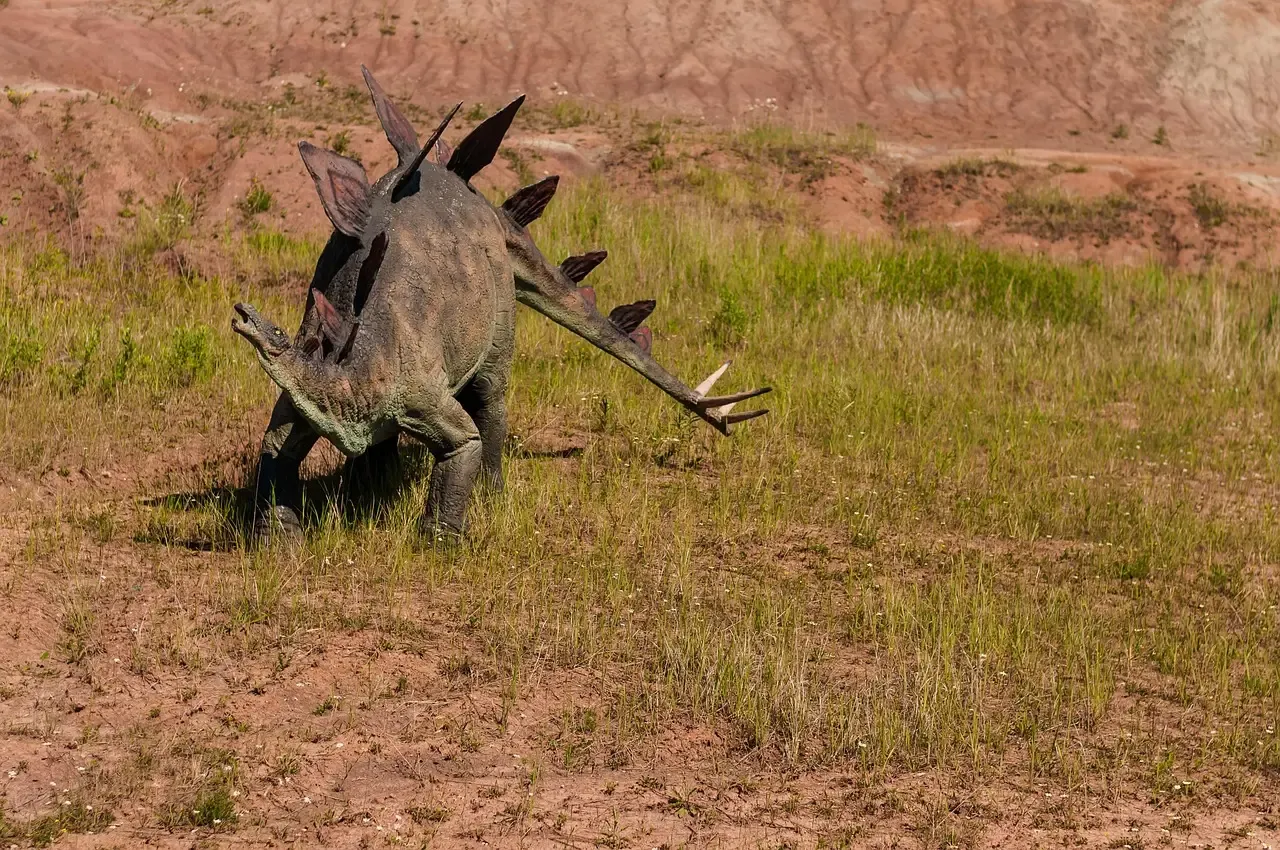
You could argue that Stegosaurus has the most iconic silhouette in all of dinosaur history. Those dramatic plates running along its back are instantly recognizable worldwide. The Late Jurassic Morrison Formation is found in several U.S. states, including Colorado, Utah, Wyoming, Montana, New Mexico, Oklahoma, South Dakota, and Texas. It is notable as being the most fertile single source of dinosaur fossils in the world. Stegosaurus was one of the stars of this incredible fossil bed.
Here’s what’s so wild though: scientists still aren’t entirely sure what those iconic plates were for. It’s one of paleontology’s longest-running mysteries. The current thinking leans toward display, temperature regulation, or both. The tail spikes, however, were clearly weaponry. There have been Allosaurus bite marks found on Stegosaurus back plates and Apatosaurus vertebra, and there have also been injuries found on Allosaurus bones made from the tail spike of a Stegosaurus. Think of it like a slow, armored tank with a lethal rear-mounted weapon – an animal that absolutely earned every predator’s respect.
8. Ankylosaurus – The Walking Fortress With a Bone-Crushing Club
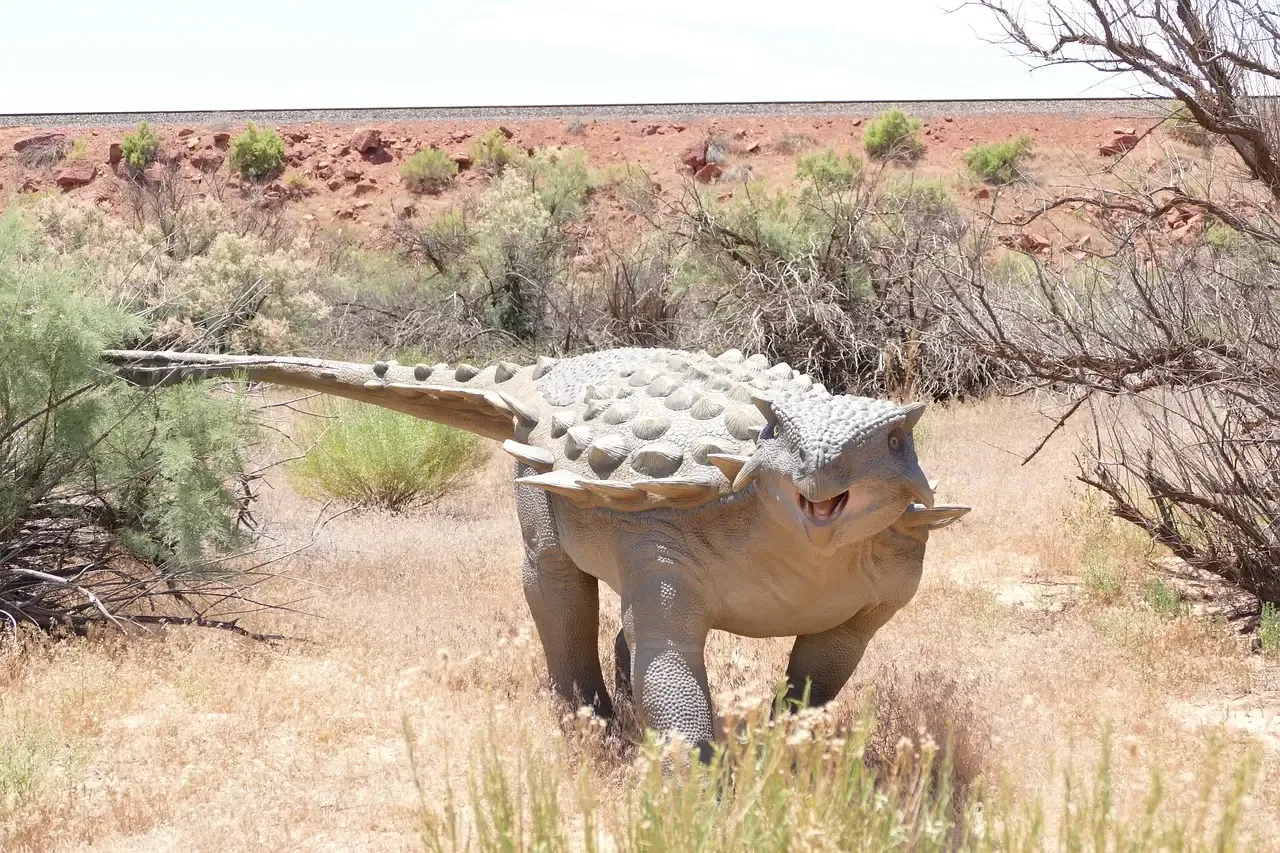
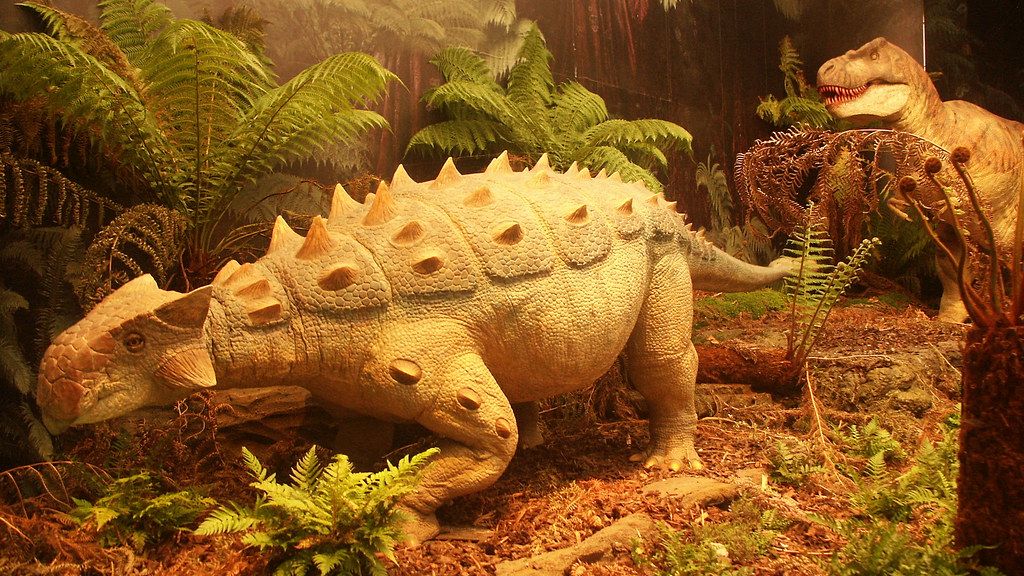
If Alamosaurus was a fortress, Ankylosaurus was a tank. Among the last North American dinosaurs, the ankylosaurid Ankylosaurus roamed the continent during the Maastrichtian age. It lived right alongside T. rex, and honestly, that predator-prey relationship must have been something to behold. Ankylosaurus was covered in thick bony armor called osteoderms, with even its eyelids reinforced.
The real show-stopper was its tail club – a massive knob of fused bone at the end of a reinforced tail that could deliver bone-shattering blows. Picture a medieval mace, but attached to an animal the size of a military vehicle. Ankylosaurus and Edmontonia were heavily armored plant-eaters that survived in a world full of apex predators by essentially becoming impenetrable. It’s hard not to feel a little impressed – even a T. rex would have struggled to find a weak spot on this thing.
9. Utahraptor – The Raptor That Would Make Velociraptor Hide in a Corner
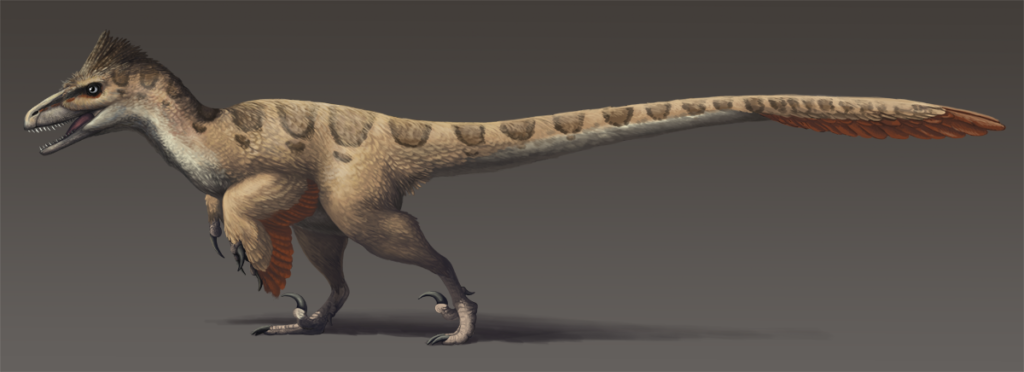
Let’s talk about the elephant in the room – or rather, the enormous raptor. You’ve seen velociraptors portrayed as terrifyingly smart pack hunters in countless movies. But here’s the truth: the real Velociraptor was roughly the size of a turkey. The creature movies were actually imagining? That’s much closer to Utahraptor. Theropods from the Early Cretaceous of North America include dromaeosaurids such as Deinonychus and Utahraptor.
Utahraptor is believed to have measured up to around 20 feet in length, with powerful sickle-shaped claws that could reach nearly a foot in length – perfect for pinning down prey. It roamed what is now Utah roughly 126 million years ago, making it one of the largest raptors ever discovered anywhere on Earth. Fast and fierce raptors like Deinonychus and Utahraptor were meat-eaters of the Early Cretaceous. Did you expect that? This wasn’t a small, cunning movie monster. This was a genuine, large-scale killing machine roaming the American West.
10. Maiasaura – The Surprisingly Tender Parent of the Dinosaur World
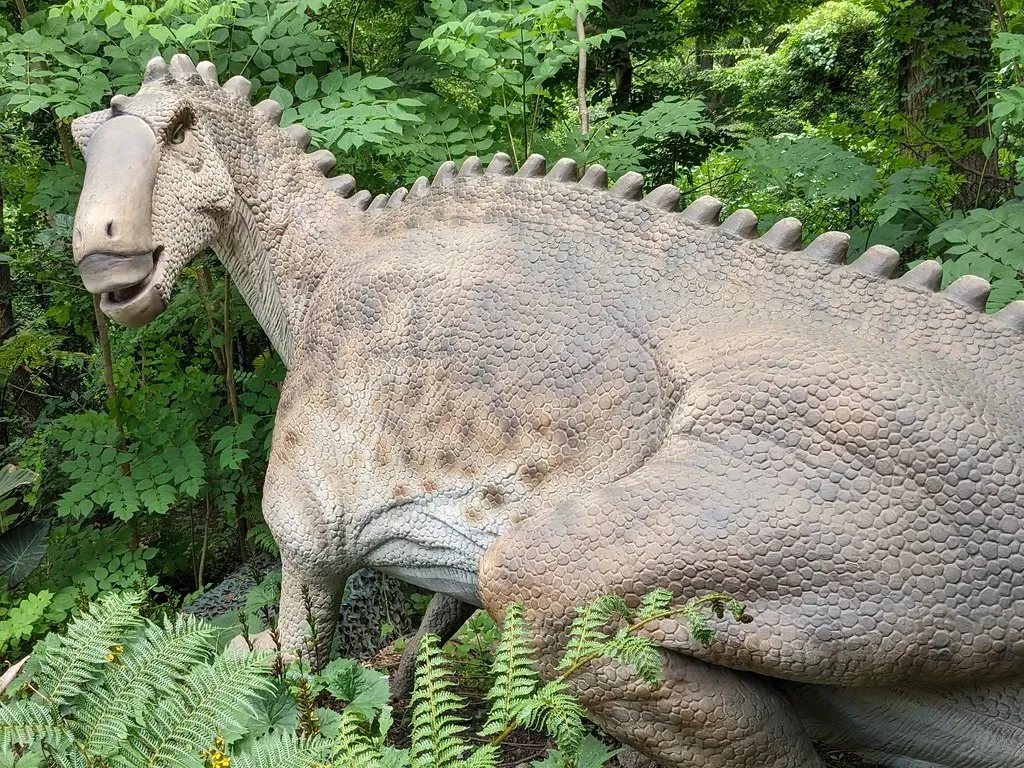
We’ve spent most of this list talking about terrifying predators and armored giants. So let’s end on something that might actually move you a little. Maiasaura peeblesorum, whose name means “good mother reptile,” lived in a semi-arid environment in the Two Medicine Formation of Montana during the Late Cretaceous, about 76 million years ago. It was a hadrosaur – a duck-billed plant-eater – and what makes it genuinely remarkable has nothing to do with claws or armor.
Maiasaura provided the first compelling fossil evidence that some dinosaurs were attentive, caring parents. Nesting sites discovered in Montana revealed eggs, hatchlings, and juveniles together in colonies, suggesting adults returned to feed their young long after hatching. This completely shattered the old image of dinosaurs as cold, instinct-driven reptiles. Hadrosaurs such as Maiasaura either lacked crests or had crests of solid bone, which means they couldn’t produce the dramatic trumpet sounds of Parasaurolophus. Instead, they communicated through behavior – including, it seems, something that looked remarkably like parental love.
Conclusion: North America Was a Dinosaur Paradise
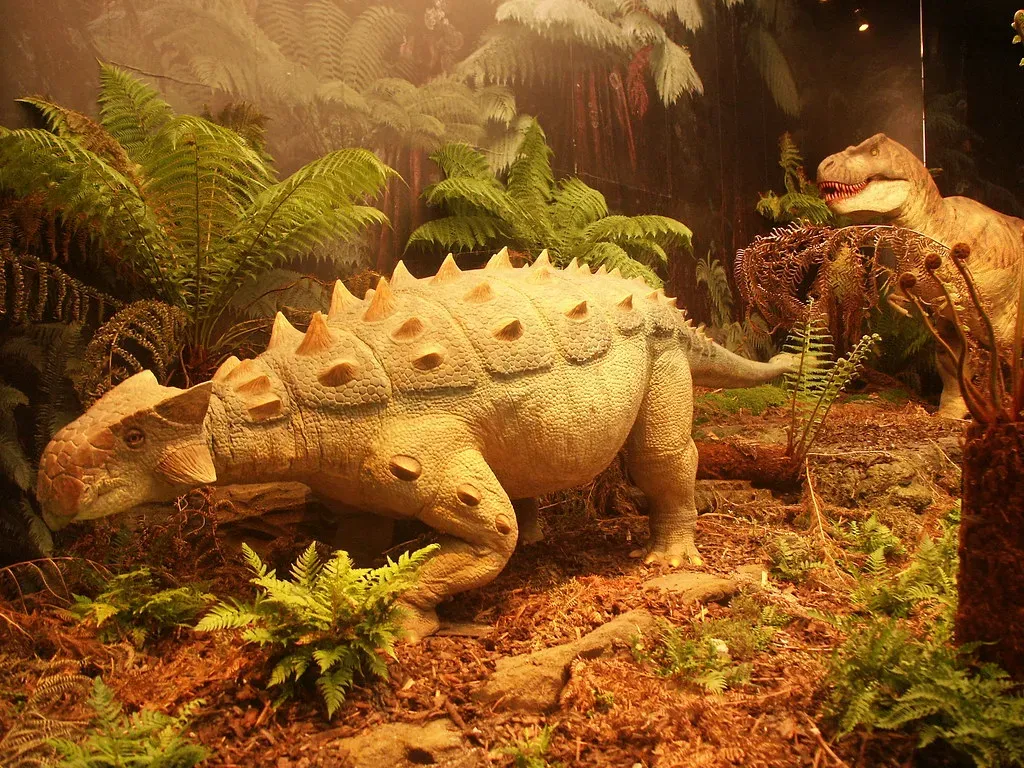
It’s easy to walk through the American West and see only dry rock formations and desert scrub. But you’re walking through one of the greatest dinosaur stages the planet has ever known. North America is still the world capital of dinosaur fossils, and many of them have been widely popularized. From the gentle parenting of Maiasaura to the geological terror of Alamosaurus, these ten animals represent just a fraction of the extraordinary life that thrived on this continent.
What’s even more exciting is that the story isn’t finished. Scientists find more than 45 new dinosaur species each year, and many of them are being pulled from the very same formations that have already given us so much. North America hasn’t finished yielding its secrets. There could be something buried in Montana or Texas right now that will completely rewrite everything we think we know.
The ancient world beneath your feet is still full of surprises. Which of these ten creatures shocked you the most – and which one would you least like to have encountered in person?