
Few scientific puzzles have captivated human imagination quite like the extinction of the dinosaurs. We’ve all grown up with the dramatic image of a fiery asteroid wiping out giant creatures in a matter of moments. The story feels clean, satisfying, almost cinematic. The truth, however, is far more complex and arguably even more fascinating.
The real key to cracking this mystery lies not just in the rocks where bones are buried, but in the ancient climate those creatures lived and died in. You might be surprised to discover just how much your understanding of this iconic event is likely to change once you see what paleoclimatologists have pieced together. Let’s dive in.
A World You Wouldn’t Recognize: The Cretaceous Climate
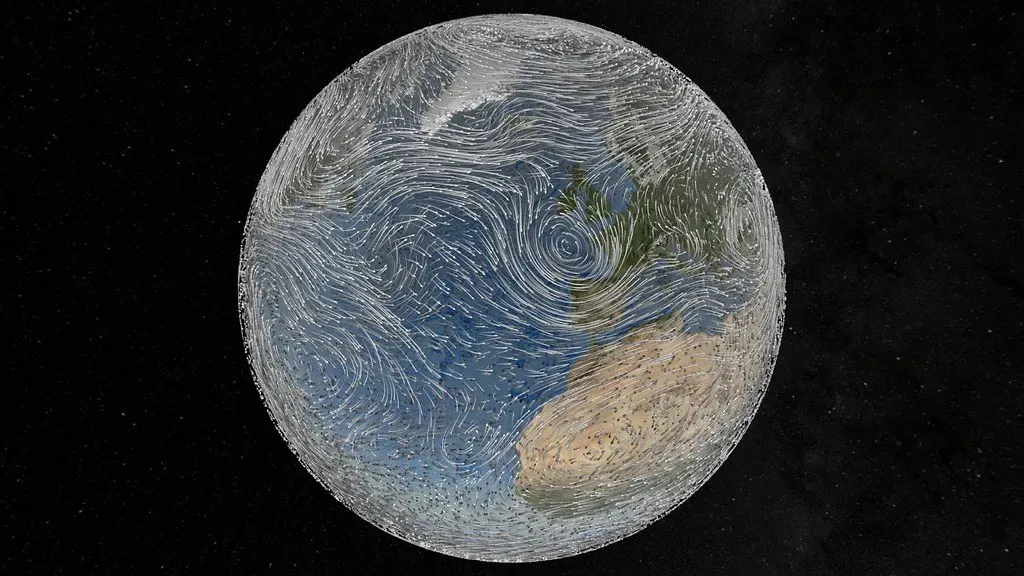
If you could travel back to the age of dinosaurs, you’d step into a planet that looks and feels almost nothing like the one you live on today. The climate of the Cretaceous Period was much warmer than at present, perhaps the warmest on a worldwide basis than at any other time during the Phanerozoic Eon. Wrap your mind around that for a second. Not warmer by a small degree. Dramatically, fundamentally warmer.
Atmospheric CO2 levels reached as high as about 2,000 parts per million, average temperatures were roughly 5 to 10 degrees Celsius higher than today, and sea levels were 50 to 100 meters higher. That’s a world barely resembling our own. The climate was generally warmer and more humid than today, probably because of very active volcanism. The polar regions were free of continental ice sheets, their land instead covered by forest. Dinosaurs roamed Antarctica, even with its long winter night.
The highest temperatures in the period occurred roughly 90 million years ago in a time called the Cretaceous Thermal Maximum, which was actually the warmest time period in the last 200 million years on Earth. Honestly, it boggles the mind to picture that. Lush forests at the poles. Warm, shallow seas flooding vast stretches of today’s continents. This was the world dinosaurs called home.
How Scientists Actually Read the Ancient Climate
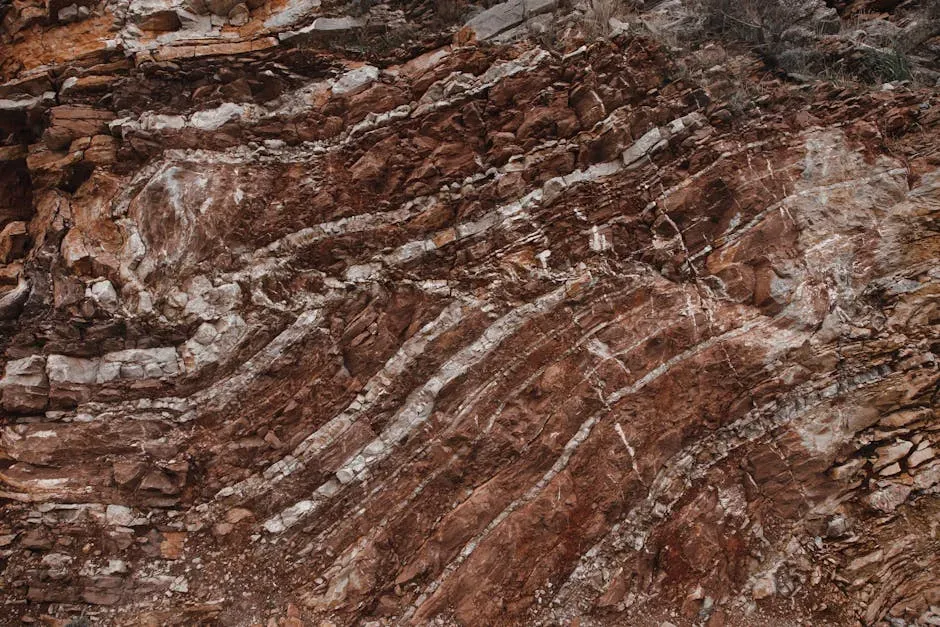
You might wonder how anyone could possibly know what the climate looked like 66 to 145 million years ago. There were no thermometers. No weather stations. No satellites. The answer lies in what scientists call proxies, and the ingenuity behind these methods is genuinely impressive. Paleoclimatology is the study of past climates. Since it is not possible to go back in time to see what climates were like, scientists use imprints created during past climate, known as proxies, to interpret paleoclimate.
Paleoclimatology uses a variety of proxy methods from Earth and life sciences to obtain data previously preserved within rocks, sediments, boreholes, ice sheets, tree rings, corals, shells, and microfossils. Think of proxies like nature’s diary, each one recording a slightly different piece of the story. By measuring the oxygen isotope ratio in foraminifera, scientists can reconstruct ocean temperatures more than 100 million years ago. Each tiny fossilized shell becomes a data point on a temperature graph stretching back further than the human mind can easily grasp.
Fossil peats contain specific membrane-spanning molecules produced by bacteria. The structure of these molecules changes depending on the temperature of their environment. By analyzing the composition of these molecules preserved in ancient sediments, scientists are able to calculate past temperatures. When you layer these methods together, cross-checking them against each other, the picture of the ancient world starts to come into sharp focus.
Dinosaurs Were Already Struggling Before the End
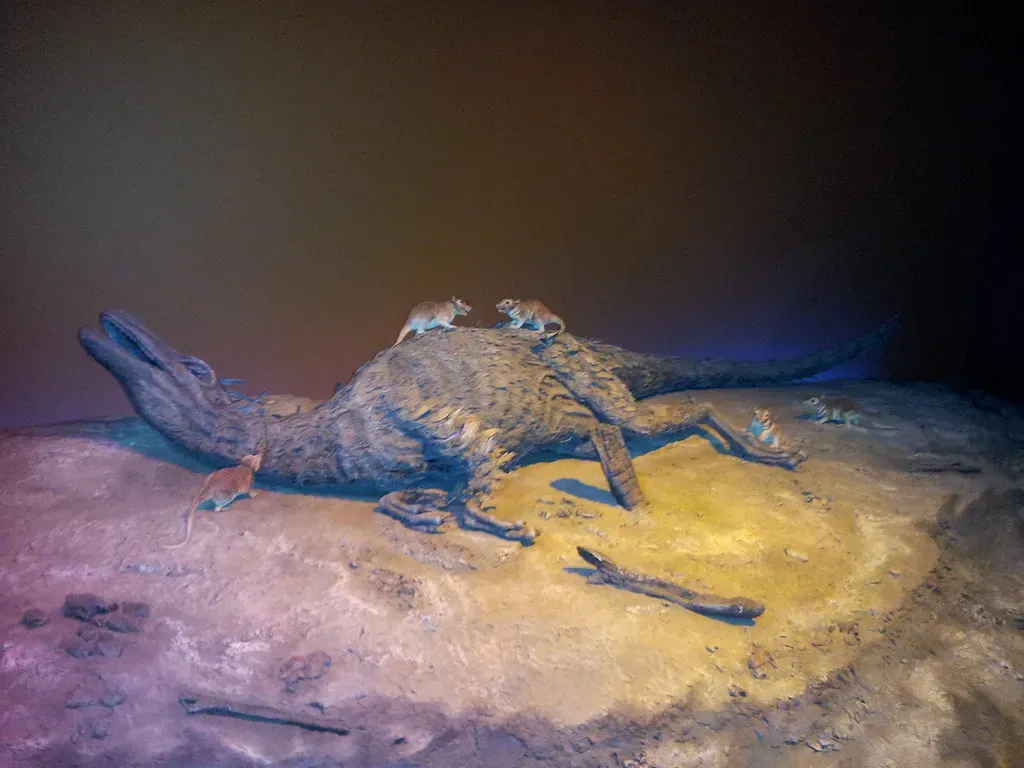
Here’s a detail that might actually surprise you. The great extinction didn’t just arrive like a lightning bolt out of a blue sky. The evidence increasingly shows that dinosaurs were under serious climate-driven pressure long before the famous catastrophe at the end of the Cretaceous. Research indicates the decline of dinosaurs was likely driven by global climate cooling and herbivorous diversity drop. That slow grinding stress matters enormously to the bigger picture.
Six major dinosaur families were already in decline in the preceding 10 million years, possibly due to global cooling and competition among herbivores. Think about that like a business that’s been struggling for a decade before it finally closes its doors. The final crisis doesn’t fully explain the collapse unless you understand the years of mounting pressure leading up to it. The global mean temperature experienced a long-term decline during the latest Cretaceous, from roughly 75 to 66 million years ago.
Analysis indicates a correlation between the abundance of dinosaur fossils in China’s Shanyang Basin and climatic changes. As precipitation and temperature increased, the presence of dinosaur fossils gradually declined. You can see how climate wasn’t just a backdrop. It was an active force shaping which animals survived and which didn’t, long before the final catastrophe arrived.
The Volcanic Question: Deccan Traps and Climate Chaos
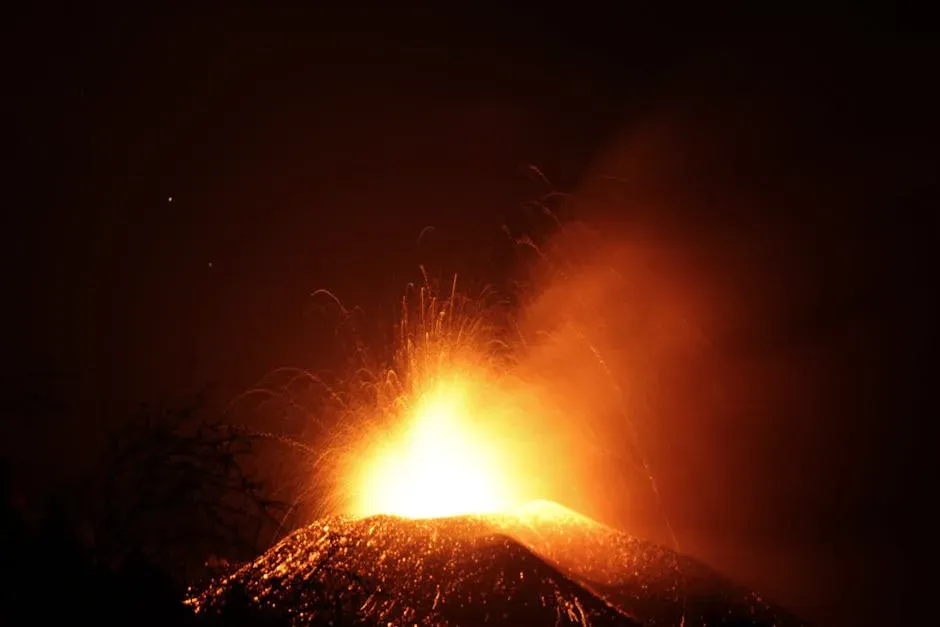
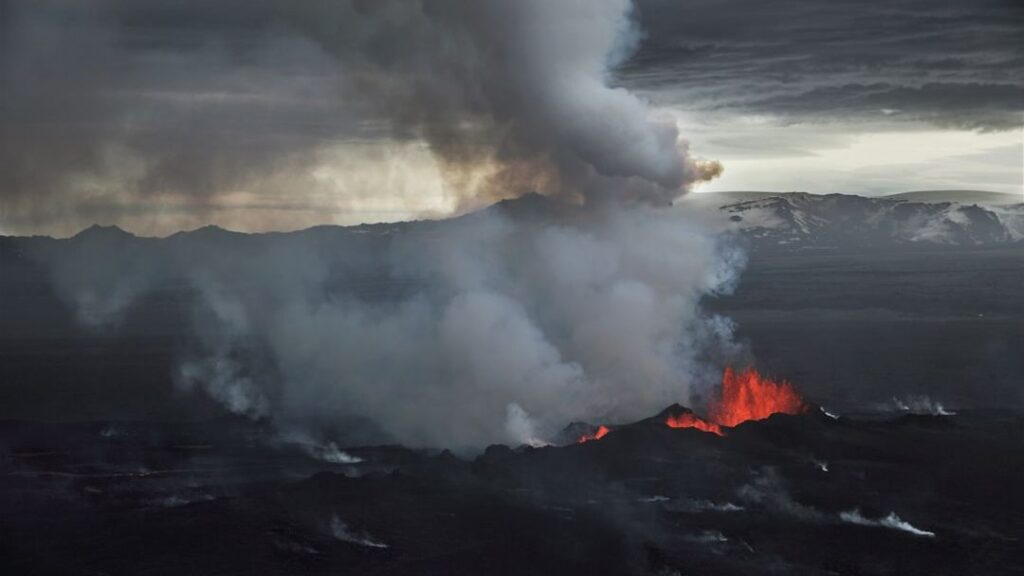
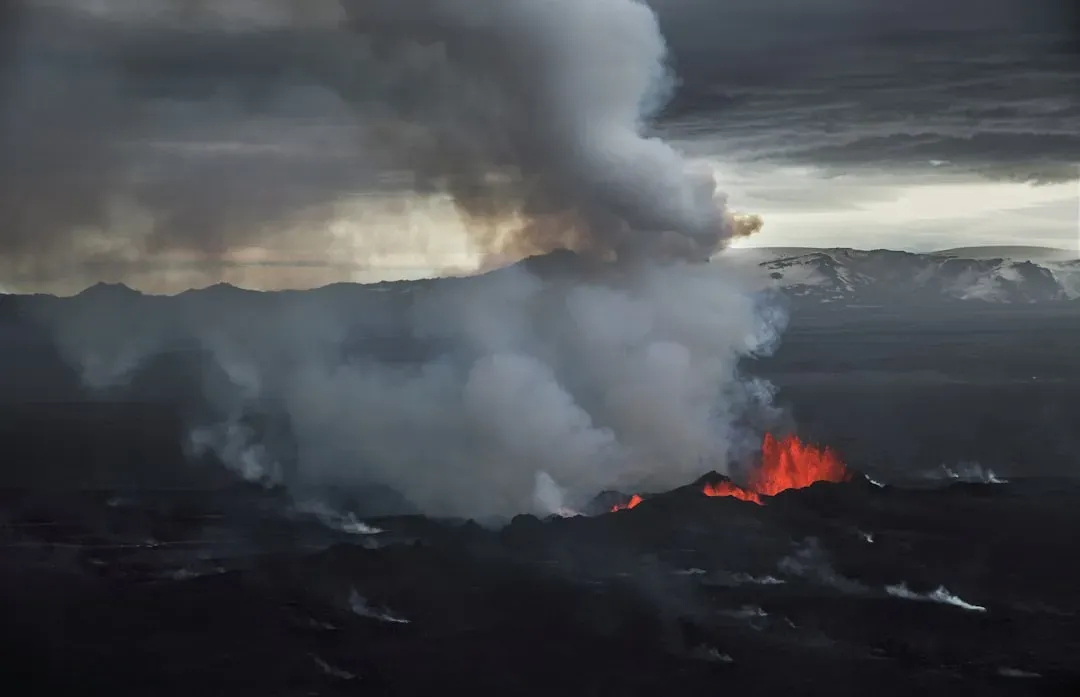
Before most people settle on the asteroid story, there’s another massive chapter worth understanding. Western India is home to the Deccan Traps, a huge, rugged plateau that formed when molten lava solidified and turned to rock. The Deccan Traps date back to around 66 million years ago, when magma from deep inside Earth erupted to the surface. In some parts, the volcanic layers are more than two kilometers thick, making this the second-largest volcanic eruption ever on land.
The climate consequences of all that volcanic activity were enormous. The release of volcanic gases, particularly sulfur dioxide, during the formation of the Deccan Traps may have contributed to climate change. An average drop in temperature of about 2 degrees Celsius was recorded during this period. A couple of degrees might not sound dramatic, but for ecosystems already finely tuned to a particular climate, eruptions could have injected massive amounts of greenhouse gases and particles into the atmosphere, changing Earth’s climate in ways that stressed out late Cretaceous life.
It’s hard to say for sure exactly how much damage the Deccan Traps caused, and that’s precisely what makes this chapter of science so fascinating. Data show that CO2 outgassing from Deccan Traps magmas can explain a warming of Earth’s global temperatures by roughly 3 degrees Celsius during the early phases of Deccan volcanism, but the warming had lessened by the time of the mass extinction event. The volcanoes were real players in the climate story but whether they were truly deadly is still being debated today.
The Asteroid and Its Devastating Climate Impact
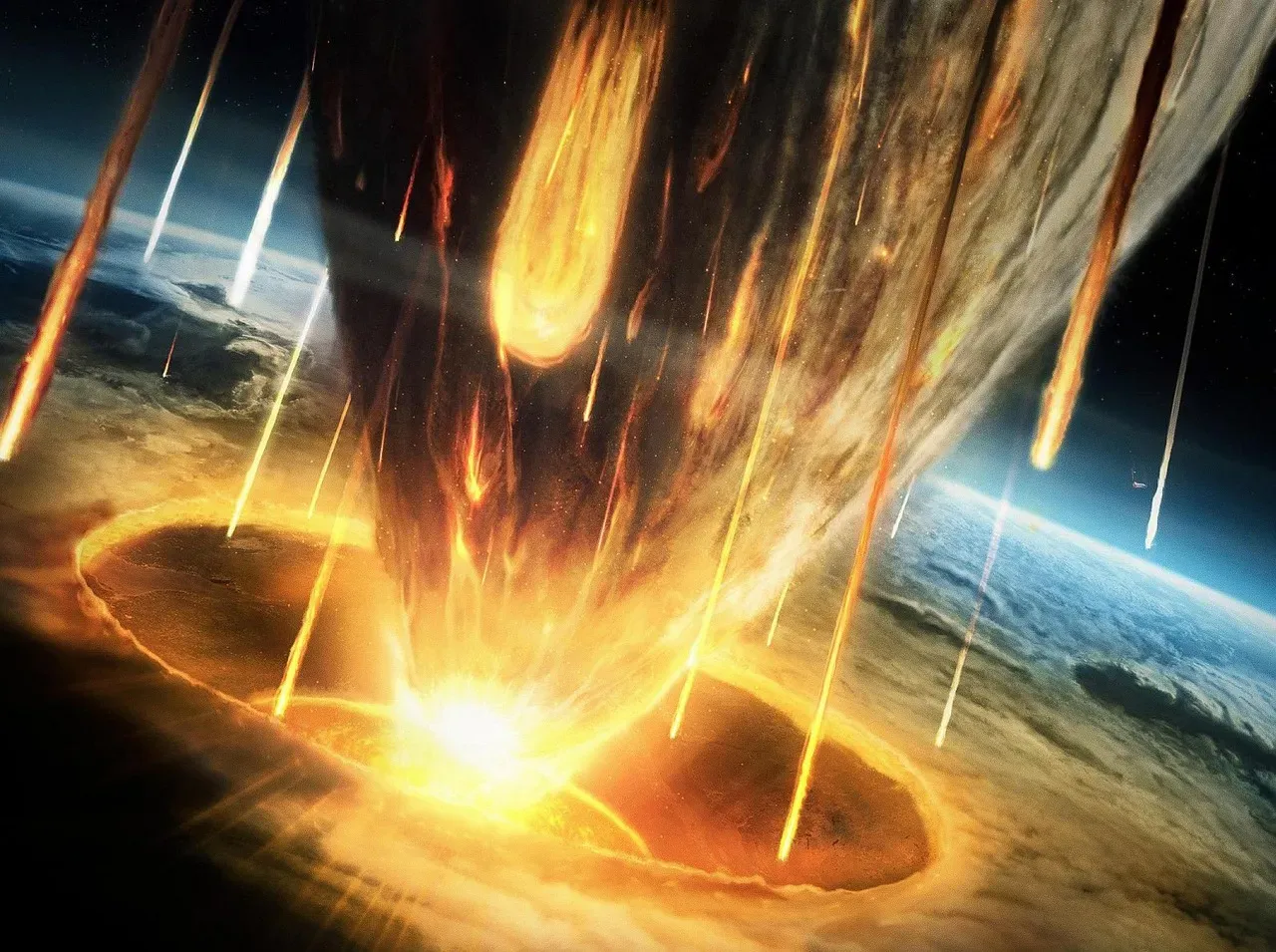
Let’s be real. The asteroid is still the undisputed heavyweight champion of the extinction story, and the climate science behind what it did to Earth is nothing short of terrifying. Over this time, the Earth experienced large-scale fluctuations in the climate, and eventually a six-mile-wide meteorite impact that led to the extinction of more than 75% of life on Earth, including dinosaurs. The scale of that destruction is almost impossible to fully absorb.
Intense cold, constant darkness, wildfires, tsunamis, unbearable heat in the impact area, and eventual acid rain mangled the planet. What the asteroid did, at its core, was cause a catastrophic climate collapse. Sunlight was blocked. Photosynthesis faltered. The food web, which had taken hundreds of millions of years to build, essentially collapsed from the bottom up. Combining climate and ecological modeling tools, researchers demonstrate a substantial detrimental effect on dinosaur habitats caused by an impact winter scenario triggered by the Chicxulub asteroid.
Climate scientists from Utrecht University and the University of Manchester show that while the volcanism caused a temporary cold period, the effects had already worn off thousands of years before the meteorite impacted. The scientists therefore conclude that the meteorite impact was the ultimate cause of the dinosaur extinction event. The climate data tells the story with remarkable clarity. The asteroid didn’t just kill things directly. It rewrote the planet’s climate rules.
The Volcanic Cold Snap That Came Too Early
One of the most intriguing recent discoveries involves a precise climate timeline built from ancient fossil molecules, and it fundamentally reshapes how you should think about the order of events. By analyzing fossil molecules in ancient peats from the United States, the scientific team reconstructed air temperatures for the time period covering both the volcanic eruptions and the meteorite impact. Using this method, the researchers show that a major volcanic eruption occurred about 30,000 years before the meteor impact, coinciding with at least a 5 degree Celsius cooling of the climate.
The cooling was likely the result of volcanic sulfur emissions blocking sunlight from reaching Earth’s surface. By around 20,000 years before the meteorite impact, temperatures on Earth had already stabilized and had climbed back to similar temperatures before the volcanic eruptions started. Think of it this way. Imagine a fighter who takes a heavy punch and gets back up. By the time the asteroid arrived, Earth’s climate had already recovered from the volcanic cold snap. The asteroid delivered the final, lethal blow to a system that had briefly stabilized.
All of the models showed the Deccan Traps could not have caused dinosaur die-outs. The long-term warming the volcanoes caused wouldn’t have eliminated the dinosaurs; if anything, it expanded the land area they could comfortably inhabit. That’s a remarkable conclusion. The very event many once blamed for the extinction may have actually been providing a mild, temporary lifeline.
Why Ancient Climates Still Matter Right Now
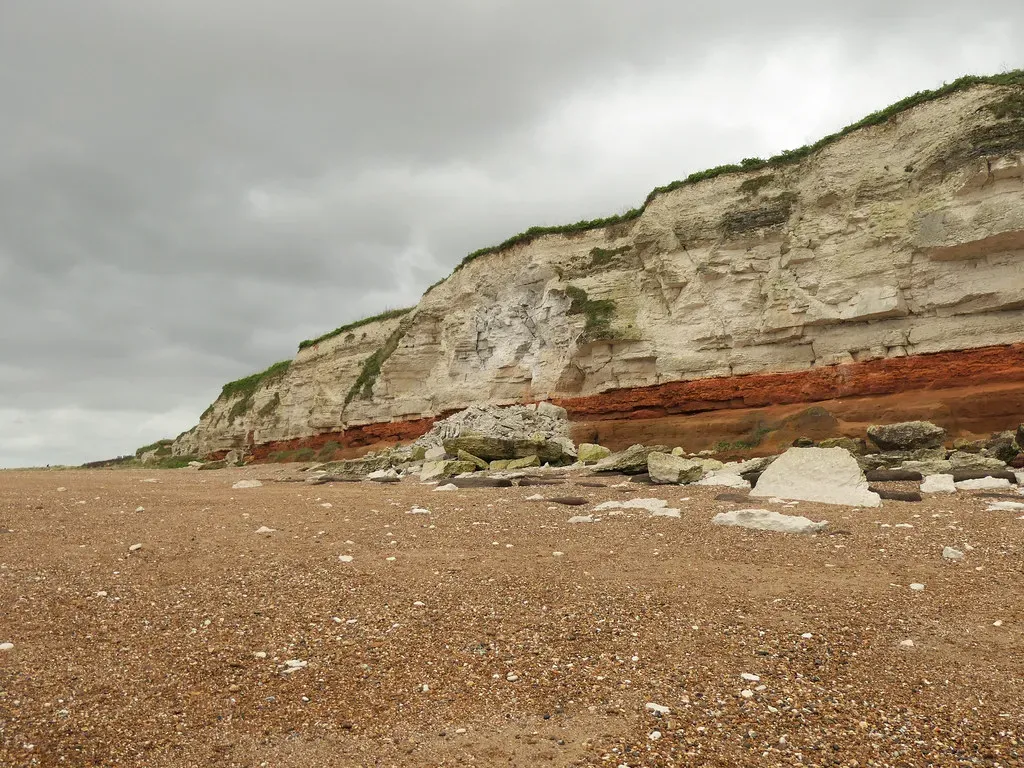
You might be wondering why any of this matters beyond satisfying curiosity about creatures that died 66 million years ago. The answer is both profound and a little unsettling. In projecting future climate scenarios, it is invaluable to investigate times in the geologic past when CO2 levels and temperatures were higher than today because these are the best natural analogues we have. One such time of interest is the Cretaceous, when atmospheric conditions created an intense greenhouse climate on the planet.
Atmospheric CO2 levels in the Cretaceous reached as high as about 2,000 parts per million, and these conditions resemble the most extreme scenario that the IPCC has predicted could occur by the end of this century, with CO2 levels greater than 1,200 parts per million and global temperatures roughly 4 degrees higher. That connection is not subtle. The ancient past is essentially a preview of one possible future. Paleoclimate data are used as a foundation for climate scientists by providing crucial information such as rates of past climate change and how vegetation and animal populations responded to the change.
Understanding Late Cretaceous climate changes and their impacts on dinosaur biodiversity can help explain the causes underlying the extinction of nonavian dinosaurs. More than that, it reminds you that even the most dominant species on Earth, animals that ruled for nearly 180 million years, can be brought low by climate disruption. That is perhaps the most powerful lesson ancient climate science has to offer.
Conclusion: The Climate Is the Story
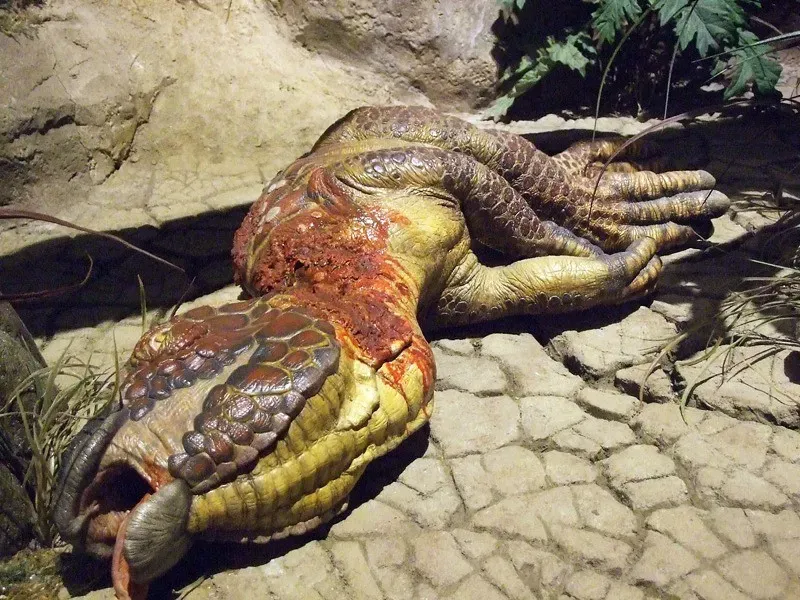
The deeper scientists dig into the rock record, the clearer it becomes that the story of dinosaur extinction is fundamentally a climate story. A warming world during the Cretaceous nurtured extraordinary life. A slowly cooling planet in the final millions of years before the end put pressure on that life. Volcanic winters came and went. Then the asteroid arrived and rewrote the climate rulebook in a matter of days, triggering an impact winter that no dinosaur could survive.
You can’t fully understand the extinction without understanding the climate these animals lived in, the conditions they depended on, and the chain of atmospheric events that ultimately made Earth uninhabitable for them. It is a sobering reminder that climate is not just weather. It is the foundation upon which all life is built. And when that foundation cracks, even the mightiest creatures on Earth can vanish without a trace.
What strikes you most: the idea that dinosaurs may have already been in decline before the asteroid arrived, or the fact that ancient climate clues are now helping scientists predict our own future? Drop your thoughts below.