
Picture a world without a single animal walking on dry ground. No lizards scurrying through the dust, no birds perched on branches, no mammals roaming the plains. Just an empty, silent land, while all the action happens underwater. That was Earth roughly 400 million years ago, and what happened next is arguably one of the most breathtaking chapters in the entire story of life.
The change from a body plan for breathing and navigating in water to a body plan enabling an animal to move on land is one of the most profound evolutionary changes known. This was not a sudden leap. It was a slow, improbable, and utterly remarkable transformation that eventually gave rise to every four-legged creature you have ever seen, including yourself. Let’s dive in.
The World That Made It Possible: Earth During the Devonian Period
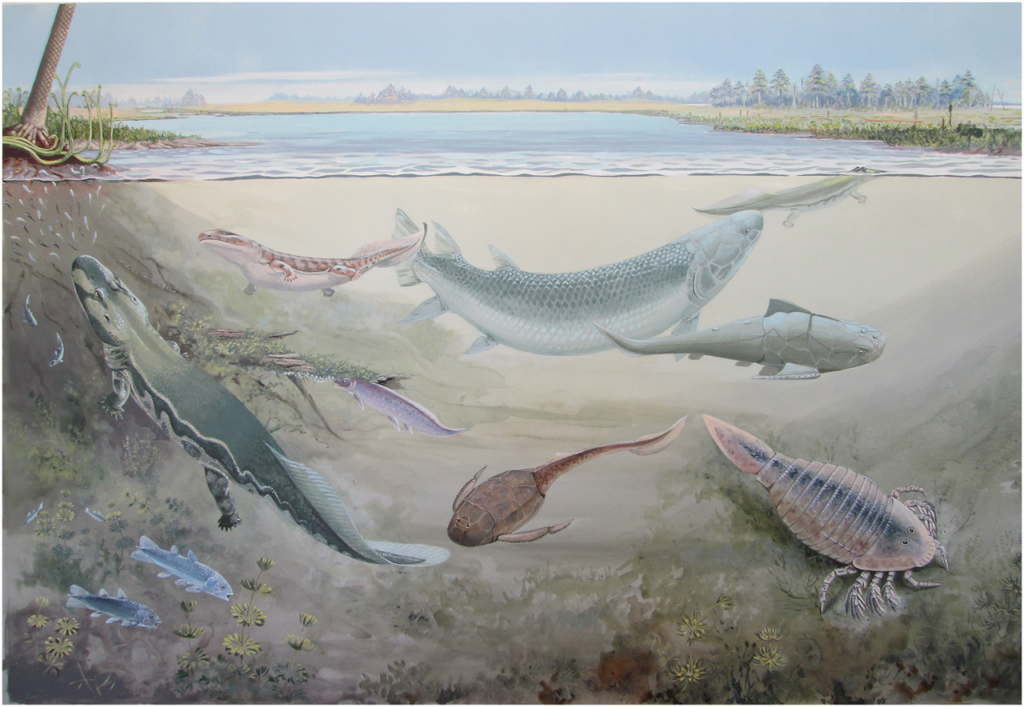
The evolution of tetrapods began about 400 million years ago in the Devonian Period, with the earliest tetrapods evolved from lobe-finned fishes. To really appreciate what was happening, you have to imagine the planet at that time, warm, mostly ocean, with land masses still largely barren compared to the lush green world you know today.
By the late Devonian, land plants had stabilized freshwater habitats, allowing the first wetland ecosystems to develop, with increasingly complex food webs that afforded new opportunities. Swampy habitats like shallow wetlands, coastal lagoons, and large brackish river deltas also existed at this time, and there is much to suggest that this is the kind of environment in which the tetrapods evolved. Think of it like a massive, prehistoric shoreline buffet, full of resources, just waiting for something brave enough to crawl out and claim it.
The first terrestrial animals were various types of arthropods, including the ancestors of millipedes and centipedes, the earliest arachnids, and the ancestors of insects, which were already established on land in the Silurian Period. So by the time fish began experimenting with land excursions, they were not exactly stepping into an empty world. Creepy crawlies had beaten them there by millions of years.
The Fish That Wanted to Walk: Lobe-Finned Ancestors
Here’s the thing, not just any fish could have made this journey. A group of bony fishes called the lobe-finned, or sarcopterygian, fishes had developed the physical characteristics necessary for the transition from water to land. These were not your average slippery, streamlined swimmers. They were built differently, and that difference would change everything.
The Rhipidistians, a prominent group among them, had pairs of front and back fins with sturdy bones rather than cartilaginous rods for resting their bulky bodies on the sea floor, and these special fins were strengthened by a particular arrangement of bones that resembled the structure of tetrapods in many ways. Honestly, it’s a bit like finding out the humble shopping cart was the design inspiration for the modern car. The bones were all there, just repurposed.
Evolution of tetrapods from lobe-finned freshwater fishes represented a significant change in body plan from one suited to organisms that respired and swam in water to organisms that breathed air and moved onto land, and these changes occurred over a span of 50 million years during the Devonian period. Fifty million years. That is a timeframe so staggering it is almost impossible to absorb. But evolution, as always, was not in any hurry.
Tiktaalik: The Fishapod That Changed Everything
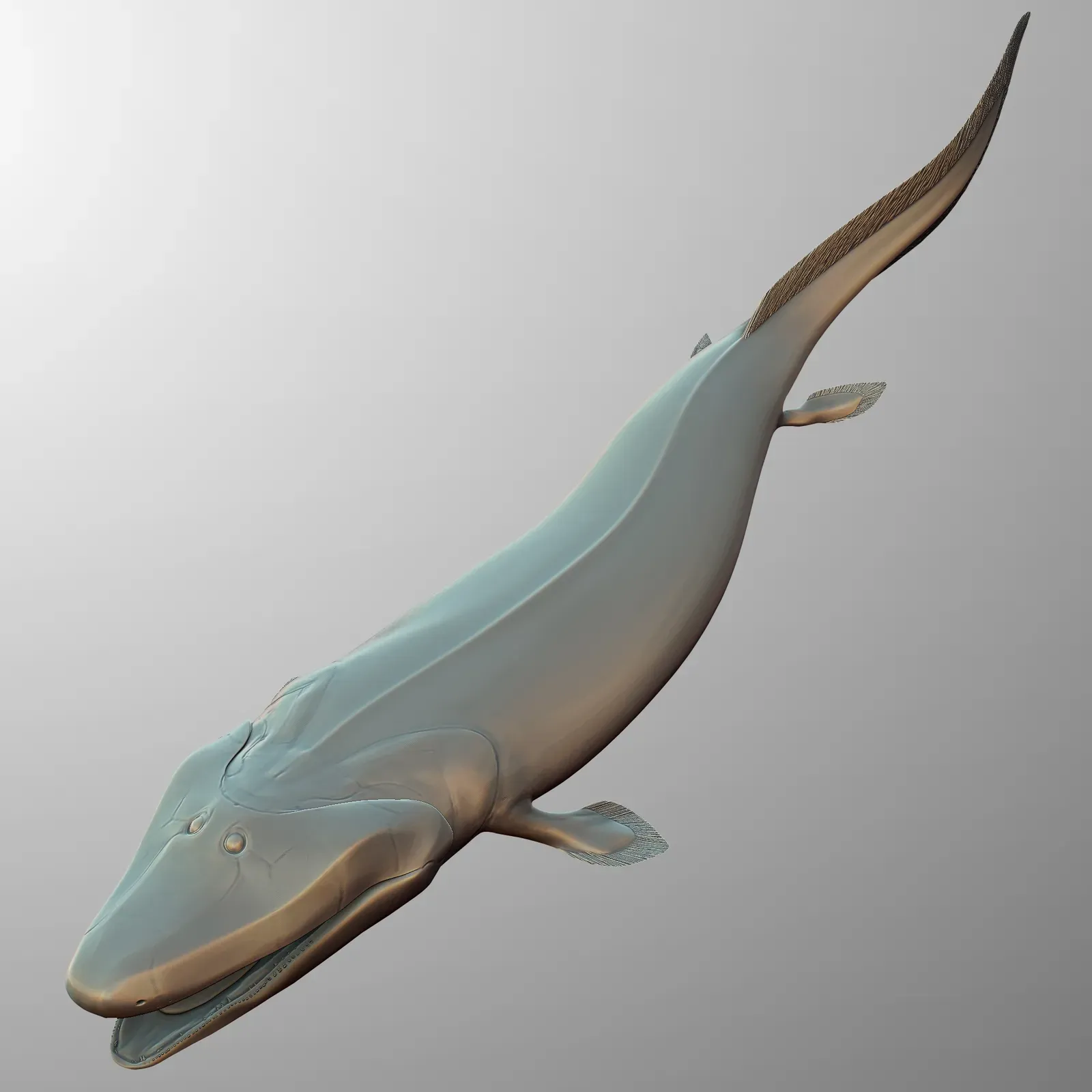
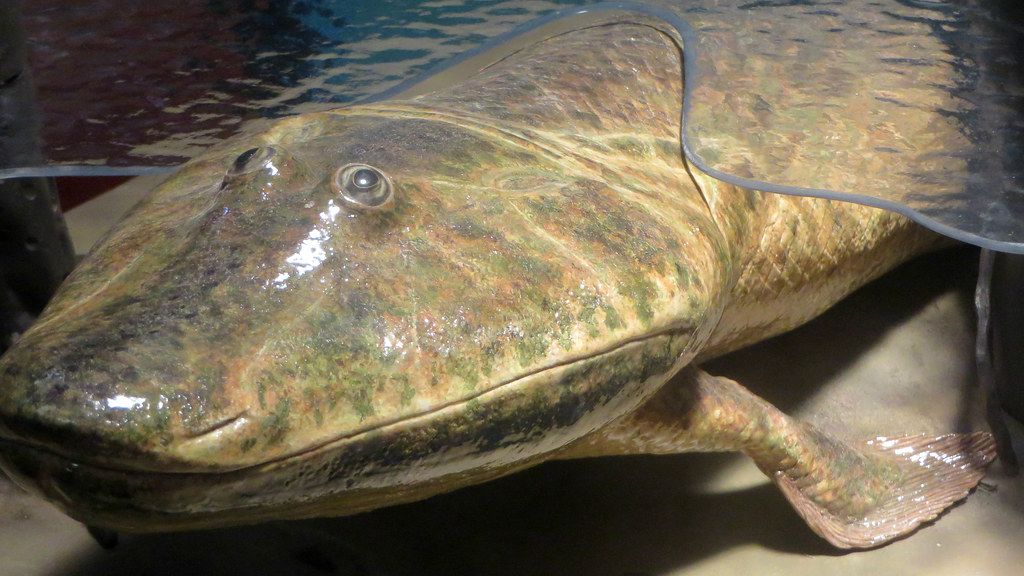
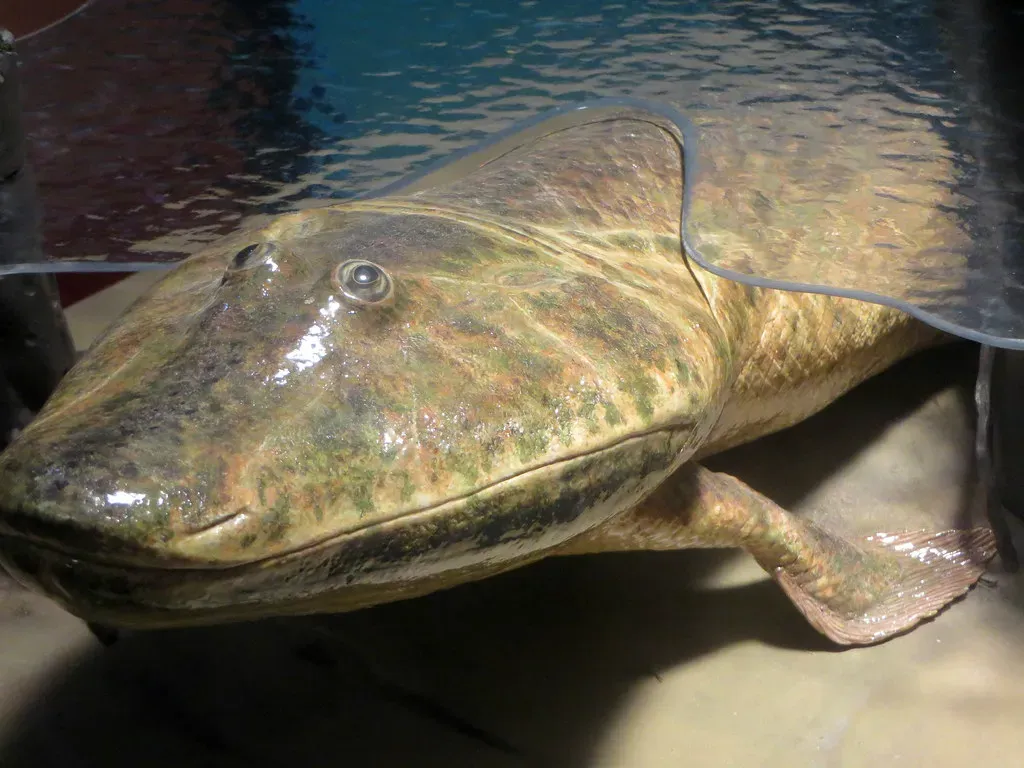
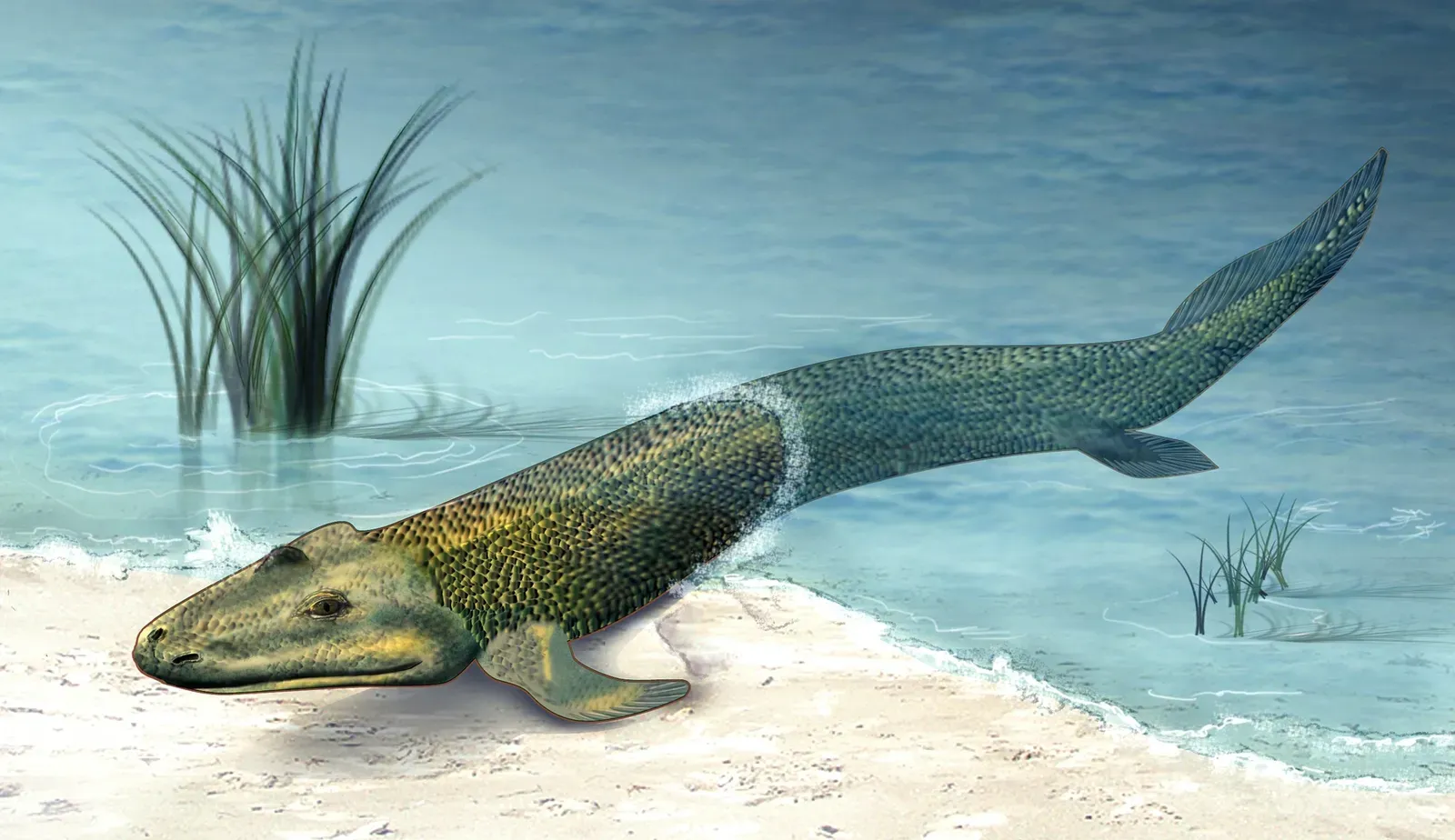
If you were forced to name one single creature that captures the magic of this transition, it would almost certainly be Tiktaalik roseae. Often described as a “fishapod” due to its combination of fish and four-legged animal characteristics, Tiktaalik lived approximately 375 million years ago and represents a moment when life began to transition from water onto land. It is, in many ways, the fossil equivalent of a caught-in-the-act photograph.
Unearthed in Arctic Canada, Tiktaalik was a non-tetrapod member of bony fish, complete with scales and gills, but it had a triangular, flattened head and unusual, cleaver-shaped fins. Its fins had thin ray bones for paddling like most fish, but they also had sturdy interior bones that would have allowed Tiktaalik to prop itself up in shallow water and use its limbs for support as most four-legged animals do.
Tiktaalik is the earliest-known fish to have a neck, with the pectoral shoulder girdle separate from the skull, which would give the creature more freedom in hunting prey on land or in the shallows. A neck sounds unremarkable to you, but for a fish, it was revolutionary. The evolution of the neck was also a significant advantage, enabling it to strike at prey without moving its entire body, a capability absent in most fish.
Acanthostega and Ichthyostega: The First True Four-Legged Pioneers
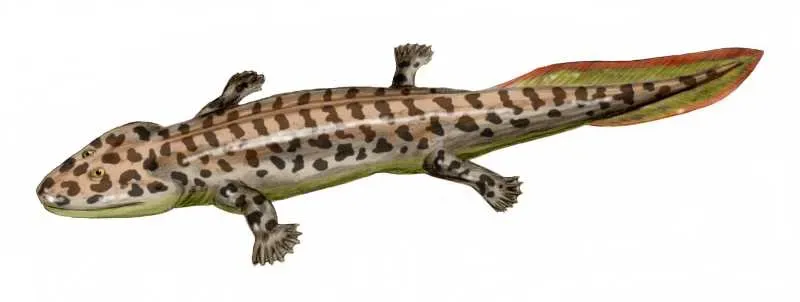
Acanthostega and Ichthyostega represent the most complete surviving fossils we have discovered of the earliest tetrapods, a group whose descendants would be the first vertebrate creatures to leave the oceans and walk on land. These two animals have fascinated and puzzled paleontologists for decades, and for good reason. They are both stranger and more fascinating than most people realize.
Research by Jennifer A. Clack and her colleagues showed that the very earliest tetrapods, animals similar to Acanthostega, were wholly aquatic and quite unsuited to life on land. Yes, you read that right. They had four limbs, but they likely used them underwater. The limbs could not be pulled in under the body and would not have supported their bodies well out of water. They probably lived in shallow freshwater environments and may have taken brief terrestrial excursions, much like the walking catfish do today in Florida.
The first animals to get close to walking on land had eight digits on each limb, and over time some of these digits were lost, leading to animals with seven digits, then six, and then five, which is the common condition now seen in living tetrapods. So the classic five-fingered hand you are reading this with? That is the end result of a very long evolutionary editing process.
The Body’s Blueprint: How Skeletons Reinvented Themselves
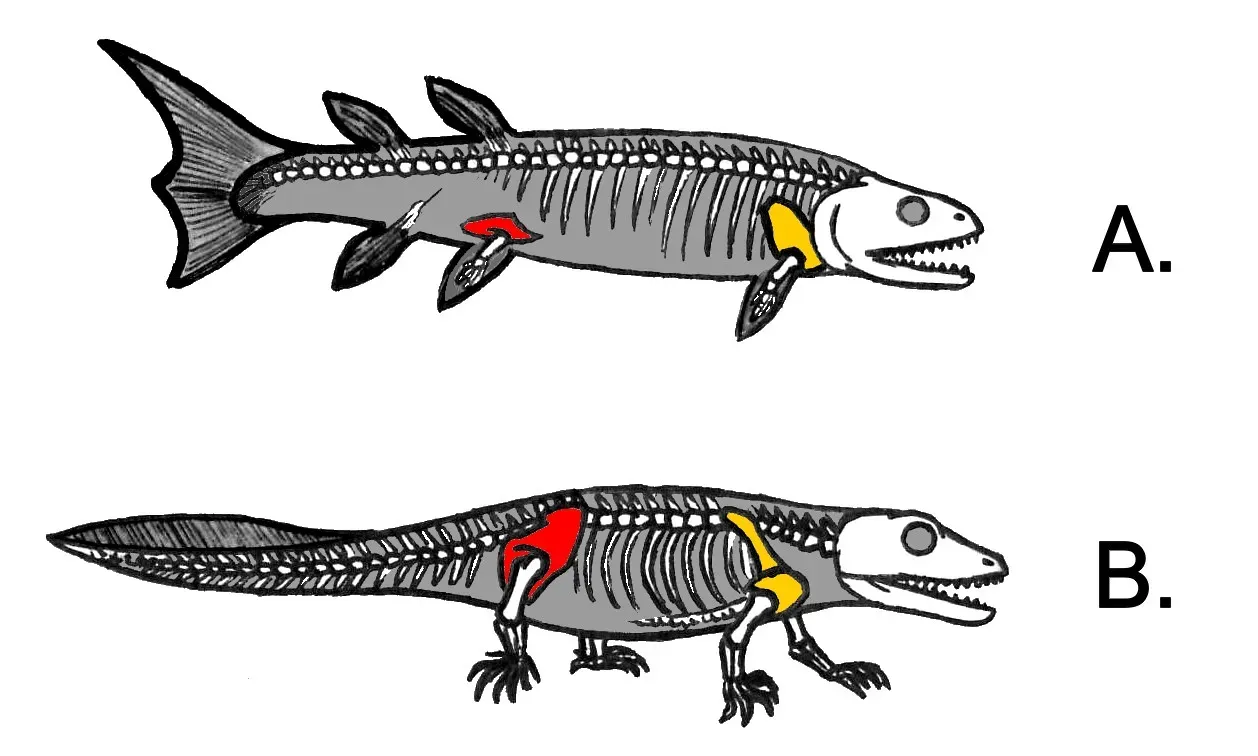
The water-land transition required numerous adaptations, including limbs, flexible wrists, a moveable neck, and lungs, among others. Think of the body as a machine that was completely re-engineered for a different terrain, not scrapped and rebuilt from scratch, but gradually modified, part by part, over millions of years.
As lineages moved into shallower water and onto land, the vertebral column gradually evolved as well. You may have noticed that fishes have no necks. Their heads are simply connected to their shoulders, and their individual vertebrae look quite similar to one another all the way down the body. Mobile necks allow land animals to look down to see the things on the ground that they might want to eat, and in shallow water dwellers and land dwellers, the first neck vertebra evolved different shapes which allowed the animals to move their heads up and down.
As the humerus continued to change shape, tetrapods improved their movement. The “L” shaped humerus transformed into a more robust, elongated, twisted form, leading to new combinations of functional traits. This change allowed for more effective gaits on land and helped trigger biological diversity and expansion into terrestrial ecosystems. It is honestly incredible to think that one single bone, the upper arm, tells so much of the story.
Romer’s Gap and the Rise of All Land Life
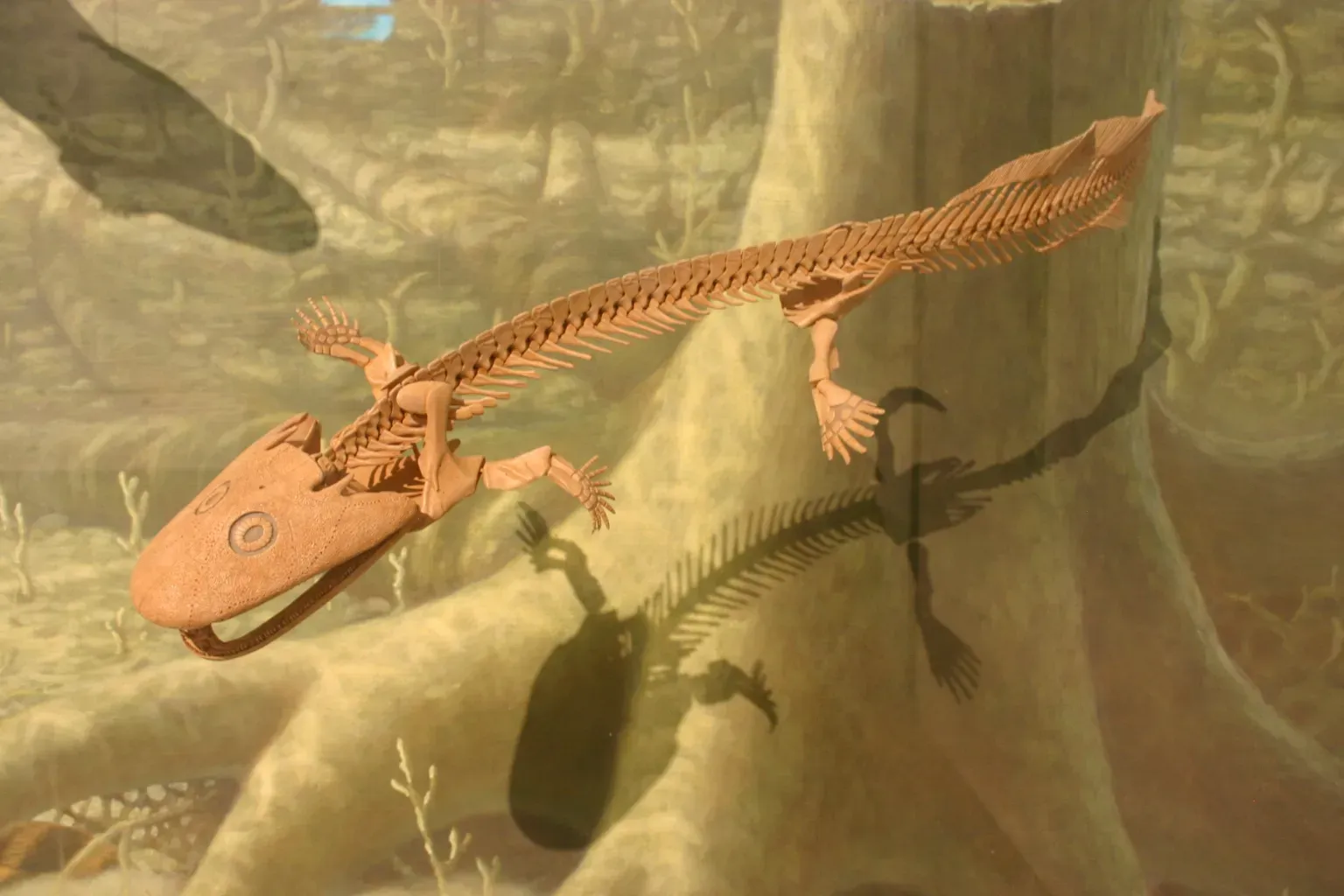
Until the 1990s, there was a 30 million year gap in the fossil record between the late Devonian tetrapods and the reappearance of tetrapod fossils in recognizable mid-Carboniferous amphibian lineages. It was referred to as “Romer’s Gap,” which now covers the period from about 360 to 345 million years ago, after the palaeontologist who recognized it. For a long time, this silence in the rocks was one of the most frustrating mysteries in paleontology.
Little evidence turned up from these ensuing 15 million years, but a few tetrapods made it through, perhaps because they had already adapted to living at least partially on land. Survival, it seems, favored those that had already started making the switch. It is hard to overstate how much of a game-changer it was when vertebrates first rose up from the waters and moved onshore about 390 million years ago, a transition that led to the rise of the dinosaurs and all the land animals that exist today.
Pretty early in the Carboniferous, amphibians split off from the group that evolved into the rest of tetrapods that still live today. The remaining amniotes then split off just over 300 million years ago into the group that became mammals and the group that became reptiles, and eventually dinosaurs and birds. Every single one of those lineages traces back to those first brave, stubby-limbed creatures hauling themselves through ancient mud.
Conclusion: Your Story Began in the Shallows
http://nsf.gov/news/mmg/mmg_disp.cfm?med_id=58310
http://nsf.gov/news/news_summ.jsp?cntn_id=106807
https://flickr.com/photos/nsf_beta/3705198718, Public domain)
It is hard not to feel a sense of awe when you connect all of this together. The hands you use every day, the lungs filling with air as you read this, the neck turning as you glance around the room, all of it started with a fish inching toward a muddy bank hundreds of millions of years ago.
The water-to-land transition is one of the most important and inspiring major transitions in vertebrate evolution. Scientists are still piecing together the finer details, still discovering fossils that reshuffle parts of the family tree, and still debating exactly where and when certain crucial steps occurred. While we have a rough outline of evolution from the time of the first land creatures to the first mammals, a lot of the specifics remain a bit fuzzy, and every fossil discovery has the potential to reorganize our evolutionary history.
So the next time you take a step, look down at your feet for just a moment. Those five toes. That sturdy ankle. The way your whole body balances on two limbs. It is all an echo of something ancient and extraordinary. What other secrets do you think are still buried in rock, waiting to be found?