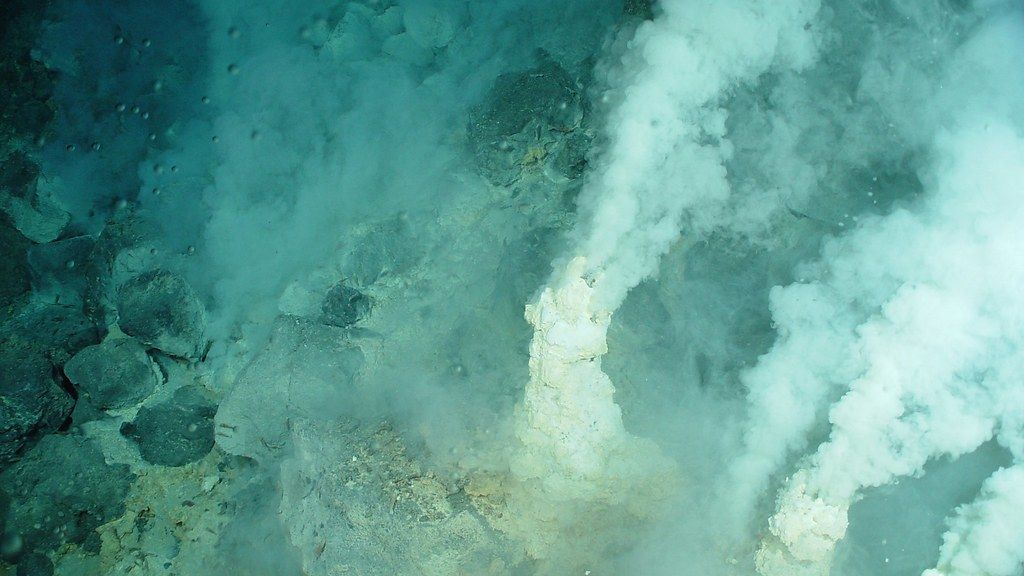
Imagine descending thousands of meters below the ocean surface, where sunlight has never reached and the pressure could crush steel. You would expect nothing but darkness and silence. Instead, you would find towering mineral chimneys spewing superheated fluid, surrounded by a surprisingly vibrant world of creatures living without a single ray of sun. It is a scene so alien it could belong to another planet, yet it may be a direct echo of Earth’s very first moments of life.
The deep sea holds its secrets tightly. For decades, scientists assumed that life as we know it was strictly dependent on sunlight and photosynthesis. That assumption was shattered when the first hydrothermal vents were discovered. What researchers have uncovered since is not just extraordinary, it is potentially the most important story in the history of all biology. Let’s dive in.
What Hydrothermal Vents Actually Are – and Why You Should Care
![What Hydrothermal Vents Actually Are - and Why You Should Care ([1], CC BY 4.0)](https://nvmwebsites-budwg5g9avh3epea.z03.azurefd.net/dinoworld/b8b6e6f72a1cc9d4529eb5055c197424.webp)
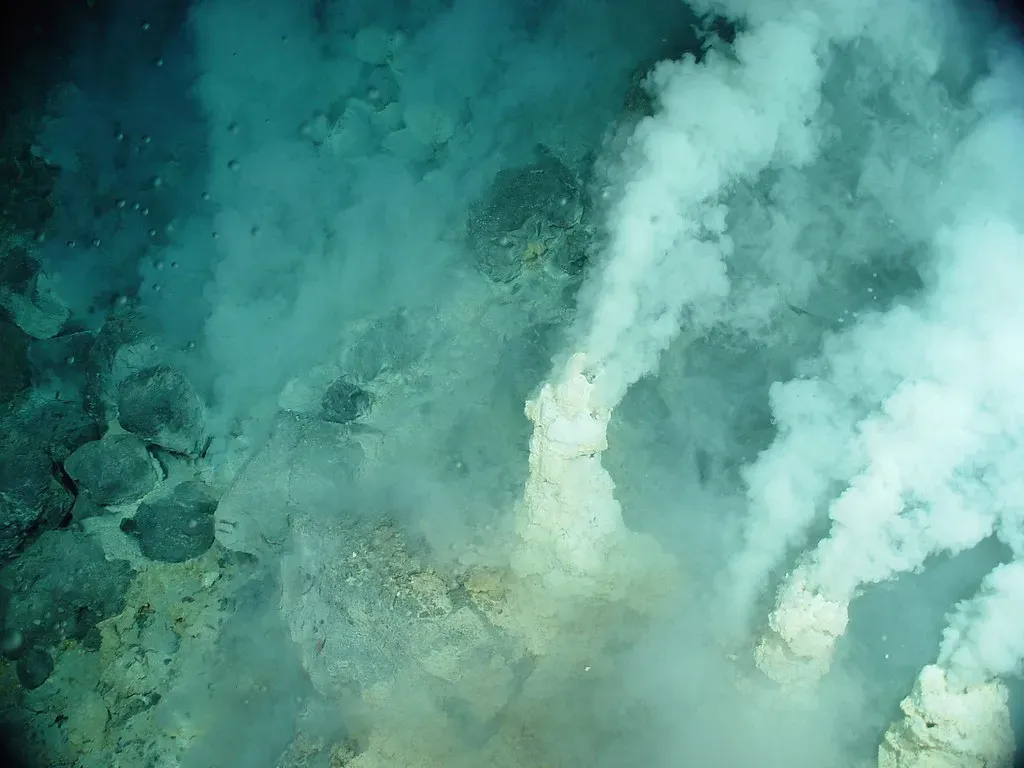
Hydrothermal vents are fissures on the seabed from which geothermally heated water discharges. You can find them commonly near volcanically active places, areas where tectonic plates are moving apart at mid-ocean ridges, ocean basins, and hotspots. Think of them like pressure valves in the Earth’s crust, constantly releasing mineral-rich, superheated fluid into the cold darkness of the deep ocean.
Within extensional settings, spreading of the seafloor results in the upwelling of magma below the crust, as well as the formation of cracks and fissures as oceanic plates are stretched. This increased porosity enables seawater to percolate deep into oceanic crust, where it is heated, reacts with rocks in the subsurface, and is subsequently convected upwards towards the seafloor, erupting as a hydrothermal vent. It is essentially a geochemical recycling machine operating on a planetary scale, and it has been running nonstop for billions of years.
A Discovery That Rewrote the Rules of Biology
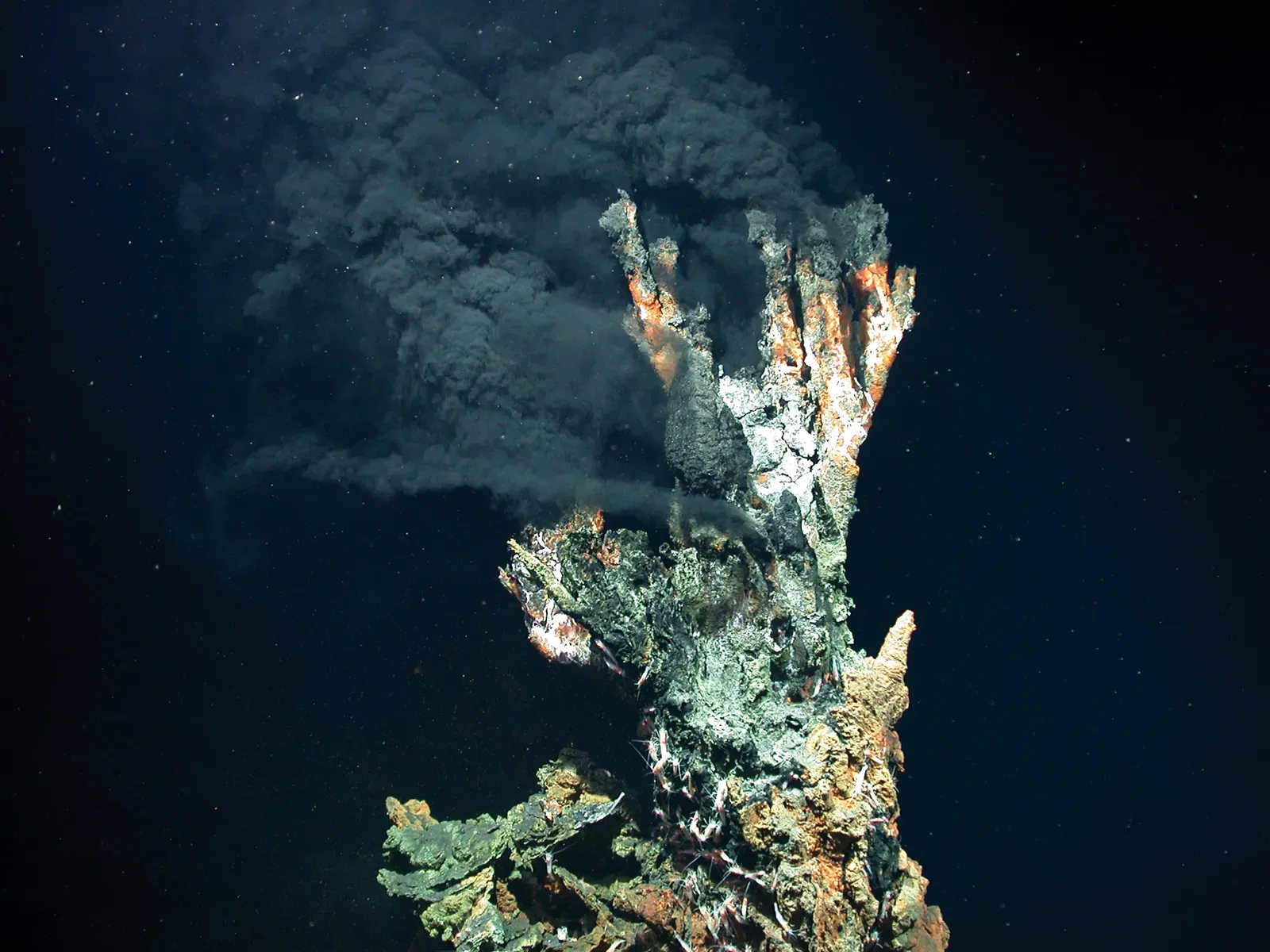
In 1977, scientists discovered biological communities unexpectedly living around seafloor hydrothermal vents, far from sunlight and thriving on a chemical soup rich in hydrogen, carbon dioxide, and sulfur, spewing from the geysers. Let’s be real, nobody was prepared for that. The entire scientific community had anchored life’s possibility to sunlight, and here was an entire ecosystem surviving without it.
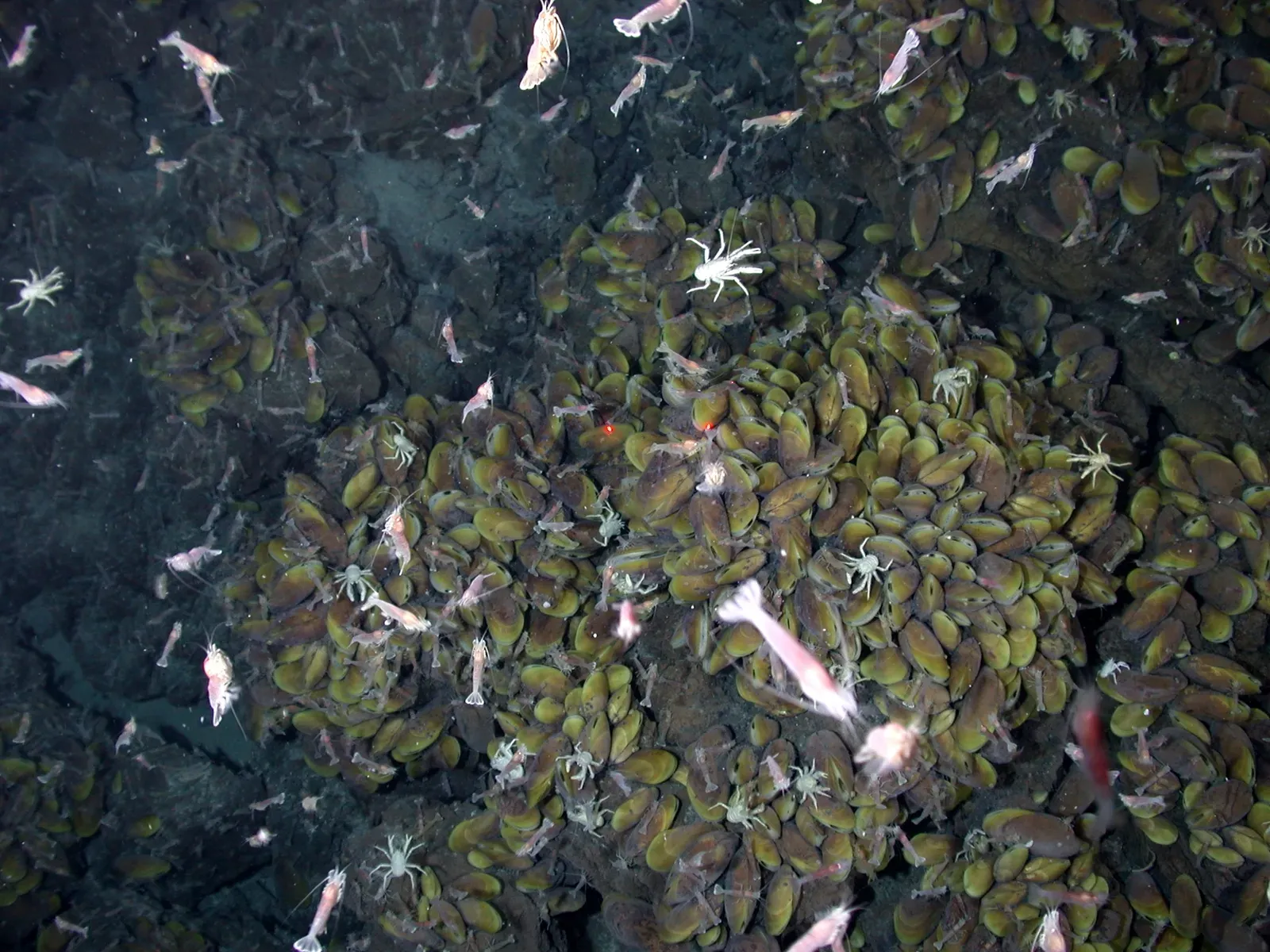
The highly unusual fauna that astounded the first explorers of deep-sea hydrothermal vents in 1977 prompted the establishment of a completely new branch of deep-sea biology. Despite low oxygen levels, high toxicity and fluid temperatures of up to 350°C, hydrothermal vents host a remarkably diverse array of ocean life, including giant tubeworms, beds of mussels and clams, fluffy crabs, and pink vent fish. You would not believe such creatures existed if you hadn’t seen them with your own eyes.
The Chemistry of Life’s First Spark
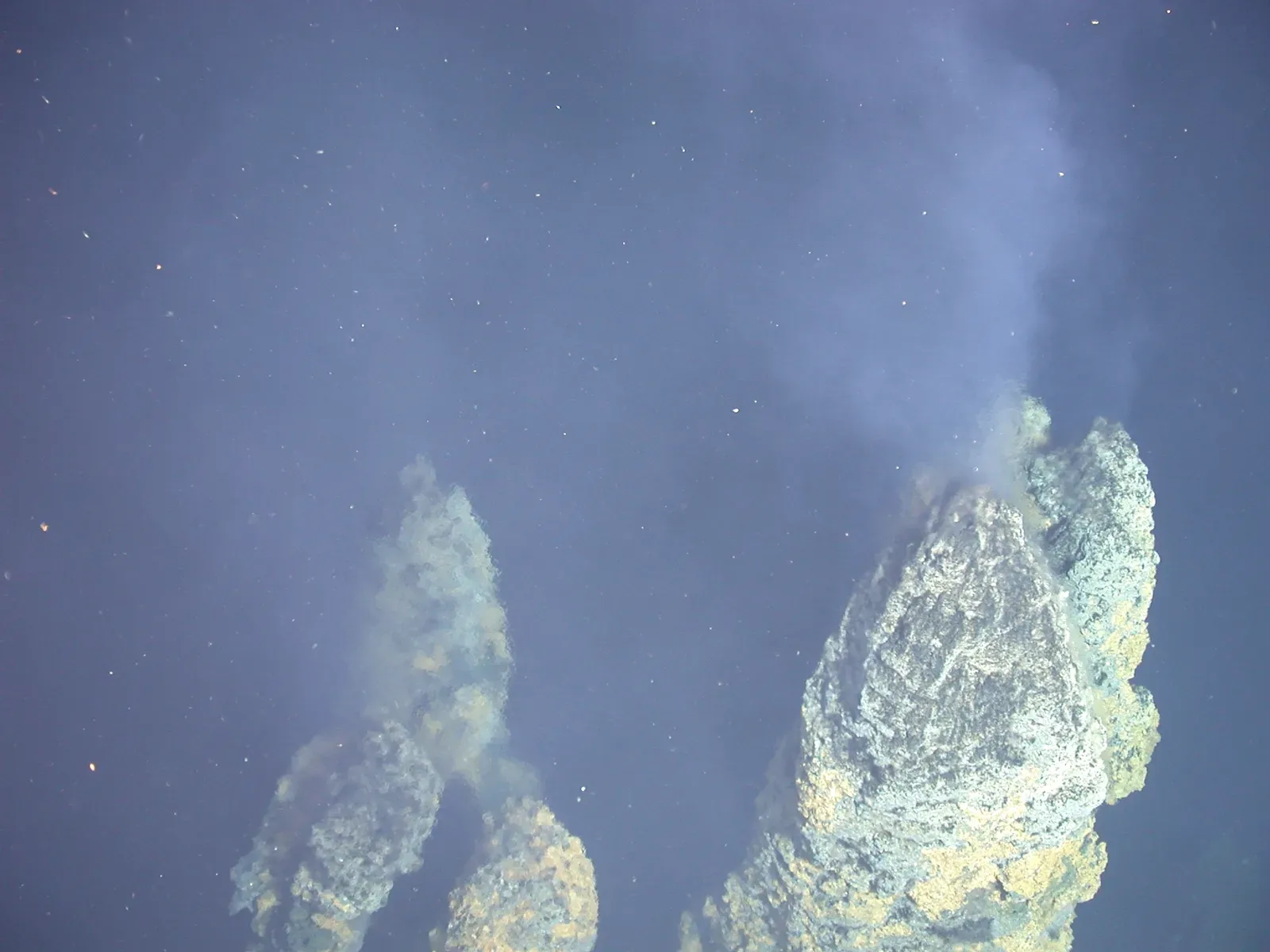
The environmental conditions in porous hydrothermal vents, where heated, mineral-laden seawater spews from cracks in the ocean crust, created a gradient in positively charged protons that served as a natural “battery” to fuel the creation of organic molecules and proto-cells. Honestly, when you picture it, the vent is less of a geological feature and more of a primitive power station. It was generating energy before any living cell had evolved to harvest it.
Under extreme pressure, fluid from these ancient seafloor cracks mixed with ocean water could have reacted with minerals from the hydrothermal vents to produce organic molecules – the building blocks that compose nearly all life on Earth. It has been proposed that amino acid synthesis could have occurred deep in the Earth’s crust and that these amino acids were subsequently shot up along with hydrothermal fluids into cooler waters, where lower temperatures and the presence of clay minerals would have fostered the formation of peptides and protocells.
Protocells: The First Tiny Step Toward You
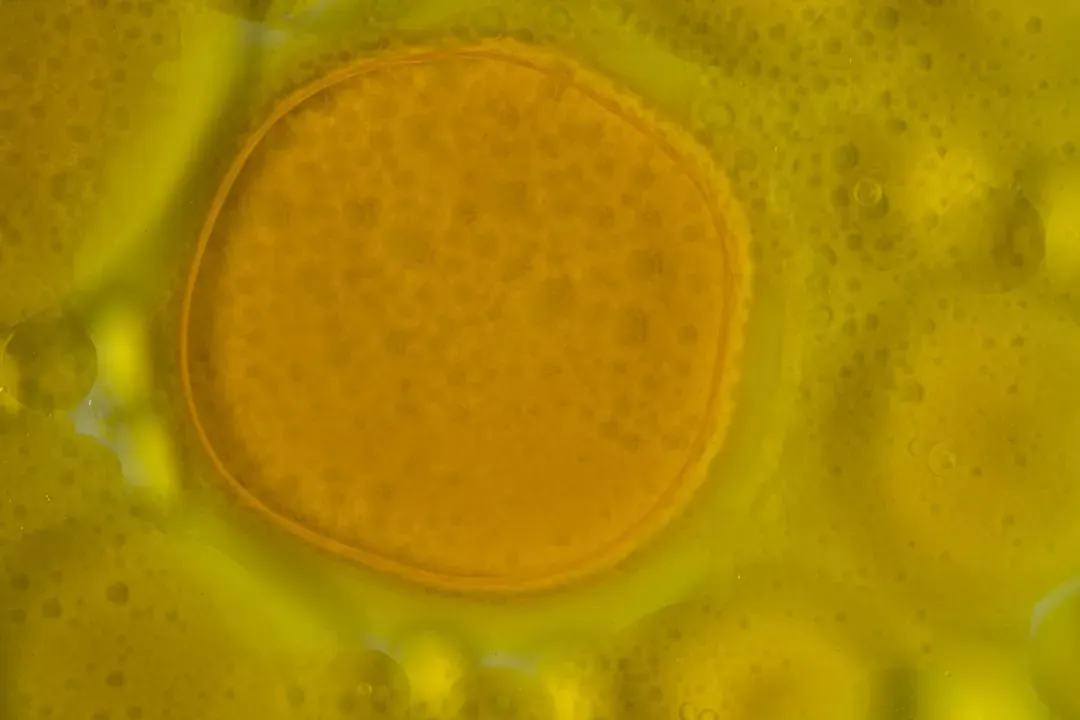
Previous experiments had failed to foster the formation of protocells – seen as a key stepping stone to the development of cell-based life – in such environments, but a UCL-led study published in Nature Ecology and Evolution finds that heat and alkalinity might not just be acceptable, but necessary to get life started. That is a genuinely shocking reversal. For years, researchers thought hot alkaline environments were hostile to early life. Turns out, they may have been required.
Researchers found that molecules with longer carbon chains needed heat in order to form themselves into a vesicle (protocell). An alkaline solution helped the fledgling vesicles keep their electric charge, and a saltwater environment also proved helpful, as fat molecules banded together more tightly in a salty fluid, forming more stable vesicles. It is hard to say for sure where this process first took hold, but the chemistry found at vents maps almost perfectly onto what early life would have needed.
The Lost City: A Window Into Life’s Possible Cradle
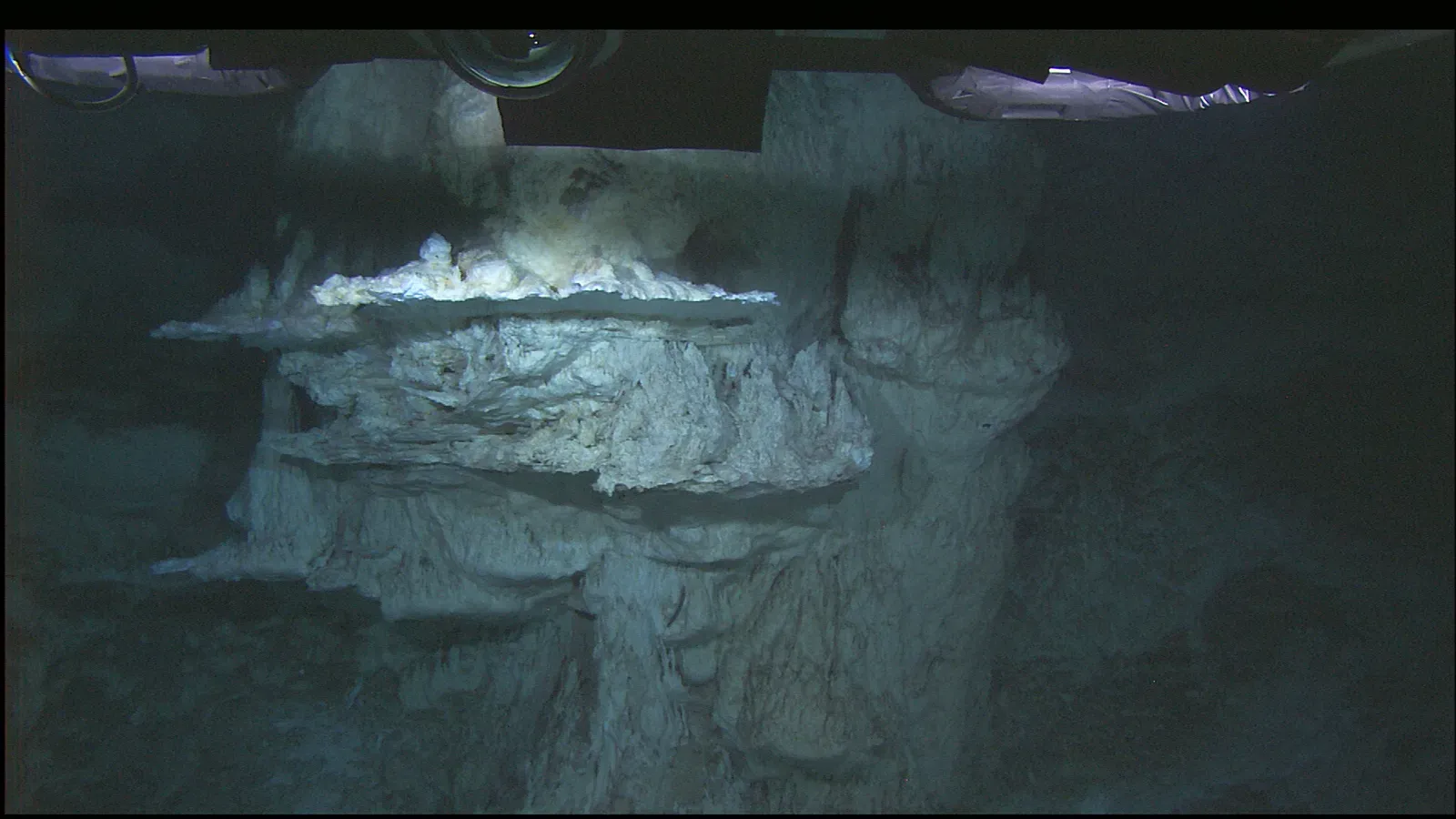
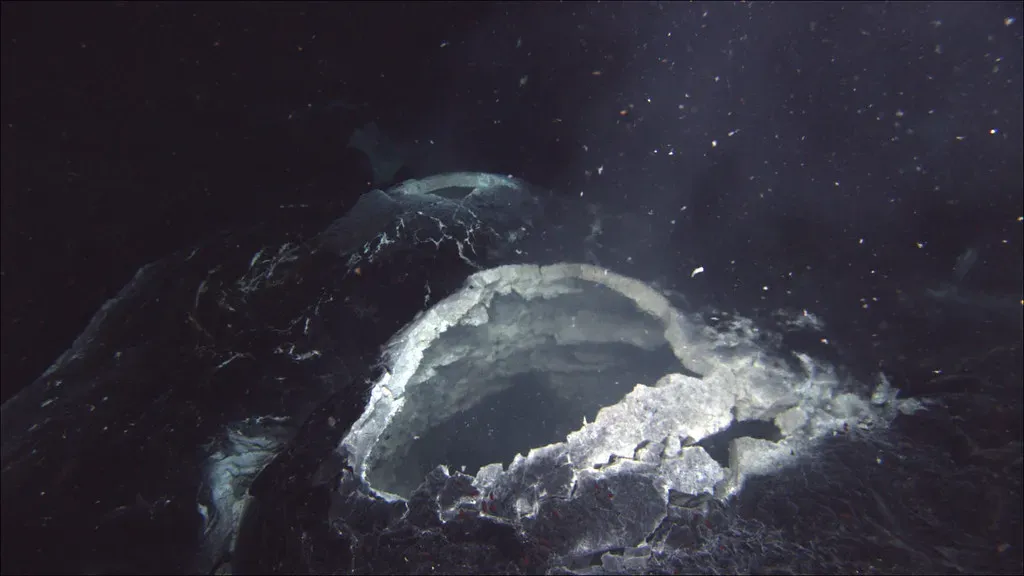
The Lost City Hydrothermal Field is an area of marine alkaline hydrothermal vents located on the Atlantis Massif at the intersection between the Mid-Atlantic Ridge and the Atlantis Transform Fault in the Atlantic Ocean. It is a long-lived site of active and inactive serpentinization, abiotically producing many simple molecules such as methane and hydrogen which are fundamental to microbial life, and has generated significant scientific interest as a prime location for investigating the origin of life on Earth and other planets similar to it.
Estimated to be at least 120,000 years old, the Lost City is one of the longest-lasting hydrothermal systems on Earth. Microscopic structures in such alkaline vents “show interconnected compartments that provide an ideal hatchery for the origin of life.” These alkaline hydrothermal vents also continuously generate acetyl thioesters, providing both the starting point for more complex organic molecules and the energy needed to produce them. It is the closest thing we have to a living fossil of early Earth chemistry.
Extremophiles: Living Proof That Life Adapts to Almost Anything
Microbial communities in hydrothermal vents play a crucial role in the functioning of these extreme environments and have significant ecological and scientific importance, with bacteria being the primary producers in the food chain and important for the cycling of essential elements such as carbon, sulfur, nitrogen, and metals. These tiny organisms are, in a very real sense, the engineers of an entire alien-like ecosystem, converting raw chemical energy into biological material.
Extremophiles are crucial to our comprehension of adaptive evolution and pivotal in tracing the origins of life on our planet, as their habitats closely resemble early Earth’s conditions. From an evolutionary standpoint, studies on extremophiles have revealed that some of these organisms cluster near the universal ancestor on the tree of life. These microorganisms, which have existed for billions of years, represent a vast reservoir of genetic diversity with significant potential for applications in medicine and biotechnology. In other words, studying them today is like reading a letter written by life itself billions of years ago.
What Deep Sea Vents Mean for the Search for Life Beyond Earth
The discovery of extremophiles that utilize chemosynthesis in deep-sea hydrothermal vents suggests that similar life forms could exist on celestial bodies with subsurface oceans, where sunlight is absent but chemical energy sources are abundant. When you think about it that way, the rules of what counts as a habitable planet have to be completely rewritten. We have been searching for Earth-like conditions in space, but maybe we should be searching for vent-like conditions instead.
Scientists believe that planets and moons with subsurface oceans and geothermal activity – such as Europa, Jupiter’s moon, and Enceladus, Saturn’s moon – could harbor chemosynthetic life. Studying the Lost City helps researchers understand the necessary conditions for life beyond Earth. Research in this area lays important groundwork for in-depth studies of such ocean worlds as Saturn’s moon Enceladus and Jupiter’s moon Europa, which are both thought to have liquid-water oceans buried beneath thick icy crusts and may host hydrothermal activity similar to what scientists are simulating in laboratories today. The deep ocean beneath your feet might just be the best map we have for finding life somewhere else in the cosmos.
Conclusion: The Deepest Question of All
It is strangely humbling to realize that the answer to one of humanity’s greatest mysteries, how life began, might be hiding at the bottom of the ocean in a place most of us will never visit. The deep sea vents are not just geological curiosities. They are time capsules, chemical laboratories, and thriving ecosystems all rolled into one.
Since their discovery, hydrothermal vents have become the most popular theory among scientists for explaining the origins of life on Earth. Yet much remains to be discovered. Secrets still held within these mysterious ecosystems have the potential to revise our life-on-Earth theories once again. Every new expedition brings a new piece of the puzzle, and every piece is more astonishing than the last.
We began this journey looking for clues, and what we have found is an entirely different way of understanding what life is, where it comes from, and where else it might exist. The ocean goes deep. So does the question. What do you think – could the very first living thing on Earth have been born in scalding, mineral-rich darkness, far beneath the waves? Tell us your thoughts in the comments below.